
Tetramorium indosinense
- Sci. Name
- Tetramorium indosinense
- Tribe
- Crematogastrini
- Subfamily
- Myrmicinae
- Author
- Wheeler, 1927
- Distribution
- Found in 1 countries
Introduction
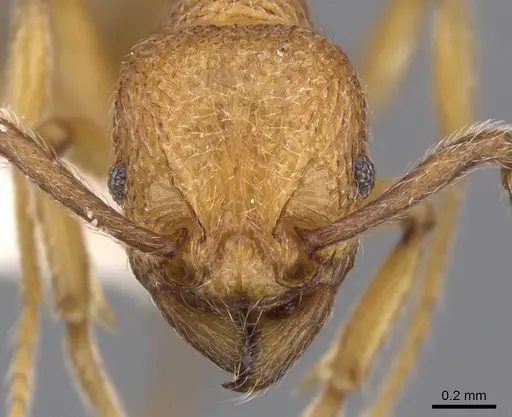
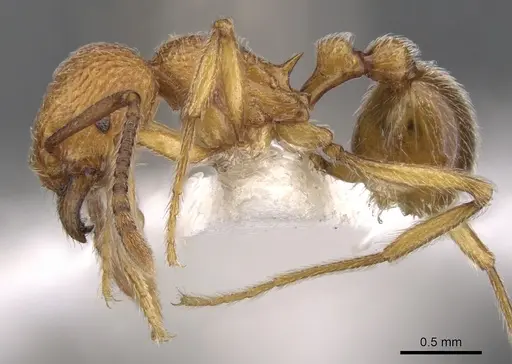
Tetramorium indosinense is a small myrmicine ant native to Southeast Asia, originally described from Vietnam in 1927 . Workers are tiny – exact size is unknown, but typical for the genus. The species was first placed in Triglyphothrix and later moved to Tetramorium . These ants are found in the Indomalaya region (Vietnam) and Palaearctic region (southern China), recorded from Hanoi, Ba Vi, and Xishuangbanna, Yunnan . They inhabit tropical and subtropical forests. This species is poorly studied. Most of what we know comes from its original description and a few distribution records. Basic biology like colony structure, nesting habits, and diet are not documented. The care advice below comes from general Tetramorium patterns, not species-specific research.
Quick Summary
- Difficulty: Medium
- Origin & Habitat: Vietnam (Hanoi, Ba Vi) and southern China (Yunnan) [2][3]. Found in tropical and subtropical forest environments [3].
- Colony Type: Likely monogyne (single queen), inferred from most Tetramorium species, but not confirmed for this species.
- Size & Growth:
- Queen: Size data unavailable – no measurements exist for this species.
- Worker: Size data unavailable – no measurements exist for this species.
- Colony: Unknown – no data on mature colony size.
- Growth: Moderate (inferred from small Myrmicinae, but not confirmed)
- Development: Unknown – no development data available for this species. (Inference from genus patterns is unreliable without species-specific data.)
- Antkeeping:
- Temperature: Unknown for this species. Based on tropical habitat, keep warm around 24-28°C and monitor behavior. Avoid extremes.
- Humidity: Unknown. Since they come from humid forests, aim for high humidity – keep substrate moist but not waterlogged. Provide a gradient so ants can choose.
- Diapause: Unknown – no evidence for or against. Given tropical origin, likely no true diapause, but expect slower activity in cooler months.
- Nesting: Unknown. Most Tetramorium are ground-nesters in soil or under stones, but this is not confirmed. Start with a test tube setup for founding, then consider a soil or Y-tong nest.
- Behavior: These ants belong to Myrmicinae tribe Crematogastrini, which has a specialized defense: they smear venom using a flattened stinger instead of stinging (do NOT cite – subfamily knowledge). Temperament unknown due to lack of observations, but Tetramorium species are generally non-aggressive. Their small size means excellent escape prevention is needed.
- Common Issues: very small size makes escape prevention critical – use fine mesh barriers and fluon., no species-specific care data means all advice is inferred – be prepared to adjust conditions based on ant response., humidity management is tricky – too dry desiccates them, too wet causes mold., wild-caught colonies may carry mites or parasites.
Housing and Nest Setup
Since founding behavior is unknown, start with a standard test tube setup: fill one-third with water, plug with cotton, and introduce the queen. For established colonies, you can try a soil or plaster nest since most Tetramorium are ground-nesters, but no species-specific recommendations exist. Make all connections escape-proof – these ants are very small.
Feeding and Diet
No data exists on their natural diet. Based on typical Tetramorium, they are likely omnivorous. Offer sugar water or honey for energy and small live prey (fruit flies, pinhead crickets) for protein. Remove uneaten food after 24 hours to avoid mold. Adjust amounts based on colony size.
Temperature and Humidity
Optimal conditions are unknown. Keep the nest around 24-28°C, reflecting their tropical origin. For humidity, aim for high levels – the substrate should be moist but not waterlogged. Use a moisture gradient so ants can choose their preferred microclimate. [2][3]
Colony Development
Development timeline is undocumented. If the queen is claustral (typical for Tetramorium, but unconfirmed), she will seal in and not feed. First workers might appear in 6-10 weeks at warm temperatures, but this is pure speculation. Growth rate and mature colony size are unknown. Keep disturbance to a minimum and observe.
Behavior and Temperament
Very little is known about their behavior. They belong to the tribe Crematogastrini, which uses a smearing defense – they wipe venom on attackers with a modified stinger rather than stinging. This makes them non-aggressive toward humans, but they may bite. Their small size makes them excellent escape artists, so seal the setup thoroughly. They are probably diurnal foragers, but not confirmed.
Frequently Asked Questions
How long does it take for Tetramorium indosinense to produce first workers?
Unknown – no species-specific data. If claustral founding is assumed, first workers might appear in 6-10 weeks at warm temperatures, but this is an estimate only.
Can I keep multiple Tetramorium indosinense queens together?
Not recommended – colony structure is unconfirmed. Start with a single queen to be safe.
Do Tetramorium indosinense sting?
They belong to a tribe (Crematogastrini) that uses a smearing defense, not a piercing sting. They may bite if threatened, but are not dangerous to humans.
What do Tetramorium indosinense eat?
Natural diet is unknown. In captivity, offer sugar water or honey for energy and small prey for protein. Observe what they accept.
Are Tetramorium indosinense good for beginners?
Not recommended for beginners. The lack of species-specific care data and tiny size makes them challenging. Only attempt if you are comfortable adapting care from genus-level knowledge.
Do Tetramorium indosinense need hibernation?
Unknown – no evidence. Given tropical origin, they likely do not require a cold diapause, but you can reduce temperature slightly in winter if desired.
How big do Tetramorium indosinense colonies get?
Completely unknown – no data exists for this species.
When should I move Tetramorium indosinense from a test tube to a formicarium?
Unknown. If the colony grows, move when the test tube becomes crowded. Ensure the new nest has high humidity and secure connections.
Why are my Tetramorium indosinense dying?
Common potential causes: low humidity (desiccation), temperature stress, mold from overfeeding, or parasites from wild-caught colonies. Monitor conditions closely.
Report an Issue
The current care sheet is based fully on literature. See inconsistencies, or something that's incorrect? Please , it will be resolved after review from an admin. Contributing to the blogs tab also helps providing information, to make us be able to further improve the caresheets. Thank you for your support!
References

This caresheet is licensed under CC BY-SA 4.0 .
Community Blogs
CASENT0901055
View on AntWeb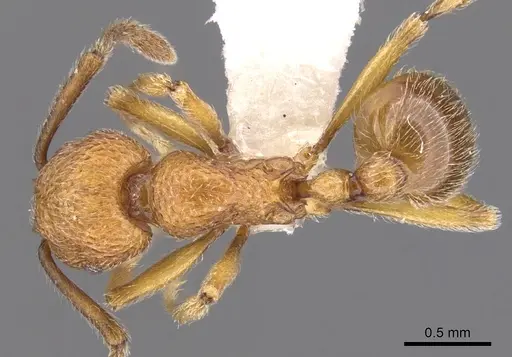
Literature
Loading distribution map...Loading products...