
Tetramorium indocile
- Sci. Name
- Tetramorium indocile
- Tribe
- Crematogastrini
- Subfamily
- Myrmicinae
- Author
- Santschi, 1927
- Distribution
- Found in 13 countries
Introduction
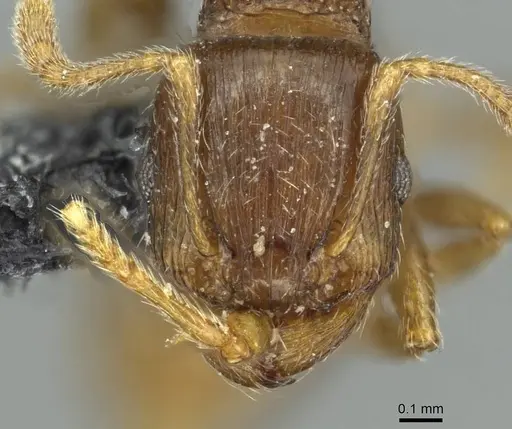
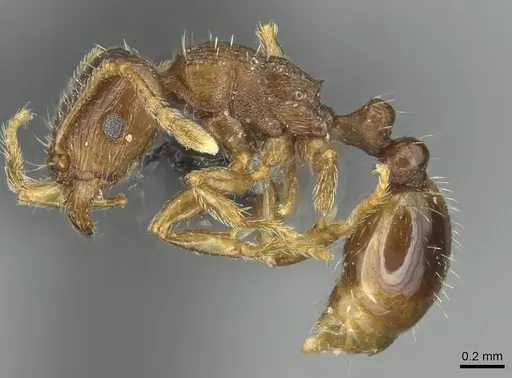
Tetramorium indocile is a tiny, dark brown to black ant belonging to the Tetramorium caespitum species complex. Workers are small (around 2.5-3 mm total length, inferred from the genus), with a moderately elongated head and medium-sized eyes . The species was originally described as a variety of Tetramorium caespitum but was raised to full species status in 2014 based on genetic and morphological evidence . These ants are found across a huge range from Kyrgyzstan in Central Asia to Spain, living in steppe-like, dry habitats such as rocky grasslands, meadows, semi-deserts, and Juniperus heathlands . In Central Europe they are rare and restricted to the driest sites like south-facing rocky slopes and vineyards . Winged queens and males (alates) appear in nests from late June to mid-August, peaking around mid-July . This species is part of a cryptic species complex that was only properly separated using genetics - it looks almost identical to Tetramorium caespitum and Tetramorium sibiricum, but can be told apart by subtle differences in body shape, hair length, and microsculpture . In the field they nest in soil, often under stones . They are moderately thermophilic (warm-loving) and prefer open, sunny spots with low vegetation.
Quick Summary
- Difficulty: Medium
- Origin & Habitat: Native to the Palearctic region from Kyrgyzstan (Central Asia) to Spain. Inhabits arid, steppe-like habitats: dry grasslands, meadows, rocky slopes, Juniperus heathlands, river banks, stony steppes, and semi-deserts. In Central Europe restricted to particularly dry sites like south-facing rocky grasslands and vineyards [1][6]. Altitudes range from 110 m to 2300 m with a mean of about 1351 m [7]. Found in areas with low to moderate rainfall [6].
- Colony Type: Likely monogyne (single queen) based on typical patterns in the Tetramorium caespitum complex, but not confirmed by species-specific literature.
- Size & Growth:
- Queen: Estimated ~6-8 mm based on genus typical size, not directly measured in primary literature.
- Worker: ~2.5-3 mm total length (inferred from Tetramorium genus), head width about 0.7 mm [1]
- Colony: Up to several hundred workers (estimated, typical for the species complex)
- Growth: Moderate
- Development: 6-10 weeks (estimated based on related Tetramorium species at optimal temperatures) (Development timeline not directly studied for this species, estimates are based on related Tetramorium species.)
- Antkeeping:
- Temperature: Keep the nest at 22-26°C during the active season. This species has a mean soil temperature adaptation score of 15.6°C across 42 sites [1], showing it prefers warm conditions. Provide a temperature gradient so the ants can self-regulate.
- Humidity: Low to moderate. In nature they live in dry, arid habitats with low rainfall [6]. Keep the nest substrate mostly dry to slightly moist at most, never waterlogged. A shallow water dish in the outworld is enough.
- Diapause: Yes, likely requires winter hibernation. As a Palearctic species from temperate and Central Asian climates, they need a cold period at 5-10°C for 2-3 months (November to February) to maintain healthy reproductive cycles. This is inferred from their geographic range and not directly confirmed in the literature.
- Nesting: Nests in soil, often under stones [1][5]. In captivity use a naturalistic setup with dry to slightly moist soil and flat stones, or a Y-tong/plaster nest with narrow, dry chambers. Keep the nesting area compact due to their tiny size.
- Behavior: Peaceful and non-aggressive toward keepers. Workers are small, active foragers that search for tiny prey and honeydew. Their defense mechanism is 'smear', they have a flattened, spatulate stinger used to wipe venom onto enemies rather than piercing (typical for the Crematogastrini tribe). They are moderate escape artists due to their small size, use fine mesh barriers (0.5 mm or smaller) and tight-fitting lids.
- Common Issues: escape due to tiny size, use fine mesh barriers and seal all gaps., overwatering, their dry-habitat preference means too much moisture can kill the colony., lack of proper hibernation, without a cold period, the colony may decline or stop producing sexuals., feeding prey that is too large, keep food items small (fruit flies, springtails, small mealworm pieces).
Housing and Nest Setup
Tetramorium indocile is a tiny ground-nesting ant that needs housing scaled to its size. In the wild they nest in soil, often under stones [1][5]. A naturalistic setup works well: use a shallow container with a mostly dry soil substrate and place flat stones or pieces of slate on top for the ants to nest beneath. You can also use a Y-tong (AAC) or plaster nest with narrow chambers, keeping them dry. Because they come from dry habitats [6], keep the nest substrate at dry to slightly moist, never wet. Provide a shallow water dish in the outworld for drinking. Escape prevention is critical due to their tiny size: use fine mesh (0.5 mm or smaller) on ventilation holes and seal all connections tightly [1].
Feeding and Diet
Like other Tetramorium species, Tetramorium indocile accepts a varied diet of small insects and sugary liquids. In their natural dry grasslands, they likely forage for small arthropods and tend aphids for honeydew. Offer small protein sources such as fruit flies (Drosophila), pinhead crickets, small mealworms, and springtails. Provide sugar water, honey (diluted), or a honeydew solution for energy. Because the workers are so small, prey items must be tiny, fruit fly pupae and springtails are perfect. Feed small amounts 2-3 times per week and remove uneaten food within 24 hours to prevent mold. [1]
Temperature and Seasonal Care
These ants prefer warm conditions, confirmed by their moderately thermophilic ecology (mean soil temperature at nest sites: 15.6 °C across 42 sites) [1]. Keep the nest at 22-26 °C during the active season, with a gradient so workers can choose their preferred temperature. A heating cable or mat on one side of the nest (placed on top to avoid drying the substrate) works well. During winter, they need a true hibernation period, inferred from their Palearctic distribution. Cool the colony to 5-10 °C for 2-3 months (roughly November to February). Keep them completely dark and reduce feeding during this time. Without hibernation, the colony may not produce sexuals and could decline over time.
Colony Development and Growth
Colony growth is moderate. Based on related Tetramorium species, expect 6-10 weeks from egg to first worker (nanitics) at optimal temperatures (22-26 °C) [1]. The first workers will be smaller than those produced later. A mature colony likely reaches several hundred workers over 1-2 years (estimated). Queens are estimated at 6-8 mm (inferred from genus), while workers are tiny at about 2.5-3 mm total length. Winged sexuals (alates) appear in nests from late June to mid-August, peaking around July 17 [1]. The mating system and founding behavior have not been directly studied, but based on typical Tetramorium biology, queens likely found colonies alone (claustral founding), sealing themselves in a soil chamber to raise the first brood without foraging.
Behavior and Temperament
Tetramorium indocile workers are small, active, and generally peaceful. They are not aggressive toward keepers and pose no threat. They forage on the substrate surface for small prey and honeydew. Their main defense is 'smear', they have a modified, flattened stinger used to wipe venom onto enemies rather than sting (typical of the Crematogastrini tribe). Some workers have distinctive long, sinuous hairs on the underside of the head [1]. Because they are so tiny, they can squeeze through very small gaps, excellent escape prevention is mandatory, especially when opening the nest for maintenance. They are most active during warm months and slow down significantly during hibernation.
Frequently Asked Questions
How long does it take for Tetramorium indocile to raise first workers?
Expect 6-10 weeks from egg to first worker at optimal temperatures (22-26°C). This is based on typical Tetramorium development timelines since specific data for Tetramorium indocile are not available. The first workers (nanitics) will be smaller than mature workers.
Do Tetramorium indocile ants need hibernation?
Yes, they almost certainly require winter hibernation. As a Palearctic species from temperate to Central Asian climates, they likely need a cold period at 5-10°C for 2-3 months (November to February) to maintain healthy reproductive cycles and prevent long-term decline. This is inferred from their geographic range, not directly confirmed in the literature.
What temperature do Tetramorium indocile ants need?
Keep them at 22-26°C during the active season. Their mean soil temperature at nest sites is 15.6°C [1], indicating they prefer warmer conditions than many European ants. Provide a temperature gradient so the ants can self-regulate.
Are Tetramorium indocile good for beginners?
They are rated medium difficulty. While not as challenging as some species, their tiny size means you need careful escape prevention, and their need for a dry, warm setup and winter hibernation adds complexity. They are also rare in the antkeeping trade, so they may be hard to find.
How big do Tetramorium indocile colonies get?
Colony size likely reaches several hundred workers at maturity, typical for the Tetramorium caespitum complex. Growth is moderate, taking 1-2 years to reach a moderate size. These are estimates based on related species.
What do Tetramorium indocile ants eat?
They accept small insects (fruit flies, springtails, small mealworms) and sugary liquids (sugar water, honey, honeydew). Because workers are tiny, prey items must be appropriately small. Offer protein 2-3 times weekly and keep a sugar source available.
Can I keep multiple Tetramorium indocile queens together?
Not recommended. This species is likely monogyne (single queen) based on genus patterns, so combining unrelated queens would probably result in fighting. Species-specific data on pleometrosis are unavailable.
Do Tetramorium indocile ants sting?
They have a stinger, but their primary defense is 'smear', they wipe venom onto enemies with a flattened stinger rather than piercing. They are not aggressive toward humans, and their small size means any reaction would be minimal. They are not dangerous.
When do Tetramorium indocile alates appear?
Adult sexuals (winged queens and males) appear in nests from late June through mid-August, with peak occurrence around July 17 [1]. This is when nuptial flights would occur in captivity if conditions allow.
Why is my Tetramorium indocile colony dying?
Common causes include: overhumidity (they need dry conditions, so wet substrate can kill them), lack of proper hibernation, escape due to inadequate barriers, or feeding prey that is too large. Check that humidity is low, temperature is 22-26°C, escape prevention is secure, and hibernation (5-10°C for 2-3 months) was provided if the season calls for it.
Report an Issue
The current care sheet is based fully on literature. See inconsistencies, or something that's incorrect? Please , it will be resolved after review from an admin. Contributing to the blogs tab also helps providing information, to make us be able to further improve the caresheets. Thank you for your support!
References

This caresheet is licensed under CC BY-SA 4.0 .
Community Blogs
CASENT0913998
View on AntWeb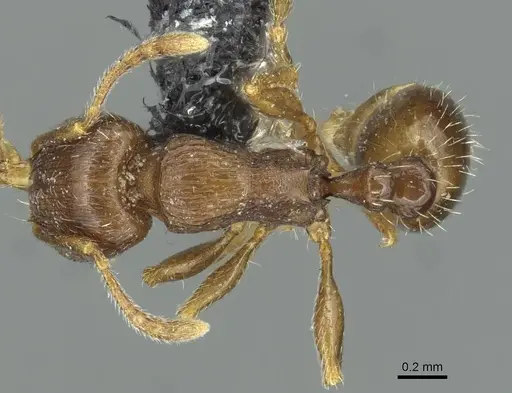
Literature
Loading distribution map...Loading products...