
Tetramorium hortorum
- Sci. Name
- Tetramorium hortorum
- Tribe
- Crematogastrini
- Subfamily
- Myrmicinae
- Author
- Arnold, 1958
- Distribution
- Found in 3 countries
Introduction
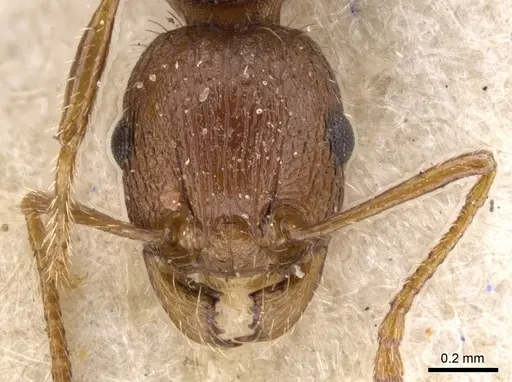
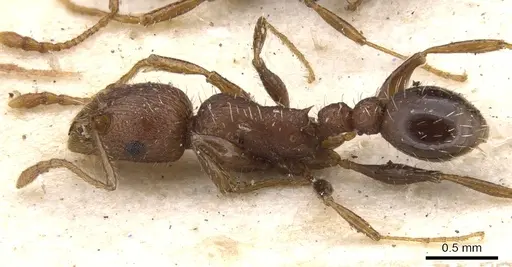
Tetramorium hortorum is a small ant species native to East Africa, first documented in Rwanda's Akagera National Park . Workers are around 2-3 mm (inferred from Tetramorium genus patterns), with a dark brown to black body and the two-segmented waist common to the genus. They inhabit savanna and woodland ecosystems, likely nesting in soil or under stones in warm, relatively dry conditions. Like most Tetramorium, they are generalist foragers that scavenge for small insects and sugary substances. Their small size makes them quick and able to squeeze through tiny gaps, so escape prevention is a top priority for keepers.
Quick Summary
- Difficulty: Medium
- Origin & Habitat: East Africa: Akagera National Park, Rwanda [1]. The region is a savanna grassland with scattered woodland, experiencing a tropical climate with distinct wet and dry seasons.
- Colony Type: Likely monogyne (single queen) based on typical Tetramorium patterns. Colony size is estimated to reach several hundred workers.
- Size & Growth:
- Queen: ~5-7 mm (inferred from Tetramorium genus patterns)
- Worker: ~2-3 mm (inferred from Tetramorium genus patterns)
- Colony: Estimated up to 500 workers based on related species
- Growth: Moderate
- Development: Estimated 6-8 weeks at optimal temperature (inferred from Tetramorium patterns) (Actual timeline may vary with conditions)
- Antkeeping:
- Temperature: Keep at 22-26°C based on East African origin. Use a heating cable on one side to create a gradient [1]. Avoid prolonged temperatures above 30°C or below 18°C.
- Humidity: Provide moderate substrate moisture, not waterlogged. They come from a savanna habitat with defined wet/dry seasons, so they tolerate some dryness. Offer a humidity gradient with a drier zone in the nest.
- Diapause: Unknown. Tropical species may benefit from a brief dry-season rest. If you simulate one, gradually reduce temperature to 18-20°C for 2-3 months, but no research confirms this requirement.
- Nesting: Y-tong (AAC) or plaster nests with compact, small chambers work well. Test tubes are fine for founding. Naturalistic setups with soil and flat stones also suit them.
- Behavior: Active, fast foragers that recruit nestmates to food using chemical trails [2]. Their defense mechanism involves smearing venom from a modified stinger rather than stinging, not painful to humans. They can be defensive when disturbed. Their small size means they can escape through tiny gaps, use fine mesh and tight barriers.
- Common Issues: escape prevention is critical, use fine mesh and tight-fitting lids, colonies grow slowly during early months, which can frustrate beginners, test tube water reservoirs may dry out quickly in warm conditions, monitor frequently, wild-caught colonies may carry parasites that could cause collapse, overheating is a risk, keep the nest away from direct sunlight and heat sources, defense: workers can smear venom, potentially causing mild irritation if handled
Housing and Nest Setup
For this small species, a Y-tong (AAC) or plaster formicarium with compact, narrow chambers works best, avoid large open spaces that can make them feel insecure [2]. A test tube setup is suitable for founding colonies: use a small water reservoir and keep the cotton moist but not flooded. When the colony outgrows the test tube (e.g., the reservoir runs dry quickly or workers seem cramped), move them to a proper nest. Naturalistic setups with a soil layer and flat stones also mimic their habitat. Whatever you choose, ensure excellent escape prevention, these ants will exploit the tiniest gaps.
Feeding and Diet
Tetramorium hortorum is a generalist feeder. Offer small protein sources like fruit flies, pinhead crickets, and mealworm pieces. They also accept sugar water, diluted honey, and honeydew. Feed protein 2-3 times per week and keep a sugar source available at all times [2]. Remove uneaten food after 24-48 hours to prevent mold. During founding, the claustral queen does not eat, she relies on stored fat reserves until her first workers emerge.
Temperature and Seasonal Care
As an East African species, they prefer warm conditions around 22-26°C [1]. Use a heating cable on one side of the nest to create a temperature gradient. Avoid temperatures above 30°C, which can stress or kill the colony. Diapause requirements are unknown, the species experiences distinct dry seasons in its native range, so a brief rest period at 18-20°C for 2-3 months may be beneficial but is not proven necessary. If your colony remains active year-round, skipping hibernation is acceptable.
Colony Development and Growth
A claustral queen will seal herself in a small chamber and lay eggs without leaving to forage, relying on stored fat reserves [2]. The first brood (nanitics) typically emerges in 6-8 weeks at optimal temperature, based on related species. These first workers are smaller than normal but immediately begin foraging to feed the colony. Growth is moderate, expect steady but not rapid expansion. Patience is key.
Behavior and Temperament
Workers are active and alert, quickly recruiting nestmates to food discoveries. They can be defensive when the nest is disturbed. Their primary defense is smearing venom from a modified stinger onto attackers, rather than stinging, this is not considered painful to humans. Their small size makes them excellent at exploring and finding food, but also means they can escape through gaps too small for most ants. Use fluon or similar barriers on the rim of your formicarium. Overall, they are manageable and interesting to watch.
Frequently Asked Questions
How long does it take for Tetramorium hortorum to have first workers?
Expect first workers to emerge about 6-8 weeks after the queen lays eggs, assuming optimal temperature around 24-26°C [2]. This timing is inferred from related Tetramorium.
Can I keep Tetramorium hortorum in a test tube?
Yes, test tubes work well for founding colonies. Keep the water reservoir moist but not flooded. Move the colony to a proper nest when the tube becomes crowded or the water runs out quickly [2].
What temperature do Tetramorium hortorum ants need?
Keep them at 22-26°C with a gradient from a heating cable. Avoid extremes above 30°C or below 18°C for extended periods [1].
Do Tetramorium hortorum ants sting?
No, they do not sting in the usual sense. Instead, they have a modified stinger that smears venom onto enemies. This is not particularly painful to humans, but handling them may cause mild irritation.
How big do Tetramorium hortorum colonies get?
Based on related species, colonies likely reach up to 500 workers over time. Growth is moderate, and full maturity may take 1-2 years under good conditions [2].
Are Tetramorium hortorum good for beginners?
They are moderately difficult. Their small size and escape risk require careful setup, but they are hardy once established. Beginners should pay extra attention to escape prevention [2].
What do Tetramorium hortorum eat?
They accept small insects (fruit flies, pinhead crickets, mealworm pieces), sugar water, honey, and honeydew. Offer protein 2-3 times weekly and keep sugar available at all times [2].
Do Tetramorium hortorum need hibernation?
Hibernation is not proven necessary. The species comes from a tropical region with a dry season, so a rest period at 18-20°C for 2-3 months may be beneficial but is optional. If the colony remains active year-round, skipping it is fine [2].
Why are my Tetramorium hortorum dying?
Common causes include: escape (check for tiny gaps), overheating (keep below 30°C), drying out (maintain moisture), overfeeding leading to mold, or parasites from wild-caught colonies. Review each of these factors [2].
When should I move my colony to a formicarium?
Move to a proper nest when the test tube becomes crowded or the water reservoir runs dry frequently. Ensure the new nest has appropriately sized chambers [2].
Report an Issue
The current care sheet is based fully on literature. See inconsistencies, or something that's incorrect? Please , it will be resolved after review from an admin. Contributing to the blogs tab also helps providing information, to make us be able to further improve the caresheets. Thank you for your support!
References

This caresheet is licensed under CC BY-SA 4.0 .
Community Blogs
CASENT0901249
View on AntWeb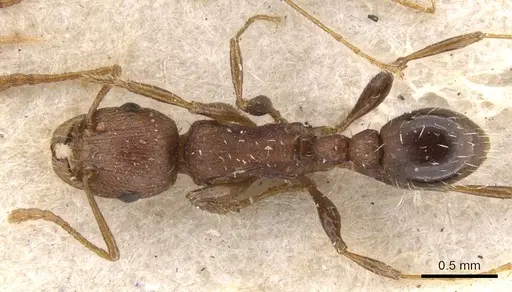
Literature
Loading distribution map...Loading products...