
Tetramorium hobbit
- Sci. Name
- Tetramorium hobbit
- Tribe
- Crematogastrini
- Subfamily
- Myrmicinae
- Author
- Hita Garcia & Fisher, 2014
- Distribution
- Found in 1 countries
Introduction
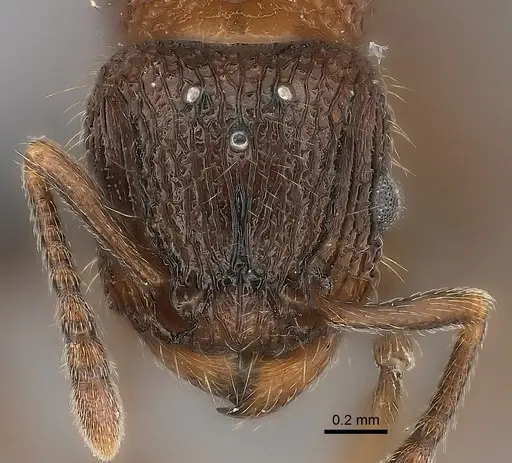
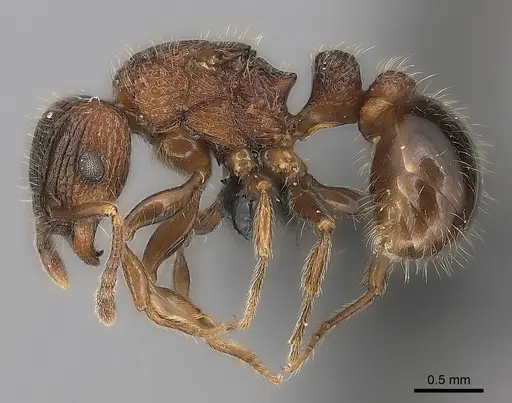
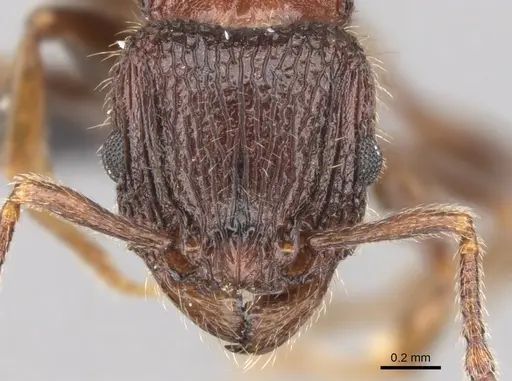
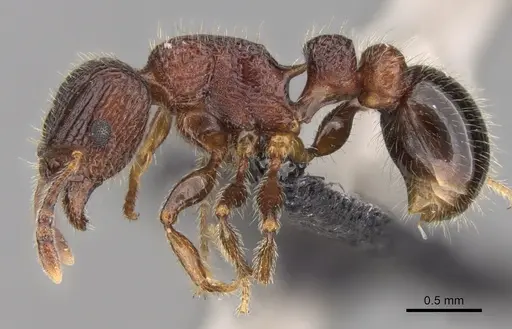
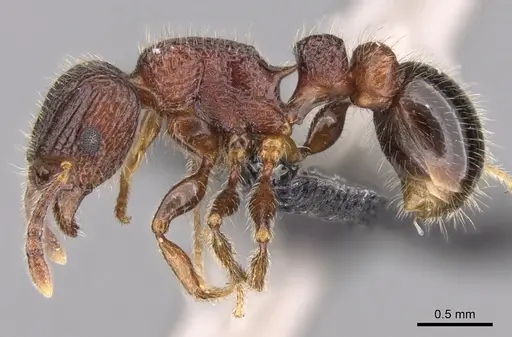
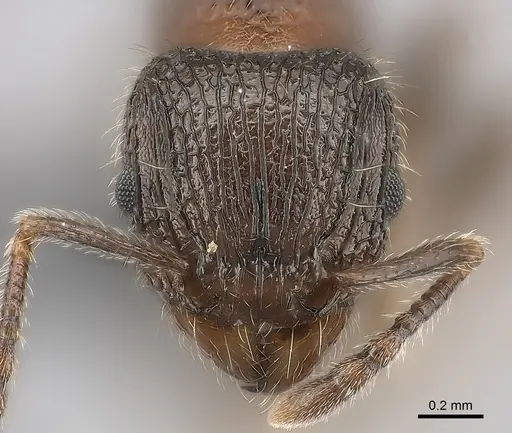
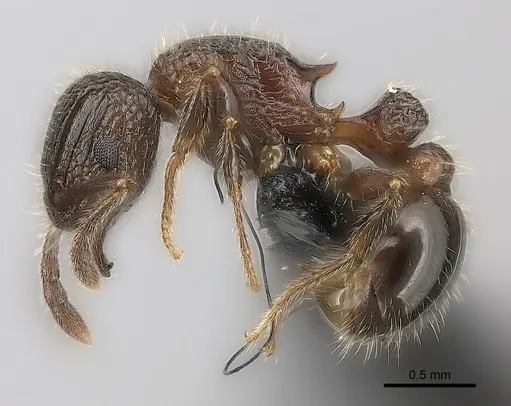
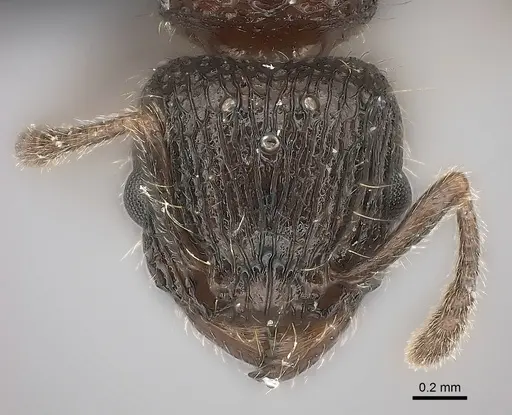
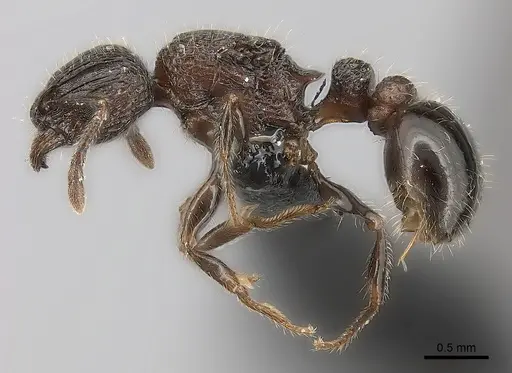
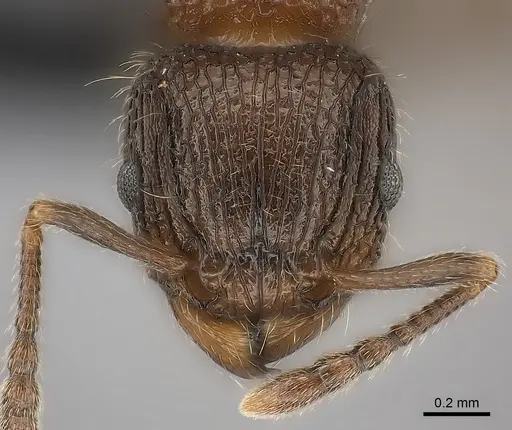
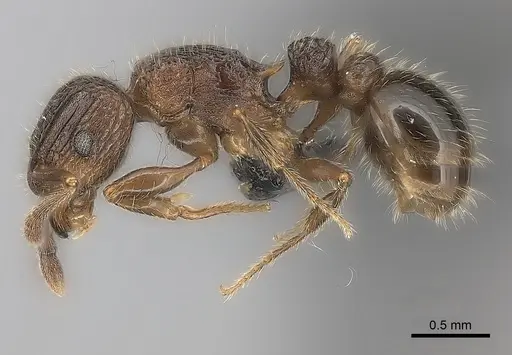
Tetramorium hobbit is a small, ground-dwelling ant endemic to the southern third of Madagascar. Workers are covered in abundant, long, fine standing hairs, which inspired the name after Tolkien's hobbits. They are easily recognized by their massively enlarged petiolar node (the waist segment connecting thorax and abdomen) and the distinctive reticulate-punctate (net-like) ground sculpture on their head and thorax . Body size is not documented in total length, but they are typical in size for the genus Tetramorium. Body color ranges from reddish to dark brown, with the head and gaster usually darker . An interesting feature is the variation in propodeal spine length between populations. Ants from Tsimanampetsotsa and Andohahela have long spines, while those from Beroboka, Kirindy, Isalo, and the Makay Mountains have much shorter spines. This difference is very pronounced and consistent in all examined material . They belong to the Tetramorium plesiarum species group and are found exclusively in arid habitats across southern Madagascar.
Quick Summary
- Difficulty: Medium
- Origin & Habitat: Endemic to the southern third of Madagascar, from Tsimanampetsotsa in the west to Andohahela in the east, with the Makay Mountains and Isalo marking the northern edge. Inhabits arid habitats such as tropical dry forests, spiny forests and thickets, savannah woodland, and barren rocks with little vegetation, at elevations of 80-923 m [1].
- Colony Type: Unconfirmed, based on typical Tetramorium patterns, likely single-queen (monogyne) colonies. No ergatoid replacement queens have been documented.
- Size & Growth:
- Queen: Undocumented, no dealate queens have been described in scientific literature.
- Worker: Size data unavailable, only head and mesosoma measurements exist, total body length has not been recorded.
- Colony: Unconfirmed.
- Growth: Moderate (estimated).
- Development: 6-10 weeks estimated based on other Tetramorium species [1]. (Specific timing for Tetramorium hobbit has not been directly studied.)
- Antkeeping:
- Temperature: Keep at 22-26°C, based on their arid Madagascar habitat. Provide a gradient so ants can self-regulate [1].
- Humidity: Low to moderate, these ants come from arid habitats. Keep nest substrate moderately dry, allowing areas to dry out between waterings. Avoid constant saturation [2].
- Diapause: Unconfirmed, Madagascar has mild seasonal variation. They likely have reduced activity during cooler/dryer months rather than true hibernation. Consider a cool period (15-18°C) for 2-3 months if the colony shows reduced activity.
- Nesting: Ground-dwelling species that naturally nests in soil under stones or in leaf litter. In captivity, use a substrate-based nest (soil/sand mix) or a Y-tong/plaster nest with dry to moderately moist conditions. They prefer dark microclimates [2]. Avoid hanging nests, they are not arboreal [2].
- Behavior: Ground-active species collected mainly from leaf litter extractions and pitfall traps, indicating they forage on the forest floor and in leaf litter [1]. They are likely generalist foragers, hunting small invertebrates and collecting honeydew like other Tetramorium species. Workers are small with well-developed eyes. Escape risk is moderate, standard formicarium barriers should suffice, but ensure connections are secure. Temperament is typical of Tetramorium: generally non-aggressive but will defend the nest if threatened.
- Common Issues: overwatering can be fatal, they need dry conditions., queen biology is undocumented, so colony founding is uncertain., small size requires tiny prey items like fruit flies or springtails., ground-dwelling nature means they need horizontal space rather than vertical nest height., limited captive data makes growth expectations estimates.
Natural History and Distribution
Tetramorium hobbit is endemic to the southern third of Madagascar, a truly specialized species found nowhere else. Their distribution spans from Tsimanampetsotsa in the west to Andohahela in the east, with the Makay Mountains and Isalo marking the northern edge of their range [1]. They thrive in arid habitats: tropical dry forests, spiny forests and thickets, savannah woodland, and barren rocky areas with minimal vegetation [1]. Elevations range from 80 to 923 m [1].
The species was first described in 2014 by Hita Garcia and Fisher, who named it after Tolkien's hobbits due to its remarkably hairy body [1]. The massively developed petiolar node is the most distinctive feature, this enlarged waist segment gives workers a blocky, rectangular appearance in side view [1]. Interestingly, populations from different locations show consistent variation in propodeal spine length: ants from Tsimanampetsotsa and Andohahela have long spines (PSLI 28-29), while those from Beroboka, Kirindy, Isalo, and the Makay Mountains have much shorter spines (PSLI 18-20). This difference is very pronounced and constant [1].
Housing and Nest Setup
As a ground-dwelling species, Tetramorium hobbit needs a setup that mimics their natural forest floor habitat. They were collected primarily from leaf litter extractions and pitfall traps, showing they forage actively in decaying material and on bare ground [1]. A naturalistic setup with a substrate layer works well, use a mix of soil and sand that holds some moisture but dries relatively quickly. Alternatively, a Y-tong or plaster nest with narrow chambers can work, though you may need to adjust humidity more carefully.
Ecological data shows they prefer dry habitats and dark microclimates (terricolous, dry, dark) [2]. The nest should not be overly humid, aim for moderately dry conditions rather than the damp environments preferred by many tropical ants. Provide a shallow water dish for drinking, but avoid creating constantly wet substrate. Since they come from spiny forest habitats with sparse vegetation and prefer dark conditions, keep the nest in low light and the outworld may have some light [2].
Feeding and Diet
Like other Tetramorium species, Tetramorium hobbit is likely a generalist forager that collects both protein and carbohydrates. In the wild, they would hunt small invertebrates found in leaf litter and forest floor debris, and likely tend aphids or collect honeydew from sap-sucking insects. Feed them small protein sources like fruit flies, small crickets, or mealworm pieces. Since workers are tiny, prey items should be appropriately sized, tiny springtails or fruit fly portions work well.
For carbohydrates, offer sugar water, honey diluted with water, or small drops of honey placed in the outworld. Observe whether workers readily accept these. Remove uneaten prey after 24-48 hours to prevent mold. Feed every 2-3 days, adjusting based on colony consumption. A well-fed colony will have workers actively foraging within hours of food being offered.
Temperature and Seasonal Care
Tetramorium hobbit comes from Madagascar's arid southern regions, which experience warm temperatures year-round with distinct wet and dry seasons. Keep the nest at 22-26°C, this range reflects their natural habitat conditions in tropical dry forests and spiny forests [1]. Avoid temperatures above 30°C, as this could stress the colony. Room temperature within this range is often suitable.
Use a heating cable or heat mat on one side of the nest if your room runs cool, but always provide a temperature gradient so ants can self-regulate. Place the heating element on top or to the side, not underneath, to prevent excessive drying. Their dry habitat preference [2] means you should monitor humidity carefully, overly damp conditions are more likely to cause problems than slightly dry conditions.
Behavior and Colony Dynamics
This species is terricolous (ground-nesting) and not arboreal, so foraging occurs on the forest floor rather than in vegetation [2]. Workers are moderately active and likely establish foraging trails similar to other Tetramorium species. The massively developed petiolar node may serve a defensive function, the enlarged waist segment could make workers more difficult for predators to handle, similar to how some other ants have armored body sections.
Colony founding is likely claustral, meaning the queen seals herself in a chamber and raises the first brood using stored fat reserves, typical of the Tetramorium genus. However, this is unconfirmed for this species. The first workers will be smaller than mature workers, which is normal. Expect slow initial growth during the founding stage, the queen may take several months to produce her first workers. Once the colony establishes, growth typically accelerates.
Frequently Asked Questions
How long does it take for Tetramorium hobbit to produce first workers?
Based on typical Tetramorium development, expect 6-10 weeks from egg to first worker at optimal temperature (22-26°C). The exact timing for Tetramorium hobbit has not been scientifically documented, so this is an estimate from related species.
What size colony does Tetramorium hobbit reach?
Colony size is unconfirmed for this species. Based on related Tetramorium species, moderate colonies are typical, but specific numbers are not available. They are not known for supercolonial growth.
Can I keep Tetramorium hobbit in a test tube?
Yes, test tubes work well for founding colonies. Ensure the water reservoir is appropriately sized, avoid overly wet conditions since these ants prefer arid habitats. A cotton ball with moderate water content is sufficient. Once the colony outgrows the test tube, consider moving to a more spacious formicarium.
Do Tetramorium hobbit ants sting?
Tetramorium belongs to the subfamily Myrmicinae, which includes species with functional stingers. However, Tetramorium hobbit is not known for aggressive stinging behavior. They are more likely to flee than sting when threatened. Handle with care regardless, as any ant can sting if provoked.
What temperature do Tetramorium hobbit ants need?
Keep nest temperatures between 22-26°C. These ants come from arid Madagascar habitats and prefer warm, relatively dry conditions. Avoid temperatures above 30°C or below 18°C for extended periods [1].
Are Tetramorium hobbit ants good for beginners?
This species is rated as Medium difficulty. While not the hardest species to keep, there is limited captive breeding information. Their arid habitat requirements are specific but manageable. Beginners should ensure they can maintain proper temperature and humidity before acquiring this species.
What do Tetramorium hobbit ants eat?
They are generalist foragers. Offer small protein sources like fruit flies, small crickets, or springtails. Also provide carbohydrates through sugar water, honey diluted with water, or honeydew. Remove uneaten prey after 24-48 hours.
Do Tetramorium hobbit ants need hibernation?
Diapause requirements are unconfirmed. Madagascar has mild seasonal variation, so they likely have reduced activity during cooler months rather than true hibernation. Consider a cool period at 15-18°C for 2-3 months if your colony becomes less active in winter.
When should I move Tetramorium hobbit to a formicarium?
Move from test tube to formicarium once the colony becomes crowded and the test tube can no longer support growth. Ensure the new setup maintains similar humidity levels, these ants prefer moderately dry conditions. A naturalistic setup with substrate works well.
Why are my Tetramorium hobbit ants dying?
The most common issues are: overhumidity (they prefer dry conditions), temperature extremes (keep between 22-26°C), inadequate prey size (they are tiny, offer appropriately sized food), and stress from too frequent disturbances. Check that substrate is not constantly wet and that prey items are small enough for workers to handle.
Report an Issue
The current care sheet is based fully on literature. See inconsistencies, or something that's incorrect? Please , it will be resolved after review from an admin. Contributing to the blogs tab also helps providing information, to make us be able to further improve the caresheets. Thank you for your support!
References

This caresheet is licensed under CC BY-SA 4.0 .
Community Blogs
CASENT0016222
View on AntWeb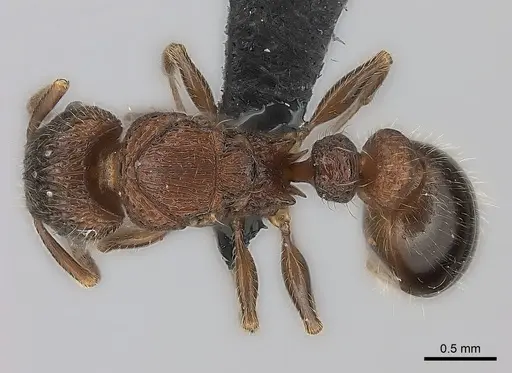
CASENT0019207
View on AntWeb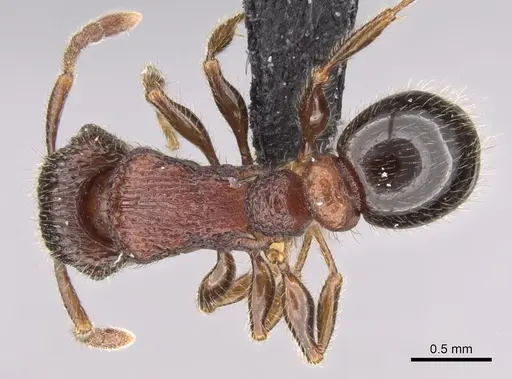
CASENT0020993
View on AntWeb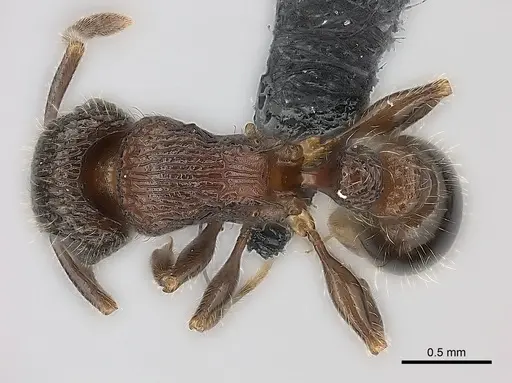
CASENT0021012
View on AntWeb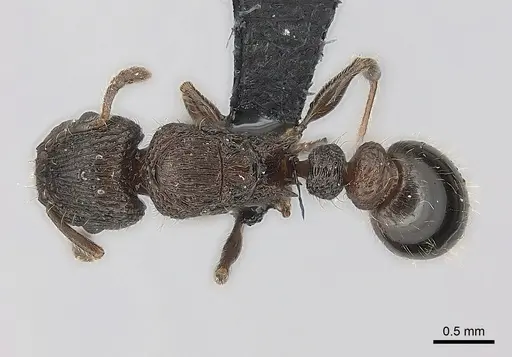
CASENT0079245
View on AntWeb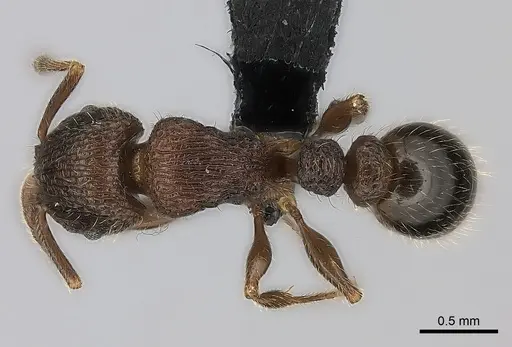
Literature
Loading distribution map...Loading products...