
Tetramorium hirsutum
- Sci. Name
- Tetramorium hirsutum
- Tribe
- Crematogastrini
- Subfamily
- Myrmicinae
- Author
- Collingwood & van Harten, 2005
- Distribution
- Found in 1 countries
Introduction
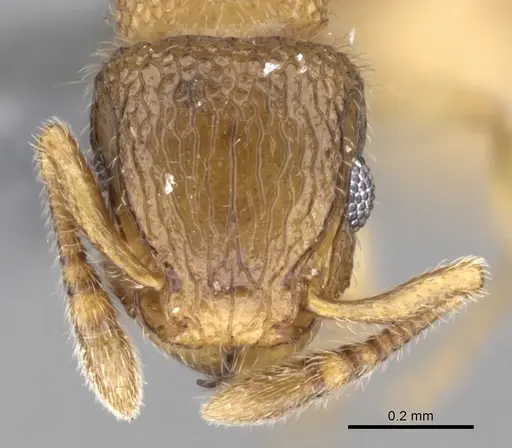
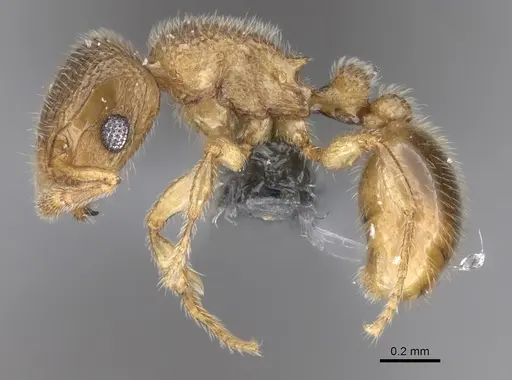
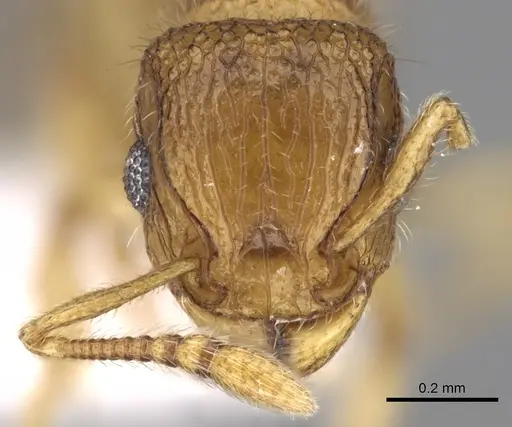
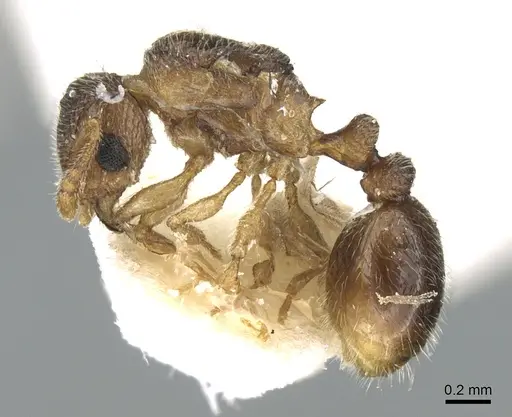
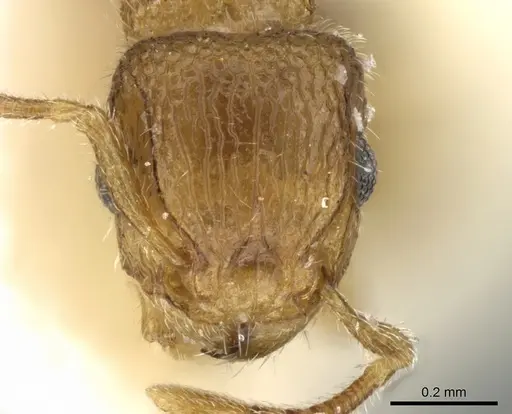
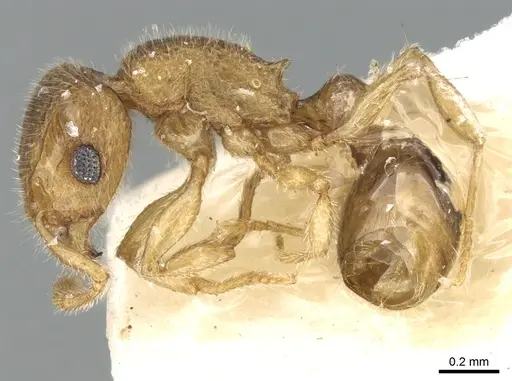
Tetramorium hirsutum is a tiny ant species from the Arabian Peninsula, found only in Yemen and Saudi Arabia . Workers measure 2.25–2.37 mm in total length, and queens are about 2.53 mm . Their light brown bodies are covered in dense, fine hairs that give them a fuzzy look. Key features include a notched clypeus, wide antennal scrobes, and short, strong propodeal spines . This species was first described in 2005 from a malaise trap sample , and almost nothing is known about its wild behavior or captive care.
Quick Summary
- Difficulty: Medium
- Origin & Habitat: Endemic to the Afrotropical region of the Arabian Peninsula (Yemen and Saudi Arabia) [1]. The type series was collected from a malaise trap in Lahj, Yemen, suggesting they live in low vegetation or at ground level, but specific nesting habits are unknown [2].
- Colony Type: Unconfirmed colony structure. Based on typical Tetramorium patterns, likely single-queen (monogyne) colonies, but this has not been directly documented.
- Size & Growth:
- Queen: ~2.53 mm [2]
- Worker: 2.25–2.37 mm [1]
- Colony: Unknown – likely up to several hundred workers based on related Tetramorium species
- Growth: Unknown – likely moderate based on genus patterns
- Development: Estimated 6–8 weeks at optimal warm temperatures, based on typical Tetramorium development (No direct data for this species, estimate from genus-level patterns for small Myrmicinae)
- Antkeeping:
- Temperature: Aim for 22–26°C (room temperature), reflecting the warm climate of their native Arabian range. Provide a gentle gradient so workers can self-regulate.
- Humidity: Keep nesting substrate slightly moist but not wet. A moisture gradient (drier in the outworld, moist in the nest) is recommended. They come from an arid region, so they tolerate drier conditions than humid-loving species.
- Diapause: Unknown – given the tropical climate of their native range, a true diapause is unlikely. Do not force a cold period, if activity drops in winter, simply keep them at the low end of the temperature range (around 20°C).
- Nesting: Use a small, compact nest. Y-tong (AAC) blocks, plaster nests, or test tube setups work well. Avoid large open spaces – they feel secure in small chambers. Fine mesh or fluon barriers are essential to prevent escape.
- Behavior: Generally peaceful and non‑aggressive. Workers are active foragers that search for small food items. Their tiny size (2.25–2.37 mm) means escape prevention is critical – they can slide through gaps under 1 mm. As a Myrmicinae, they have a stinger, but at this size any sting would be negligible to humans.
- Common Issues: escape prevention is critical due to their very small size – use fine mesh and tight‑fitting barriers on all connections., limited availability – this is a rarely kept species with no established captive breeding lines., no species‑specific care information – keepers must adapt from related Tetramorium species., slow colony growth typical of small species may test your patience.
Housing and Nest Setup
Because workers are only 2.25–2.37 mm long, escape prevention is your top priority. Use a Y‑tong (AAC) nest with narrow chambers, a plaster nest, or a simple test tube setup. Cover all ventilation holes with fine mesh (≤0.5 mm) and apply fluon or PTFE to barrier edges. Make sure the outworld is compact to concentrate foraging. A small water tube and feeding area will keep things tidy. Avoid acrylic nests – they don't hold moisture well and often have gaps tiny ants exploit.
Feeding and Diet
Like most Tetramorium, these ants are generalist omnivores. Offer small protein sources: fruit flies, pinhead crickets, or pieces of mealworm. Provide sugar water or honey for energy. Feed once every 2–3 days, and remove leftovers to prevent mold. Their tiny size means even small prey items are substantial – adjust portions accordingly. Always have a fresh water source available.
Temperature and Seasonal Care
Keep the nest at a warm 22–26°C, matching the climate of their home in Yemen and Saudi Arabia. A slight temperature gradient in the outworld lets workers choose their preferred spot. Because this species comes from a tropical region, they probably don't need a true diapause. If activity slows in winter, simply keep them at the lower end of the range (around 20°C) rather than forcing a cold period. Avoid temperatures below 18°C for long. [1]
Colony Development
No development data exists for this species, but based on related small Tetramorium, expect the first nanitic workers 6–8 weeks after the queen lays eggs at 24–26°C. Queens are about 2.53 mm [2] and workers 2.25–2.37 mm [1]. Be patient – small colonies grow slowly. Do not disturb the queen during founding, she should be left alone in a dark, undisturbed test tube. The colony may take several months to reach 20–30 workers.
Defense and Behavior
Tetramorium hirsutum belongs to the tribe Crematogastrini, which uses a modified, spatulate stinger to smear venom onto enemies rather than piercing. At this ant’s tiny size, any sting would be barely noticeable. Workers are docile and non‑aggressive toward keepers. Their dense pilosity is a handy ID feature. The biggest behavioral concern is their ability to escape – always double‑check seals. [1][2]
Frequently Asked Questions
How long does it take for Tetramorium hirsutum to produce first workers?
Estimated 6–8 weeks from egg to first worker at optimal temperatures of 24–26°C. This is based on genus patterns – no direct data exists for this species.
What do Tetramorium hirsutum ants eat?
Generalist omnivores. Offer small protein (fruit flies, pinhead crickets) and sugar water or honey. Feed small portions every 2–3 days.
Are Tetramorium hirsutum good for beginners?
Rated medium difficulty. Their tiny size makes escape prevention tricky, but their peaceful nature and generalist diet make them manageable if you’re careful with barriers.
Do Tetramorium hirsutum ants sting?
Yes – they belong to the Myrmicinae subfamily and have a stinger. However, at 2.25–2.37 mm, any sting is negligible to humans, more like a mild prick.
How big do Tetramorium hirsutum colonies get?
Not documented for this species, but related Tetramorium reach several hundred workers. Expect a similar maximum.
What temperature do Tetramorium hirsutum need?
Keep them at 22–26°C, reflecting their Arabian native habitat. A gentle gradient is beneficial. Avoid sustained temperatures below 18°C.
Do Tetramorium hirsutum need hibernation?
Probably not – they come from a tropical region without a true cold season. If activity drops in winter, just keep them at the lower end of the temperature range (around 20°C). Do not force temperatures below 15°C.
Why are my Tetramorium hirsutum escaping?
Workers are only 2.25–2.37 mm [1] and can slip through gaps under 1 mm. Use fine mesh on all openings, apply fluon to smooth surfaces, and seal every connection.
Can I keep multiple Tetramorium hirsutum queens together?
Colony structure is unconfirmed. Most Tetramorium are monogyne, so housing unrelated queens together is risky. Stick with one queen unless you observe tolerance.
When should I move Tetramorium hirsutum to a formicarium?
Wait until the colony has 20–30 workers. Keep them in a test tube until then. Once established, transfer them to a small Y‑tong or plaster nest – avoid large spaces that stress a small colony.
Report an Issue
The current care sheet is based fully on literature. See inconsistencies, or something that's incorrect? Please , it will be resolved after review from an admin. Contributing to the blogs tab also helps providing information, to make us be able to further improve the caresheets. Thank you for your support!
References

This caresheet is licensed under CC BY-SA 4.0 .
Community Blogs
CASENT0264215
View on AntWeb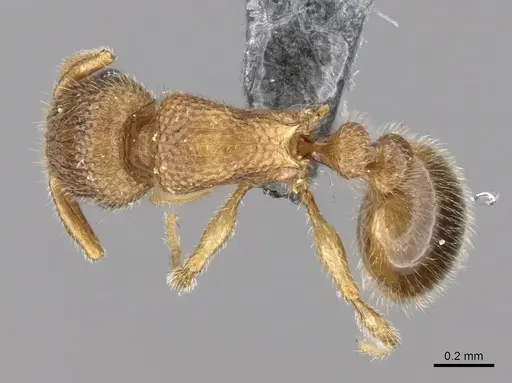
CASENT0280976
View on AntWeb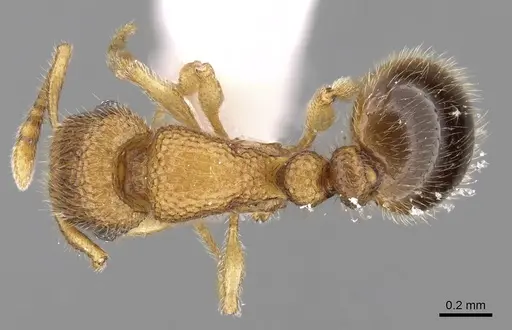
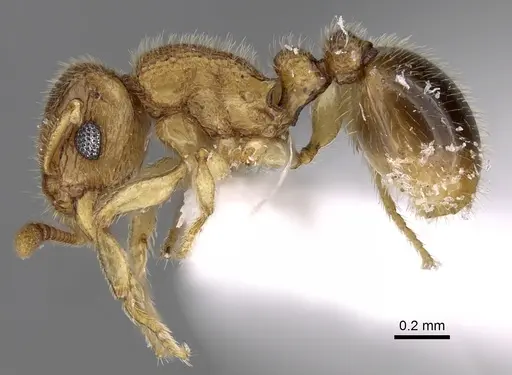
CASENT0906350
View on AntWeb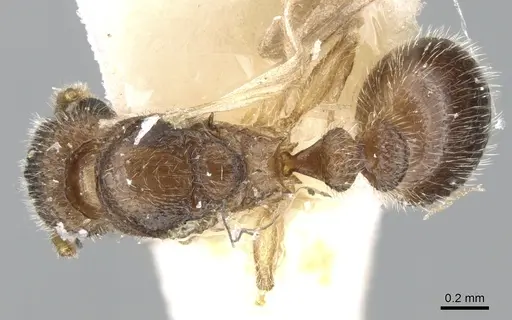
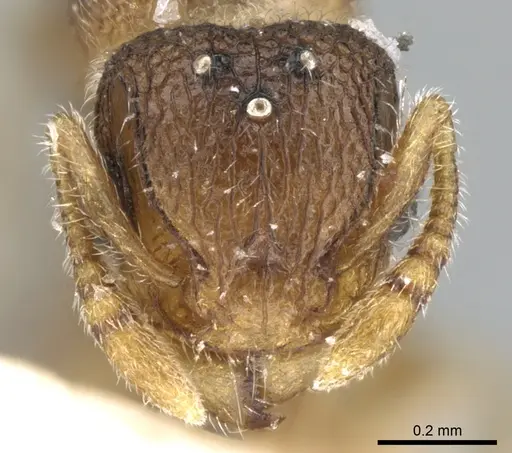
CASENT0906351
View on AntWeb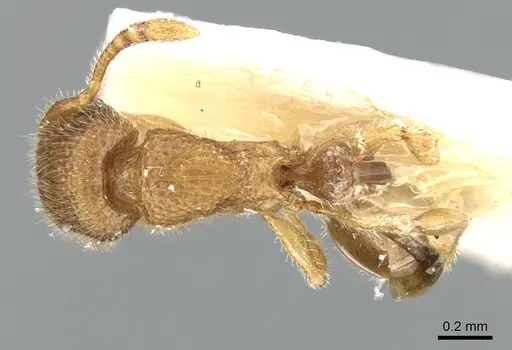
Literature
Loading distribution map...Loading products...