
Tetramorium hector
- Sci. Name
- Tetramorium hector
- Tribe
- Crematogastrini
- Subfamily
- Myrmicinae
- Author
- Hita Garcia & Fisher, 2012
- Distribution
- Found in 1 countries
Introduction
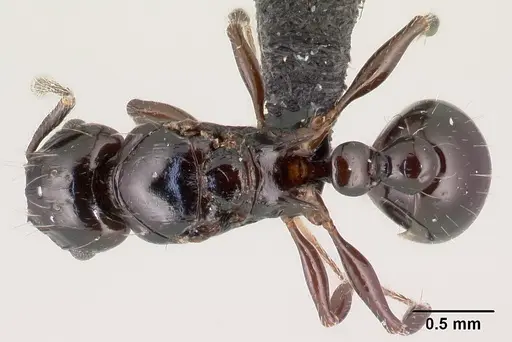
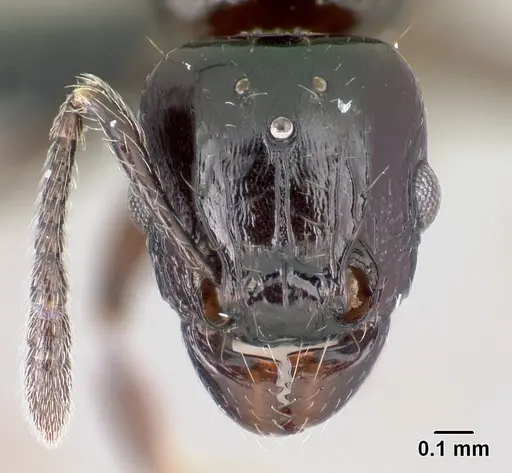
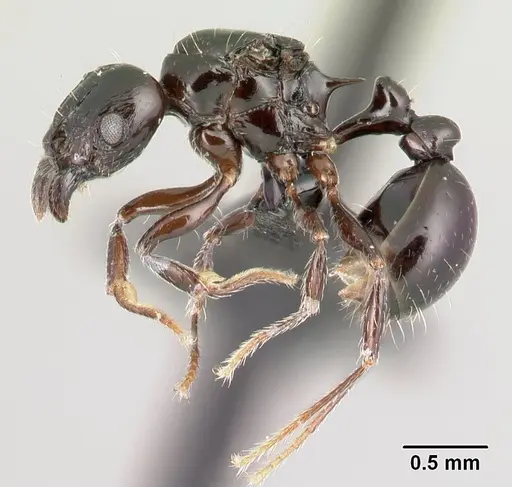
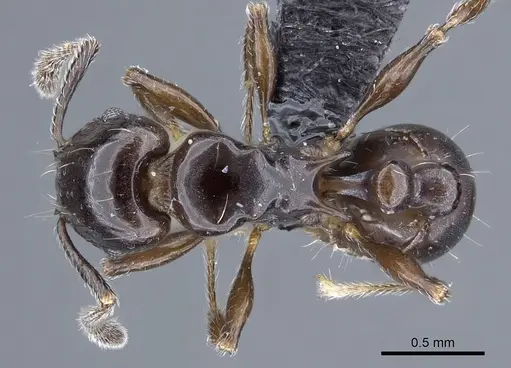
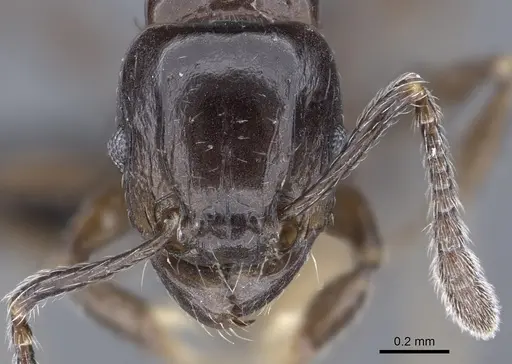
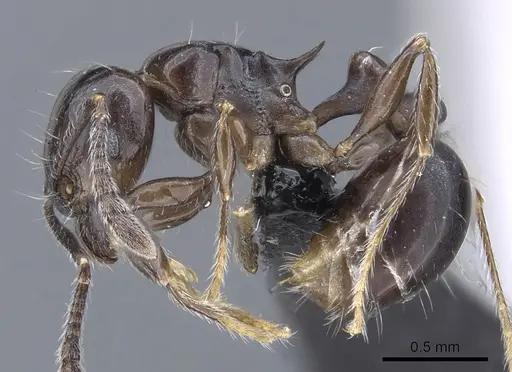
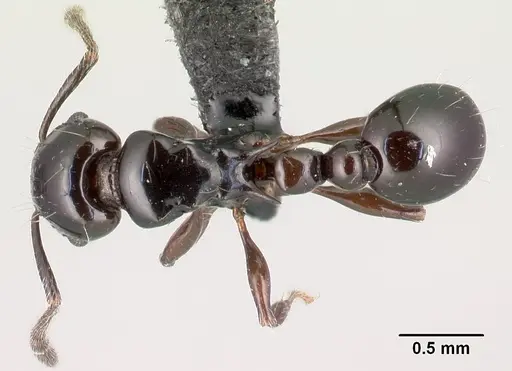
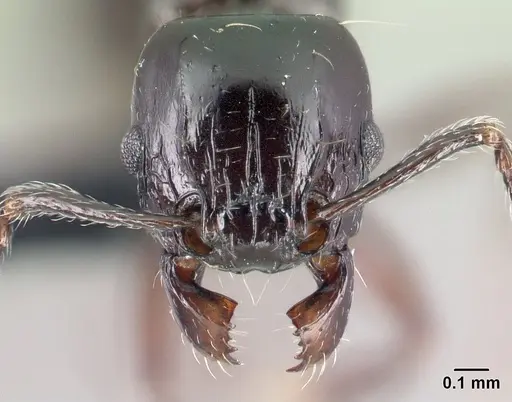
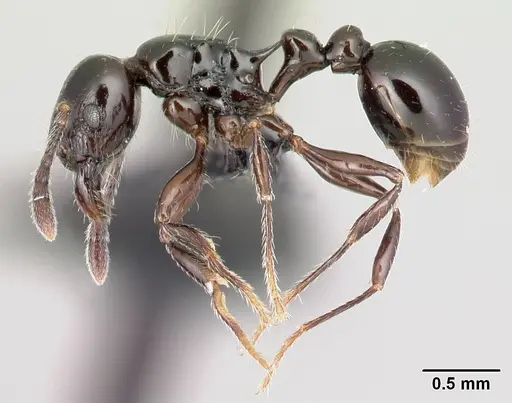
Tetramorium hector is a very small, dark ant species native to the montane rainforests of northeastern Madagascar. Workers are tiny (head length ~0.7 mm; total length unavailable but inferred to be around 2-3 mm from Tetramorium genus patterns) . They belong to the Tetramorium marginatum species group and are distinguished by their elongated head, completely smooth and shiny upper body, and dark brown to black coloration . This species is exceptionally rare in the wild - known only from three localities in close proximity near Ambanizana, Ambohitsitondroina, and Anjanaharibe at elevations of 825-1100 m . They live in leaf litter, making them a classic ground-dwelling litter ant that prefers the cool, damp conditions of montane rainforest .
Quick Summary
- Difficulty: Expert
- Origin & Habitat: Northeastern Madagascar, specifically Ambanizana, Ambohitsitondroina, and Anjanaharibe. They inhabit montane rainforest at 825-1100 m elevation, living in leaf litter on the forest floor [1][2].
- Colony Type: Unconfirmed, likely single-queen colonies like most Tetramorium species. Colony structure has not been documented in the scientific literature.
- Size & Growth:
- Queen: Undescribed, no queen measurements available. Inferred from genus patterns, likely 5-7 mm.
- Worker: Very small, exact total length unavailable. Head length 0.69-0.78 mm [1]
- Colony: Unknown, only known from fewer than 30 collected workers. Related Tetramorium species in Madagascar typically reach several hundred workers.
- Growth: Unknown, likely moderate like other Tetramorium species
- Development: Estimated 6-10 weeks based on typical Tetramorium development at 24-26°C (Direct development data unavailable for this species. Estimates based on genus-level patterns for small Myrmicinae in tropical/subtropical conditions.)
- Antkeeping:
- Temperature: Keep at 22-26°C, montane species from cool highlands, so avoid overheating. A gentle temperature gradient allows workers to choose their preferred zone.
- Humidity: High, keep the nest substrate consistently moist but not waterlogged. These are rainforest leaf litter ants that need constant moisture. Provide a water tube and occasional misting to maintain humidity levels likely around 70-85%.
- Diapause: Unlikely required, being from tropical Madagascar, they probably don't need a true hibernation. A slight cooling period during winter months (dropping to 18-20°C) may be beneficial if you're mimicking natural seasonal cycles, but it's not mandatory.
- Nesting: Y-tong (AAC) nests or plaster nests work well for these tiny ants. They prefer tight chambers and narrow passages scaled to their small size. A naturalistic setup with moist soil and leaf litter mimics their natural habitat.
- Behavior: These are shy, non-aggressive ants that forage in leaf litter. Workers are very small (head length ~0.7 mm) so escape prevention is critical, they can squeeze through standard test tube cotton. Use fine mesh barriers and check for gaps. They likely form small colonies and are peaceful toward conspecifics. Foraging style is probably opportunistic scavenging and hunting small prey in the litter layer. Their defense mechanism involves smearing venom rather than stinging (typical for Crematogastrini).
- Common Issues: tiny size makes escape likely without fine mesh barriers, high humidity needs can lead to mold if ventilation is poor, slow colony growth may frustrate beginners expecting fast development, wild-caught colonies are essentially unavailable, this species is rarely collected, lack of species-specific care data means you'll be relying on genus-level assumptions
Housing and Nest Setup
Because of their tiny size (head length under 0.8 mm), Tetramorium hector needs careful housing. Y-tong (AAC) nests or plaster nests with very small chambers work best, the passages should be narrow enough that workers feel secure but not so large they get lost. A test tube setup can work for founding colonies, but check that the cotton barrier is packed tightly enough to prevent escapes. These ants come from montane rainforest leaf litter, so they prefer damp conditions with moist substrate. A naturalistic setup with a layer of moist soil topped with dead leaves mimics their natural environment and gives them plenty of hiding spots [2]. Avoid tall, open spaces, these are ground-dwelling litter ants that stay close to the substrate surface.
Feeding and Diet
Like other Tetramorium species, Tetramorium hector is likely an omnivore that scavenges and hunts in leaf litter. Offer small protein sources like fruit flies, pinhead crickets, and tiny insects. They probably also accept sugar water or honey, though this hasn't been documented for this specific species. Feed small amounts twice weekly, remove any uneaten prey after 24 hours to prevent mold. Because workers are so tiny, prey items should be appropriately sized. A constant sugar source (honey water or a small honey droplet) is recommended alongside protein. Note: these feeding recommendations are inferred from genus-level patterns, not from published observations of this species.
Temperature and Humidity
This is a montane species from cool Madagascar highlands, they prefer temperatures on the cooler side compared to typical tropical ants. Aim for 22-26°C, avoiding temperatures above 28°C. A heating cable on one side of the nest creates a gradient so workers can regulate their own temperature. Humidity should be high, keep the nest substrate consistently moist. These ants naturally live in rainforest leaf litter where conditions are constantly damp [1][2]. Use a water tube connected to the nest and check that the substrate doesn't dry out. Good ventilation is important to prevent mold while maintaining humidity.
Colony Development
No specific development data exists for Tetramorium hector. Based on typical Tetramorium patterns, expect 6-10 weeks from egg to first worker at optimal temperature (around 24-26°C). The first workers (nanitics) will be very small, even smaller than normal workers. Growth rate is likely moderate, don't expect the fast development you might see in species like Lasius or Camponotus. Colonies probably reach several hundred workers at maturity, though this is an estimate based on related species rather than documented data. Be patient with founding colonies, the first few months can be slow as the queen raises her initial brood.
Behavior and Temperament
These are peaceful, non-aggressive ants that avoid confrontation. Workers are tiny (head length ~0.7 mm) and likely forage primarily in the leaf litter layer, hunting small prey and scavenging. They're probably nocturnal or crepuscular to some degree, with peak activity during cooler parts of the day. Colonies are likely small and discrete, not the massive supercolonies some Tetramorium species form. Workers probably don't stray far from the nest, staying close to their territory in the litter. Their small size makes them vulnerable, so they likely rely on hiding and escape rather than defending against predators. Their stinger is modified for smearing venom rather than piercing, which is a common defense in their tribe (Crematogastrini). [1]
Frequently Asked Questions
How long does it take for Tetramorium hector to produce first workers?
Estimated 6-10 weeks from egg to worker at 24-26°C. This is based on typical Tetramorium development patterns since species-specific data isn't available. The first workers will be very small (nanitics).
What do Tetramorium hector ants eat?
They likely accept small protein sources like fruit flies, pinhead crickets, and other tiny insects. Sugar sources (honey water, honey) are probably accepted too. Feed small amounts twice weekly and remove uneaten prey. These recommendations are based on genus-level patterns.
Can I keep Tetramorium hector in a test tube?
Yes, test tubes work for founding colonies. However, because workers are very small (head length ~0.7 mm), you must use tightly packed cotton and check for escape routes. Consider switching to a small Y-tong (AAC) or plaster nest as the colony grows.
Do Tetramorium hector ants need hibernation?
Probably not, being from tropical Madagascar, they likely don't require a true hibernation. A slight cooling in winter (dropping to 18-20°C) may be beneficial if you want to mimic natural seasonal cycles, but it's not mandatory.
Are Tetramorium hector ants aggressive?
No, they're peaceful and non-aggressive. They're tiny ground-dwelling ants that avoid confrontation. Their stinger is modified for smearing venom rather than stinging, so they are not considered a stinging threat to humans.
How big do Tetramorium hector colonies get?
Unknown for this specific species, but related Tetramorium species typically reach several hundred workers. Expect moderate colony growth over 1-2 years.
What temperature should I keep Tetramorium hector at?
Keep them at 22-26°C. They're a montane species from cool Madagascar highlands, so avoid overheating. A temperature gradient with a heating cable on one side lets workers choose their preferred zone.
Why are my Tetramorium hector ants escaping?
Their tiny size (head length ~0.7 mm) means they can squeeze through gaps that seem sealed. Use fine mesh barriers, check lid seals, and ensure cotton is tightly packed. Escape prevention is critical for this species.
Is Tetramorium hector good for beginners?
Probably not ideal for beginners. They're rarely available (only known from a few specimens in the wild), require high humidity, and there's no species-specific care data. They're better suited for experienced antkeepers who can provide stable conditions.
Where is Tetramorium hector native to?
Northeastern Madagascar, specifically the Ambanizana, Ambohitsitondroina, and Anjanaharibe areas. They live in montane rainforest leaf litter at 825-1100 m elevation.
Report an Issue
The current care sheet is based fully on literature. See inconsistencies, or something that's incorrect? Please , it will be resolved after review from an admin. Contributing to the blogs tab also helps providing information, to make us be able to further improve the caresheets. Thank you for your support!
References

This caresheet is licensed under CC BY-SA 4.0 .
Community Blogs
Literature
Loading distribution map...Loading products...