
Tetramorium hecate
- Sci. Name
- Tetramorium hecate
- Tribe
- Crematogastrini
- Subfamily
- Myrmicinae
- Author
- Hita Garcia & Fisher, 2013
- Distribution
- Found in 2 countries
Introduction
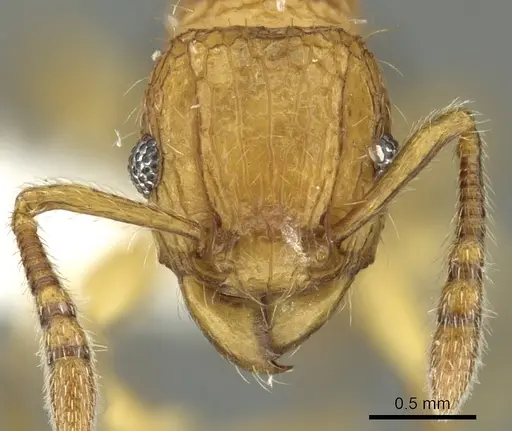
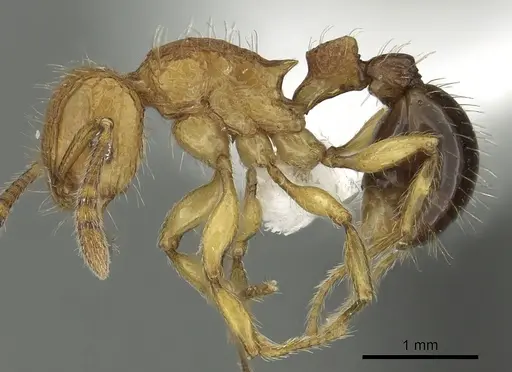
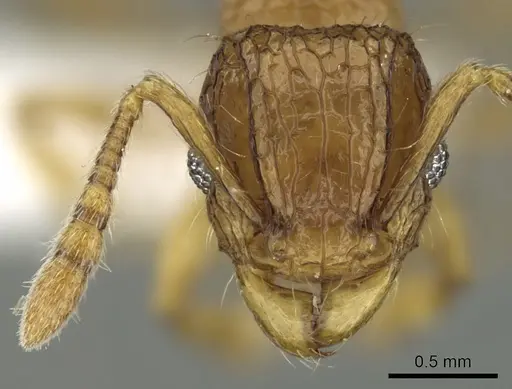
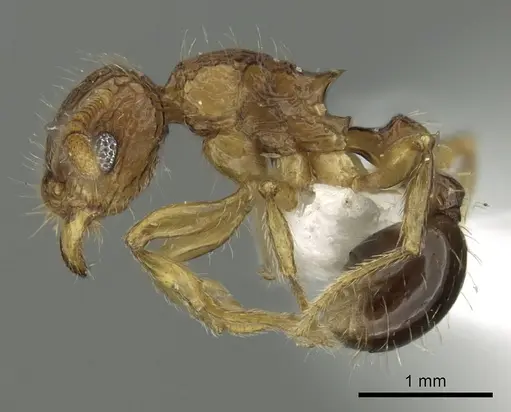
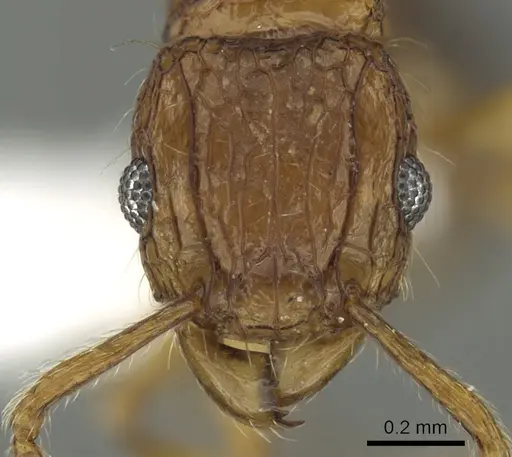
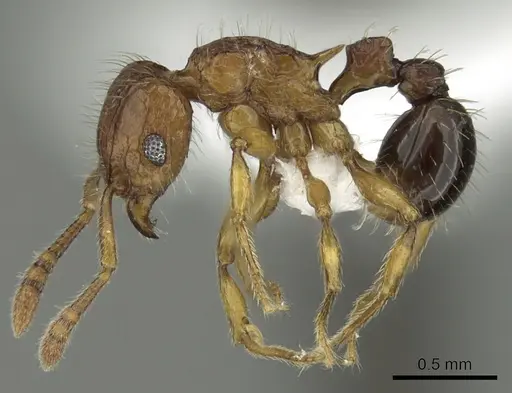
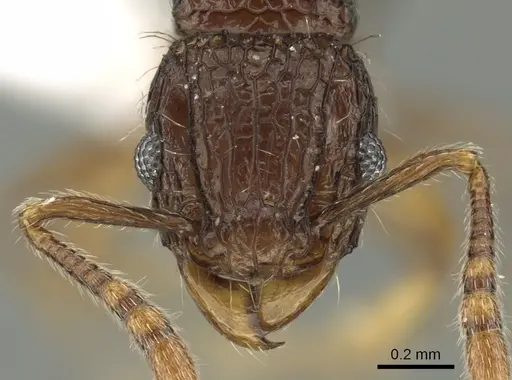
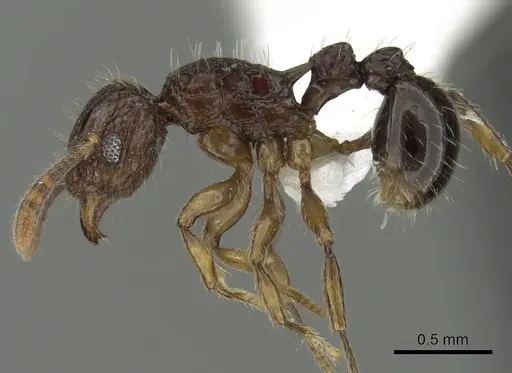
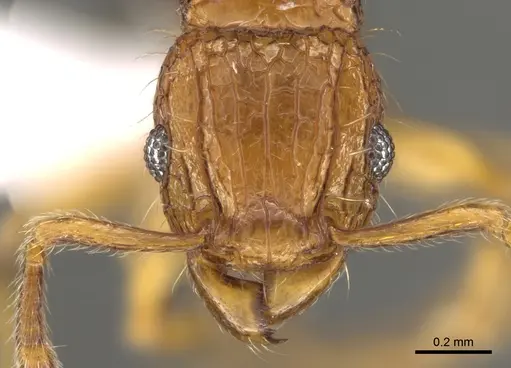
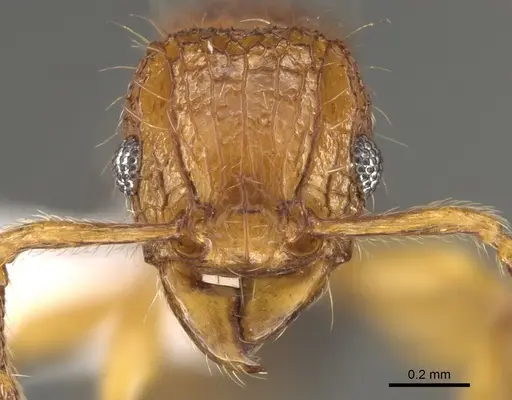
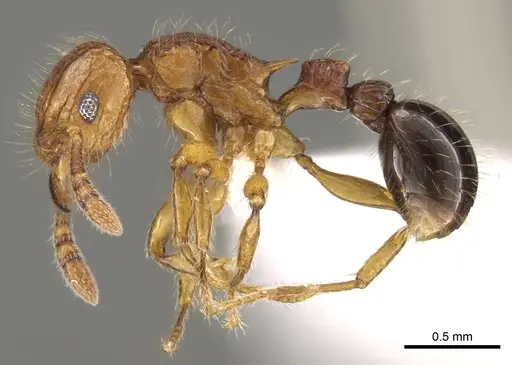
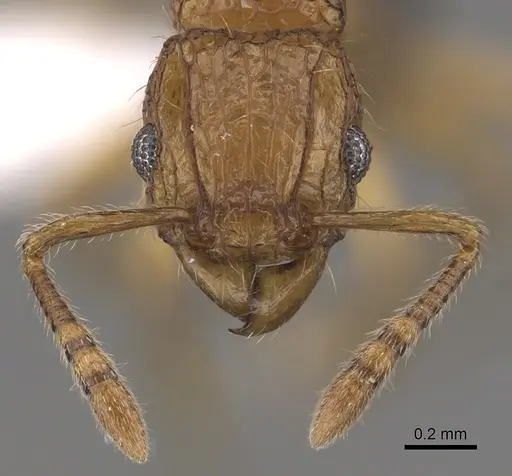
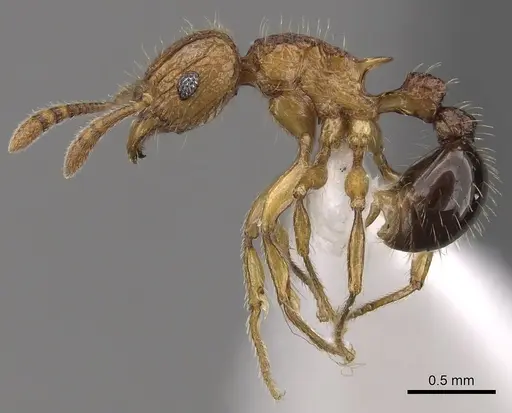
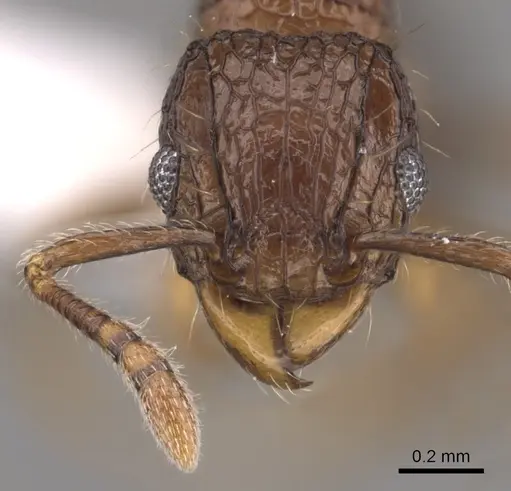
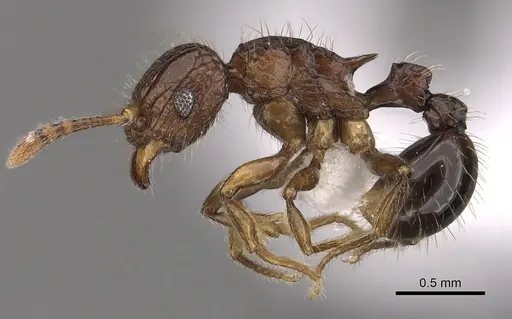
Tetramorium hecate is a tiny African ant described in 2013 from Gabon and Cameroon. Workers are very small - their head length is about 0.6 mm and mesosoma length about 0.7 mm, but total body length hasn't been recorded. They live in lowland and littoral rainforest at elevations of 10-300 m, spending most of their time in forest leaf litter . What makes this species stand out is the huge variation in colour and spine shape within the same population. Some workers are uniformly brown, while others are brightly bicoloured - head and thorax yellowish to bright orange, gaster almost black. Propodeal spines can be long or short, and the colour pattern varies along with spine length. That shape‑shifting is why they were named after the three‑faced goddess Hecate . Other key features are a short antennal scape, large eyes, and a rectangular petiole node where the front and back top edges sit at the same height .
Quick Summary
- Difficulty: Expert
- Origin & Habitat: Gabon and Cameroon in West‑Central Africa. Found in lowland rainforest and littoral rainforest at elevations of 10-300 m, primarily in forest leaf litter [1][2].
- Colony Type: Unknown, no data on queen number or social structure.
- Size & Growth:
- Queen: Not documented.
- Worker: Not documented (head length 0.58-0.67 mm, mesosoma length 0.69-0.83 mm, total length not recorded) [1].
- Colony: Unknown.
- Growth: Unknown.
- Development: Unknown, no captive breeding data exists. (All development times are unrecorded for this species.)
- Antkeeping:
- Temperature: Inferred from tropical lowland habitat, keep at 22-26 °C. Avoid drops below 20 °C [1].
- Humidity: High, aim for consistently moist (not waterlogged) substrate, based on rainforest leaf‑litter habitat [1].
- Diapause: No, being a tropical lowland species from near the equator, a winter diapause is not needed [2].
- Nesting: Y‑tong (AAC) or plaster nests with very small chambers. A naturalistic setup with a layer of moist forest soil and leaf litter mimics their preferred microhabitat [1][2].
- Behavior: Probably peaceful and non‑aggressive due to their tiny size and leaf‑litter lifestyle, but no direct observations have been published. Their small size means escape risk is extreme, they can squeeze through gaps you can’t see. Use fine mesh (≤0.5 mm) and seal everything [2].
- Common Issues: tiny size makes escape prevention the biggest challenge, even tiny gaps in lids or ventilation holes will lose ants, high humidity needs can lead to mould if ventilation isn't balanced, no captive‑care data exists, all advice is inferred from habitat and genus patterns, so be prepared to adapt, wild‑caught queens or colonies may be hard to establish because we don’t know their exact needs, colony growth is unknown, you might wait a long time before seeing workers
Housing and Nest Setup
Because Tetramorium hecate is tiny, you need a nest with very small chambers. Y‑tong (AAC) or plaster nests work well, just make sure the chambers aren't large enough for the ants to feel lost. Their natural home is forest leaf litter, so a setup with a thin layer of soil and dead leaves on top can help them feel secure [1][2]. Escape prevention must be perfect: use fine mesh (0.3-0.5 mm) on all ventilation holes, and check that lids seal tightly. Even standard ant‑keeping setups often have gaps big enough for these miniscule workers.
Temperature and Humidity
As a lowland African rainforest species, Tetramorium hecate needs warmth and stable humidity. Keep the nest around 22-26 °C, a heating cable on one side gives a useful gradient, but avoid baking the nest. The substrate should stay consistently moist, like a squeezed‑out sponge, because in nature they live in constantly damp leaf litter [1]. High humidity (roughly 70-85 %) is best. You can use a plaster nest with a water reservoir or mist the outworld regularly. Watch for mould: good ventilation is still necessary even at high humidity.
Feeding and Diet
Likely omnivorous, as most Tetramorium are, but no species‑specific diet studies exist. Offer small protein sources like fruit flies, pinhead crickets, or springtails, chopped mealworms may also work. Sugar water or diluted honey can be given, though small colonies might ignore it. Feed tiny amounts every 2-3 days and remove leftovers to stop mould. In the wild they probably hunt tiny arthropods and collect honeydew from scale insects in the leaf litter [1].
Colony Development
Absolutely nothing is known about the founding or colony development of Tetramorium hecate. The species was only described in 2013,and no captive breeding reports have been published. Any statement about how queens found colonies, how long brood takes to develop, or how many workers a mature colony holds would be pure guesswork. If you manage to keep a colony, you'll be adding to scientific knowledge, document everything. [1]
Behavior and Temperament
Published observations of living Tetramorium hecate simply don't exist. Based on their small size and leaf‑litter habitat they are likely shy and non‑aggressive, but that's an inference, not a fact. They have relatively large eyes (OI 27-31), which hints that they might rely on vision more than many other litter‑dwelling ants [1]. Their defense mechanism, typical of the tribe Crematogastrini, is a 'smear', they have a flattened stinger used to wipe venom onto enemies rather than stabbing. This makes them very unlikely to be a stinging hazard for keepers. While opening the nest, expect them to try to flee rather than fight, and because they're so small, a single escaped worker is almost impossible to recapture.
Frequently Asked Questions
How long does it take for Tetramorium hecate to produce first workers?
Unknown, no captive breeding data exists for this species. Any timeline would be pure speculation.
What do Tetramorium hecate ants eat?
Likely small arthropods and honeydew, like most leaf‑litter Tetramorium, but no studies have confirmed their natural diet. In captivity try fruit flies, springtails, and sugar water.
Can I keep Tetramorium hecate in a test tube?
Maybe, if you can make it escape‑proof. A test tube with a cotton water plug and a narrow entrance can work for a founding queen, but you'll need to keep the whole tube in a sealed container because any gap lets these tiny ants out. No one has reported successfully founding a colony in a test tube yet.
Do Tetramorium hecate ants sting?
They belong to the tribe Crematogastrini, which uses a 'smear' defense, a modified stinger that wipes venom onto attackers instead of piercing skin. They are not considered a stinging threat to humans.
Are Tetramorium hecate good for beginners?
No, their tiny size makes escape prevention extremely difficult, humidity needs are high, and almost nothing is known about their captive care. This species is best attempted only by experienced keepers who are comfortable with trial and error.
How big do Tetramorium hecate colonies get?
Unknown, no mature colony has been studied. Estimates based on worker size are unreliable.
Do Tetramorium hecate need hibernation?
No, they are a tropical lowland species from near the equator and do not require a winter diapause.
Why are my Tetramorium hecate escaping?
Because they are extremely small. Even standard ant‑keeping setups often have gaps large enough for them. Use fine‑mesh (0.3-0.5 mm) on all ventilation, check lid seals, and think about barriers like fluon or PTFE on the sides of the outworld.
When should I move Tetramorium hecate to a formicarium?
When they start foraging actively and you see a steady increase in workers. For such small ants, a small Y‑tong or plaster nest with scaled‑down chambers is much better than a large commercial nest.
What makes Tetramorium hecate different from other Tetramorium?
They are among the smallest species in the genus, have unusually large eyes, and a uniquely rectangular petiole node. They also show extraordinary within‑species variation in colouration (from uniform brown to bicoloured orange‑and‑black) and propodeal spine length, a trait that inspired their name after the three‑faced goddess Hecate [1].
Report an Issue
The current care sheet is based fully on literature. See inconsistencies, or something that's incorrect? Please , it will be resolved after review from an admin. Contributing to the blogs tab also helps providing information, to make us be able to further improve the caresheets. Thank you for your support!
References

This caresheet is licensed under CC BY-SA 4.0 .
Community Blogs
CASENT0235154
View on AntWeb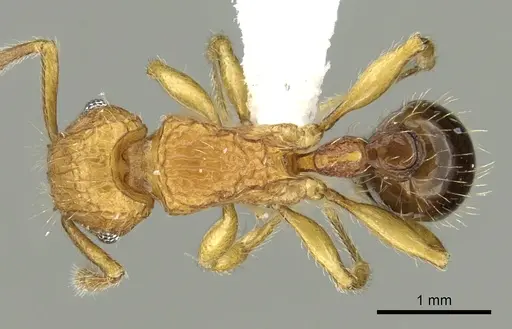
CASENT0235155
View on AntWeb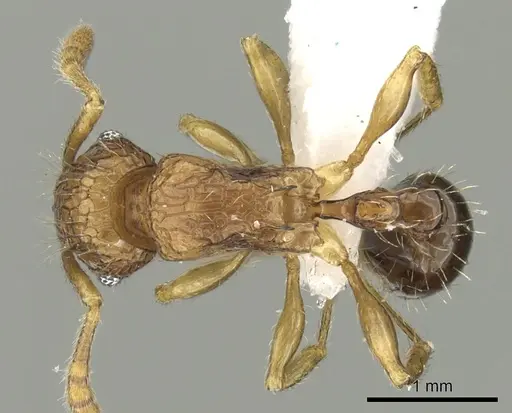
CASENT0235156
View on AntWeb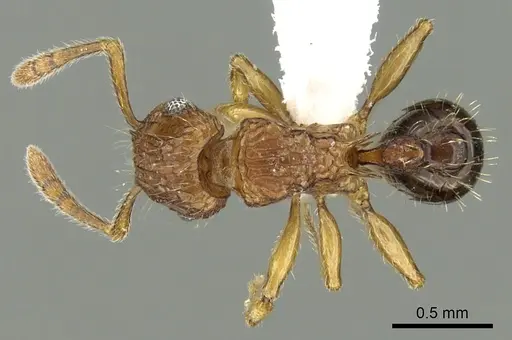
CASENT0235157
View on AntWeb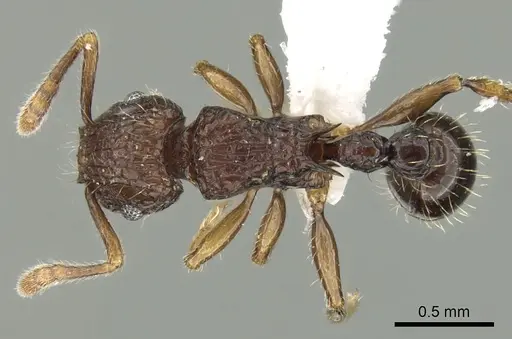
CASENT0248334
View on AntWeb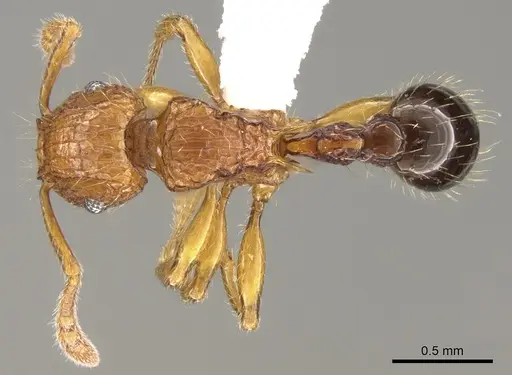
CASENT0316961
View on AntWeb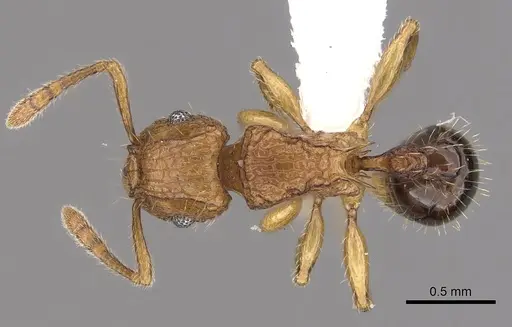
CASENT0316987
View on AntWeb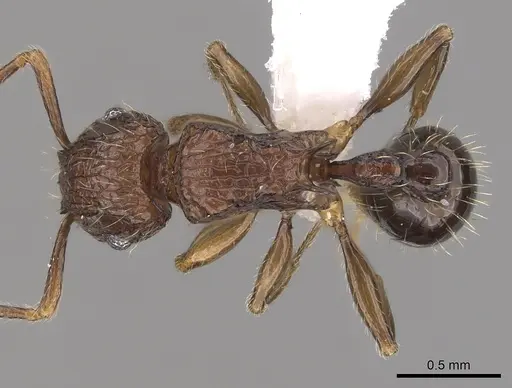
Literature
Loading distribution map...Loading products...