
Grassi's Fierce ant
Tetramorium grassii
- Sci. Name
- Tetramorium grassii
- Tribe
- Crematogastrini
- Subfamily
- Myrmicinae
- Author
- Emery, 1895
- Common Name
- Grassi's Fierce ant
- Distribution
- Found in 3 countries
Introduction
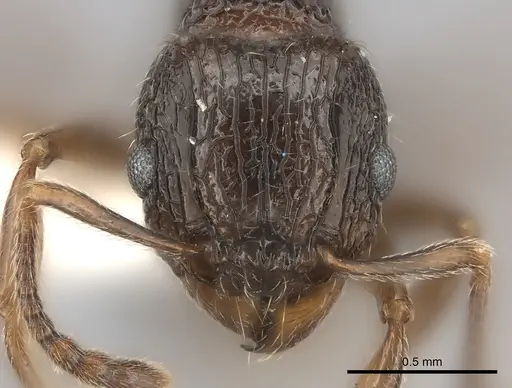
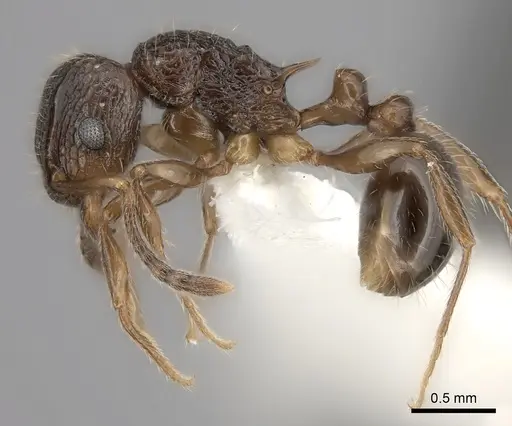
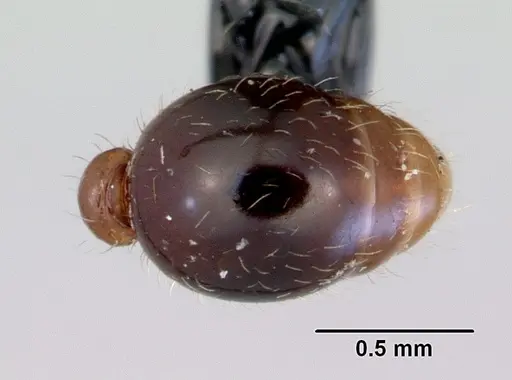
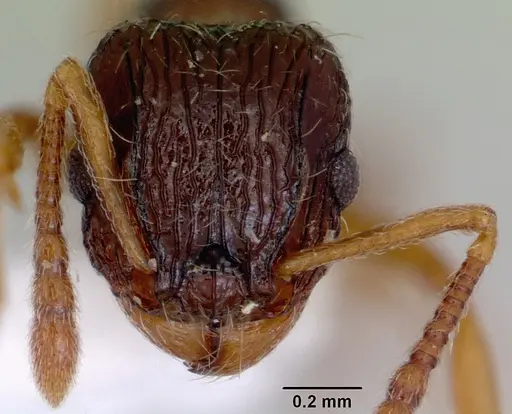
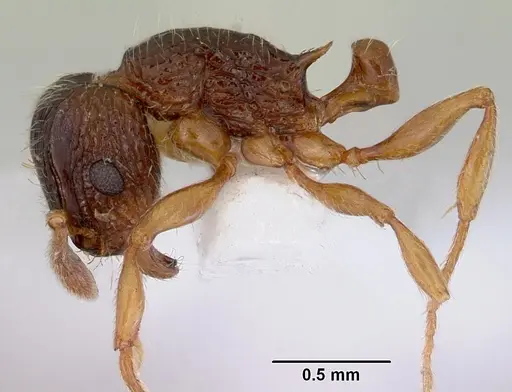
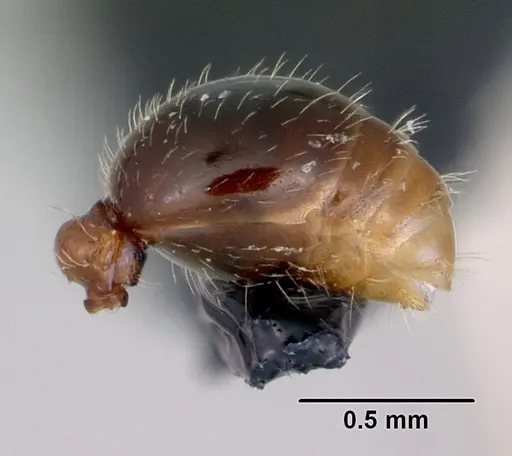
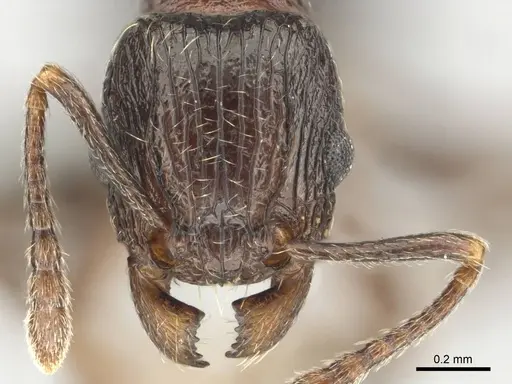
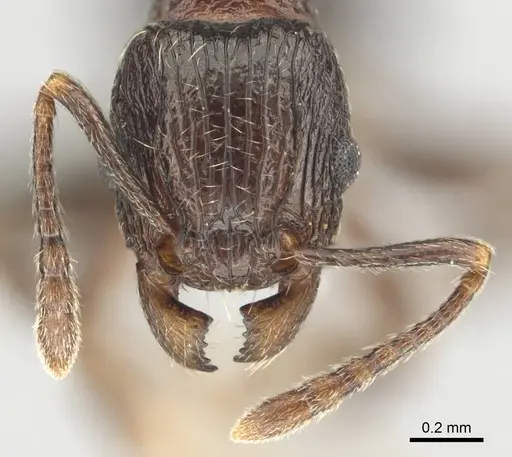
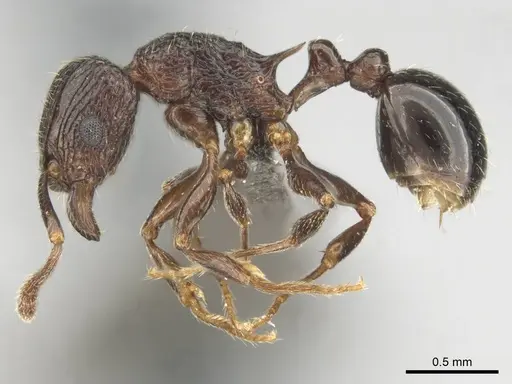
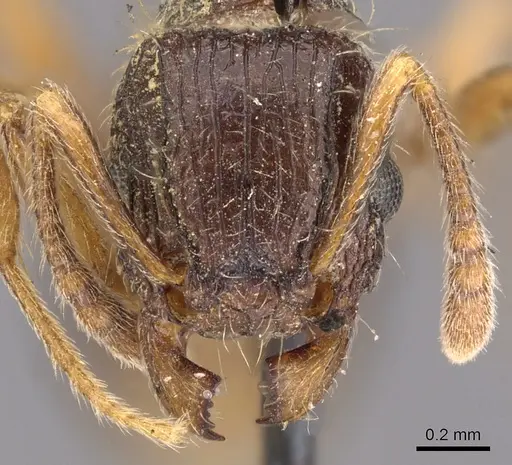
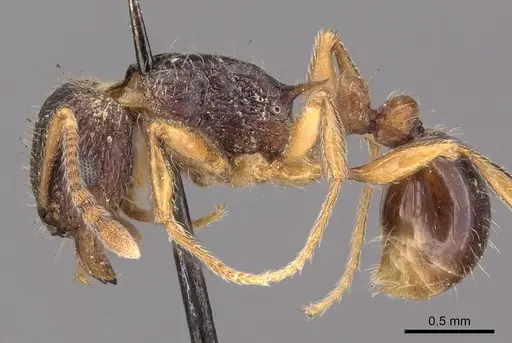
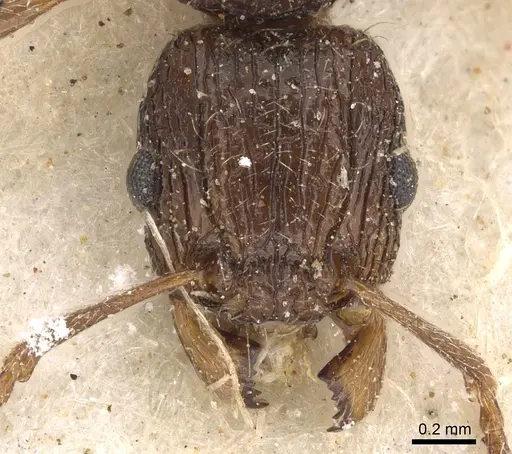
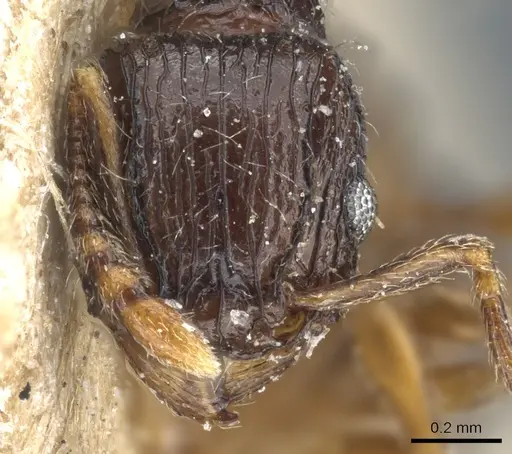
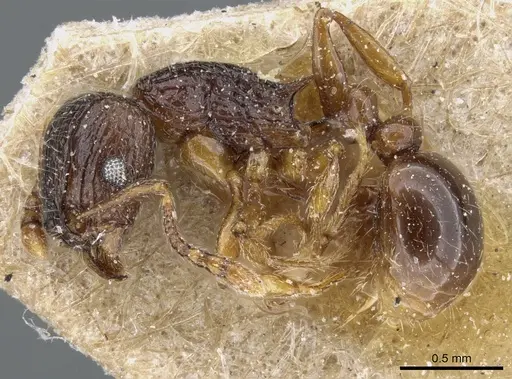
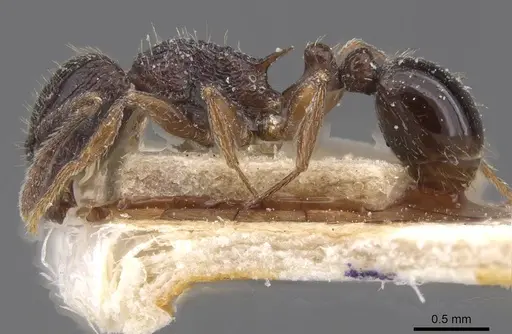
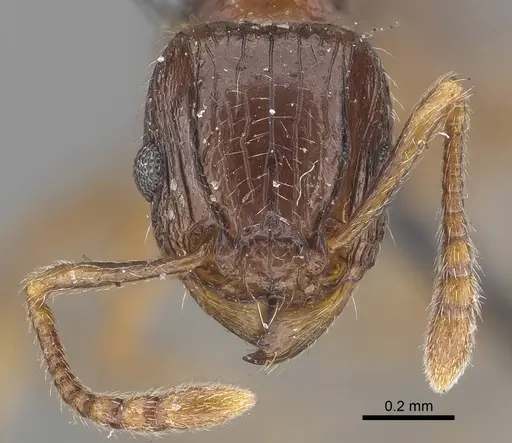
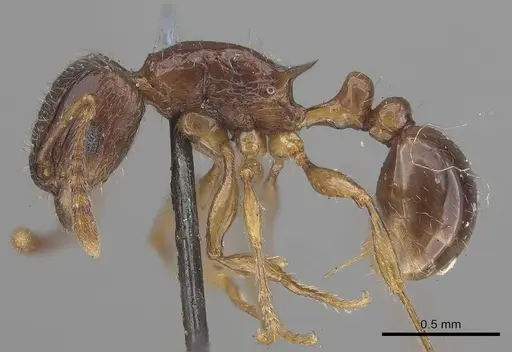
Tetramorium grassii is a small brown ant native to South Africa (Eswatini and surrounding regions), where it is fairly common and widespread . Workers measure 3.0-4.1 mm and have a uniform brown color ranging from mid-brown to blackish brown . They have long, narrow propodeal spines and a head with irregular longitudinal rugulae . This species has been introduced to New Zealand, where it is established but occurs in low numbers . Unlike many invasive ants, it ranks very low on risk assessments, with minimal impact on native environments and negligible pest status . This makes it a peaceful, low-impact species to keep - they are not aggressive colonizers and won't outcompete other ants in your setup.
Quick Summary
- Difficulty: Expert
- Origin & Habitat: Native to South Africa (Eswatini and nearby regions), where it inhabits fynbos and forest ecosystems [1]. Introduced to New Zealand, where it prefers vegetation, broken surfaces, and building structures [7].
- Colony Type: Unconfirmed, colony structure has not been documented in the literature. Related Tetramorium species are often monogyne, but this is not confirmed for T. grassii.
- Size & Growth:
- Queen: Unconfirmed, no queen measurements are available in literature.
- Worker: 3.0-4.1 mm (TL) [2]
- Colony: Unknown, observed in low numbers in introduced range, mature colony size not recorded.
- Growth: Moderate (inferred from genus patterns, no species-specific data)
- Development: Estimated 6-8 weeks at optimal temperature (based on typical Tetramorium development, no species-specific data available) (Development time depends on temperature. Keep warm (22-26°C) to speed up growth.)
- Antkeeping:
- Temperature: Keep warm, roughly 22-26°C. Avoid prolonged temperatures below 18°C. No species-specific temperature studies, base on warm South African origin.
- Humidity: Moderate humidity, keep the nest substrate slightly moist but not waterlogged. Provide a moisture gradient with one damp area and a drier zone.
- Diapause: Not required, native to warm climate. A slight winter cooling (18-20°C) can be natural but is not necessary.
- Nesting: Y‑tong (AAC) or plaster nests work well for these small ants. A test tube setup is fine for founding. Ensure good humidity retention and avoid overly dry conditions.
- Behavior: Workers are docile and non-aggressive, they rarely defend territory aggressively [5]. They are active, opportunistic foragers that will exploit various food sources [8]. Escape risk is moderate for their size (3-4 mm), use standard precautions like fluon on outworld walls.
- Common Issues: this species is an introduced / invasive ant in New Zealand, you must never release it into the wild., colonies often grow slowly, be patient and avoid overfeeding in hopes of faster growth., small size (3-4 mm) means they can slip through tiny gaps, check all connections and use barrier fluon., wild-caught colonies may carry mites or other parasites, quarantine new colonies for a few weeks., they prefer warm conditions, avoid cold drafts, open windows, or air conditioning vents near the setup.
Housing and Nest Setup
Tetramorium grassii does well in standard setups. A Y‑tong (AAC) or plaster formicarium works well because it provides narrow chambers these small ants prefer. Use a test tube setup for founding colonies, place the queen in a humid test tube with a cotton water stop. Keep the nest moderately humid but allow some drier areas. Avoid acrylic nests, plaster or Y‑tong hold moisture better. For the outworld, a smooth plastic container works fine. Because workers are only 3-4 mm [2], seal any gaps that could let them escape, they can squeeze through extremely narrow openings.
Feeding and Diet
Tetramorium grassii is an opportunistic feeder [8]. In captivity, offer a varied diet. For carbohydrates, provide sugar water or a few drops of honey on a cotton ball. For protein, give small insects like fruit flies, pinhead crickets, or pieces of mealworm. They have been caught on both carbohydrate and protein baits in the field, confirming they eat a mix [9][10]. In one trial they were even attracted to Xstinguish® bait [10]. Feed carbohydrates every 2-3 days and protein once or twice a week. Remove uneaten prey after 24 hours to prevent mold.
Temperature and Seasonal Care
Native to warm South Africa, Tetramorium grassii prefers consistent warmth. Aim for 22-26°C in the nest area. You can use a small heating cable on one side to create a gradient. Avoid temperatures below 18°C for long periods, this can slow the colony and may cause death. No specific temperature studies exist for this species, so the advice here is based on its origin. No true hibernation is required. You may let the temperature drop to 18-20°C during winter, but it is not necessary. Sudden cold shocks are dangerous, keep the setup stable and away from drafts.
Behavior and Colony Dynamics
Workers are active foragers but not aggressive. They recruit nestmates to food sources using chemical trails. The species is classified as an OPPORTUNIST functional group [8], meaning it adapts easily to disturbed habitats and a wide diet. There is no information on founding behavior, typical Tetramorium are claustral, but this has not been confirmed for T. grassii. The queen likely seals herself in a chamber and raises the first brood on stored reserves, but this is assumed from the genus. Colony size in the wild is unknown, in New Zealand, populations remain low [3]. Captive colonies can be raised, but growth may be slow.
Legal and Ethical Considerations
Tetramorium grassii is an introduced species in New Zealand, first recorded in 1941 [5]. It is also established in the Tasman region since 2002 [5]. Because it is non-native, you must NEVER release it into the wild if you are outside South Africa. Even in its native range, check local regulations before releasing. If you can no longer care for the colony, give it to another keeper or humanely freeze it. Responsible ant keeping means preventing any accidental escapes that could harm native ecosystems [5][6].
Frequently Asked Questions
Are Tetramorium grassii ants good for beginners?
Not recommended for complete beginners because they are an introduced species that must be contained. Experienced keepers who can prevent escapes may find them easy to care for, they are docile, accept various foods, and don‘t need hibernation. But their invasive status means you should have solid escape-proofing and a commitment to never release them.
How long does it take for Tetramorium grassii to raise their first workers?
Based on typical Tetramorium development, expect roughly 6-8 weeks from egg to first worker at 22-26°C. Species-specific data is missing, so this is an estimate. Keep the queen undisturbed in a dark, warm spot and be patient.
Do Tetramorium grassii ants sting?
There are no reports of stinging for this species. Other Tetramorium ants have a small stinger but rarely use it. If threatened, T. grassii may deliver a mild sting, but they are generally docile and prefer to flee. For keepers, they are safe to handle gently.
Can I keep multiple Tetramorium grassii queens together?
It is not recommended. Colony structure is unconfirmed, we don‘t know if they tolerate multiple queens. Combining unrelated queens usually leads to aggression and death. Start with a single queen and do not attempt pleometrosis.
What do Tetramorium grassii eat?
They are opportunistic. Offer sugar water or honey for carbohydrates, and small insects (fruit flies, pinhead crickets, mealworm pieces) for protein. In field trials they were attracted to both carbohydrate and protein baits [9][10]. Feed sugars every few days and protein once or twice a week. Remove uneaten food after 24 hours.
How big do Tetramorium grassii colonies get?
Exact colony size is unknown. In New Zealand, they occur in low numbers [3][5], which suggests their colonies are not huge. Based on related Tetramorium, a mature colony might reach a few hundred workers, but this is speculative. They are not supercolony formers.
Do Tetramorium grassii need hibernation?
No, they do not need true hibernation. Being from a warm climate, they can be active year-round. A slight cooling to 18-20°C in winter is harmless but not required. Avoid temperatures below 15°C.
Why are my Tetramorium grassii dying?
Common causes: temperatures below 18°C, humidity extremes (substrate too dry or waterlogged), lack of protein or sugar, or stress from frequent disturbance. Ensure the nest stays around 22-26°C with moderate moisture. Also check for escape gaps, small ants can get lost and die. If the colony is new, some stress is normal.
When should I move Tetramorium grassii to a formicarium?
Move them when the test tube becomes crowded, typically after several months and when you see workers frequently leaving the tube. There is no exact worker count, just observe when the queen and brood are being moved to new areas. Provide a connected formicarium and let them migrate on their own.
Report an Issue
The current care sheet is based fully on literature. See inconsistencies, or something that's incorrect? Please , it will be resolved after review from an admin. Contributing to the blogs tab also helps providing information, to make us be able to further improve the caresheets. Thank you for your support!
References

This caresheet is licensed under CC BY-SA 4.0 .
Community Blogs
CASENT0100805
View on AntWeb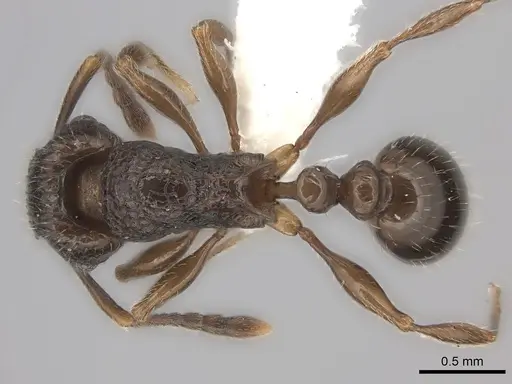
CASENT0172365
View on AntWeb
CASENT0249009
View on AntWeb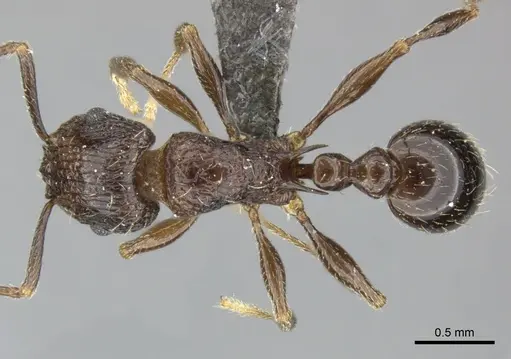
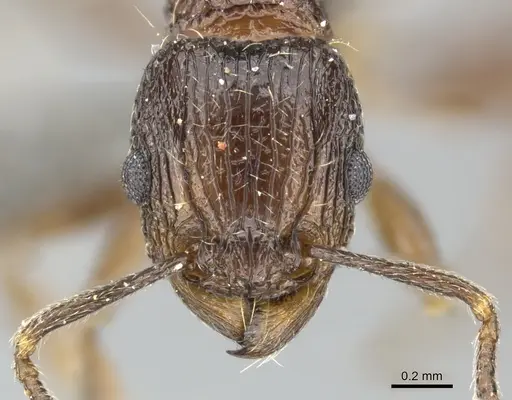
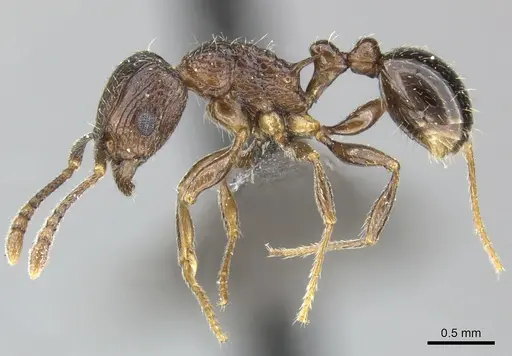
CASENT0253014
View on AntWeb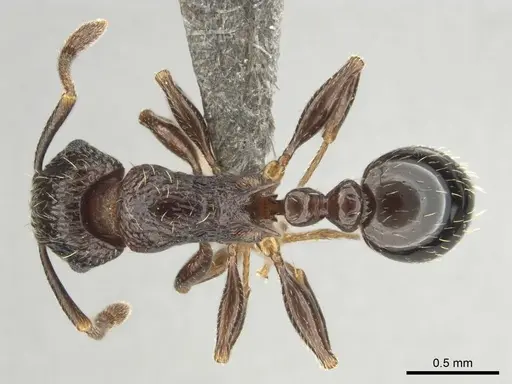
CASENT0901183
View on AntWeb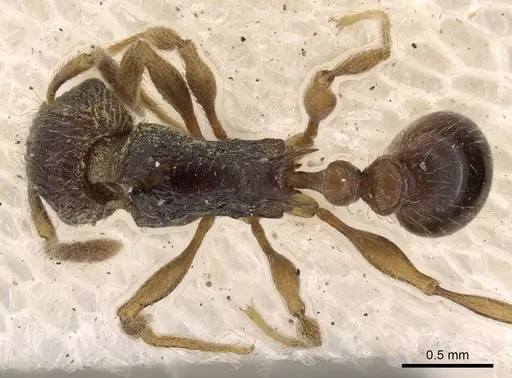
CASENT0901184
View on AntWeb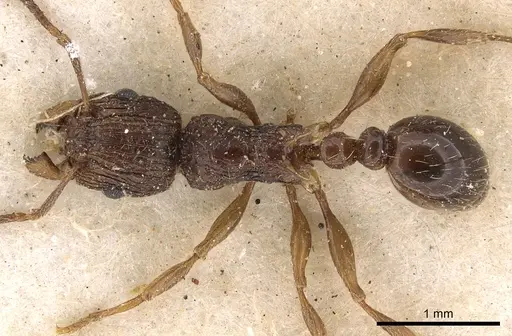
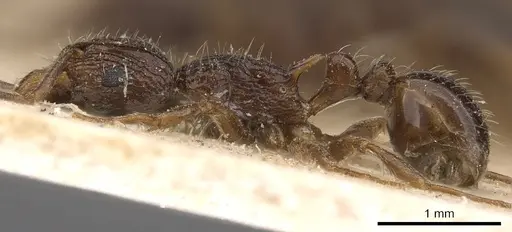
CASENT0901185
View on AntWeb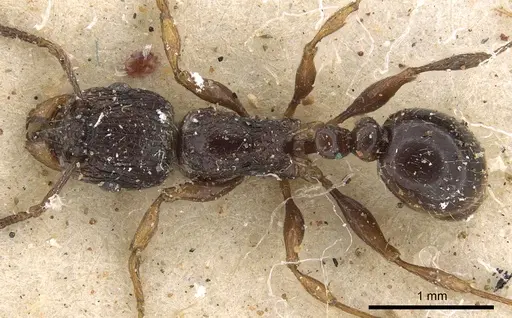
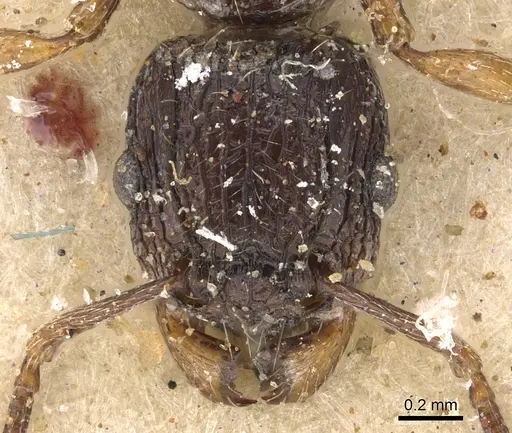
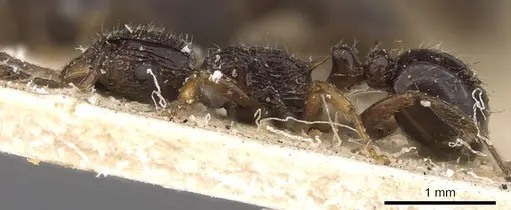
CASENT0904843
View on AntWeb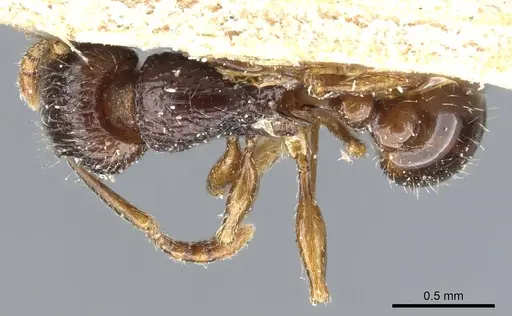
CASENT0909137
View on AntWeb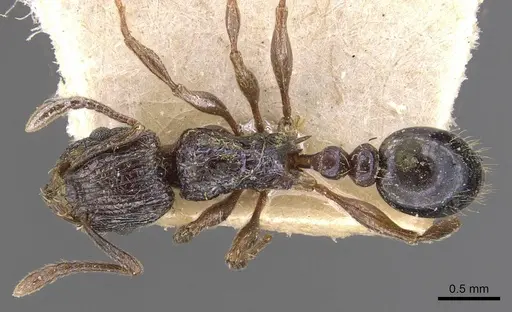
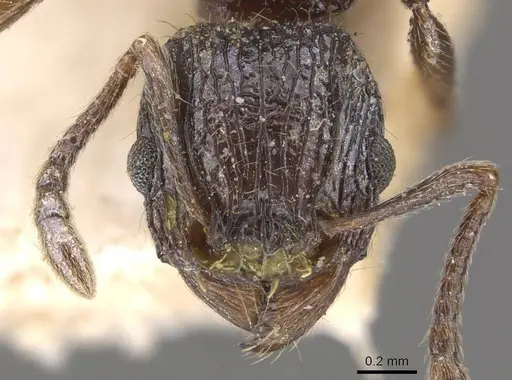
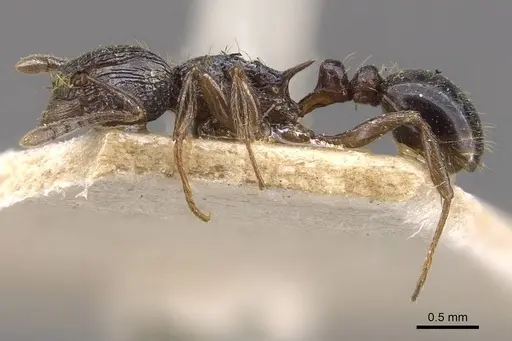
CASENT0915018
View on AntWeb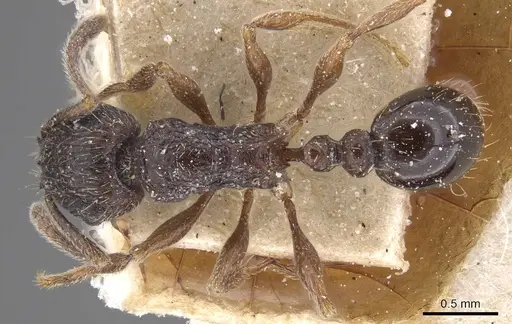
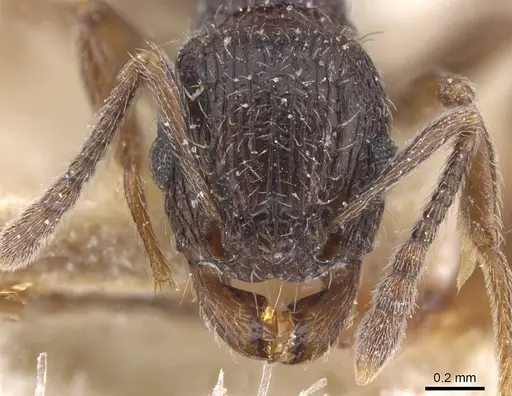
CASENT0919649
View on AntWeb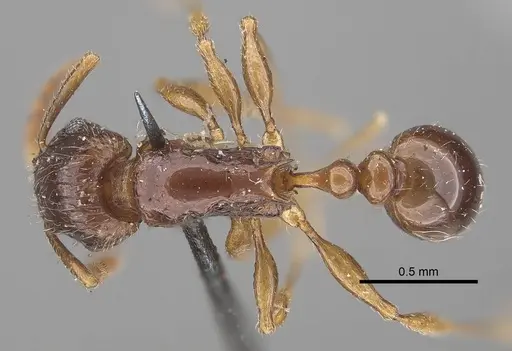
Literature
Loading distribution map...Loading products...