
Tetramorium gegaimi
- Sci. Name
- Tetramorium gegaimi
- Tribe
- Crematogastrini
- Subfamily
- Myrmicinae
- Author
- Forel, 1916
- Distribution
- Found in 3 countries
Introduction
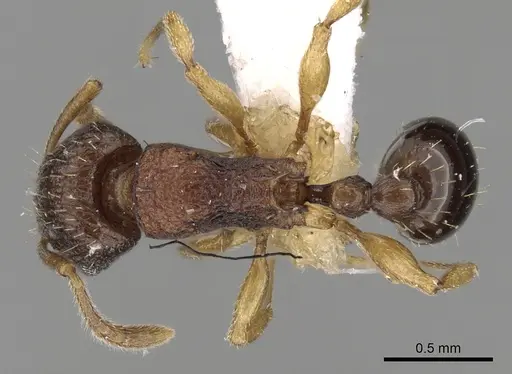
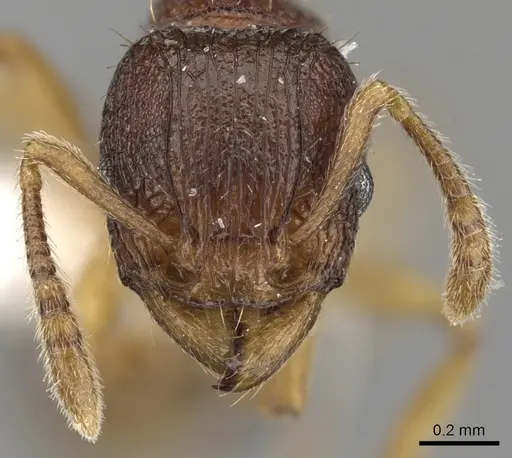
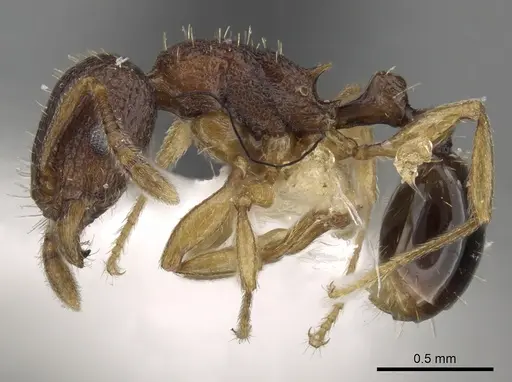
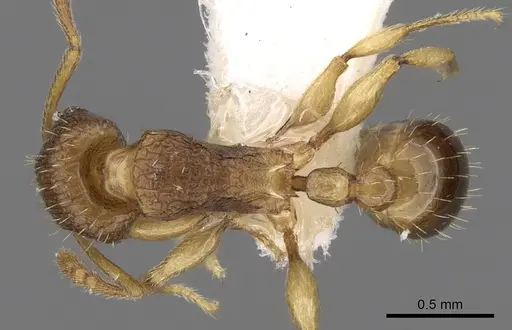
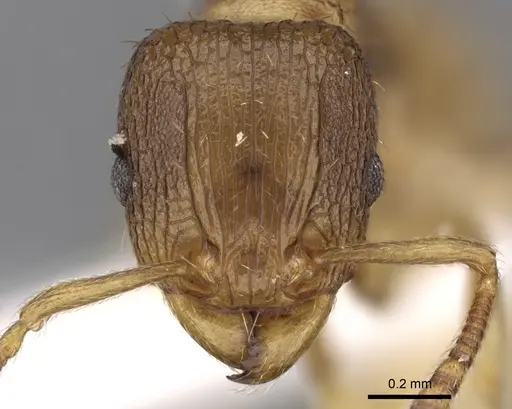
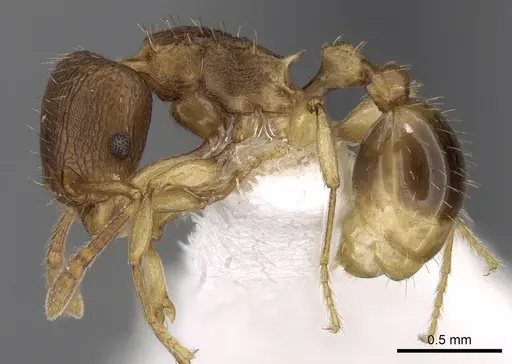
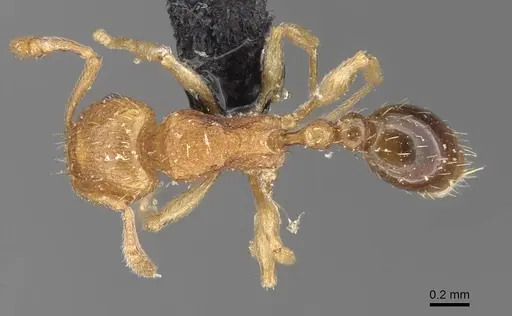
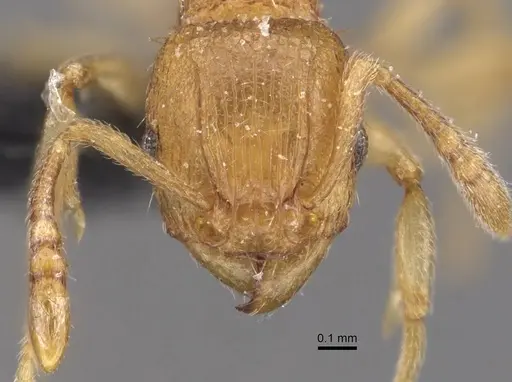
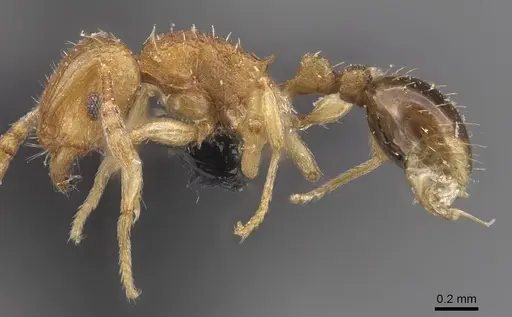
Tetramorium gegaimi is a small ant species native to the Democratic Republic of Congo . Workers are typical of the genus: small, dark-bodied ants with 12-segmented antennae and a two-segmented petiole. The genus Tetramorium includes compact, robust ants that often nest in soil or under stones in tropical and subtropical regions. This species was originally described from the Congo region and remains primarily known from historical records in central Africa.
Quick Summary
- Difficulty: Medium
- Origin & Habitat: Democratic Republic of Congo (DRC), central Africa [1]. Based on typical Tetramorium habitat preferences, they likely inhabit forest edges, savanna margins, and disturbed areas where they nest in soil or under ground cover.
- Colony Type: Unknown, insufficient data.
- Size & Growth:
- Queen: Size data unavailable. Based on Tetramorium genus patterns, queens are likely around 5-8 mm, but this is unconfirmed.
- Worker: Size data unavailable. Based on Tetramorium genus patterns, workers are likely around 2.5-4.5 mm, but this is unconfirmed.
- Colony: Unknown for this species. Related Tetramorium species can reach several hundred to a few thousand workers, but this is speculative.
- Growth: Unknown, estimated moderate based on genus patterns.
- Development: Unknown. Based on genus patterns, development may take 6-10 weeks at optimal temperatures, but this is unconfirmed.
- Antkeeping:
- Temperature: Keep at 24-28°C based on typical tropical Tetramorium requirements. Provide a gradient so ants can self-regulate. Avoid temperatures below 20°C or above 32°C.
- Humidity: Moderate to high humidity (60-80% RH) is typical for Tetramorium. Keep the nest substrate consistently moist but not waterlogged. Use a water tower or damp sponge to maintain moisture.
- Diapause: Unknown. Since Tetramorium gegaimi originates in tropical DRC, diapause is likely not required. A slight reduction in temperature during cooler months may be beneficial but is not mandatory.
- Nesting: Y-tong (AAC) nests with narrow chambers work well. They also accept plaster or naturalistic soil nests. Provide damp substrate that can retain moisture.
- Behavior: Typical Tetramorium behavior: workers are active foragers on the ground and in low vegetation. They are not particularly aggressive but will defend the nest. They are omnivorous, readily accepting protein and sugar sources. Escape risk is low if the enclosure is properly sealed, but they are small and can squeeze through gaps smaller than 1 mm.
- Common Issues: very limited species-specific information, humidity must be balanced: too dry harms brood, too wet causes mold, small founding colonies are vulnerable to stress and disturbance, wild-caught colonies may carry parasites, temperature stability is important, avoid drafts and swings
Housing and Nest Setup
For a species of this size (workers ~2.5-4.5 mm, inferred from genus), a Y-tong (AAC) nest with narrow chambers works well. The chambers should be sized appropriately so workers don't feel exposed but with room for expansion. A test tube setup is suitable for founding colonies. For established colonies, you can use plaster nests or naturalistic soil setups. Ensure the nest material retains moisture, these ants need damp conditions. Use a water tower or reservoir connected to the nest. The outworld should be simple with easy access to food. Use a fluon barrier on the rim to prevent escapes.
Feeding and Diet
Tetramorium ants are omnivorous and accept a wide variety of foods. Offer small protein sources like fruit flies, pinhead crickets, or pieces of mealworm, and provide sugar water, honey, or diluted honey consistently. In the wild, they likely forage for honeydew from aphids and scavenge small arthropods. Feed prey items appropriate to worker size, anything too large may go uneaten and cause mold. Remove uneaten prey after 24-48 hours.
Temperature and Seasonal Care
Maintain temperatures between 24-28°C for optimal brood development based on typical tropical Tetramorium requirements. A slight drop in temperature during winter months (to 20-22°C) may simulate seasonal changes but this species likely does not require a true diapause given its tropical origin. Use a heating cable on one side of the nest to create a temperature gradient, allow ants to move between warmer and cooler areas. Avoid placing heating directly on water reservoirs to prevent excessive condensation.
Colony Founding
Founding behavior is unconfirmed for this species. Based on typical Tetramorium patterns, queens may be claustral (sealing themselves in a chamber and raising the first brood without foraging), but this is speculative. Provide the founding queen with a small, dark chamber with damp substrate and minimal disturbance. First workers (nanitics) will be smaller than mature workers. Development time from egg to worker is unknown but may be 6-10 weeks at optimal temperature if typical genus patterns apply.
Behavior and Temperament
Workers are likely active foragers on the ground and in low vegetation. They are not particularly aggressive but will defend the nest if threatened. As members of subfamily Myrmicinae and tribe Crematogastrini, their primary defense is smearing venom rather than stinging. The sting of Tetramorium is generally mild even if present. Workers use chemical trails and will quickly exploit food sources. Colonies become more visible once they reach moderate size.
Frequently Asked Questions
How long does it take for Tetramorium gegaimi to produce first workers?
The exact development time is unknown for this species. Based on typical Tetramorium species, it may take 6-10 weeks from egg to worker at optimal temperatures (24-28°C), but this is an estimate.
What do Tetramorium gegaimi ants eat?
They are omnivorous. Offer small insects like fruit flies or pinhead crickets for protein, and provide sugar water or honey regularly. They will also scavenge.
Can I keep Tetramorium gegaimi in a test tube?
Test tubes are suitable for founding colonies. Use a water reservoir with a cotton plug to maintain humidity. Once the colony exceeds 30 workers, consider moving to a small formicarium or Y-tong nest.
Do Tetramorium gegaimi ants sting?
Some Tetramorium species can sting, but pain is typically mild. Their primary defense is smearing venom (typical of tribe Crematogastrini). They are not dangerous to humans.
What temperature do Tetramorium gegaimi ants need?
Keep them at 24-28°C. A temperature gradient is ideal. Avoid temperatures below 20°C or above 32°C for extended periods.
Are Tetramorium gegaimi good for beginners?
This species is suitable for intermediate keepers. While not difficult, the limited species-specific information means you may need to adjust care based on colony behavior.
How big do Tetramorium gegaimi colonies get?
Colony size is unknown for this species. Related Tetramorium can form colonies of several hundred to a few thousand workers, but this is speculative.
Do Tetramorium gegaimi need hibernation?
Probably not, being from tropical DRC, a true diapause is likely unnecessary. A slight temperature reduction during winter may be beneficial but is not mandatory.
Why are my Tetramorium gegaimi dying?
Common causes include: low humidity (keep substrate moist), temperature stress (avoid drafts and extremes), mold from uneaten food (remove prey after 24-48 hours), or stress from excessive disturbance. Wild-caught colonies may also carry parasites.
When should I move my colony to a formicarium?
Move when the test tube or founding setup becomes crowded (30+ workers) or when the water reservoir needs frequent refilling. A gradual transition with the old nest connected to the new one helps the colony adapt.
Report an Issue
The current care sheet is based fully on literature. See inconsistencies, or something that's incorrect? Please , it will be resolved after review from an admin. Contributing to the blogs tab also helps providing information, to make us be able to further improve the caresheets. Thank you for your support!
References

This caresheet is licensed under CC BY-SA 4.0 .
Community Blogs
Literature
Loading distribution map...Loading products...