
Tetramorium galaticum
- Sci. Name
- Tetramorium galaticum
- Tribe
- Crematogastrini
- Subfamily
- Myrmicinae
- Author
- Menozzi, 1936
- Distribution
- Found in 2 countries
Introduction
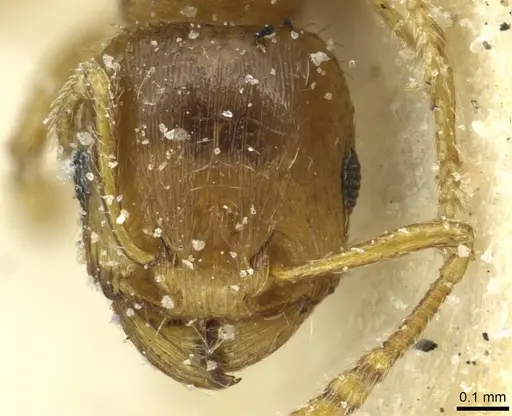
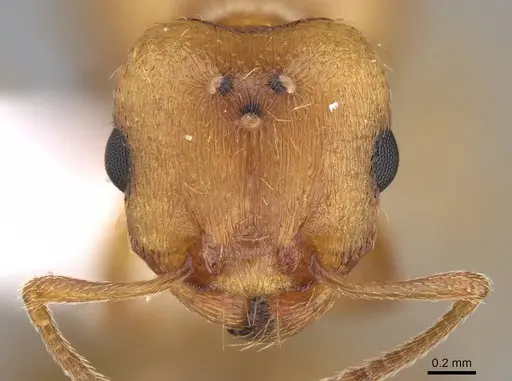
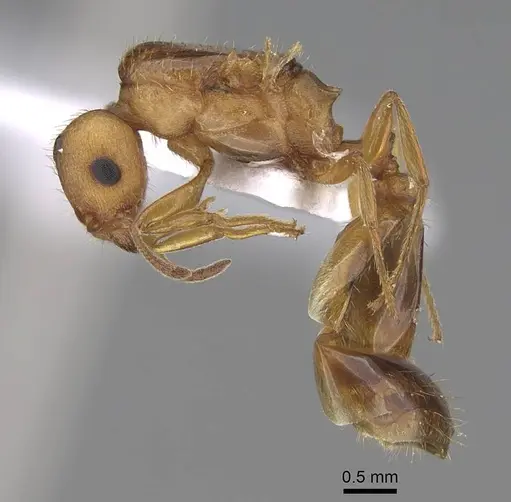
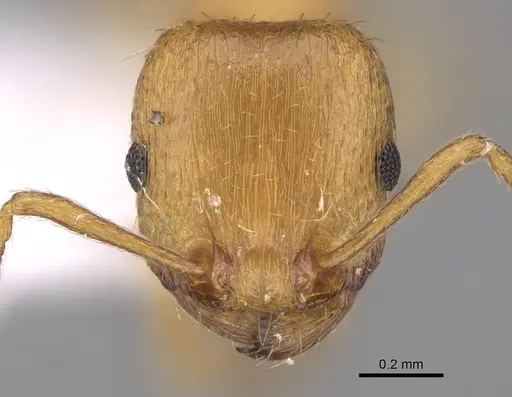
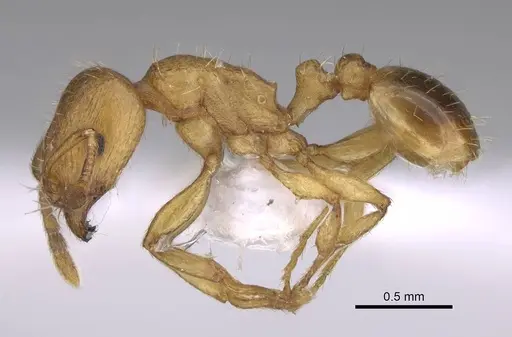
Tetramorium galaticum is a small ant belonging to the Myrmicinae subfamily and the semilaeve species group. Workers are yellow to pale yellowish-brown, never dark brown or black, with a head slightly longer than wide and short triangular propodeal teeth. Queens share a similar yellow coloration, while males are dark brown with yellowish appendages. This species was only recognized as distinct from the Tetramorium semilaeve complex in 2017 . These ants inhabit dry, sunny locations across Turkey and the Greek island of Samos. They nest in roadsides, pastures, lake shores, scrubland, and open pine forests, from sea level up to 1100 meters elevation. A notable finding is that nests can contain multiple queens, with 1-7 queens recorded in a single nest, indicating a polygynous (multi-queen) colony structure .
Quick Summary
- Difficulty: Easy
- Origin & Habitat: Turkey and Samos (Greece) in the Palaearctic region. They are found in dry, sunny habitats from sea coast to 1100m, including roadsides, pastures, lake shores, scrub, and open pine forests [1].
- Colony Type: Multi-queen colonies, single nests have been observed with 1-7 queens, suggesting polygyny [1].
- Size & Growth:
- Queen: Size data unavailable, typical Tetramorium queens are 3-5 mm, but no specific measurements are confirmed for this species.
- Worker: Size data unavailable, typical Tetramorium workers are 2-4 mm, but no specific measurements are confirmed for this species.
- Colony: Unknown, likely moderate based on related Tetramorium species.
- Growth: Moderate
- Development: Estimated 6-10 weeks based on related Tetramorium, but no species-specific data exists. (Development time is temperature-dependent.)
- Antkeeping:
- Temperature: 22-26°C, these ants come from warm, sunny Mediterranean habitats. A heating cable on one side of the nest allows a thermal gradient.
- Humidity: Low to moderate, they naturally inhabit dry, sunny areas. Keep the nest substrate slightly moist but allow parts to dry out. Avoid overwatering.
- Diapause: Likely, originating from temperate Turkey, a cool winter period (10-15°C for 2-3 months) probably benefits the natural cycle, though unconfirmed.
- Nesting: Nest under stones in soil or in open ground. In captivity, Y-tong (AAC) or plaster nests work well. Provide a dry to slightly moist substrate.
- Behavior: Workers are active foragers that search for food on the ground. They are not particularly aggressive but defend their nest. Their defense mechanism uses a modified stinger to smear venom rather than sting. Body size is small (likely around 2-4 mm), so ensure good escape prevention, but they are not extremely tiny. Polygynous colonies may allow multiple founding queens to coexist, though this needs careful observation.
- Common Issues: escape prevention still needed, workers can squeeze through small gaps but are not microscopically small., overwatering can cause mold due to their natural dry habitat preference., uneaten food should be removed promptly to prevent mold., wild-caught colonies may carry parasites or diseases., disturbing a founding queen can slow colony growth or cause failure.
Housing and Nest Setup
Tetramorium galaticum adapts well to typical antkeeping nests. A Y-tong (AAC) nest offers good visibility and works for their small size. Plaster or soil nests also suit them. Since they naturally nest under stones in sunny, dry areas, a naturalistic setup with flat stones over moist soil mimics their conditions. For the outworld, any escape-proof container works, use fluon or fine mesh on ventilation holes. A small water tube attached to the nest provides humidity without flooding. [1]
Feeding and Diet
Like most Tetramorium, these ants are likely omnivorous with a protein preference. In captivity, offer small protein sources such as fruit flies, small crickets, or mealworms 2-3 times per week. Sugar water or honey can be provided continuously, replaced every few days. Remove uneaten prey after 24 hours to prevent mold.
Temperature and Seasonal Care
Maintain nest temperatures between 22-26°C, as these are warmth-loving ants from sunny Mediterranean Turkey [1]. A heating cable on one side creates a gradient. For winter, a cool period around 10-15°C for 2-3 months may benefit the colony, mimicking their natural seasonal cycle, though specific diapause requirements are unconfirmed.
Colony Structure and Multi-Queen Care
A distinctive feature of Tetramorium galaticum is its polygynous nature, natural nests contain 1-7 queens [1]. This means you may be able to keep multiple founding queens together, but this is not well-documented in captivity. Introduce queens cautiously and monitor for aggression. The presence of multiple queens likely aids colony growth and resilience.
Growth and Development
Exact body sizes are not recorded, but based on the semilaeve species group, workers are small (typical Tetramorium size ~2-4 mm) and queens larger (~3-5 mm) [1]. Development from egg to worker likely takes 6-10 weeks at optimal temperatures, inferred from related species. The colony grows slowly at first, expect fewer than 100 workers for the first year, with growth accelerating once nanitics emerge.
Behavior and Temperament
Workers are active, ground-foraging ants that explore the outworld readily. They are not especially aggressive but will defend their nest. Their defense mechanism uses a modified stinger that smears venom rather than piercing (typical for tribe Crematogastrini). The venom is mild to humans. Their small size (likely 2-4 mm) requires decent escape prevention, but they are not extremely tiny. Multi-queen colonies are generally peaceful, though individual queen aggression may occur during founding. [1]
Frequently Asked Questions
How long does it take for Tetramorium galaticum to raise their first workers?
The exact time is unknown because no species-specific data exists. Based on related Tetramorium, you can estimate 6-10 weeks from egg to first worker at 22-26°C. The first workers (nanitics) will be small.
Can I keep multiple Tetramorium galaticum queens together?
Yes, likely, natural nests have 1-7 queens, indicating polygyny [1]. However, combining unrelated foundresses should be done cautiously. Start with 2-3 queens and watch for fighting. If they fight, separate them.
What do Tetramorium galaticum ants eat?
They are probably omnivorous like other Tetramorium. Offer small insects (fruit flies, pinhead crickets, small mealworms) 2-3 times per week. Sugar water or honey can be available always, changed every few days.
Do Tetramorium galaticum ants sting?
They have a modified stinger that smears venom rather than piercing, typical of the tribe Crematogastrini. The effect is mild, like a minor irritation, not a sharp sting.
What temperature do they need?
Keep nest temperatures between 22-26°C. They come from warm Mediterranean habitats. A heating cable on one side lets them choose their preferred spot.
Do they need hibernation?
Probably yes, they originate from temperate Turkey with seasonal weather. A cool period (10-15°C for 2-3 months) in winter may benefit their natural cycle. But this is unconfirmed for this species.
Are Tetramorium galaticum good for beginners?
Yes, they are generally easy to keep. They tolerate varying conditions, are not aggressive, and form resilient multi-queen colonies. The main challenge is ensuring good escape prevention and avoiding overwatering.
How big do Tetramorium galaticum colonies get?
Colony size is not well-documented. Based on related Tetramorium, they likely reach several hundred to a few thousand workers. Growth is moderate, expect under 100 workers in the first year.
When should I move them to a formicarium?
Keep new colonies in a test tube until they have about 20-30 workers. Moving too early stresses the queen. After that, you can transfer to a formicarium, but test tubes remain a good option for small colonies.
Why are my Tetramorium galaticum dying?
Common reasons: overwatering (they prefer drier conditions), mold from uneaten food, parasites from wild-caught colonies, or disturbing the queen during founding. Ensure good hygiene, moderate humidity, and minimal disturbance.
What's the difference between Tetramorium galaticum and other Tetramorium?
Tetramorium galaticum was recognized as a separate species in 2017 [1]. It belongs to the semilaeve species group. Workers and queens are yellow to pale yellowish-brown, while related species are often darker. It also has short, triangular propodeal teeth and a polygynous colony structure.
Report an Issue
The current care sheet is based fully on literature. See inconsistencies, or something that's incorrect? Please , it will be resolved after review from an admin. Contributing to the blogs tab also helps providing information, to make us be able to further improve the caresheets. Thank you for your support!
References

This caresheet is licensed under CC BY-SA 4.0 .
Community Blogs
CASENT0904820
View on AntWeb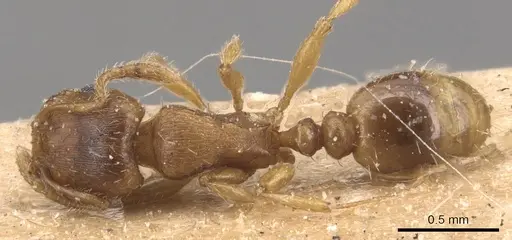
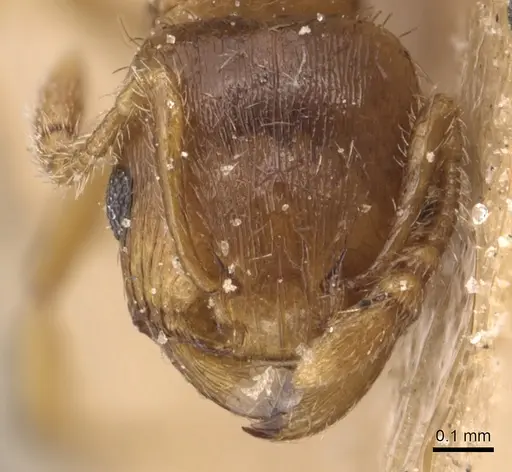
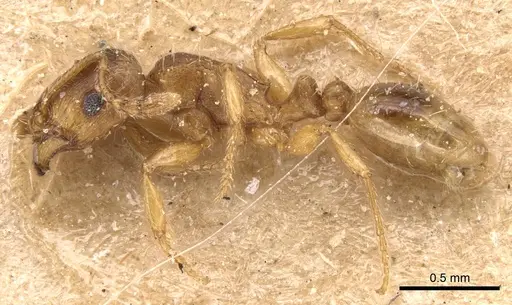
CASENT0915047
View on AntWeb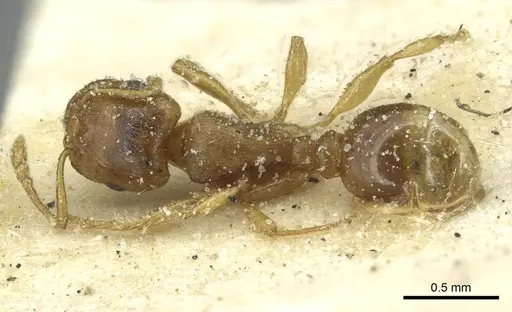
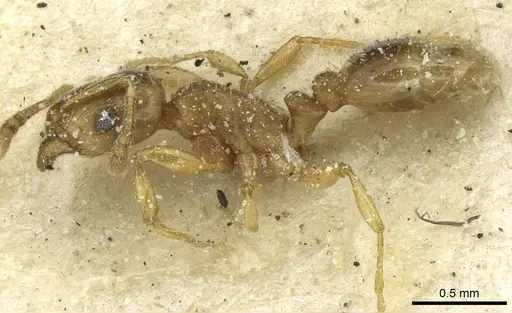
CASENT0922708
View on AntWeb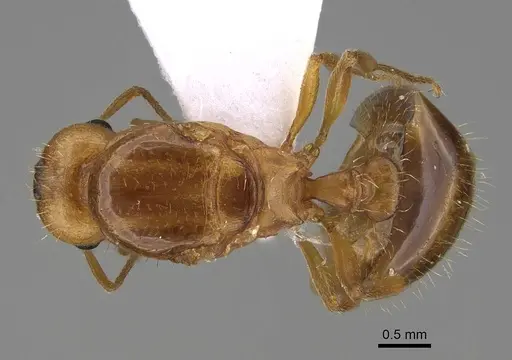
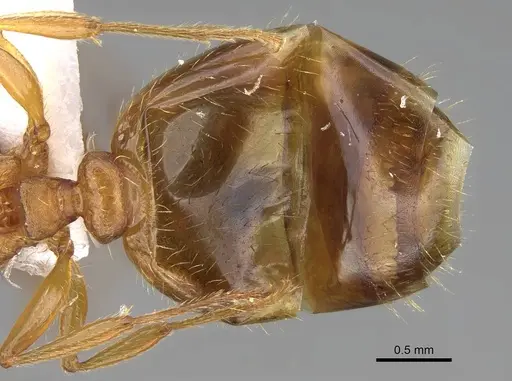
CASENT0922709
View on AntWeb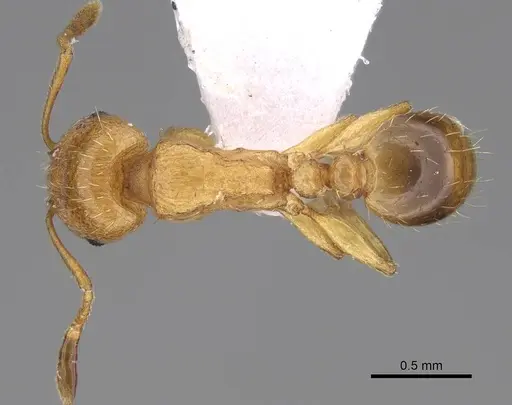
Literature
Loading distribution map...Loading products...