
Frigid Fierce ant
Tetramorium frigidum
- Sci. Name
- Tetramorium frigidum
- Tribe
- Crematogastrini
- Subfamily
- Myrmicinae
- Author
- Arnold, 1926
- Common Name
- Frigid Fierce ant
- Distribution
- Found in 1 countries
Introduction
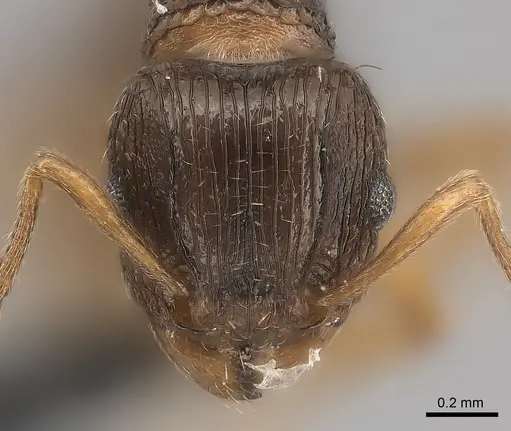
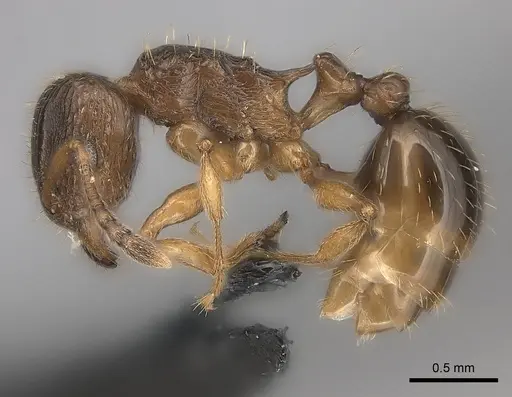
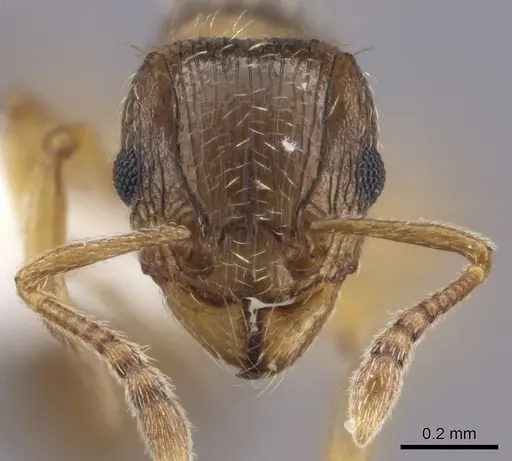
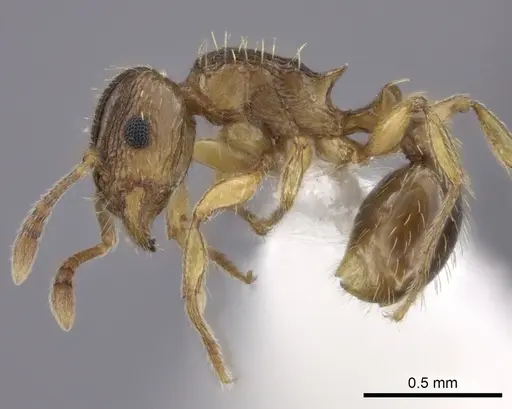
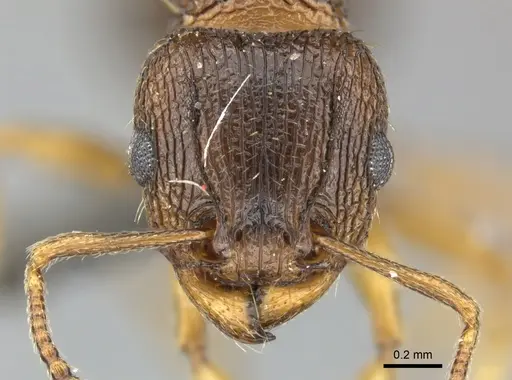
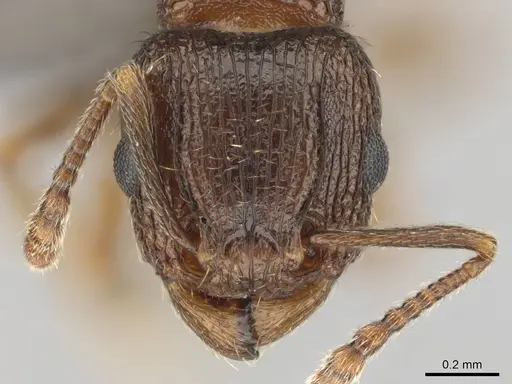
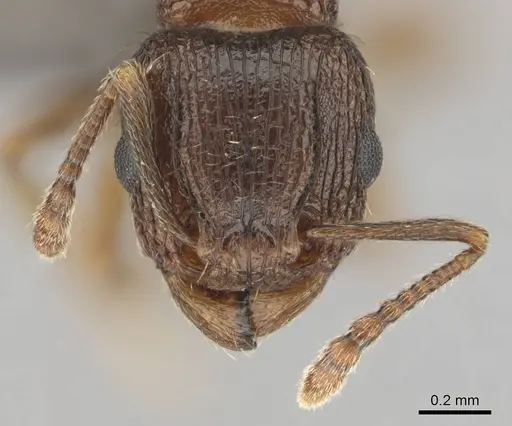
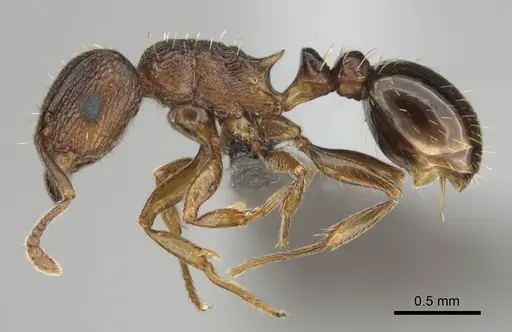
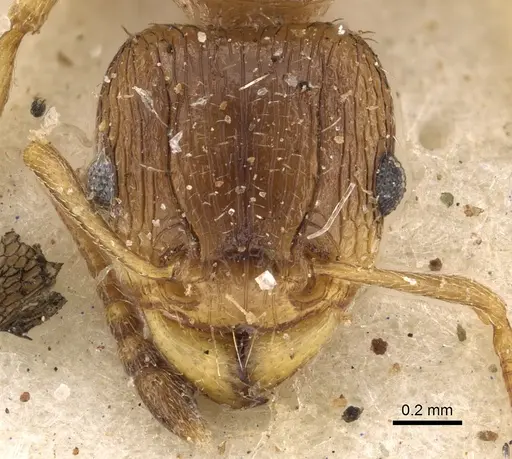
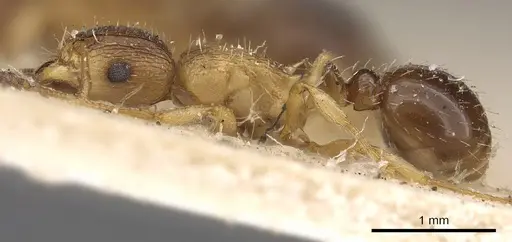
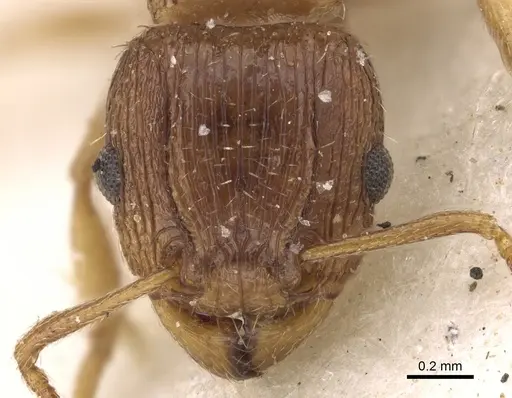
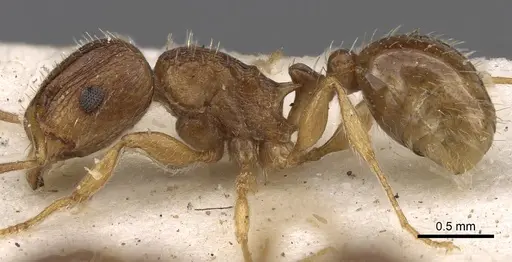
Tetramorium frigidum is a small to medium-sized ant native to South Africa and Lesotho. Workers measure 2.7-4.0 mm and have a distinctive appearance with strong longitudinal grooves on their head, relatively small eyes, and long spines on the back body segment. They are uniformly light brown in color. This ant belongs to the squaminode-group and shows more size variation than close relatives like Tetramorium flaviceps and Tetramorium jejunum . In the wild, they inhabit open to semi-open grasslands and savannas. They are ground-nesting, often building nests at the base of grass tussocks or under stones, with brood typically found about 5 cm below the surface . These ants are ecological opportunists, meaning they are generalists that can colonize disturbed areas and thrive in various conditions. Research shows they are common in South African grasslands and savannas, appearing in both control and rehabilitated sites, which indicates they can adapt to environmental changes . Their ability to succeed in disturbed habitats makes them a resilient species for keepers.
Quick Summary
- Difficulty: Medium
- Origin & Habitat: South Africa and Lesotho. Inhabits open to semi-open grasslands and savanna habitats. Nests are ground-based, typically at the base of grass tussocks or under rocks, with brood found approximately 5 cm below the surface [1].
- Colony Type: Social structure is unconfirmed from published literature. Based on typical Tetramorium behavior, likely monogyne (single queen per colony), but this is an inference.
- Size & Growth:
- Queen: Size data unavailable, no published total length measurements for queens. Expected to be larger than workers, but exact size is unknown.
- Worker: 2.7-4.0 mm (total length) [1]
- Colony: Colony size is unknown. No published data on maximum colony size, field samples suggest moderate populations but exact numbers are not documented.
- Growth: Moderate, estimated from typical Tetramorium development patterns. Specific data for this species is lacking.
- Development: Unknown for this species. Estimated 6-10 weeks at optimal temperature based on related Tetramorium species, but this is a rough guess. (Development time is inferred from genus-level data, specific timing for T. frigidum has not been documented.)
- Antkeeping:
- Temperature: Optimal range is unknown. Based on origin (South African highlands at 1500-2100 m elevation), likely moderate temperatures around 20-25°C. Avoid extremes. Use a heating cable to create a gradient and let the ants choose [1].
- Humidity: Specific needs unknown. They nest in grasslands where soil is moderately moist. Keep the nesting substrate damp but not wet. Provide a moisture gradient so ants can adjust [1].
- Diapause: Unknown. The species comes from temperate highlands where winters can be cool but not severe. A mild winter slowdown (15-18°C for 2-3 months) may simulate natural conditions, but true diapause is not confirmed.
- Nesting: Ground-nesting species. In captivity, use Y-tong (AAC), plaster, or soil nests with chambers scaled to their small size. Provide a substrate layer at least 5-10 cm deep for natural burrowing [1].
- Behavior: Tetramorium frigidum is a generalist forager that actively searches for food on the ground. Workers are moderately defensive and will attack nest threats, though their small size (max 4 mm) limits impact. They have a functional stinger typical of Myrmicinae but the sting is mild. Escape risk is low due to size, but standard barriers (fluon, oil) are recommended.
- Common Issues: limited specific care information, most advice is inferred from related species, slow colony growth can frustrate beginners, these ants take time to establish, ground-nesting requirements mean deeper nesting areas are needed, which complicates formicarium choice, as small ants, they can be outcompeted by larger species if housed together, wild-caught colonies may carry parasites that can affect health in captivity
Housing and Nest Setup
Tetramorium frigidum is a ground-nesting ant that requires deeper nesting areas compared to surface-dwelling species. In captivity, they do well in Y-tong (AAC) nests, plaster nests, or naturalistic setups with a soil substrate layer at least 5-10 cm deep. The chambers should be scaled to their small worker size (2.7-4 mm), with passages that allow workers to move easily but feel secure. A test tube setup works for founding colonies, but plan to move them to a more spacious formicarium once the colony is well established. Because they nest at the base of grass tussocks in the wild, providing some plant material or grass stems in a naturalistic setup can help them feel at home. Ensure the nesting area remains moist but not saturated, these ants prefer moderate humidity over wet conditions [1].
Feeding and Diet
As opportunistic generalists, Tetramorium frigidum workers accept a varied diet. Offer protein sources such as small insects (fruit flies, small crickets, mealworms), and provide sugar water or honey as an energy source. In the wild, they forage for insects and likely tend aphids for honeydew. Feed small prey items two to three times per week, adjusting based on colony size and consumption. Remove uneaten prey after 24-48 hours to prevent mold. Sugar water should be available constantly, replaced every few days. Young colonies can be fed tiny portions, a single small insect or a drop of honey water is enough for a colony under 20 workers. As the colony grows, increase food quantity.
Temperature and Seasonal Care
Keep Tetramorium frigidum at temperatures between 20-25°C for likely optimal brood development. Being from South African highlands, they prefer moderate warmth but can tolerate room temperature. A heating cable placed on one side of the nest creates a temperature gradient that allows ants to regulate their own exposure. During winter, a slight reduction in temperature (15-18°C) for 2-3 months may simulate their natural seasonal cycle, though true diapause is not confirmed. Avoid temperatures below 15°C for extended periods. Monitor colony activity, if workers become sluggish and cluster together, they may be too cold. If they avoid the heated area, the temperature may be too high. [1]
Colony Development and Growth
Tetramorium frigidum colonies develop at a moderate pace. The queen lays eggs after founding, and these develop through larval and pupal stages before emerging as workers. Based on typical Tetramorium patterns, expect roughly 6-10 weeks from egg to first worker at optimal temperatures. The first workers (nanitics) are typically smaller than mature workers. Growth rate depends on temperature, feeding frequency, and queen health. A well-fed queen should produce workers regularly once the colony is established. Exact maximum colony size is not documented, but based on field presence they likely reach at least a few hundred workers. Patience is key, founding colonies can take several months to establish firm footing.
Behavior and Temperament
Workers of Tetramorium frigidum are active foragers that search for food both individually and through recruitment. When a worker finds a food source, they return to the nest and recruit nestmates via chemical signals. They are moderately defensive and will attack threats to their nest, though their small size (max 4 mm) limits the severity of any bite. As members of Myrmicinae, they have a functional stinger, but the sting is mild, comparable to a small pinprick. They are not aggressive toward humans but will defend their colony. In multi-species setups, their small size means they may be outcompeted by larger ant species. Provide enrichment such as foraging areas and varied terrain to keep colonies active.
Frequently Asked Questions
How long does it take for Tetramorium frigidum to produce first workers?
The exact timing is unknown for this species. Based on related Tetramorium, expect roughly 6-10 weeks from egg to first worker at optimal temperatures (20-25°C). This is an estimate, actual time may vary.
Can I keep Tetramorium frigidum in a test tube?
Yes, test tubes work well for founding colonies. Use a standard test tube setup with a water reservoir sealed with cotton. Once the colony has a good number of workers (20-30), consider moving them to a larger formicarium with deeper nesting areas to accommodate their ground-nesting nature.
Do Tetramorium frigidum ants sting?
Yes, as a member of the Myrmicinae subfamily, they have a functional stinger. However, their small size (max 4 mm) means the sting is very mild, comparable to a minor mosquito bite. Most keepers barely feel it.
What temperature do Tetramorium frigidum ants need?
Exact preference is unknown, but based on their highland origin, keep them at 20-25°C. They can tolerate room temperature but may develop slower. Use a heating cable on one side of the nest to create a gradient [1].
Are Tetramorium frigidum good for beginners?
They are moderate difficulty. Their ground-nesting needs and moderate temperature preferences are manageable, but colony growth can be slow and specific care data is scarce. Best for keepers with some experience who are patient.
How big do Tetramorium frigidum colonies get?
The maximum colony size is unknown. Field studies show them as common, suggesting moderate-sized colonies, but exact numbers are not published. They likely reach at least a few hundred workers [3][4].
Do Tetramorium frigidum need hibernation?
Hibernation needs are unknown. As a species from South African highlands, they likely experience seasonal cooling but not harsh winters. A very mild winter slowdown (15-18°C for 2-3 months) may be beneficial, but is not proven necessary.
What do Tetramorium frigidum ants eat?
They are opportunistic generalists. Offer small insects (fruit flies, small crickets, mealworms) as protein and sugar water or honey as an energy source. In the wild they likely collect honeydew from aphids. Feed protein twice weekly and keep sugar water available.
Can I keep multiple Tetramorium frigidum queens together?
Probably not. Most Tetramorium are monogyne, and this species is assumed to be single-queen. No data supports polygyny. Attempting to keep multiple queens together is risky and likely results in fighting.
Why is my Tetramorium frigidum colony not growing?
Common causes: temperatures too low (below 20°C slows development), insufficient protein, too much moisture (keep damp, not wet), or an unfertile queen. Check temperature, feeding schedule, and humidity. If the colony remains tiny for months, the queen may not have mated.
Report an Issue
The current care sheet is based fully on literature. See inconsistencies, or something that's incorrect? Please , it will be resolved after review from an admin. Contributing to the blogs tab also helps providing information, to make us be able to further improve the caresheets. Thank you for your support!
References

This caresheet is licensed under CC BY-SA 4.0 .
Community Blogs
CASENT0100789
View on AntWeb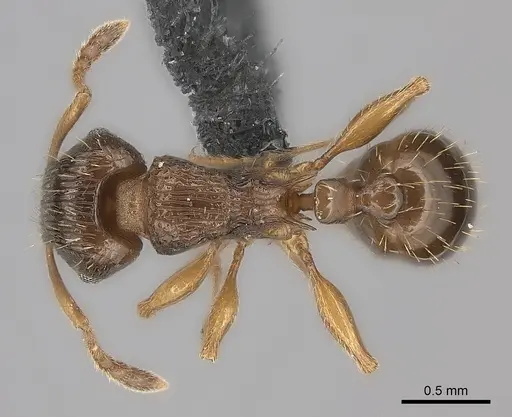
CASENT0100801
View on AntWeb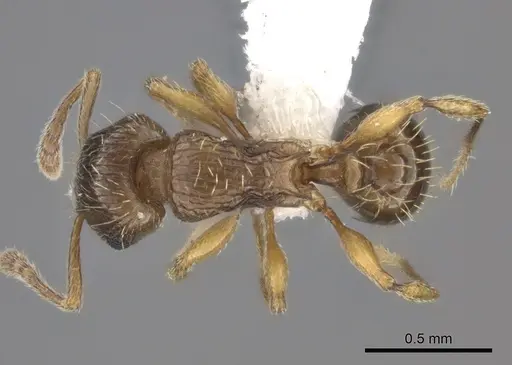
CASENT0249008
View on AntWeb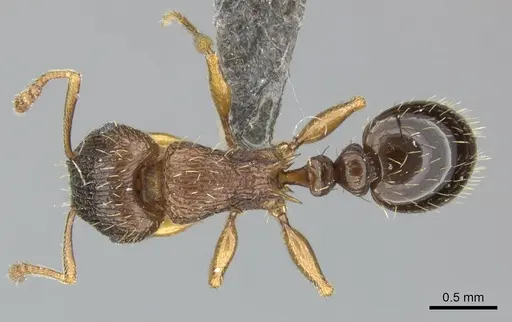
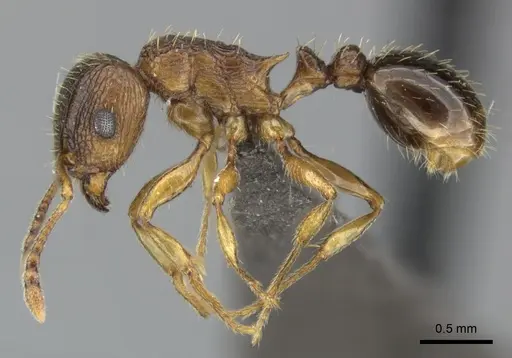
CASENT0253042
View on AntWeb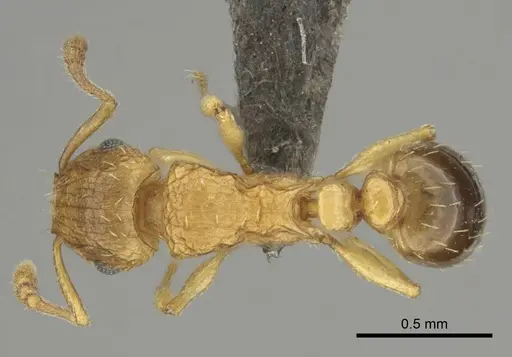
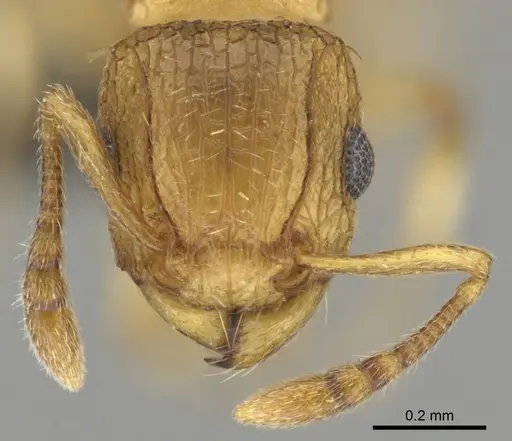
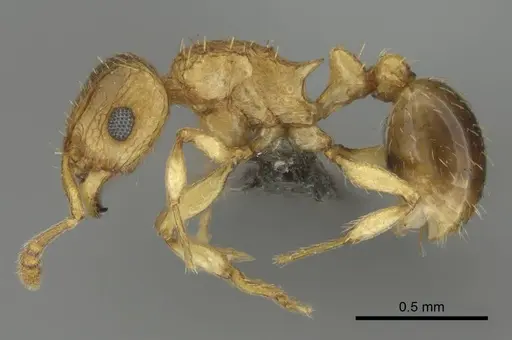
CASENT0256348
View on AntWeb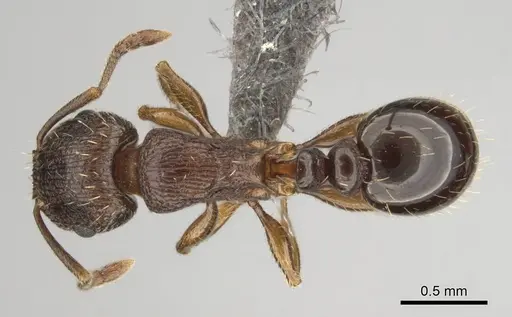
CASENT0901124
View on AntWeb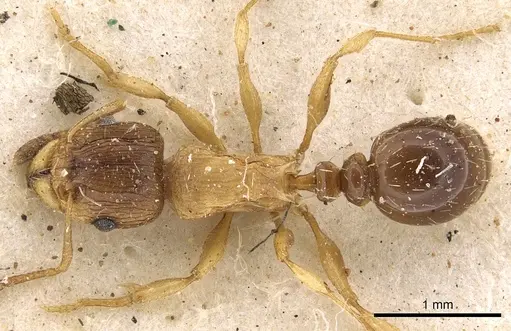
CASENT0901125
View on AntWeb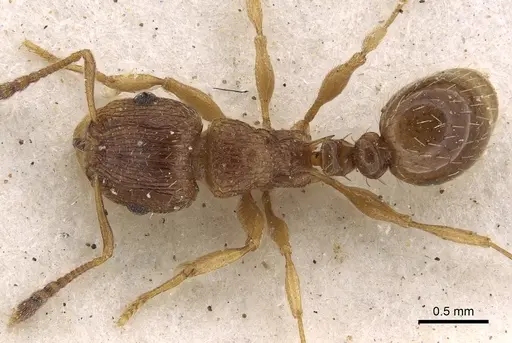
Literature
Loading distribution map...Loading products...