
Tetramorium frenchi
- Sci. Name
- Tetramorium frenchi
- Tribe
- Crematogastrini
- Subfamily
- Myrmicinae
- Author
- Forel, 1914
- Distribution
- Found in 2 countries
Introduction
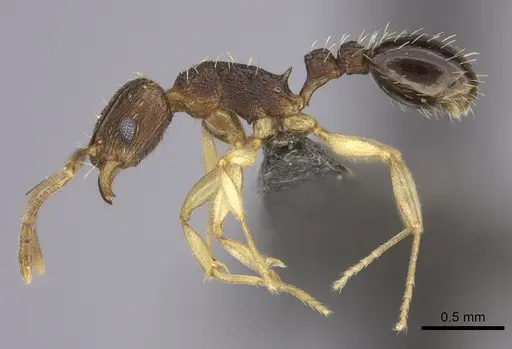
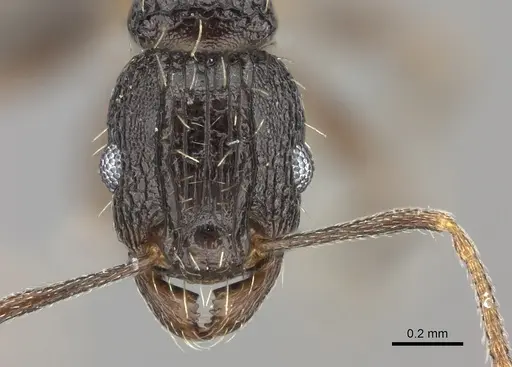
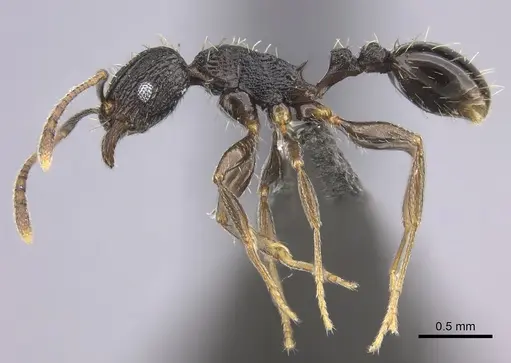
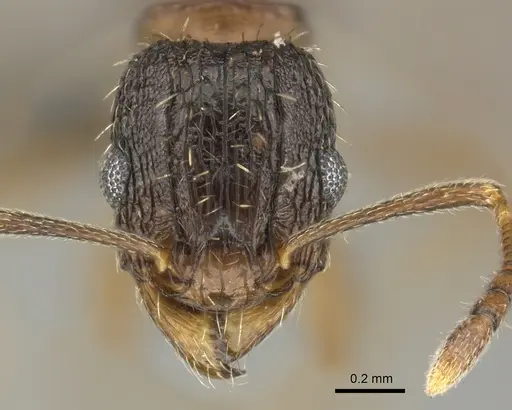
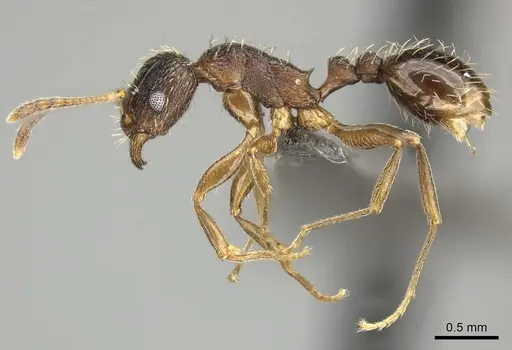
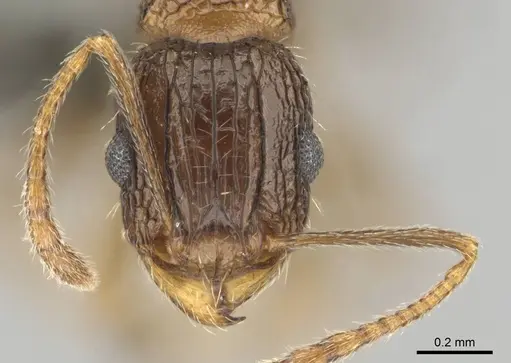
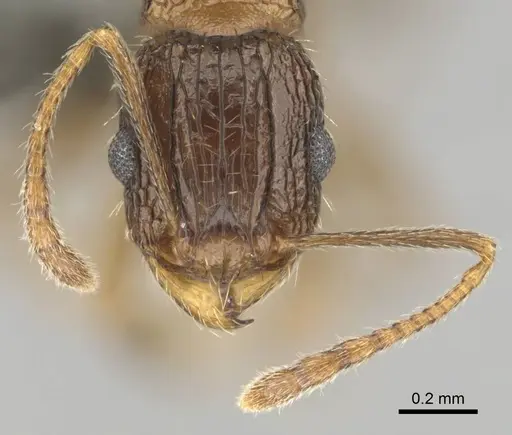
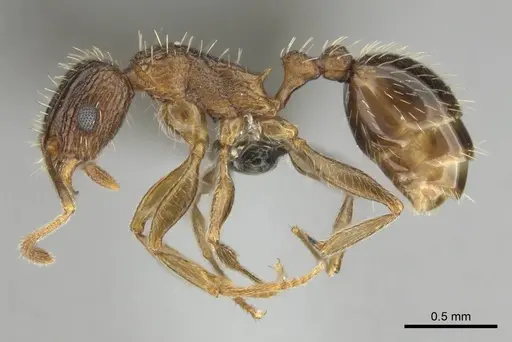
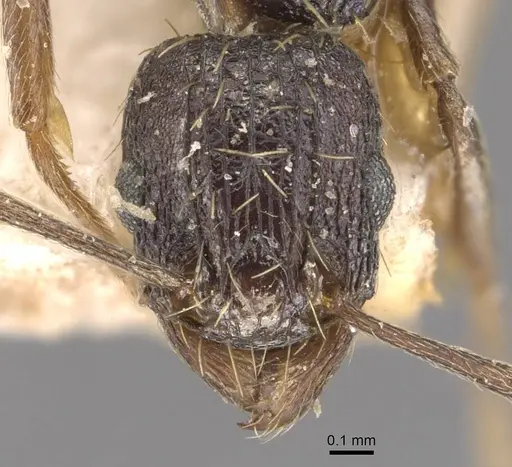
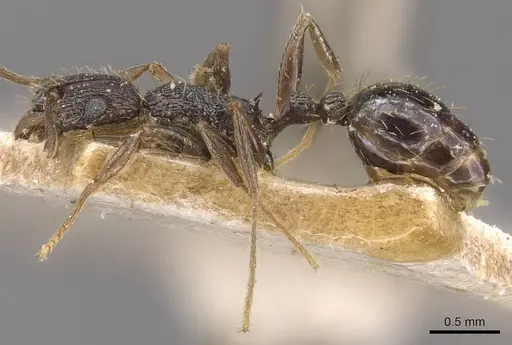
Tetramorium frenchi is a small, dark ant from the Afrotropical region, found across South Africa, Tanzania, and Zimbabwe . Workers measure just 2.9-3.4 mm and are uniformly dark brown to blackish brown . They live in a wide range of habitats, from grassland to forest, and are ground‑dwelling – you can find them under rocks, in rotting logs, and in pitfall trap samples . These ants are closely related to Tetramorium avium and Tetramorium laevithorax, but they have a distinct petiole shape, fine sculpture on the gaster, and strong wrinkles on the middle body section (alitrunk) . Their small size and ground‑nesting habits make them a good choice for keepers interested in African Myrmicinae.
Quick Summary
- Difficulty: Medium
- Origin & Habitat: Afrotropical region – South Africa, Tanzania, and Zimbabwe. Found from grassland to forest habitats, typically under rocks, in rotting logs, and in pitfall trap samples [1].
- Colony Type: Colony structure is unconfirmed. Based on typical Tetramorium patterns, likely single‑queen colonies.
- Size & Growth:
- Queen: No measurements available for queens [1]
- Worker: 2.9-3.4 mm (total length) [1]
- Colony: Unconfirmed – likely modest colonies, perhaps a few hundred workers, based on related species.
- Growth: Moderate – inferred from typical Tetramorium development.
- Development: Estimated 6–10 weeks, based on related Tetramorium. Not specifically studied for this species. (Development speed depends on temperature, keeping at 22–26 °C should give a good rate.)
- Antkeeping:
- Temperature: Aim for 22–26 °C. These are warm‑climate ants from subtropical Africa. Provide a gentle temperature gradient using a heating cable on one side of the nest.
- Humidity: Keep the nest substrate moderately moist. They are ground‑dwelling under rocks and in rotting logs, so damp but not waterlogged conditions suit them well. Give a moisture gradient so they can choose their spot [1].
- Diapause: Unknown – they come from subtropical Africa and may not need true hibernation. You can try a slight cooling period (15–18 °C for 4–6 weeks) in winter if the colony slows down, but this is not confirmed.
- Nesting: A naturalistic setup with soil or a plaster/Y‑tong nest works well. They naturally nest under rocks and in rotting wood, so provide chambers that retain some moisture. Avoid dry setups [1].
- Behavior: These ants are small, ground‑dwelling, and generally non‑aggressive. They forage actively during the day and form moderate‑sized colonies. Their tiny size (under 4 mm) makes escape prevention your top priority – use fine mesh and check all gaps. They are not known to sting humans.
- Common Issues: escape prevention is critical – their tiny size lets them slip through standard barriers, use fine mesh (≤0.5 mm) and fluon where needed, small colony size makes them vulnerable to stress, so avoid disturbing newly founded colonies, overheating – keep the nest away from direct heat sources above 28 °C, dry conditions cause colony decline – monitor substrate moisture regularly, wild‑caught colonies may carry parasites, quarantine new colonies if possible
Housing and Nest Setup
For Tetramorium frenchi, a naturalistic setup with soil or a plaster/Y‑tong nest works best. They naturally nest under rocks and in rotting wood, so they appreciate a nest that holds moisture well. A test tube setup works for founding, but plan to move them to a more spacious formicarium once the colony reaches a reasonable size. Because they are ground‑dwelling, use a deeper substrate layer (at least 2–3 cm) if you go naturalistic. The outworld should include some soil or substrate they can forage through. Escape prevention is essential – these tiny ants can squeeze through very small gaps, so use fine mesh and seal all connections [1].
Feeding and Diet
Like most Tetramorium, these ants are omnivorous. Offer sugar water or honey constantly as an energy source. For protein, give small insects like fruit flies, pinhead crickets, or small mealworms 2–3 times per week. In the wild they likely forage for small invertebrates and tend aphids for honeydew. Remove uneaten prey after 24 hours to prevent mold. Their small size means prey should be appropriately sized – avoid large items that could overwhelm them [1].
Temperature and Seasonal Care
Keep your colony at 22–26 °C all year. These African ants prefer warmth and will be most active in this range. A heating cable on one side of the nest creates a gradient so they can regulate their own temperature. Place the heating element on top of the nest, not underneath, to avoid drying out the substrate too quickly. During winter, if your room temperature drops below 18 °C, you can try a slight cooling period at 15–18 °C for 4–6 weeks – this mimics their natural seasonal cycle even though they don't experience true hibernation in the wild.
Colony Development
Based on typical Tetramorium patterns, founding is likely claustral – the queen seals herself in a chamber and relies on stored fat until her first workers (nanitics) emerge. Expect the first workers to appear about 6–10 weeks after founding, though this is an estimate because this specific species hasn't been studied. The first brood develops slowly while the queen is alone. Once workers arrive, colony growth picks up as they take over foraging and brood care. Be patient with founding colonies – disturbing the queen can cause her to abandon the nest or die. Do not feed the colony until workers appear, because a sealed queen won't access food anyway.
Behavior and Temperament
Tetramorium frenchi is calm and non‑aggressive. Workers are small and focus on foraging rather than defending the nest. They are diurnal (active during the day) and will establish clear foraging trails. They are not a stinging threat to keepers. However, their tiny size makes them excellent climbers – any gap or seam is an escape route, so escape prevention must be tight. They do not form supercolonies, and each nest is likely independent. If you keep multiple colonies, space them well apart as they may defend territory.
Defense mechanism: This species belongs to the tribe Crematogastrini, which uses a 'smear' defense. They have a modified, flattened spatulate stinger used to wipe or smear venom onto enemies rather than piercing flesh. This is not dangerous to humans.
Frequently Asked Questions
How long does it take for Tetramorium frenchi to get their first workers?
Expect 6–10 weeks from founding to first workers. This is an estimate based on typical Tetramorium development, as this species hasn't been studied directly. The queen likely seals herself in (claustral founding) and uses stored fat until nanitics hatch.
What size do Tetramorium frenchi workers reach?
Workers are tiny at just 2.9–3.4 mm (total length). This small size means you need excellent escape prevention with fine mesh barriers [1].
Do Tetramorium frenchi ants sting?
These small Myrmicinae are not known to sting humans in a painful way. They belong to the tribe Crematogastrini, which uses a 'smear' defense – wiping venom onto enemies rather than piercing skin. They may bite if handled roughly, but it's harmless.
What temperature do Tetramorium frenchi need?
Keep them at 22–26 °C. These are warm‑climate African ants that thrive at normal room temperatures. A slight temperature gradient helps them regulate.
Can I keep Tetramorium frenchi in a test tube?
Yes, test tubes work well for founding colonies. Plan to move them to a larger formicarium once the colony grows to a reasonable size (e.g., when the test tube becomes crowded). Their small size means they can stay in test tubes longer than larger species.
What do Tetramorium frenchi eat?
They are omnivorous. Offer sugar water or honey constantly for energy, and small protein prey like fruit flies, pinhead crickets, or small mealworms 2–3 times per week. In the wild they likely collect honeydew from aphids.
Are Tetramorium frenchi good for beginners?
They are moderate difficulty. Their tiny size makes escape prevention challenging, but they are generally hardy once established. They need warmth and moderate humidity, which most homes provide. The main challenge is the slow founding period and the need for excellent containment.
Where is Tetramorium frenchi found in the wild?
This species comes from the Afrotropical region – specifically South Africa, Tanzania, and Zimbabwe. They live in grassland to forest habitats and are ground‑dwelling, typically under rocks and in rotting logs [1].
Do Tetramorium frenchi need hibernation?
True hibernation is not required, but a slight cooling period in winter (15–18 °C for 4–6 weeks) may be beneficial if your room temperature drops significantly. This mimics their natural seasonal cycle, but it is not confirmed necessary.
How big do Tetramorium frenchi colonies get?
Colony size is unconfirmed for this specific species. Based on related Tetramorium, they likely reach a few hundred workers at most. They are not large colony formers.
Why are my Tetramorium frenchi escaping?
Their tiny workers (2.9–3.4 mm) can squeeze through incredibly small gaps. Check all seams, lid edges, and connection points. Use fine mesh (0.5 mm or smaller) and consider applying fluon to barrier edges. Even a tiny crack is enough [1].
When should I move Tetramorium frenchi to a formicarium?
Move them once the test tube becomes crowded – usually when the colony has at least 20–30 workers. A naturalistic setup with soil or a plaster nest with moisture chambers works well for this ground‑dwelling species.
Report an Issue
The current care sheet is based fully on literature. See inconsistencies, or something that's incorrect? Please , it will be resolved after review from an admin. Contributing to the blogs tab also helps providing information, to make us be able to further improve the caresheets. Thank you for your support!
References

This caresheet is licensed under CC BY-SA 4.0 .
Community Blogs
CASENT0100796
View on AntWeb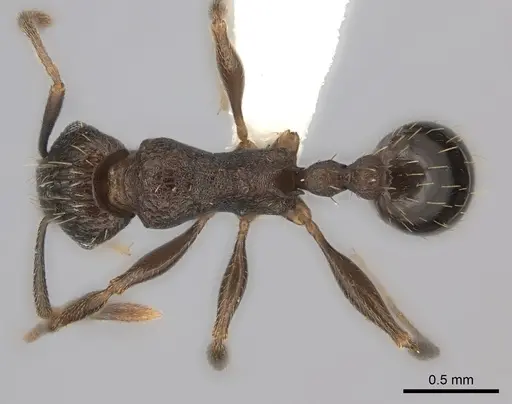
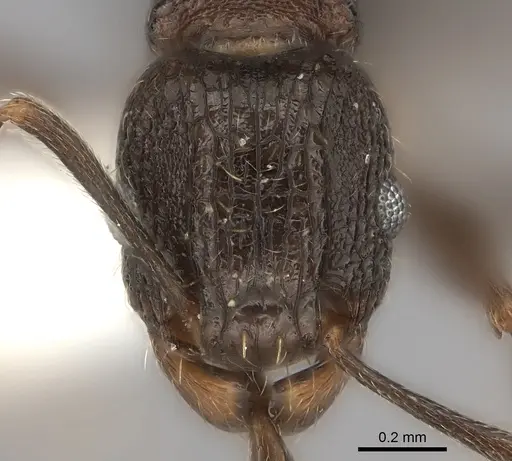
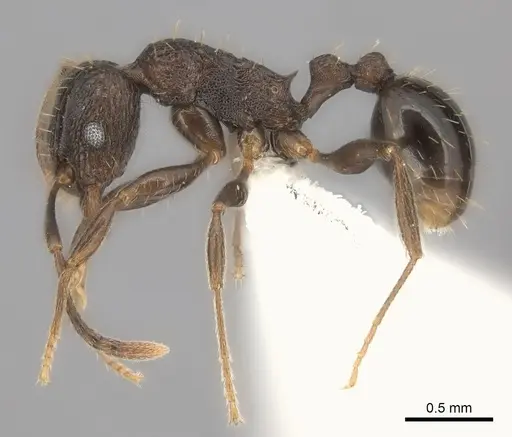
CASENT0100798
View on AntWeb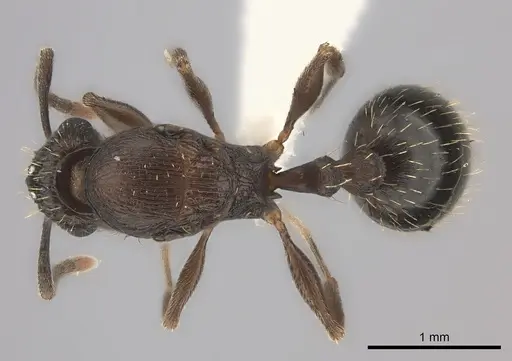
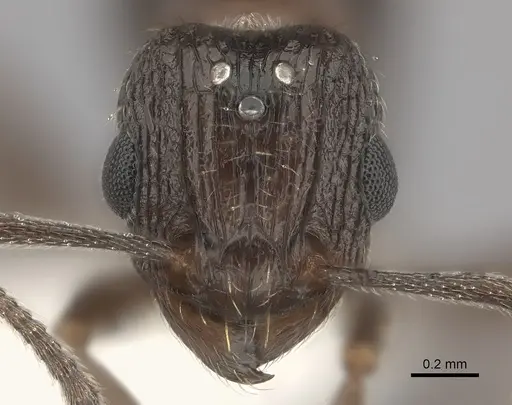
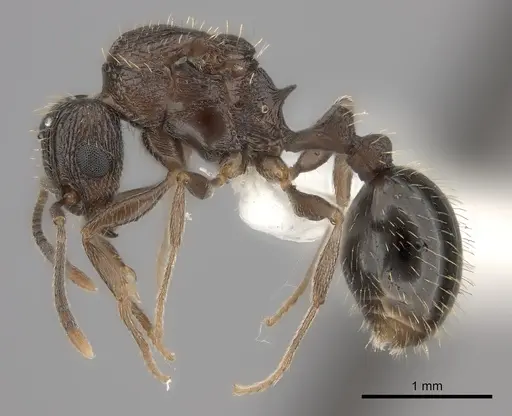
CASENT0235769
View on AntWeb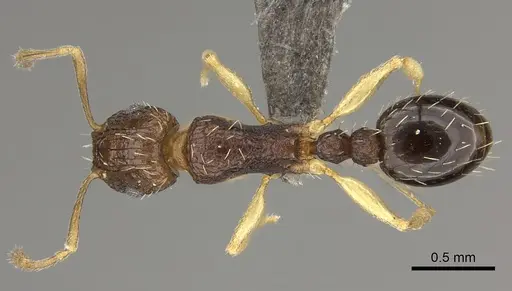
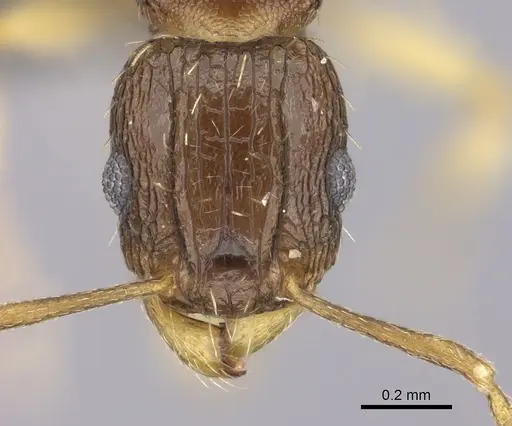
CASENT0235780
View on AntWeb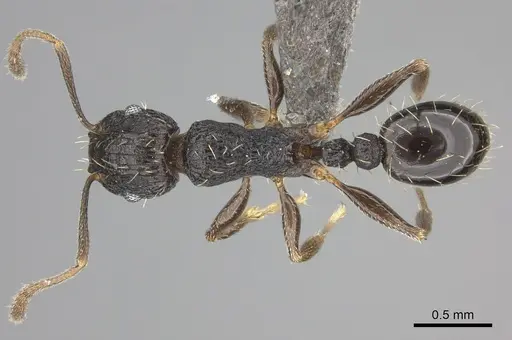
CASENT0249021
View on AntWeb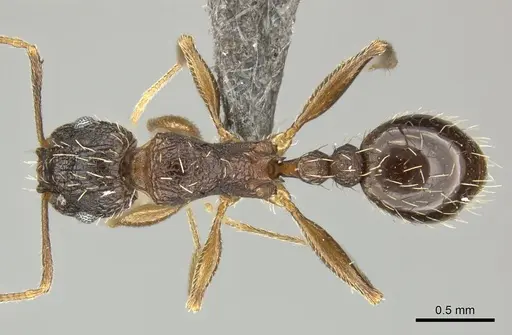
CASENT0255122
View on AntWeb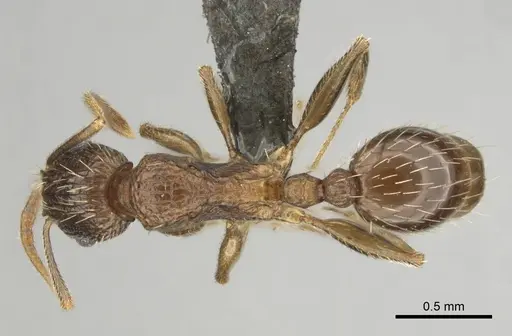
CASENT0909132
View on AntWeb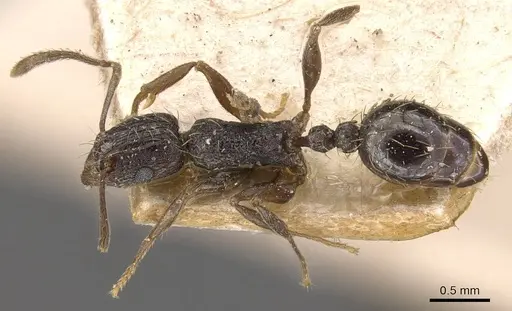
Literature
Loading distribution map...Loading products...