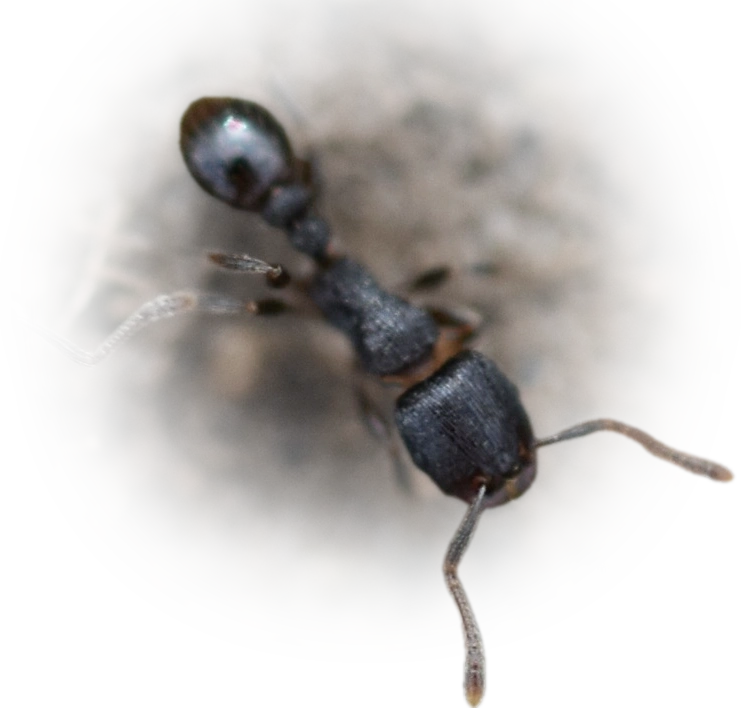
Tetramorium forte
- Sci. Name
- Tetramorium forte
- Tribe
- Crematogastrini
- Subfamily
- Myrmicinae
- Author
- Forel, 1904
- Distribution
- Found in 7 countries
Introduction
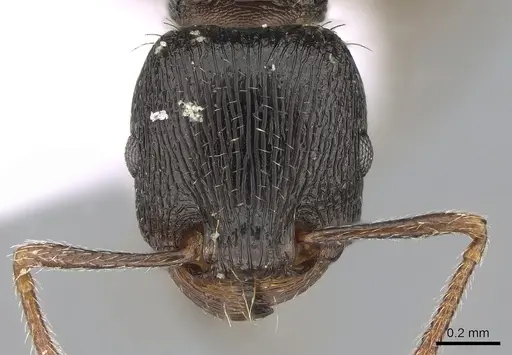
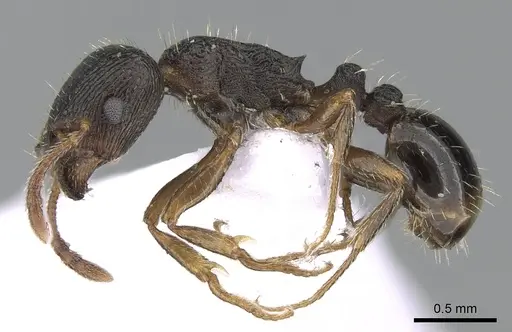
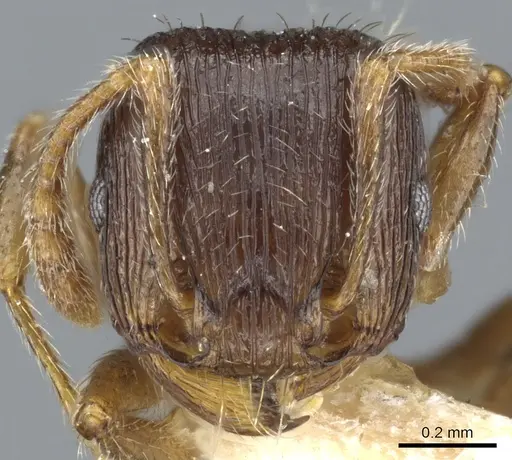
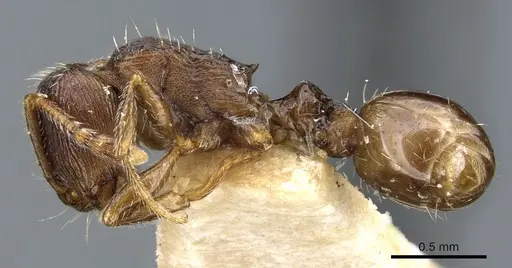
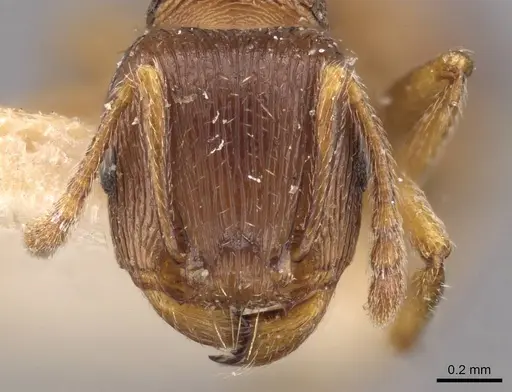
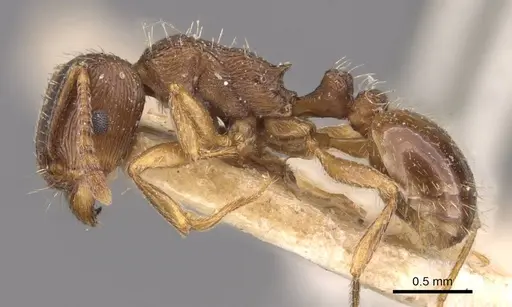
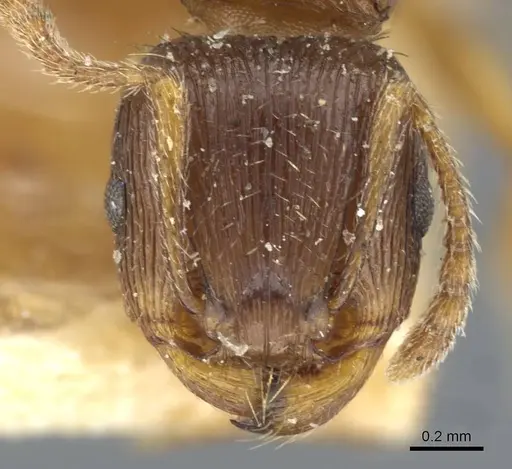
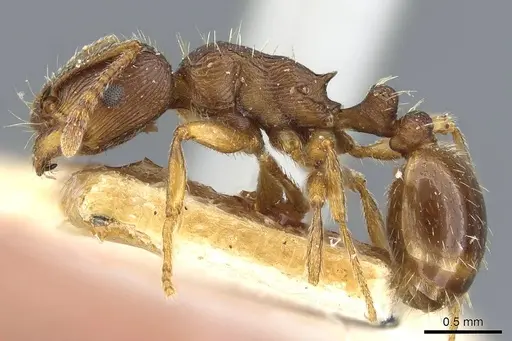
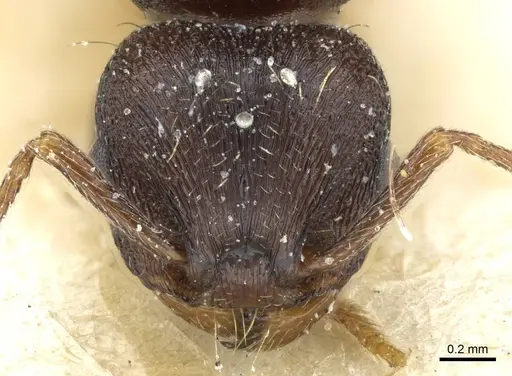
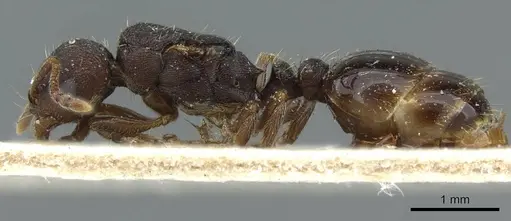
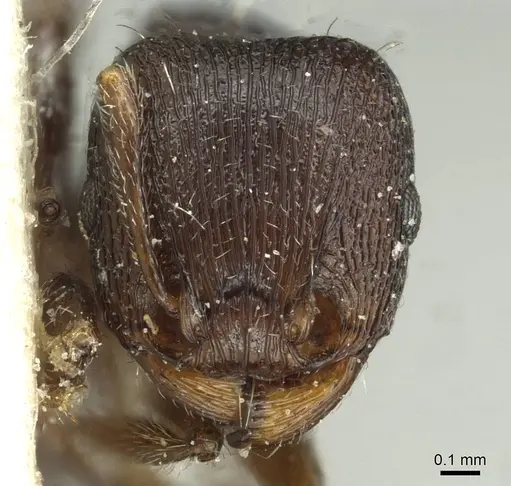
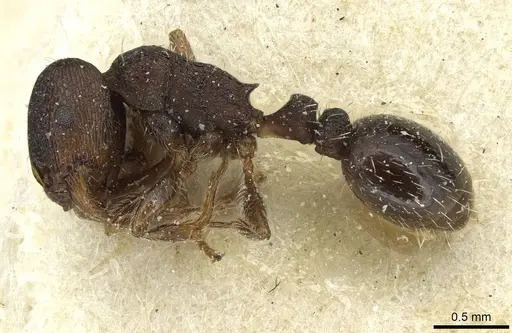
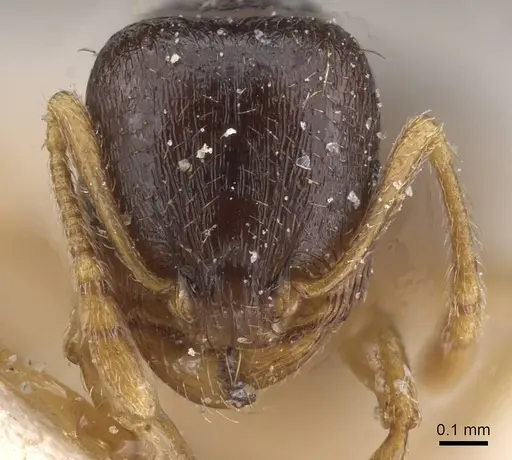
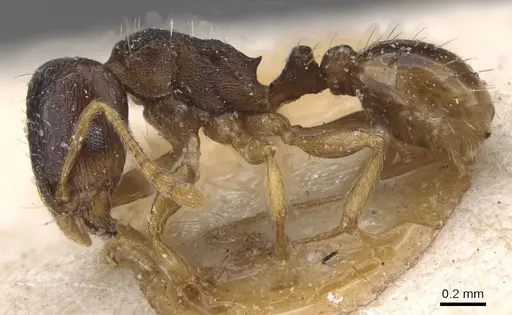
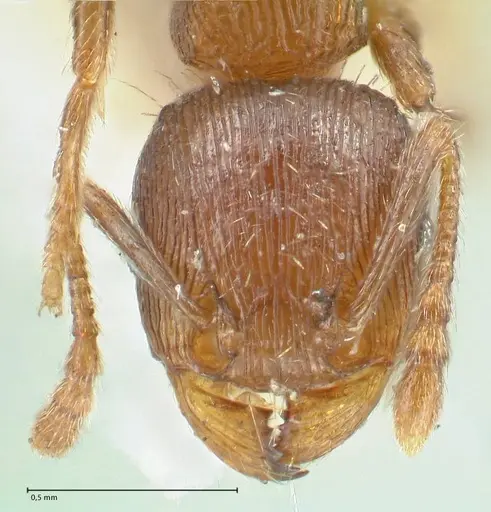
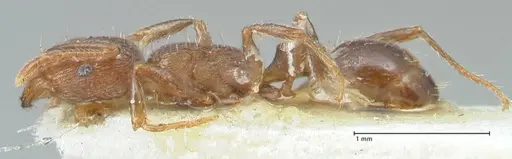
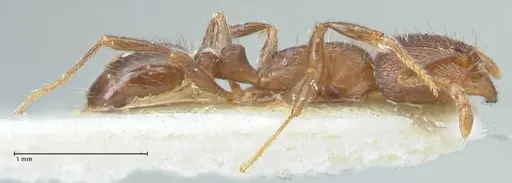
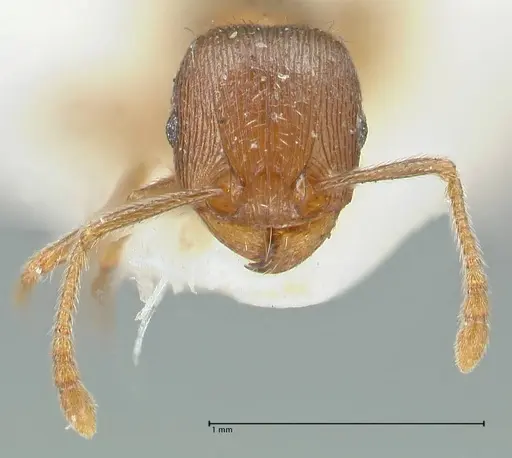
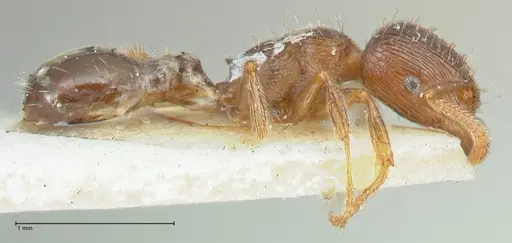
Tetramorium forte is a medium-sized ant from the western Mediterranean. Its range covers southern France, the Iberian Peninsula, Morocco, and Algeria . Workers are dark brown to blackish with lighter orange-brown legs and antennae, and measure 3.9-4.5 mm in body length . The most reliable way to identify this species is by its wide waist segments - the petiole and postpetiole are very broad, with the postpetiole having prominent lateral corners . The head, upper body, and waist are covered in rough ridges (rugose and carinate sculpture), giving them a heavily sculpted look . This ant has a confusing taxonomic history; it was previously known as *Tetramorium hispanicum* and *Tetramorium ruginode* until a 2006 revision fixed the name . Ecologically, *T. forte* is a dominant, polygynous species that thrives in open, sunny habitats like grasslands, forest clearings, and coastal dunes .
Quick Summary
- Difficulty: Easy
- Origin & Habitat: Western Mediterranean, southern France, Iberian Peninsula, Morocco, and Algeria. Found from sea level up to 2200 m in the Sierra Nevada (Spain) and 2000 m in Morocco's Middle Atlas [1]. Prefers open spaces: grasslands, forest clearings, and sandy coastal areas [3].
- Colony Type: Polygynous, nests can contain multiple egg-laying queens. This has been confirmed by dissection (e.g., five inseminated queens in a single nest in Sierra Nevada, Spain) [1].
- Size & Growth:
- Queen: Not documented in the literature. Queens are noticeably larger than workers but exact body length is unavailable.
- Worker: 3.9-4.5 mm [2]
- Colony: Unknown, no specific maximum colony sizes have been published. As a dominant, polygynous species, colonies are likely large but numbers are not documented.
- Growth: Moderate
- Development: Not directly studied. Estimate based on related *Tetramorium*: roughly 6-10 weeks at warm temperatures. (Development times are an educated guess. The founding behavior has not been confirmed for this species.)
- Antkeeping:
- Temperature: 22-28°C with a heat gradient. This species tolerates high heat (critical thermal maximum 42°C) and favors about 24°C mean annual temperature [5]. Avoid prolonged exposure above 30°C unless a cooler zone is available.
- Humidity: Low to moderate, prefers dry, well‑ventilated conditions. Avoid waterlogged substrates. A shallow drinking dish is sufficient, the nest area should stay relatively dry.
- Diapause: Yes, a winter rest period is needed. In the wild they are active February to November [4]. In captivity, cool them to 5-10°C for 3-4 months (roughly November to February). The exact ideal duration is unknown but a few months of winter chill is standard for Mediterranean ants.
- Nesting: In the wild, nests under stones, in soil, and in dead tree trunks [6]. In captivity, use Y‑tong, plaster, or soil‑based nests with good drainage. Avoid damp setups, they thrive in dry conditions.
- Behavior: Dominant and aggressive, they defend food and nest strongly [4]. They recruit quickly to resources and have large, well‑organized colonies [7]. Workers are 3.9-4.5 mm, so they can squeeze through very small gaps (escape risk moderate). They are not shy and will readily explore. Their diet is omnivorous with a strong tendency for seeds and tending aphids [3]. They are active from February to November in nature [4].
- Common Issues: keeping the nest too damp, this species prefers dry, Mediterranean conditions and will decline if overwatered., lack of winter diapause, colonies kept warm year‑round often weaken or fail., escape prevention, workers are small enough to pass through standard holes if not properly sealed., overfeeding can attract mold in their dry environment, offer small amounts and remove leftovers.
Temperature and Care
30°C needs a cooler retreat. [5][4]
Feeding and Diet
These ants are true omnivores. In nature they eat seeds, scavenge dead insects, and tend aphids for honeydew. They have been recorded attending aphid species like Aphis craccivora, Aphis rumicis, Brachycaudus cardui, Cinara pilicornis, and Uroleucon sonchi [8]. They also tend lycaenid butterfly caterpillars [9]. In captivity, give them sugar water or honey constantly and offer small insects (mealworms, crickets) 2-3 times a week. Seeds can be offered but they may not process them as well as specialist seed‑eaters. Avoid overfeeding, uneaten protein rots quickly.
Colony Structure and Founding
The most interesting thing about this species is that it forms polygynous colonies. In a nest from Sierra Nevada (Spain), dissection revealed five inseminated egg‑laying queens [1]. Similar multi‑queen nests have been seen near Avignon (France) and Ifrane (Morocco) [1]. No information exists on how colonies are founded, whether queens start alone or in groups, and whether they are claustral or semi‑claustral. Many antkeepers assume they are claustral like most Tetramorium, but this has not been scientifically confirmed. In captivity, if you have several queens you can try housing them together, but watch for aggression. Established colonies may keep multiple queens naturally.
Nesting and Habitat
In the wild, T. forte nests under stones, in soil, and in dead tree trunks [6]. They prefer open, sunny areas: grasslands, forest clearings, and coastal sands [3]. Their rough, strong body suggests they dig in firmer soils. For captive nests, use Y‑tong, plaster, or a natural setup with soil and flat stones. Keep the nest dry, these ants hate wet conditions. Provide a small drinking dish in the outworld but do not soak the nest material. Good ventilation stops mold.
Seasonal Care and Diapause
Wild T. forte are active from February to November [4]. They need a winter rest. Cool the colony to 5-10°C for about 3-4 months (November to February). A cool garage or cellar works. During this time, feed very little, just a drop of honey once every 2-3 weeks. Do not give protein. In early spring, warm them back up to 22-28°C. Winged reproductives (alates) have been seen in late May in Spain and late June in northern Portugal [1]. If you want to breed them, provide a safe outdoor flight cage.
Behavior and Temperament
This is a dominant ant, it efficiently defends food from other species [4] and uses mass recruitment [7]. Workers are aggressive: if you disturb the nest they will bite. But they are not dangerous to humans. They are active and not shy. Because they are only 3.9-4.5 mm, they can escape through very small gaps, seal your setup well. In the wild, their nests are home to several guest species: a silverfish (Proatelurina pseudolepisma) and rove beetles like Astenus (Eurysunius) alcarazae [1]. You might see these myrmecophiles, they are harmless.
Frequently Asked Questions
How long does it take for Tetramorium forte to go from egg to worker?
There are no published data for this species. Based on other Tetramorium, it likely takes 6-10 weeks at 24-28°C, but this is a guess. The founding method is unknown, so the time from queen capture to first workers is also unclear.
Can I keep multiple Tetramorium forte queens together?
Yes, this species naturally has multiple egg‑laying queens in a single nest [1]. You can try starting a colony with several queens, but be ready to separate them if fighting occurs. Established polygynous colonies are stable.
Do Tetramorium forte ants sting?
As a member of the subfamily Myrmicinae, it has a functional stinger. However, no research describes its sting specifically. Based on related Tetramorium, the sting is mild, more like a minor pinch. Their main defense is biting. The venom is not medically significant.
What temperature range is best for Tetramorium forte?
Keep the nest at 22-28°C. This Mediterranean ant thrives in warmth and can tolerate up to 42°C [5]. A temperature gradient is ideal so they can choose. Room temperature within this range works, or use a heating cable on one side of the nest.
Do Tetramorium forte need hibernation?
Yes. They are active from February to November in the wild [4]. In captivity, give them a cool winter rest of 3-4 months at 5-10°C. Without a diapause, colonies may weaken over time.
What do Tetramorium forte eat?
They are omnivores with a strong liking for sweet liquids and protein. In nature they eat seeds, tend aphids for honeydew [8], and also attend butterfly caterpillars [9]. In captivity, offer sugar water or honey constantly and small insects (mealworms, crickets) 2-3 times a week.
Are Tetramorium forte good for beginners?
They are easy to keep if you respect their need for dry conditions and a winter rest. But founding behavior is unknown, so starting a colony from a queen is not as straightforward as for well‑studied species. They are not invasive and are widely available. I would rate them as an intermediate choice for beginners who have done some research.
How big do Tetramorium forte colonies get?
No precise numbers exist. Given they are polygynous and ecologically dominant, colonies probably reach several thousand workers, but this is an estimate. Their moderate growth rate means it may take a few years to fully develop.
When should I move Tetramorium forte to a formicarium?
Keep founding colonies in a test tube until you have at least 20 workers or the tube becomes too crowded. For a polygynous colony, provide extra space early to avoid stress. There is no specific data for this species, so watch your colony and move them when they outgrow the tube.
Why are my Tetramorium forte dying?
Common problems: too much humidity (they need dry nests), lack of winter diapause, temperatures outside 22-28°C, or not enough protein. Check nesting moisture, ensure a cool winter break, and offer insects regularly. Also check for escape, workers may leave and die outside the nest.
Report an Issue
The current care sheet is based fully on literature. See inconsistencies, or something that's incorrect? Please , it will be resolved after review from an admin. Contributing to the blogs tab also helps providing information, to make us be able to further improve the caresheets. Thank you for your support!
References

This caresheet is licensed under CC BY-SA 4.0 .
Community Blogs
CASENT0281570
View on AntWeb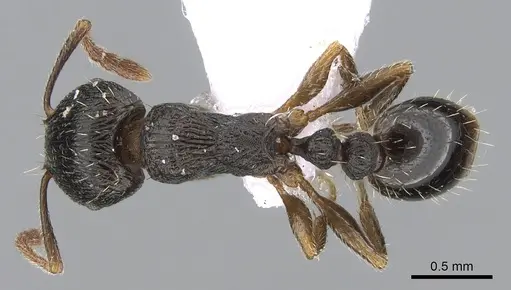
CASENT0904805
View on AntWeb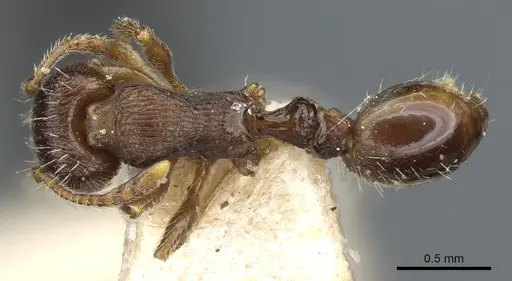
CASENT0909101
View on AntWeb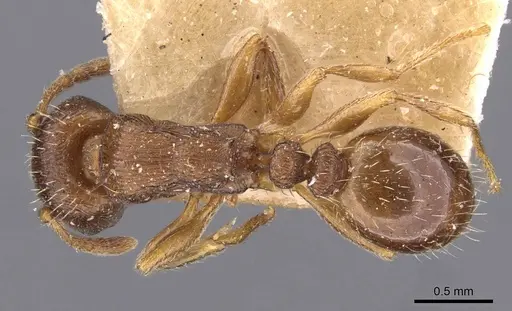
CASENT0911249
View on AntWeb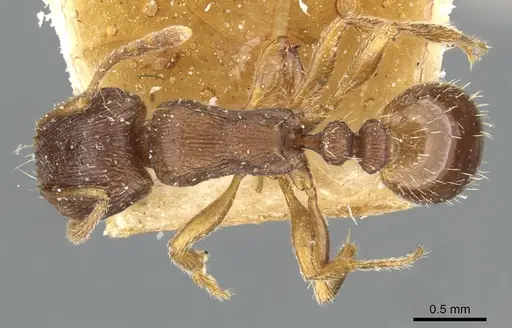
CASENT0911252
View on AntWeb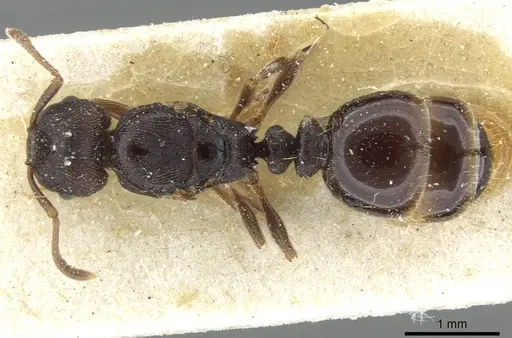
CASENT0915010
View on AntWeb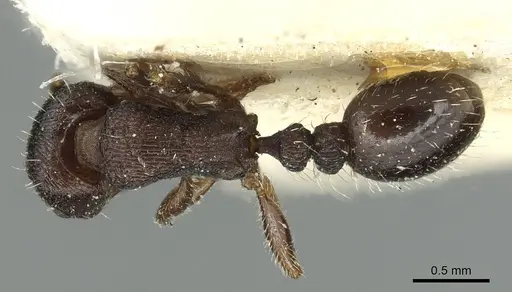
CASENT0915029
View on AntWeb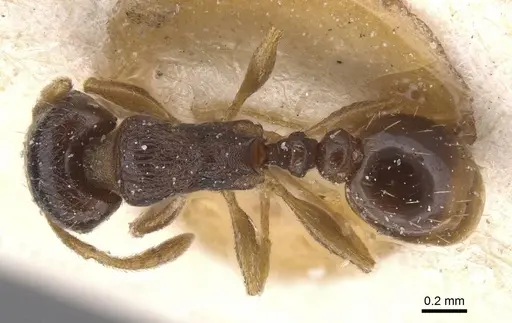
FOCOL2023
View on AntWeb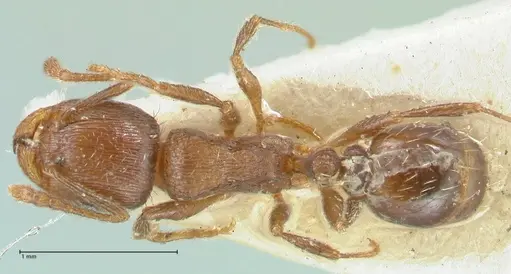
FOCOL2024
View on AntWeb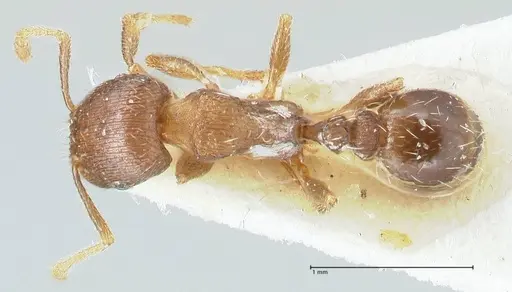
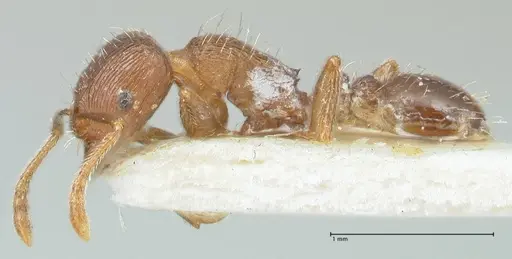
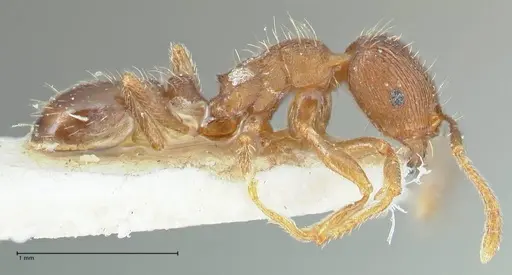
FOCOL2067
View on AntWeb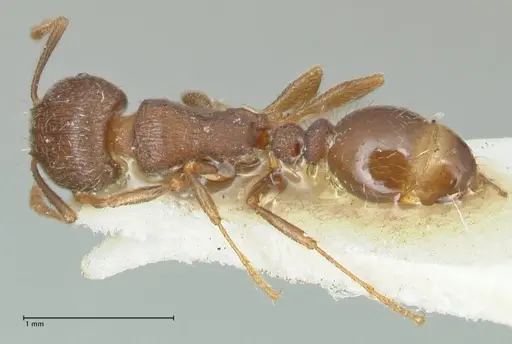
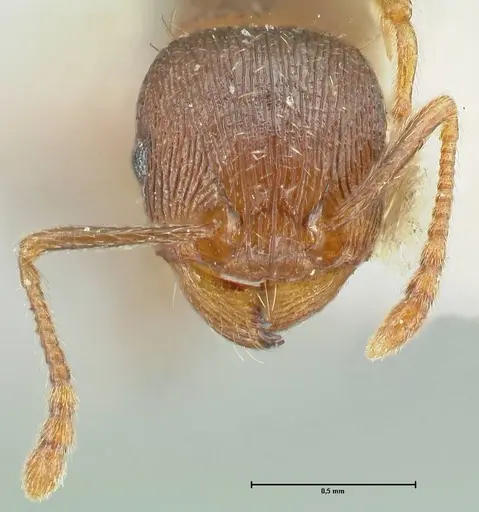
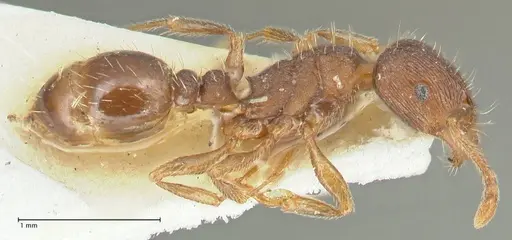
FOCOL2068
View on AntWeb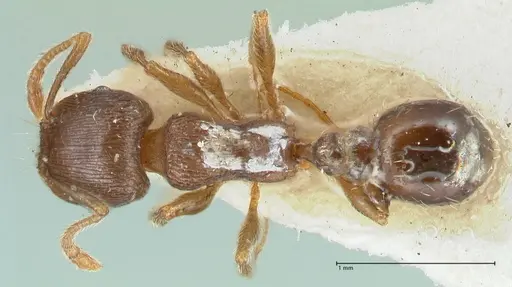
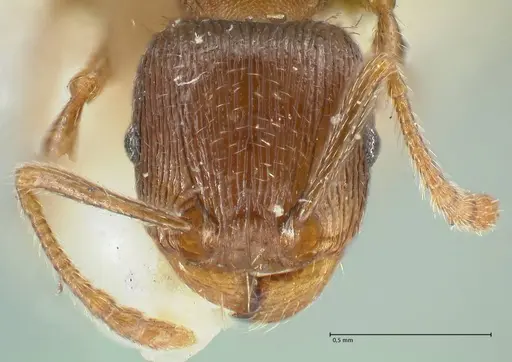
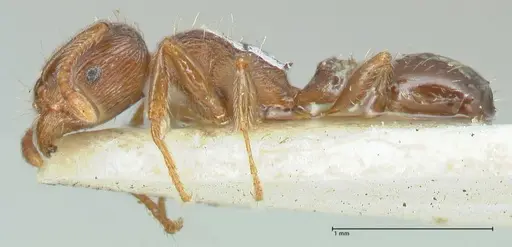
Literature
Loading distribution map...Loading products...