
Tetramorium flavithorax
- Sci. Name
- Tetramorium flavithorax
- Tribe
- Crematogastrini
- Subfamily
- Myrmicinae
- Author
- Santschi, 1914
- Distribution
- Found in 3 countries
Introduction
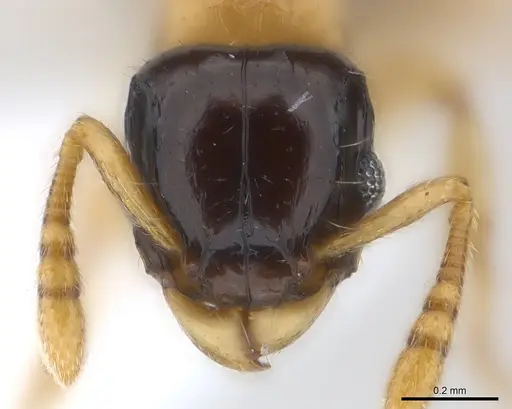
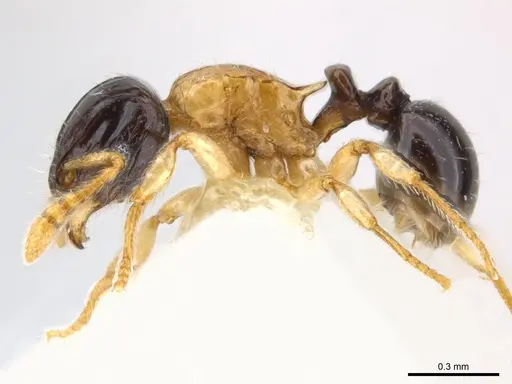
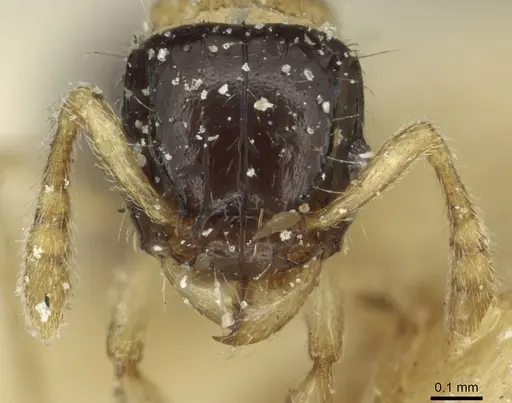
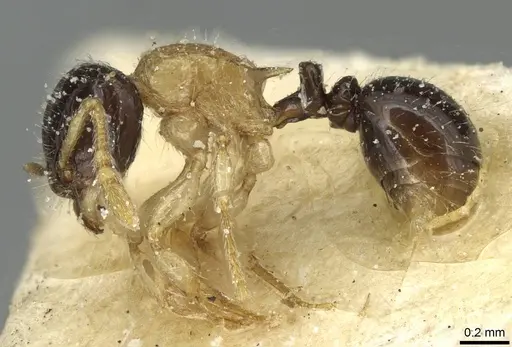
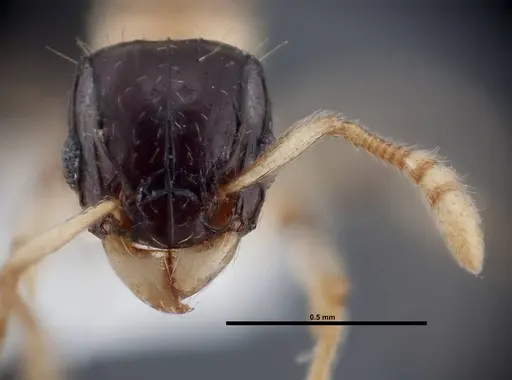
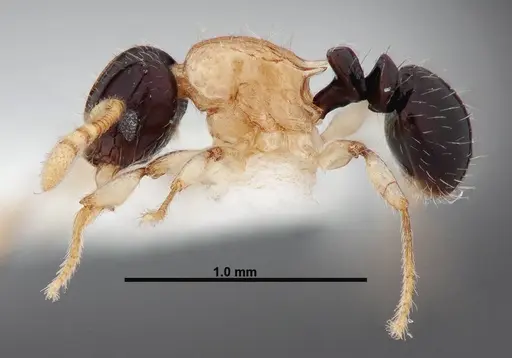
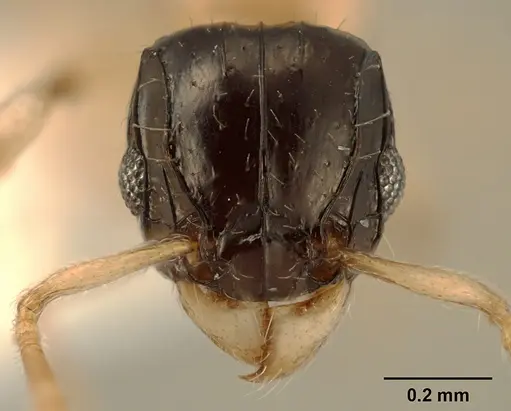
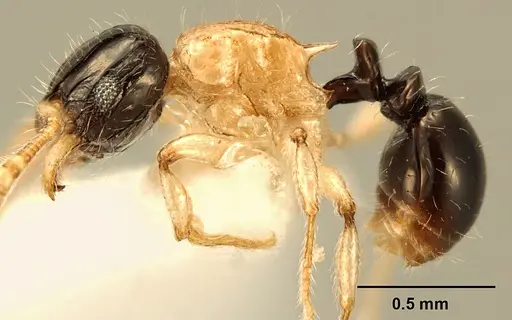
Tetramorium flavithorax is a small, striking ant species native to the rainforests of West Africa. Workers measure 2.1-2.3mm and have a bold color pattern - their head, waist segments, and abdomen are jet black, while the middle body and legs are pale whitish-yellow . This contrast makes them easy to spot among leaf-litter ants. The species belongs to the Tetramorium weitzeckeri group and is found only in Ghana, Ivory Coast, and Nigeria, where it lives in forest leaf litter . These ants nest in rotting wood under bark or in logs, always under fairly dense shade . As a tropical rainforest species, they need warm, humid conditions in captivity. Their small size and attractive colors make them a good challenge for keepers who can meet their moisture needs.
Quick Summary
- Difficulty: Medium
- Origin & Habitat: Rainforests of Ghana, Ivory Coast, and Nigeria. They live in forest leaf litter and nest in rotting wood under bark or in logs under dense shade [2][1].
- Colony Type: Colony structure is unconfirmed for this species. Based on typical Tetramorium patterns, colonies likely have a single queen (monogyne).
- Size & Growth:
- Queen: Unknown, no queen measurements available. Inferred from genus, likely 5-7mm.
- Worker: 2.1-2.3mm [1]
- Colony: Unknown, no colony size data available for this species
- Growth: Unknown, no development timing data exists
- Development: Unconfirmed, no direct measurements. Based on typical Tetramorium patterns in tropical species, expect 4-8 weeks at optimal temperature. (Development timeline has not been directly studied. Estimate based on genus-level data for related species.)
- Antkeeping:
- Temperature: Keep at 24-28°C. As a tropical rainforest species from West Africa, they need warm conditions. A heating cable on one side of the nest can create a gentle gradient.
- Humidity: High humidity is essential, aim for 70-85%. These ants live in rainforest leaf litter, so the nest substrate should stay consistently moist but not waterlogged. Mist occasionally and use a water reservoir in the outworld.
- Diapause: No, this is a tropical species that does not experience cold winters. They do not require hibernation.
- Nesting: Provide a moist nest environment. Y-tong (AAC) nests work well, or a naturalistic setup with rotting wood pieces. They naturally nest in decaying wood in humid forest conditions [1]. Keep the nest humid but ensure some ventilation to prevent mold.
- Behavior: These are small, ground-dwelling ants that forage in leaf litter. Their primary defense is smearing venom, they have a modified stinger that wipes venom onto enemies rather than piercing. They are not aggressive and are calm in captivity. Their small size (2.1-2.3mm) means escape prevention is critical, use fine mesh barriers and tight-fitting lids.
- Common Issues: high humidity needs can lead to mold problems if ventilation is poor, small size makes escape likely without proper barriers, tropical species may struggle in air-conditioned rooms, lack of available care information means some trial and error is expected, wild-caught colonies may carry parasites from their native habitat
Housing and Nest Setup
Tetramorium flavithorax needs a humid nest environment that mimics their natural rainforest leaf-litter habitat. Y-tong (AAC) nests work well because they hold moisture while providing dark chambers. You can also use a naturalistic setup with pieces of rotting wood placed in a moist substrate. The key is keeping the nest consistently humid without creating standing water. Place a water reservoir in the outworld to help maintain humidity through evaporation. Avoid dry setups, these ants will struggle and may die in arid conditions. Use a small outworld since they are tiny ants that don't need much foraging space initially. Their natural nesting preference is rotting wood under bark or in logs under dense shade [1].
Temperature Requirements
As a tropical species from West African rainforests, these ants need warm temperatures [2]. Keep the nest area at 24-28°C. You can achieve this with a heating cable placed on one side of the nest to create a gentle temperature gradient, allowing workers to regulate their exposure to warmth. Avoid temperatures below 22°C for extended periods. Room temperature may be sufficient in warm summer months but heating will likely be needed in cooler climates or air-conditioned spaces. Monitor colony behavior, if workers cluster together excessively, the colony may be too cold.
Feeding and Diet
In the wild, these ants forage in leaf litter for small insects and other arthropods. In captivity, offer small protein sources like fruit flies, pinhead crickets, and other tiny insects. They will likely accept sugar water or honey as an energy source. Feed small amounts every few days and remove uneaten prey within 24 hours to prevent mold. Since they are small ants, portion sizes should be tiny. A varied diet helps ensure colony health. Monitor whether they accept different food types, some colonies can be picky.
Humidity Management
High humidity is critical for this species [2]. They naturally live in rainforest leaf litter where conditions are constantly moist. Aim for 70-85% humidity in the nest area. Keep the nest substrate damp but not soaking wet, waterlogging can drown the colony. Check moisture levels regularly and rehydrate when the surface starts drying. Using a water reservoir in the outworld helps maintain humidity through evaporation. However, balance humidity with adequate ventilation to prevent mold growth, which can be deadly to ant colonies.
Colony Development
The colony development timeline for this species has not been directly studied, so specific timing is unknown. Based on typical Tetramorium patterns for tropical species, expect 4-8 weeks from egg to first worker (nanitic) at optimal temperature. The first workers will be smaller than mature workers. Growth rate depends heavily on temperature and feeding. Since this is a small species, colonies likely will not reach massive sizes, expect dozens to perhaps a few hundred workers at maturity rather than thousands. Be patient with founding colonies as they develop slowly.
Behavior and Temperament
These are docile, non-aggressive ants. Their defense mechanism is smearing venom, they have a modified stinger to wipe venom onto enemies rather than sting. They are calm in captivity and not known for major defensive behaviors. Workers actively forage in leaf litter for small prey. Their small size (2.1-2.3mm [1]) means escape prevention must be excellent, use fine mesh and tight-fitting lids. They are ground-dwelling and do not climb smooth surfaces well, which helps with containment.
Frequently Asked Questions
How long does it take for Tetramorium flavithorax to raise first workers?
The exact timeline is unconfirmed for this species. Based on typical Tetramorium patterns for tropical ants, expect 4-8 weeks from egg to first worker at optimal temperature (24-28°C). The first workers (nanitics) will be smaller than mature workers.
Can I keep Tetramorium flavithorax in a test tube?
Yes, a test tube setup can work for founding colonies. Keep the tube humid by ensuring the water reservoir stays filled, but avoid flooding. Cover the tube with a dark cloth for the first few weeks until the colony establishes. You may need to upgrade to a proper nest as the colony grows.
Do Tetramorium flavithorax ants sting?
They have a modified stinger for smearing venom, but they are docile and unlikely to sting. They are not aggressive and pose no danger to keepers.
What temperature do Tetramorium flavithorax need?
Keep them warm at 24-28°C. As a tropical rainforest species from West Africa, they need consistent warmth [2]. A heating cable on one side of the nest creates a suitable gradient.
How big do Tetramorium flavithorax colonies get?
Colony size is not well documented for this species. Based on their small worker size (2.1-2.3mm) and typical Tetramorium patterns [1], colonies likely reach dozens to a few hundred workers rather than thousands.
Do Tetramorium flavithorax need hibernation?
No, they do not need hibernation [2]. As a tropical species from West African rainforests, they are active year-round and cannot tolerate cold temperatures.
What do Tetramorium flavithorax eat?
They are generalist foragers. Offer small protein sources like fruit flies, tiny crickets, and other small insects. They will likely accept sugar water or honey. Remove uneaten food promptly to prevent mold.
Are Tetramorium flavithorax good for beginners?
They are rated as medium difficulty. The main challenge is maintaining high humidity consistently. If you can provide warm, humid conditions, they can be a rewarding species to keep.
When should I move Tetramorium flavithorax to a formicarium?
Wait until the colony has at least 20-30 workers and is actively foraging. A test tube setup works well for founding colonies. Move them when the test tube becomes crowded or the water reservoir needs frequent refilling.
Why are my Tetramorium flavithorax dying?
Common causes include: low humidity (most likely), temperatures below 22°C, mold from excessive moisture with poor ventilation, or escape/stress from disturbance. Check your humidity levels and ensure the nest is not too dry or too wet.
Report an Issue
The current care sheet is based fully on literature. See inconsistencies, or something that's incorrect? Please , it will be resolved after review from an admin. Contributing to the blogs tab also helps providing information, to make us be able to further improve the caresheets. Thank you for your support!
References

This caresheet is licensed under CC BY-SA 4.0 .
Community Blogs
CASENT0217064
View on AntWeb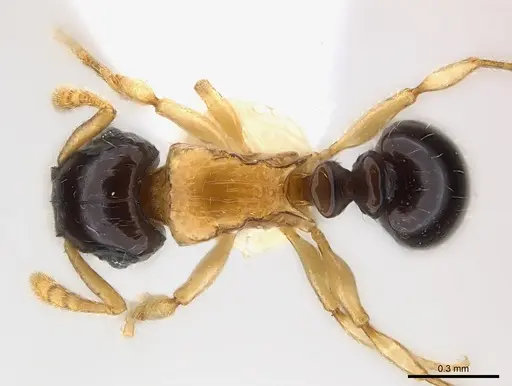
CASENT0915012
View on AntWeb
FMNHINS0000047318
View on AntWeb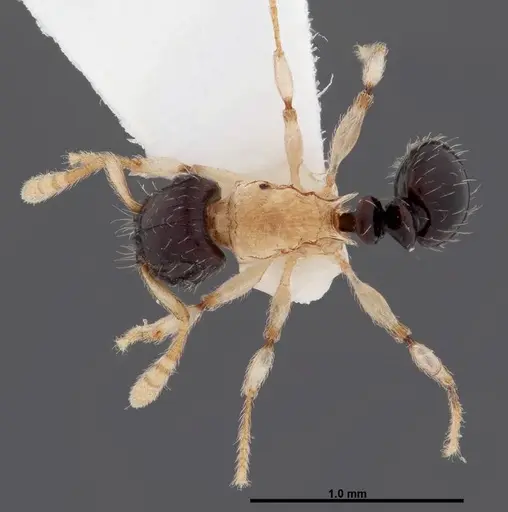
ZFMKHYM20096172
View on AntWeb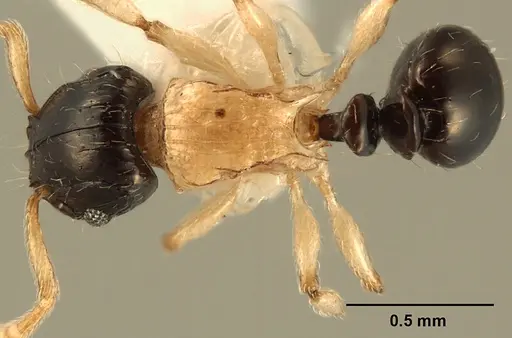
Literature
Loading distribution map...Loading products...