
Tetramorium ericae
- Sci. Name
- Tetramorium ericae
- Tribe
- Crematogastrini
- Subfamily
- Myrmicinae
- Author
- Arnold, 1917
- Distribution
- Found in 5 countries
Introduction
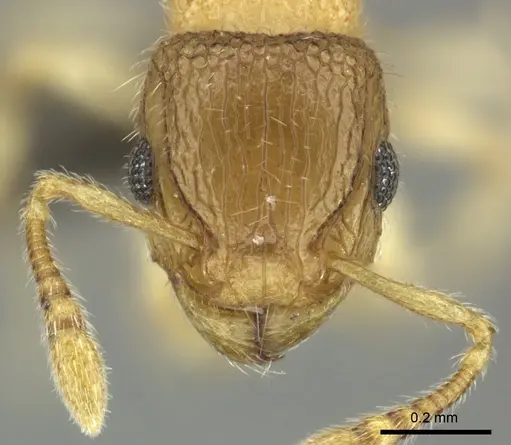
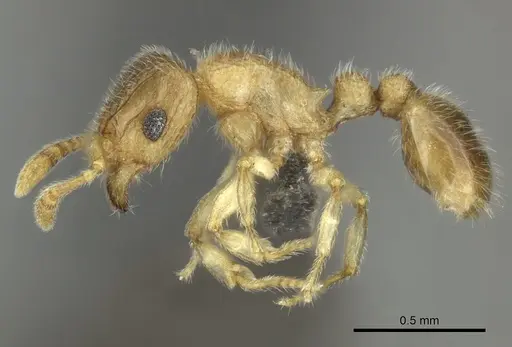
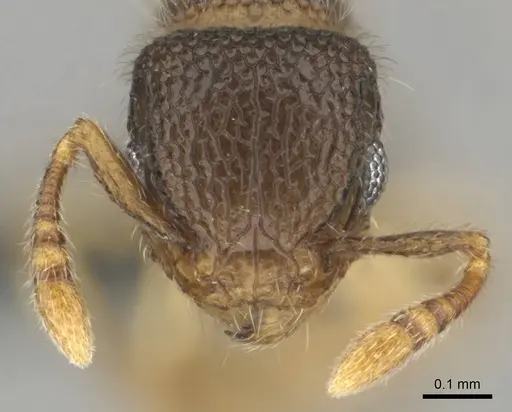
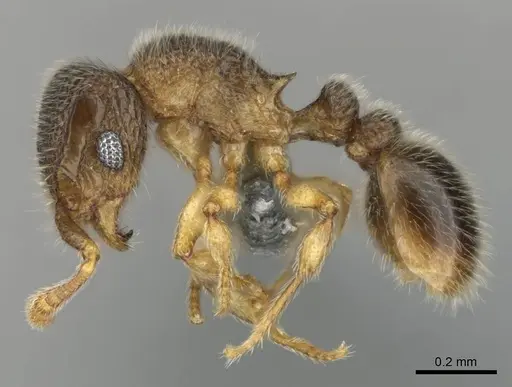
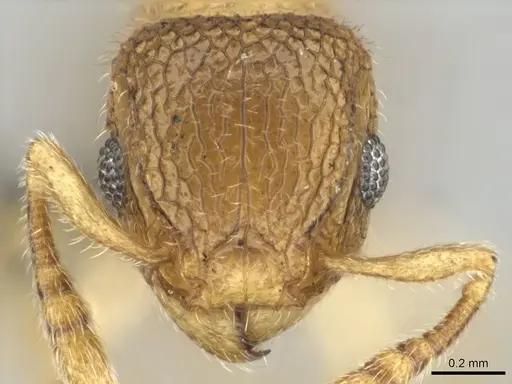
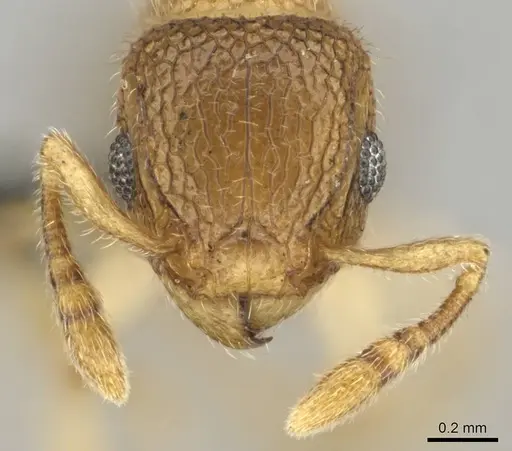
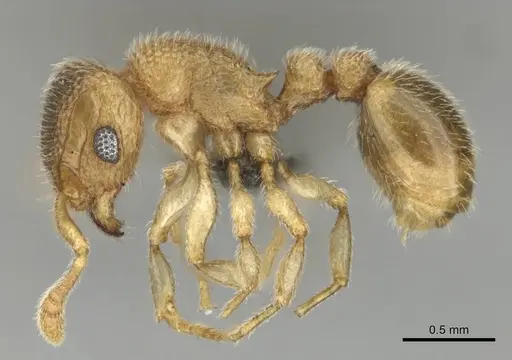
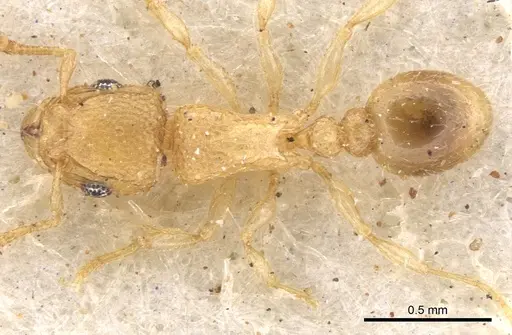
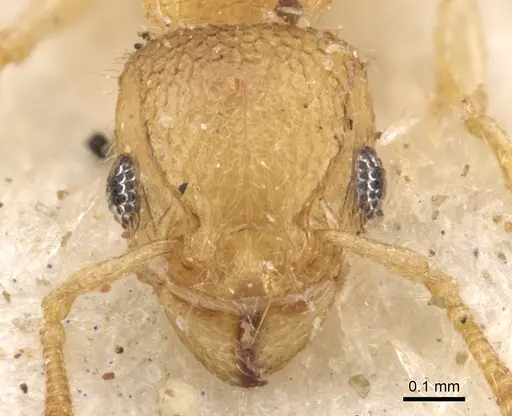
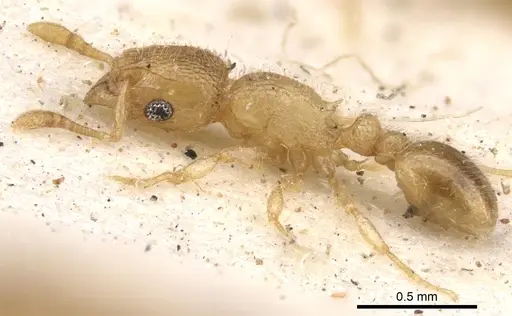
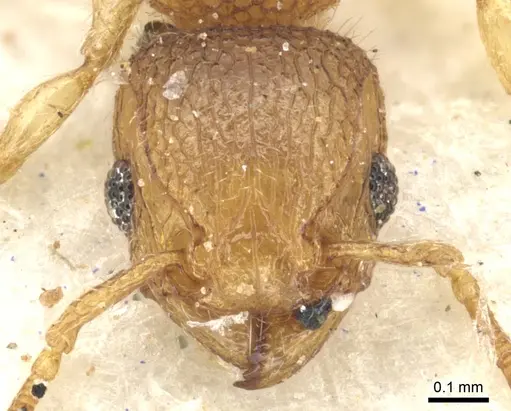
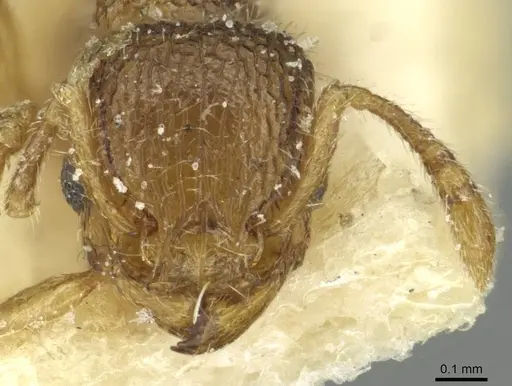
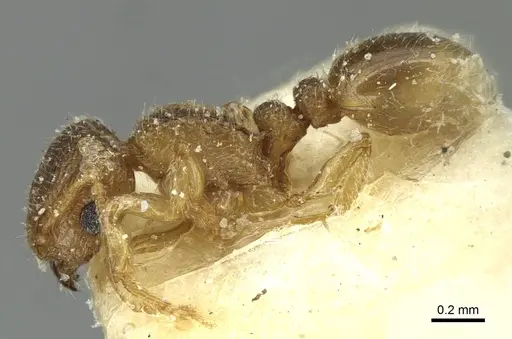
Tetramorium ericae is a small ant native to the Afrotropical region, first described from Zimbabwe in 1917 . Workers are typical for the genus – small, dark, with 12-segmented antennae. The species has a complex taxonomic history, previously known as Triglyphothrix pauper . It has been recorded in Zimbabwe, Rwanda , and Nigeria (with caution, as identification is difficult ). Detailed biology for this species is not available, so care recommendations rely on general Tetramorium patterns.
Quick Summary
- Difficulty: Medium
- Origin & Habitat: Afrotropical region – native to Zimbabwe, recently recorded in Rwanda's Akagera National Park [2] and Nigeria [3]. Likely inhabits ground-level nesting sites in savanna or forest edge environments typical of Tetramorium [1].
- Colony Type: Unconfirmed – likely monogyne (single queen) based on genus patterns.
- Size & Growth:
- Queen: 5–7 mm (estimated, based on Tetramorium genus range)
- Worker: 2–4 mm (estimated, based on Tetramorium genus range)
- Colony: Up to several hundred workers (estimated)
- Growth: Moderate (estimated)
- Development: 6–10 weeks (estimated, based on related species) (Direct development data unavailable.)
- Antkeeping:
- Temperature: 24–28°C – inferred from tropical origin [1]. Provide a thermal gradient with a heating cable.
- Humidity: Moderate – keep substrate slightly moist but allow some drying, provide a shallow water reservoir.
- Diapause: None required – tropical species, maintain warmth year-round.
- Nesting: Y-tong (AAC) or plaster nests work well. Test tubes for founding. Ensure fine mesh or fluon barriers for escape prevention.
- Behavior: Generally peaceful but uses a modified stinger to smear venom when threatened (typical of tribe Crematogastrini). Workers are active foragers. Small size demands careful escape prevention.
- Common Issues: identification is difficult – confirmed records limited to southern and eastern Africa [3]., limited species-specific data forces reliance on genus-level care guidelines., small workers can escape through standard mesh – use fine barriers., requires consistent warmth, cannot tolerate cool temperatures., colony growth may be slow compared to more commonly kept species.
Temperature and Heating
Tetramorium ericae comes from tropical Africa and needs warmth [1]. Keep the nest at 24–28°C for best growth. Place a heating cable on top of the nest (not underneath) to create a gentle temperature gradient. If your room is naturally warm, you may not need extra heat – watch activity levels to judge.
Feeding and Diet
Like most Tetramorium, this species is omnivorous. Offer small insects (fruit flies, small crickets, mealworms) for protein twice a week, plus sugar water or honey water in moderation. Some keepers report seed acceptance. Remove uneaten food after 24 hours to prevent mold. Provide fresh water in a cotton-plugged tube.
Nesting and Housing
Tetramorium ericae likely nests in soil or under rocks in the wild. For captive colonies, Y-tong (AAC) or plaster nests are good choices – they hold humidity well. Test tubes work for founding. Because workers are only 2–4 mm, seal all gaps, use fine mesh or fluon on outworld edges to prevent escape.
Colony Founding
Founding behaviour has not been documented for this species, but based on general Tetramorium patterns the queen probably founds claustrally – sealing herself in a chamber and raising the first brood on stored reserves. Keep the founding setup dark and undisturbed. First workers (nanitics) will be smaller than mature ones.
Behavior and Temperament
Tetramorium ericae is not aggressive. Workers are active foragers that form trails to food. They have a modified, spatulate stinger used to smear venom onto enemies – a characteristic of the tribe Crematogastrini. Bites are harmless to humans. Colonies are probably single-queen, but this hasn't been confirmed.
Frequently Asked Questions
How long does it take for Tetramorium ericae to produce first workers?
Based on related Tetramorium, expect 6–10 weeks from egg to worker at 24–28°C. This is an estimate – no data exists for this species.
What temperature do Tetramorium ericae ants need?
Keep them at 24–28°C year-round. As a tropical species, they need steady warmth [1].
Can I keep multiple Tetramorium ericae queens together?
Not recommended. Colony structure is unconfirmed, but most Tetramorium are monogyne. Combining unrelated queens usually leads to fighting.
Do Tetramorium ericae ants sting?
Yes, they have a modified stinger that smears venom rather than piercing (typical of Crematogastrini). The venom is not dangerous to humans, but the ants may use it if handled.
How big do Tetramorium ericae colonies get?
Probably up to several hundred workers – this is an estimate based on typical Tetramorium size.
What do Tetramorium ericae eat?
They are omnivorous. Offer small insects (fruit flies, small crickets) for protein and sugar water or honey for energy. Seeds may be accepted.
Is Tetramorium ericae good for beginners?
It is rated Medium. Once established, it's hardy, but the lack of species-specific data means you'll be guessing. Their small size also requires careful escape-proofing.
Do Tetramorium ericae need hibernation?
No. As a tropical species, they do not need a diapause. Keep them warm all year.
Why are my Tetramorium ericae dying?
Common causes: temperatures below 24°C, too much moisture leading to mold, stress from disturbance, or escape (even if you don't see it). Review each factor.
When should I move my colony to a formicarium?
Move from a test tube to a Y-tong or plaster nest when the colony has 30–50 workers and the tube feels cramped. Pre-humidify the new nest before transfer.
Report an Issue
The current care sheet is based fully on literature. See inconsistencies, or something that's incorrect? Please , it will be resolved after review from an admin. Contributing to the blogs tab also helps providing information, to make us be able to further improve the caresheets. Thank you for your support!
References

This caresheet is licensed under CC BY-SA 4.0 .
Community Blogs
CASENT0249031
View on AntWeb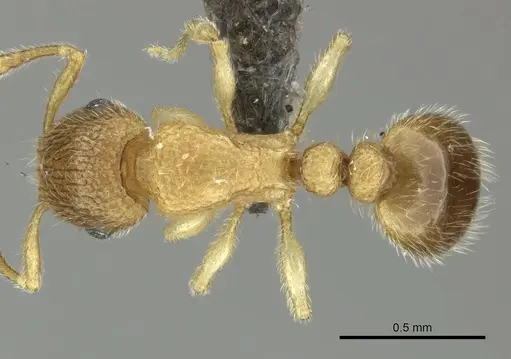
CASENT0252754
View on AntWeb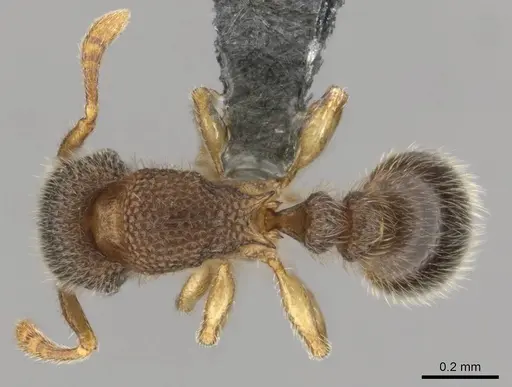
CASENT0257003
View on AntWeb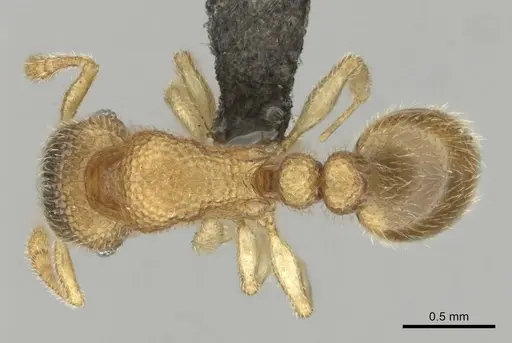
CASENT0901148
View on AntWeb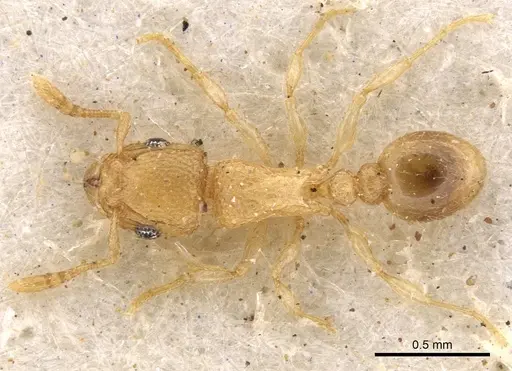
CASENT0901149
View on AntWeb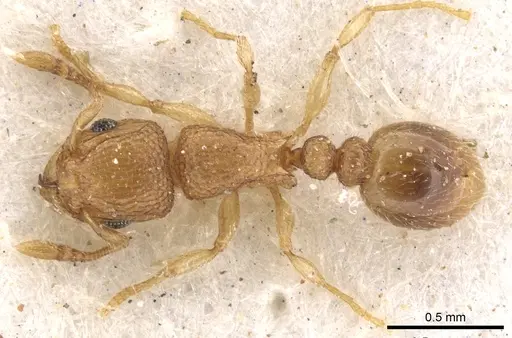
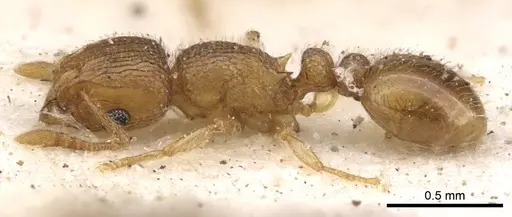
CASENT0915006
View on AntWeb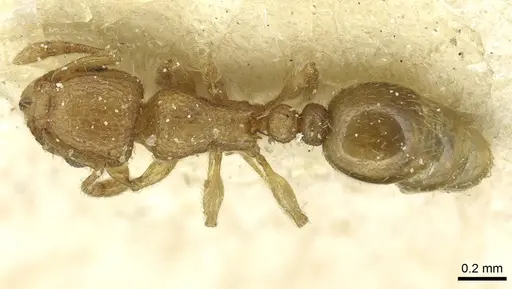
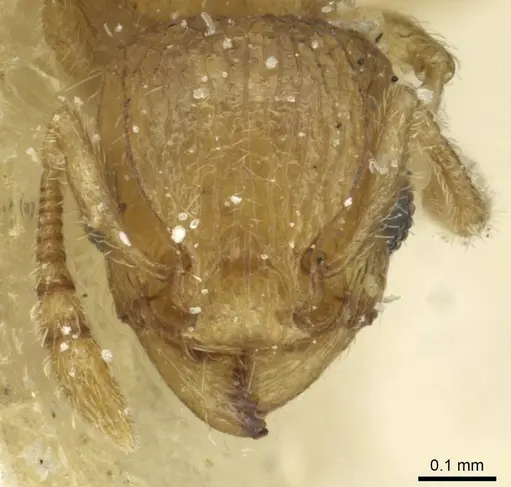
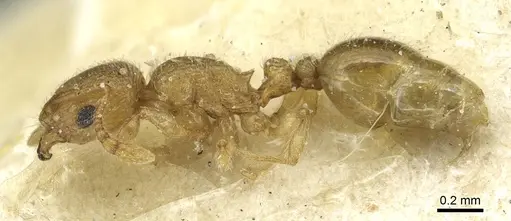
CASENT0915007
View on AntWeb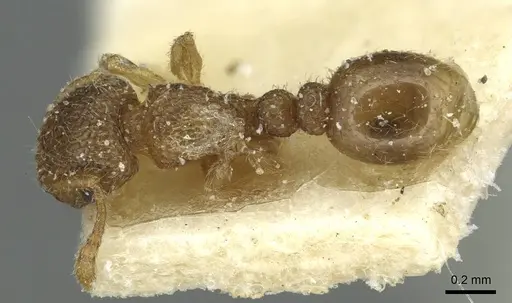
Literature
Loading distribution map...Loading products...