
Forest Fierce ant
Tetramorium erectum
- Sci. Name
- Tetramorium erectum
- Tribe
- Crematogastrini
- Subfamily
- Myrmicinae
- Author
- Emery, 1895
- Common Name
- Forest Fierce ant
- Distribution
- Found in 1 countries
Introduction
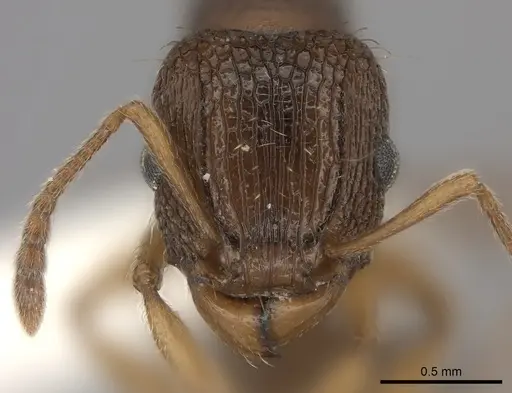
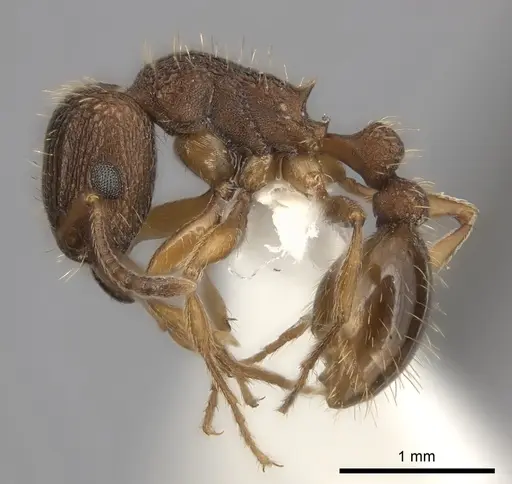
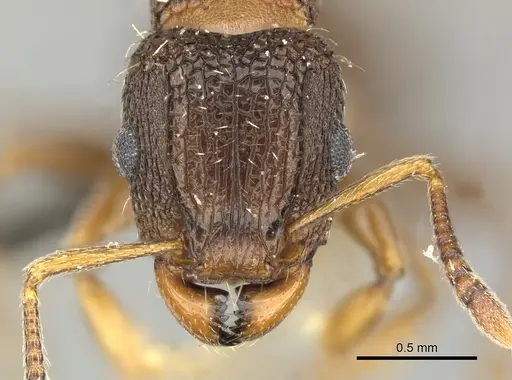
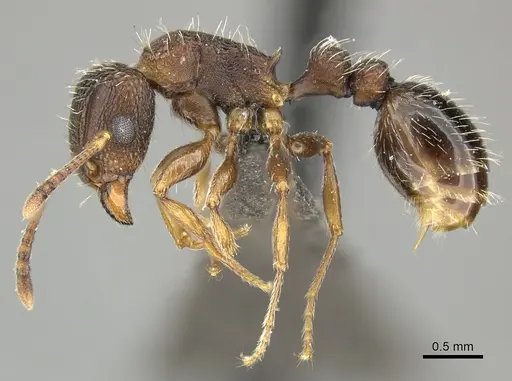
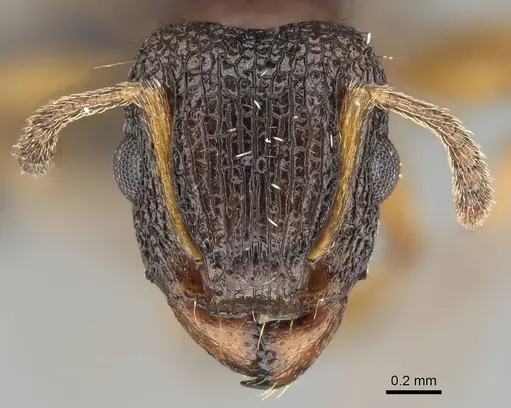
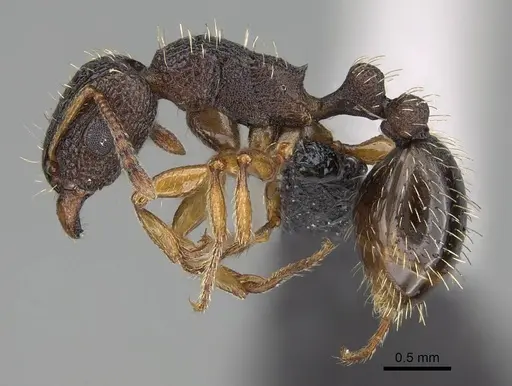
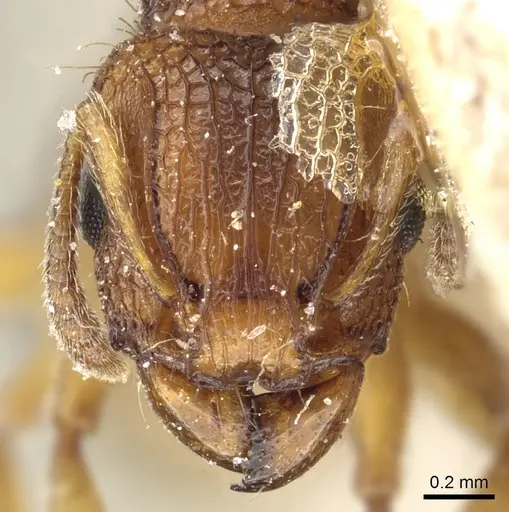
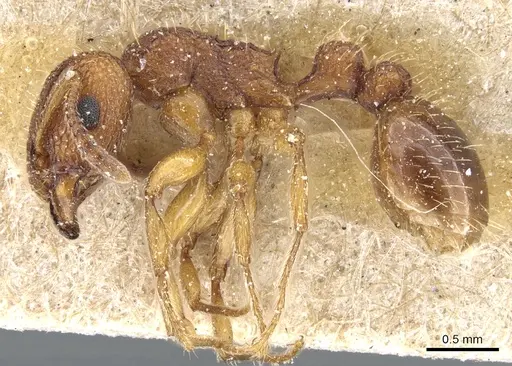
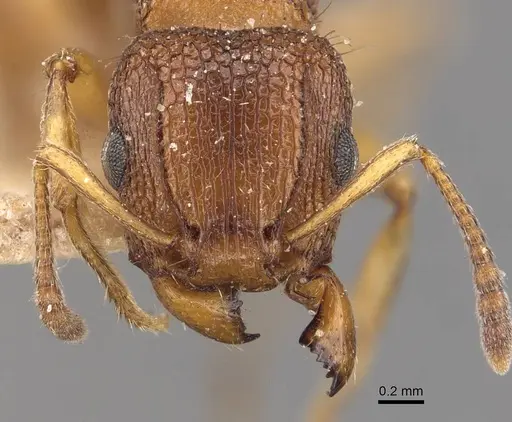
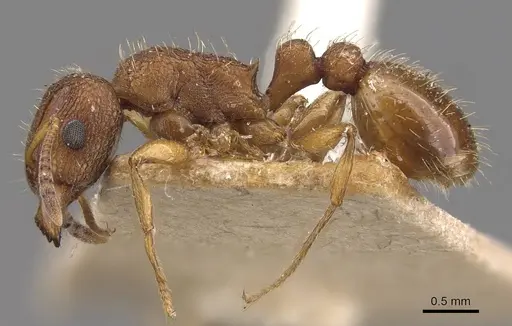
Tetramorium erectum is a medium-sized ant species native to southern Africa. Workers measure 4.2-5.0 mm and are uniform dark brown . They belong to the Tetramorium emeryi complex within the bicarinatum group and are easily recognized by their distinctly elevated propodeal spines that often curve upward, setting them apart from related species . The species is recorded from South Africa, Namibia, Botswana, Uganda, and the Democratic Republic of Congo, and inhabits open to semi-open habitats such as grassland, bushland, fynbos, and woodland . What makes T. erectum especially striking is its spine morphology - the propodeal spines are not just long but are noticeably raised and sometimes upcurved, giving workers a spiky profile. These ants nest in soil and have also been collected on vegetation and from the ground . A survey in Western Cape vineyards confirms their presence in human‑modified landscapes .
Quick Summary
- Difficulty: Hard
- Origin & Habitat: Southern Africa (South Africa, Namibia, Botswana, Uganda, Democratic Republic of Congo). Found in open to semi‑open habitats: grassland, bushland, fynbos, woodland [1]. Nests in soil [1].
- Colony Type: Unknown, social structure has not been studied in the available literature.
- Size & Growth:
- Queen: Size data unavailable, no queen measurements have been reported.
- Worker: 4.2-5.0 mm [1]
- Colony: Unknown, maximum colony size has not been recorded.
- Growth: Unknown, growth rate has not been studied.
- Development: Unknown, development timeline has not been reported for this species. (Any estimates would be purely speculative.)
- Antkeeping:
- Temperature: Optimal temperature unknown. Based on its habitat (open to semi‑open areas in southern Africa), warm conditions around 22-26°C are likely suitable, but this is not confirmed. Avoid excessive heat or prolonged cold [1].
- Humidity: Unknown, they nest in soil. Provide a moisture gradient: a dry nest chamber and a slightly moist area, and observe the ants’ preference. Avoid waterlogging [1].
- Diapause: Unknown, the southern African range suggests no strong diapause, but a seasonal slowdown is possible. Not confirmed.
- Nesting: Soil‑nesting species. Use a naturalistic setup with a soil substrate, Y‑tong, or plaster nest that maintains a moisture gradient. Provide tight chambers [1].
- Behavior: Workers are reported from soil and vegetation [1]. Temperament is not documented. As a Myrmicinae, they possess a stinger, but their defense mechanism is a smear (spatulate stinger) rather than piercing. Escape risk is moderate due to their size (4.2-5 mm), standard barrier methods are sufficient.
- Common Issues: wild‑caught colonies may carry parasites or pathogens., moisture management is critical, too wet causes mold, too dry may harm brood., little research exists on captive care, expect trial and error., queen founding behavior is unconfirmed, patience required if attempting from a queen.
Housing and Nest Setup
Tetramorium erectum is a soil‑nesting species [1]. A naturalistic setup with soil substrate, or a Y‑tong or plaster nest that provides a moisture gradient, works well. Keep the nest mostly dry with one slightly moist area, the species comes from open habitats where soil is not waterlogged. Use standard escape prevention like fluon on container rims, workers are 4-5 mm and can climb smooth surfaces. Found a colony in a test tube setup with a water reservoir and dark cover, but note that founding behavior has not been observed in detail.
Feeding and Diet
No species‑specific dietary data is available. Based on general Tetramorium habits, T. erectum is likely omnivorous. Offer small insects (fruit flies, small crickets) as protein and sugar water or honey as carbohydrates. Remove uneaten food after 24-48 hours to prevent mold. Without direct studies, adjust feeding based on colony response.
Temperature and Seasonal Care
The ideal temperature is unknown. The species naturally occurs in southern African open habitats [1], so warm conditions around 22-26°C are a reasonable starting point, but this is an estimate. Provide a temperature gradient so workers can choose their preferred zone. Diapause requirements are unknown, if you notice a slowdown in winter, a mild cool period (15-18°C) for a few weeks may be beneficial, but this is not proven.
Colony Founding
Founding method is unconfirmed. No records describe whether queens are claustral or semi‑claustral. If you have a queen, place her in a test tube setup with a water reservoir, keep it dark and undisturbed, and do not feed until workers appear. Be prepared for the possibility that she may not found successfully, patience and minimal disturbance are your best tools.
Growth and Development
Growth has not been documented. Colony size, growth rate, and development timeline are all unknown. The first workers are presumably nanitics, but no measurements exist. Provide stable conditions and observe the colony, any specific milestones would be speculative.
Frequently Asked Questions
How long does it take for Tetramorium erectum to produce first workers?
Development time is unknown. No studies have reported the egg‑to‑worker duration. Warm temperatures may speed development, but this is speculation. Be patient and avoid disturbing the queen.
What do Tetramorium erectum ants eat?
No dietary studies exist for this species. Based on related Tetramorium, they are likely omnivorous and will accept small insects and sugar water. Provide a varied diet and observe what the colony accepts.
Do Tetramorium erectum ants sting?
As a Myrmicinae, they have a stinger, but their defense mechanism is a smear (spatulate stinger) rather than piercing. There are no reports of their sting being potent to humans. They may also bite.
Can I keep multiple Tetramorium erectum queens together?
Social structure is unknown. If the species is monogyne, multiple queens would likely fight. If you catch queens separately, keep them isolated until founding behavior is confirmed. No data supports pleometrosis.
What temperature is best for Tetramorium erectum?
Optimal temperature is not established. A range of 22-26°C is a reasonable estimate based on their southern African habitat. Provide a gradient and let the ants choose.
Do Tetramorium erectum need hibernation?
Diapause requirements are unknown. Given their subtropical range, they may not require a cold period. If you attempt a seasonal slowdown, keep temperatures around 15-18°C for a few weeks, but this is not validated.
Are Tetramorium erectum good for beginners?
No, this species is poorly studied and basic care parameters are unknown. It is best suited for experienced keepers willing to experiment. Beginners should start with well‑documented species.
How big do Tetramorium erectum colonies get?
Colony size has not been recorded. Estimates would be pure guesswork. Expect growth to be slow and uncertain.
When should I move Tetramorium erectum to a formicarium?
Since growth is unpredictable, move the colony only when the test tube is clearly too small (e.g., workers are overcrowded). Use a soil‑based or Y‑tong nest with a moisture gradient.
Why is my Tetramorium erectum queen not producing workers?
Several possibilities: the queen may be unmated, dead, or stressed by disturbance. Founding method is unknown, so the usual claustral rules may not apply. Keep the setup dark, warm, and undisturbed. If no brood appears after several months, the queen may be infertile.
Report an Issue
The current care sheet is based fully on literature. See inconsistencies, or something that's incorrect? Please , it will be resolved after review from an admin. Contributing to the blogs tab also helps providing information, to make us be able to further improve the caresheets. Thank you for your support!
References

This caresheet is licensed under CC BY-SA 4.0 .
Community Blogs
CASENT0100793
View on AntWeb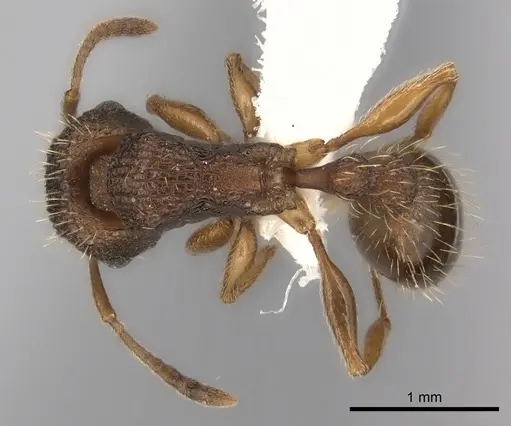
CASENT0249024
View on AntWeb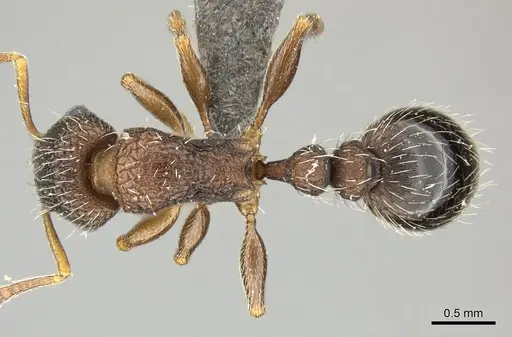
CASENT0822185
View on AntWeb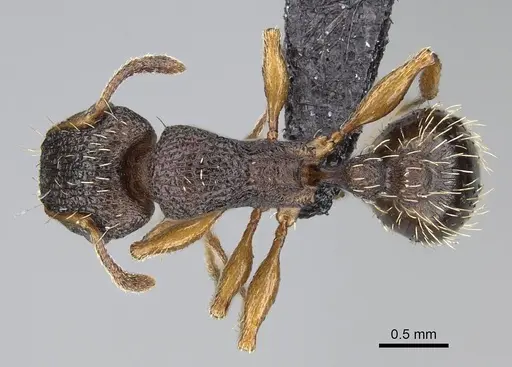
CASENT0904837
View on AntWeb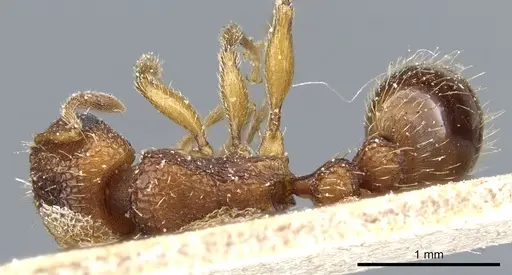
CASENT0909123
View on AntWeb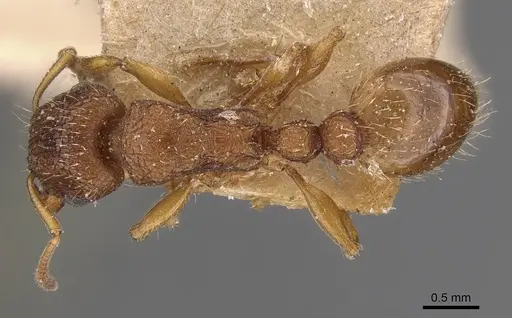
Literature
Loading distribution map...Loading products...