
Tetramorium enkidu
- Sci. Name
- Tetramorium enkidu
- Tribe
- Crematogastrini
- Subfamily
- Myrmicinae
- Author
- Hita Garcia & Fisher, 2014
- Distribution
- Found in 1 countries
Introduction
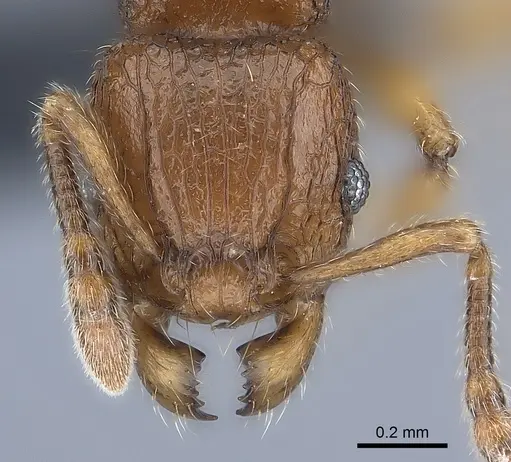
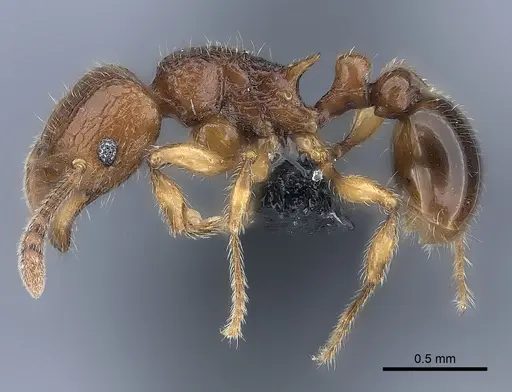
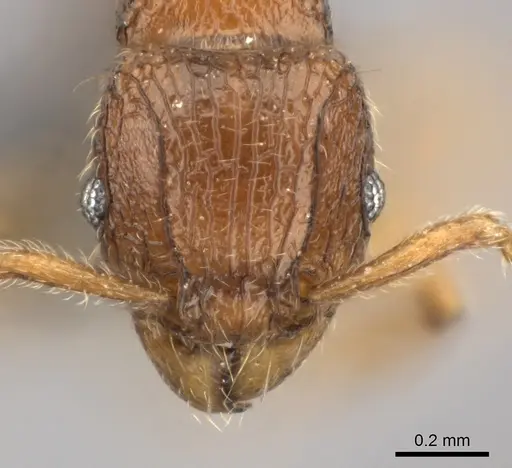
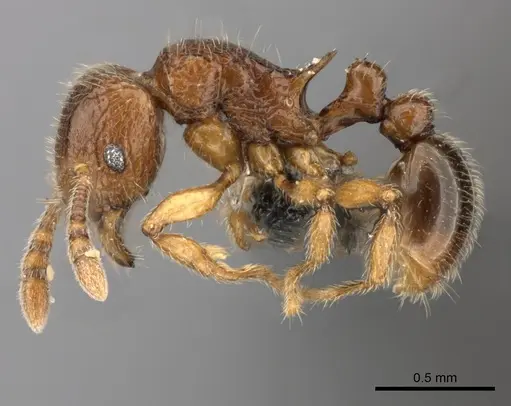
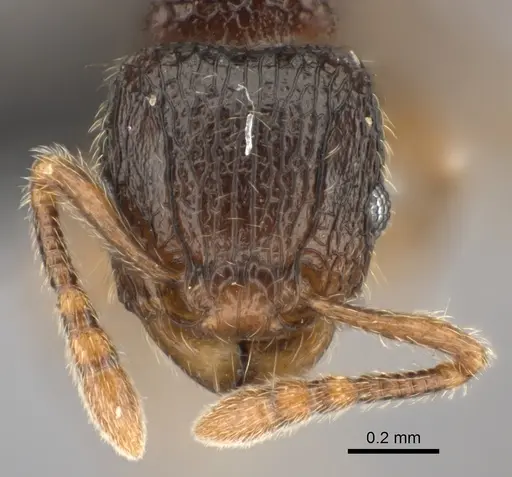
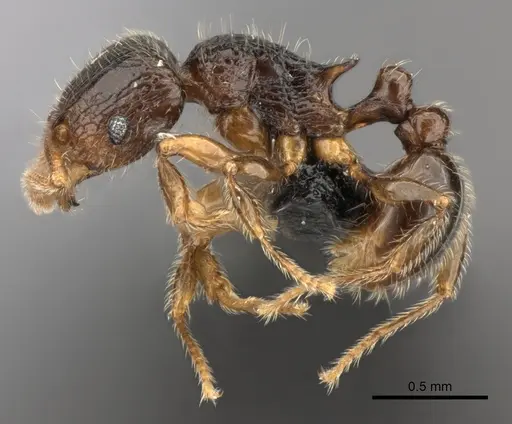
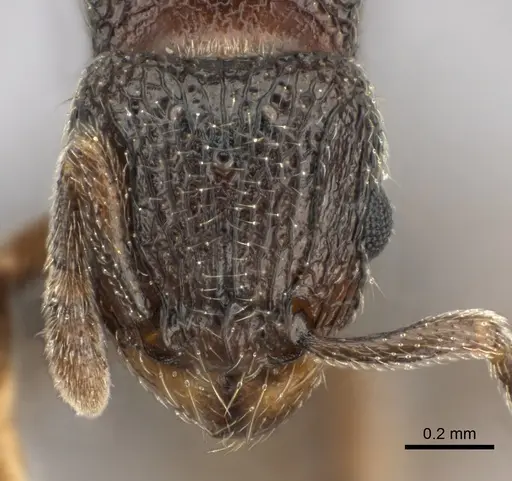
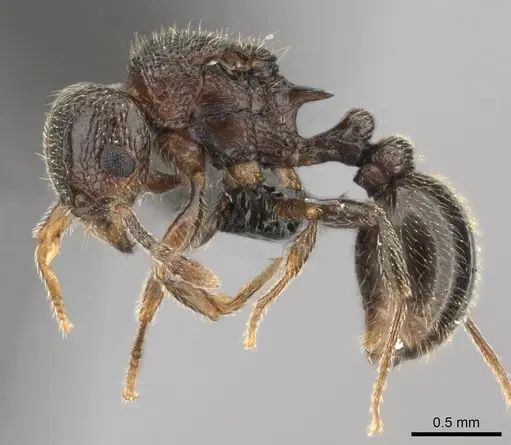
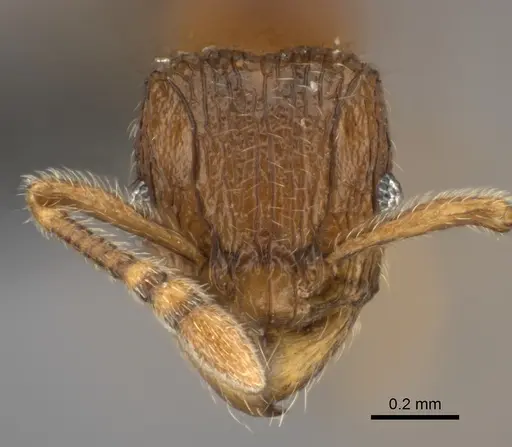
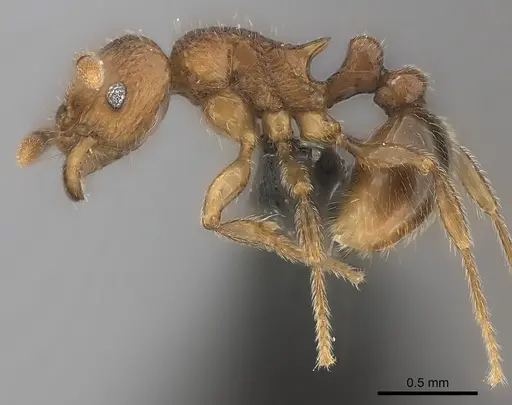
Tetramorium enkidu is a small ant species native to the rainforests of northern Madagascar. Workers are small (exact body length not recorded, but likely around 2-4 mm based on related Tetramorium species) and have long propodeal spines and several long erect hairs on their waist segments . Their body color ranges from light to dark brown, with lighter mandibles, antennae, and legs. This species belongs to the Tetramorium naganum species group and is distinguished from similar species by its thick petiolar node and pilosity pattern . The name 'enkidu' honors the fictional character from the Epic of Gilgamesh, one of the oldest written stories . These ants inhabit the leaf litter and ground layer of rainforests at elevations between 125 and 1100 meters . As a recently described species (2014), specific captive husbandry data is limited; however, their natural habitat suggests preferences for stable, humid, tropical conditions.
Quick Summary
- Difficulty: Medium
- Origin & Habitat: Northern Madagascar rainforests at 125-1100 m elevation [1][2]
- Colony Type: Unknown, colony structure has not been documented. Most Tetramorium species are monogyne (single queen), but this is not confirmed for T. enkidu.
- Size & Growth:
- Queen: Undescribed, no queen has been collected or described [1]
- Worker: No total length reported, inferred from Tetramorium genus, workers likely around 2-4 mm [1][2]
- Colony: Unknown, no colony size data available [1]
- Growth: Unknown, no development studies exist. Based on typical Tetramorium patterns, expect moderate growth.
- Development: Estimated 6-10 weeks based on related Tetramorium species (Direct data unavailable, temperature around 24-28°C likely optimal based on rainforest habitat.)
- Antkeeping:
- Temperature: Keep at 24-28°C, inferred from rainforest habitat. Provide a slight gradient so workers can self-regulate.
- Humidity: Keep the nest substrate consistently moist but not waterlogged. The natural leaf litter habitat stays damp. Aim for high ambient humidity, but balance with ventilation to prevent mold.
- Diapause: Unlikely, as a tropical species, maintain stable warmth year-round.
- Nesting: Natural nests in leaf litter and soil [2]. Use a naturalistic setup with moist substrate, leaf litter, and debris. Y-tong or plaster nests work if kept humid. Provide plenty of cover.
- Behavior: Small ground-dwelling ants that forage through leaf litter. They are not aggressive and tend to flee when disturbed. They belong to the tribe Crematogastrini and use a modified stinger to smear venom onto enemies rather than piercing. Escape prevention is critical due to their small size, use tight barriers and fine mesh.
- Common Issues: high humidity needs can lead to mold, ensure ventilation while keeping substrate moist., small size makes escape prevention essential, check for gaps in barriers., limited availability, species only described in 2014,no captive breeding lines established., tropical conditions require consistent warmth and moisture, which can be challenging to maintain., wild-caught colonies may struggle to adapt to captivity initially.
Housing and Nest Setup
Tetramorium enkidu naturally lives in leaf litter and the ground layer of rainforests, so they need a setup that mimics these conditions [2]. A naturalistic terrarium-style setup works best, use a container filled with moist, loose substrate. The substrate should hold humidity well while allowing some drainage. Add leaf litter, small pieces of bark, and other debris on top to give them cover and foraging space. A Y-tong (AAC) or plaster nest can also work if kept consistently humid. Always provide an outworld connected to the nest chamber. Because these ants are small, ensure all connections and barriers are tight, they can escape through surprisingly small gaps. Avoid dry, airy setups.
Feeding and Diet
Based on typical Tetramorium foraging behavior, these ants are likely generalist scavengers. In captivity, offer a varied diet including small live or frozen prey (fruit flies, pinhead crickets, small mealworms) as protein sources. They will probably accept sugar water, honey, or diluted honeydew. Offer protein foods two to three times per week and keep a sugar source available at all times. Remove uneaten prey after 24-48 hours to prevent mold. Food items should be appropriately sized, very small pieces that their small workers can manage.
Temperature and Humidity
As residents of Madagascar's rainforests, these ants need warm, humid conditions. Keep temperatures in the range of 24-28°C, with a slight gradient so workers can move to warmer or cooler areas as needed. A heating cable on one side of the nest can create this gradient. Humidity should be high, keep the nest substrate consistently moist but not waterlogged. Mist the setup regularly and monitor for condensation, but balance humidity with adequate ventilation to prevent mold growth. A small ventilation hole or mesh top helps maintain air circulation while retaining moisture.
Colony Development
Since Tetramorium enkidu was only described in 2014,there is no published data on their captive development [1]. Founding behavior is unconfirmed, based on most Tetramorium species, queens may found claustrally (sealing themselves in a chamber and raising the first brood on stored reserves), but this has not been documented. The first workers will likely be smaller than mature workers. Development from egg to worker probably takes 6-10 weeks at optimal temperature (around 26°C). Colony growth will likely be moderate. Be patient with founding colonies and avoid disturbing the queen during the early stages. Once established, colonies may reach a few hundred workers, though the exact maximum is unknown.
Behavior and Temperament
These are small, ground-dwelling ants that likely spend most of their time foraging through the leaf litter layer. They are not particularly aggressive and will typically flee from threats rather than engage. They belong to the tribe Crematogastrini and possess a modified stinger used to smear venom onto enemies rather than piercing. Their small size means they have many potential predators, so they prefer to stay hidden under cover. In captivity, provide plenty of hiding spaces and avoid excessive disturbance. They present no danger to keepers.
Frequently Asked Questions
How long does it take for Tetramorium enkidu to raise their first workers?
The exact timeline is unknown, but based on related Tetramorium species, expect 6-10 weeks from egg to first worker at optimal temperature (around 26°C). Founding behavior is unconfirmed, if the queen is claustral, she will seal herself in during founding.
What temperature do Tetramorium enkidu ants need?
Keep them at 24-28°C to match their natural rainforest habitat. A slight temperature gradient allows the ants to self-regulate. Avoid temperatures below 20°C or above 32°C for extended periods.
Are Tetramorium enkidu ants good for beginners?
This species is rated as Medium difficulty. While not overly demanding, they require high humidity and warm temperatures that can be challenging to maintain consistently. Their small size also requires excellent escape prevention. They may be harder to find since the species was only described in 2014.
Do Tetramorium enkidu ants need hibernation?
No, they likely do not require hibernation. As a tropical rainforest species from Madagascar, they are adapted to year-round warm and humid conditions. Maintain stable temperatures throughout the year.
What do Tetramorium enkidu ants eat?
They are generalist scavengers. Offer small live or frozen prey (fruit flies, small mealworms, pinhead crickets) as protein two to three times per week. Keep sugar water, honey, or honeydew available at all times. Size food appropriately for their small workers.
How big do Tetramorium enkidu colonies get?
Colony size is not documented. Based on typical Tetramorium patterns, colonies likely reach several hundred workers at most. Growth is expected to be moderate.
Can I keep multiple Tetramorium enkidu queens together?
This has not been documented. Most Tetramorium species are monogyne (single queen), but some can be polygynous. Until specific data is available, it is not recommended to combine unrelated queens. If you acquire a multi-queen colony, keep them together only if they are already established as a group.
Do Tetramorium enkidu ants sting?
They have a stinger but use it to smear venom rather than pierce, typical of the tribe Crematogastrini. They are not aggressive and rarely use it. They pose no danger to humans.
What type of nest is best for Tetramorium enkidu?
A naturalistic setup with moist substrate (e.g., a dirt-filled formicarium or a large container with soil) works best since they naturally nest in leaf litter and soil. Provide leaf litter and debris on the surface for cover. A Y-tong or plaster nest can also work if kept humid. Avoid dry, airy setups.
Why are my Tetramorium enkidu ants dying?
Common causes include: low humidity (substrate too dry), temperatures too cold (below 20°C), mold from poor ventilation, or escape through tiny gaps. Check your setup parameters and ensure the queen is healthy. Wild-caught colonies may also struggle with captivity initially.
Report an Issue
The current care sheet is based fully on literature. See inconsistencies, or something that's incorrect? Please , it will be resolved after review from an admin. Contributing to the blogs tab also helps providing information, to make us be able to further improve the caresheets. Thank you for your support!
References

This caresheet is licensed under CC BY-SA 4.0 .
Community Blogs
CASENT0039588
View on AntWeb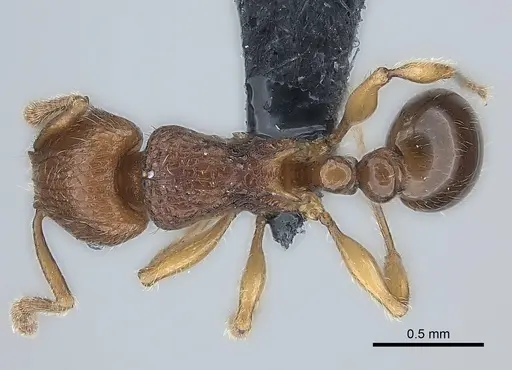
CASENT0045673
View on AntWeb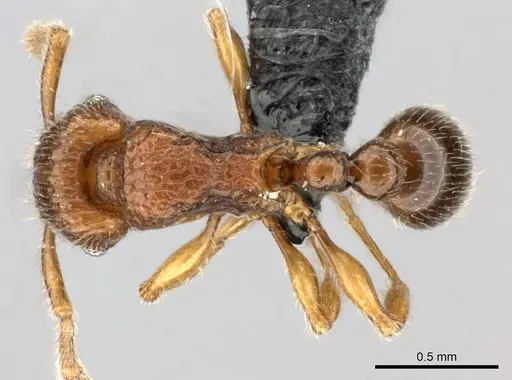
CASENT0056450
View on AntWeb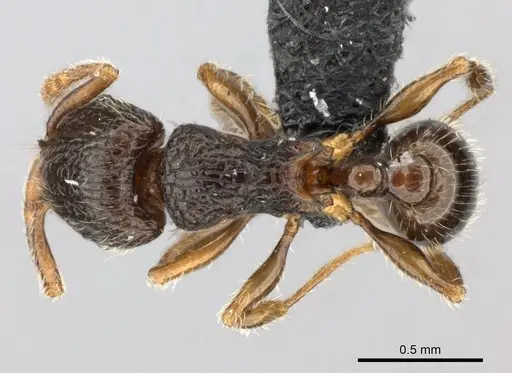
CASENT0056454
View on AntWeb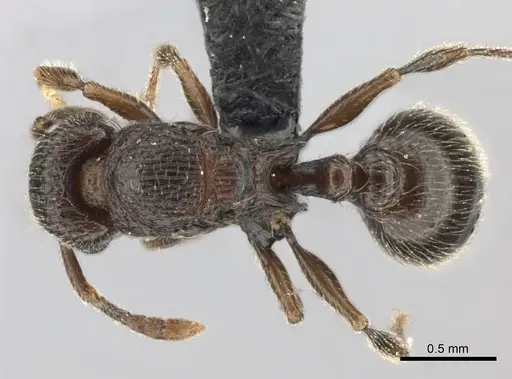
CASENT0404916
View on AntWeb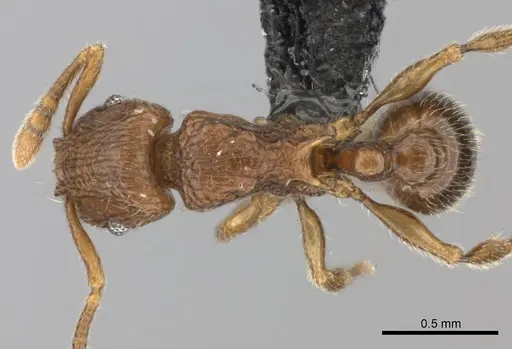
Literature
Loading distribution map...Loading products...