
Tetramorium eminii
- Sci. Name
- Tetramorium eminii
- Tribe
- Crematogastrini
- Subfamily
- Myrmicinae
- Author
- Forel, 1894
- Distribution
- Found in 6 countries
Introduction
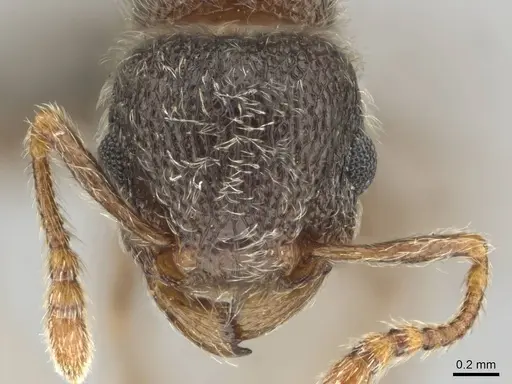
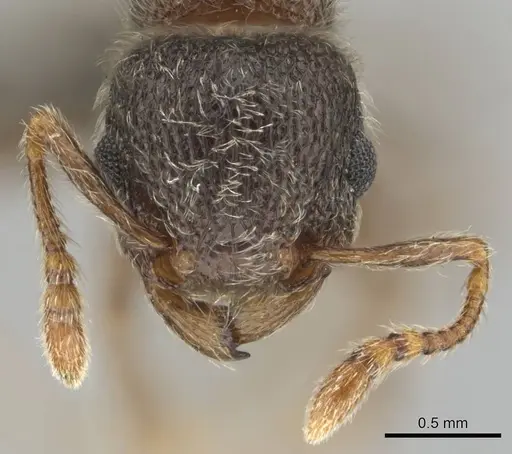
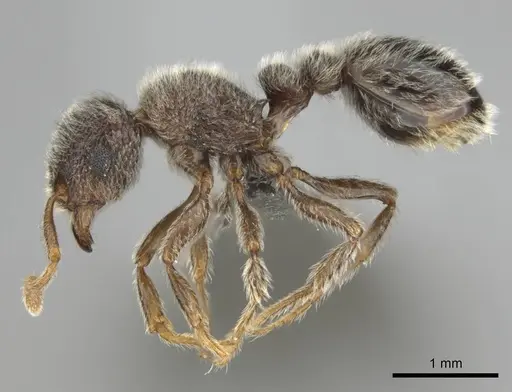
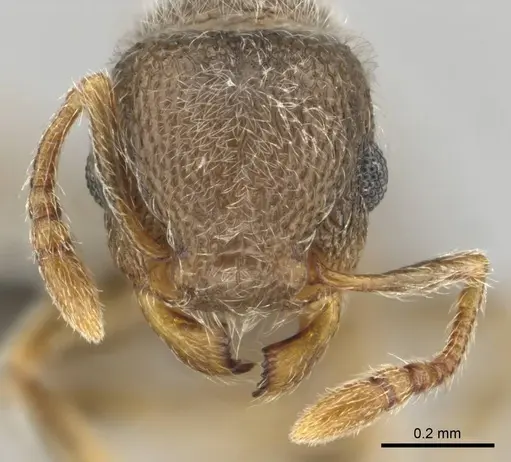
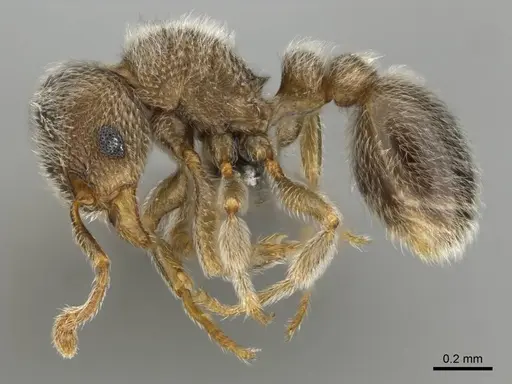
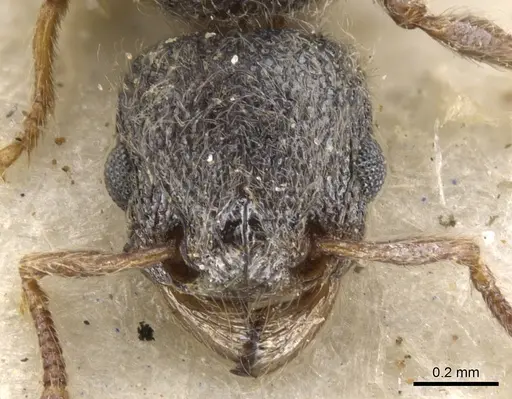
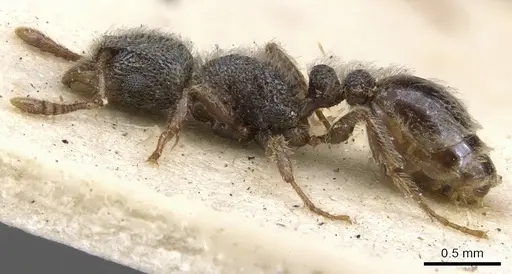
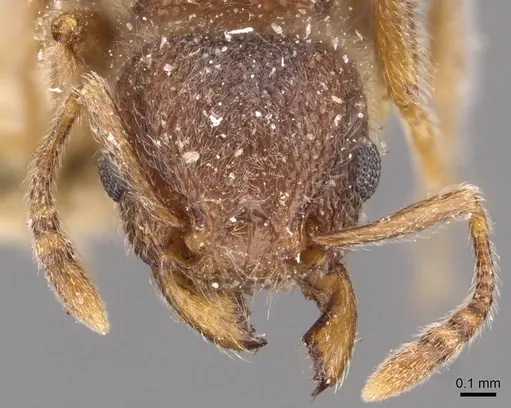
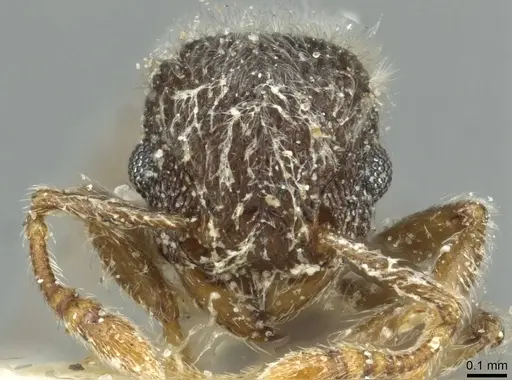
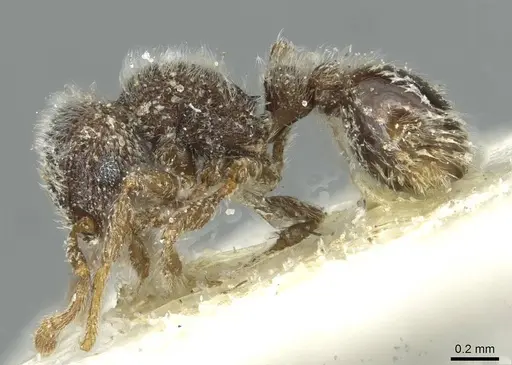
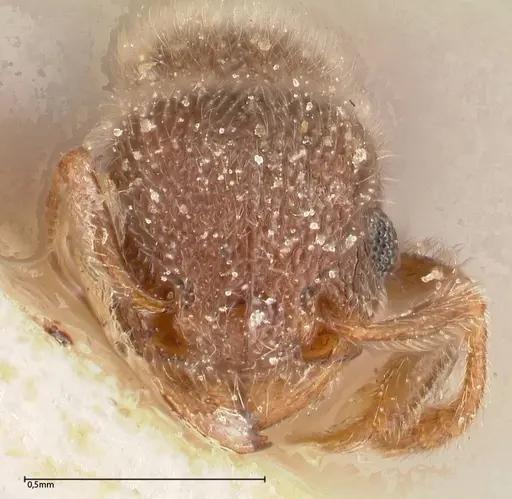
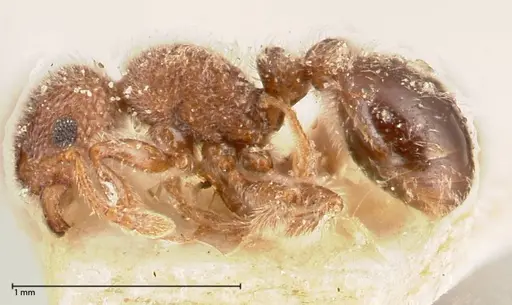
Tetramorium eminii is a small ant native to the Afrotropical region, recorded from Ethiopia to South Africa and as far west as Nigeria and Angola . Workers are tiny, estimated around 3-4 mm based on genus patterns, with the typical Tetramorium features: a spiny propodeum,12-segmented antennae with a 3-segmented club, and a dark reddish-brown to blackish body. Originally described from Ethiopia in 1894,it has several junior synonyms such as *marleyi* and *cinereus* . What makes this species stand out is its adaptability. It's been found in protected savanna parks like Akagera in Rwanda and in urban green spaces in Côte d'Ivoire , suggesting it can handle some human disturbance - a nice plus for a captive colony.
Quick Summary
- Difficulty: Easy
- Origin & Habitat: Tropical and subtropical Africa: Ethiopia, Kenya, Tanzania, South Africa, Angola, Nigeria, Sudan, Eswatini, Rwanda [1][3][2]. Lives in savanna, open woodland, and disturbed areas like city parks.
- Colony Type: Unconfirmed, likely single queen (monogyne) based on typical Tetramorium patterns.
- Size & Growth:
- Queen: ~5-7 mm, estimated from Tetramorium genus patterns.
- Worker: ~3-4 mm, estimated from Tetramorium genus patterns.
- Colony: Unknown, typical Tetramorium reach a few hundred workers.
- Growth: Moderate
- Development: Estimated 6-8 weeks at 24°C, based on related Tetramorium species. (Timing is inferred from genus data, not confirmed for this species.)
- Antkeeping:
- Temperature: Keep at 22-26°C, they come from warm African habitats and prefer stable warmth. A heating cable on one side of the nest can help, but provide a gradient.
- Humidity: Keep the nest substrate lightly moist but not waterlogged, aim for a savanna floor feel: slightly dry on top, damp deeper down.
- Diapause: No true diapause needed. Hailing from tropical/subtropical regions, they may slow down a little in cooler months but can be kept active year‑round.
- Nesting: In the wild they nest in soil, under stones, or in rotting wood. In captivity a Y‑tong (AAC) or plaster nest works well, with small chambers scaled to their size.
- Behavior: Peaceful and non‑aggressive. Workers forage actively and explore the outworld. They retreat rather than attack when disturbed. Their main defense is a modified spatulate stinger that smears venom (typical of Crematogastrini). Because of their small size, they can slip through tiny gaps, fine mesh (≤0.5 mm) is a must.
- Common Issues: small size makes escapes likely without fine mesh on all ventilation and joints., wild‑caught colonies may carry mites or parasites that can kill brood., limited species‑specific care data means some trial and error is unavoidable., moderate growth can test a beginner's patience, but regular protein feeding helps.
Housing and Nest Setup
A Y‑tong (AAC) or plaster nest with small chambers suits Tetramorium eminii well. For a founding queen, a test tube setup is perfect. The outworld can be a simple plastic box with a tight lid. Escape prevention is critical, use fine mesh (0.5 mm or smaller) on every ventilation hole and seal all connections. They don't need fancy decor, keep it simple and functional. A small water tube provides humidity, and a shallow dish works for feeding. [1]
Feeding and Diet
Omnivorous, offer a constant sugar source (honey water, sugar water) and small protein items like fruit flies, pinhead crickets, or chopped mealworms 2-3 times per week. Remove uneaten food after 24-48 hours to prevent mold. Prey should be no larger than the workers' heads. [1]
Temperature and Seasonal Care
Maintain 22-26°C year‑round. These ants come from warm tropical/subtropical Africa, so no hibernation is needed. A small heating cable on the top of the nest can create a gentle gradient, never underneath, to avoid drying the substrate. [1]
Behavior and Temperament
Workers are active, curious foragers that explore the outworld readily. They are generally peaceful and will retreat rather than attack. Their primary defense is a modified spatulate stinger that smears venom (typical of the Crematogastrini tribe), not a piercing sting. Despite their small size, workers are relatively long‑lived for a small ant, helping colonies recover from losses. [1]
Colony Growth and Development
A newly mated queen likely seals herself into a small chamber and raises her first brood on stored reserves (claustral founding), though this has not been confirmed for this species. The first workers (nanitics) are smaller than mature workers but immediately take over foraging and brood care. Development from egg to worker is estimated at 6-8 weeks at optimal temperature. Colony growth is moderate, and a mature nest may eventually hold several hundred workers. [1]
Frequently Asked Questions
How long does it take for Tetramorium eminii to get their first workers?
About 6-8 weeks from egg to first worker at 24°C. This is an estimate based on typical Tetramorium development, no exact data for this species is available.
Can I keep Tetramorium eminii in a test tube?
Yes, a test tube setup works great for founding colonies. Once the colony reaches around 30-50 workers, you can move them to a small formicarium.
Do Tetramorium eminii ants sting?
They have a modified, spatulate stinger used to smear venom rather than pierce. It's not a painful sting like some ants, but it is a chemical defense. They may also bite.
What do Tetramorium eminii eat?
They are omnivores. Offer constant sugar water and small protein insects (fruit flies, small crickets) 2-3 times a week. Remove leftovers after a day.
Are Tetramorium eminii good for beginners?
Yes, they are small, peaceful, and adaptable, having been found in urban habitats [4]. The main challenge is preventing escapes due to their tiny size.
Do Tetramorium eminii need hibernation?
No, their tropical/subtropical origin means no diapause is required. Keep them at 22-26°C all year. They may slow down slightly in cooler weather but that's normal.
How big do Tetramorium eminii colonies get?
Unknown for this species. Based on related Tetramorium, a mature colony may reach several hundred workers.
Why are my Tetramorium eminii escaping?
They are tiny and can squeeze through any gap over ~0.5 mm. Check all ventilation, lid seals, and connecting tubes. Use very fine mesh and ensure everything is tight.
Can I keep multiple Tetramorium eminii queens together?
Not recommended. The colony structure is unconfirmed, but most Tetramorium are monogyne. Keeping multiple queens usually leads to fighting.
What temperature is best for Tetramorium eminii?
22-26°C. They come from warm African habitats and prefer stable warmth. Use a small heating cable on part of the nest to create a gradient.
Report an Issue
The current care sheet is based fully on literature. See inconsistencies, or something that's incorrect? Please , it will be resolved after review from an admin. Contributing to the blogs tab also helps providing information, to make us be able to further improve the caresheets. Thank you for your support!
References

This caresheet is licensed under CC BY-SA 4.0 .
Community Blogs
CASENT0178333
View on AntWeb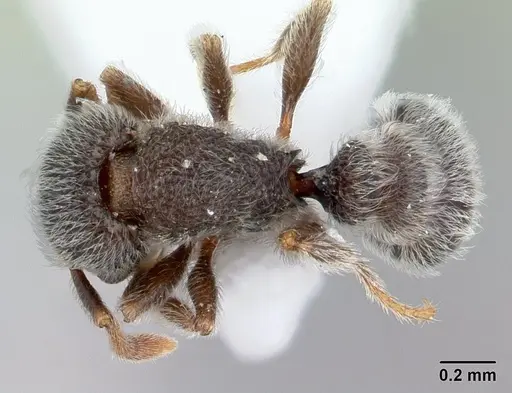
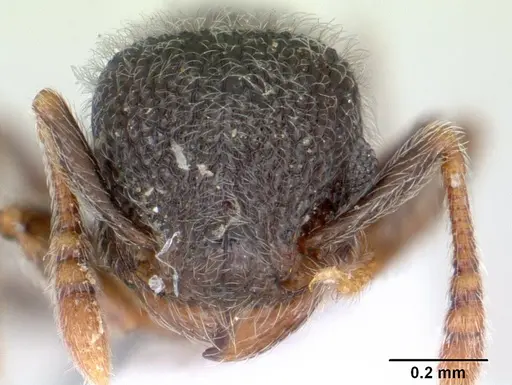
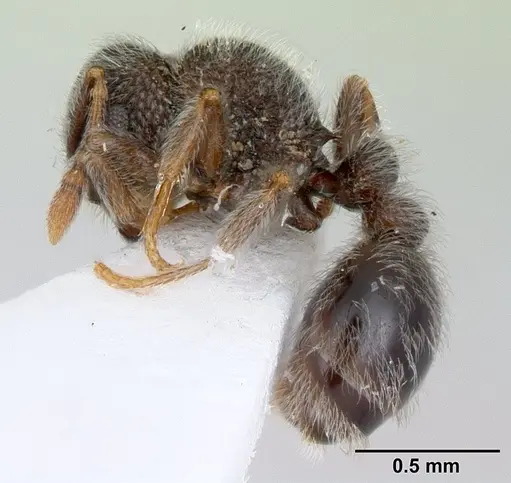
CASENT0217074
View on AntWeb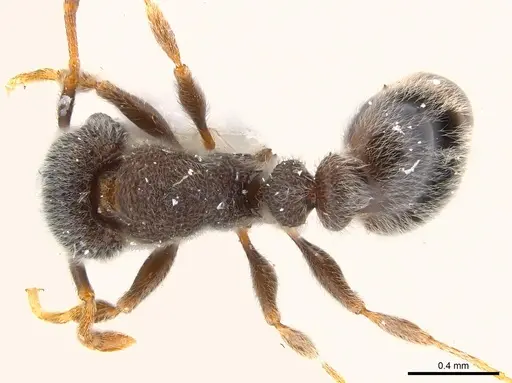
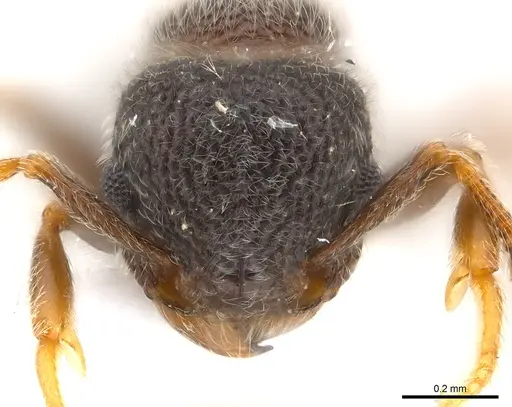
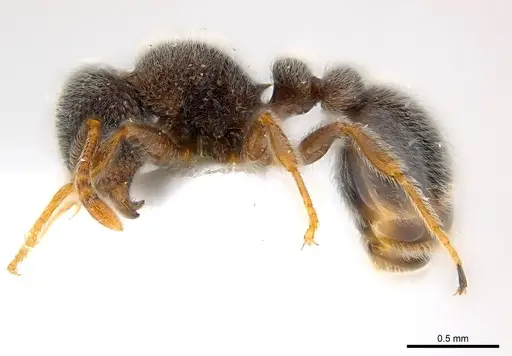
CASENT0235782
View on AntWeb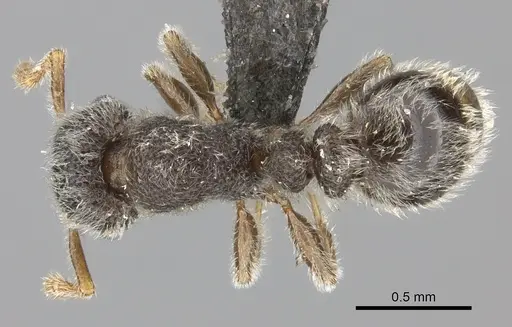
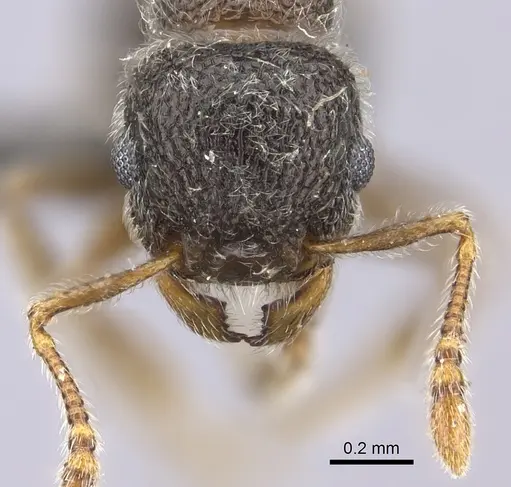
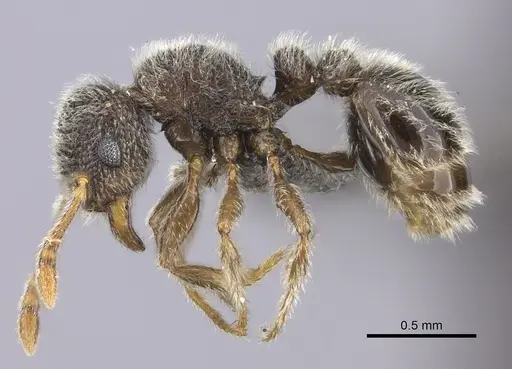
CASENT0249023
View on AntWeb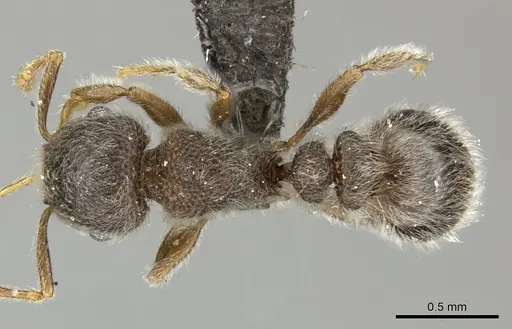
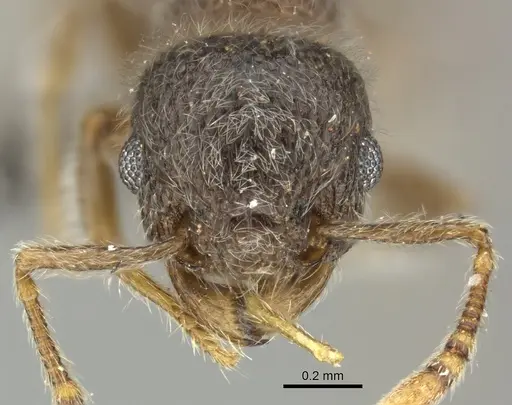
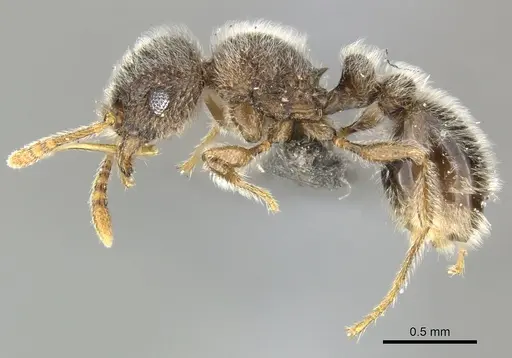
CASENT0252983
View on AntWeb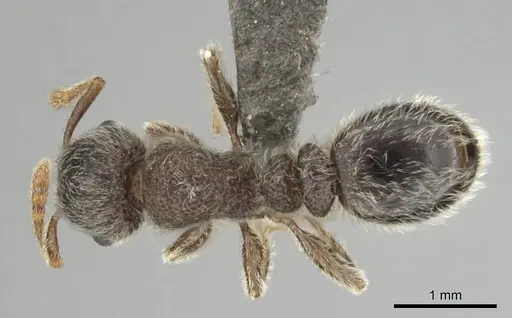
CASENT0257064
View on AntWeb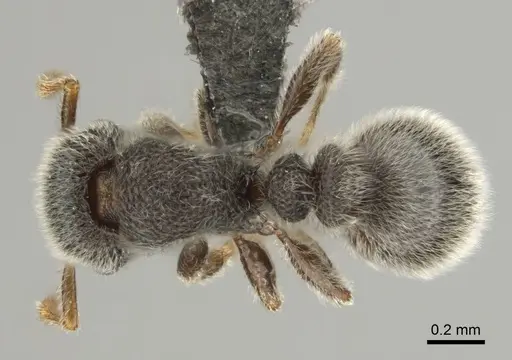
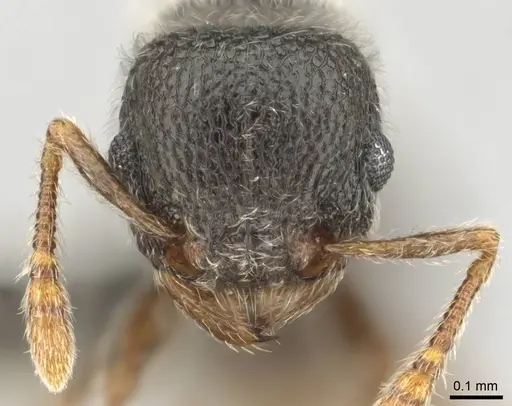
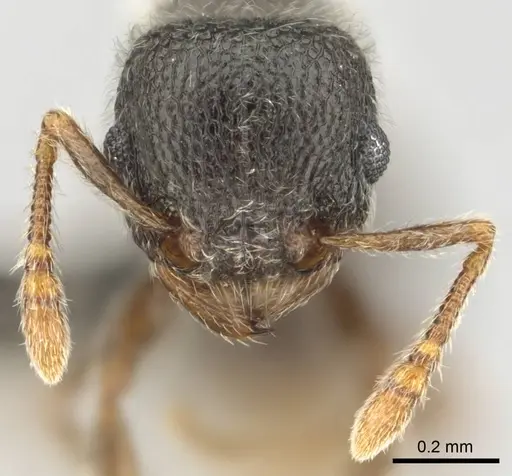
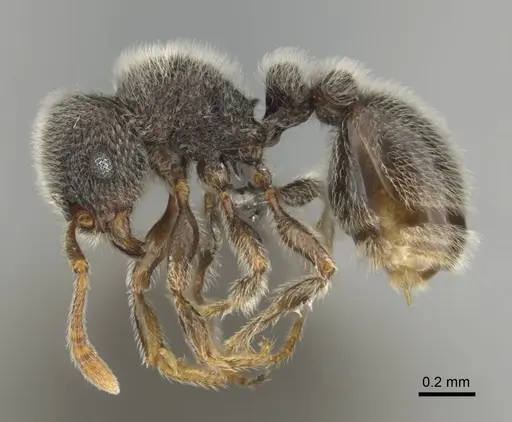
CASENT0257065
View on AntWeb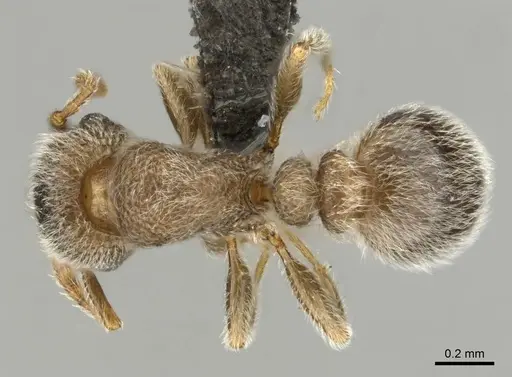
CASENT0258682
View on AntWeb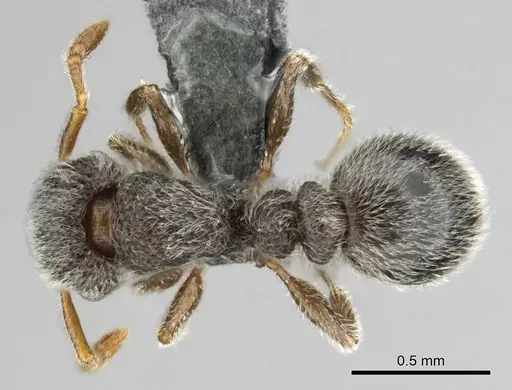
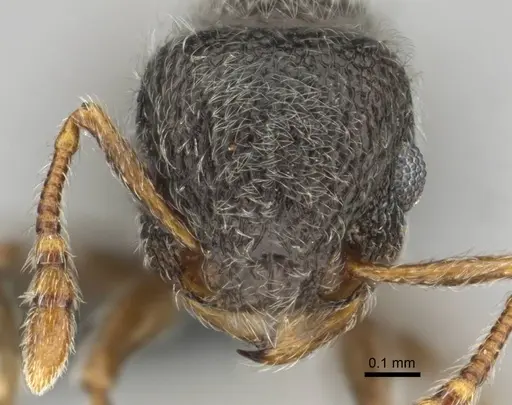
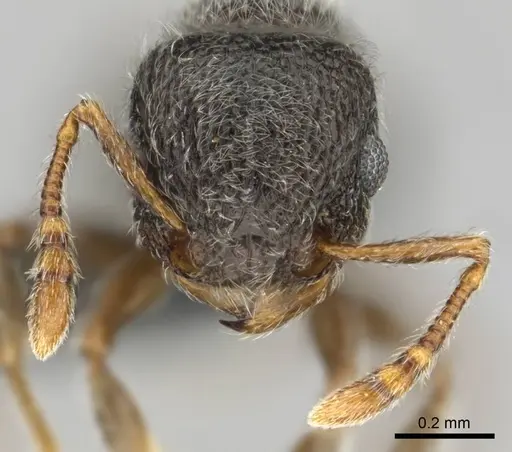
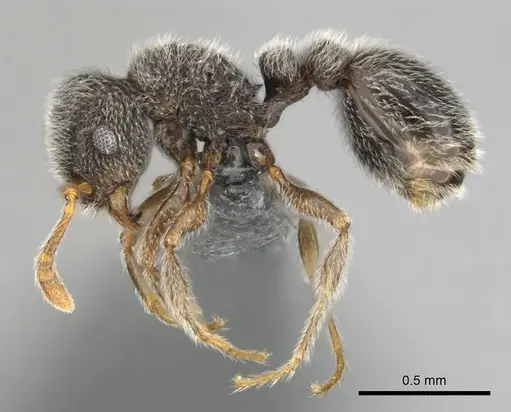
CASENT0901131
View on AntWeb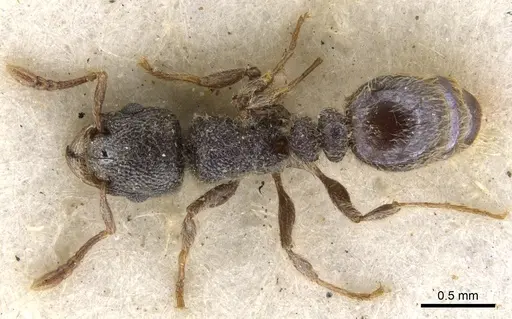
CASENT0909086
View on AntWeb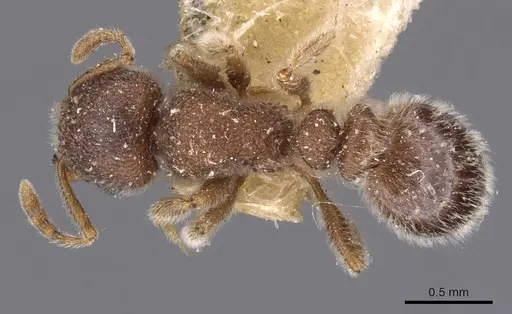
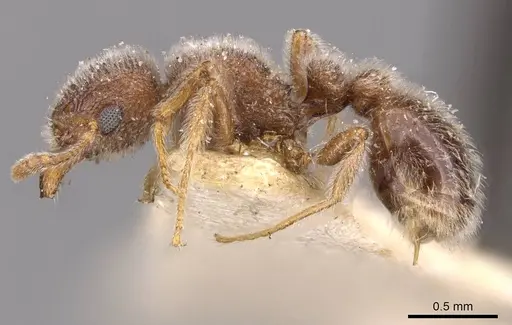
CASENT0909090
View on AntWeb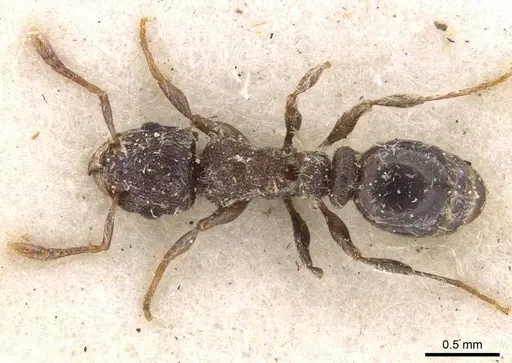
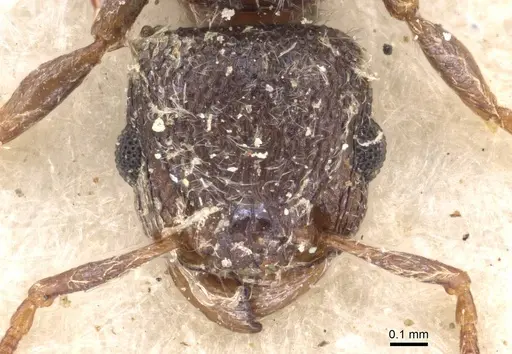
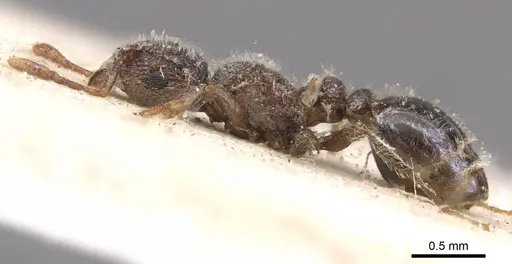
CASENT0915005
View on AntWeb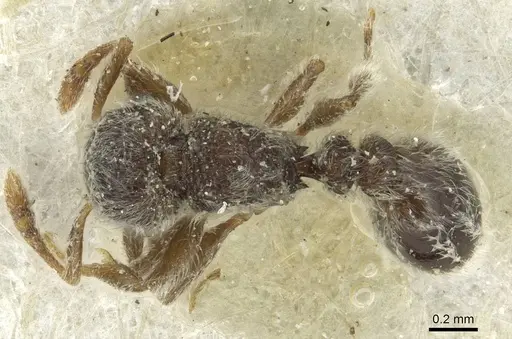
FOCOL0607
View on AntWeb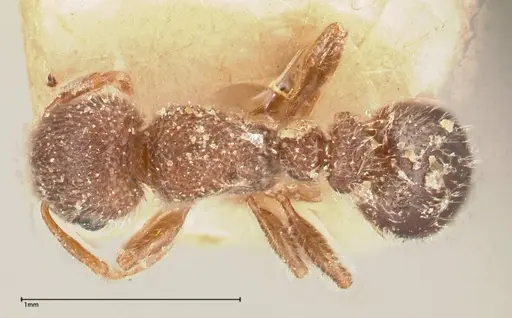
Literature
Loading distribution map...Loading products...