
Tetramorium electrum
- Sci. Name
- Tetramorium electrum
- Tribe
- Crematogastrini
- Subfamily
- Myrmicinae
- Author
- Bolton, 1979
- Distribution
- Found in 3 countries
Introduction
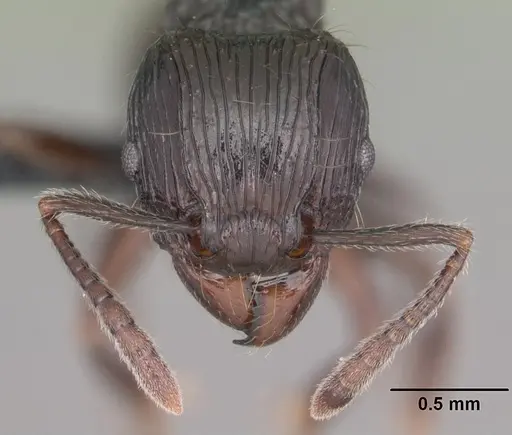
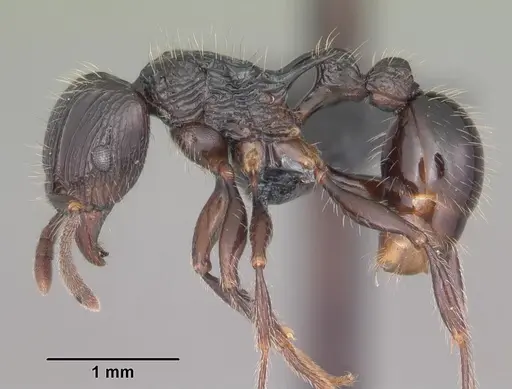
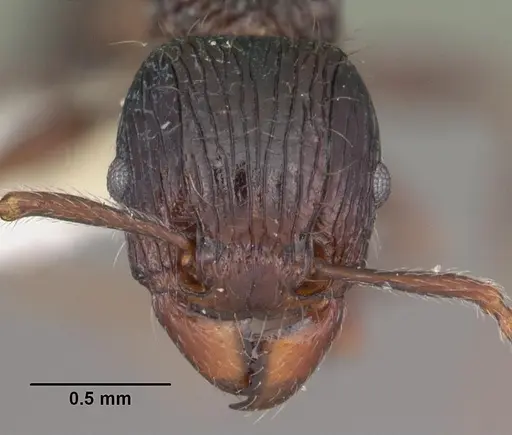
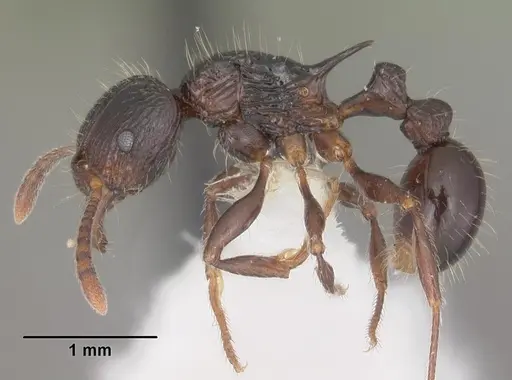
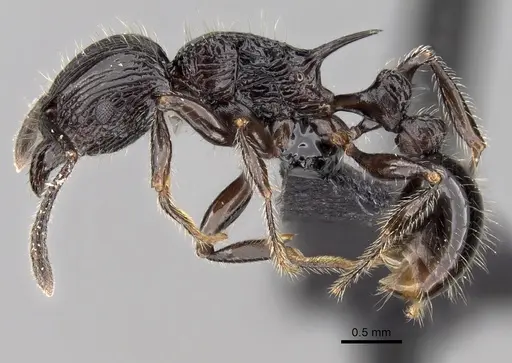
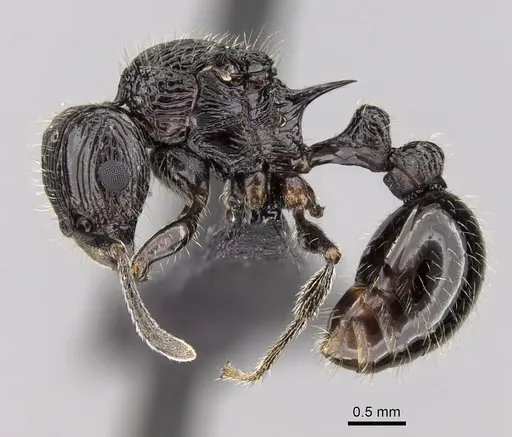
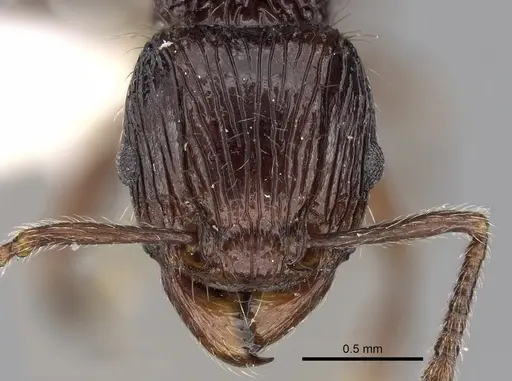
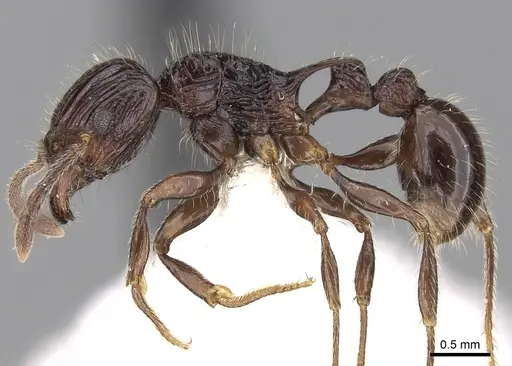
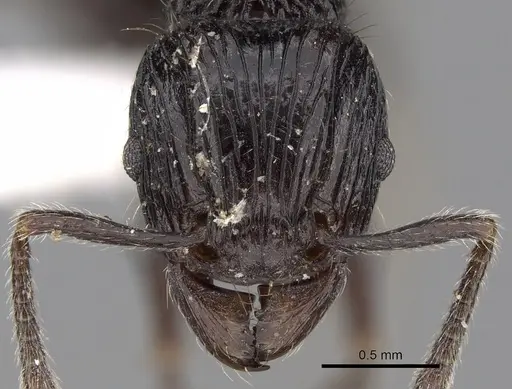
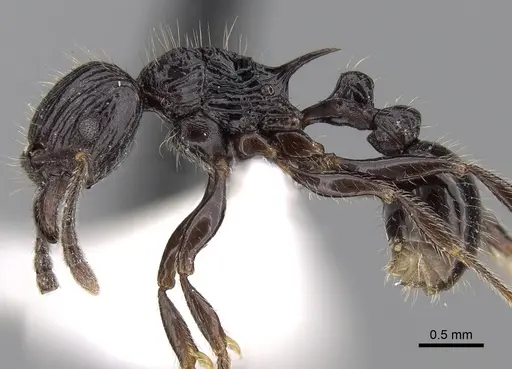
Tetramorium electrum is a small ant species native to the eastern rainforests of Madagascar. Workers are dark brown to black with very long propodeal spines (the spines on the back of the mesosoma) that are among the longest in the genus, giving them a spiky look. The petiolar node is high and narrow, and the antennae are short with small eyes . This species is one of the most common Tetramorium in Madagascar's eastern rainforests, found from Andohahela in the southeast to Marojejy in the northeast. They live in the leaf litter layer at elevations from 25 to 1080 meters . Their chemical defenses include the alkaloid iso-217B, and they are known to be eaten by Mantella frogs .
Quick Summary
- Difficulty: Medium
- Origin & Habitat: Eastern rainforests of Madagascar, from Andohahela (southeast) to Marojejy (northeast). Found at elevations 25-1080 m, preferring the leaf litter stratum of humid tropical forests [1][2].
- Colony Type: Unconfirmed, colony structure has not been documented for this species.
- Size & Growth:
- Queen: Size data unavailable (queens have not been described in the literature).
- Worker: ~3-5 mm (inferred from related Tetramorium species). Total length not recorded in available studies [1].
- Colony: Unconfirmed, no published data on colony size for this species.
- Growth: Moderate (inferred from Tetramorium genus patterns).
- Development: Estimated 6-8 weeks at optimal temperature (based on related Tetramorium species). (Development time is unconfirmed for this species specifically.)
- Antkeeping:
- Temperature: Keep at 22-26°C, these are tropical forest ants that need stable warmth. Avoid drops below 20°C.
- Humidity: High humidity is critical, these ants naturally live in the moist leaf litter layer. Keep the substrate consistently damp (not waterlogged), mimicking a rainforest floor [1][4].
- Diapause: No, as a tropical species from Madagascar, diapause is not expected. Maintain warm conditions year-round.
- Nesting: These leaf-litter dwellers prefer a naturalistic setup with a deep soil layer (5-8 cm) for tunneling. Y-tong (AAC) or plaster nests work well if humidity is kept high. Provide a dark, secure environment [1].
- Behavior: Ground-dwelling foragers that likely form trails in the leaf litter. They are not aggressive toward keepers but will defend the nest if disturbed. Escape risk is moderate, standard barriers (e.g., Fluon on test tube rims) are effective. They are not known to be particularly skittish.
- Common Issues: maintaining high humidity without mold requires good ventilation and careful watering., tropical species struggles if temperatures drop below 20°C for extended periods., limited published data means many care aspects must be inferred from related species, so observation and adjustment are important.
Natural History and Distribution
Tetramorium electrum is endemic to the eastern rainforests of Madagascar, with a range spanning from Andohahela in the southeast to Marojejy in the northeast. It inhabits the leaf litter stratum at elevations of 25 to 1080 meters, making it a ground-dwelling inhabitant of the humid forest floor [1].
Collection records show this species is most abundant at mid-elevations (around 400-800 m), suggesting it prefers the stable, moist conditions of these altitudes. It has been collected using Winkler and pitfall traps, with abundances varying by location [5][6][7]. The species is eaten by frogs of the genus Mantella, indicating its role in the local food web [3].
Identification and Morphology
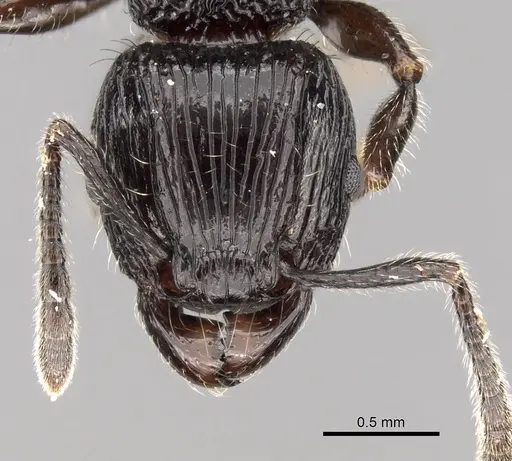
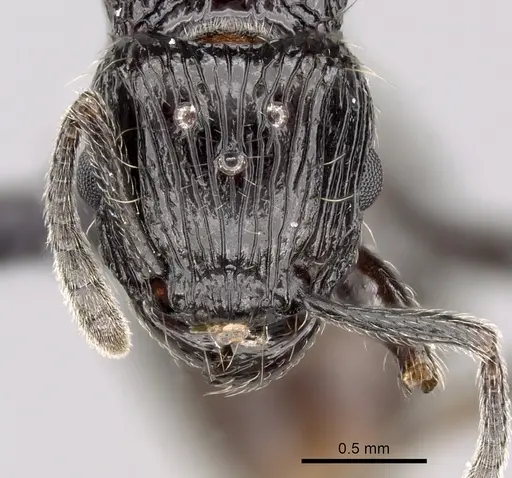
Tetramorium electrum is part of the Tetramorium tortuosum species group and is easily told apart from related species by its very long propodeal spines (the spines on the back of the mesosoma), which are among the longest in the genus. Workers are dark brown to black with a high, narrow petiolar node that tapers toward the top. The antennae are short and do not reach the back of the head, and the eyes are relatively small. The mandibles can be smooth or finely lined (striate). This combination of features makes T. electrum one of the most distinctive Tetramorium species in Madagascar [1].
Housing and Nest Setup
Since T. electrum lives in the leaf litter, they need a setup that mimics the moist forest floor. A naturalistic formicarium with a deep soil layer (at least 5-8 cm) works best, as this allows them to dig their own tunnels. Use a moisture-retaining substrate like a mix of soil and coconut fiber [1][4].
Y-tong (AAC) or plaster nests are good alternatives if humidity can be maintained, these nests hold moisture well and provide dark chambers. Always include an outworld for foraging with food and water. The nest should be kept in a dark, undisturbed spot.
Temperature and Humidity Requirements
As tropical rainforest ants, T. electrum needs warm, humid conditions year-round. Maintain temperatures between 22-26°C, a small heating cable or mat may be needed in cooler homes. Avoid letting the nest drop below 20°C for long periods.
Humidity is the critical factor, they naturally live in constantly moist leaf litter. Keep the substrate damp to the touch, but not waterlogged. A humidity level around 70-85% is ideal. Good ventilation is important to prevent mold, but avoid placing the nest in a dry draft that would lower humidity too quickly [1][4].
Feeding and Diet
Like most Tetramorium, T. electrum is probably an omnivore. In captivity, offer a constant source of sugar water or honey. For protein, provide small insects such as fruit flies, small mealworms, or cricket pieces, keep prey items small since the workers are tiny. Remove uneaten protein after 24-48 hours to prevent mold in the humid environment.
Wild individuals have been found with alkaloids (iso-217B) in their bodies, suggesting a diet that includes certain prey or plants that produce these compounds, but this is not needed in captivity [3].
Colony Development
The colony structure of T. electrum has not been studied in detail. Most Tetramorium species form single-queen colonies, but this is unconfirmed for T. electrum. Founding behavior is also undocumented, many Tetramorium are claustral (the queen seals herself in a chamber and relies on stored reserves), but this cannot be assumed.
If kept under optimal conditions, the first nanitic workers might appear about 6-8 weeks after the queen begins laying, based on related species. Colony growth is likely slow at first, then accelerates once workers help. Maximum colony size is unknown, but likely modest (a few hundred workers at most).
Frequently Asked Questions
How long does it take for Tetramorium electrum to produce first workers?
The exact timing is unconfirmed, but based on related Tetramorium species, expect first workers to appear roughly 6-8 weeks after the queen starts laying eggs, at warm temperatures around 24-26°C.
What do Tetramorium electrum ants eat?
They are probably omnivorous, offer sugar water or honey for energy, and small protein sources like fruit flies, small mealworms, or cricket pieces. Keep food small to match their size. Remove uneaten protein after a day or two to prevent mold.
Do Tetramorium electrum ants need hibernation?
No, as a tropical species from Madagascar, they do not require any winter cooling. Maintain warm temperatures (22-26°C) year-round.
What humidity level do Tetramorium electrum ants need?
High humidity is essential, aim to keep the nest substrate consistently damp (not wet). They naturally live in moist leaf litter, so dry conditions will quickly harm the colony. Use a setup that retains moisture, such as plaster or soil nests.
Can I keep Tetramorium electrum in a test tube?
Test tubes can work for starting a colony, but these ants require higher humidity than most test tube setups provide. If using a test tube, add a large water reservoir and seal it well. A naturalistic formicarium with soil or a plaster nest is more suitable for established colonies.
How big do Tetramorium electrum colonies get?
Colony size is unconfirmed, no published data exists. Based on related Tetramorium species, colonies likely reach a few hundred workers at most, but this is an estimate.
Are Tetramorium electrum ants aggressive?
They are not known to be aggressive toward keepers, but they will defend their nest if disturbed. Their sting is minor and not dangerous to humans. Standard handling precautions (e.g., using Fluon barriers) are sufficient.
What makes Tetramorium electrum easy to identify?
They have extremely long propodeal spines (the spines on the back of the mesosoma) that are among the longest in the genus, combined with a very dark brown to black body and a high, narrow petiolar node. These features set them apart from other Malagasy Tetramorium [1].
Where is Tetramorium electrum found in the wild?
It is endemic to the eastern rainforests of Madagascar, from Andohahela in the southeast to Marojejy in the northeast. They live in the leaf litter layer at elevations of 25-1080 meters [1][2].
What temperature should I keep Tetramorium electrum at?
Keep them warm at 22-26°C. These tropical ants need stable warmth, a small heating cable on one side of the nest can help, but avoid letting the whole nest drop below 20°C. They do not need a winter cooling period.
Is Tetramorium electrum good for beginners?
This species is rated medium difficulty. While not extremely challenging, their high humidity and warm temperature requirements demand more attention than hardier temperate species. Beginners should ensure they can provide consistent moisture and warmth before trying this species.
Do Tetramorium electrum ants sting?
Yes, they belong to the subfamily Myrmicinae, which has functional stingers. Their sting is likely minor and not dangerous to humans, but they will use it if threatened. The alkaloid iso-217B has been found in this species, indicating chemical defense as well [3].
Report an Issue
The current care sheet is based fully on literature. See inconsistencies, or something that's incorrect? Please , it will be resolved after review from an admin. Contributing to the blogs tab also helps providing information, to make us be able to further improve the caresheets. Thank you for your support!
References

This caresheet is licensed under CC BY-SA 4.0 .
Community Blogs
CASENT0007736
View on AntWeb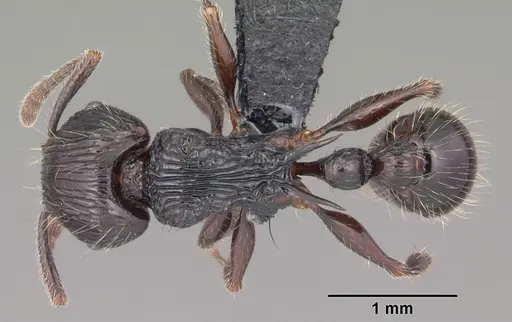
CASENT0102350
View on AntWeb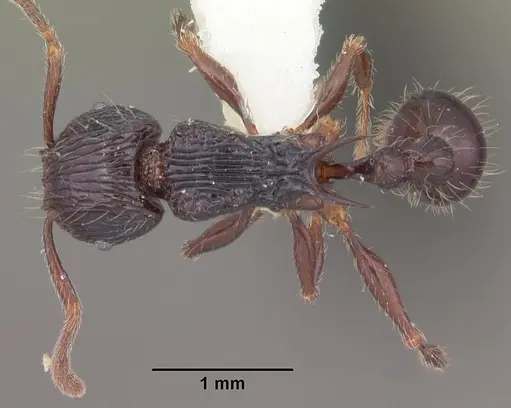
CASENT0162856
View on AntWeb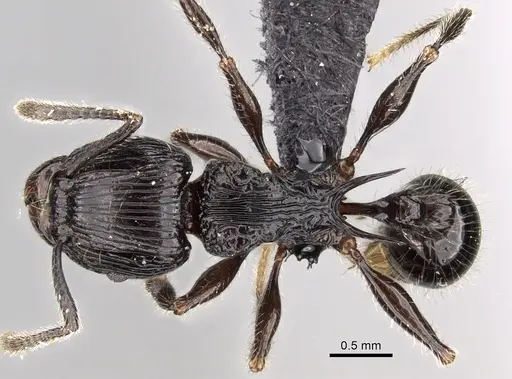
CASENT0163327
View on AntWeb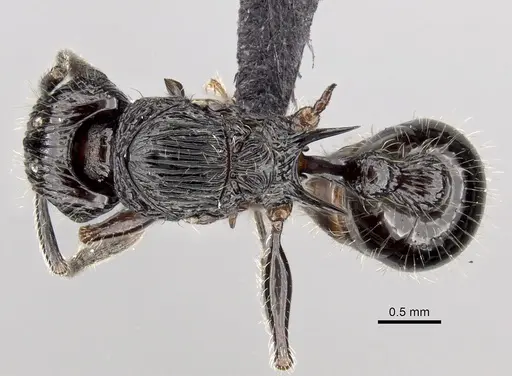
CASENT0280589
View on AntWeb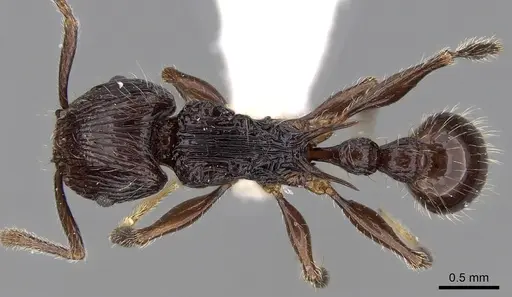
CASENT0280850
View on AntWeb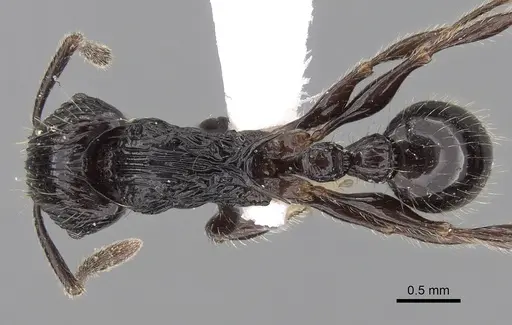
Literature
Loading distribution map...Loading products...