
Tetramorium doriae
- Sci. Name
- Tetramorium doriae
- Tribe
- Crematogastrini
- Subfamily
- Myrmicinae
- Author
- Emery, 1881
- Distribution
- Found in 2 countries
Introduction
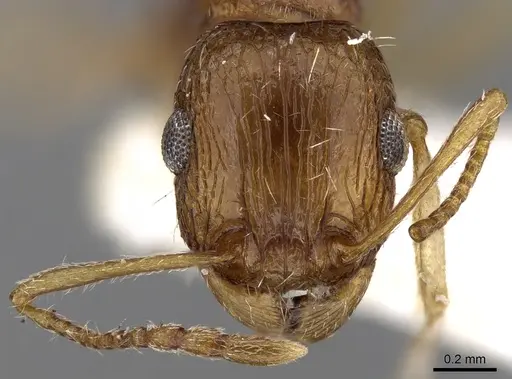
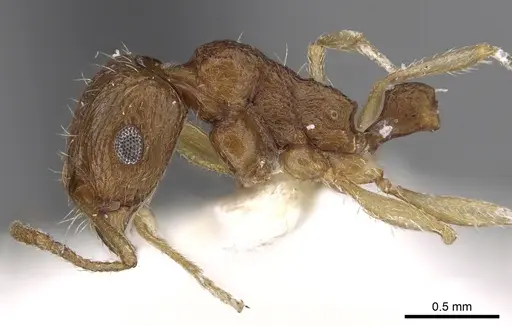
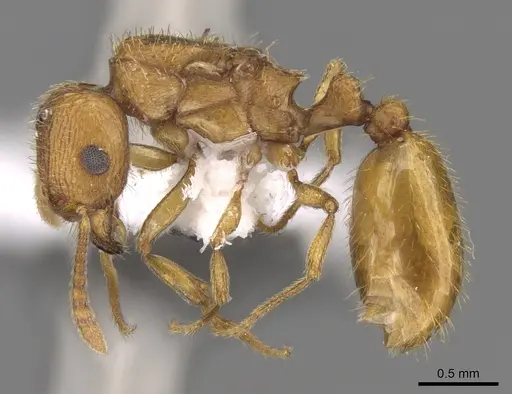
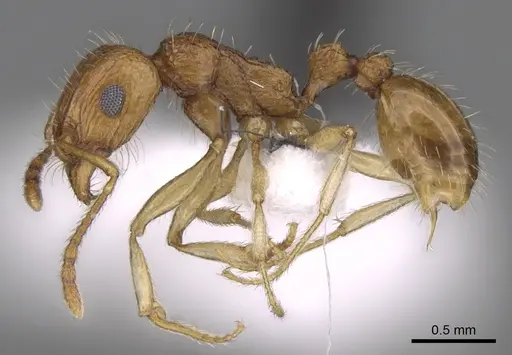
Tetramorium doriae is a small myrmicine ant with workers measuring 3.2-3.8mm in total length, showing a yellowish brown to mid-brown coloration . The species belongs to the setigerum group and is characterized by its very weakly developed frontal carinae, reduced propodeal armament (essentially unarmed with at most tiny denticles), and relatively large eyes . This ant forms a closely related species-pair with Tetramorium gracile, from which it is separated by differences in pronotal sculpture - T. doriae displays a partial or complete rugoreticulum pattern . The species is native to Northeast Africa and the Arabian Peninsula, with confirmed populations in Eritrea, Ethiopia, Saudi Arabia, United Arab Emirates, Oman, and Yemen . Despite being described in 1881,the biology of T. doriae remains poorly documented. No research exists on its colony structure, founding behavior, diet, or seasonal patterns . This makes it one of the least documented species in the hobby, though related Tetramorium species suggest it is likely a generalist forager with claustral founding. Keepers must rely on genus-level patterns and careful observation when establishing care protocols.
Quick Summary
- Difficulty: Medium
- Origin & Habitat: Native to Northeast Africa and the Arabian Peninsula, including Eritrea, Ethiopia, Saudi Arabia, UAE, Oman, and Yemen. Found in warm, arid to semi-arid environments [3][4][1].
- Colony Type: Unconfirmed colony structure, likely single-queen (monogyne) based on typical Tetramorium patterns, but no direct observations exist for this species.
- Size & Growth:
- Queen: Unknown, not described in original species description or subsequent literature
- Worker: 3.2-3.8mm [1]
- Colony: Unknown, no colony size data exists for this species
- Growth: Unknown, estimated moderate based on related Tetramorium species
- Development: Unknown, estimated 6-8 weeks at optimal temperature based on genus-level patterns for small Myrmicinae in warm climates (No direct development data exists. Estimates based on typical Tetramorium growth patterns rather than species-specific research.)
- Antkeeping:
- Temperature: Estimated 22-28°C based on native range in warm African/Arabian regions. Provide a temperature gradient allowing workers to self-regulate. Related species from similar climates suggest they tolerate higher temperatures well.
- Humidity: Low to moderate, native to arid/semi-arid regions. Keep nest substrate moderately dry with a small moist area available. Avoid overly damp conditions.
- Diapause: Unknown, likely reduced activity during cooler months but not a true hibernation given the tropical/subtropical range. Monitor for seasonal slowdowns.
- Nesting: Natural nesting habits unconfirmed. Likely nests in soil under stones or in shallow ground cavities in warm, dry areas. In captivity, standard test tubes or small plaster or Ytong nests work well. Provide a dry to moderately moist substrate.
- Behavior: T. doriae belongs to the Myrmicinae subfamily, tribe Crematogastrini, which uses a smear defense mechanism: a modified flattened stinger to wipe venom onto enemies rather than piercing. The unarmed propodeum confirms limited active defense. Specific behavior is unstudied, but Tetramorium species are typically generalist foragers actively searching for protein and sugar sources. Workers are small (3.2-3.8mm), so escape prevention is standard, use Fluon or oil barriers. Expect moderate foraging activity and typical Myrmicinae behavior.
- Common Issues: completely unstudied biology means care is based on genus inference rather than species-specific research, no documented colony size limits, keepers have no reference for expected growth, unknown founding behavior, may require different approach than typical claustral species if semi-claustrally reproducing, no data on nuptial flight timing or seasonal reproduction patterns, lack of documented diet acceptance means keepers must experiment with food types
Appearance and Identification
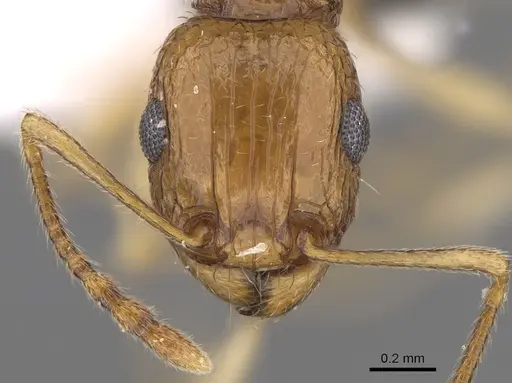
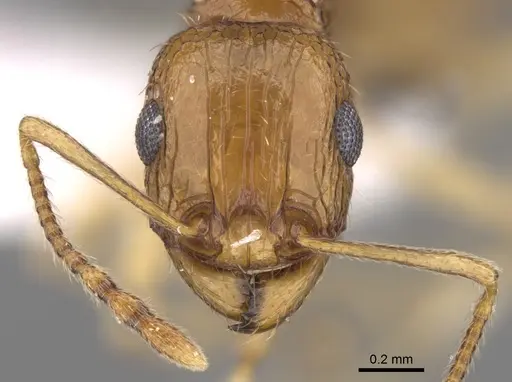
Workers of Tetramorium doriae measure 3.2-3.8mm in total length [1]. They have a yellowish brown to mid-brown coloration. The frontal carinae (ridges near the antennae) are very weakly developed, no stronger than the surrounding head sculpture. The eyes are relatively large. The propodeum lacks spines, being essentially unarmed with at most minute denticles at the junction of dorsal and declivous surfaces [2]. The petiole node is long compared to its height. The pronotum shows a partial or complete network of ridges (rugoreticulum), which separates this species from the similar Tetramorium gracile where the promesonotum is predominantly unsculptured [1]. Mandibles are longitudinally striate, and the anterior clypeal margin is entire without a median notch [1].
Distribution and Native Habitat
Tetramorium doriae is found across the Horn of Africa and Arabian Peninsula. Confirmed locations include Eritrea (type locality Assab), Ethiopia, Saudi Arabia, Yemen, United Arab Emirates, and Oman [5][6][3][4][1]. The original description came from 'Arabia' with the type series collected in Assab, Eritrea, in January 1880 by G. Doria [5][6]. Specimens have been recorded from Abu Dhabi in the UAE, representing a new record for that country [3]. This distribution pattern suggests the species thrives in warm, arid to semi-arid environments typical of the Saharo-Arabian region.
Nest Preferences and Housing
Natural nesting behavior is completely unstudied for this species [1]. Based on typical habits of Tetramorium ants in arid regions, they likely nest in soil under stones or in shallow ground cavities where temperatures are stable. The unarmed propodeum is consistent with species that nest in protected microhabitats. For captive care, standard test tube setups work well for founding colonies. Given the small worker size (3.2-3.8mm), the water reservoir should be appropriately scaled. Provide a nest area that stays relatively dry with only a small moisture zone, avoid damp conditions. A small outworld area allows for foraging. Observe your colony's behavior and adjust humidity based on their activity levels.
Feeding and Diet
Diet preferences are unconfirmed for Tetramorium doriae [1]. As a Tetramorium species in the Myrmicinae subfamily, they are likely generalist foragers that accept both protein sources (dead insects, small arthropods) and carbohydrate sources (honey, sugar water). Related Tetramorium species are omnivorous, scavenging and hunting small invertebrates. Start with standard ant foods: small protein items like fruit flies, pinhead crickets, or mealworm pieces, along with a constant sugar source. Since nothing is documented about their preferences, be prepared to experiment. The small worker size (3.2-3.8mm) means prey items should be appropriately sized, not larger than the ants themselves. Remove uneaten food promptly to prevent mold in a relatively dry nest environment.
Temperature and Seasonal Care
Given the native range across Northeast Africa and the Arabian Peninsula, Tetramorium doriae clearly thrives in warm conditions. Estimate an optimal range of 22-28°C based on the hot climates of Eritrea, Saudi Arabia, and UAE where specimens have been collected [3][4]. Provide a temperature gradient so workers can self-regulate, a heating cable on one side of the nest creating a warm zone works well. The species has been recorded in the UAE and Saudi Arabia, regions where summer temperatures regularly exceed 40°C, suggesting high heat tolerance. Regarding diapause: the native range does not experience true winters, so expect year-round activity with perhaps reduced foraging during cooler months. Monitor your colony, if they become less active in winter, lower temperatures slightly but do not induce a full hibernation. No research exists on their exact seasonal requirements.
Behavior and Temperament
Specific behavioral observations do not exist in the scientific literature for this species [1]. However, Tetramorium ants generally display typical Myrmicinae behavior: active foraging, moderate aggression when defending the nest, and generalist feeding habits. The small worker size (3.2-3.8mm) suggests they are not major defenders, the unarmed propodeum further indicates limited direct defensive capabilities. Tetramorium doriae belongs to tribe Crematogastrini, which uses a smear defense mechanism: a modified flattened stinger to wipe venom onto enemies rather than piercing. This makes them less dangerous than stinging ants. Workers likely forage individually or in small groups rather than forming large raiding columns. Escape risk is moderate, use standard barriers like Fluon or oil. The lack of documented aggressive behavior suggests they are not a danger to keepers, though all ants can bite if provoked. As with any unstudied species, observe your colony closely and document any behaviors that could help future keepers.
Frequently Asked Questions
How long does it take for Tetramorium doriae to raise their first workers?
The egg-to-worker timeline is completely unstudied for this species [1]. Based on typical Tetramorium growth patterns and the small worker size (3.2-3.8mm), estimate approximately 6-8 weeks at optimal warm temperatures. However, this is a rough guess, actual development time could be faster or slower depending on exact temperature and diet. Be patient with founding colonies and do not disturb the queen during the founding phase.
What do Tetramorium doriae ants eat?
Diet is unconfirmed for this species [1]. Based on typical Tetramorium behavior, they likely accept both protein (small insects, arthropods) and carbohydrates (honey, sugar water). Start with small protein items appropriately sized for 3.2-3.8mm workers, along with a constant sugar source. Remove uneaten food promptly. Since nothing is documented, you may need to experiment to determine their preferences.
Can I keep Tetramorium doriae in a test tube?
Yes, test tubes are appropriate for founding colonies of this small species (3.2-3.8mm workers). Use a properly sized water reservoir, not too large to avoid flooding the colony. Provide a dry to moderately moist cotton ball. Once the colony grows, consider moving to a small plaster or Ytong nest or naturalistic setup. The lack of documented biology means you should monitor for any issues and adjust accordingly.
Do Tetramorium doriae ants sting?
Tetramorium doriae belongs to the Myrmicinae subfamily, which generally have functional stingers. However, this species uses a smear defense mechanism typical of its tribe Crematogastrini: a modified flattened stinger to wipe venom onto enemies rather than piercing. The stinging behavior has not been documented. As with any ant, they may bite or sting if threatened, but the small size means any sting would be mild.
How big do Tetramorium doriae colonies get?
Colony size is completely unstudied, no maximum worker count exists in the scientific literature [1]. Related Tetramorium species in similar habitats typically reach colony sizes of several hundred to a few thousand workers. Expect moderate colony growth over months to years. The lack of data means your colony could exceed typical expectations, document your observations to help build knowledge for this poorly studied species.
What temperature do Tetramorium doriae ants need?
Based on their native range in warm African and Arabian regions, estimate an optimal range of 22-28°C [3][4]. Provide a temperature gradient so workers can choose their preferred zone. The species has been recorded in the UAE and Saudi Arabia where summer heat is extreme, suggesting good heat tolerance. Avoid cold temperatures, they are not suited for hibernation in unheated spaces.
Do Tetramorium doriae need hibernation or diapause?
Diapause requirements are unknown [1]. Their native range in Northeast Africa and Arabia does not experience true winters, so a hibernation period is likely not necessary. You may observe reduced activity during cooler months, but this is not a required diapause. Keep them at stable room temperature year-round (around 24-26°C) and monitor for any seasonal changes in behavior.
Is Tetramorium doriae suitable for beginners?
This species is not recommended for beginners due to the complete lack of documented biology [1]. Every aspect of care must be inferred from genus-level patterns rather than species-specific research. Experienced antkeepers who can adapt to unknown requirements and experiment with care conditions would be better suited for this species. If you do keep them, document your observations carefully to help build knowledge for this rare species in the hobby.
Can I keep multiple Tetramorium doriae queens together?
Colony structure is unconfirmed [1]. No research exists on whether this species is monogyne (single queen) or polygyne (multiple queens). Based on typical Tetramorium patterns, they are likely single-queen colonies. Do not attempt combining unrelated queens without understanding their social structure, this could result in fighting and colony loss.
Why is my Tetramorium doriae colony not growing?
Growth issues could stem from multiple factors since we lack species-specific knowledge [1]. Check that temperatures are in the estimated 22-28°C range. Ensure adequate protein is being offered and consumed. The founding phase can be slow, queens may take months to produce first workers. If workers are dying, examine for mold from excessive moisture (they prefer drier conditions) or starvation. The lack of documented biology means you may need to experiment with conditions to find what works.
Report an Issue
The current care sheet is based fully on literature. See inconsistencies, or something that's incorrect? Please , it will be resolved after review from an admin. Contributing to the blogs tab also helps providing information, to make us be able to further improve the caresheets. Thank you for your support!
References

This caresheet is licensed under CC BY-SA 4.0 .
Community Blogs
CASENT0280911
View on AntWeb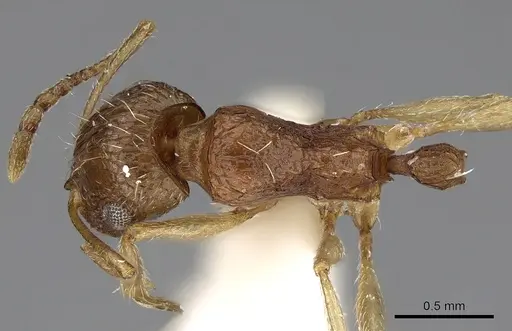
CASENT0904844
View on AntWeb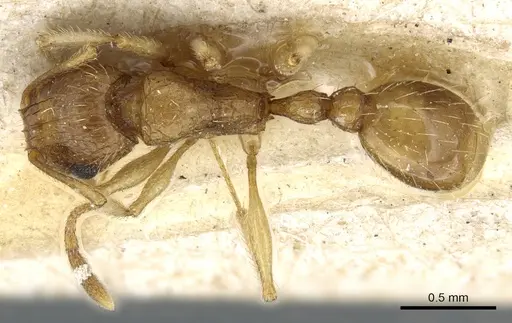
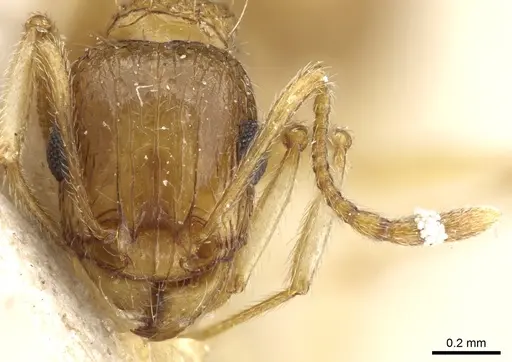
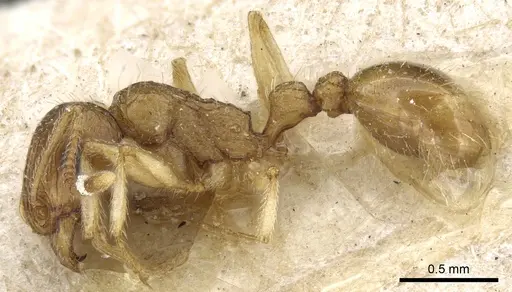
CASENT0906438
View on AntWeb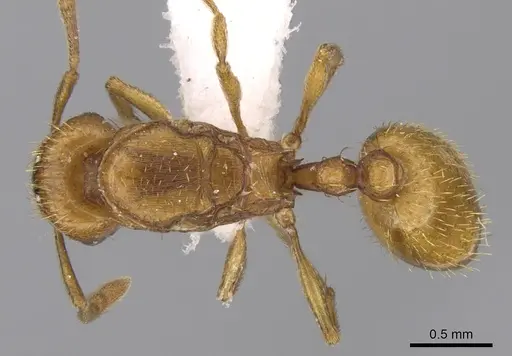
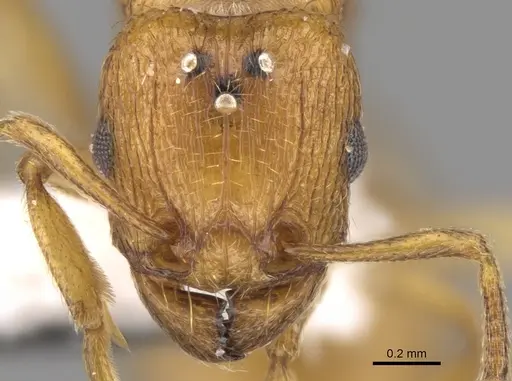
CASENT0906488
View on AntWeb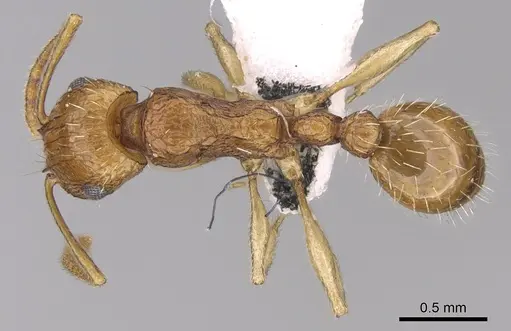
Literature
Loading distribution map...Loading products...