
Tetramorium diomedeum
- Sci. Name
- Tetramorium diomedeum
- Tribe
- Crematogastrini
- Subfamily
- Myrmicinae
- Author
- Emery, 1908
- Distribution
- Found in 6 countries
Introduction
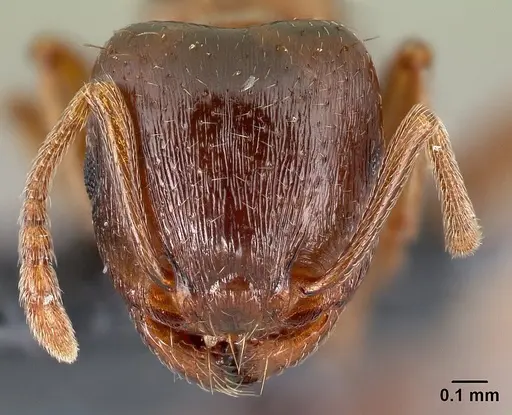
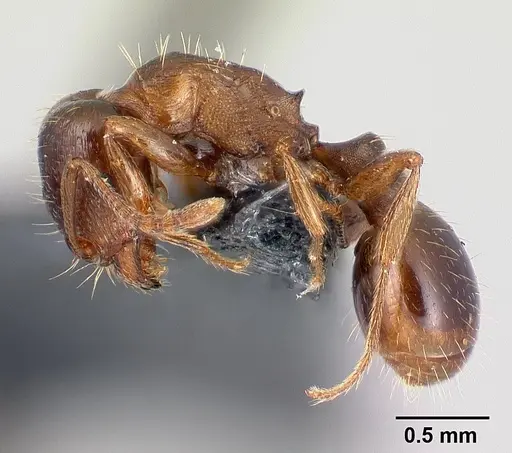
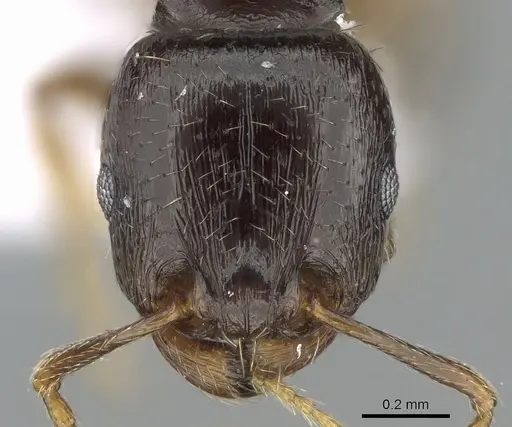
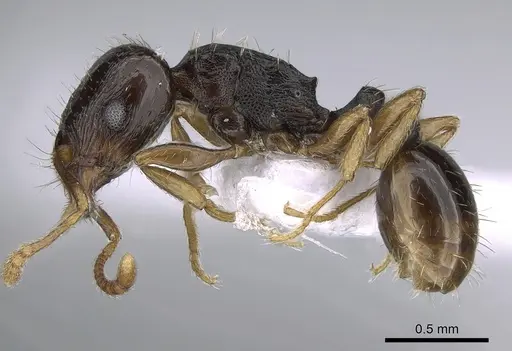
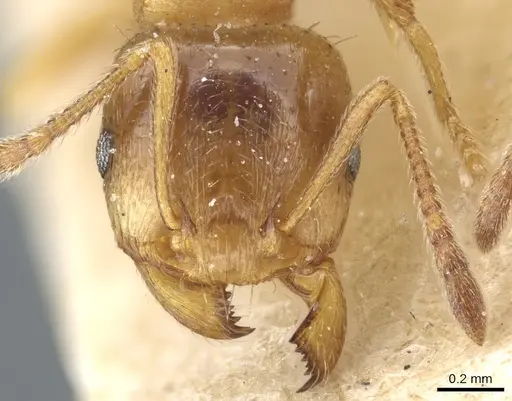
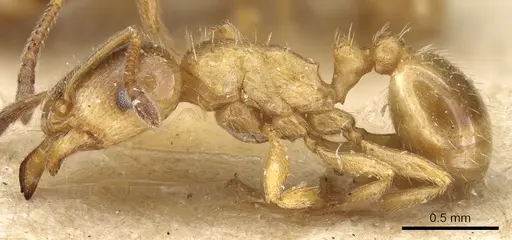
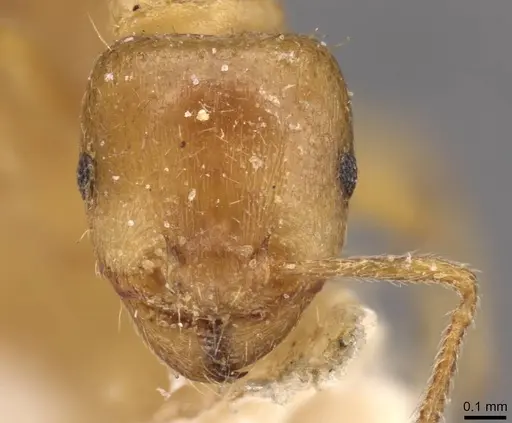
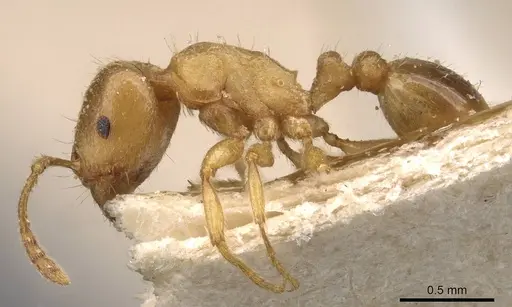
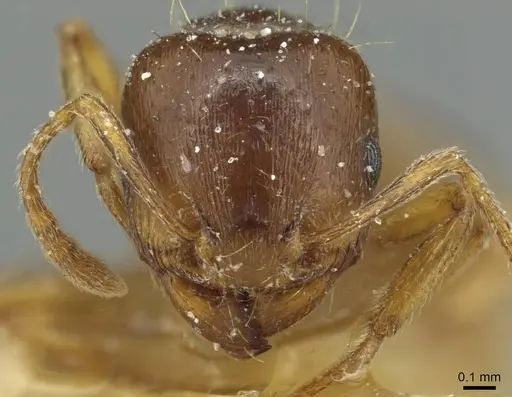
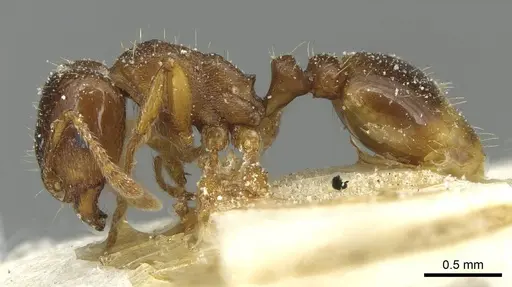
Tetramorium diomedeum is a small to medium-sized ant from the eastern Mediterranean, found in Italy, Croatia, Bulgaria, Turkey, Greece, and many islands including Crete and Rhodes . Workers are yellow to brown with a shiny, smooth head that sets them apart from similar species . Queens are slightly larger and share the pale coloration, often light brown or yellow . This species is a host for the social parasites Strongylognathus testaceus, Strongylognathus karawajewi, and Anergates atratulus, meaning your colony may occasionally be visited by these guest ants . Colonies are monogyne - they have a single queen . Very little else is known about their biology .
Quick Summary
- Difficulty: Medium
- Origin & Habitat: Eastern Mediterranean region: Italy, Croatia, Bulgaria, Turkey, Greece, and Mediterranean islands [1][2]. Inhabits open habitats like phryganas (Mediterranean scrubland) and nests in soil, usually under stones that are overgrown by vegetation [6].
- Colony Type: Monogyne, single queen colonies [6]. No records of multiple queens or ergatoid reproductives exist in the available literature.
- Size & Growth:
- Queen: Body size not directly measured, based on head size data and related Tetramorium, total length is estimated at ~3-4 mm
- Worker: Body size not directly measured, based on head size data and related Tetramorium, total length is estimated at ~2-3 mm
- Colony: Unknown from published data. Related Tetramorium reach several hundred workers, but no specific data for this species.
- Growth: Unknown, no specific data available
- Development: Unknown, no published data on development time for this species (Based on related Tetramorium, development likely takes several weeks at warm temperatures, but this is unconfirmed.)
- Antkeeping:
- Temperature: As a Mediterranean species, keep at 22-26°C during the active season. A slight temperature gradient is recommended. Avoid prolonged cold except during diapause.
- Humidity: Moderate, nest substrate should be kept slightly moist but not wet. These ants live under stones in dry scrubland, so they tolerate drier conditions than many Myrmicinae. Allow the nest to have a dry area.
- Diapause: Yes, as a temperate Mediterranean species, a winter diapause at 10-15°C for 2-3 months (November-February) is recommended to mimic natural seasonal cycles.
- Nesting: Naturalistic setup with soil, stones, and tight chambers works well. In captivity, a Y-tong (AAC) nest or plaster nest with a water chamber is suitable. Provide a shallow layer of substrate if desired [6].
- Behavior: Generally peaceful and not aggressive. Workers forage actively during the day and night. They have a modified stinger for smearing venom (subfamily Myrmicinae, tribe Crematogastrini) but it is rarely used against humans and is not painful. Despite their small size (under 3 mm), they are not strong climbers, but standard escape prevention (Fluon on rims) is essential, small ants can easily escape if gaps are present. They accept a varied diet of small insects and sugary foods.
- Common Issues: colonies may grow slowly due to unknown founding behavior and lack of published development data, patience is required., social parasites (Strongylognathus spp., Tetramorium atratulum) may appear, inspect closely and remove if they stress the host colony [4][5]., small size makes them prone to escaping through tiny gaps, use tight-sealing outworlds and regular escape prevention measures., overfeeding can lead to mold, remove uneaten food after 24 hours., hibernation timing and duration are not well-studied, observe colony activity and adjust slowly.
Housing and Nest Setup
Because founding behavior is unconfirmed, the best starting setup is unknown. A test tube with a water reservoir is a safe choice for a potential claustral queen, as it offers a humidity gradient. Once the colony grows (size unknown), a Y-tong (AAC) nest or plaster nest with small chambers works well, these ants naturally nest under stones in tight spaces [6]. For the outworld, use a container with tight-fitting lid and apply Fluon or PTFE to the upper walls, workers are small and can climb smooth surfaces. Provide a shallow water dish and feeding area. The nest area should have some substrate (like soil or sand) to allow natural digging if the colony desires.
Feeding and Diet
Like most Tetramorium, Tetramorium diomedeum is omnivorous. Offer small insects (e.g., fruit flies, pinhead crickets) for protein, and sugar water, honey, or diluted syrup for carbohydrates. Provide protein 2-3 times per week and constant access to sugar water, refreshed every 2-3 days. In the wild, they likely forage on small arthropods and tend aphids for honeydew. Remove uneaten prey after 24 hours to prevent mold. Since specific dietary preferences are unknown, observe what your colony accepts and vary the menu [3].
Temperature and Seasonal Care
Keep your colony at 22-26°C during the active season (spring to autumn). They are Mediterranean ants adapted to warm conditions. During winter (roughly November to February in the northern hemisphere), mimic the natural cool period by moving the colony to a location with 10-15°C. This diapause period of 2-3 months helps maintain long-term colony health. Ensure some moisture remains in the nest during hibernation, but do not feed. Return to warmth gradually in spring by stepping up temperature over a week.
Colony Development
Very little is known about colony development in this species. Published data only confirm that colonies are monogyne [6]. The queen likely raises the first brood alone, but whether she feeds during this period is unknown, founding type is unconfirmed. The time from egg to first worker, growth rate, and maximum colony size are all undocumented. Based on related Tetramorium, colonies may grow slowly and reach several hundred workers after a few years, but this is speculation. Patience is essential, and you should record your own observations to contribute to our knowledge [3].
Behavior and Temperament
Tetramorium diomedeum workers are generally calm and not aggressive. They forage actively in the outworld and tend brood in the nest. Their defense mechanism is typical of the tribe Crematogastrini: they have a modified flattened stinger used to smear venom onto enemies, rather than sting by piercing. This venom is not considered medically significant to humans. Workers may retreat into the nest when disturbed. They are not known to be strong climbers, but their small size means they can squeeze through tiny openings, always seal your setup carefully. No specific aggression toward other ant species has been reported [3].
Frequently Asked Questions
How long does it take for Tetramorium diomedeum to raise first workers?
Unknown. This has not been studied. Based on related Tetramorium, it might take several weeks at warm temperatures, but we have no specific data.
Can I keep multiple Tetramorium diomedeum queens together?
No, this species is monogyne, meaning only one queen per colony [6]. Combining queens will likely lead to fighting.
Do Tetramorium diomedeum ants sting?
They have a stinger but use it to smear venom (smear defense), not to pierce. The venom is not painful to humans and there are no reports of significant reactions. They are considered harmless.
What do Tetramorium diomedeum eat?
They are omnivorous. Offer small insects (fruit flies, pinhead crickets) for protein and sugar water, honey, or diluted syrup for carbohydrates. Provide protein 2-3 times per week and constant access to sugar water [3].
Do they need hibernation?
Yes, as a temperate Mediterranean species, a winter diapause at 10-15°C for 2-3 months is recommended to maintain colony health. Keep them cool from roughly November to February and do not feed during this period.
How big do Tetramorium diomedeum colonies get?
Unknown, no published data on colony size. Related Tetramorium reach several hundred workers, but this is speculative for Tetramorium diomedeum.
Are Tetramorium diomedeum good for beginners?
They are moderately difficult because so little is known about their specific requirements. The unknown founding type and development timeline require patience and observation. Their peaceful nature is a plus, but the need for a winter diapause adds complexity. Not recommended for absolute beginners.
Why are there tiny ants in my colony that look different?
They might be social parasites from the genus Strongylognathus (e.g., Strongylognathus testaceus or Strongylognathus karawajewi) or Tetramorium atratulum, which are known to parasitize this species [4][5]. These parasites are smaller and behave differently. Monitor your colony, if they become numerous, they may harm your ants. Removal is recommended if stress is observed.
When should I move my colony to a formicarium?
No specific data. Watch the colony and move them when the test tube becomes crowded (judge by worker numbers and brood space). A Y-tong or plaster nest with small chambers works well. Ensure the new nest has suitable humidity and tight spaces [3].
Report an Issue
The current care sheet is based fully on literature. See inconsistencies, or something that's incorrect? Please , it will be resolved after review from an admin. Contributing to the blogs tab also helps providing information, to make us be able to further improve the caresheets. Thank you for your support!
References

This caresheet is licensed under CC BY-SA 4.0 .
Community Blogs
CASENT0179899
View on AntWeb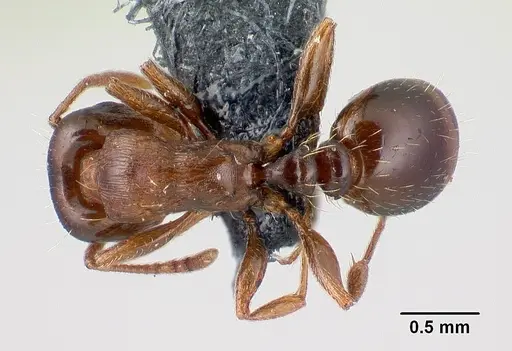
CASENT0281568
View on AntWeb
CASENT0904807
View on AntWeb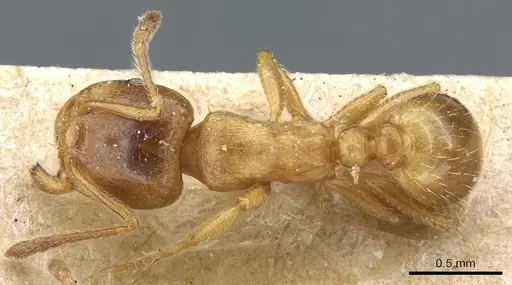
CASENT0909106
View on AntWeb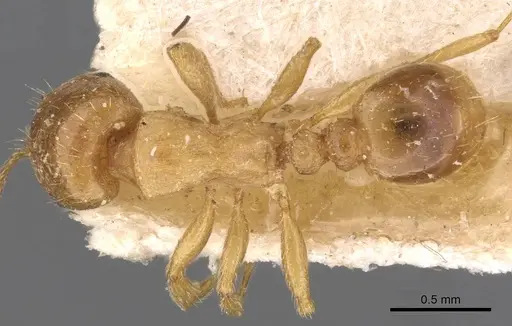
CASENT0915009
View on AntWeb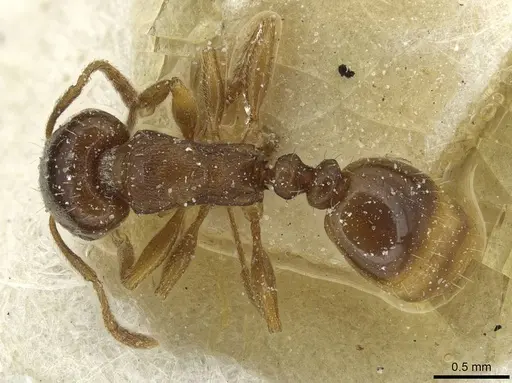
Literature
Loading distribution map...Loading products...