
Tetramorium depressum
- Sci. Name
- Tetramorium depressum
- Tribe
- Crematogastrini
- Subfamily
- Myrmicinae
- Author
- Forel, 1892
- Distribution
- Found in 1 countries
Introduction
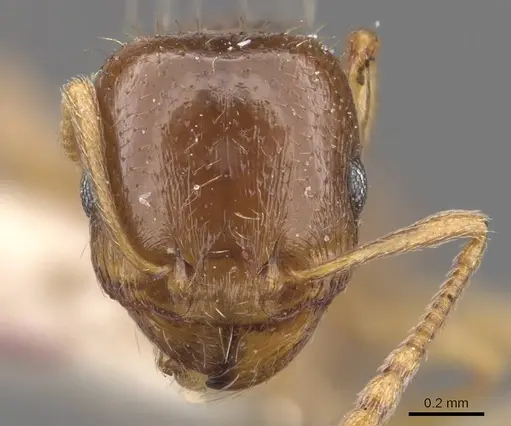
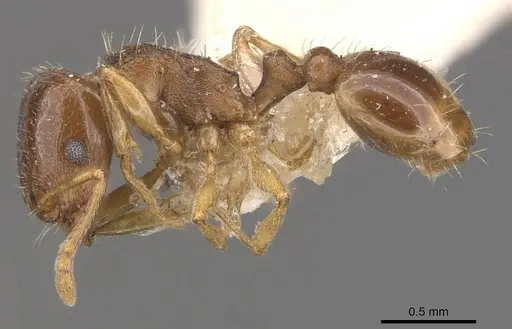
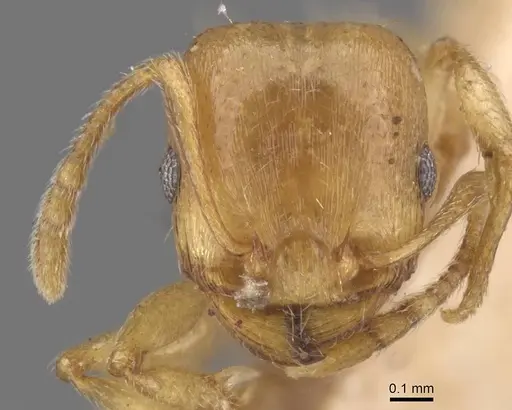
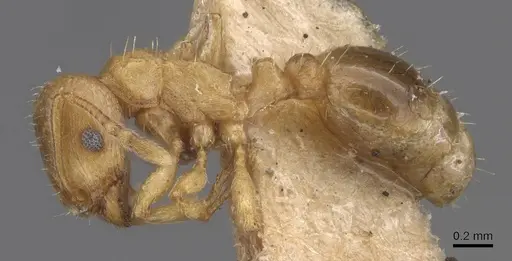
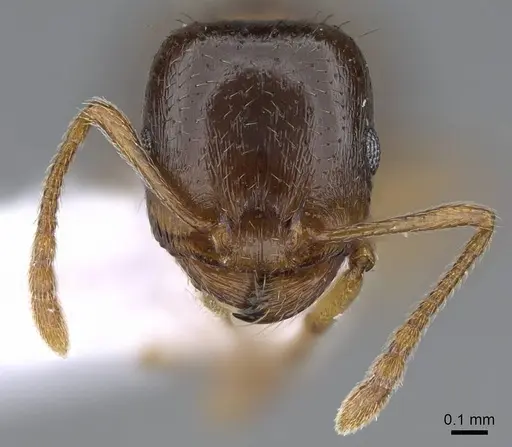
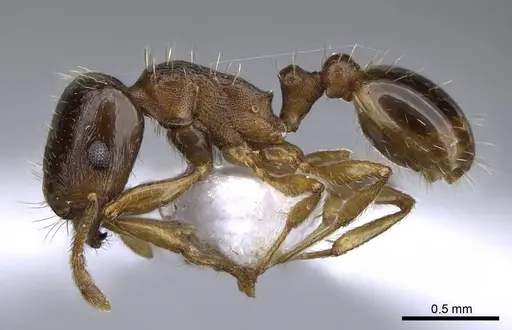
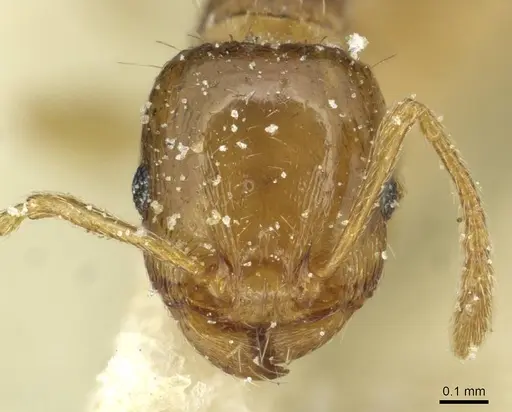
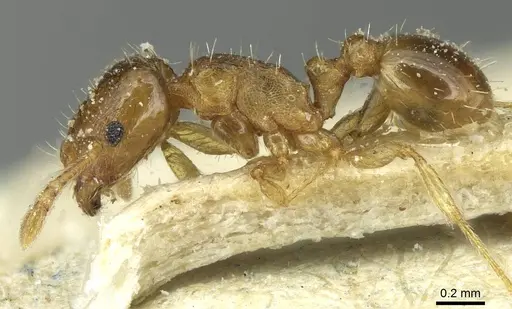
Tetramorium depressum is a small, dark ant endemic to the Canary Islands, found on El Hierro, Fuerteventura, and Lanzarote. They were originally described as a subspecies of *Tetramorium semilaeve* and were raised to full species status in 2007 based on differences in male genitalia and head sculpture . These ants nest under stones and are most successful at higher elevations (up to 1300 m), where they form big, populous colonies. In dry coastal areas, colonies are sparse and appear unhealthy . Workers are around 3-4 mm in length, with a somewhat flattened body (as the name suggests) and likely dark reddish-brown to black coloration. The species is not aggressive and uses a smearing venom defense, typical of the Crematogastrini tribe.
Quick Summary
- Difficulty: Easy
- Origin & Habitat: Endemic to the Canary Islands (El Hierro, Fuerteventura, Lanzarote). Found from 20 to 1300 m elevation in the Palaearctic region. They prefer rocky, shaded areas under stones, with colonies thriving in cooler, higher areas and struggling in dry coastal zones [1][2].
- Colony Type: Likely single-queen colonies (monogyne), inferred from typical *Tetramorium* patterns. Colony size can reach several hundred workers in established nests.
- Size & Growth:
- Queen: Approximately 5-6 mm, based on typical *Tetramorium* queen sizes (not measured directly for this species).
- Worker: Approximately 3-4 mm, based on small size noted in lowland populations and typical *Tetramorium* workers [1].
- Colony: Big, populous nests at higher altitudes, likely several hundred workers [1].
- Growth: Moderate
- Development: Estimated 6-8 weeks at optimal temperature, based on typical *Tetramorium* development (specific data for this species unavailable). (Development time inferred from genus-wide data, exact timing for *T. depressum* is unconfirmed.)
- Antkeeping:
- Temperature: Keep at 20-26°C, with room temperature (~22°C) ideal. Based on their Canary Islands origin, they tolerate cooler conditions better than heat. Avoid prolonged temperatures above 30°C [1].
- Humidity: Keep the nest substrate on the drier side. Since they naturally nest under stones in well-drained areas, avoid saturation. Provide a dry zone and a slightly moist zone so the ants can choose. Overly wet conditions lead to mold and stress.
- Diapause: Unconfirmed. Canary Islands have mild winters, so true hibernation may not be required. However, a brief cool period (15-18°C for 4-6 weeks) during winter may benefit colony health, though this is undocumented for this species.
- Nesting: Natural nesting under stones translates well to captivity. Y-tong (AAC) nests or plaster nests work well. Provide a shallow water reservoir and keep the nest relatively dry. A naturalistic setup with flat stones or slate as the nesting surface mimics their wild habitat.
- Behavior: Generally peaceful and non-aggressive. Workers are active foragers that search for seeds, small insects, and honeydew. Their primary defense is smearing venom using a flattened stinger (Crematogastrini tribe). Escape risk is moderate to high, workers are small (~3-4 mm) and can squeeze through tiny gaps, use tight-fitting lids or fluon barriers.
- Common Issues: coastal wild populations are weak, so maintain stable, cool conditions to avoid stressing your colony., overwatering leads to mold and can kill the colony, keep the nest relatively dry., colony growth is slow at first, be patient during founding, as the queen may take months to raise her first workers., small workers can easily escape, ensure the outworld is escape-proof.
Origin and Natural Habitat
Tetramorium depressum is a Canary Islands endemic, found on El Hierro, Fuerteventura, and Lanzarote [2]. The species was originally described by Forel in 1892 as a subspecies of T. semilaeve and was elevated to full species status in 2007 by Espadaler [1]. They inhabit elevations from 20 to 1300 m, with the largest and most vigorous colonies found at higher altitudes where conditions are cooler and more humid. These ants nest under stones, which provides protection from the sun and helps maintain stable temperature and humidity in the nest chamber [1]. Coastal populations in drier areas tend to be smaller and appear stressed, with fewer workers [1]. This preference for elevated, cooler habitats is important to replicate in captivity.
Housing and Nest Setup
These ants do well in Y-tong (AAC) nests or plaster nests that allow for moderate humidity control. A naturalistic setup with flat stones or slate as the nesting surface works well, since they naturally nest under stones in the wild. The nest should have a shallow water reservoir to maintain light moisture without becoming wet. Because they prefer drier conditions than many ants, ensure adequate ventilation to prevent mold. A test tube setup can work for founding colonies, but monitor water levels carefully, too much water can drown the queen and brood. For the outworld, provide a moderate foraging area with access to protein and sugar sources. Use fluon or similar barriers to prevent escapes, as workers are small [1].
Feeding and Diet
Like most Tetramorium species, these ants are omnivorous. They readily accept small insects (fruit flies, pinhead crickets, mealworms) as protein sources. They also collect seeds, particularly small grass seeds, which they may store or consume. Sugar sources like honey water or sugar water are typically accepted. In nature, they likely forage for honeydew from aphids and scale insects, so offering a sugar source regularly helps maintain colony health. Feed small amounts 2-3 times per week for growing colonies, removing uneaten prey after 24 hours. Note: This diet information is based on typical Tetramorium feeding habits, as no species-specific dietary studies are available.
Temperature and Seasonal Care
Keep the nest at 20-26°C, with room temperature (~22°C) ideal. Their Canary Islands origin means they prefer moderate warmth but can tolerate cooler conditions, especially given their presence at higher elevations. Avoid temperatures above 30°C, which can stress colonies. During winter, a brief cool period (15-18°C for 4-6 weeks) may benefit colony health, though true hibernation is likely not required given the mild Canary Islands climate. Monitor colony activity, if workers become sluggish, slightly increasing temperature can help. The key is avoiding both extreme heat and excessive moisture [1].
Colony Development and Growth
Colony founding is likely claustral, the queen seals herself in a chamber and raises the first workers entirely from her stored fat reserves. This means no feeding is required during the founding stage. First workers (nanitics) are typically smaller than mature workers. Growth rate is moderate, expect roughly 6-8 weeks from egg to first worker at optimal temperature (based on genus data). Established colonies can reach several hundred workers, with the largest nests found at higher altitudes in the wild [1]. Be patient during founding, as small colonies are vulnerable to stress. Once the colony reaches a stable size (roughly 20-30 workers), growth typically accelerates, though specific timing is unconfirmed.
Frequently Asked Questions
Is Tetramorium depressum good for beginners?
Yes, this species is likely beginner-friendly. They are relatively hardy, tolerate moderate temperature ranges, and do not require complex humidity control. Their moderate colony size and peaceful temperament make them a good choice for new ant keepers, though specific care data is limited.
How long does it take for the first workers to emerge?
Based on typical Tetramorium development, expect 6-8 weeks from egg to first worker at optimal temperature (around 22°C). This timeline is an estimate, as specific development data for T. depressum is not documented.
Do Tetramorium depressum ants sting?
They have a stinger, but it is modified for smearing venom rather than piercing. They are not aggressive and rarely sting. The defensive venom is not medically significant for humans.
What temperature should I keep them at?
Keep the nest at 20-26°C, with 22°C ideal. They can tolerate cooler conditions given their presence at higher elevations, but avoid temperatures above 30°C [1].
Do they need hibernation?
True hibernation is likely not required given the mild climate of their native Canary Islands. However, a brief cool period (15-18°C for 4-6 weeks) during winter may benefit colony health, though this is undocumented.
How big do colonies get?
In the wild, big, populous nests are found at higher altitudes, likely reaching several hundred workers. In captivity, colonies of several hundred workers are achievable with proper care [1].
What do they eat?
They are omnivorous. Offer small insects (fruit flies, small crickets, mealworms) for protein, and sugar sources (honey water, sugar water) regularly. They may also collect seeds, as many Tetramorium species do. These recommendations are based on typical genus behavior.
Can I keep multiple queens together?
Not recommended. This species is likely monogyne (single queen colony). Combining unrelated queens has not been documented and would likely result in aggression.
What humidity level do they need?
Moderate humidity, but keep the nest substrate on the drier side. They naturally nest under stones in well-drained areas, so avoid constant moisture. Provide a dry zone and a slightly moist zone for the ants to choose [1].
When should I move them to a formicarium?
Wait until the colony has at least 20-30 workers before moving from a test tube setup. This ensures the colony is established enough to handle the stress of moving and can maintain proper conditions in a larger space. This is based on general Tetramorium keeping experience, not specific data.
Report an Issue
The current care sheet is based fully on literature. See inconsistencies, or something that's incorrect? Please , it will be resolved after review from an admin. Contributing to the blogs tab also helps providing information, to make us be able to further improve the caresheets. Thank you for your support!
References

This caresheet is licensed under CC BY-SA 4.0 .
Community Blogs
CASENT0909107
View on AntWeb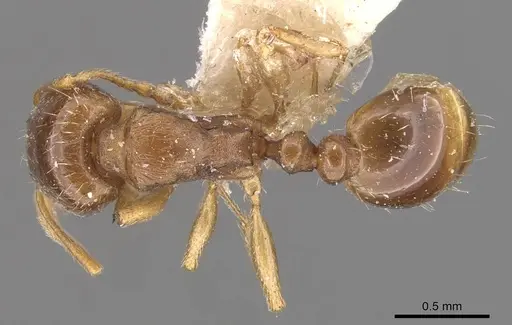
CASENT0913751
View on AntWeb
CASENT0914824
View on AntWeb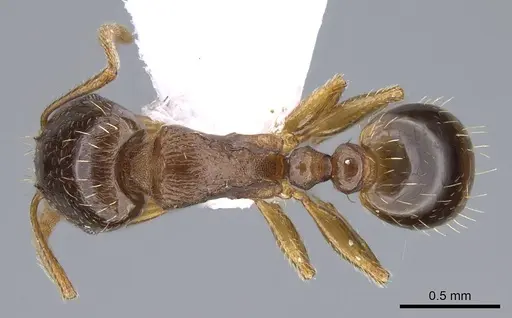
CASENT0915048
View on AntWeb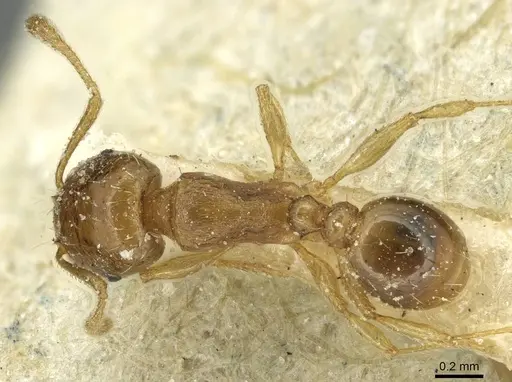
Literature
Loading distribution map...Loading products...