
Tetramorium depressiceps
- Sci. Name
- Tetramorium depressiceps
- Tribe
- Crematogastrini
- Subfamily
- Myrmicinae
- Author
- Menozzi, 1933
- Distribution
- Found in 1 countries
Introduction
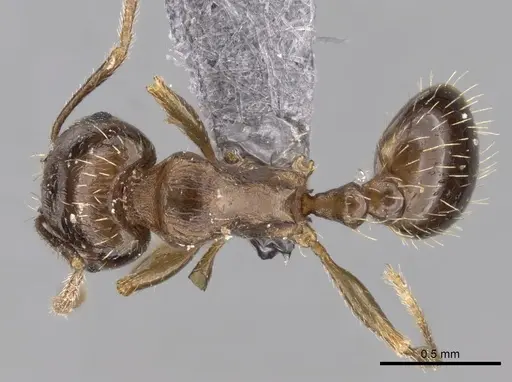
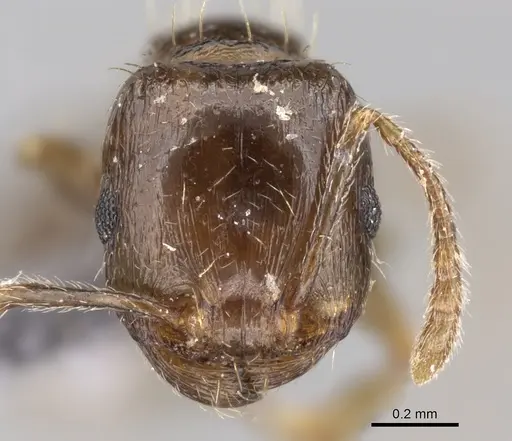
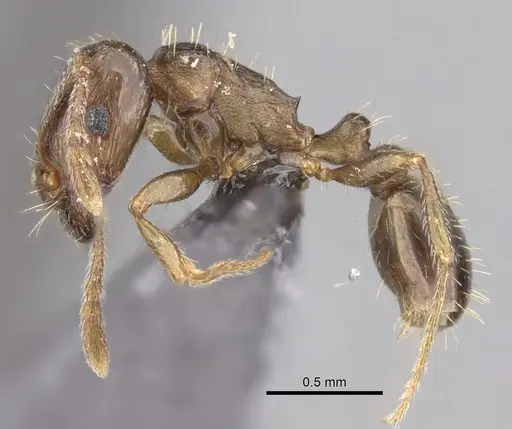
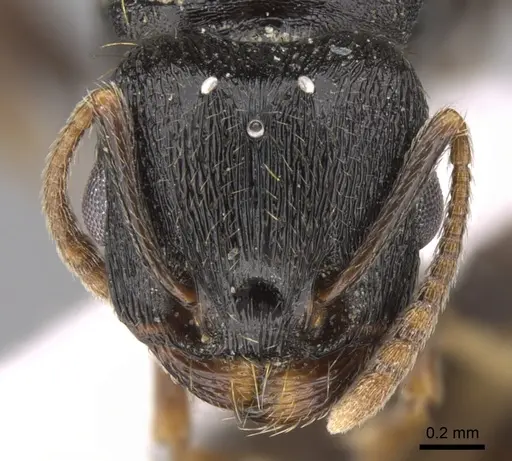
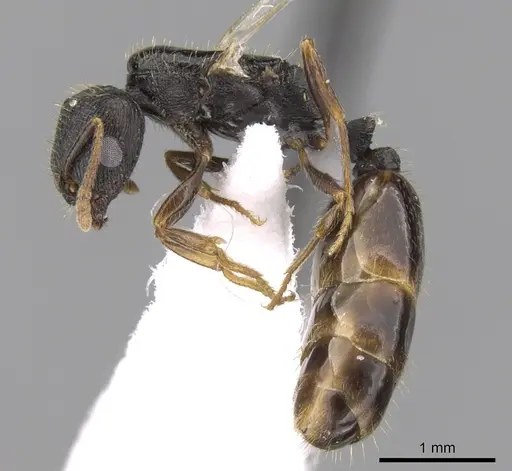
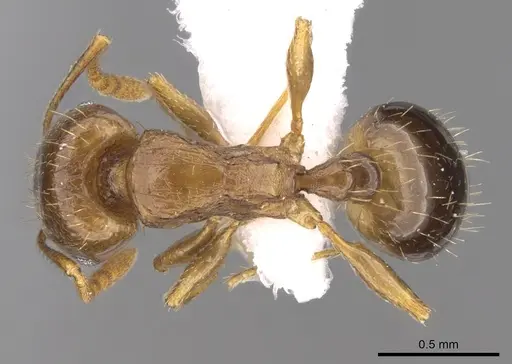
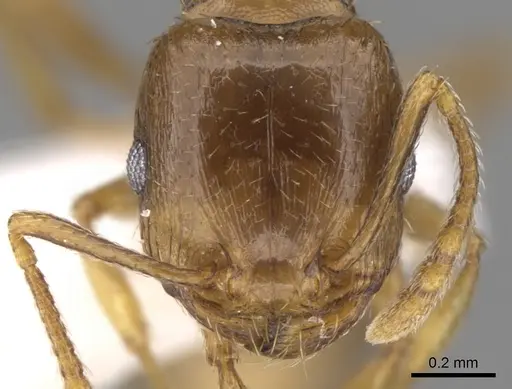
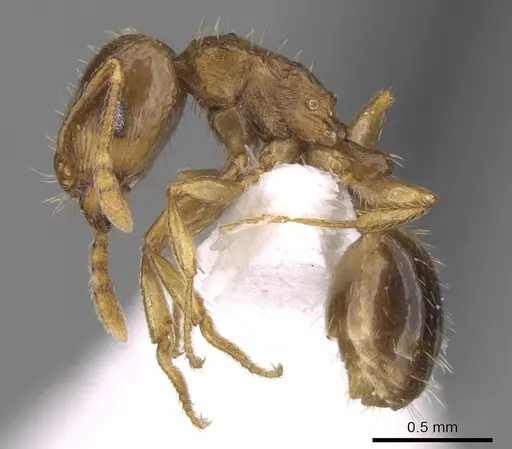
Tetramorium depressiceps is a small ant species native to North-East Africa and the Middle East, found in countries including Saudi Arabia, Egypt, Iraq, Israel, Oman, and Lebanon . Workers are around 3-4mm long (inferred from the Tetramorium genus). They have a distinctive depression running along the midline of the head, which is where the species name 'depressiceps' comes from . Originally described as a subspecies of Tetramorium semilaeve in 1933,it was raised to full species status in 1985 . This ant belongs to the caespitum complex within Tetramorium . In the wild across the Middle East, these ants build nests in clay loam soils with moderate to high pH (around 7.9) . They show an East Mediterranean zoogeographical affinity and turn up in various habitats from desert margins to more vegetated spots . In Israel, they occur in the Judean Desert and Dead Sea regions . The species is quite common in parts of its range, especially Lebanon .
Quick Summary
- Difficulty: Easy
- Origin & Habitat: North-East Africa and Middle East, Saudi Arabia, Egypt, Iraq, Israel, Oman, Lebanon. Lives in clay loam soils in hot, semi-arid regions where summer temps often exceed 30°C [4][1].
- Colony Type: Colony structure is unconfirmed from research. Based on typical Tetramorium genus patterns, they may be polygynous (multiple queens). Nests have multiple chambers, average 6.24 room openings, depth around 23cm [4].
- Size & Growth:
- Queen: size data unavailable, queen size not recorded for this species
- Worker: inferred from genus (Tetramorium) ~3-4mm
- Colony: Likely several hundred workers, estimated from average worker density of about 80 per nest chamber [4]
- Growth: Moderate, based on related Tetramorium species
- Development: Estimated 6-8 weeks at optimal temperature (based on genus-level data) (Direct measurements for Tetramorium depressiceps are not available)
- Antkeeping:
- Temperature: Temperature needs are unknown, start around 24-28°C and watch colony behavior. These are warm-climate ants, so they handle heat well, but avoid sustained temperatures above 35°C [4].
- Humidity: Keep the nest substrate consistently moist but not waterlogged. They naturally nest in clay loam soils that hold moisture well [4]. Adjust based on colony behavior.
- Diapause: Likely not needed, these ants come from hot climates where year-round activity is possible. Slight winter temperature drop (to 18-20°C) may be beneficial but is not required.
- Nesting: Y-tong (AAC) nests work well with chambers scaled to their 3-4mm worker size. They also do well in naturalistic soil or plaster nests that hold stable humidity. Wild nests are multi-chambered in soil [4].
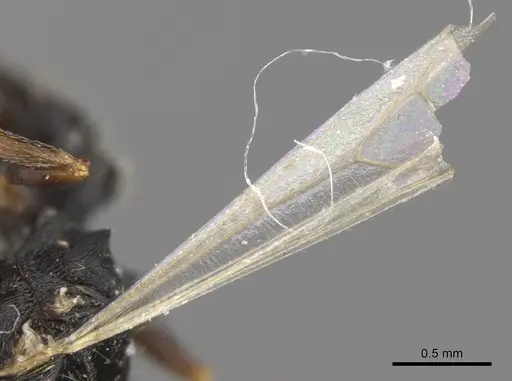
- Behavior: Workers are active foragers and generalist feeders, accepting proteins and sugars. They're not particularly aggressive and usually flee rather than attack. As a Myrmicinae ant (tribe Crematogastrini), they have a modified flattened stinger used to smear venom onto enemies, this is their primary defense. Their small size (3-4mm) means escape prevention is critical, use fine mesh and secure all connections.
- Common Issues: escape prevention is critical due to small size, they can squeeze through tiny gaps, overheating can be a risk, while they need warmth, sustained temperatures above 35°C can be lethal, colonies may be slow to establish initially, patience required during founding, dry conditions can cause colony decline, monitor substrate moisture regularly, wild-caught colonies may carry parasites that can devastate captive colonies
Temperature and Heating
Since specific temperature data for Tetramorium depressiceps is not available, start around 24-28°C and watch your colony. They come from hot Middle Eastern climates, so they handle warmth well. Place a heating cable on one side of the nest to create a gradient. If workers consistently cluster near the warm area, you can adjust upward slightly. Avoid sustained temperatures above 35°C, which can be harmful. During winter, you can lower temps a bit (around 18-20°C), but a full hibernation is not needed.
Housing and Nest Setup
These ants do well in Y-tong (AAC) nests with chambers scaled for their small workers (3-4mm), or in naturalistic setups with soil or plaster for stable humidity [4]. In the wild, they make multi-chamber nests in clay loam soil, average depth around 23cm, roughly 6 room openings per nest [4]. For captivity, use a nest with several connected chambers, not too large. If using test tubes, pack the cotton firmly to prevent flooding. Because they're small, check all connections for escapes. A fluon layer on the outworld inner rim helps.
Feeding and Diet
Tetramorium depressiceps is a generalist feeder. Offer protein sources like small insects (fruit flies, small mealworms, crickets) and sugar sources (sugar water, honey, diluted maple syrup). In nature, they likely forage for honeydew from aphids and small invertebrates. Feed protein 2-3 times weekly, keep a constant sugar source. Remove uneaten food after 24-48 hours to prevent mold. Since they're small, portion sizes should be tiny. Watch what your colony prefers, some colonies go for protein first, others for sugar.
Humidity and Water
Keep the nest substrate consistently moist but not waterlogged. In their natural habitat in Iraq, they nest in clay loam soils that hold moisture well (pH 7.90,organic matter ~2%) [4]. Consistency is key, don't let the substrate dry out completely, but avoid standing water. A damp substrate that feels moist to the touch is ideal. Provide a water tube in the outworld as a drinking source. In a Y-tong nest, size the reservoir to avoid flooding the chambers. Check moisture every few days and rehydrate as needed.
Colony Establishment and Growth
Founding behavior is unconfirmed for this species. Based on typical Tetramorium, queens may seal themselves in a chamber and lay eggs after mating (claustral founding). The first workers (nanitics) will be smaller than mature workers and should appear within 6-8 weeks at optimal temperature. Colony growth is moderate, expect up to several hundred workers over a year or two, based on natural worker density of about 80 per nest chamber [4]. Be patient during founding, queens can take time to lay first eggs. Once established, growth becomes steadier with regular feeding and proper temperature.
Behavior and Temperament
Tetramorium depressiceps workers are active foragers that readily explore. They're not particularly aggressive and usually flee when disturbed. As a Myrmicinae in the tribe Crematogastrini, their defense is smearing venom onto enemies using a modified, flattened, spatulate stinger. They can deliver a mild sting if handled roughly. Their small size (3-4mm) makes them a moderate escape risk, use fine mesh on ventilation and secure all connections. They're diurnal, most active during daylight. Overall, they're calm and pleasant to watch.
Frequently Asked Questions
How long does it take for Tetramorium depressiceps to get their first workers?
Expect 6-8 weeks from egg to first worker at optimal temperature (around 24-28°C). This is based on typical Tetramorium development timelines, specific data for T. depressiceps is not available. The first workers (nanitics) will be smaller than fully grown workers.
What temperature do Tetramorium depressiceps ants need?
Start around 24-28°C and watch colony behavior. These are warm-climate ants, so they handle heat well. Avoid sustained temperatures above 35°C. A heating cable on one side of the nest creates a useful gradient.
Are Tetramorium depressiceps good for beginners?
Yes, this species is beginner-friendly. They're tolerant of varying conditions, not aggressive, and care requirements are straightforward. Main challenges are escape prevention due to small size and maintaining proper humidity.
How big do Tetramorium depressiceps colonies get?
Based on typical Tetramorium patterns and nest worker density data, colonies likely reach several hundred workers. Average worker density in natural nests is around 80 per chamber [4].
Do Tetramorium depressiceps ants sting?
Yes, they have a functional stinger like all Myrmicinae, but they're not aggressive and rarely sting unless handled roughly. Their main defense is smearing venom, not piercing stings.
What do Tetramorium depressiceps eat?
They're generalist feeders. Offer small insects (fruit flies, small mealworms) for protein and sugar sources (sugar water, honey, maple syrup). Feed protein 2-3 times weekly with constant sugar access.
Can I keep multiple Tetramorium depressiceps queens together?
Colony structure is unconfirmed from research. Some Tetramorium species are polygynous, but there's no specific data for T. depressiceps. If trying to combine multiple queens, introduce them in a large space with multiple chambers and monitor for aggression.
Do Tetramorium depressiceps need hibernation?
Probably not, these ants come from hot climates where year-round activity is possible. A slight temperature reduction in winter (to around 18-20°C) may be beneficial but a full diapause is not required.
What size nest do I need for Tetramorium depressiceps?
A Y-tong or plaster nest with chambers sized for 3-4mm workers works well. They naturally build multi-chamber nests about 23cm deep [4]. For captivity, a nest with several connected chambers is ideal.
Why is my Tetramorium depressiceps colony dying?
Common causes: too dry substrate (keep it consistently damp), temperatures too low (they need warmth, but exact range unknown), escape/escape-related stress, or parasites from wild-caught colonies. Check temperature and humidity first. If wild-caught, parasites are a common issue.
Report an Issue
The current care sheet is based fully on literature. See inconsistencies, or something that's incorrect? Please , it will be resolved after review from an admin. Contributing to the blogs tab also helps providing information, to make us be able to further improve the caresheets. Thank you for your support!
References

This caresheet is licensed under CC BY-SA 4.0 .
Community Blogs
Literature
Loading distribution map...Loading products...