
Delagoa Fierce ant
Tetramorium delagoense
- Sci. Name
- Tetramorium delagoense
- Tribe
- Crematogastrini
- Subfamily
- Myrmicinae
- Author
- Forel, 1894
- Common Name
- Delagoa Fierce ant
- Distribution
- Found in 6 countries
Introduction
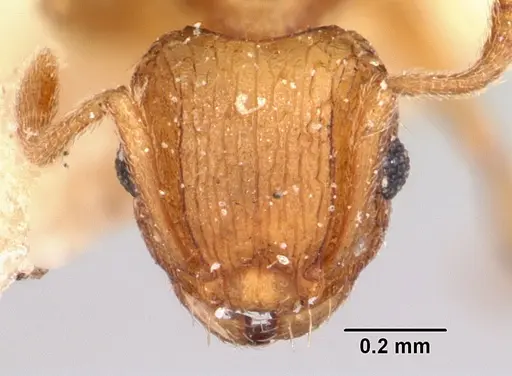
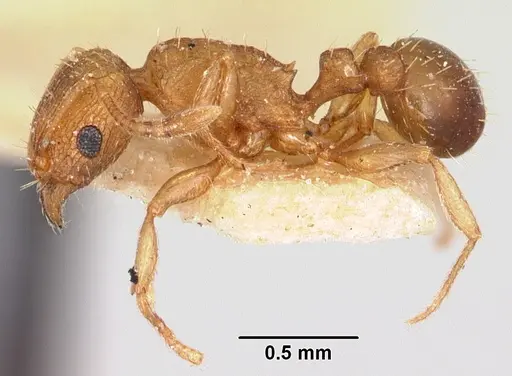
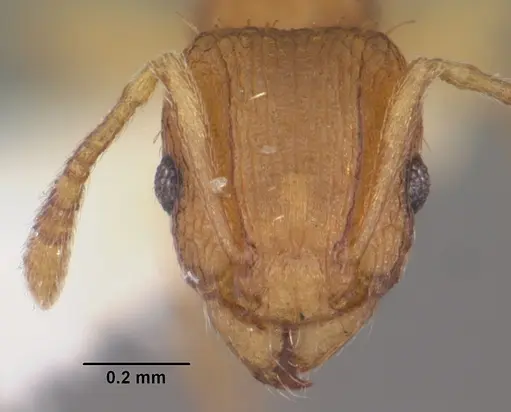
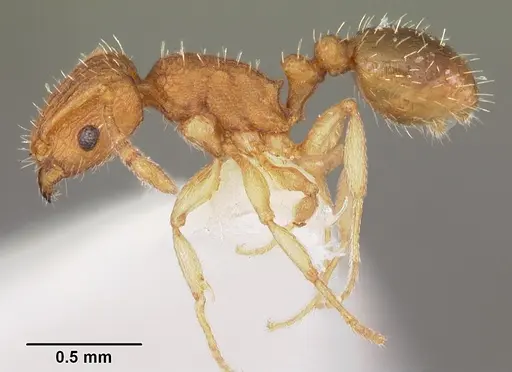
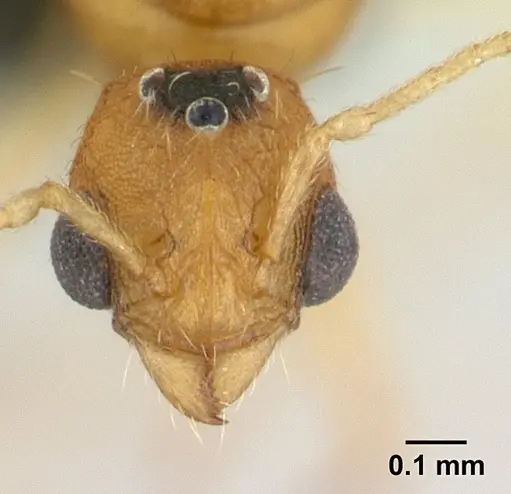
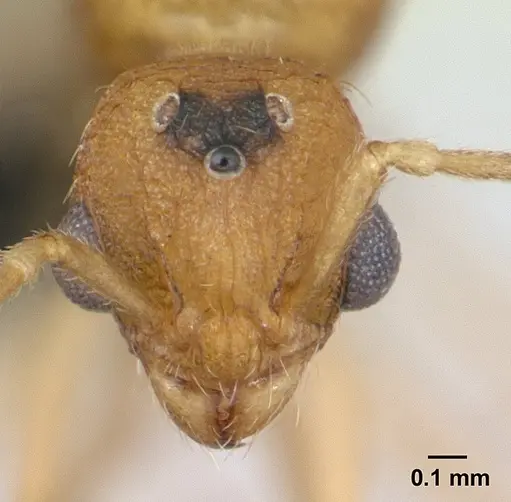
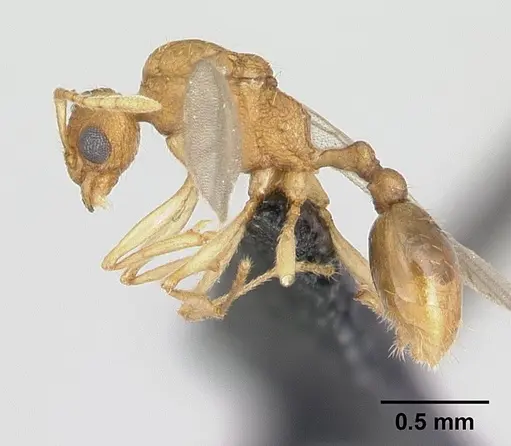
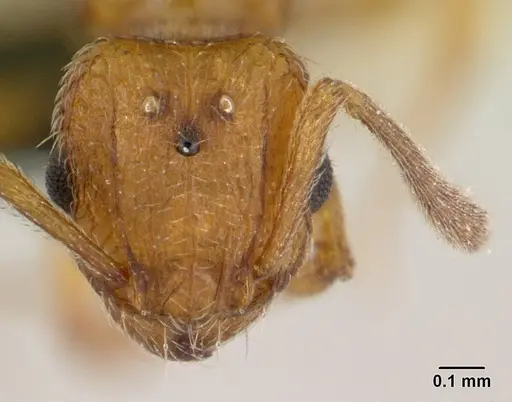
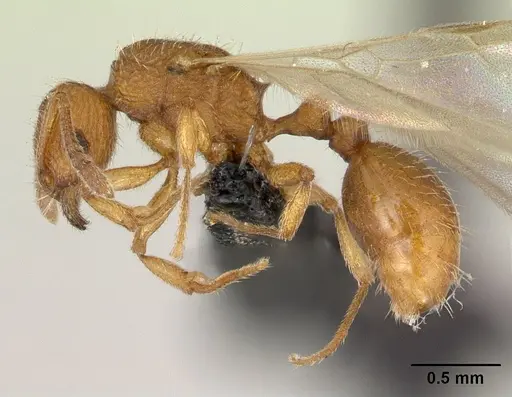
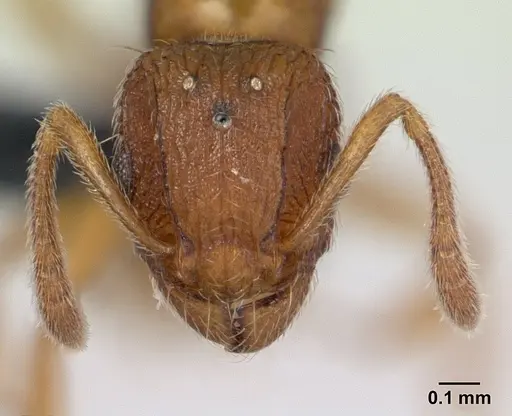
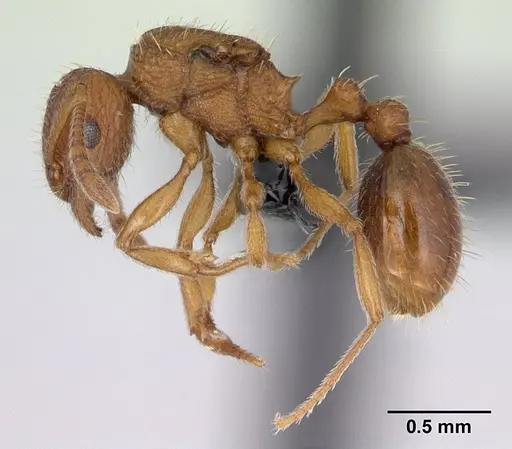
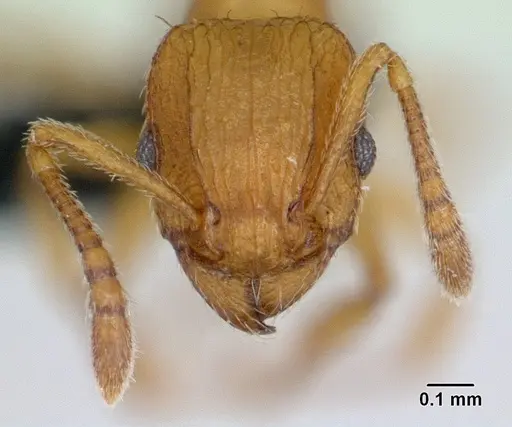
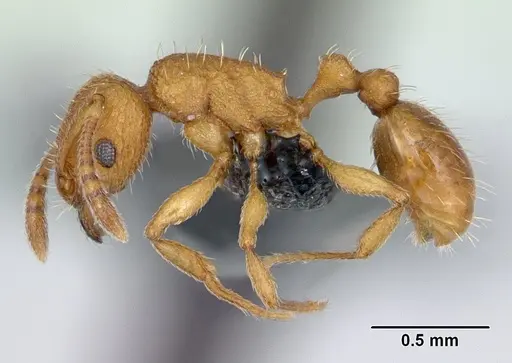
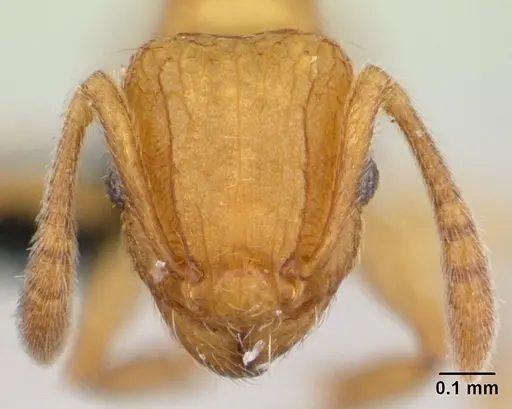
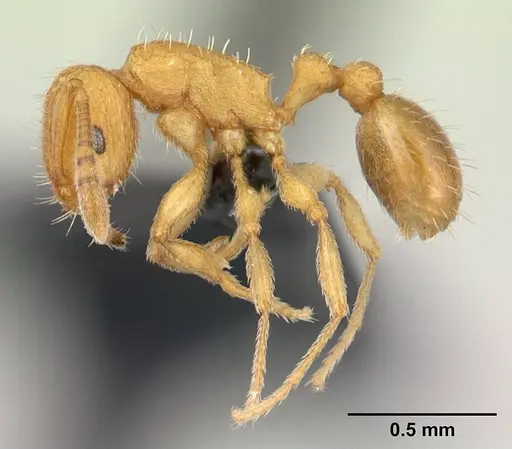
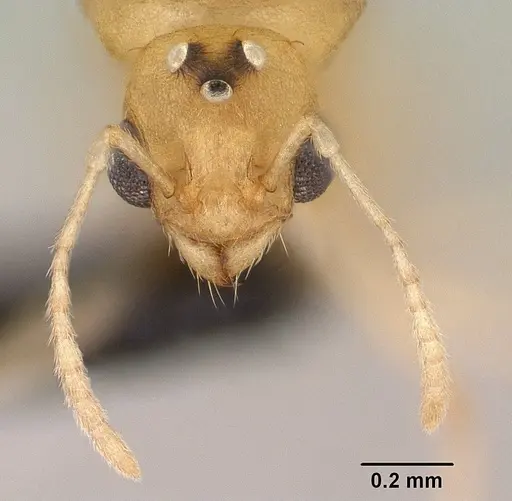
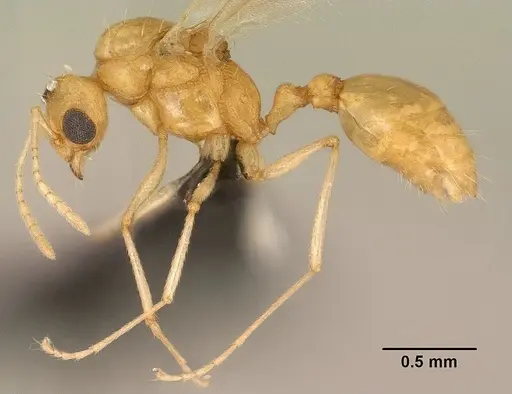
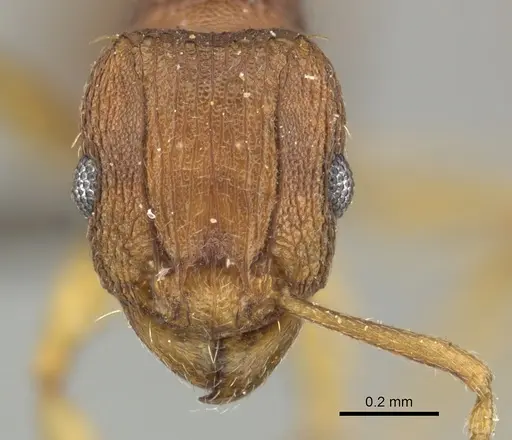
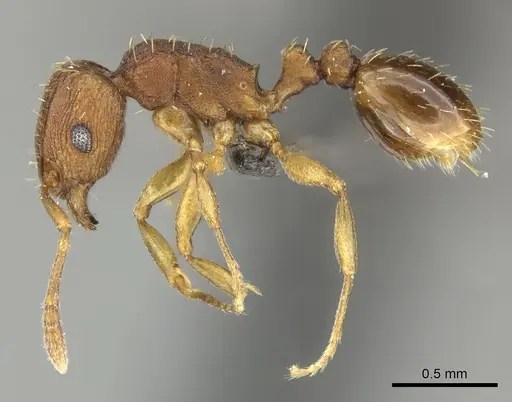
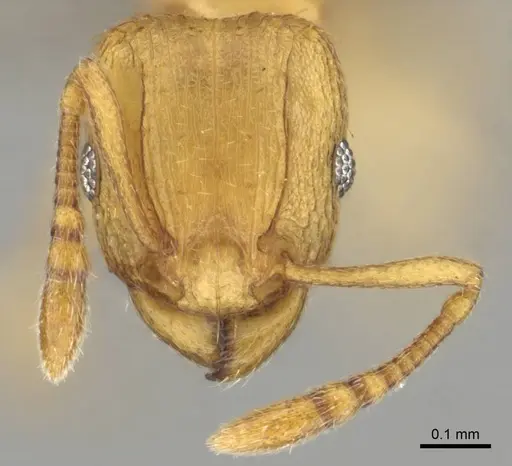
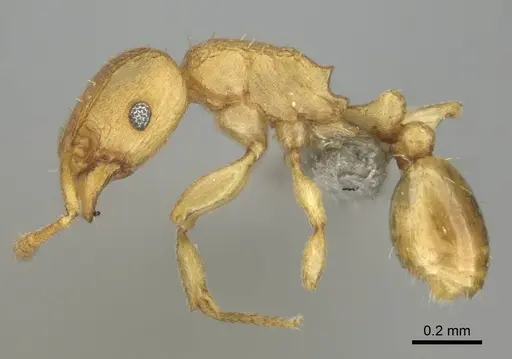
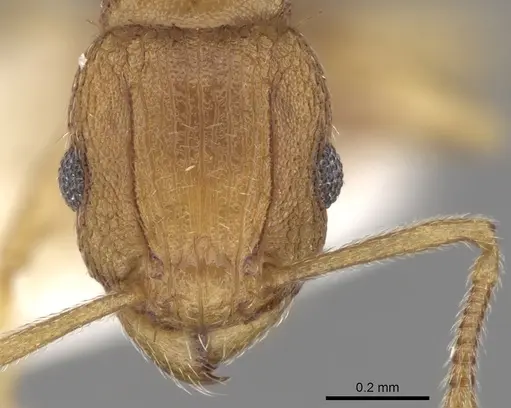
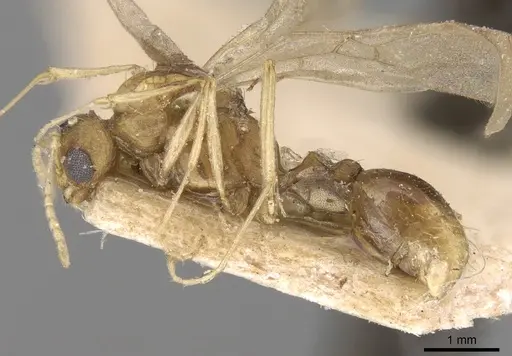
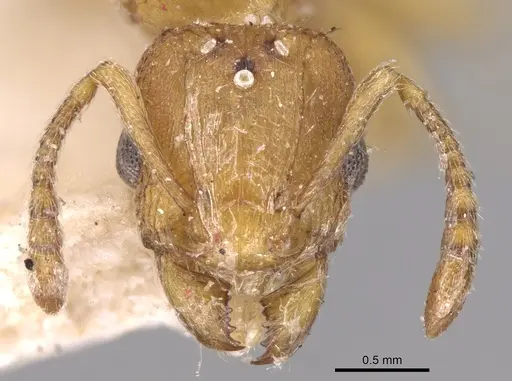
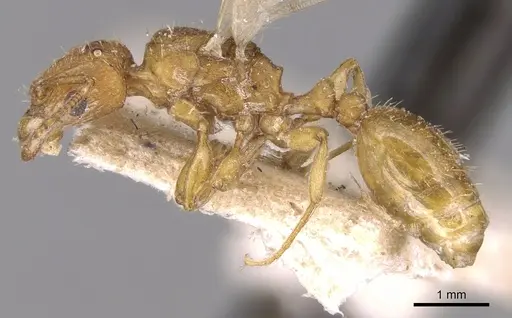
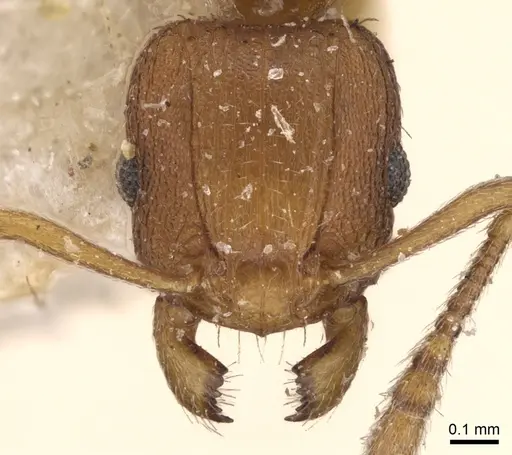
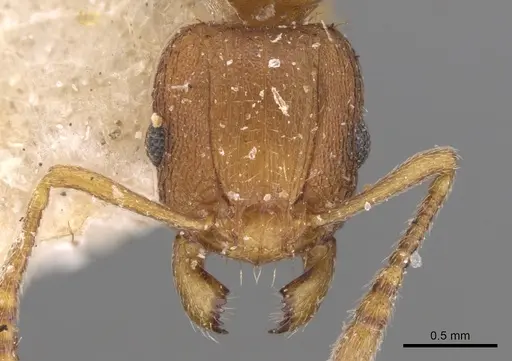
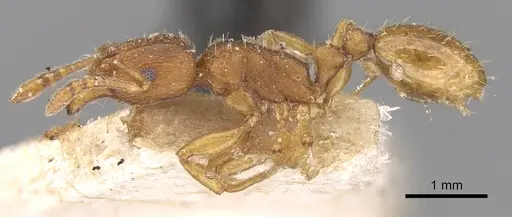
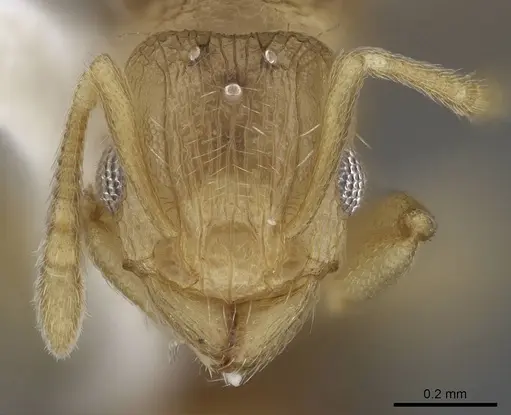
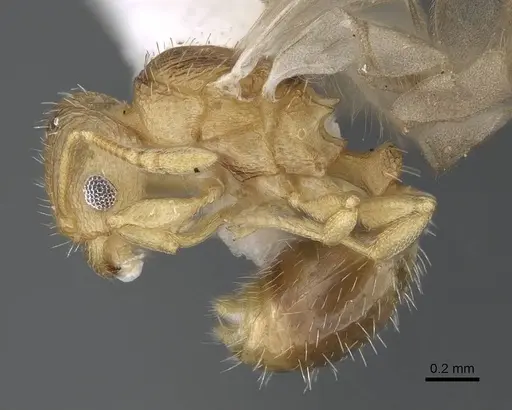
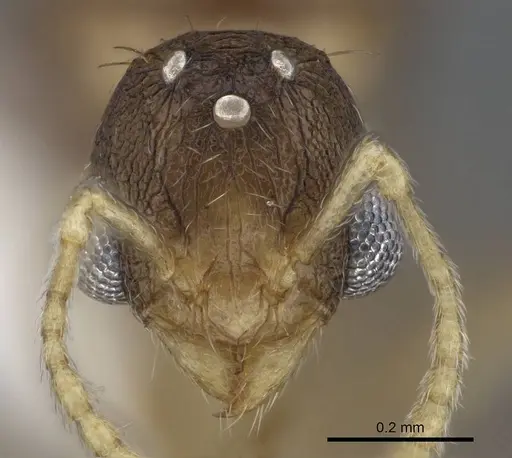
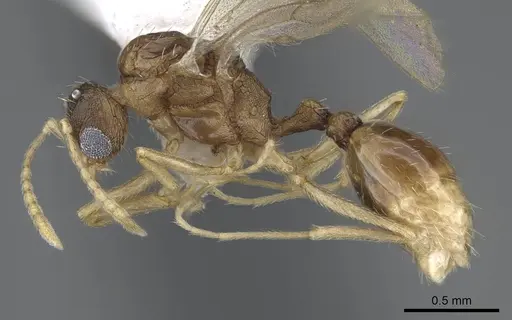
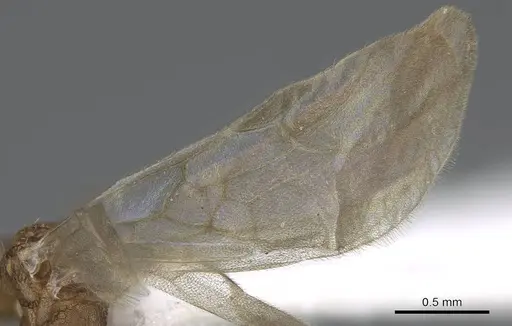
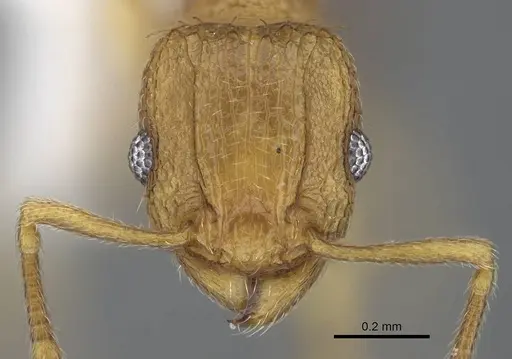
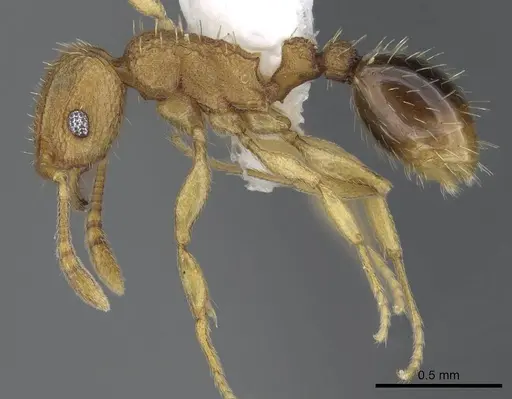
Tetramorium delagoense is a tiny ant with workers measuring just 2.1-2.9 mm, making them one of the smaller species you'll keep . They belong to the Tetramorium simillimum group and are identified by a single stiff hair projecting from each side of the head just behind the eyes . Color varies widely from yellowish brown to black. These ants are ground-nesters, preferring soil and litter habitats in warm African environments . They have spread beyond their native range and are now found across sub-Saharan Africa, Madagascar, the Comoros, and into the Middle East including Israel . They are considered an introduced species in Madagascar .
Quick Summary
- Difficulty: Expert
- Origin & Habitat: Native to the Afrotropical region including Mozambique, South Africa, Kenya, Tanzania, and surrounding countries. Also introduced to Madagascar. They thrive in warm climates and are commonly found in grassland and dry forest habitats at low to mid elevations [1][5][2].
- Colony Type: Colony structure is not well documented. Based on typical Tetramorium patterns, they likely form single-queen colonies (monogyne), though this requires confirmation for this species.
- Size & Growth:
- Queen: Queen size is not documented in available literature, inferred from Tetramorium genus patterns, queens are roughly 5-7 mm. Requires confirmation.
- Worker: 2.1-2.9 mm [1]
- Colony: Not documented, based on genus patterns, colonies likely reach several hundred workers.
- Growth: Unknown, inferred as moderate from related Tetramorium species.
- Development: 6-10 weeks estimated based on related Tetramorium species at optimal temperature. No direct data for this species. (Development timeline is not directly studied for this species. The estimate is based on genus-level data for similar small Myrmicinae ants.)
- Antkeeping:
- Temperature: Keep warm and stable, roughly low-to-mid 20s°C (22-26°C is typical for Afrotropical species). No specific data, but based on their origin, they prefer consistent heat. A heating cable on one side creates a gentle gradient. Room temperature may suffice if your home stays in this range.
- Humidity: Provide a humidity gradient: keep the nest substrate moderately moist in one area and drier in another. These ground-nesting ants tolerate both dry and humid conditions [6]. Allow the nest to dry partially between rehydrating, but always provide a water source.
- Diapause: Unknown, likely minimal or no true diapause given their African origin. They probably remain active year-round with slight slowing in cooler months. If you keep them cool (below 18°C) for a few weeks in winter, that may be sufficient. No published data.
- Nesting: Ground-nesting species that works well in Y-tong (AAC) nests, plaster nests, or naturalistic setups with soil substrate. They prefer tight chambers scaled to their tiny size. Avoid tall open spaces.
- Behavior: These are peaceful, non-aggressive ants that focus on foraging for small prey and sweet liquids. Workers are tiny (2.1-2.9 mm) and can squeeze through small gaps, excellent escape prevention is essential [1]. They are ground-nesting foragers. They have a modified stinger used for smearing venom (subfamily Myrmicinae, tribe Crematogastrini defense: smear). The venom is mild and poses little threat to keepers. They are not known to be aggressive.
- Common Issues: tiny size means escapes are likely without fine mesh barriers, WARNING: This species is introduced/invasive in Madagascar. It is NOT recommended to keep this species in countries where it is not native. If kept, extreme precautions must be taken to prevent any escape., colonies are small and growth is slow, beginners may lose patience, wild-caught colonies may have parasites that kill them in captivity, test tubes can flood if water reservoirs are too large for such small ants, feeding appropriately sized prey is important, fruit flies and springtails are ideal, pinhead crickets are too large
Housing and Nest Setup
For these tiny ants, you'll want a nest with chambers scaled to their 2-3 mm size. Y-tong (AAC) nests work well because the narrow passages prevent workers from getting lost and the material holds humidity nicely. Plaster nests are another good option, they maintain stable humidity and allow you to see the colony easily. A test tube setup works for founding colonies, but keep the water reservoir small, these ants can drown in large tubes. For the outworld, use a small foraging area with a water tube and feeding dish. Escape prevention is critical: apply fluon to nest rims, use fine mesh over ventilation holes, and seal all gaps. Workers can squeeze through standard barrier gels [1].
Feeding and Diet
Tetramorium delagoense is a generalist forager that collects small insects and honeydew in the wild. In captivity, offer small live prey like fruit flies, springtails, or tiny crickets. They accept sugar water, honey, or diluted maple syrup, place a small drop on cotton or a shallow dish. Protein is important for brood development, so offer small insects at least twice weekly. Remove uneaten prey after 24 hours to prevent mold. Because workers are so tiny, prey items should be no larger than a fruit fly, larger prey cannot be handled. [1]
Temperature and Seasonal Care
These ants come from warm African habitats and do best at 22-26°C [3]. Below 20°C, activity slows. Use a heating cable on one side of the nest to create a gradient, but avoid direct heat that could dry out the nest. Place the heating element on top rather than underneath to reduce evaporation. In winter, true hibernation is not required, simply letting room temperature drop to 18-20°C for a few weeks is likely sufficient. They are not cold-hardy and should be kept warm year-round.
Colony Founding
Founding behavior has not been directly documented for this species. Based on typical Tetramorium behavior, queens are likely claustral, sealing themselves in a chamber and raising the first brood using stored reserves. After mating, a queen digs into soil, seals the entrance, and lays eggs. The first workers (nanitics) are smaller than normal workers. During founding, keep the queen in darkness and avoid disturbance. Wait at least 4-6 weeks before checking. If you must peek, do so briefly and carefully. [1]
Behavior and Temperament
These are peaceful, docile ants that pose little threat to keepers. Workers are tiny and non-aggressive, they flee rather than fight. They forage on the ground, searching for small prey and sweet liquids. Communication occurs via chemical trails, allowing recruitment to food sources. Their small size makes them vulnerable, so they prefer staying hidden. Defense is via a modified stinger that smears venom (subfamily Myrmicinae, tribe Crematogastrini defense: smear). The venom is mild. The main behavioral concern is their escape ability, even tiny gaps will be exploited. There is no known sting risk to humans. [1]
Frequently Asked Questions
How long does it take for Tetramorium delagoense to raise their first workers?
Expect 6-10 weeks from egg to first worker at optimal temperature (around 24°C). This is an estimate based on related Tetramorium species since specific data for T. delagoense is not available. The first workers (nanitics) will be smaller than fully-grown workers.
Can I keep Tetramorium delagoense in a test tube?
Yes, test tubes work for founding colonies. Use a small water reservoir, these tiny ants can drown in standard-sized tubes. Seal the cotton plug with a second piece to prevent escapes. Transfer to a proper nest (Y-tong or plaster) once the colony reaches 20-30 workers.
Do Tetramorium delagoense ants sting?
These ants have a modified stinger used for smearing venom, but it is not a piercing sting like some other ants. The venom is mild and they are not aggressive. They pose no danger to keepers.
What do Tetramorium delagoense eat?
They are generalist feeders. Offer small live prey (fruit flies, springtails) for protein and sugar sources (honey water, maple syrup) for energy. Remove uneaten prey after 24 hours. Prey should be appropriately sized, these tiny workers cannot tackle large insects.
Are Tetramorium delagoense good for beginners?
No, they are considered Expert difficulty due to their invasive status. WARNING: This species is introduced/invasive in Madagascar and should not be kept in non-native areas. Additionally, their tiny size requires excellent escape prevention. Even experienced keepers should take extreme precautions to prevent any escape.
How big do Tetramorium delagoense colonies get?
Colony size is not documented. Based on typical Tetramorium patterns, colonies likely reach several hundred workers. Growth is moderate, expect several months to reach 50 workers and over a year for a mature colony.
Do Tetramorium delagoense need hibernation?
No, they do not require true hibernation. Given their African origin, they prefer warm conditions year-round. Simply reducing temperature slightly in winter (to around 18-20°C) may be sufficient if you want to simulate seasonal changes.
Why are my Tetramorium delagoense escaping?
Their tiny size (2-3 mm) allows them to squeeze through gaps that larger ants cannot. Apply fluon to nest rims, use fine mesh on ventilation, and check all connections. Even small gaps around water tubes are potential escape routes.
When should I move my colony to a formicarium?
Move from test tube to a proper nest (Y-tong, plaster, or naturalistic) when the colony reaches 20-40 workers. Earlier transfer risks stressing the queen, later transfer risks the test tube becoming too crowded or moldy.
Can I keep multiple Tetramorium delagoense queens together?
This has not been documented for this species. Based on typical Tetramorium behavior, they likely form single-queen colonies. Combining unrelated queens is not recommended as they may fight.
Report an Issue
The current care sheet is based fully on literature. See inconsistencies, or something that's incorrect? Please , it will be resolved after review from an admin. Contributing to the blogs tab also helps providing information, to make us be able to further improve the caresheets. Thank you for your support!
References

This caresheet is licensed under CC BY-SA 4.0 .
Community Blogs
CASENT0101721
View on AntWeb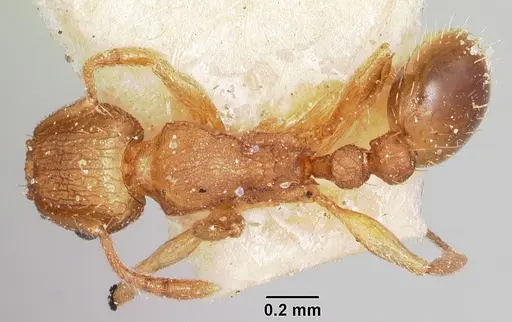
CASENT0102389
View on AntWeb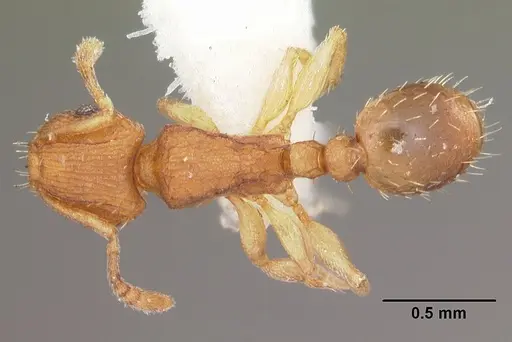
CASENT0133116
View on AntWeb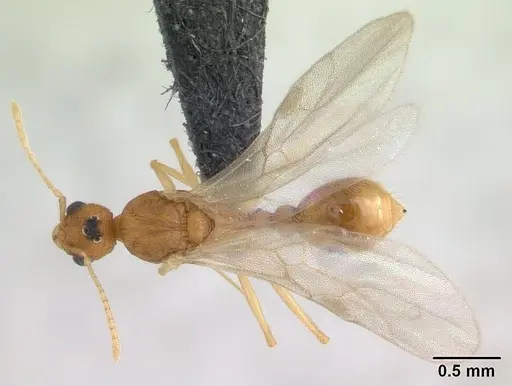
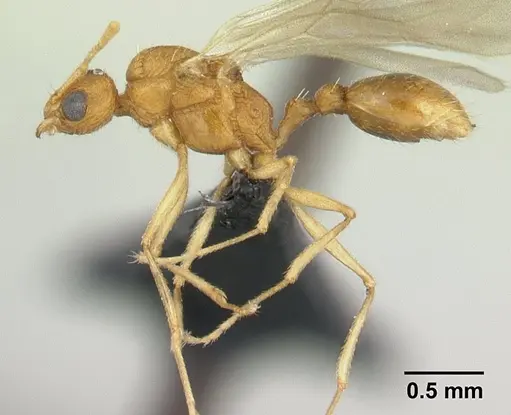
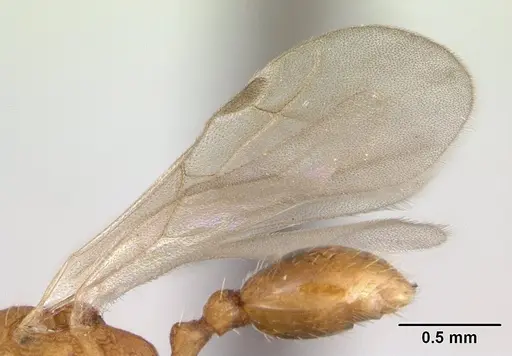
CASENT0133331
View on AntWeb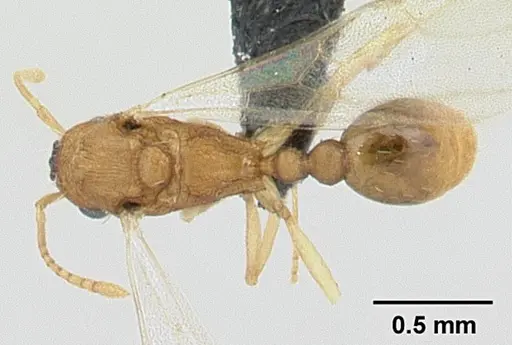
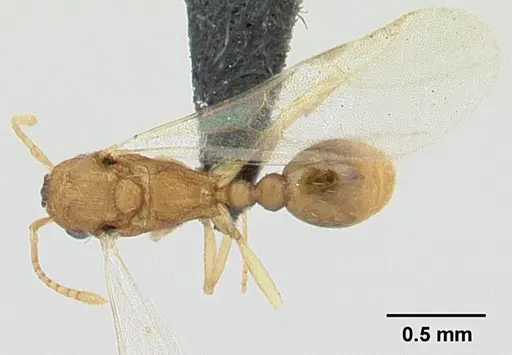
CASENT0133416
View on AntWeb
CASENT0133479
View on AntWeb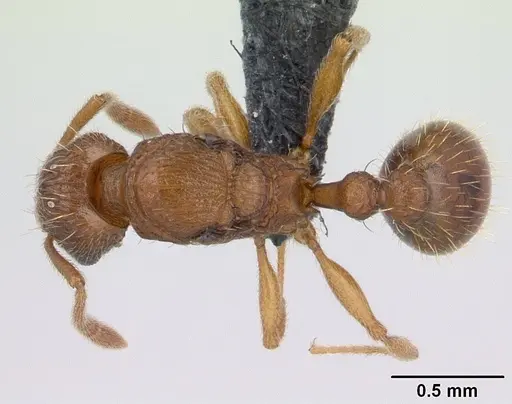
CASENT0133518
View on AntWeb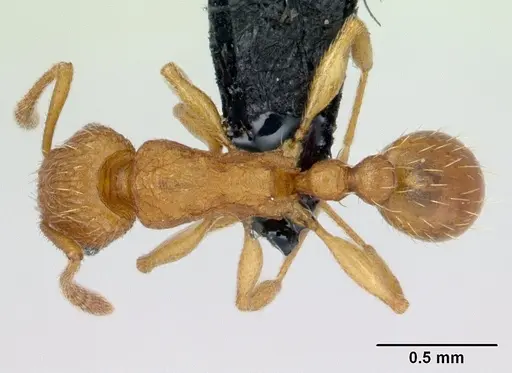
CASENT0134755
View on AntWeb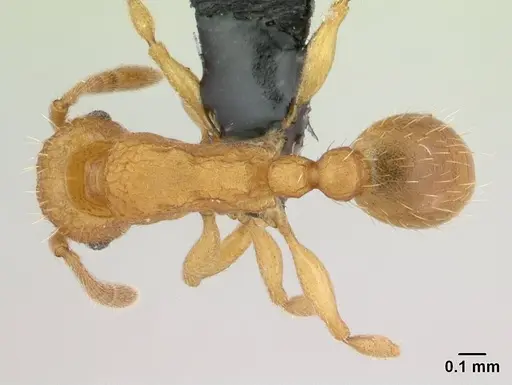
CASENT0144851
View on AntWeb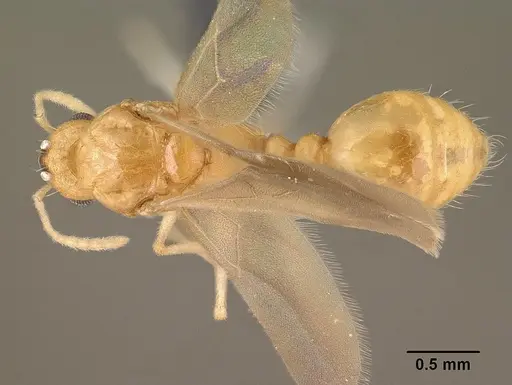
CASENT0249017
View on AntWeb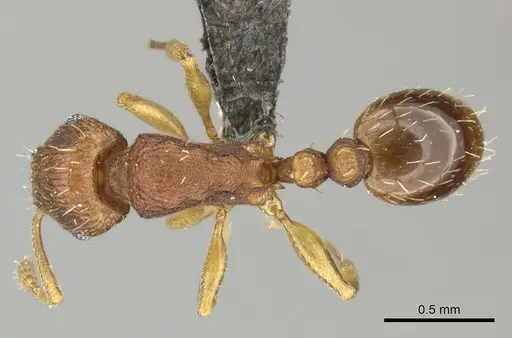
CASENT0255101
View on AntWeb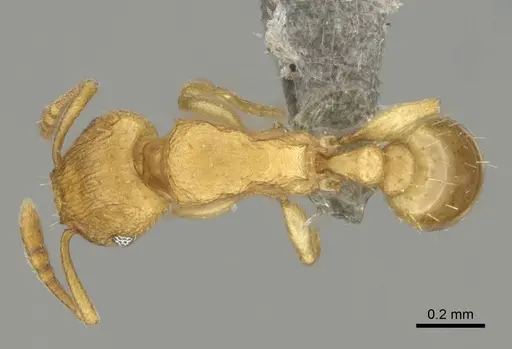
CASENT0280856
View on AntWeb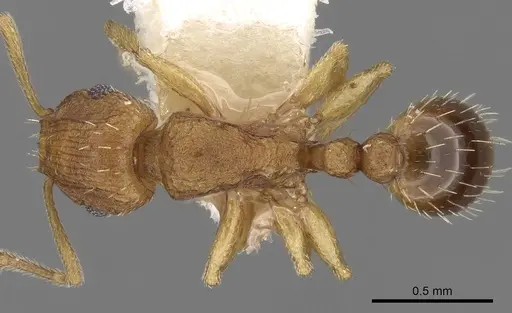
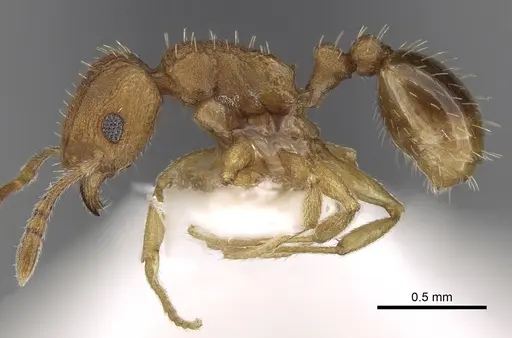
CASENT0906129
View on AntWeb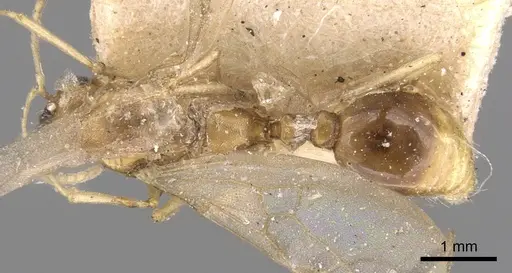
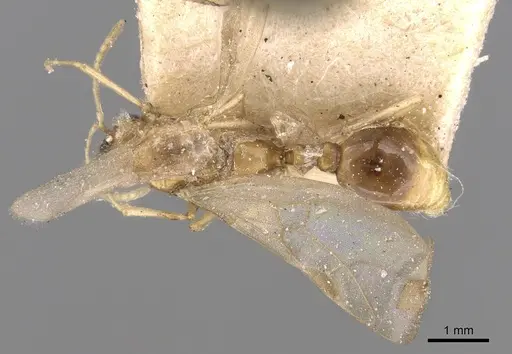
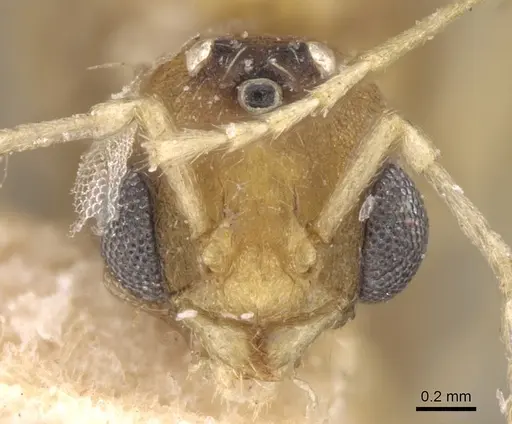
CASENT0906130
View on AntWeb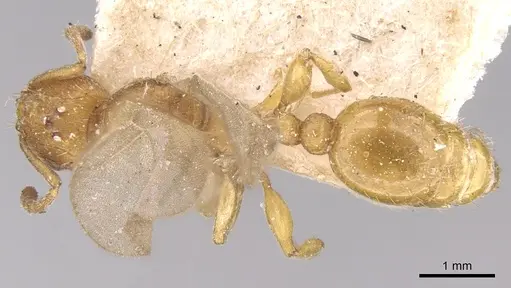
CASENT0906131
View on AntWeb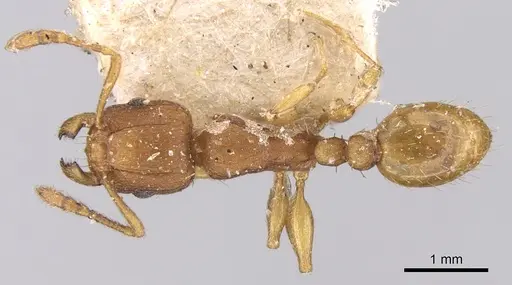
LACMENT323518
View on AntWeb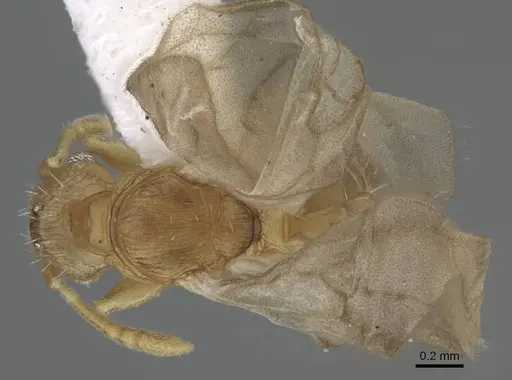
LACMENT323527
View on AntWeb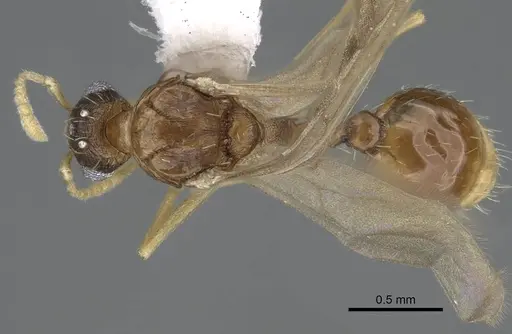
LACMENT323529
View on AntWeb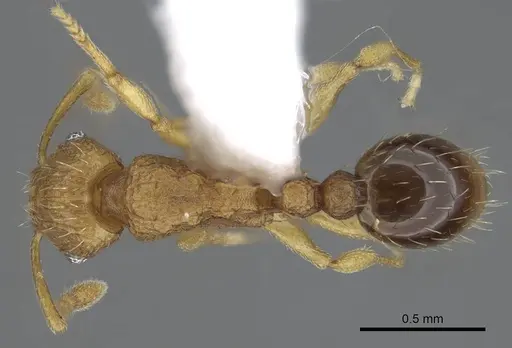
Literature
Loading distribution map...Loading products...