
Tetramorium dedefra
- Sci. Name
- Tetramorium dedefra
- Tribe
- Crematogastrini
- Subfamily
- Myrmicinae
- Author
- Bolton, 1976
- Distribution
- Found in 0 countries
Introduction
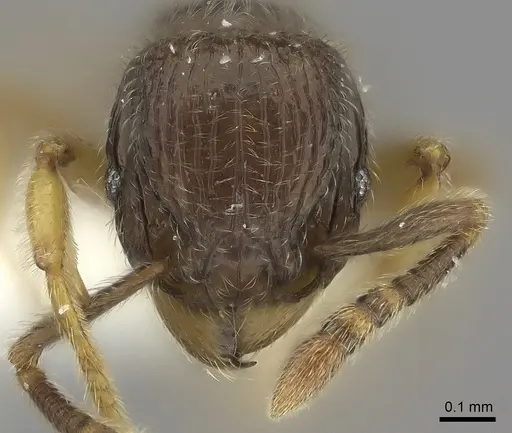
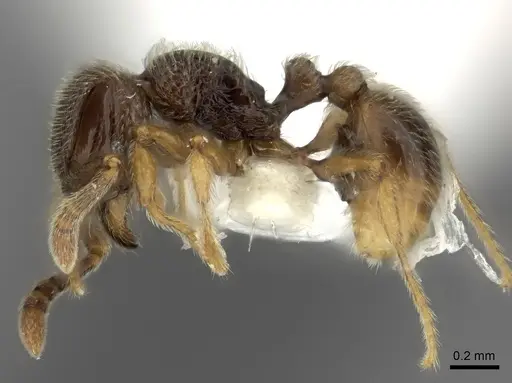
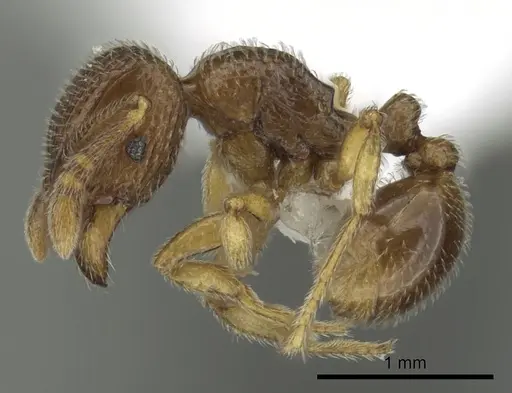
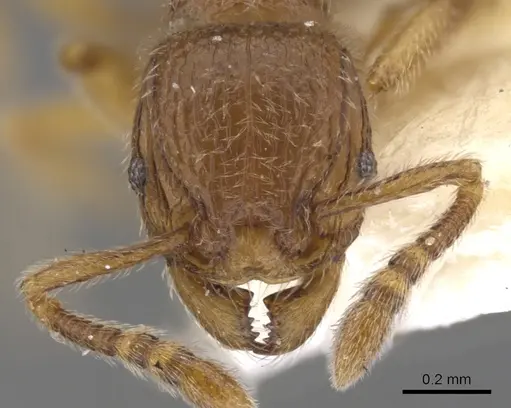
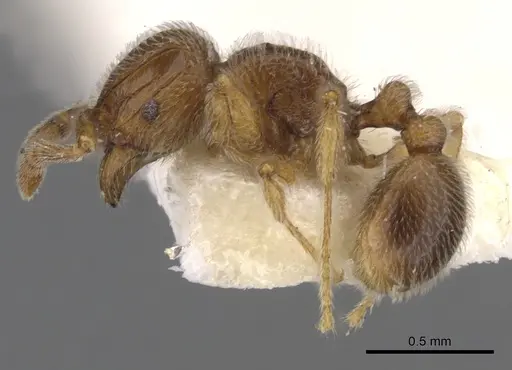
Tetramorium dedefra is a small ant species first described from Angola and later documented in the high-elevation forests of Rwanda . Workers are tiny (exact size not recorded) and belong to the genus Tetramorium, which typically has a spiny petiole. The species was originally described as Triglyphothrix dedefra before being reclassified . Its coloration is likely dark brown to black, common in the genus. This species lives in montane forest floor leaf litter and soil. It has been found at the Arboretum of Ruhande in Rwanda at about 1737 m elevation and in the Gishwati tropical montane forest . The species appears to prefer native tree habitats and may be sensitive to habitat disturbance . No detailed biological studies on this species exist, so care advice is mostly inferred from its habitat and genus.
Quick Summary
- Difficulty: Hard
- Origin & Habitat: Documented in Angola and Rwanda. In Rwanda, found in the Gishwati montane forest and the Arboretum of Ruhande at ~1737 m elevation. Lives in soil and leaf litter of relatively cool, humid montane forests [2][3].
- Colony Type: Unconfirmed. No data available on queen number or social structure.
- Size & Growth:
- Queen: Size data unavailable, no published measurements.
- Worker: Size data unavailable, no published measurements.
- Colony: Unknown, no data on maximum colony size.
- Growth: Unknown
- Development: Unknown, no species-specific data. (Development is completely undocumented.)
- Antkeeping:
- Temperature: Based on the high-elevation habitat, likely prefers cool conditions (20-24°C). Avoid temperatures above 28°C [3]. No exact optimal range confirmed.
- Humidity: High humidity is necessary. The forest floor habitat stays consistently moist. Keep the nest substrate damp but not waterlogged [3].
- Diapause: Uncertain. Because T. dedefra comes from tropical montane forests near the equator, seasonal temperature changes are minimal. A defined winter diapause may not be required, but a slight cooling period (e.g.,3-4 weeks at 15-18°C) could be tried. No data available.
- Nesting: Based on habitat, a soil-based nest with deep, moist substrate is recommended. A Y-tong or plaster nest with a humid zone also works. Provide at least 5 cm of substrate for tunneling [1].
- Behavior: General Tetramorium are active, non-aggressive foragers. Workers have a functional stinger (subfamily Myrmicinae) but their tribe (Crematogastrini) typically uses a smearing venom defense. They are likely shy and will flee rather than attack. Escape prevention is critical due to their small size, use fine mesh and tight barriers.
- Common Issues: tiny size makes escape likely without fine mesh barriers, unknown care requirements, experimental species with high risk of failure, wild-caught colonies may carry parasites, overheating can be fatal, keep below 28°C, high humidity needs can lead to mold if ventilation is poor
Housing and Nest Setup
Because Tetramorium dedefra lives in the forest floor, a naturalistic setup with deep, moist soil is recommended. Use a mix of soil and sand (about 70/30) to maintain humidity and allow tunneling [1]. A Y-tong (AAC) or plaster nest can also work if you provide a damp soil chamber. Keep the nest in a cool location (20-24°C) and avoid direct heat [3]. The foraging area (outworld) should have a soil layer that can be lightly misted. Use a water tube or moist sponge inside the nest to keep humidity high. Due to the ants' small size, seal all connections with fluon or tight barriers [1].
Feeding and Diet
Like most Tetramorium, T. dedefra is likely a generalist feeder. Offer small protein sources (fruit flies, small mealworms, cricket pieces) and sugars (honey water or sugar water, diluted 1:4). Since the ants are tiny, provide small portions, a single fruit fly is enough for a small colony. Feed every 2-3 days and remove uneaten food after 24 hours to prevent mold [1].
Temperature and Seasonal Care
Based on the montane habitat at ~1737 m elevation, keep the colony at 20-24°C. Avoid overheating above 28°C [3]. A small heating cable on one side of the nest can create a gradient, but do not place it underneath (dries the substrate). Diapause needs are unknown: since this is a tropical highland species, you may choose not to provide a cold period. If you try cooling, reduce to 15-18°C for 3-4 weeks and reduce feeding. Monitor colony health.
Colony Development and Growth
No data exist on colony development for this species. Founding behavior is unconfirmed, it may be claustral (queen seals herself in) or semi-claustral. Development from egg to worker is unknown. Expect slow growth and unpredictable results. Patience is essential, avoid disturbing the nest frequently [1].
Frequently Asked Questions
How long does it take for Tetramorium dedefra to produce first workers?
No data available. Development time is unknown.
Can I keep Tetramorium dedefra in a test tube setup?
A test tube setup is worth trying for a founding queen, but because high humidity and deep substrate seem important, many keepers prefer a small soil setup from the start. No specific reports exist [1].
Do Tetramorium dedefra ants sting?
As Myrmicinae ants, they have a functional stinger. The tribe Crematogastrini typically uses a smearing venom defense rather than piercing, but they may still sting in self-defense. Their small size makes any sting mild [1].
What temperature range is best for Tetramorium dedefra?
Based on their high-elevation habitat, keep them at 20-24°C. Avoid temperatures above 28°C [3]. No exact optimal range is confirmed.
How big do Tetramorium dedefra colonies get?
Unknown. There are no published records of colony size for this species.
Does Tetramorium dedefra need hibernation?
Probably not. This tropical montane species does not experience strong seasonal cold. A winter diapause may not be necessary, but if you want to try, a mild cooling (15-18°C for 3-4 weeks) should be safe.
Why are my Tetramorium dedefra dying?
Common issues: overheating (keep below 28°C), drying out (maintain high humidity), disturbance from handling, or mold from excess food. Because so little is known, any deviation from their natural habitat may cause problems.
Is Tetramorium dedefra good for beginners?
No. This is a difficult species with unknown care requirements. Only experienced keepers should attempt it.
What do Tetramorium dedefra eat?
Likely small insects and sweet liquids. Offer fruit flies, small mealworms, and diluted honey. Remove uneaten food after 24 hours.
Report an Issue
The current care sheet is based fully on literature. See inconsistencies, or something that's incorrect? Please , it will be resolved after review from an admin. Contributing to the blogs tab also helps providing information, to make us be able to further improve the caresheets. Thank you for your support!
References

This caresheet is licensed under CC BY-SA 4.0 .
Community Blogs
CASENT0217911
View on AntWeb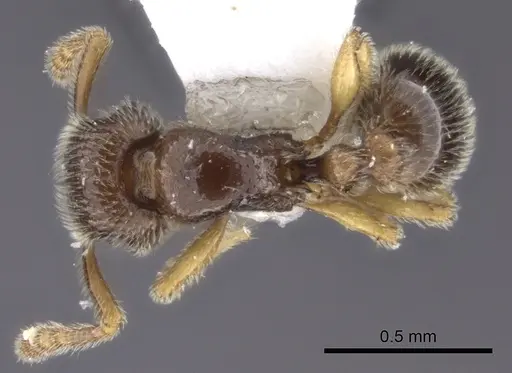
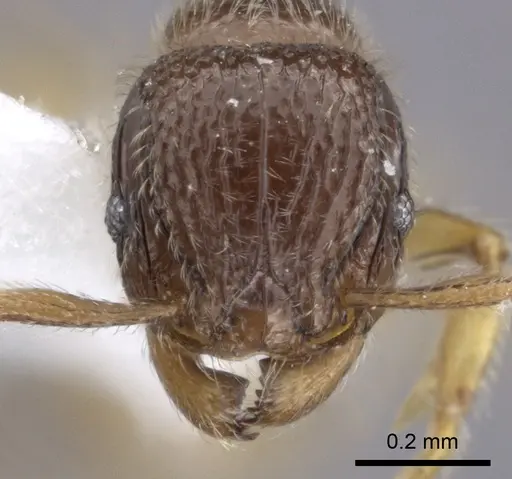
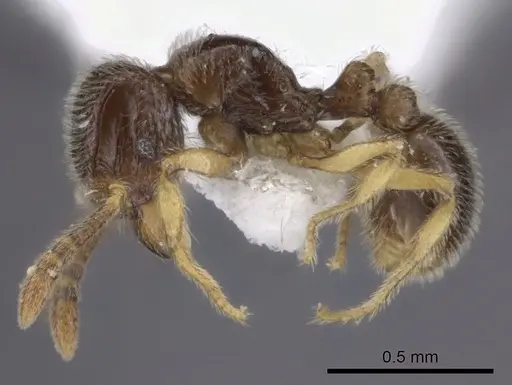
CASENT0235149
View on AntWeb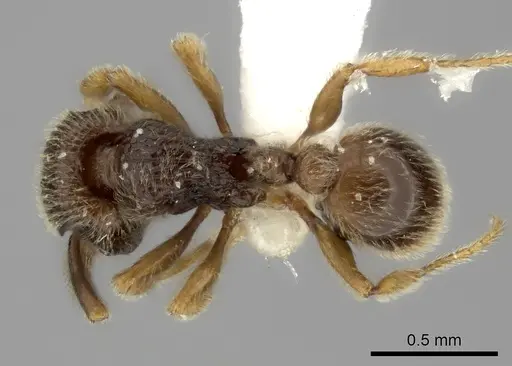
CASENT0413157
View on AntWeb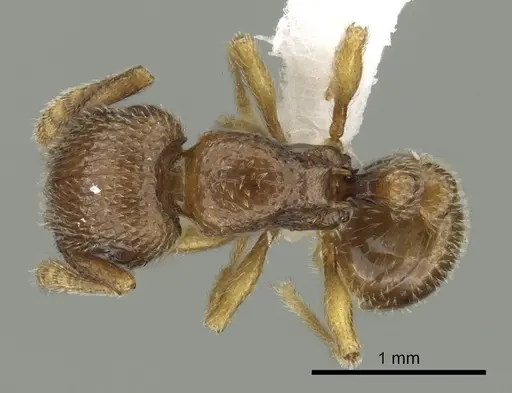
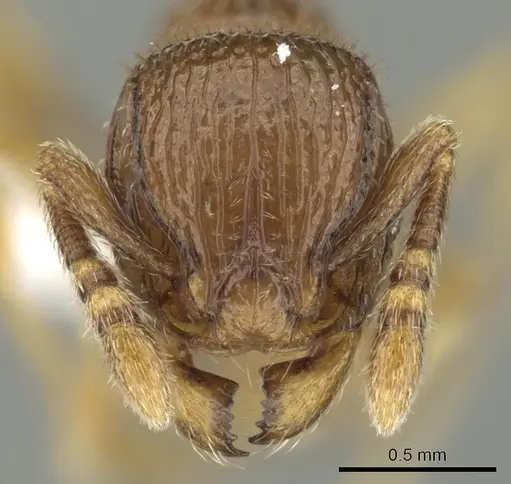
CASENT0901138
View on AntWeb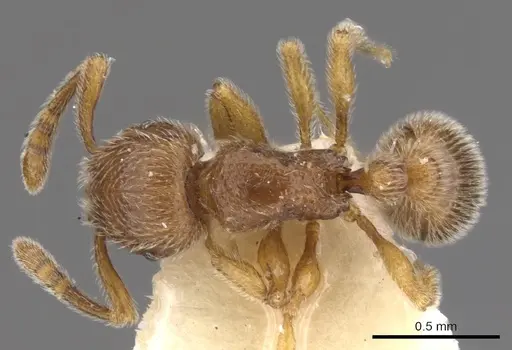
Literature
Loading distribution map...Loading products...