
Tetramorium cristatum
- Sci. Name
- Tetramorium cristatum
- Tribe
- Crematogastrini
- Subfamily
- Myrmicinae
- Author
- Stitz, 1910
- Distribution
- Found in 3 countries
Introduction
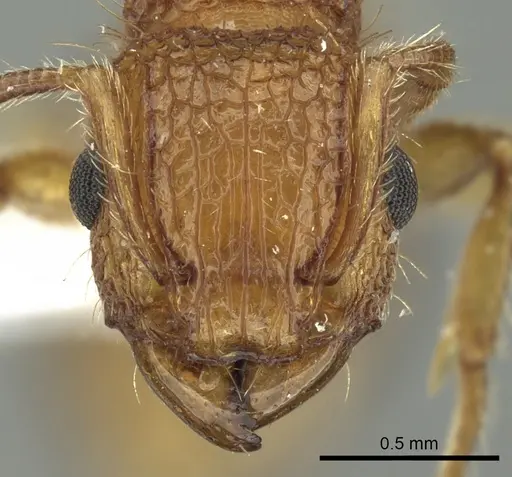
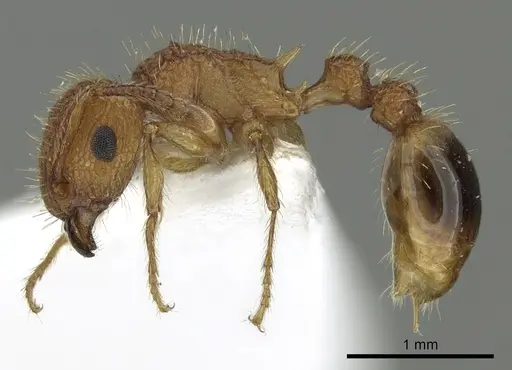
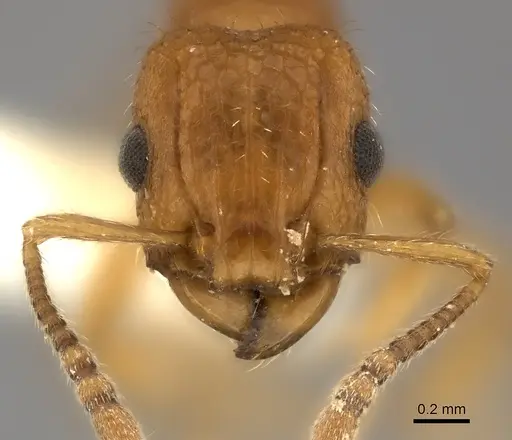
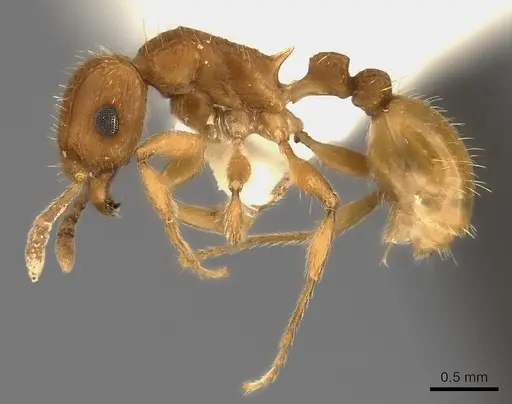
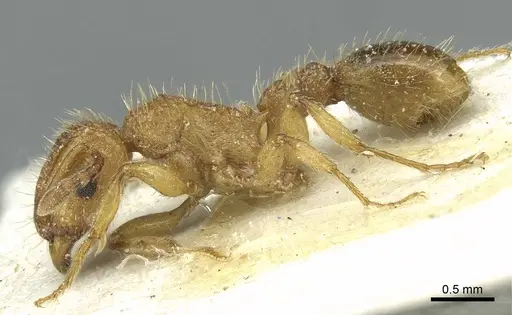
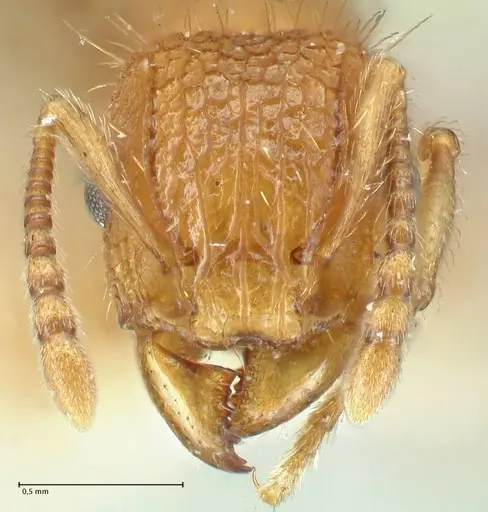
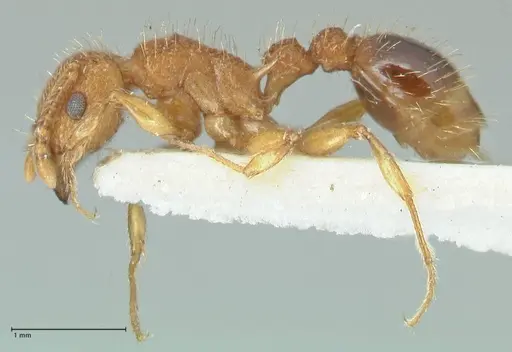
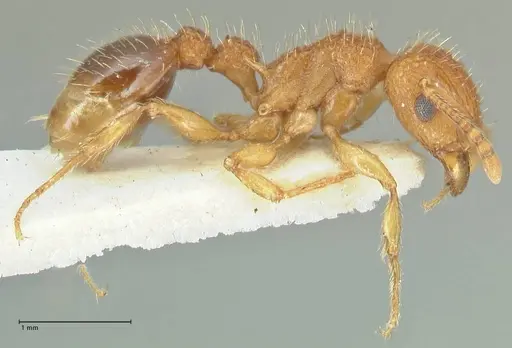
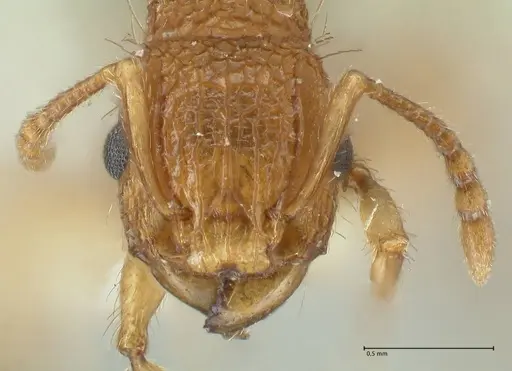
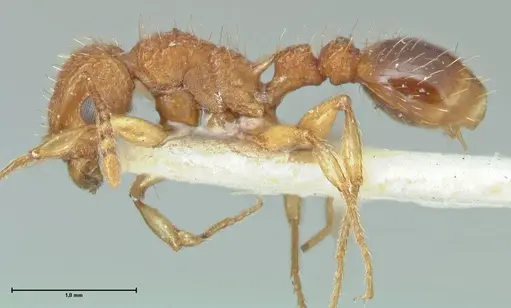
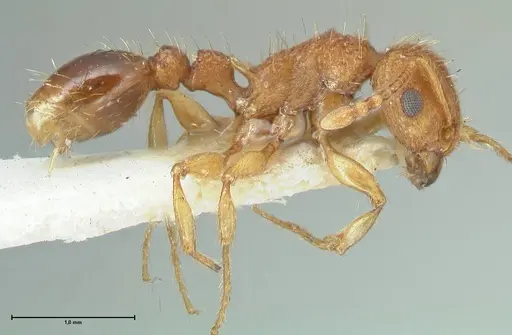
Tetramorium cristatum is a medium-sized ant with strongly contrasting colors: the head, alitrunk, and pedicel are bright orange-yellow to glossy orange-brown, while the gaster is much darker (dark brown to blackish brown) . Workers measure about 4.1-5.1 mm in total length . This color pattern makes them easy to separate from other African Tetramorium. They have smooth mandibles, a clypeus with a median notch and three strong carinae, long frontal carinae, and long, slightly upcurved propodeal spines . Their defense mechanism is unique: they wipe venom onto enemies using a flattened, spatulate stinger instead of piercing. They are ground-nesting ants found in open habitats like savannah and farmland across tropical Africa .
Quick Summary
- Difficulty: Medium
- Origin & Habitat: Tropical Africa, recorded from Angola, Democratic Republic of Congo, Ghana, Guinea, Ivory Coast, Kenya, Nigeria, Rwanda, Sudan, Togo, Uganda, United Republic of Tanzania, Zimbabwe [1][2][3][4]. All collections are from open ground-level habitats such as savannah and farmland [1].
- Colony Type: Unconfirmed. No specific data is available on colony structure.
- Size & Growth:
- Antkeeping:
- Temperature: Based on its tropical savannah habitat, maintain warm conditions. A suggested starting range is 24-28°C with a temperature gradient provided by a heating cable. Avoid prolonged temperatures below 22°C.
- Humidity: Moderate humidity. Allow the nest substrate to partially dry between waterings, as the species comes from well‑drained savannah environments.
- Diapause: No hibernation required. Keep warm year‑round.
- Nesting: Ground‑nesting. Test tubes are suitable for founding (if the queen is claustral), and Y‑tong or plaster nests work well for larger colonies. Provide a moisture gradient but avoid waterlogging.
- Behavior: Active foragers that hunt small prey and collect honeydew from aphids. Their primary defense is smearing venom with a spatulate stinger (typical of the Crematogastrini tribe). They will stand their ground if disturbed. Escape prevention is important because they are small and can squeeze through tiny gaps.
- Common Issues: temperatures below 22°C for extended periods can slow colony development or cause decline, overwatering leads to mold, allow partial drying between watering sessions, high escape risk due to small size, use barriers like Fluon on all connections, founding behavior is unconfirmed, monitor the queen closely and adapt care (e.g., offer food if she forages), wild‑caught colonies may carry parasites, quarantine new queens when possible
Housing and Nest Setup
Because the founding method is unconfirmed, start with a standard test tube setup: fill one‑third with water, plug with cotton, and place the queen in the dark area. If she remains in the tube and does not forage, she is likely claustral. If she leaves to find food, she may need feeding. For established colonies, Y‑tong or plaster nests work well. Provide a horizontal nest chamber since these ants are ground‑nesters. An outworld gives foragers space to hunt and explore. Use Fluon or a similar barrier on all connections to prevent escapes. A drinking tube is optional for established colonies. [1]
Feeding and Diet
Like most Tetramorium, this ant is omnivorous. Offer small insects (fruit flies, pinhead crickets, mealworms) as protein. Provide sugar water or honey water as a constant energy source, replace every 2-3 days. Remove uneaten prey after 24 hours to prevent mold. Adjust feeding frequency based on colony size, a small drop of honey water is enough for a founding queen.
Temperature and Seasonal Care
These tropical ants need consistent warmth. A temperature gradient of 24-28°C is recommended, use a heating cable on one side of the nest. Avoid temperatures below 22°C for long periods. No hibernation is needed, maintain warm conditions year‑round. Monitor for overheating and never exceed 32°C. [1]
Colony Founding
Founding behavior is unconfirmed. Place a queen in a test tube setup and leave her undisturbed in darkness. If she is claustral, she will not need food until the first workers appear. If she leaves the tube to forage, she may be semi‑claustral and will require food, offer small prey and honey water. Be patient and minimize disturbance, check only once every 1-2 weeks.
Behavior and Temperament
Workers are active foragers and communicate using pheromone trails. Their primary defense is to smear venom with a spatulate stinger rather than pierce the skin. They will defend the nest vigorously if disturbed but are not aggressive in the outworld. Handle gently and avoid disturbing the nest during founding. Workers are robust and tend to hold their ground. [1]
Frequently Asked Questions
How long does it take for Tetramorium cristatum to raise first workers?
Unknown. No specific data is available. Under warm, stable conditions it may take several weeks to months. Monitor the queen but avoid disturbing her.
Can I keep multiple Tetramorium cristatum queens together?
Not recommended. Colony structure is unconfirmed, so treat them as single‑queen colonies. Housing multiple queens together may lead to aggression.
Do Tetramorium cristatum ants sting?
They have a modified spatulate stinger used to smear venom onto attackers, not to pierce. The venom can cause mild irritation, but they are not aggressive toward humans. Handle gently.
What temperature do Tetramorium cristatum ants need?
Maintain 24-28°C with a temperature gradient. Avoid temperatures below 22°C for extended periods. Use a heating cable on one side of the nest.
Are Tetramorium cristatum ants good for beginners?
They are moderate to hard due to many unknowns (founding method, colony size, growth rate). Keepers with some experience will find them manageable, but beginners may struggle without clear guidance.
How big do Tetramorium cristatum colonies get?
Unknown. No data on colony size is available.
Do Tetramorium cristatum ants need hibernation?
No. As a tropical African species, they do not require hibernation. Keep them warm year‑round.
What do Tetramorium cristatum ants eat?
They are omnivorous. Offer small insects (fruit flies, pinhead crickets) as protein and provide sugar water or honey water as a constant energy source.
When should I move my Tetramorium cristatum colony to a formicarium?
Observe for crowding. When the test tube is full of workers and brood, connect a larger nest and let the colony migrate on its own. Do not force the move.
Why are my Tetramorium cristatum workers dying?
Common causes: temperature too low (keep above 22°C), mold from overwatering or uneaten food, parasites from wild‑caught colonies, or disturbance during founding. Check temperature, reduce humidity if moldy, and remove leftover food promptly.
Report an Issue
The current care sheet is based fully on literature. See inconsistencies, or something that's incorrect? Please , it will be resolved after review from an admin. Contributing to the blogs tab also helps providing information, to make us be able to further improve the caresheets. Thank you for your support!
References

This caresheet is licensed under CC BY-SA 4.0 .
Community Blogs
CASENT0217222
View on AntWeb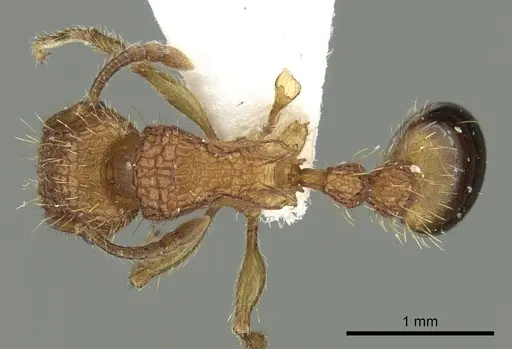
CASENT0217966
View on AntWeb
CASENT0915002
View on AntWeb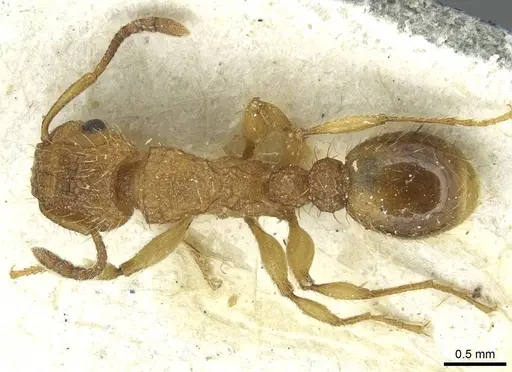
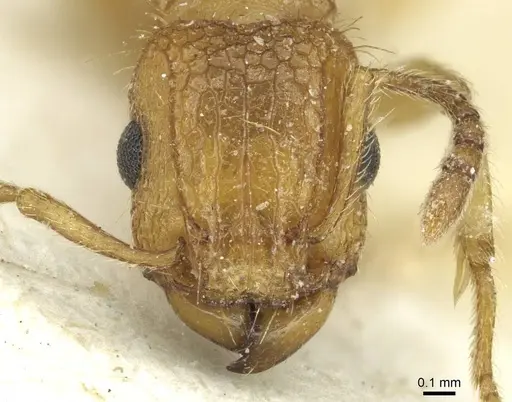
FOCOL2096
View on AntWeb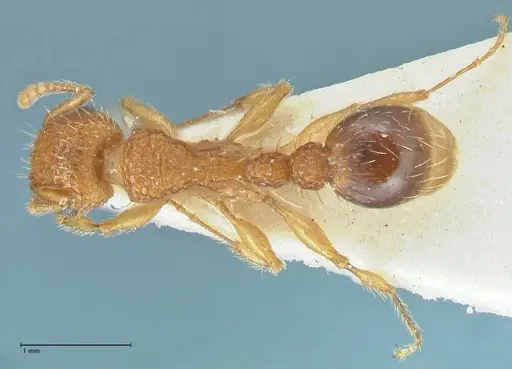
FOCOL2097
View on AntWeb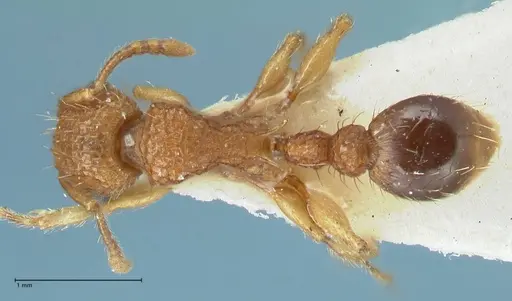
Literature
Loading distribution map...Loading products...