
Tetramorium constanciae
- Sci. Name
- Tetramorium constanciae
- Tribe
- Crematogastrini
- Subfamily
- Myrmicinae
- Author
- Arnold, 1917
- Distribution
- Found in 11 countries
Introduction
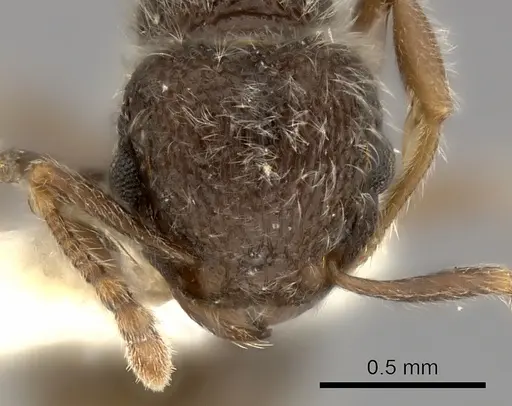
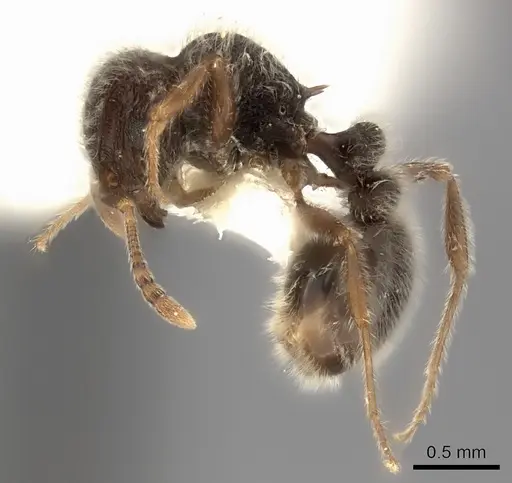
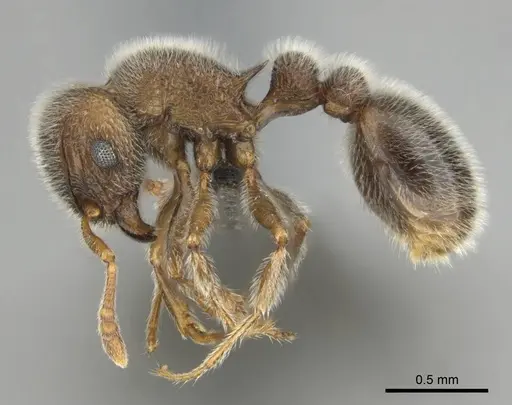
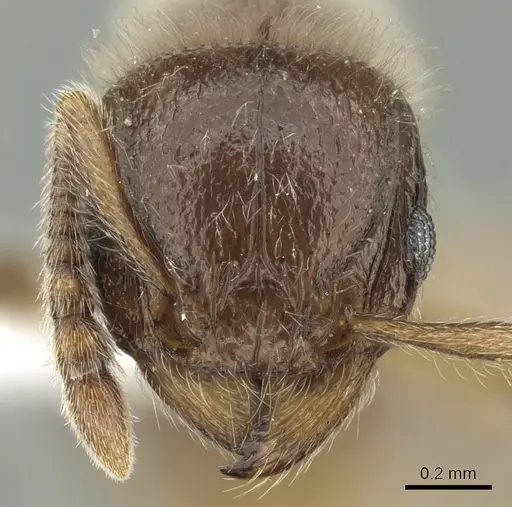
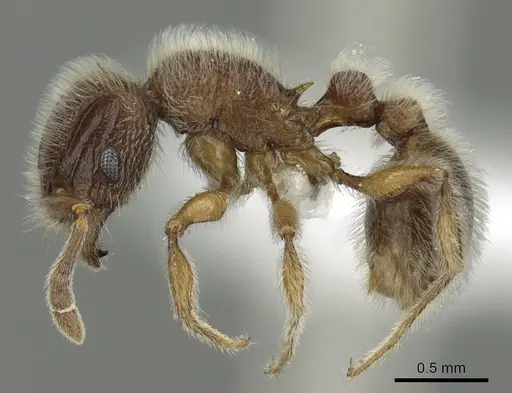
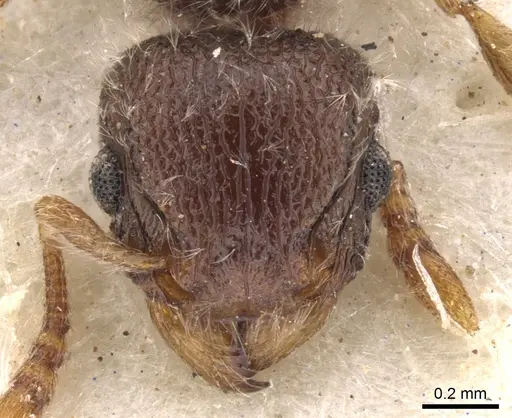
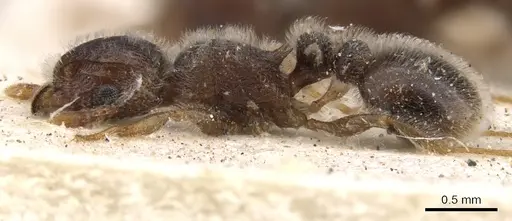
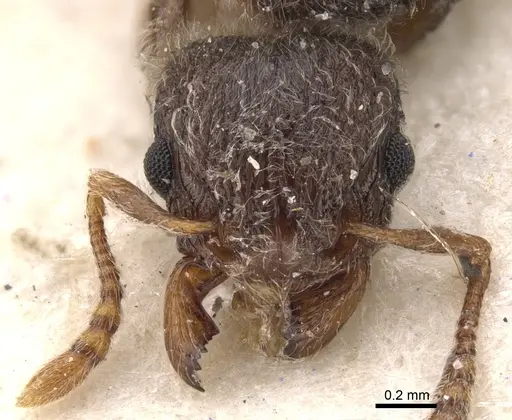
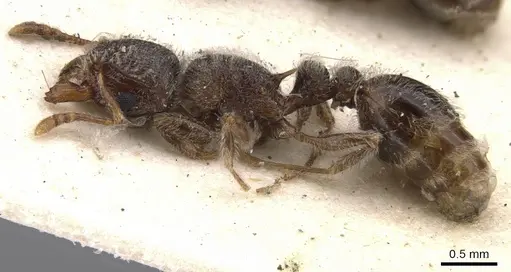
Tetramorium constanciae is a small ant species from the large genus Tetramorium. Workers are estimated at 3-5 mm and queens likely slightly larger, based on related species. They have the typical Tetramorium features: a spiny propodeum,12-segmented antennae, and brown to reddish-brown coloration. This species was first recorded in Akagera National Park in eastern Rwanda . In the wild, they are ground-nesters in savanna habitats. Their diet is omnivorous, which is typical for the genus.
Quick Summary
- Difficulty: Easy
- Origin & Habitat: Akagera National Park in eastern Rwanda, a tropical savanna with warm temperatures and seasonal rainfall [1].
- Colony Type: Unconfirmed. Based on typical Tetramorium patterns, likely single-queen (monogyne) colonies.
- Size & Growth:
- Queen: Estimated 6-8 mm based on related Tetramorium species
- Worker: Estimated 3-5 mm based on related Tetramorium species
- Colony: Likely reaches several hundred workers based on related species
- Growth: Moderate
- Development: Estimated 6-8 weeks at optimal temperature based on typical Tetramorium development (Development time is inferred from genus-level data, species-specific timing unconfirmed)
- Antkeeping:
- Temperature: Keep at 22-26°C. The Rwandan origin suggests they prefer warm conditions [1].
- Humidity: Moderate, keep the nest substrate slightly moist but allow the surface to dry between waterings. Avoid waterlogging.
- Diapause: Unconfirmed. Tropical origin suggests they may not need a true diapause. A slight cool period (around 18-20°C) in winter might be beneficial but is not required.
- Nesting: Ground-nesting species. Use a Y-tong (AAC) or soil-based nest. They prefer compact chambers.
- Behavior: Generally docile. They have a modified stinger used to smear venom rather than pierce, this venom is not harmful to humans. Workers are active foragers. Escape risk is moderate due to small size, use tight lids and fine mesh.
- Common Issues: colonies may slow or stop brood development if temperatures drop below 20°C for extended periods, small workers can squeeze through tiny gaps, secure all enclosure openings, overwatering leads to mold in the nest area, wild-caught colonies may introduce parasites
Housing and Nest Setup
Tetramorium constanciae does well in standard setups. A Y-tong (AAC) nest works well, the narrow chambers suit their size and help maintain humidity. Alternatively, a soil setup lets them dig naturally. Start the colony in a test tube setup with a water reservoir. Once the colony reaches around 20-30 workers, move them to a formicarium. All connections must be secure because of their small size.
Feeding and Diet
Like most Tetramorium, they eat both protein and carbohydrates. Offer small insects like fruit flies or pinhead crickets 2-3 times per week. Keep sugar water or diluted honey available at all times. Remove uneaten food after 24-48 hours to prevent mold. The founding queen doesn't need food until her first workers emerge.
Temperature and Seasonal Care
Keep the nest at 22-26°C for best growth. The species comes from tropical Rwanda, so they like steady warmth [1]. Use a heat cable on one side to create a temperature gradient. In winter, you can lower to 18-20°C but avoid true hibernation. If the colony stops brood production, check temperature first.
Humidity and Water
Moderate humidity works. Keep the nest substrate slightly moist but not wet. Allow the top layer to dry between waterings. Good airflow prevents mold. Provide a water source in the outworld, a test tube or small dish with a sponge.
Colony Development and Growth
The claustral queen raises her first brood on body reserves. First nanitic workers appear after about 6-8 weeks. These are smaller than later workers. Colony growth is moderate, expect 50-100 workers after one year under good conditions. Mature colonies likely reach several hundred workers.
Behavior and Temperament
Tetramorium constanciae is non-aggressive toward humans. Their defense is a smear of venom from a modified stinger, not a painful sting. Workers forage actively and follow scent trails. Because of their small size, they can slip through small gaps, always use escape-proof enclosures.
Frequently Asked Questions
How long does it take for Tetramorium constanciae to get their first workers?
Expect first workers after 6-8 weeks at 24-26°C. This is based on typical Tetramorium development.
Can I keep Tetramorium constanciae in a test tube?
Yes. A test tube with a cotton water reservoir works for founding. Move to a formicarium when the colony reaches 20-30 workers.
Do Tetramorium ants sting?
They have a stinger, but it does not cause a painful sting. Instead, they smear venom onto attackers. The venom is harmless to humans, and the ants are safe to keep.
What temperature do Tetramorium constanciae need?
Keep them at 22-26°C. Their Rwandan origin means they prefer warm conditions [1]. Avoid dropping below 18°C.
How big do Tetramorium constanciae colonies get?
Colonies probably reach several hundred workers at maturity. Growth is moderate.
Are Tetramorium constanciae good for beginners?
Yes. They are peaceful, easy to feed, and tolerate room conditions well. Their temperature needs are straightforward.
What do Tetramorium constanciae eat?
They are omnivores. Offer small insects (fruit flies, pinheads) and sugar water or honey. They may also accept seeds.
Do Tetramorium constanciae need hibernation?
Probably not, as they come from a tropical region. A slight winter cooldown to 18-20°C might help but isn't required.
Why are my Tetramorium constanciae dying?
Check for temperatures below 20°C, overwatering and mold, or small escape gaps. Wild-caught colonies sometimes have parasites.
When should I move my colony to a formicarium?
Move when the colony has 20-30 workers or when the test tube seems cramped. Make sure the new nest has proper humidity and temperature.
How often should I feed Tetramorium constanciae?
Feed protein 2-3 times per week. Keep sugar water available always. Remove uneaten leftovers after 24-48 hours.
Report an Issue
The current care sheet is based fully on literature. See inconsistencies, or something that's incorrect? Please , it will be resolved after review from an admin. Contributing to the blogs tab also helps providing information, to make us be able to further improve the caresheets. Thank you for your support!
References

This caresheet is licensed under CC BY-SA 4.0 .
Community Blogs
CASENT0217965
View on AntWeb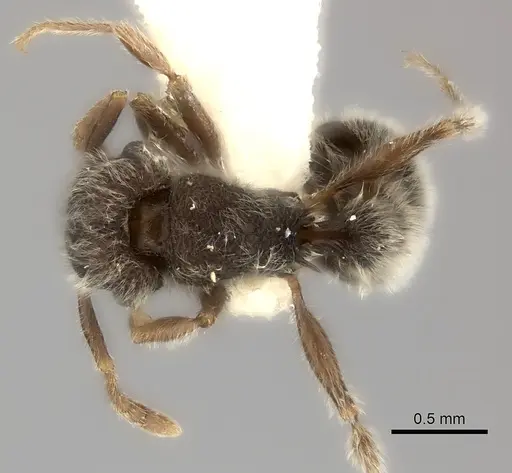
CASENT0235781
View on AntWeb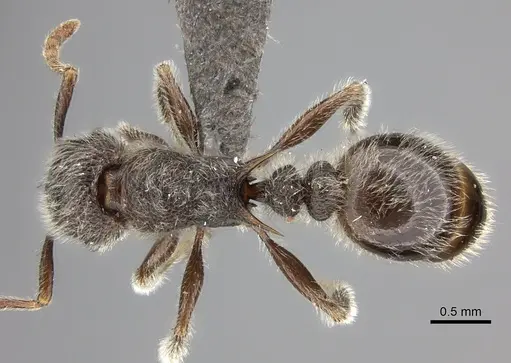
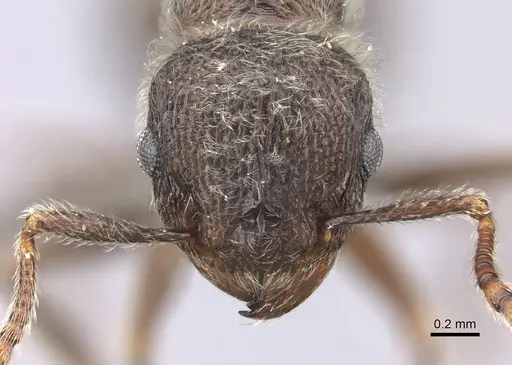
CASENT0257067
View on AntWeb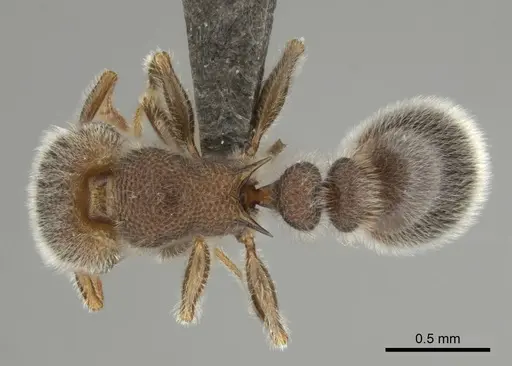
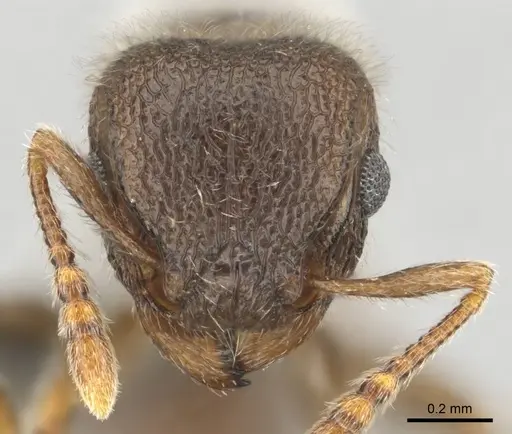
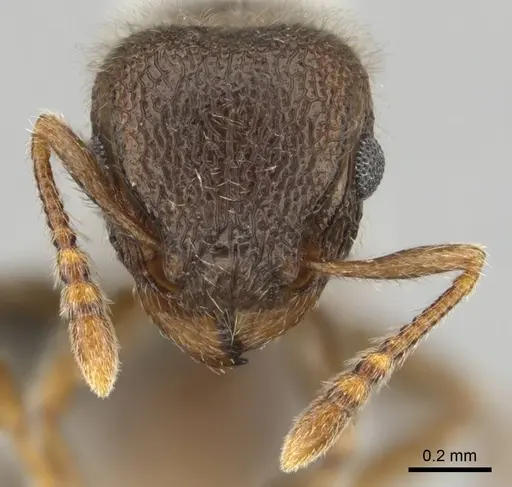
CASENT0413084
View on AntWeb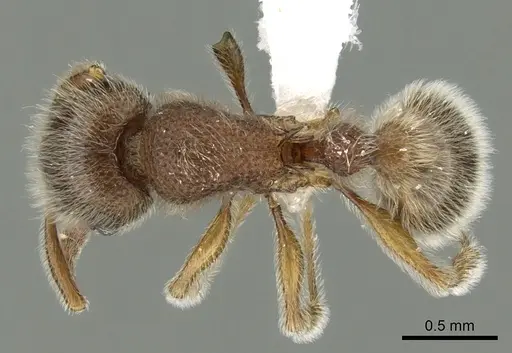
CASENT0784503
View on AntWeb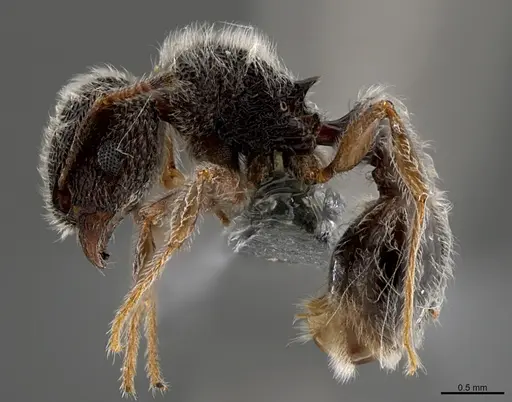
CASENT0901136
View on AntWeb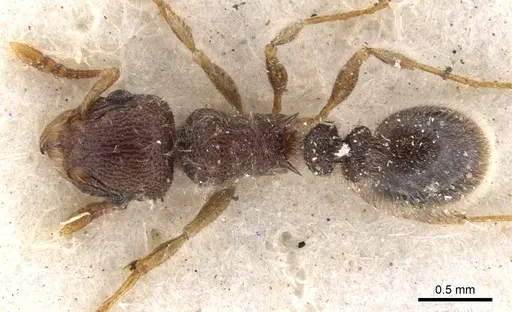
CASENT0901137
View on AntWeb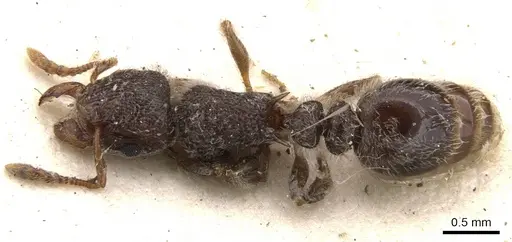
Literature
Loading distribution map...Loading products...