
Tetramorium coloreum
- Sci. Name
- Tetramorium coloreum
- Tribe
- Crematogastrini
- Subfamily
- Myrmicinae
- Author
- Mayr, 1901
- Distribution
- Found in 7 countries
Introduction
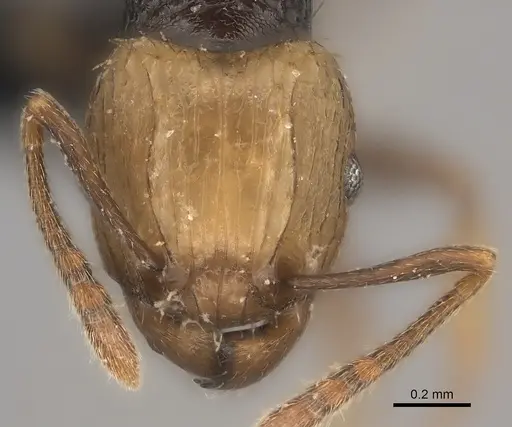
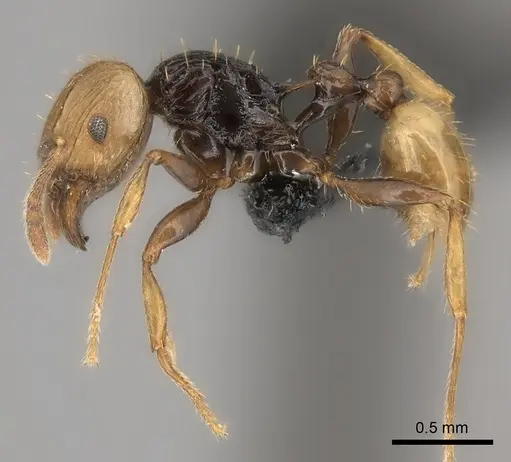
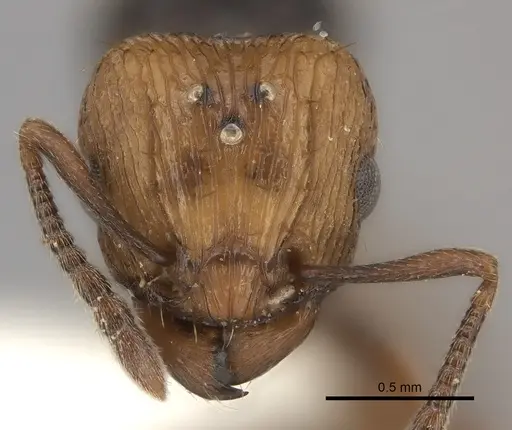
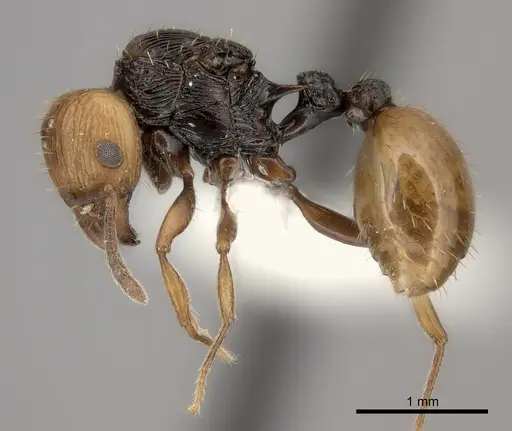
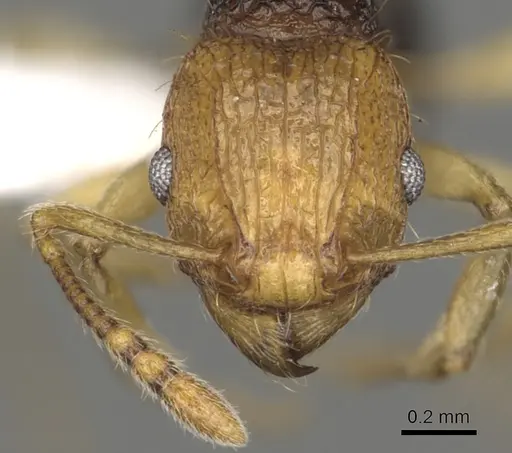
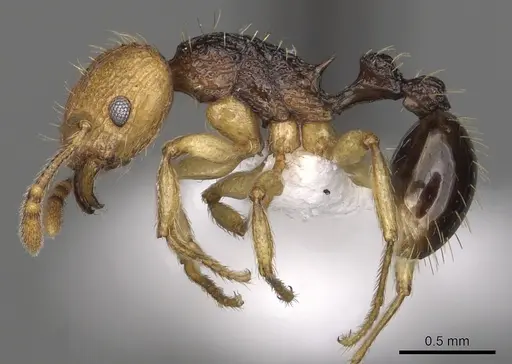
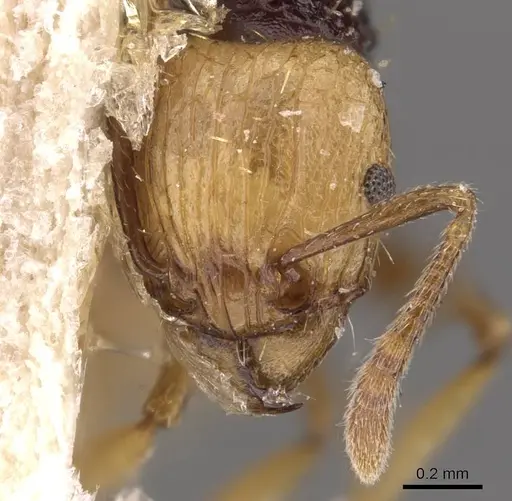
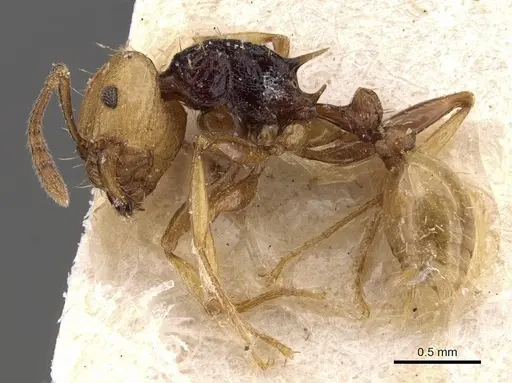
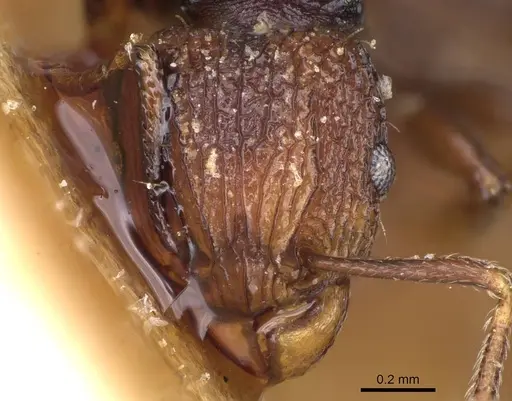
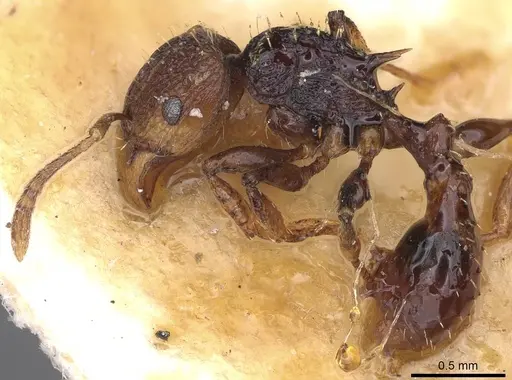
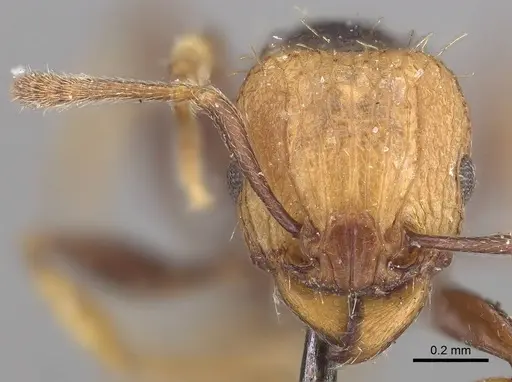
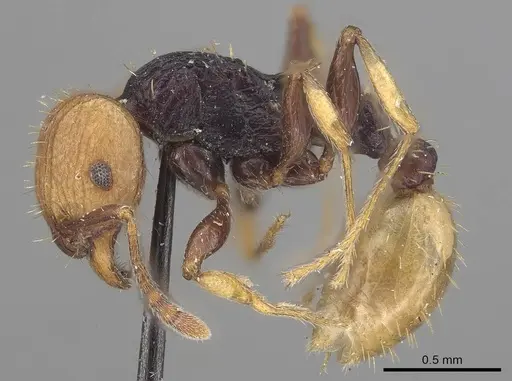
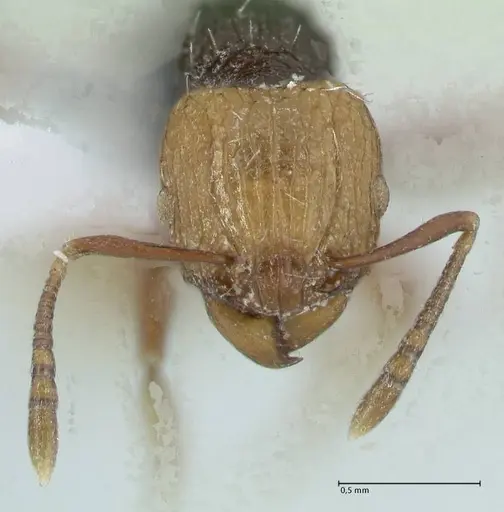
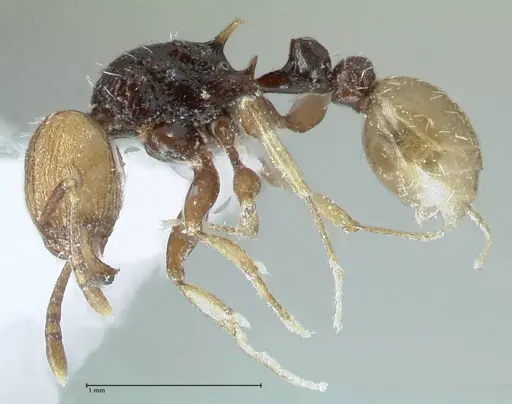
Tetramorium coloreum is a small, colorful ant native to the rainforests of Central and West Africa. Workers measure 3.0-3.6 mm and have a distinctive look: the head and gaster are bright yellow, while the middle body (alitrunk) is black or dark brown - a sharp contrast that makes them easy to identify . They live in leaf litter, rotting logs, and under stones in humid forests across Cameroon, Central African Republic, Democratic Republic of Congo, Gabon, Guinea, and Uganda . This ground-dwelling species is not common in surveys - at one site in Cameroon, it made up less than 0.05% of ants collected . They likely hunt small invertebrates on the forest floor. Their small size and striking colors make them interesting for experienced keepers, but they are rarely kept in captivity.
Quick Summary
- Difficulty: Hard
- Origin & Habitat: Rainforests of Central and West Africa, Cameroon, Central African Republic, Democratic Republic of Congo, Gabon, Guinea, Uganda. They live in leaf litter, rotting logs, and under stones in humid lowland and montane forests at elevations from 800 to 1150 m [3][4][1].
- Colony Type: Colony structure is unconfirmed. Based on typical Tetramorium patterns, they are likely single-queen (monogyne) colonies, but this has not been directly documented for this species.
- Size & Growth:
- Queen: Unknown, no queen measurements have been published.
- Worker: 3.0-3.6 mm (total length) [1]
- Colony: Unknown, based on related Tetramorium species, colonies may reach a few hundred workers, but no data exists for T. coloreum.
- Growth: Moderate, inferred from related Tetramorium species.
- Development: Unknown, development likely mirrors other small Tetramorium species (roughly 6-8 weeks at optimal temperature), but this has not been studied. (Timeline is an inference, direct data for this species is lacking.)
- Antkeeping:
- Temperature: Aim for 22-26°C, with a gentle gradient. Their rainforest origin means they prefer warm, stable conditions. Avoid dropping below 20°C or going above 30°C. [1]
- Humidity: High humidity is essential, keep the nest substrate consistently moist but not waterlogged. Their natural habitat in leaf litter and rotting wood is constantly damp. Use a test tube or plaster nest to maintain moisture. [1]
- Diapause: Unconfirmed, given their African rainforest origin, they likely do not require hibernation, but may reduce activity during cooler periods. No studies document diapause.
- Nesting: Small, humid chambers work best. Test tubes with moist cotton, Y-tong (AAC) nests, or plaster nests that hold moisture are ideal. They are ground-dwelling and prefer enclosed, dark spaces. [1]
- Behavior: These ants are small (3 mm) and active foragers. They likely prey on tiny invertebrates like springtails and fruit flies. Workers are not aggressive and will flee rather than fight. Because of their tiny size, escape prevention is critical, they can squeeze through gaps that seem impossibly small. They may form foraging trails like other Tetramorium. Their defense is a unique 'smear' venom: they have a modified, flattened stinger that wipes venom onto attackers rather than piercing them (common to the Crematogastrini tribe).
- Common Issues: escape prevention is critical due to their tiny 3 mm size, use fine mesh and tight seals., high humidity requirements can cause mold if ventilation is poor, balance moisture with airflow., unknown colony structure and founding behavior make captive care experimental, be prepared to adjust conditions., wild-caught colonies may carry parasites or diseases that can wipe out a captive colony., limited availability and lack of research mean this species is best left to experienced keepers.
Housing and Nest Setup
Because workers are only 3 mm, use small chambers. A test tube with moist cotton is perfect for founding and small colonies. For larger colonies, Y-tong (AAC) or plaster nests work well because they hold humidity. Avoid oversized nests, large, open spaces can stress such tiny ants. The outworld can be simple: a small container with a water source and food dish. These ants don't climb much, so vertical space isn't needed. Use fluon or talc barriers on edges to prevent escapes. [1]
Feeding and Diet
Based on typical Tetramorium behavior, they are likely omnivorous with a strong preference for protein. Offer small live prey such as fruit flies, springtails, or tiny crickets. They will also accept sugar water or honey. Feed small amounts every 2-3 days and remove uneaten prey within 24 hours to avoid mold. Because this species hasn't been widely kept, you may need to experiment with different foods to see what they accept. [1]
Temperature and Humidity
Keep the nest between 22-26°C, with a slight gradient so they can choose their preferred spot. Their rainforest origin means they like it warm and stable. Avoid temperatures below 20°C or above 30°C. Humidity should be high (70-85%): the substrate should feel damp to the touch. Use a test tube with a water reservoir or mist the nest area regularly. A thin layer of condensation on the nest walls is a good sign. Balance moisture with ventilation to prevent mold. [1]
Colony Development and Growth
There are no published studies on Tetramorium coloreum development. Based on related species, the first workers (nanitics) probably appear 6-8 weeks after eggs are laid at 24-26°C. The colony stays small for many months. Maximum colony size is unknown but likely under a few hundred workers. Don't disturb the queen during founding, she needs peace and darkness. Patience is key, these ants grow slowly. [1]
Handling and Temperament
Workers are timid and will flee rather than fight. Their tiny size makes them fragile, so handle the colony as little as possible. Escape prevention is a constant concern, 3 mm ants can slip through the tiniest gaps. Use fluon or PTFE on barriers and seal all connections. They use a 'smear' venom instead of stinging: a flattened stinger wipes venom onto attackers. For humans, this means any sting is mild and barely noticeable. But they are unlikely to sting unless directly pressed against skin.
Frequently Asked Questions
How long does it take for Tetramorium coloreum to have first workers?
There's no direct data for this species. Based on other small Tetramorium, first workers probably appear 6-8 weeks after the queen lays eggs at optimal temperature (24-26°C). This is an estimate, not a confirmed fact. [1]
What do Tetramorium coloreum ants eat?
They likely eat small invertebrates like fruit flies and springtails, plus sugar water or honey. As omnivores, they probably prefer protein. Start with small live prey and adjust based on what they accept. [1]
Do Tetramorium coloreum ants sting?
They have a functional stinger, but it's modified for smearing venom rather than piercing. Stings to humans are mild and rare, they prefer to flee. The sensation is minimal. (This is typical of the Crematogastrini tribe.)
What temperature do Tetramorium coloreum ants need?
Keep them at 22-26°C. Their rainforest home is warm year-round. Avoid extremes below 20°C or above 30°C. A temperature gradient is nice but not essential. [1]
Are Tetramorium coloreum ants good for beginners?
No. This species is not recommended for beginners. They are rarely available, require very high humidity, have unknown colony structure, and their tiny size makes escape prevention difficult. They are better suited for experienced keepers willing to experiment. [1]
How big do Tetramorium coloreum colonies get?
Colony size is unknown. Based on related Tetramorium, they may reach a few hundred workers. There are no published records for this species. Expect modest, slow-growing colonies. [1]
Do Tetramorium coloreum ants need hibernation?
Diapause has not been studied for this species. Given their tropical rainforest origin, they likely do not require a cold period. They may slow down in cooler conditions but should remain active year-round if kept warm. [1]
What humidity level do Tetramorium coloreum ants need?
High humidity, aim for 70-85%. The nest substrate should be moist to the touch. Their natural habitat is constantly damp leaf litter and rotting wood. A well-sealed test tube or plaster nest will hold the needed moisture. [1]
Can I keep multiple Tetramorium coloreum queens together?
Colony structure is unconfirmed. Based on the genus, they are probably single-queen (monogyne). Do not try to combine queens unless you have proof they can coexist. Single-queen setups are safer. [1]
Why are my Tetramorium coloreum ants dying?
Possible causes: low humidity (they need 70-85%), temperature out of range (below 20°C or above 30°C), mold from overwatering and poor ventilation, escapes through tiny gaps, parasites from wild colonies, or starvation. Check all parameters. [1]
Report an Issue
The current care sheet is based fully on literature. See inconsistencies, or something that's incorrect? Please , it will be resolved after review from an admin. Contributing to the blogs tab also helps providing information, to make us be able to further improve the caresheets. Thank you for your support!
References

This caresheet is licensed under CC BY-SA 4.0 .
Community Blogs
CASENT0093824
View on AntWeb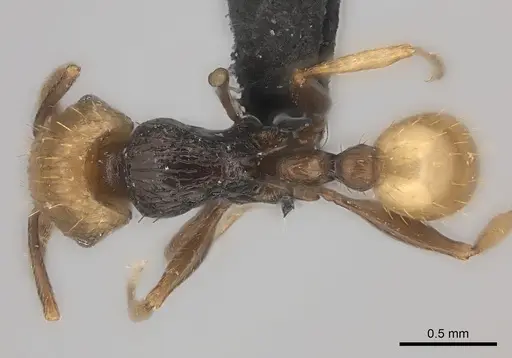
CASENT0226856
View on AntWeb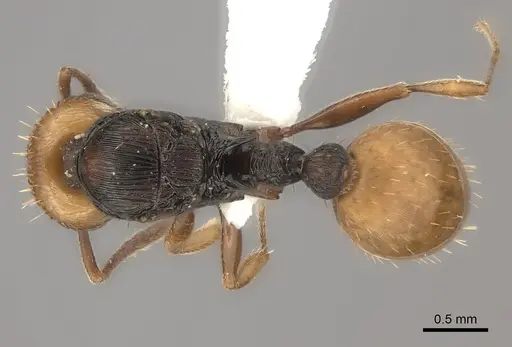
CASENT0316989
View on AntWeb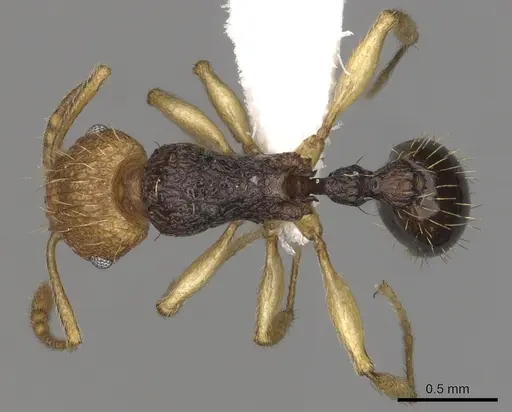
CASENT0909129
View on AntWeb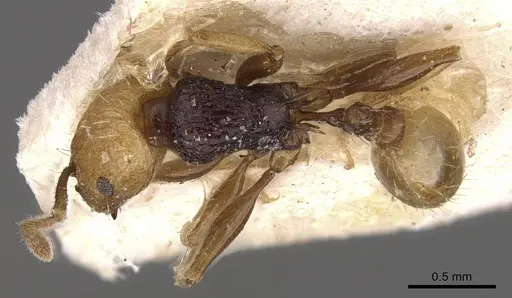
CASENT0914278
View on AntWeb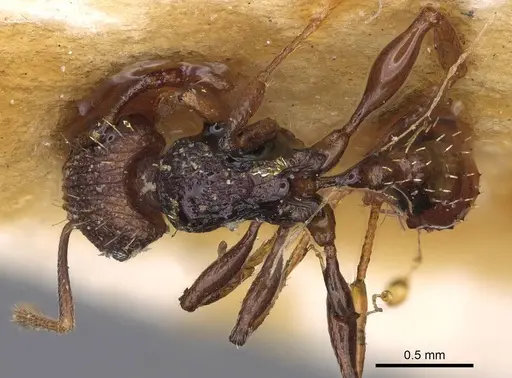
CASENT0919647
View on AntWeb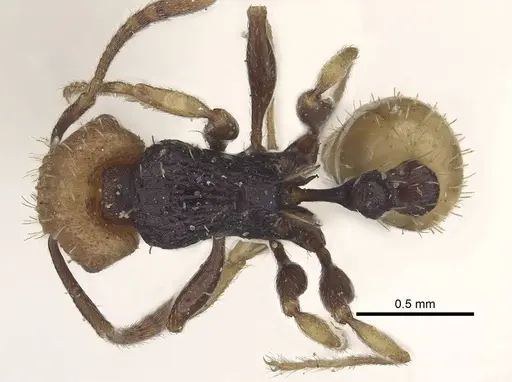
FOCOL1790-2
View on AntWeb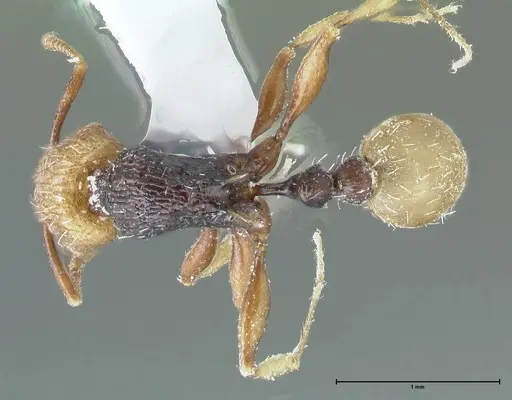
Literature
Loading distribution map...Loading products...