
Tetramorium cognatum
- Sci. Name
- Tetramorium cognatum
- Tribe
- Crematogastrini
- Subfamily
- Myrmicinae
- Author
- Bolton, 1979
- Distribution
- Found in 1 countries
Introduction
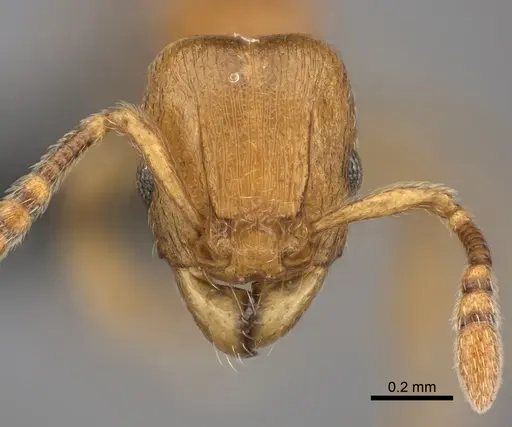
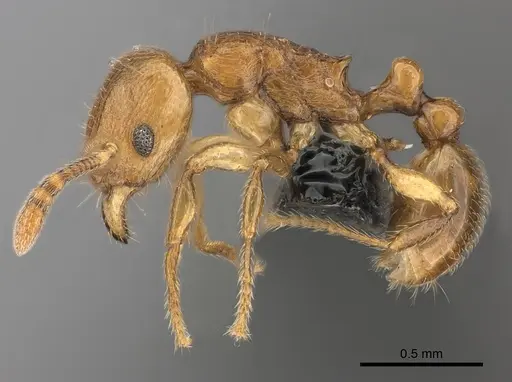
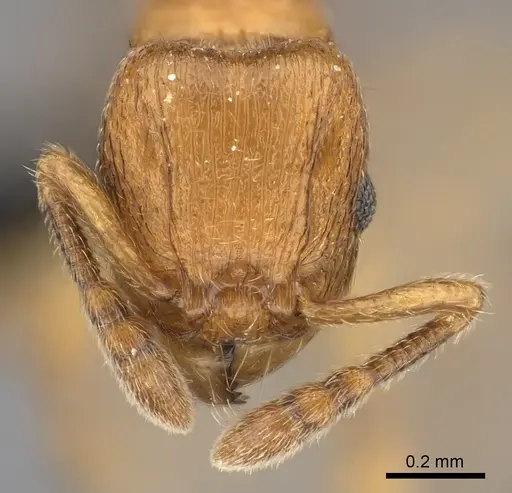
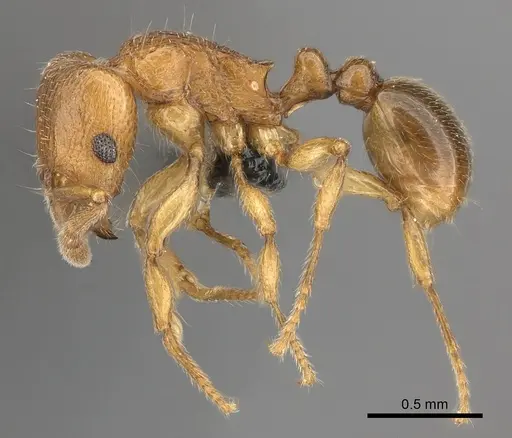
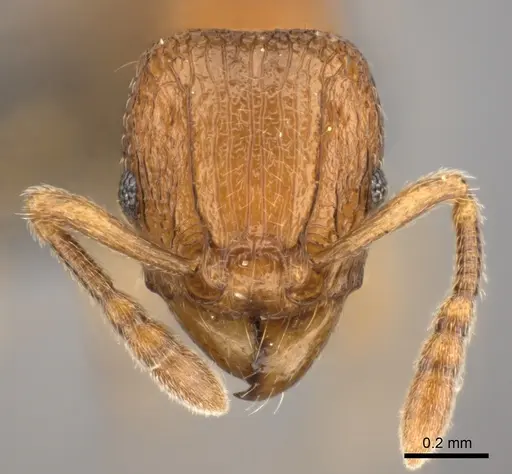
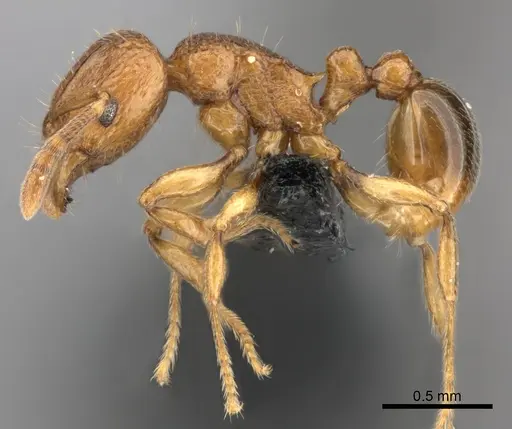
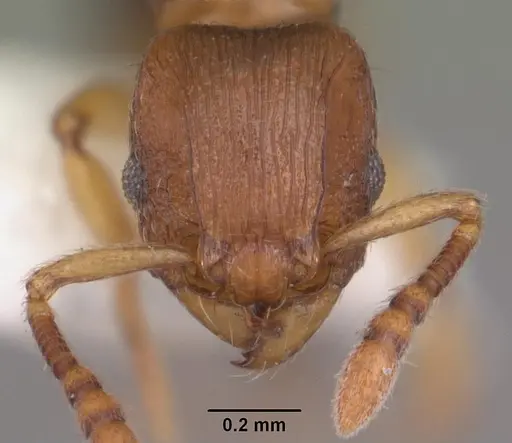
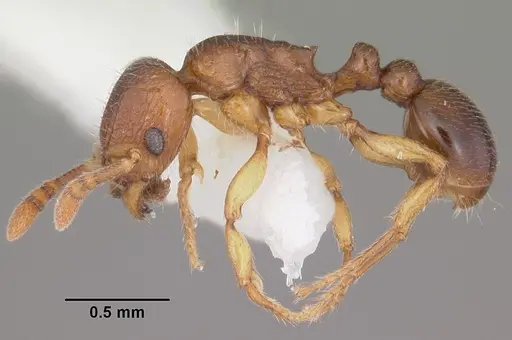
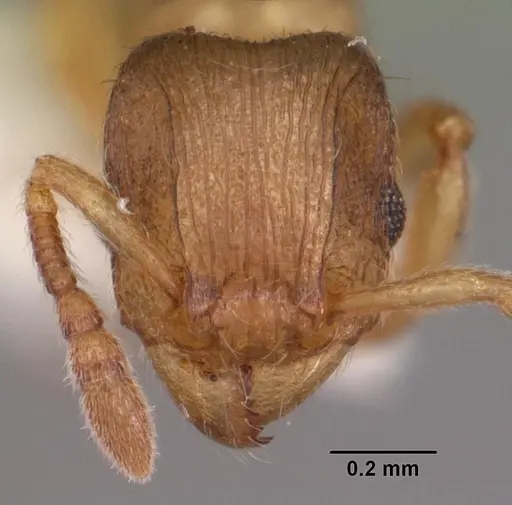
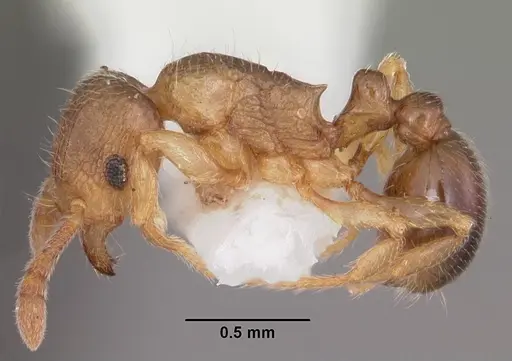
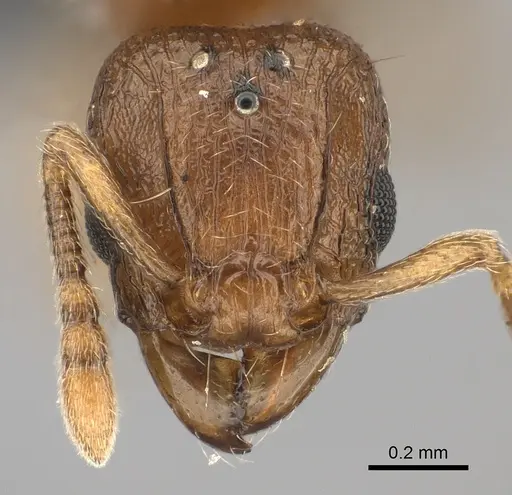
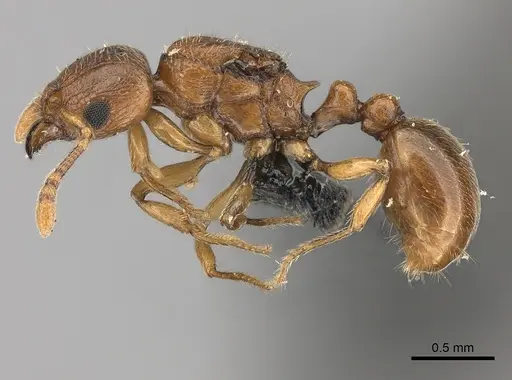
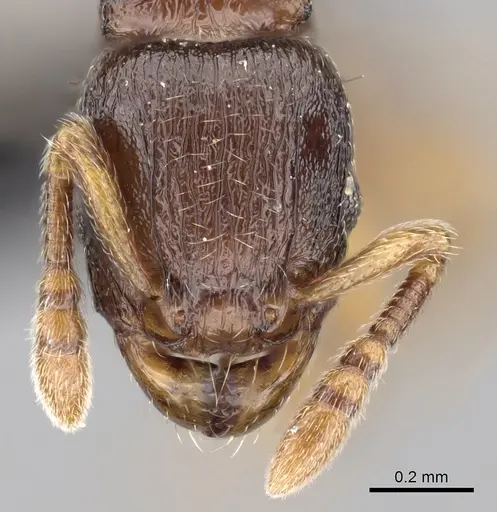
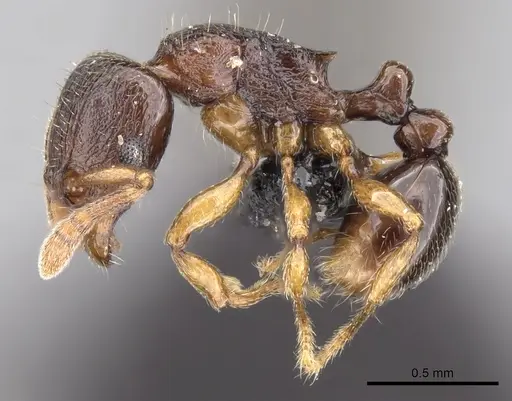
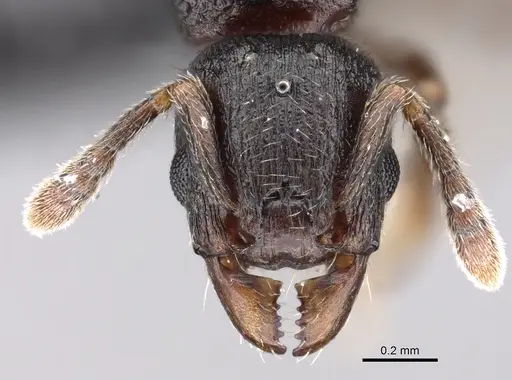
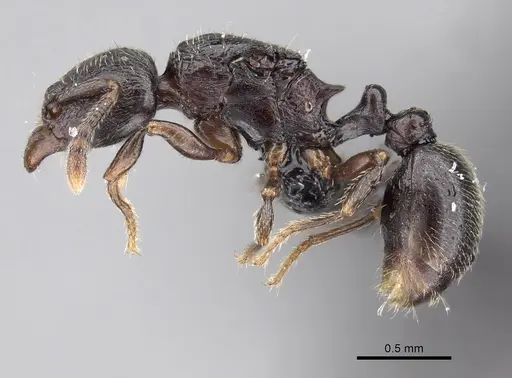
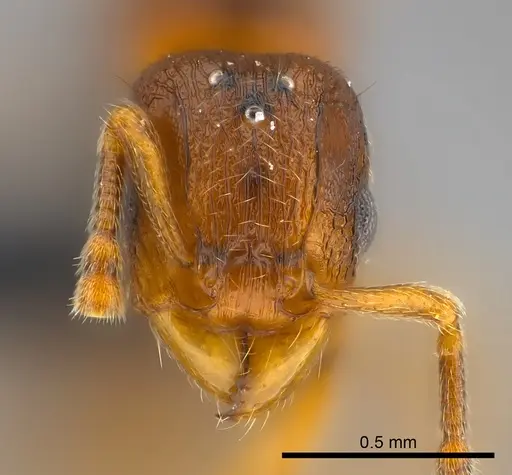
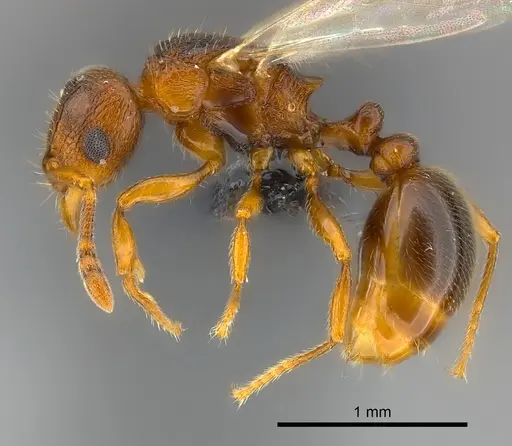
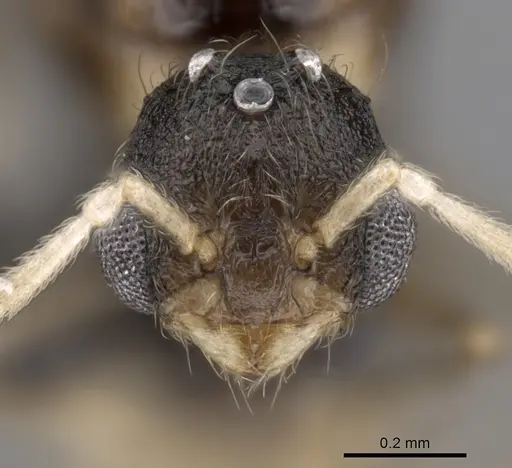
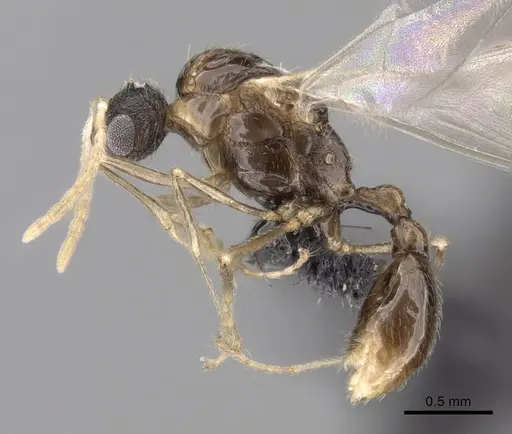
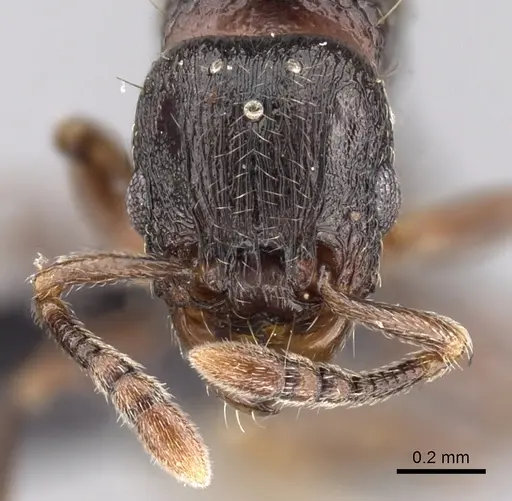
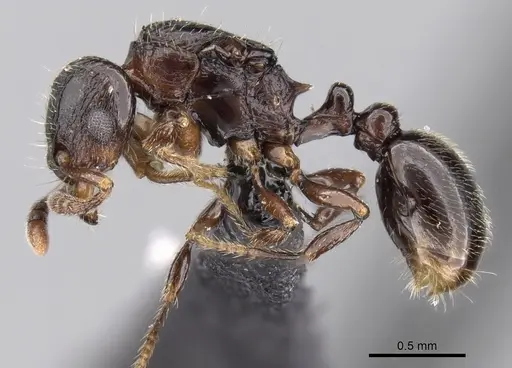
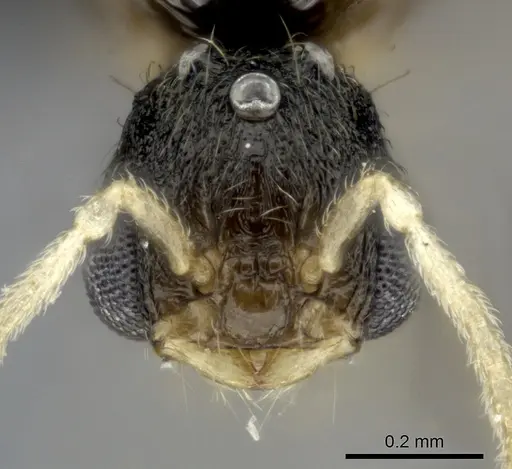
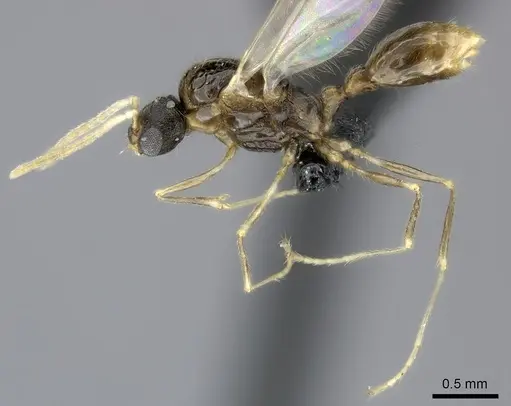
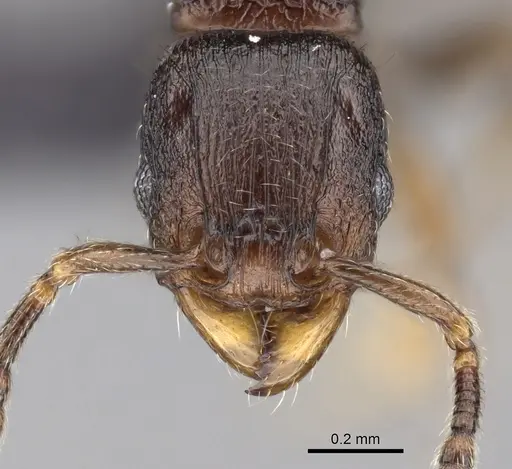
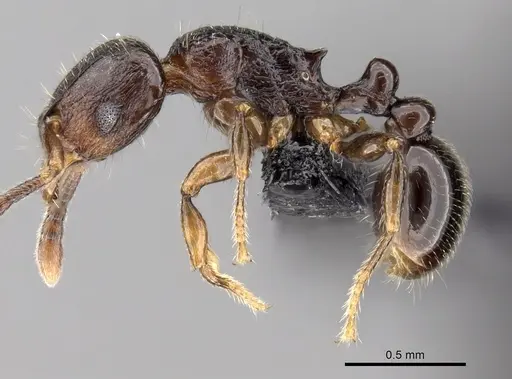
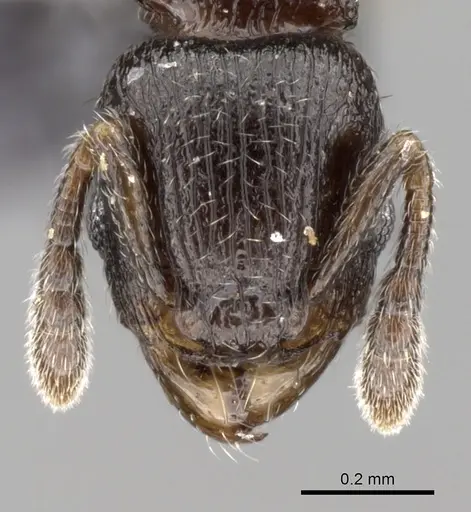
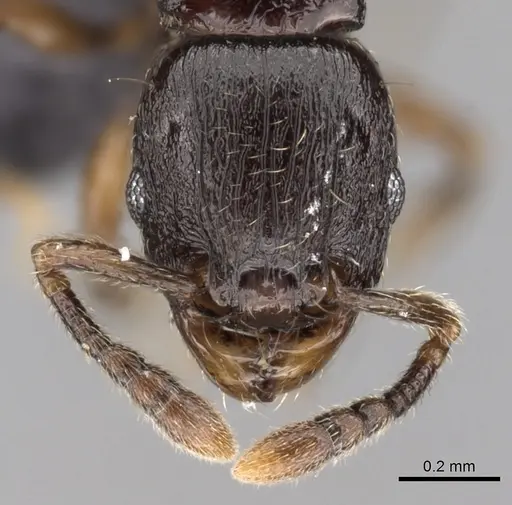
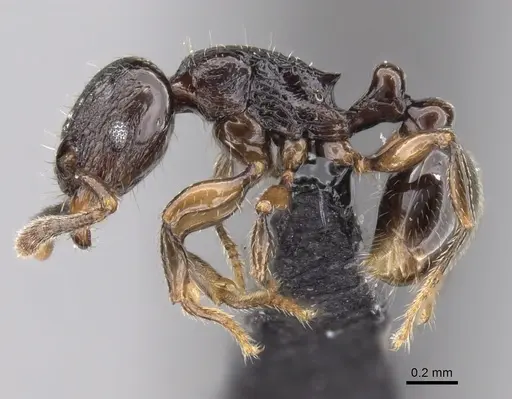
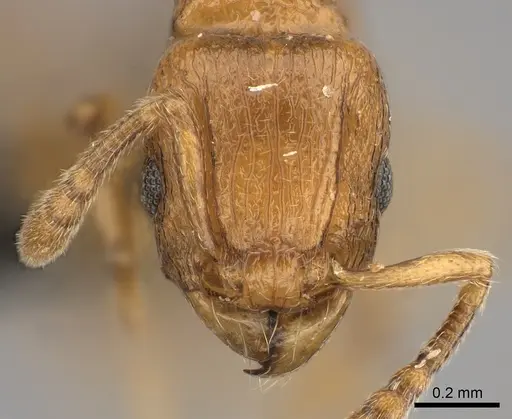
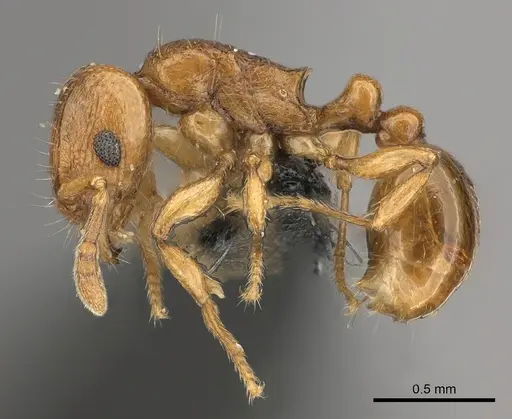
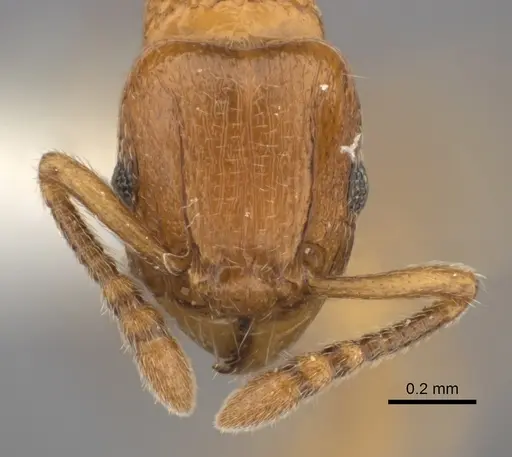
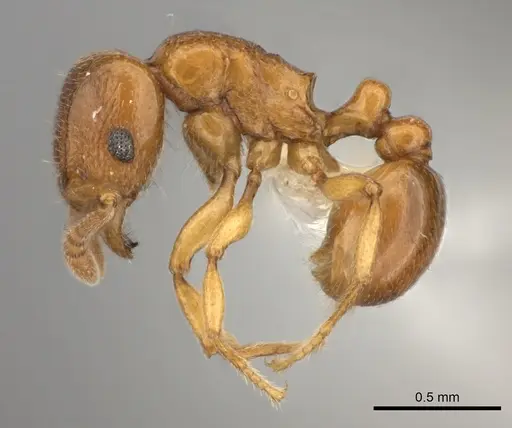
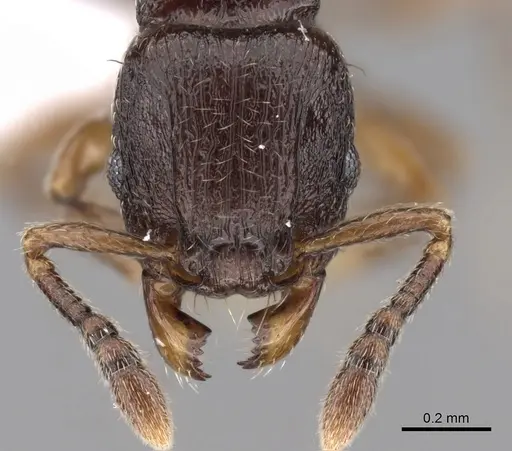
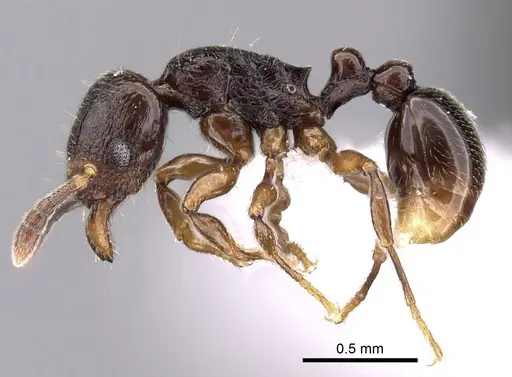
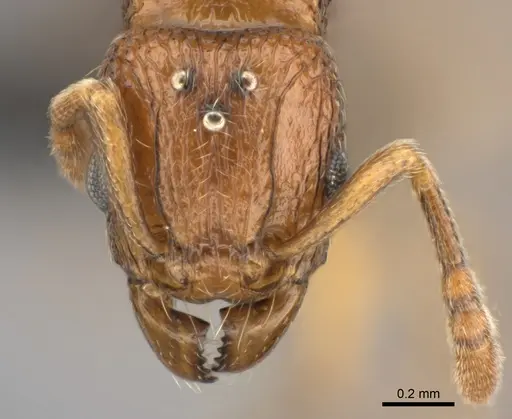
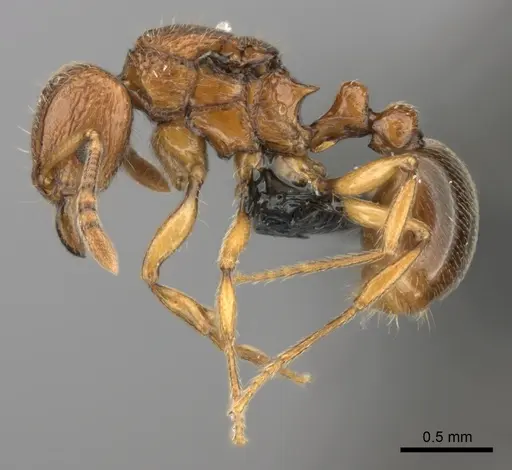
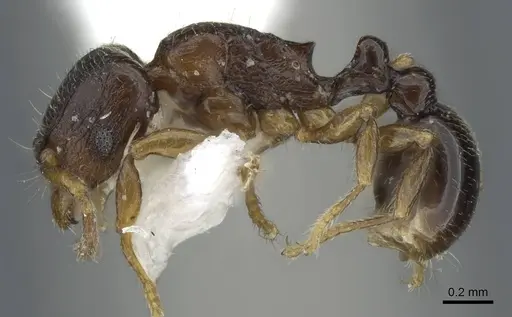
Tetramorium cognatum is a small, ground-dwelling ant that lives only in Madagascar . Workers are about 2-3 mm long (inferred from the Tetramorium genus) and have very large eyes and short antennae. Their color varies a lot, from bright yellow to dark brown, sometimes almost black . This ant is one of the most common Tetramorium species on the island. You’ll find it in rainforests, montane forests, and even drier spots like disturbed gallery forests, Uapaca woodland, and tropical dry forests, from sea level up to 1680 m elevation . What makes T. cognatum special is how flexible it is with habitats. It does best in humid forests, but it also survives in drier areas and disturbed land. Even though it lives all over Madagascar and is locally abundant, its shape and features barely change across its range, which makes it easy to recognize wherever you find it .
Quick Summary
- Difficulty: Easy
- Origin & Habitat: Endemic to Madagascar. Found across eastern and northern regions in rainforests, montane rainforests, and isolated humid forests in central and western areas. Also occurs in disturbed gallery forests, Uapaca woodland, tropical dry forests, and rarely in spiny forest or savanna [1]. Elevation range: sea level to 1680 m [2].
- Colony Type: Typical for Tetramorium, likely single-queen (monogyne) colonies, but this is unconfirmed from research. Workers cooperate to raise brood and forage for food.
- Size & Growth:
- Queen: Size data unavailable, ~5-7 mm based on typical Tetramorium queens (inferred from genus).
- Worker: ~2-3 mm (inferred from the Tetramorium genus).
- Colony: Probably several hundred workers, typical for related species.
- Growth: Moderate
- Development: 8-12 weeks (estimated from genus patterns at 24-26°C). (Development time is an estimate, warmer temperatures within the safe range speed things up.)
- Antkeeping:
- Temperature: Keep at 22-26°C. These are tropical ants from Madagascar that don’t like cold. Avoid letting the temperature drop below 20°C. A gentle heat mat on one side of the setup gives them a choice.
- Humidity: Moderate to high, the substrate should feel damp but not wet. In the wild they live in rainforest leaf litter, so a gradient from moist to slightly drier is good. Mist the outworld if needed, but make sure there’s ventilation to stop mold.
- Diapause: No. As tropical ants, they don’t need a winter rest. Keep conditions warm all year round.
- Nesting: Ground-nesting species that feels at home with deep, moist substrate (sand/soil mix) to tunnel in. Y‑tong or plaster nests with a moisture reservoir work well too. Add leaf litter and bark to the foraging area to mimic their natural floor.
- Behavior: Peaceful and not aggressive. Workers forage actively on the ground and through leaf litter. Their main defense is a modified stinger that smears venom onto attackers (common in the Crematogastrini tribe). They can sting but it’s very mild and you’d hardly notice. Because they are so small (~2-3 mm), they can squeeze through tiny gaps, use a tight seal and a barrier like fluoropolymer on the outworld walls.
- Common Issues: tiny size means escapes are easy without very fine mesh or tight seals, temperatures below 20°C stress or kill the colony, overwatering leads to mold, balance damp substrate with good airflow, wild‑caught colonies may bring in mites or parasites that harm them in captivity, moderate growth rate, don’t expect a huge colony in the first year
Housing and Nest Setup
Tetramorium cognatum is a ground‑nester that spends most of its time in leaf litter and soil tunnels. A naturalistic setup with at least 8-10 cm of moist sand/soil mix gives them room to dig. Y‑tong or plaster nests with a water reservoir also work well, they hold moisture and let you watch the tunnels. For the outworld, add leaf litter, small stones, and pieces of bark. Always provide a small water dish or a test tube with a cotton plug for drinking water. Because the ants are so small (under 3 mm), seal every gap and use a slippery barrier on the outworld walls to prevent escapes [1].
Feeding and Diet
Like most Tetramorium, this ant is an omnivore. Offer small insects like fruit flies, pinhead crickets, or small mealworms as protein, about 2-3 times a week for an established colony. They also need sugar: honey water, maple syrup, or sugar water works well. In the wild they likely hunt tiny arthropods in the leaf litter and tend aphids for honeydew. Remove any uneaten prey after a day or two to stop mold. A constant sugar source helps the colony keep its energy up [1].
Temperature and Humidity
These ants come from tropical Madagascar, so they need warmth year‑round. Aim for 22-26°C and never let it fall below 20°C. A small heat mat on one side of the nest creates a temperature gradient so the ants can pick their spot. Humidity should be moderate to high, the substrate should feel damp when you touch it, but not waterlogged. Mist the outworld every few days if it looks dry, but make sure there’s some ventilation to prevent mold. In their natural habitat they live in rainforest leaf litter, so a humid nest with a drier outworld works well [1][2].
Colony Development
The founding behavior of Tetramorium cognatum hasn’t been studied yet. Most Tetramorium queens start a colony claustrally, they seal themselves in a small chamber and raise the first workers using their own stored fat. That’s likely the case here, but it’s not confirmed. The first workers (nanitics) are smaller than later ones. From egg to worker, expect roughly 8-12 weeks if the temperature stays around 24-26°C. Colony growth is moderate, after a year or two you may have several hundred workers. Don’t disturb the queen while she’s founding, stress can make her eat her eggs or abandon them [1].
Behavior and Temperament
Workers are active foragers that constantly patrol the substrate and leaf litter. They are not aggressive toward keepers. Their main defense is a modified stinger that smears a sticky venom onto threats, this is typical for the Crematogastrini tribe. For humans, the sting is very weak and barely noticeable. They rely heavily on chemical trails to recruit nestmates to food. Their large eyes suggest they also use vision to navigate. Most activity is during the day, but they may also forage at night [1].
Frequently Asked Questions
How long does it take for Tetramorium cognatum to raise first workers?
Fairly typical for a tropical ant, about 8-12 weeks from egg to first worker at 24-26°C. This is based on related Tetramorium species, since no specific study exists for T. cognatum.
Can I keep Tetramorium cognatum in a test tube?
Yes, a test tube works fine for a founding colony. Once you have 20-30 workers and they start foraging actively, move them to a setup with moist substrate so they can tunnel and behave naturally [1].
Do Tetramorium cognatum ants sting?
They have a stinger but it’s not used like a typical stinging ant. Instead, they smear venom onto attackers, a behavior common in the Crematogastrini tribe. For humans, it’s harmless and you probably won’t even feel it.
What temperature do Tetramorium cognatum need?
Keep them at 22-26°C. They are tropical ants and can’t handle cold. Avoid temperatures below 20°C, which can quickly kill the colony.
How big do Tetramorium cognatum colonies get?
Based on similar Tetramorium species, colonies probably reach several hundred workers after 1-2 years with good care. The exact maximum isn’t documented.
Are Tetramorium cognatum good for beginners?
Yes, they’re easy to keep. They tolerate a range of conditions, are not aggressive, and don’t need hibernation. Their main needs, warmth and moderate humidity, are easy to provide.
Do Tetramorium cognatum need hibernation?
No. They come from tropical Madagascar, so they don’t need a winter diapause. Keep them warm (22-26°C) all year long.
What do Tetramorium cognatum eat?
They’re omnivores. Give them small insects (fruit flies, pinhead crickets) for protein and a constant supply of sugar water or honey. Feed protein 2-3 times a week.
When should I move Tetramorium cognatum to a formicarium?
Move them when the colony has 20-30 workers and you see them actively foraging. A setup with moist soil or a Y‑tong nest works best for this ground‑nesting species.
Why are my Tetramorium cognatum dying?
Most common causes: temperature below 20°C, substrate too dry or too wet, mold from overwatering, or disturbance during founding. Check temperature and moisture first. Wild‑caught colonies sometimes bring in parasites that hurt survival.
Report an Issue
The current care sheet is based fully on literature. See inconsistencies, or something that's incorrect? Please , it will be resolved after review from an admin. Contributing to the blogs tab also helps providing information, to make us be able to further improve the caresheets. Thank you for your support!
References

This caresheet is licensed under CC BY-SA 4.0 .
Community Blogs
CASENT0039470
View on AntWeb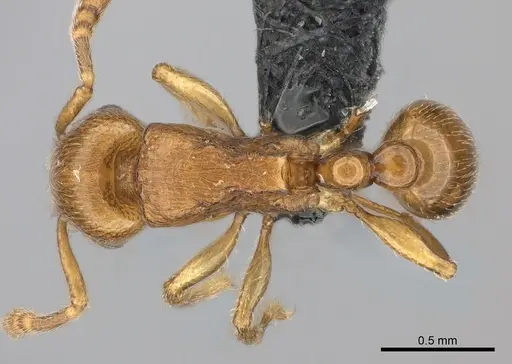
CASENT0067891
View on AntWeb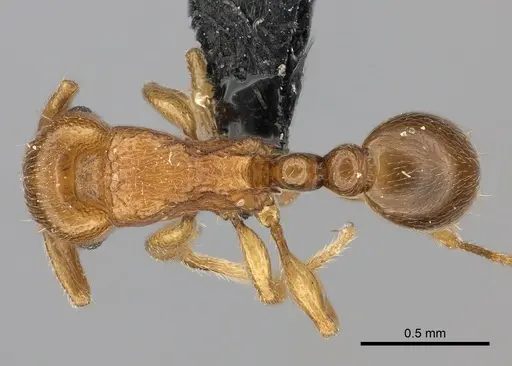
CASENT0073192
View on AntWeb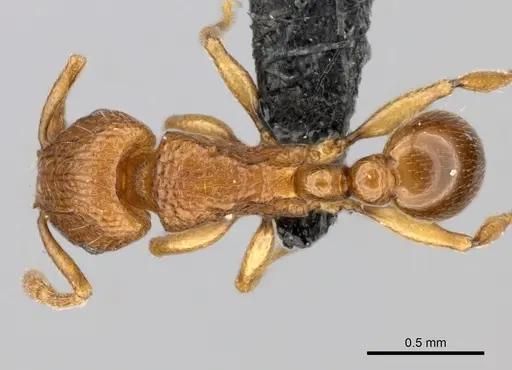
CASENT0102343
View on AntWeb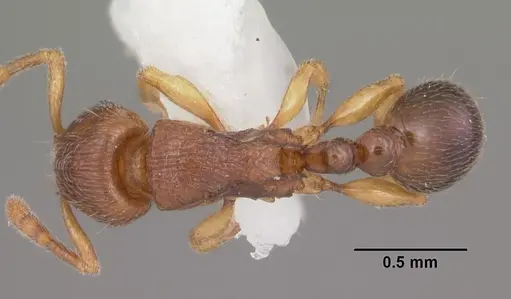
CASENT0102344
View on AntWeb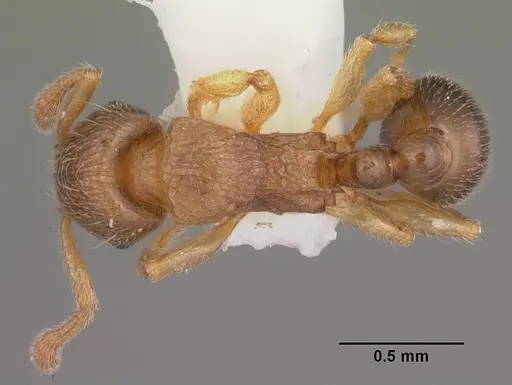
CASENT0107931
View on AntWeb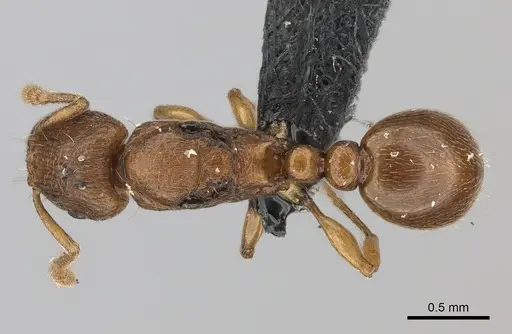
CASENT0118449
View on AntWeb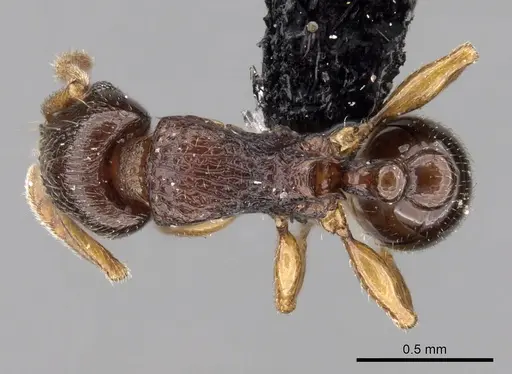
CASENT0119563
View on AntWeb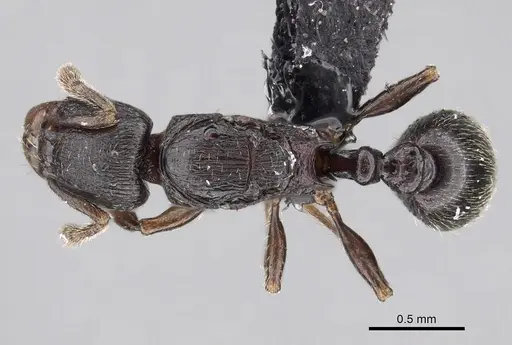
CASENT0121800
View on AntWeb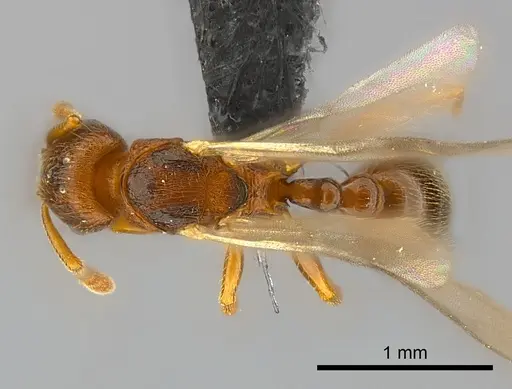
CASENT0148746
View on AntWeb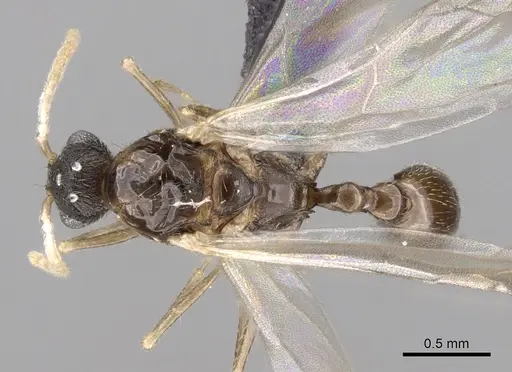
CASENT0149891
View on AntWeb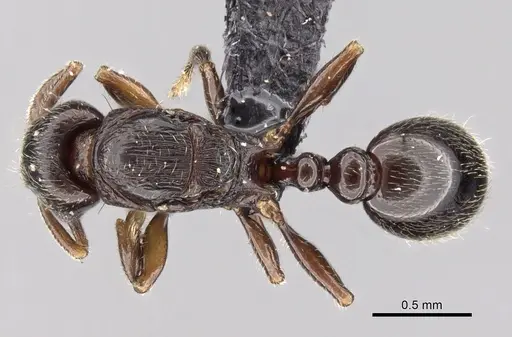
CASENT0150524
View on AntWeb
CASENT0153610
View on AntWeb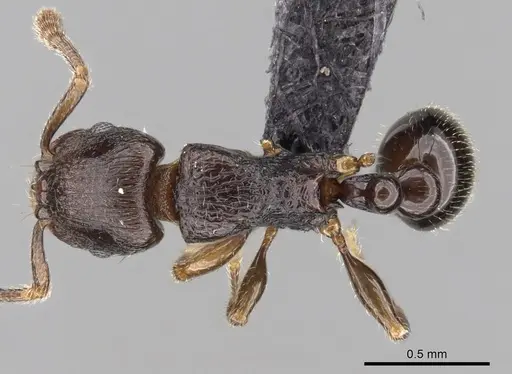
CASENT0163743
View on AntWeb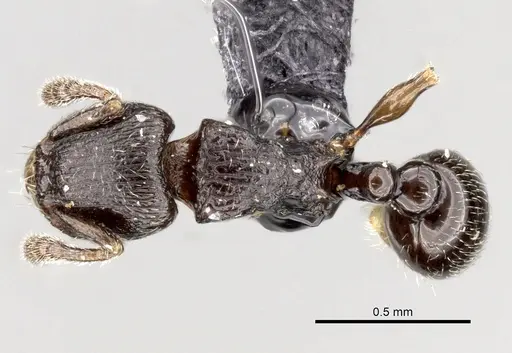
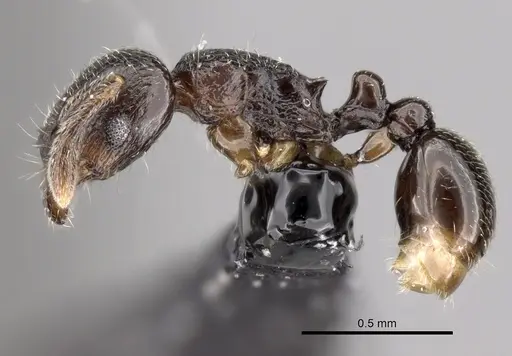
CASENT0189130
View on AntWeb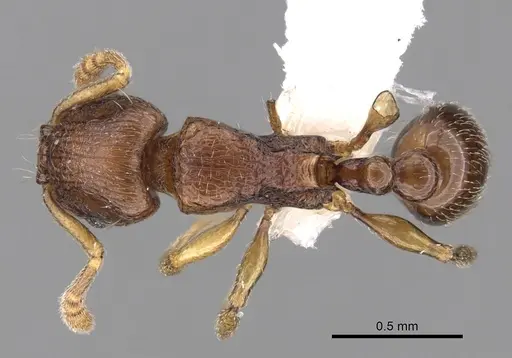
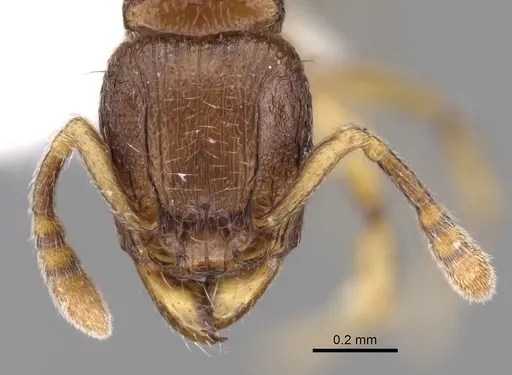
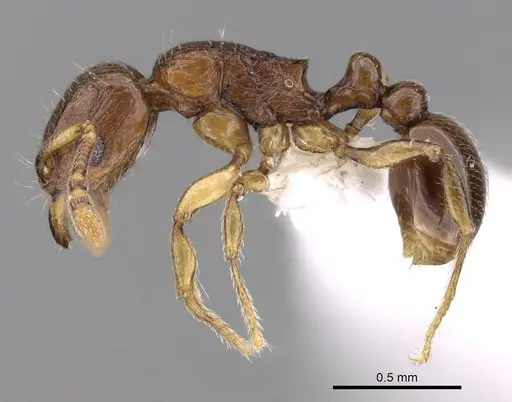
CASENT0217757
View on AntWeb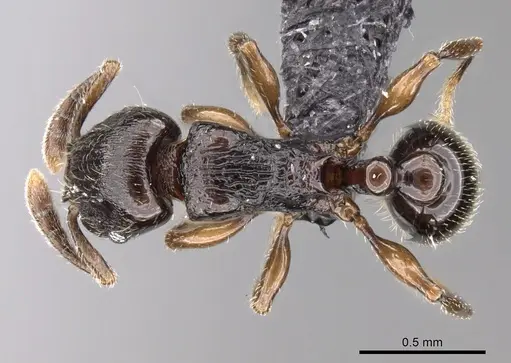
CASENT0217758
View on AntWeb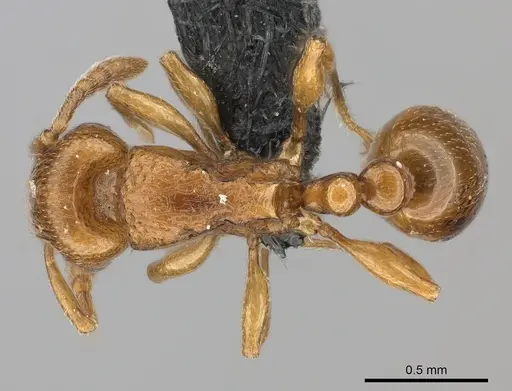
CASENT0218009
View on AntWeb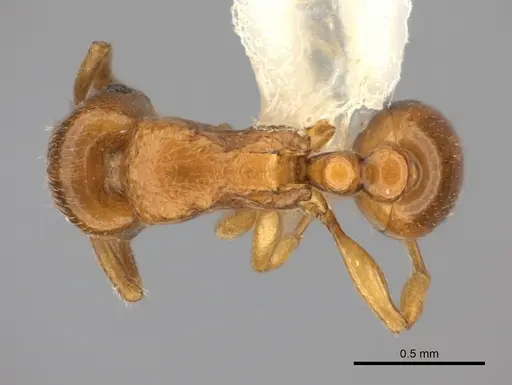
CASENT0414920
View on AntWeb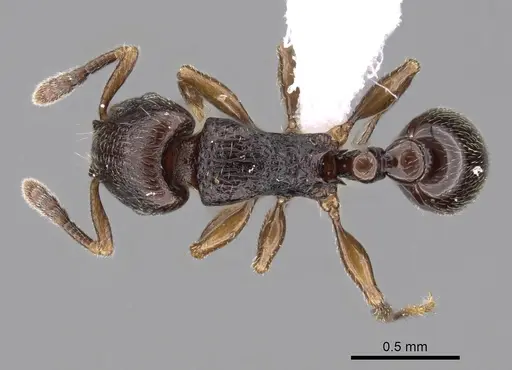
CASENT0496418
View on AntWeb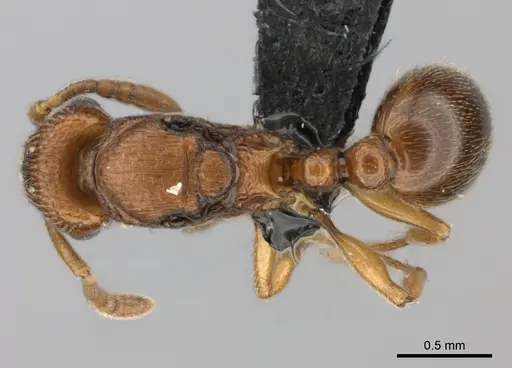
CASENT0498096
View on AntWeb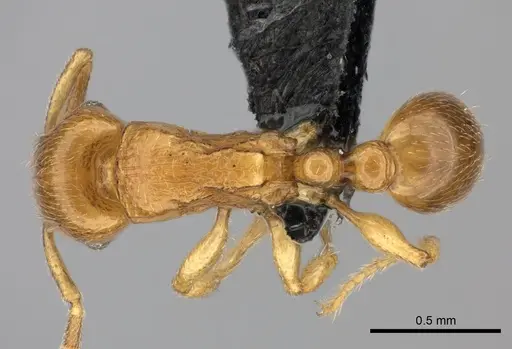
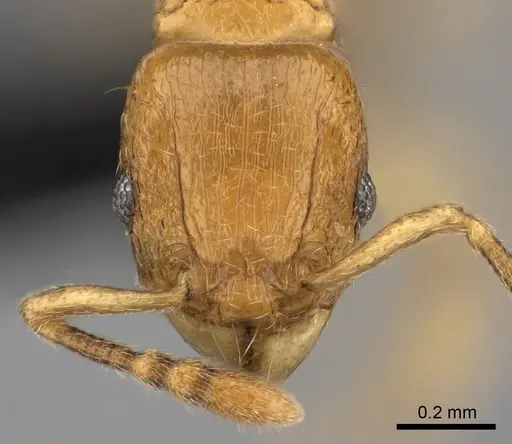
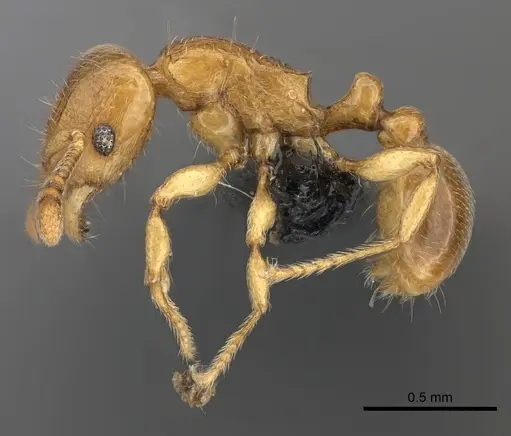
CASENT0911248
View on AntWeb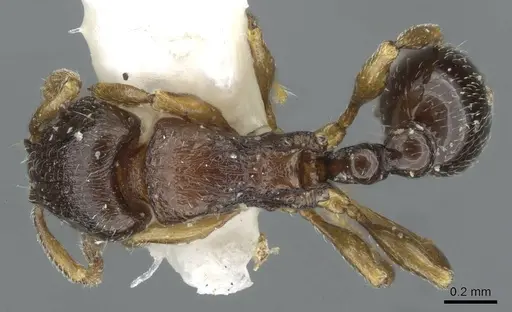
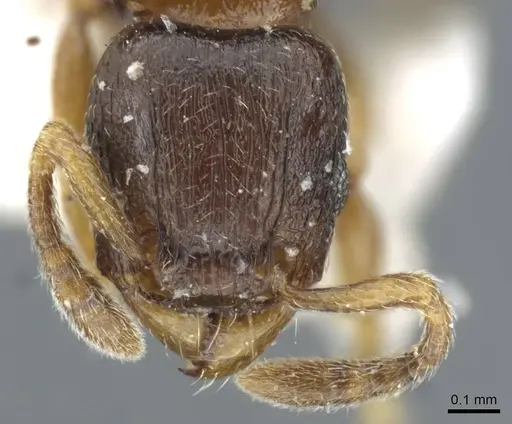
Literature
Loading distribution map...Loading products...