
Tetramorium clunum
- Sci. Name
- Tetramorium clunum
- Tribe
- Crematogastrini
- Subfamily
- Myrmicinae
- Author
- Forel, 1913
- Distribution
- Found in 1 countries
Introduction
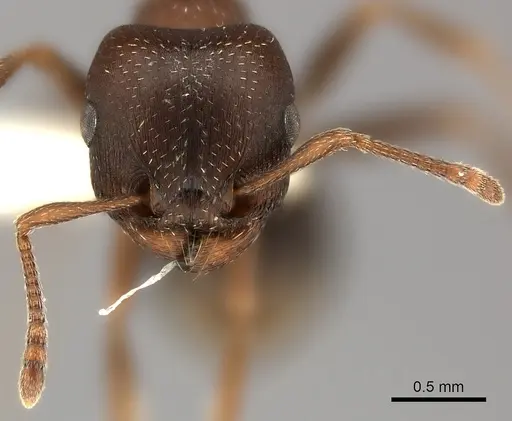
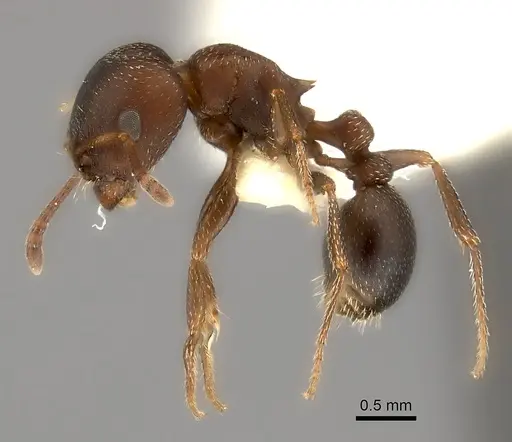
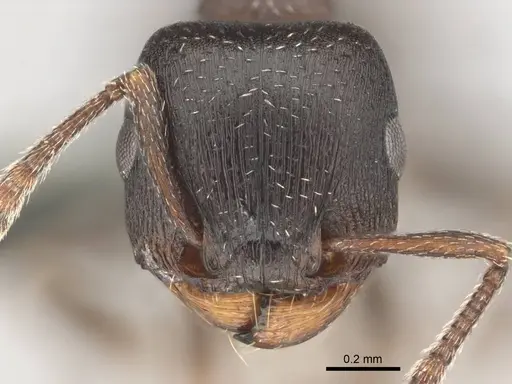
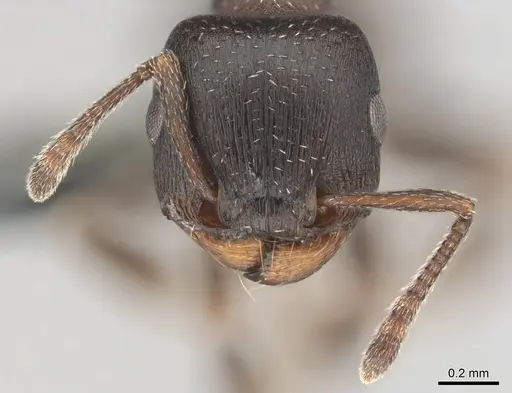
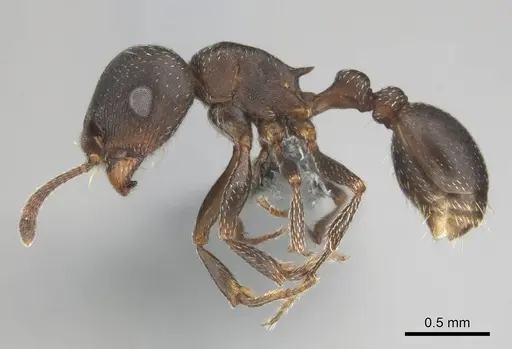
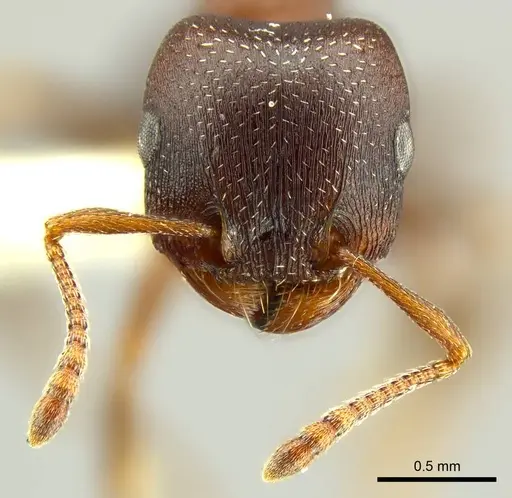
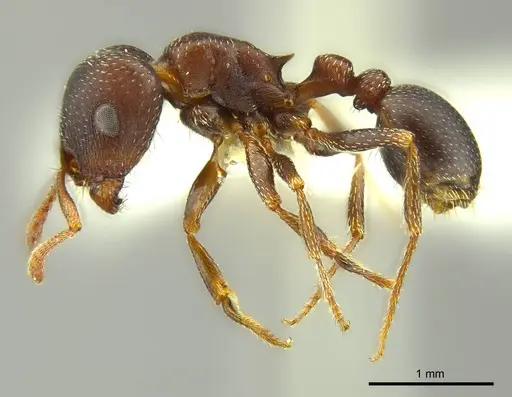
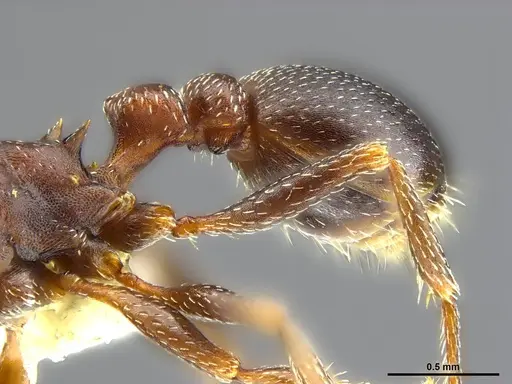
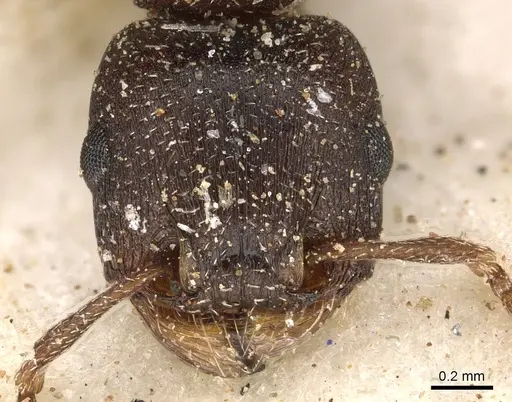
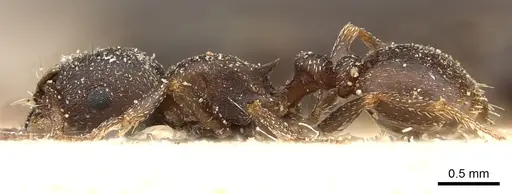
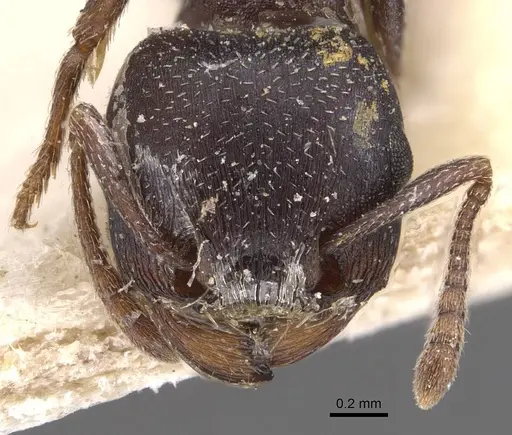
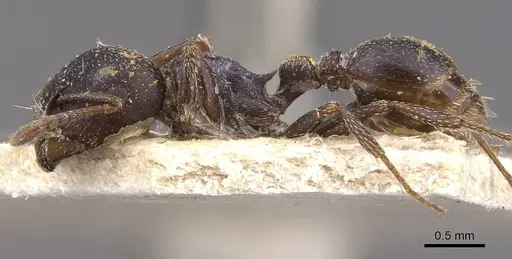
Tetramorium clunum is a small ground-nesting ant from southern Africa, measuring 3.9-4.6 mm in total length . It belongs to the Tetramorium solidum group and is one of only three species in the group with glittering silvery hairs that lie flat against the body . These hairs give the workers a metallic sheen. The species is known from South Africa (Eastern Cape, Western Cape, Northern Cape) and Namibia, where it lives in arid regions such as the Nama Karoo, Succulent Karoo, and Namib Desert . Like other seed-harvester ants, it collects seeds from the ground and also feeds on small insects .
Quick Summary
- Difficulty: Easy
- Origin & Habitat: Native to southern Africa (South Africa: Eastern Cape, Western Cape, Northern Cape, and Namibia). Inhabits arid to semi-arid regions including Nama Karoo, Succulent Karoo, and Namib Desert [2][3].
- Colony Type: Colony structure is unconfirmed. Based on typical Tetramorium patterns, likely single-queen colonies (monogyne), though this has not been directly documented for this species.
- Size & Growth:
- Queen: Not documented in available research. Based on related Tetramorium species, queens are expected to be larger than workers (likely 5-7 mm), but this is an estimate.
- Worker: 3.9-4.6 mm total length (TL) [1].
- Colony: Unknown, no colony size data available in the scientific literature.
- Growth: Moderate, estimated based on typical Tetramorium genus patterns.
- Development: 6-10 weeks, estimated based on related Tetramorium seed-harvester species. (Direct development data for this species is not available. Estimates are based on genus-level data for similar seed-harvester ants.)
- Antkeeping:
- Temperature: Based on their natural habitat in arid southern African regions, they likely prefer warm conditions. Start around 22-26°C and observe colony activity. They should tolerate room temperature (20-22°C) but will be more active at the warmer end.
- Humidity: From their arid desert and karoo habitats, they prefer drier conditions. Keep the nest substrate moderately dry to dry, with a small area of slightly more moisture for humidity. Avoid waterlogging.
- Diapause: Unknown, no specific studies on overwintering requirements. Based on their origin from temperate-to-subtropical southern Africa, they may not require a true diapause but could have reduced activity during cooler months.
- Nesting: Ground-nesting species that nests in deep soils and sometimes under rocks [2][3]. In captivity, a naturalistic setup with compact sandy-loam soil or a Y‑tong (AAC) nest works well. Provide a substrate they can tunnel through.
- Behavior: These are seed-harvester ants that actively forage for seeds and small insects on the ground [2]. They are not particularly aggressive and can be handled gently when needed. Their primary defense is a smear behavior, a modified stinger wipes venom onto enemies rather than stinging directly (typical of the Myrmicinae tribe Crematogastrini). Escape risk is moderate, standard barriers such as Fluon are recommended since they are active foragers.
- Common Issues: seed storage mold, check stored seeds for fungal growth and remove compromised seeds promptly., overhumidity, as an arid-adapted species, too much moisture can cause colony stress and fungal problems., colony stagnation, without specific growth data, monitor for signs of stalled development and adjust temperature or feeding if needed., escape prevention, though not tiny, use standard barriers on the foraging area because they are active ground foragers.
Housing and Nest Setup
Tetramorium clunum naturally nests in deep soils and sometimes under rocks in arid environments [2][3]. For captivity, a naturalistic setup with compact, sandy‑loam soil works best, it allows the ants to create their own tunnels and chambers similar to their natural nesting behavior. A Y‑tong (AAC) nest or plaster nest with a soil chamber also works well. The key is providing compact substrate they can tunnel through. Since they come from arid regions, keep the nesting area relatively dry, the substrate should be damp but not waterlogged, with some drier areas available. An outworld for foraging is essential because they are active seed collectors.
Feeding and Diet
As a seed-harvester ant in the Tetramorium solidum group, T. clunum primarily feeds on seeds [2]. In captivity, offer a variety of small to medium seeds, millet, sesame, flax, and similar small seeds are readily accepted. They will also collect protein sources like small insects (fruit flies, small mealworms, crickets) as supplementary food. Offer seeds constantly in the foraging area and provide protein (dead insects) once or twice a week. Remove any uneaten seeds that show signs of mold. These ants are foragers that actively search the outworld for food, so place offerings in accessible locations.
Temperature and Seasonal Care
Based on their natural habitat in the Nama Karoo, Succulent Karoo, and Namib Desert, these ants prefer warm conditions [2]. Keep the nest area at roughly 22-26°C. A heating cable on one side of the nest can create a gentle temperature gradient. They should tolerate room temperature (around 20-22°C) but may be more active at warmer temperatures. Regarding winter care, specific diapause requirements are not documented for this species. Since they come from temperate‑to‑subtropical southern Africa, they likely do not require a true hibernation period. However, reducing feeding and activity during cooler months is normal behavior for many ants.
Behavior and Colony Dynamics
Tetramorium clunum workers are active foragers that search for seeds and small prey on the ground surface [2]. They are ground‑nesting ants collected using pitfall traps, yellow pan traps, and by turning stones, this shows they are surface‑active foragers [2][3]. The workers have distinctive glittering silvery hairs that lie flat against their body, giving them a unique appearance among seed-harvester ants [2]. Their primary defense is a smear behavior, a flattened spatulate stinger wipes venom onto enemies instead of stinging (typical of the tribe Crematogastrini). They are not aggressive toward keepers and can be handled gently when necessary. Colony growth is expected to be moderate, seed‑harvester ants typically develop more slowly than predatory species but faster than some specialized ants. Monitor colony health through worker activity levels and brood development.
Frequently Asked Questions
How long does it take for Tetramorium clunum to raise first workers?
Exact development time is unconfirmed for this species. Based on related Tetramorium seed-harvester ants, expect roughly 6-10 weeks from egg to first worker at warm temperatures (around 24-26°C). This is an estimate since specific development data for T. clunum is not available in scientific literature.
What do Tetramorium clunum ants eat?
As seed-harvester ants, their primary food is seeds, offer small seeds like millet, sesame, or flax. They also accept small insects as a protein source. Remove moldy seeds promptly and provide a varied diet.
Can I keep Tetramorium clunum in a test tube setup?
Test tubes can work for founding colonies, but this ground‑nesting species will do better in a naturalistic setup with compact soil substrate once established. The queen can start in a test tube, but consider moving to a soil‑based formicarium as the colony grows.
Do Tetramorium clunum ants sting?
Tetramorium ants belong to the subfamily Myrmicinae, which includes species with functional stingers. While not specifically documented as aggressive or stinging, they likely have the ability to sting if threatened. Their main defense is a smear behavior, they wipe venom onto enemies rather than piercing. They are generally peaceful toward keepers.
How big do Tetramorium clunum colonies get?
Colony size is not documented in available research. No data exists on maximum colony size. Based on related Tetramorium species, colonies might reach a few hundred workers at maturity, but this is pure speculation.
Are Tetramorium clunum good for beginners?
Yes, this species is rated as easy to keep. They are forgiving of minor care mistakes, don't require extreme humidity, and their seed‑based diet is easy to provide. They are a good choice for antkeepers new to seed‑harvester species.
Do Tetramorium clunum need hibernation?
Diapause requirements are unconfirmed for this species. They originate from temperate‑to‑subtropical southern Africa, which may not require true hibernation. However, reducing temperatures slightly (to around 15-18°C) during winter months may be beneficial and mimic natural seasonal cycles.
What humidity level do Tetramorium clunum need?
From arid habitats (Nama Karoo, Succulent Karoo, Namib Desert), they prefer drier conditions [2]. Keep the nest substrate moderately dry, damp but not waterlogged. Avoid the constant saturation that tropical species require.
When should I move Tetramorium clunum to a formicarium?
Move from a founding setup to a larger nest once the colony has established and the queen is laying regularly. A naturalistic setup with soil works well for this ground‑nesting species. Do not wait too long, if workers are crowded, move them sooner.
Why is my Tetramorium clunum colony not growing?
Common causes include: temperature too low (raise to 22-26°C), substrate too dry or too wet, insufficient seed availability, or poor queen nutrition. Check that seeds are being stored properly and remove any mold. Ensure protein is offered regularly.
Report an Issue
The current care sheet is based fully on literature. See inconsistencies, or something that's incorrect? Please , it will be resolved after review from an admin. Contributing to the blogs tab also helps providing information, to make us be able to further improve the caresheets. Thank you for your support!
References

This caresheet is licensed under CC BY-SA 4.0 .
Community Blogs
CASENT0217964
View on AntWeb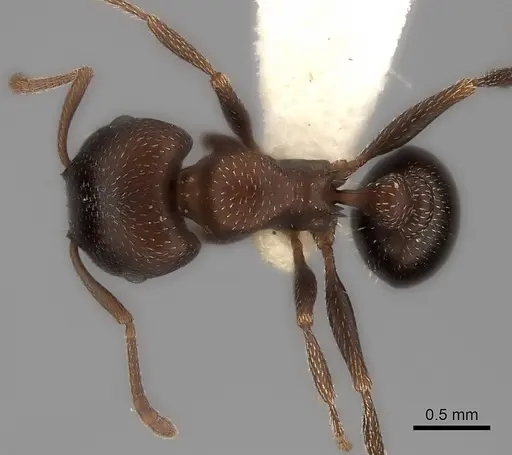
CASENT0253183
View on AntWeb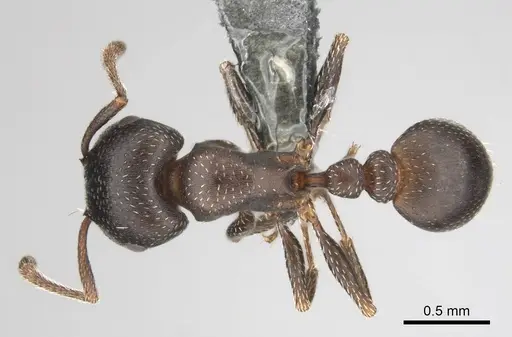
CASENT0764600
View on AntWeb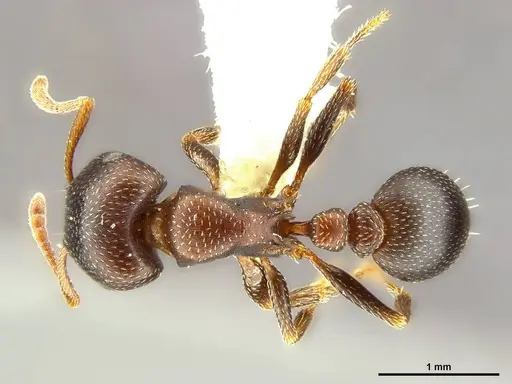
CASENT0901182
View on AntWeb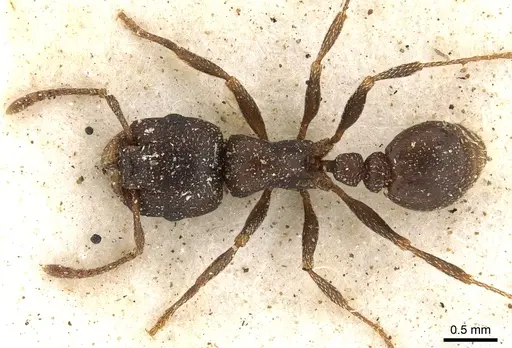
CASENT0909155
View on AntWeb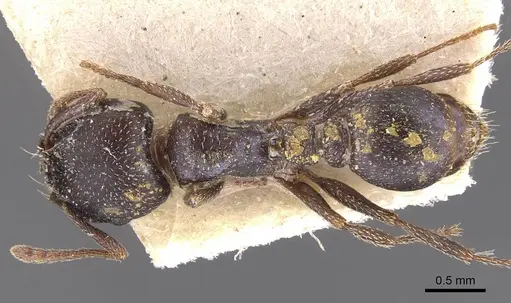
Literature
Loading distribution map...Loading products...