
Tetramorium carinatum
- Sci. Name
- Tetramorium carinatum
- Tribe
- Crematogastrini
- Subfamily
- Myrmicinae
- Author
- Smith, 1859
- Distribution
- Found in 2 countries
Introduction
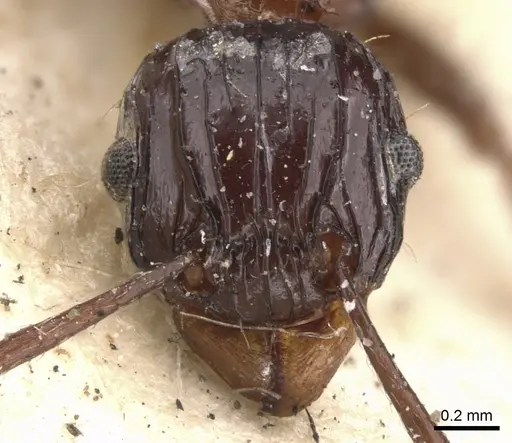
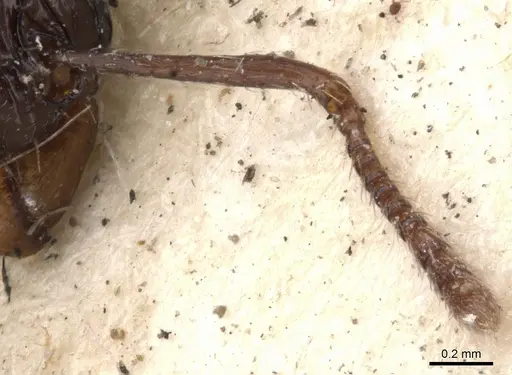
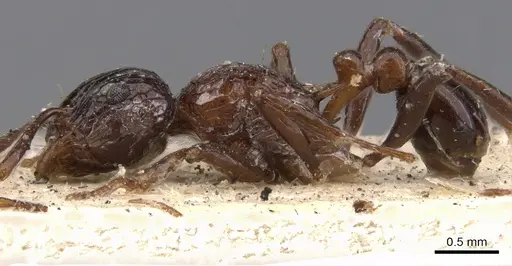
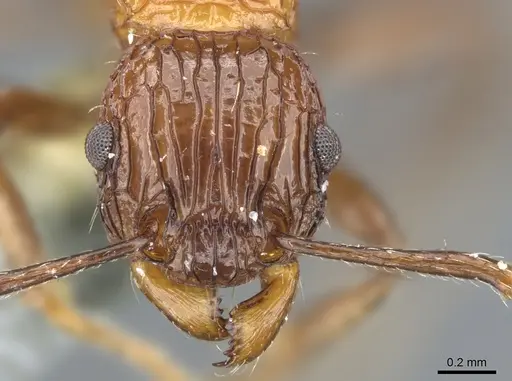
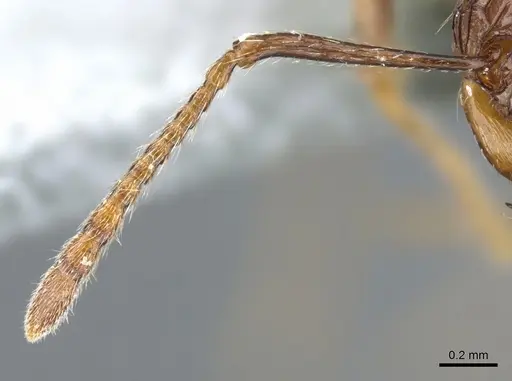
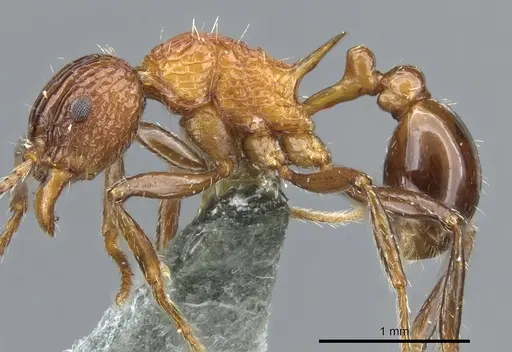
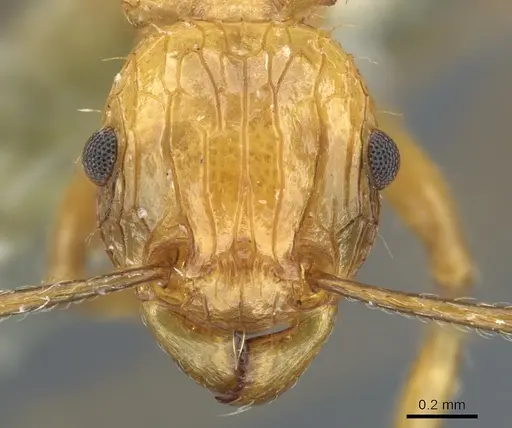
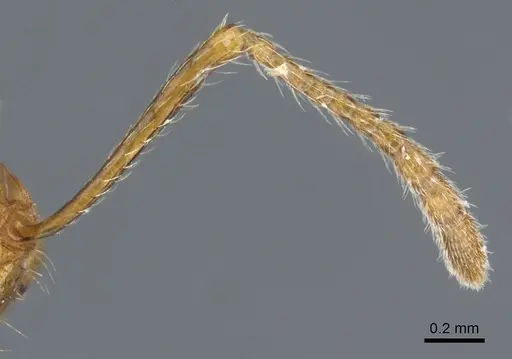
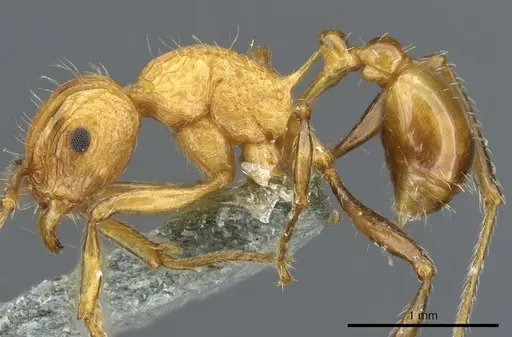
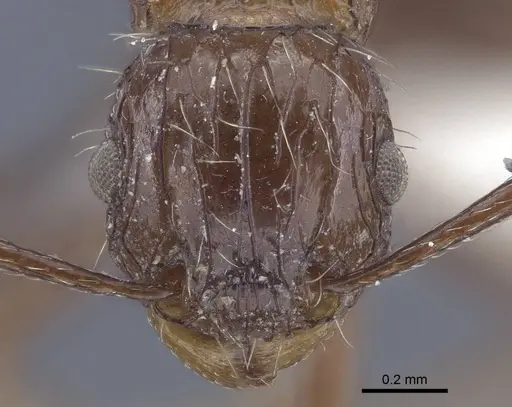
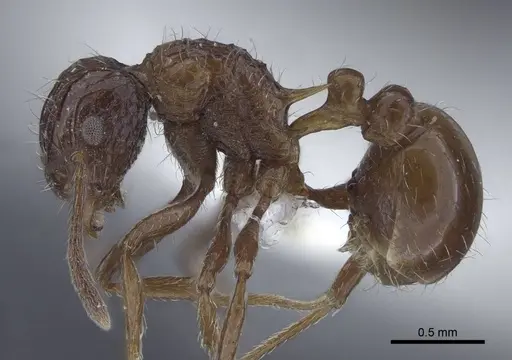
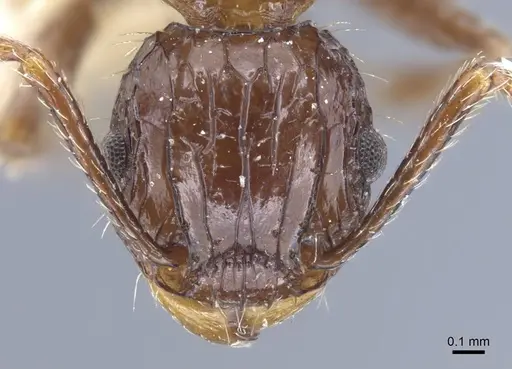
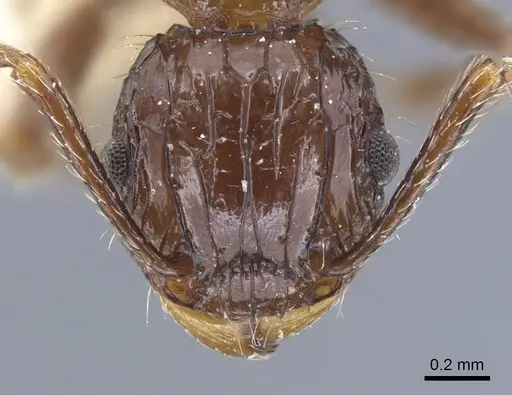
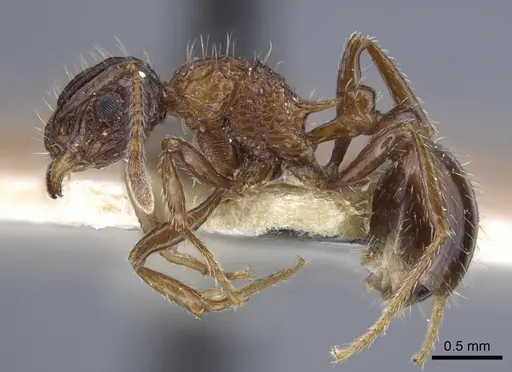
Tetramorium carinatum is a small tropical ant found across Indonesia, New Guinea, the Solomon Islands, and the Philippines . Workers measure 3.9-4.6 mm in total length and are uniform yellowish-brown to light brown, often with the head and gaster darker than the middle part of the body . They have long antennal scapes, short propodeal spines, and a high, narrow petiole node . These ants nest in rotting wood and dead branches inside rainforests . They are closely related to Tetramorium aspersum but their ranges don't overlap - T. carinatum occurs west of the Philippines and New Guinea, while T. aspersum is found further east .
Quick Summary
- Difficulty: Medium
- Origin & Habitat: Native to the Australasian and Indomalayan regions, including New Guinea, the Aru Islands, Indonesia, the Philippines, and the Solomon Islands. Lives in rainforest where it nests in dead branches and rotting wood [2][1][3].
- Colony Type: Colony structure is unconfirmed. Based on typical Tetramorium patterns, likely monogyne (single queen).
- Size & Growth:
- Queen: Queen size is undocumented in available sources.
- Worker: 3.9-4.6 mm [2]
- Colony: Unconfirmed, likely several hundred to a few thousand workers, inferred from related Tetramorium species.
- Growth: Moderate, estimated based on genus patterns.
- Development: 6-10 weeks estimated, based on typical Tetramorium development at tropical temperatures. (No direct data for this species, timeline is an estimate.)
- Antkeeping:
- Temperature: Keep at 24-28°C. As a tropical species, they need warm conditions year-round. Use a heating cable if room temperature drops below 24°C.
- Humidity: High humidity, rainforest species. Keep the nest substrate consistently damp but not waterlogged. Mist occasionally and provide a water tube.
- Diapause: No, tropical species, no hibernation needed. Keep warm all year.
- Nesting: Prefers rotting wood or soil nests. Y-tong (AAC) or naturalistic setups with pieces of rotten wood work well. They need moisture-retaining substrate.
- Behavior: Workers are active foragers that search for food on the ground and vegetation. They are moderately defensive when the colony is threatened. Their stinger is modified for smearing venom, not piercing, the venom is mild. Because they are small (under 5 mm), escape prevention is critical: use fine mesh and tight lids.
- Common Issues: small size makes escape prevention critical, use fine mesh barriers., tropical species needs consistent warmth, cold below 22°C can be fatal., rainforest habitat means they need high humidity, dry conditions cause colony decline., rotting wood nesting preference requires appropriate substrate in captivity., limited documentation means many care parameters are estimates based on genus patterns.
Housing and Nest Setup
Tetramorium carinatum prefers setups that mimic their rainforest wood-nesting habitat. Y-tong (AAC) nests work well because they hold moisture and stay dark. A naturalistic setup with a soil mix and pieces of rotting wood also works, the ants will excavate chambers in the wood. The nest must stay humid, these ants decline quickly in dry conditions. Use a test tube setup for founding colonies, then move them to a permanent nest once the colony has 20-30 workers. Make sure the outworld has a water tube and a supply of protein [2].
Feeding and Diet
Like most Tetramorium species, these ants are omnivorous. Offer small insects such as fruit flies, pinhead crickets, or mealworms as protein. They also accept sugar water, honey, or honeydew. Feed every 2-3 days for growing colonies, and remove uneaten prey after 24 hours to avoid mold. Because they are small, food pieces should be tiny, fruit flies and springtails are ideal. They will also scavenge dead insects.
Temperature and Humidity
As a tropical species from New Guinea and the Solomon Islands, Tetramorium carinatum needs warm, humid conditions. Keep the nest at 24-28°C year-round. A gentle temperature gradient in the nest lets workers choose their spot. If room temperature drops below 24°C, use a heating cable on one side of the nest. Humidity should be high, aim for the substrate to feel consistently damp but not waterlogged. Mist the nest occasionally and keep the water tube filled [2].
Colony Development
Development from egg to worker likely takes 6-10 weeks at optimal temperatures (24-28°C), based on typical Tetramorium patterns. The first workers (nanitics) will be smaller than mature workers. Growth is moderate, expect several months to reach a larger colony. The founding queen likely seals herself in a chamber and raises the first brood on stored fat reserves until workers appear. Maximum colony size is unknown but probably reaches several hundred to a few thousand workers.
Behavior and Temperament
Workers are active foragers that explore their surroundings readily. They are moderately defensive, they will attack threats but are too small to cause much harm. Their stinger is modified for smearing venom rather than piercing, the venom is mild. Workers use chemical trails to recruit nestmates to food. They are not particularly aggressive toward other ant species but will defend their territory. Because workers are under 5 mm, escape prevention is crucial, they can squeeze through tiny gaps.
Frequently Asked Questions
How long does it take for Tetramorium carinatum to produce first workers?
Based on typical Tetramorium development, expect 6-10 weeks from egg to first worker at optimal temperatures (24-28°C). The exact timeline is not documented for this species.
What size colony does Tetramorium carinatum reach?
Colony size is not directly documented, but based on typical Tetramorium species, colonies likely reach several hundred to a few thousand workers.
Do Tetramorium carinatum ants sting?
They have a stinger, but it is modified for smearing venom, not piercing. The venom is mild and causes little discomfort.
What temperature do Tetramorium carinatum need?
Keep them at 24-28°C. They are tropical ants and need warmth year-round. Avoid temperatures below 22°C, which can slow development and harm the colony.
Do Tetramorium carinatum need hibernation?
No. As a tropical species, they do not hibernate. Maintain warm conditions all year.
What do Tetramorium carinatum eat?
They are omnivorous. Offer small insects (fruit flies, pinhead crickets, springtails) as protein, plus sugar sources like sugar water, honey, or honeydew. Feed every 2-3 days for growing colonies.
Are Tetramorium carinatum good for beginners?
They are rated medium difficulty. Basic care is straightforward, warmth, humidity, and regular feeding. The main challenges are maintaining high humidity and preventing escapes due to their tiny size.
Can I keep multiple queens together?
Colony structure is not well documented. Based on typical Tetramorium patterns, they likely form single-queen colonies. Combining unrelated queens is not recommended without specific information for this species.
What type of nest is best for Tetramorium carinatum?
Y-tong (AAC) nests or naturalistic setups with rotten wood work well. They need dark, humid conditions and moisture-retaining substrate. Test tubes work for founding colonies, but move to permanent housing as the colony grows.
Why are my Tetramorium carinatum dying?
Common causes: temperatures below 22°C, low humidity, escape (due to small size and inadequate barriers), or poor nutrition. Check temperature, humidity, and food intake.
Report an Issue
The current care sheet is based fully on literature. See inconsistencies, or something that's incorrect? Please , it will be resolved after review from an admin. Contributing to the blogs tab also helps providing information, to make us be able to further improve the caresheets. Thank you for your support!
References

This caresheet is licensed under CC BY-SA 4.0 .
Community Blogs
CASENT0217962
View on AntWeb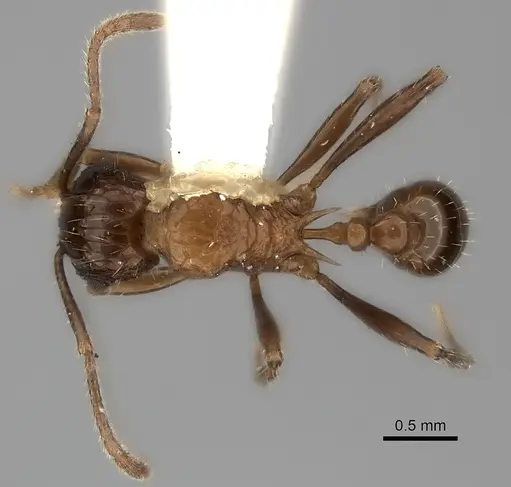
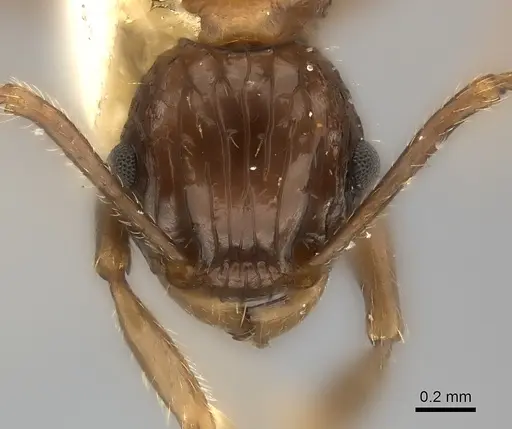
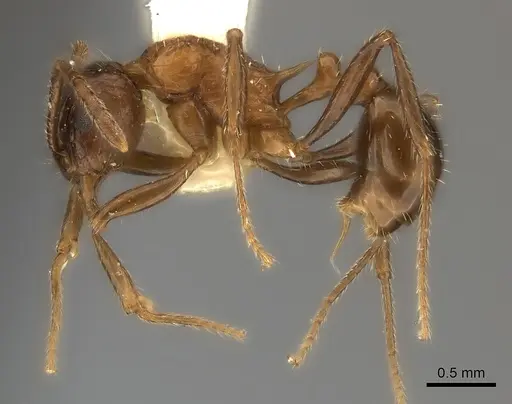
CASENT0901375
View on AntWeb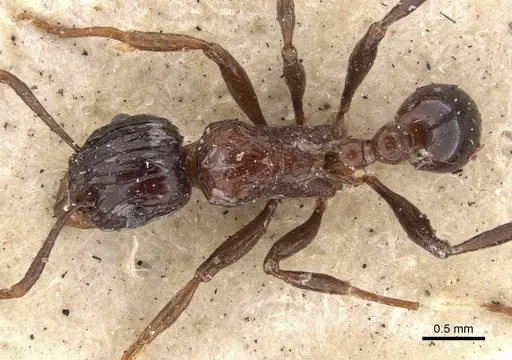
CASENT0904800
View on AntWeb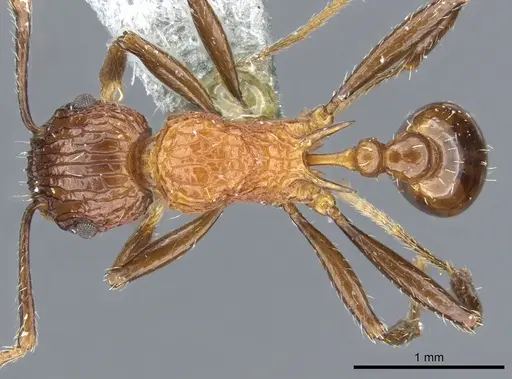
CASENT0904801
View on AntWeb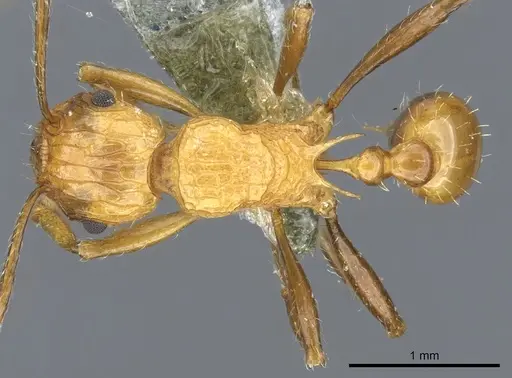
CASENT0916754
View on AntWeb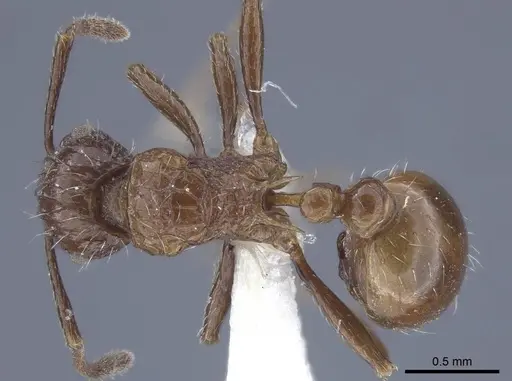
CASENT0917085
View on AntWeb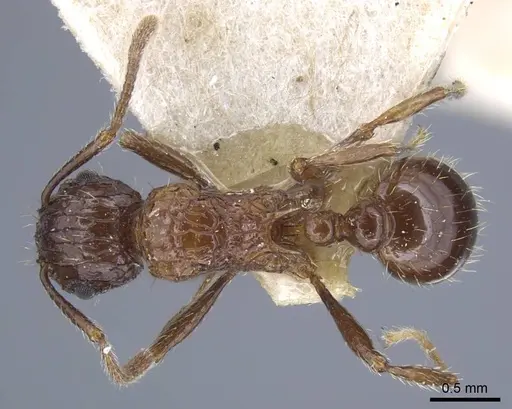
Literature
Loading distribution map...Loading products...