
Tetramorium capillosum
- Sci. Name
- Tetramorium capillosum
- Tribe
- Crematogastrini
- Subfamily
- Myrmicinae
- Author
- Bolton, 1980
- Distribution
- Found in 6 countries
Introduction
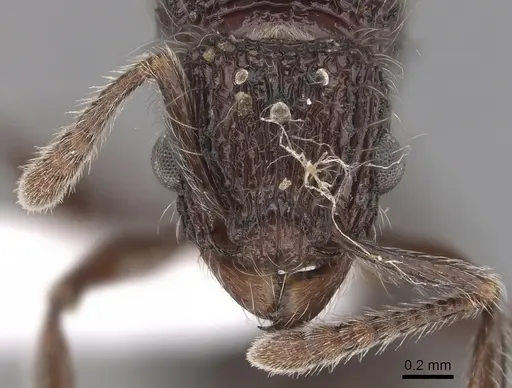
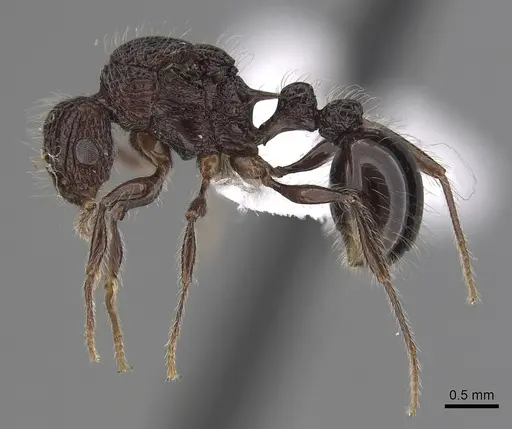
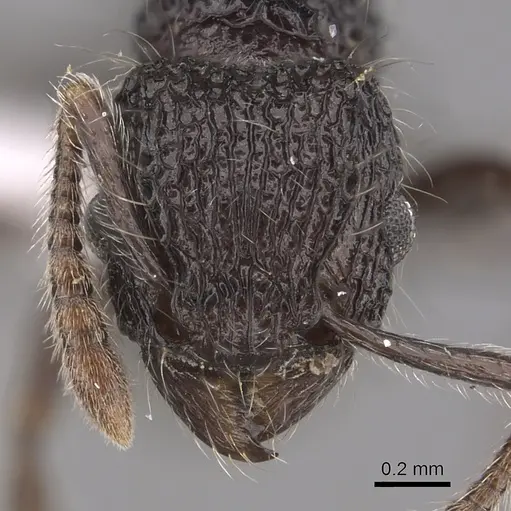
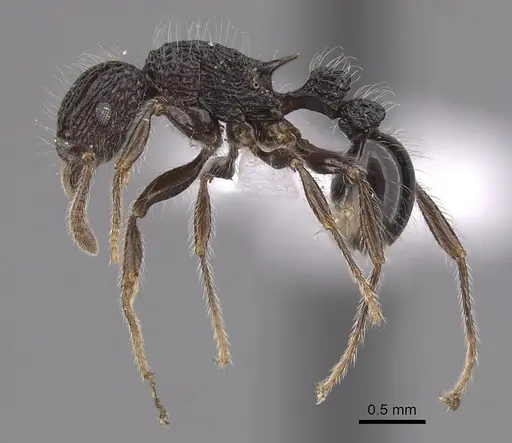
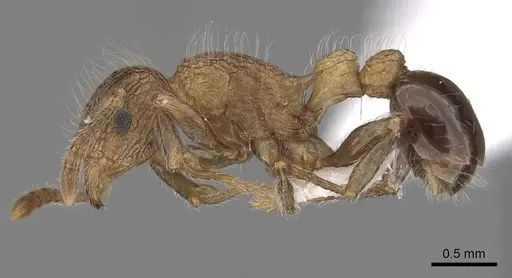
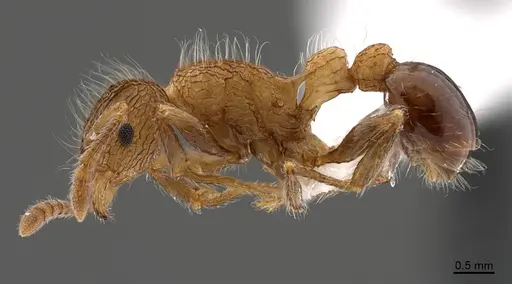
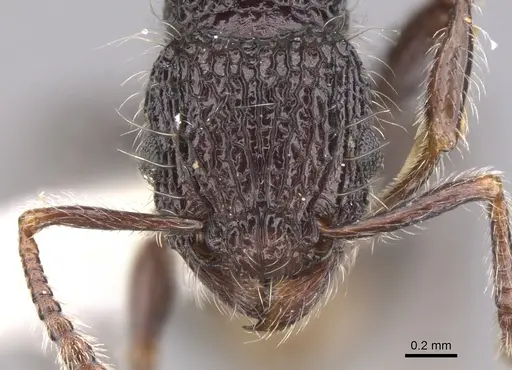
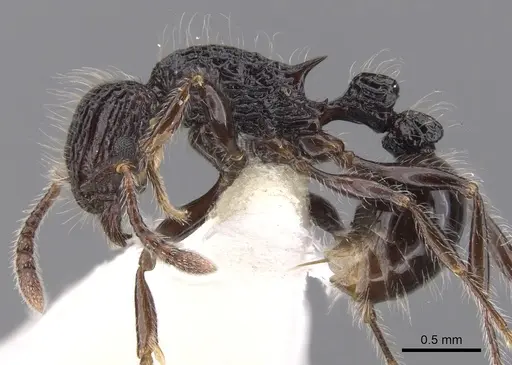
Tetramorium capillosum is a small ant native to Central African rainforests. Workers measure 4.1mm in total length and are uniformly dark brown to black . They live in leaf litter and on the ground, found across Gabon, Cameroon, Central African Republic, Democratic Republic of Congo, and Uganda at elevations from 40 to 1081m . The species is morphologically stable across its range with no noticeable variation . It belongs to the Tetramorium tortuosum species group and was described by Bolton in 1980 .
Quick Summary
- Difficulty: Medium
- Origin & Habitat: Rainforests of Central Africa (Gabon, Cameroon, Central African Republic, DRC, Uganda) at elevations 40-1081m [2]. Lives in leaf litter and on the ground.
- Colony Type: Unconfirmed. Based on typical Tetramorium patterns, likely monogyne (single-queen colonies), though this has not been directly studied.
- Size & Growth:
- Queen: Not documented, queen size data unavailable
- Worker: ~4.1mm total length [1]
- Colony: Unknown, no colony size data available
- Growth: Moderate, estimated based on genus patterns
- Development: 6-10 weeks estimated based on related Tetramorium species (Development timeline is inferred from genus patterns, not directly studied for this species)
- Antkeeping:
- Temperature: Keep at 22-26°C, matching their tropical rainforest origin. Avoid temperatures below 20°C. Use a heating cable on one side of the nest to create a gradient if needed.
- Humidity: They need moderate to high humidity like their leaf litter habitat. Keep the nest substrate consistently moist but not waterlogged, with some drier areas available for the ants to choose.
- Diapause: No, as a tropical species, they do not require hibernation. Keep them at stable temperatures year-round.
- Nesting: They do well in Y-tong (AAC) or plaster nests that retain moisture. Avoid dry setups like acrylic nests. Their natural habitat in leaf litter suggests they prefer enclosed nests with good humidity retention.
- Behavior: Workers are not particularly aggressive but will defend their nest. They use a smear defense, applying venom with a spatulate stinger instead of piercing. Their small size (4mm) means escape prevention is critical, use fine mesh and tight barriers. They are ground-dwelling and likely forage in lower light conditions.
- Common Issues: small size means escapes are likely without fine mesh barriers, tropical species requires stable warm temperatures, cold drafts can be harmful, dry nesting conditions will cause colony decline, monitor humidity, limited availability in the antkeeping hobby means founding colonies may be difficult to obtain
Housing and Nest Setup
Tetramorium capillosum does well in enclosed nest setups that maintain humidity. Y-tong (AAC) nests work well because they retain moisture while providing dark chambers that mimic their natural leaf litter habitat [2]. Plaster nests are another good option, they hold humidity well and allow you to observe the colony. Since they are ground-dwelling ants from rainforest environments, avoid dry setups like acrylic nests without a water reservoir. The nest should have chambers sized appropriately for their worker size (around 4mm). A test tube setup can work for founding colonies, but monitor humidity carefully as test tubes dry out faster than dedicated nest setups.
Feeding and Diet
Like most Tetramorium species, these ants are omnivorous and will accept a variety of foods. Offer protein sources such as small insects (fruit flies, small crickets, mealworms), and provide sugar sources like honey water or sugar water regularly. In the wild, they likely forage for small arthropods and honeydew from aphids in the leaf litter layer [2]. Feed them small prey items appropriate to their size, their workers are only about 4mm, so very small insects work best. Remove uneaten prey after 24-48 hours to prevent mold. A constant sugar source is recommended for established colonies.
Temperature and Seasonal Care
As a tropical species from Central African rainforests, T. capillosum requires stable warm temperatures [2]. Keep the nest area between 22-26°C. They do not tolerate cold well, avoid temperatures below 20°C for extended periods. Since they come from a region with minimal seasonal temperature variation, they do not require hibernation or diapause. Maintain consistent temperatures year-round. If your room temperature is below 22°C, use a heating cable placed on one side of the nest to create a gentle temperature gradient. Always ensure the heating element is on top of the nest, not underneath, to prevent drying out the substrate.
Humidity Requirements
These ants come from humid rainforest environments, so maintaining appropriate humidity is important for colony health [2]. Keep the nest substrate consistently moist but not waterlogged, the substrate should feel damp to the touch. Allow some variation within the setup so ants can choose their preferred microclimate. Good ventilation is important to prevent mold, but avoid excessive airflow that dries out the nest. If using a Y-tong or plaster nest, you can add a water reservoir or periodically add water to one end to maintain humidity. Watch for condensation on the nest walls, this indicates good humidity levels.
Behavior and Colony Dynamics
Tetramorium capillosum workers are moderately active and typically forage on the ground rather than climbing extensively. They are not particularly aggressive toward keepers but will defend their nest if threatened. As a member of subfamily Myrmicinae, they use a smear defense: applying venom with a flattened, spatulate stinger rather than piercing. The colony will likely establish a clear foraging territory and maintain nest chambers. Their small size means they can squeeze through small gaps, ensure your formicarium has tight-fitting barriers and consider using fluon on edges. The species appears morphologically stable across its range, suggesting consistent colony behavior as well [1][2].
Frequently Asked Questions
How long does it take for Tetramorium capillosum to raise first workers?
The exact timeline is not documented. Based on typical Tetramorium development, expect 6-10 weeks from egg to first worker at optimal temperature (24-26°C). This is an estimate based on genus patterns.
Can I keep Tetramorium capillosum in a test tube?
Yes, test tubes work for founding colonies. However, monitor humidity closely as test tubes dry out faster than dedicated nests. For established colonies, consider moving them to a Y-tong or plaster nest that holds moisture better.
Do Tetramorium capillosum ants sting?
As a member of the Myrmicinae subfamily, they have a functional stinger, but they typically use a smear defense, applying venom with a spatulate stinger rather than piercing. Given their small size and mild temperament, they are not dangerous to keepers.
What do Tetramorium capillosum eat?
They are omnivorous. Offer small protein sources like fruit flies, small crickets, or mealworms, and provide constant sugar sources like honey water or sugar water. Remove uneaten prey after 24-48 hours.
Are Tetramorium capillosum good for beginners?
They are rated as Medium difficulty. They require stable warm temperatures and humidity, which may require more attention than hardy temperate species. They are not particularly aggressive and their care requirements are straightforward once temperature and humidity are managed.
Do Tetramorium capillosum need hibernation?
No. As a tropical species from Central Africa, they do not require hibernation. Keep them at stable warm temperatures (22-26°C) year-round.
How big do Tetramorium capillosum colonies get?
Exact colony size data is not available. No studies have reported colony sizes for this species.
Why are my Tetramorium capillosum dying?
Common causes include temperatures below 20°C (they are tropical and cold-sensitive), dry nesting conditions (they need humid environments), or escape of small workers through gaps in the setup. Check your temperature and humidity levels first.
When should I move my colony to a formicarium?
Move them when the test tube or founding setup becomes crowded or the water reservoir is depleted. This is typically when the colony reaches 20-30 workers, though they can stay in test tubes longer if properly maintained.
Can I keep multiple Tetramorium capillosum queens together?
Colony structure is not documented for this species. Based on typical Tetramorium behavior, they are likely monogyne (single queen). Combining unrelated queens is not recommended as it has not been studied and may result in aggression.
Report an Issue
The current care sheet is based fully on literature. See inconsistencies, or something that's incorrect? Please , it will be resolved after review from an admin. Contributing to the blogs tab also helps providing information, to make us be able to further improve the caresheets. Thank you for your support!
References

This caresheet is licensed under CC BY-SA 4.0 .
Community Blogs
CASENT0316959
View on AntWeb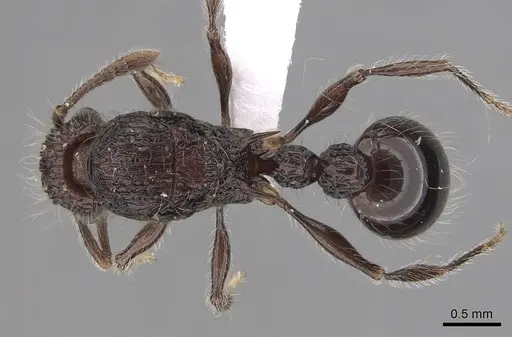
CASENT0316960
View on AntWeb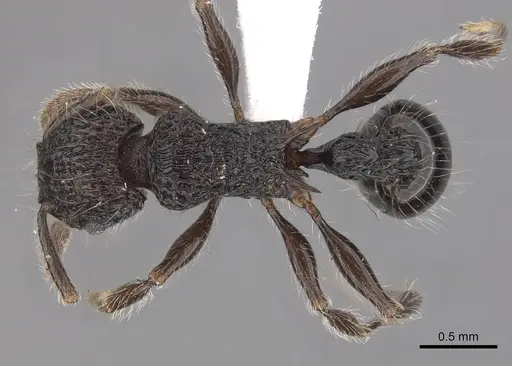
CASENT0405973
View on AntWeb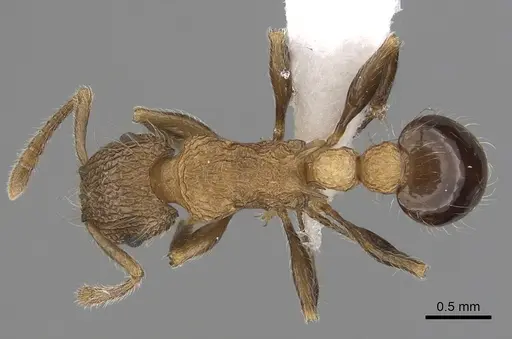
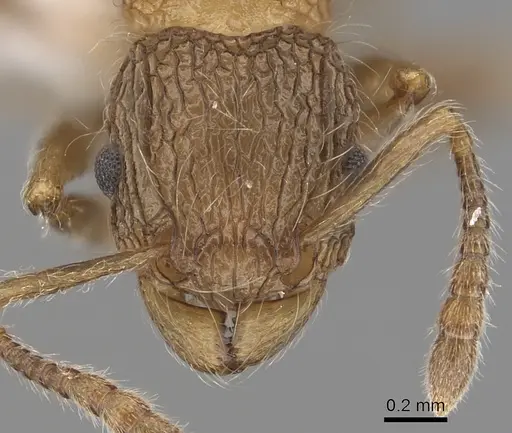
CASENT0901156
View on AntWeb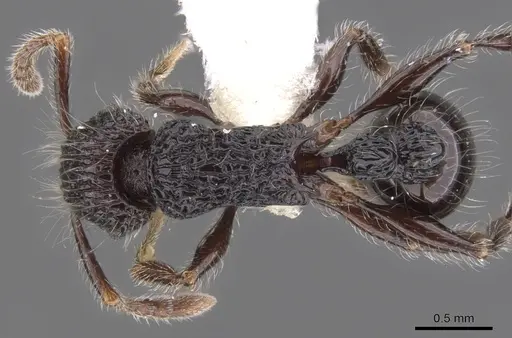
Literature
Loading distribution map...Loading products...