Tetramorium caespitum has a tightly defined flight window centered on June. Most nuptial flights occur within just 2 months, making this a highly predictable species for collectors. The concentrated timeframe makes peak months critical for sightings.
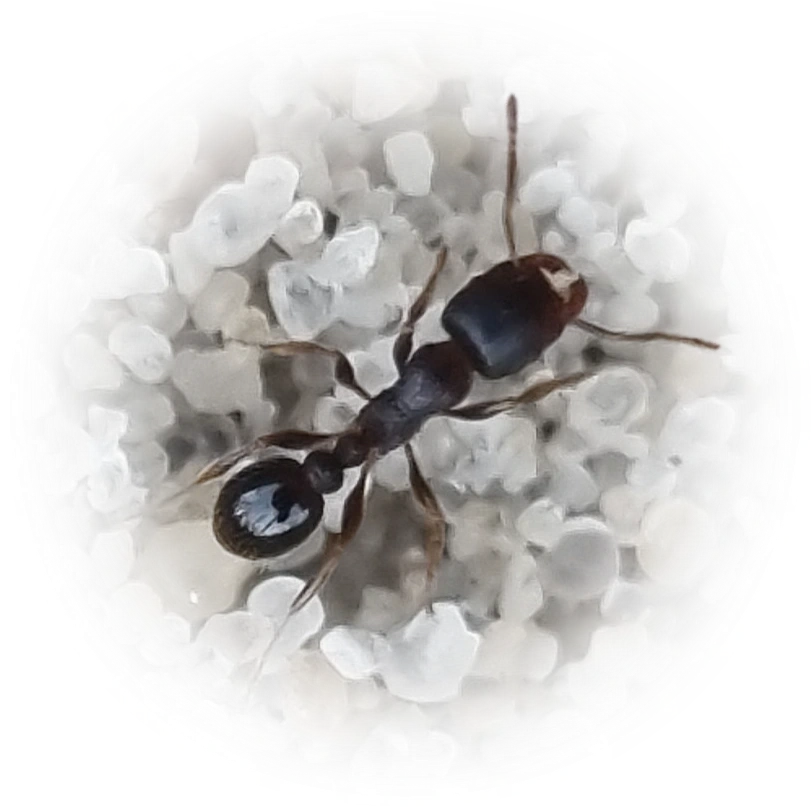
Red Pavement Ant
Tetramorium caespitum
- Sci. Name
- Tetramorium caespitum
- Tribe
- Crematogastrini
- Subfamily
- Myrmicinae
- Author
- Linnaeus, 1758
- Common Name
- Red Pavement Ant
- Distribution
- Found in 22 countries
- Nuptial Flight
- From June to July
- Peak flight Time
- 10:00
AI Identifiable
try →
Introduction
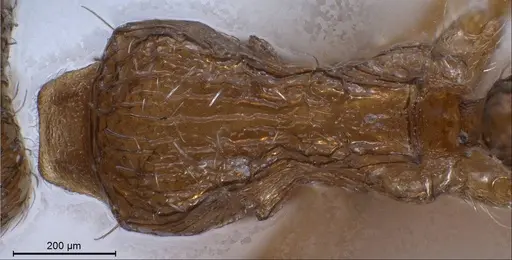
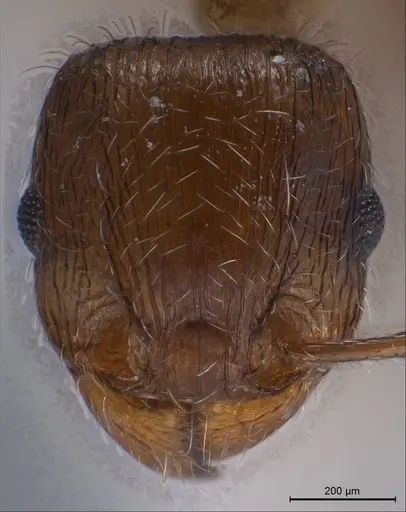
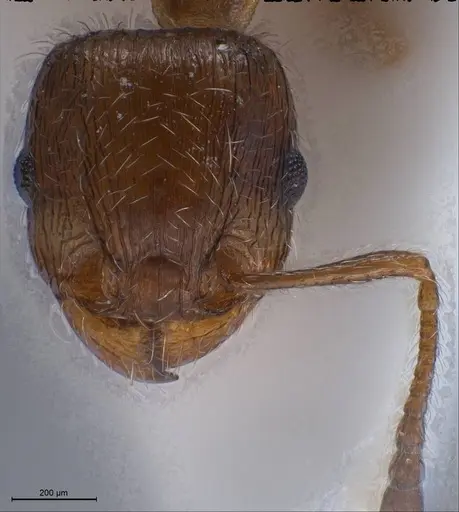
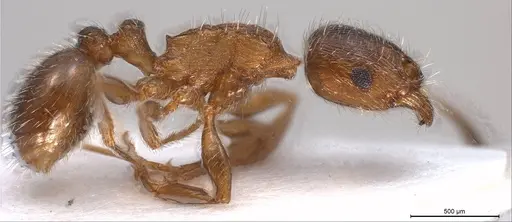
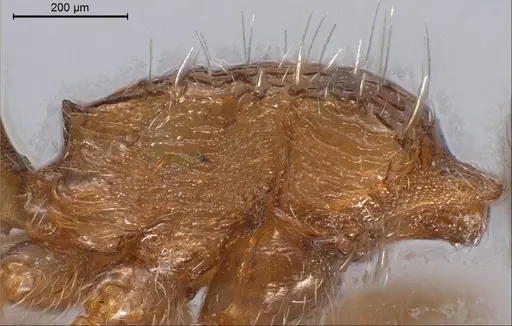
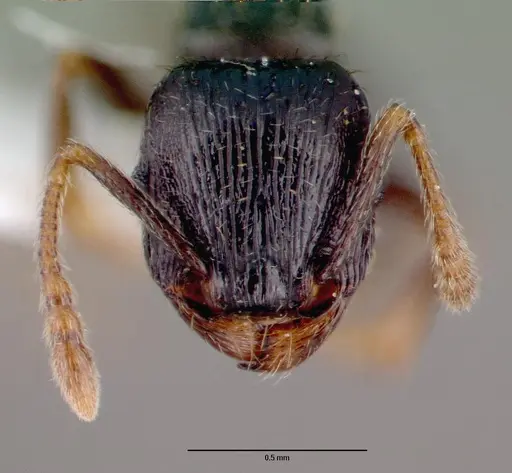
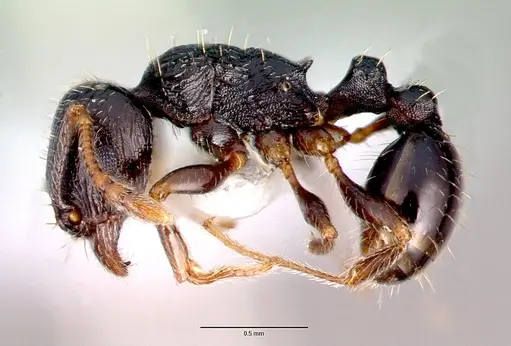
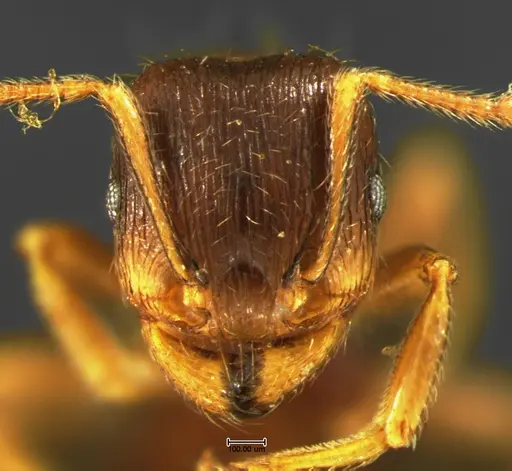
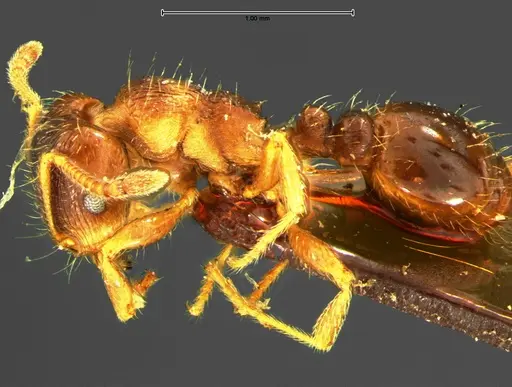
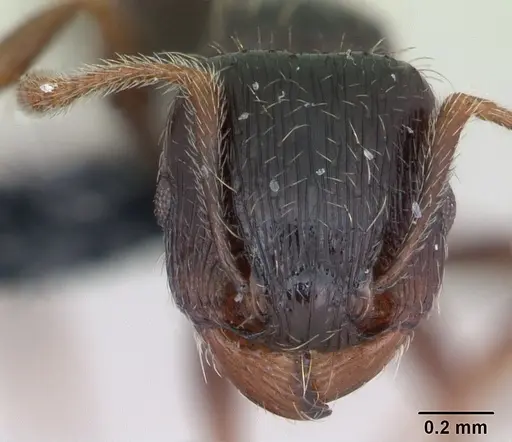
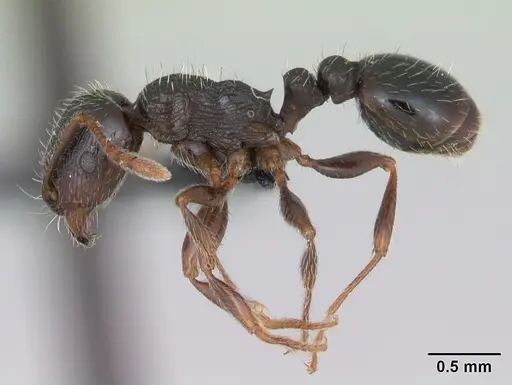
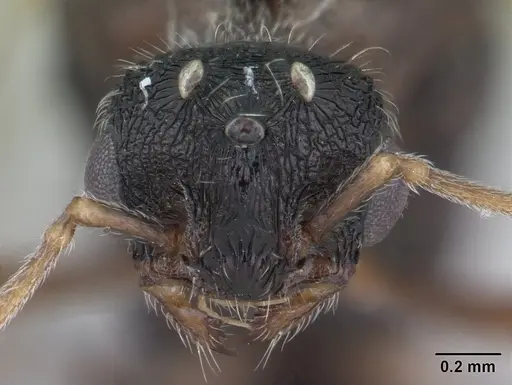
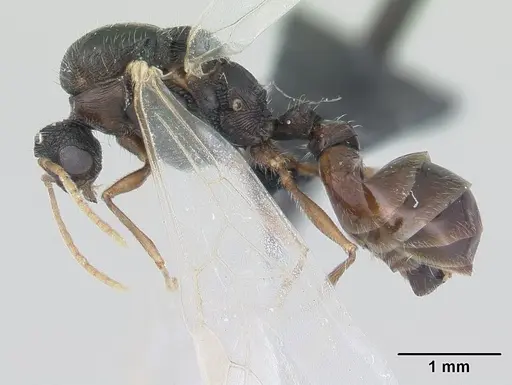
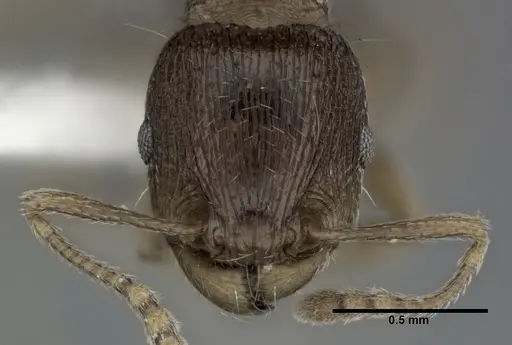
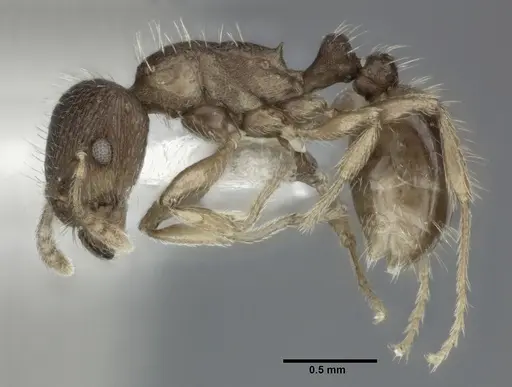
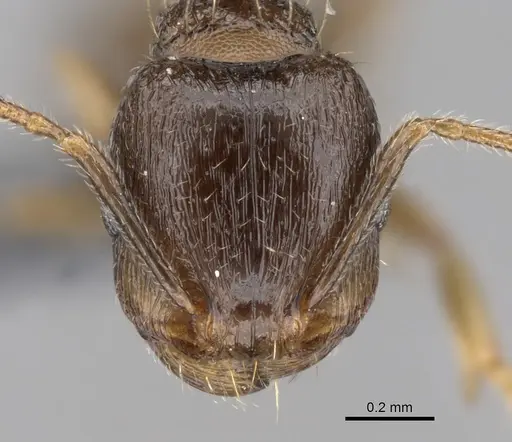
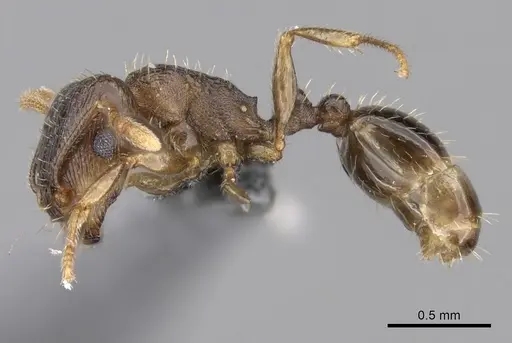
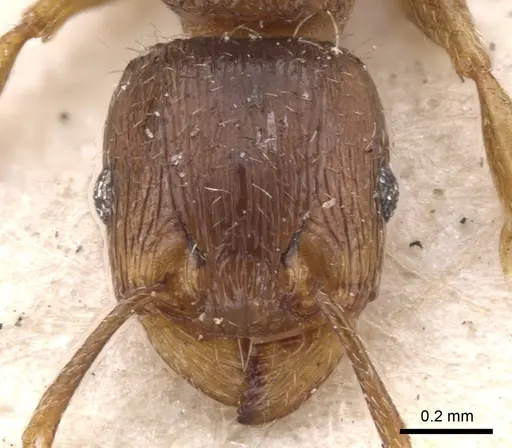
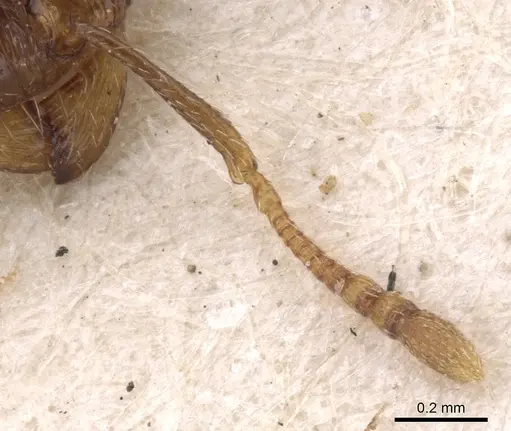
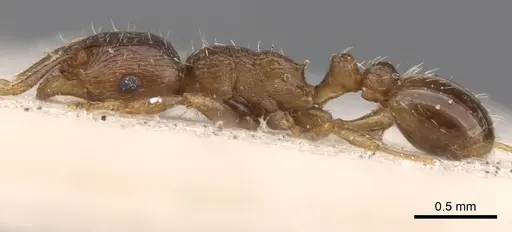
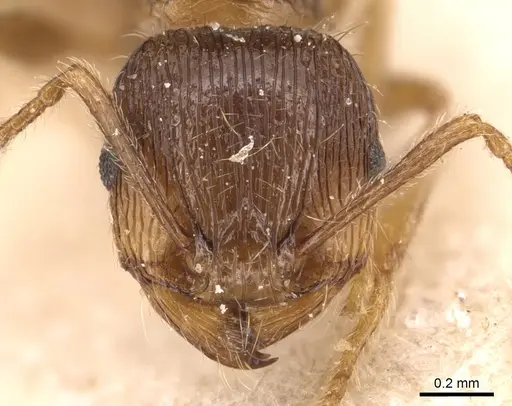
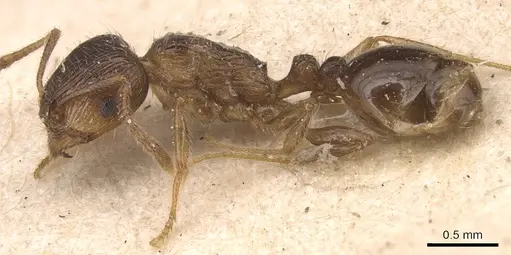
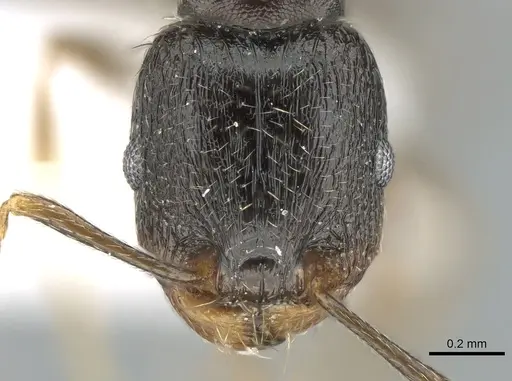
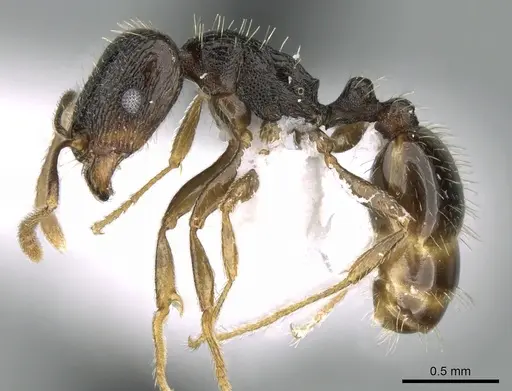
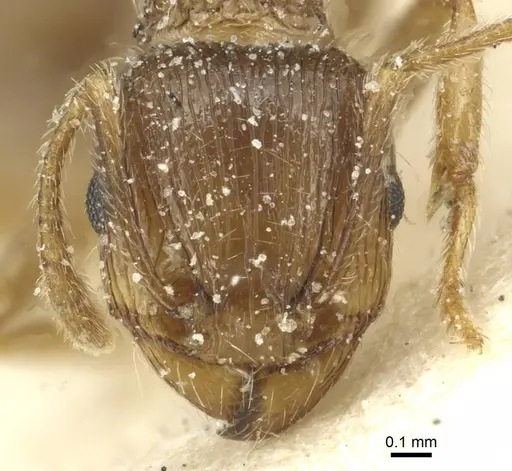
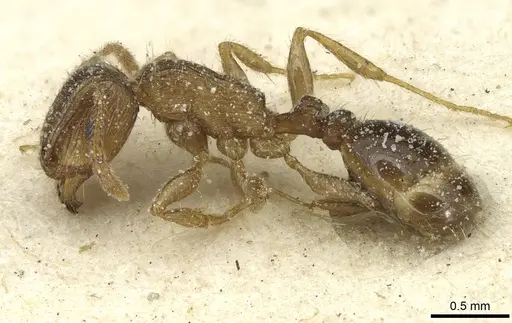
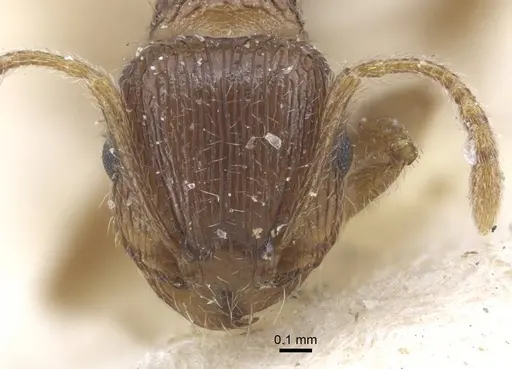
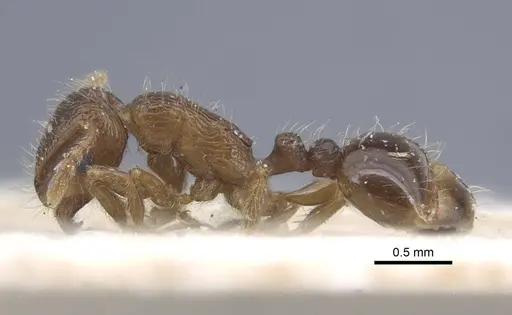
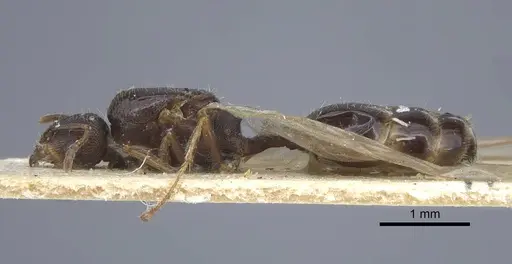
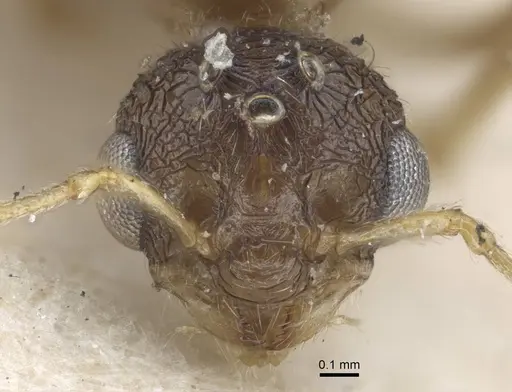
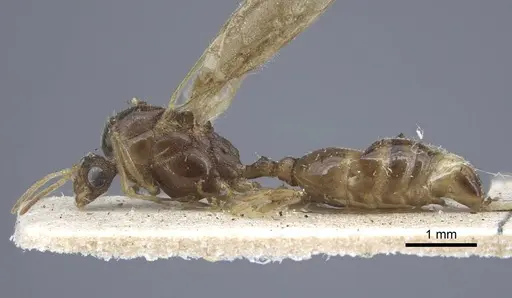
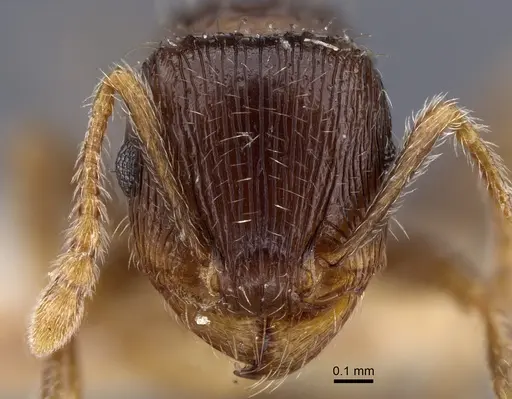
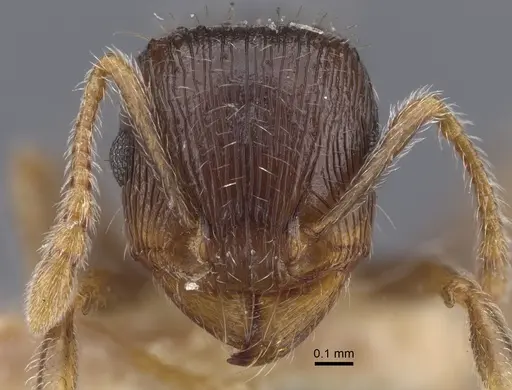
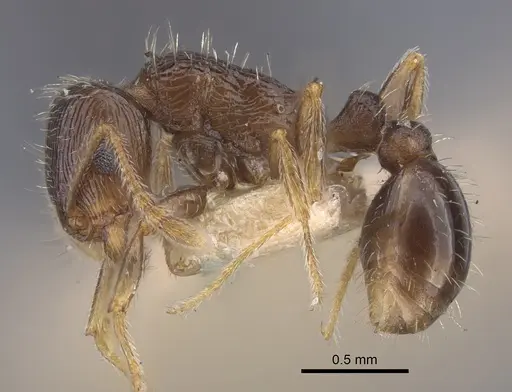
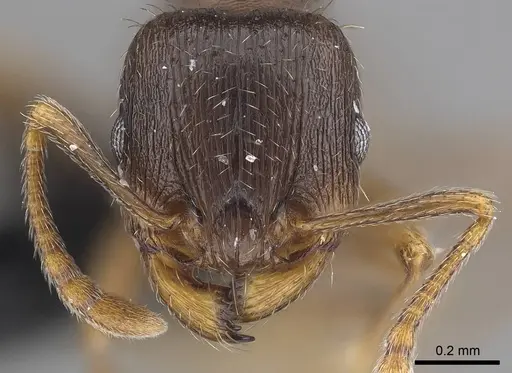
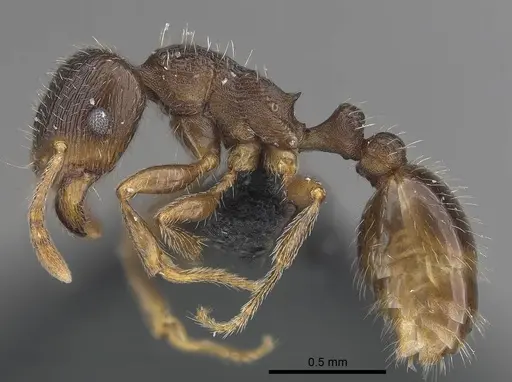
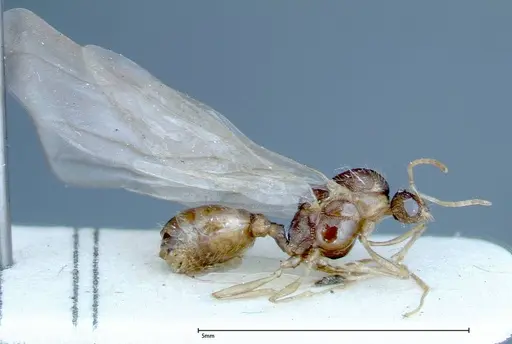
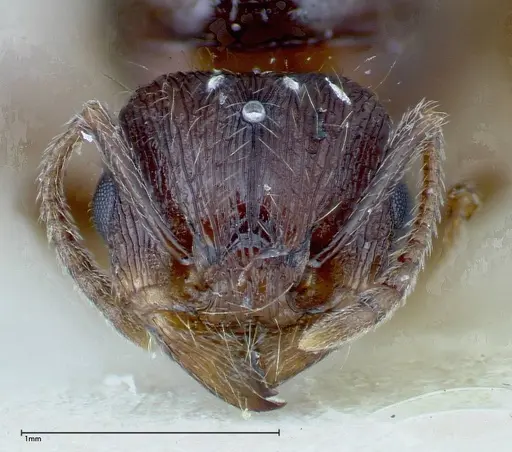
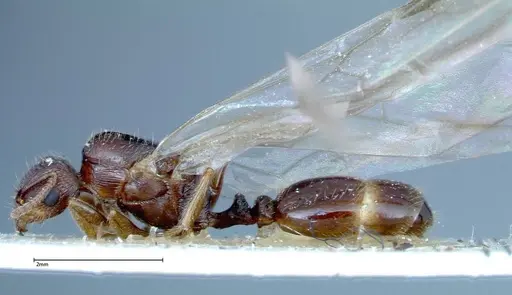
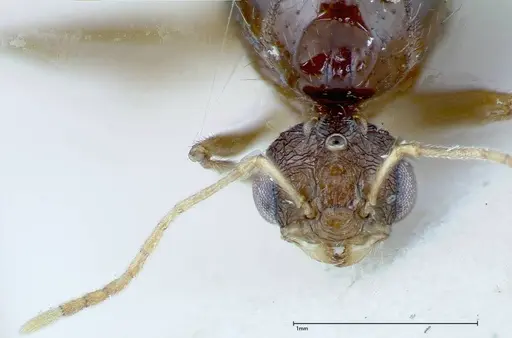
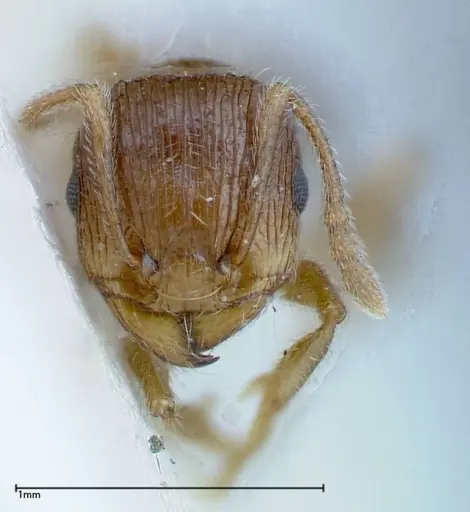
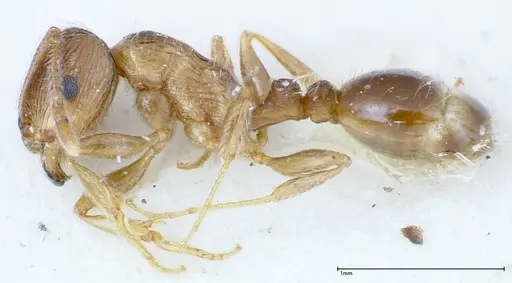
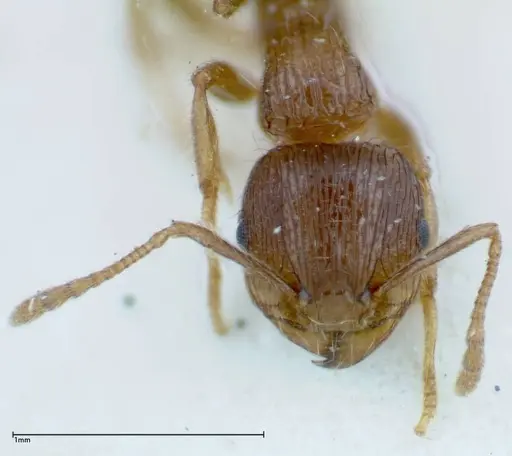
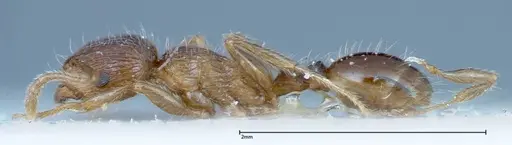
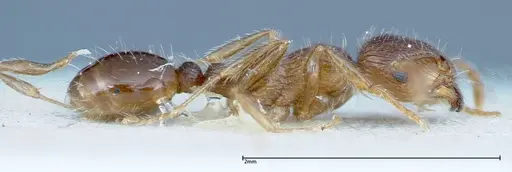
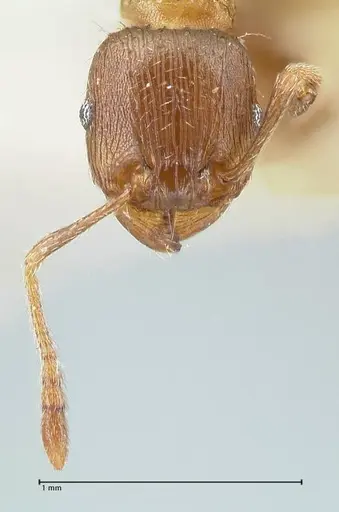
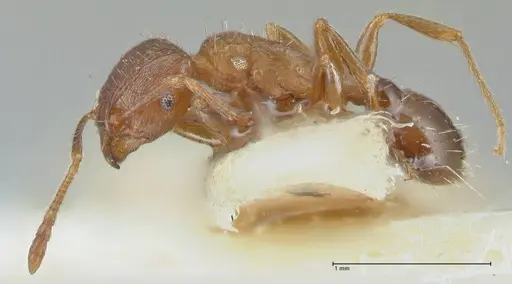
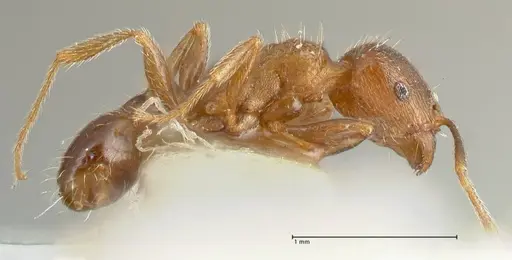
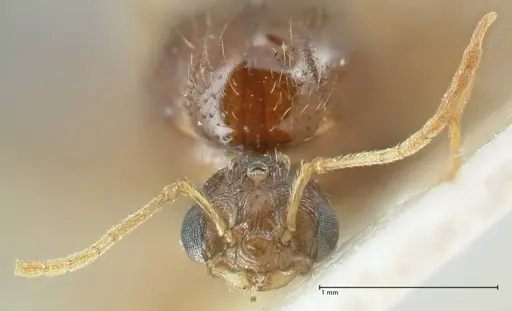
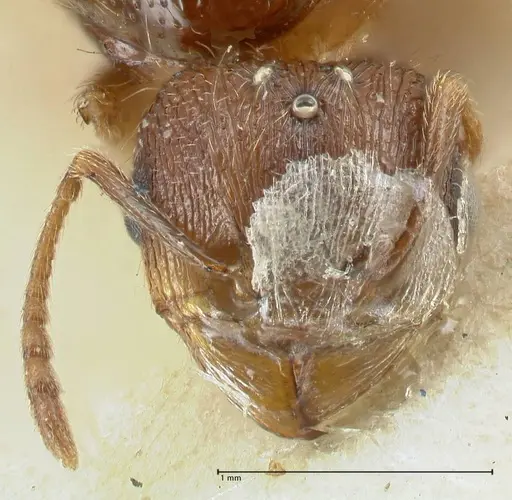
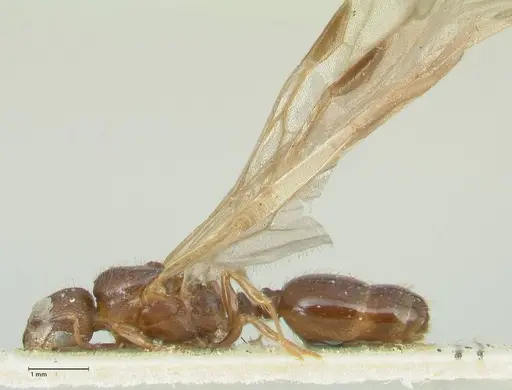
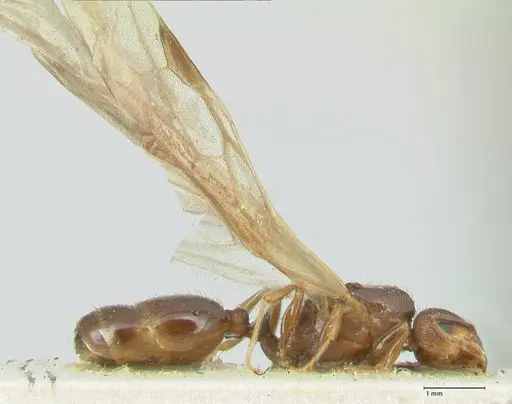
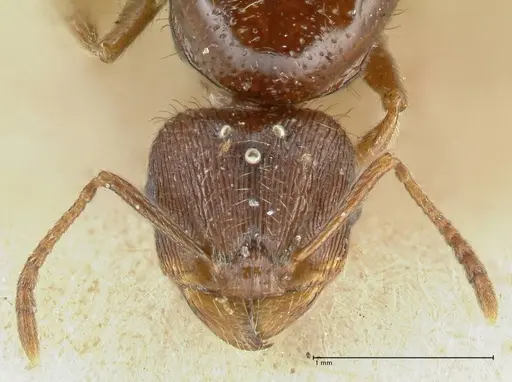
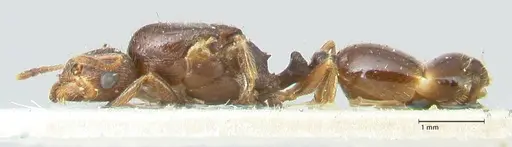
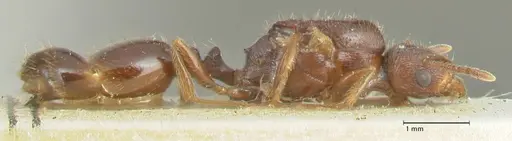
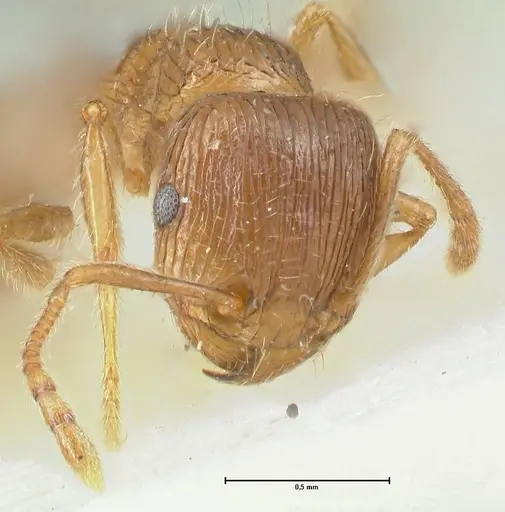
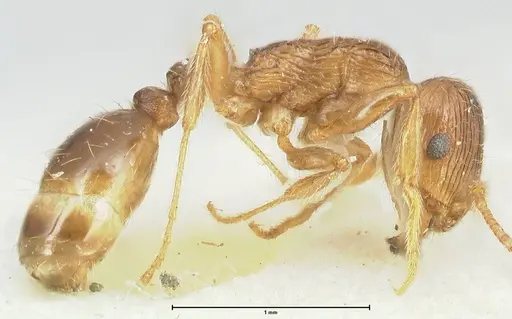
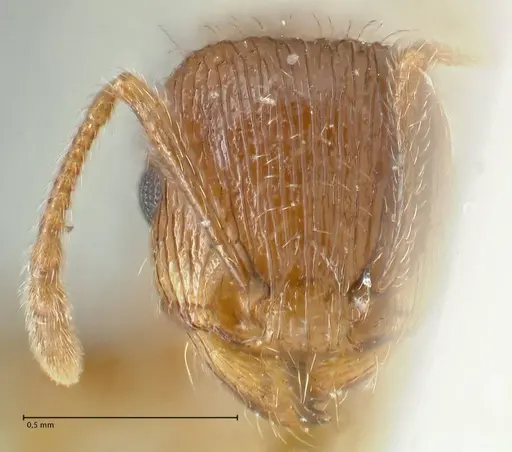
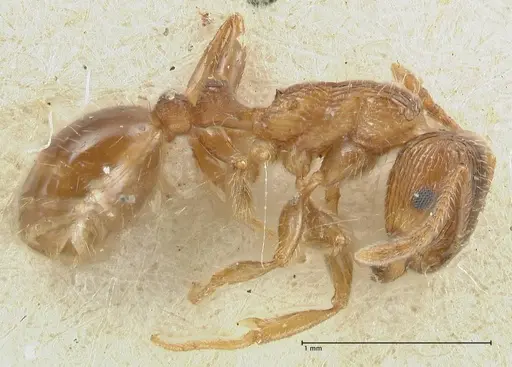
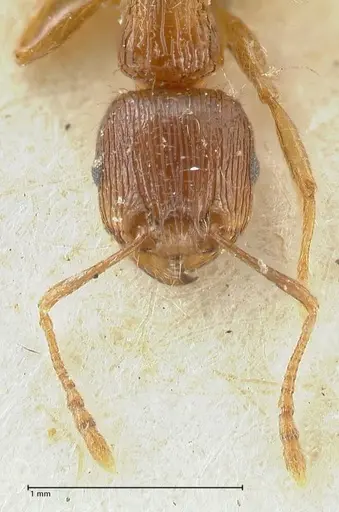
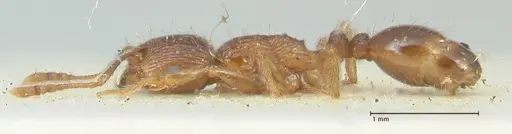
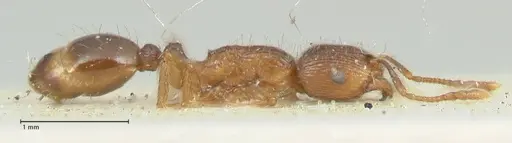
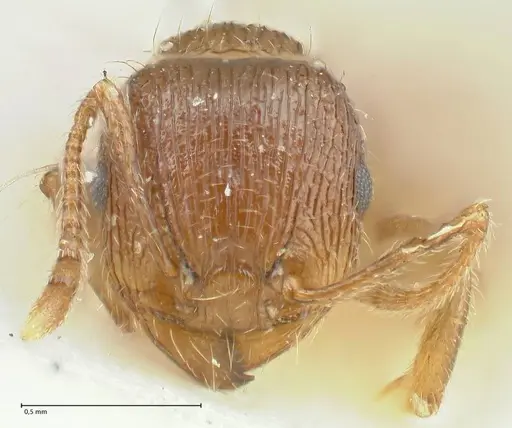
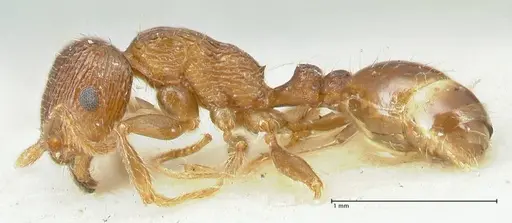
Tetramorium caespitum is a small, dark ant native to Europe and the Caucasus, commonly known as the pavement ant due to its tendency to nest under sidewalks and paving stones. Workers measure 2.5-4.0 mm and are dark brown to black with a smooth, shiny gaster and longitudinal striations on the head and thorax . This species is part of a cryptic species complex that was only recently resolved through molecular taxonomy - the true *Tetramorium caespitum* is the most widespread member across Europe but does not occur in North America (where it is replaced by *Tetramorium immigrans*) . What makes *T. caespitum* stand out is its ability to thrive in a huge range of habitats, from heathlands and grasslands to city sidewalks. It is the only European *Tetramorium* that builds soil mounds over 10 cm high, which help regulate nest temperature . Colonies are single-queen but can grow to several thousand workers, and this species acts as host for several social parasites, including *Anergates atratulus* and *Strongylognathus testaceus* .
Quick Summary
- Difficulty: Easy
- Origin & Habitat: Europe and Caucasus, from England east to the Caucasus and north to 63°N in Scandinavia. Lives in open, sunny, dry places: meadows, pastures, heaths, arid grasslands, vineyards, ruderal areas, road embankments, gravel pits, and urban parks. Avoids dense forests and wet areas [3][4].
- Colony Type: Single-queen (monogynous) colonies, usually monodomous (one nest). Can grow to tens of thousands of workers [4][3].
- Size & Growth:
- Queen: 5.5-6.5 mm [1]
- Worker: 2.5-4.0 mm [1][2]
- Colony: Up to 10,000 workers (sometimes more) [5]
- Growth: Moderate (slow initially, speeds up once colony grows)
- Development: 6-10 weeks at optimal temperature [6] (Larval development can be slow. Last-instar larvae are able to overwinter, so first workers may take longer if brood enters diapause [7].)
- Antkeeping:
- Temperature: Keep the nest area at 20-24 °C. This species is moderately thermophilic (mean thermal niche ~16 °C) and tolerates up to 42 °C [3][8].
- Humidity: Low to moderate, this is a dry-adapted ant. Keep the nest substrate slightly moist in one area but mostly dry. Avoid waterlogging [4].
- Diapause: Yes, requires winter rest. Reduce temperature to 5-10 °C for 2-3 months (November-February) [4].
- Nesting: Test tube for founding. Once the colony has 20+ workers, move to a plaster, Y-tong, or soil formicarium with dry substrate. They like to build mounds if given space. Avoid acrylic nests [3][4].
- Behavior: Aggressive and dominant. Nest and territory are vigorously defended. Uses group recruitment, a forager leads a group of workers back to food using a trail pheromone from the poison gland [9][10]. Workers are omnivorous: hunt small insects, scavenge dead animals, collect honeydew, and gather seeds [4][11]. Activity is mainly diurnal but becomes nocturnal during hot summers [12]. Can deliver a mild sting but it rarely penetrates human skin [5]. Known for dramatic battles between colonies in spring [5].
- Common Issues: small size makes escapes likely without fine mesh or fluon barriers, keep nests dry during winter to prevent mould and queen death, aggressive towards other ants, don't house multiple colonies together, colonies can grow fast and need space quickly, so plan ahead with a medium formicarium, can become a pest indoors if they find a way into your home, seal any cracks
Nuptial Flight Activity Analysis 860 observations
Flight Activity by Hour 860 observations
Tetramorium caespitum nuptial flight activity peaks around 10:00 during the late morning to early afternoon. Activity is spread across a 15-hour window (07:00–21:00). A secondary activity peak occurs around 16:00. Times may be influenced by human observation patterns.
Housing and Nest Setup
Start a new colony in a standard test tube setup: fill one-third with water, plug with cotton, and place the queen inside. Keep it dark and undisturbed. Once the first workers appear (6-10 weeks), you can move the colony to a formicarium. Because T. caespitum prefers dry conditions, choose a nest material that stays fairly dry, plaster, Y-tong, or a naturalistic soil nest all work well. They like to build soil mounds, so a shallow chamber with loose soil can encourage this behaviour. The outworld should be a simple foraging area with a source of food and water. Use fluon or baby powder around the rim to prevent escapes, these small ants can squeeze through tiny gaps [3][4].
Feeding and Diet
This ant is a true omnivore. Provide protein sources such as mealworms, fruit flies, or small crickets 2-3 times per week. Keep a constant supply of sugar water, honey, or diluted syrup, they love honeydew. Uniquely among European ants, they also collect and eat seeds (granivory) [4][13]. Offer a mix of seeds (e.g., grass seed, millet) now and then. Remove uneaten food after 24 hours to prevent mould. The colony will also scavenge dead insects [11].
Temperature and Seasonal Care
Keep the nest area at 20-24 °C for fastest brood development. They can handle up to 42 °C for short periods, but prolonged heat may be stressful [8]. In winter, they need a diapause period: move the colony to a cool location (5-10 °C) for 2-3 months, typically from November to February. Do not feed during this time. Reduce humidity slightly to match natural winter conditions. Increase temperature gradually in spring as you see the colony becoming active again [4][3].
Behavior and Colony Dynamics
T. caespitum uses group recruitment: a successful forager returns to the nest and lays a trail of pheromones from its poison gland, then leads a group of workers directly to the food [9]. This makes them very efficient at exploiting rich food sources. They are territorial and will fight violently with neighbouring colonies, this is normal and not a cause for concern unless your colony is threatened. Mature colonies can have thousands of workers, and queens are long-lived (15+ years recorded in captivity). The species is well-known for its ability to survive in heavily disturbed urban environments [14][5].
Reproduction and Nuptial Flights
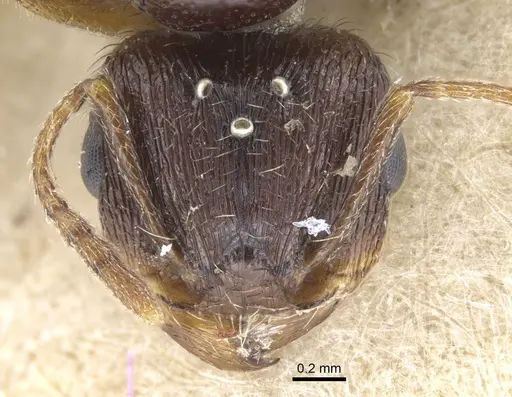
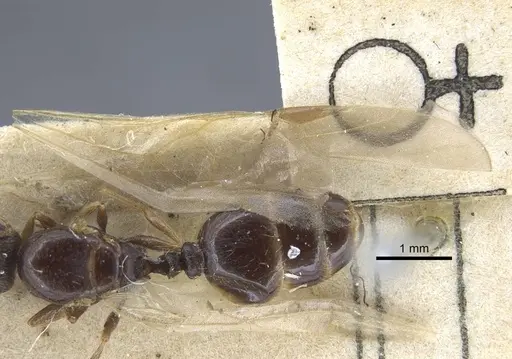
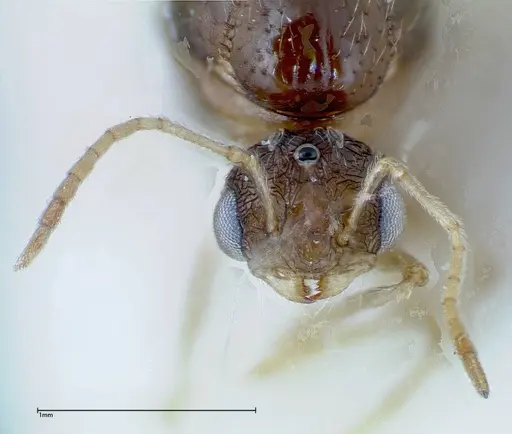
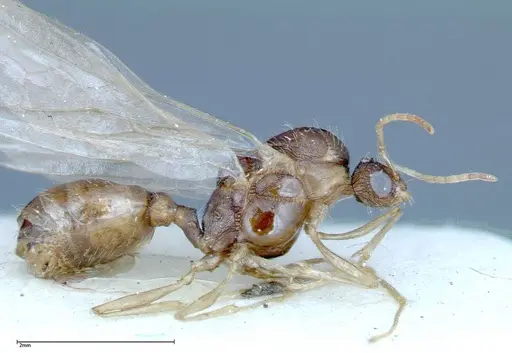
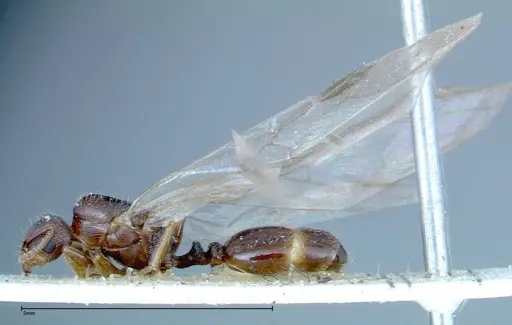
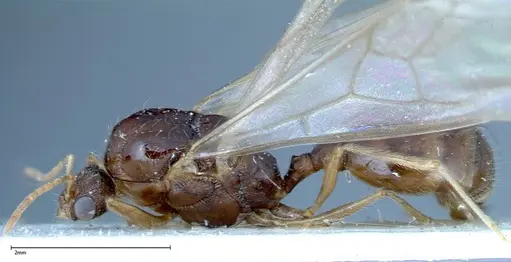
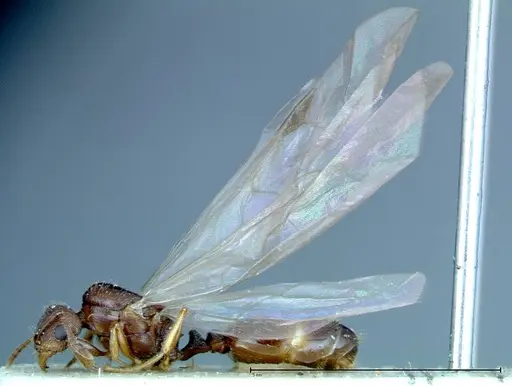
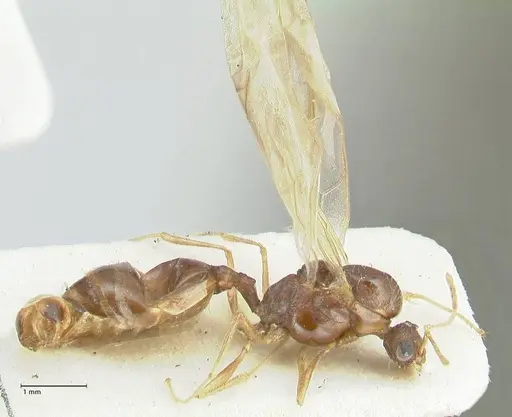
In the wild, winged reproductives appear from late May to August, with swarming observed in June and July during the morning [3]. If you have a well-fed colony, you may see alates develop in late spring. After mating, the queens shed their wings and look for a suitable place to start a new colony. In captivity, you can provide dealate queens with a test tube to attempt foundation. Note that true T. caespitum does not occur in North America, the pavement ant there is T. immigrans [3].
Frequently Asked Questions
Is Tetramorium caespitum the same as the pavement ant in North America?
No, the pavement ant in North America is Tetramorium immigrans, a different species. True T. caespitum is only found in Europe and the Caucasus [3].
Does this ant sting, and is it dangerous?
Workers can sting, but the stinger is small and rarely penetrates human skin, the venom smear (their defense mechanism) may cause mild irritation but is not medically significant [5]. They are not dangerous.
Why are my Tetramorium caespitum bringing the brood into the outworld?
This usually means the nest is too wet or too hot. T. caespitum likes dry conditions, check if the nest substrate is waterlogged. Give them a drier nest chamber or improve ventilation [4].
When is the nuptial flight of Tetramorium caespitum?
The nuptial flight of Tetramorium caespitum typically occurs From June to July.
What time of day does Tetramorium caespitum fly?
The nuptial flight of Tetramorium caespitum peaks around 10:00 during the late morning to early afternoon, with most activity between 07:00 and 21:00. Times may be influenced by human observation patterns.
Report an Issue
The current care sheet is based fully on literature. See inconsistencies, or something that's incorrect? Please , it will be resolved after review from an admin. Contributing to the blogs tab also helps providing information, to make us be able to further improve the caresheets. Thank you for your support!
References

This caresheet is licensed under CC BY-SA 4.0 .
Community Blogs
ANTWEB1008487
View on AntWeb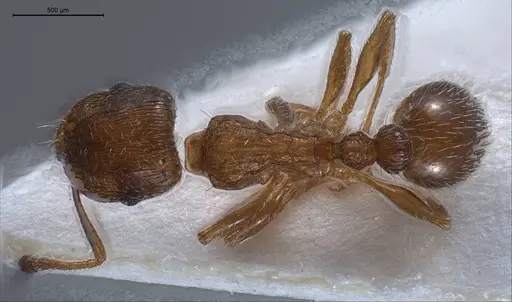
CASENT0010669
View on AntWeb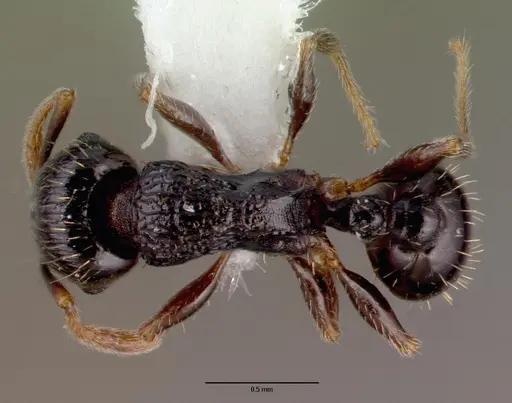
CASENT0105669
View on AntWeb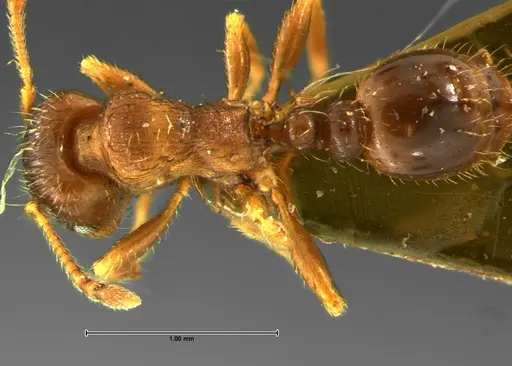
CASENT0173203
View on AntWeb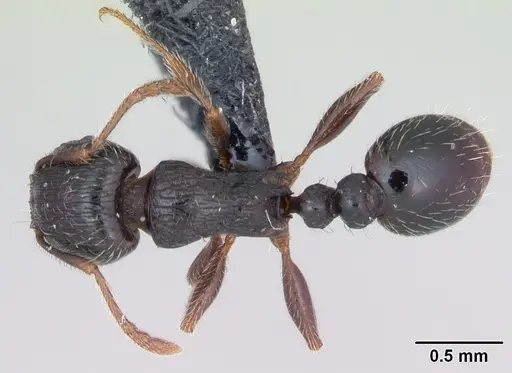
CASENT0178769
View on AntWeb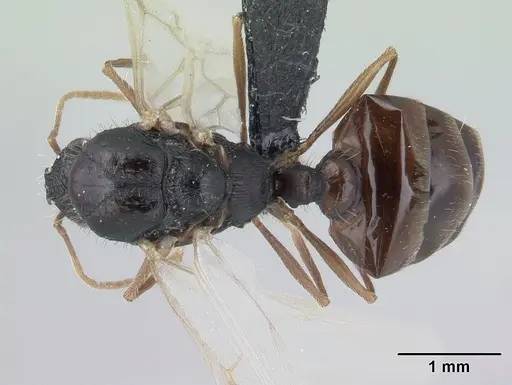
CASENT0246146
View on AntWeb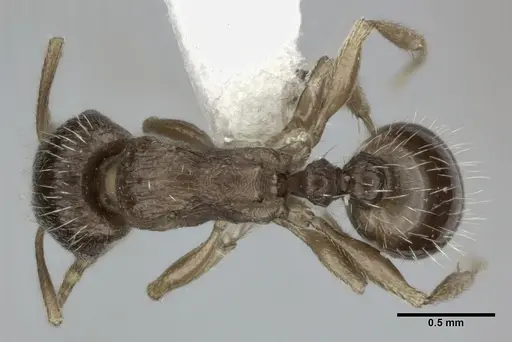
CASENT0264281
View on AntWeb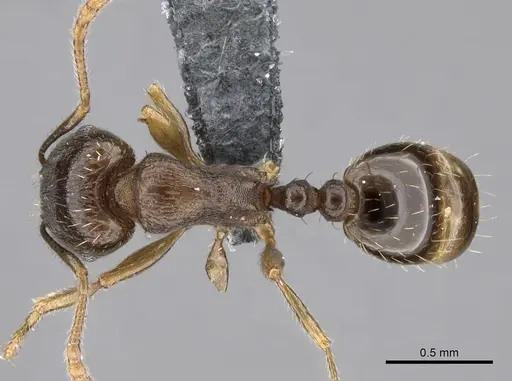
CASENT0901252
View on AntWeb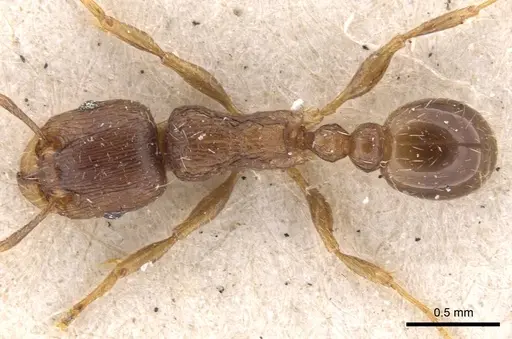
CASENT0904814
View on AntWeb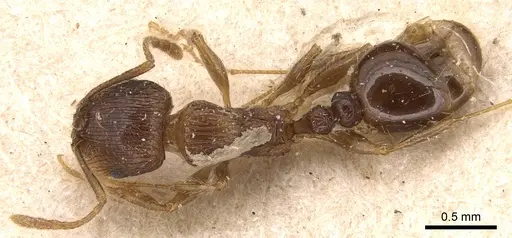
CASENT0906433
View on AntWeb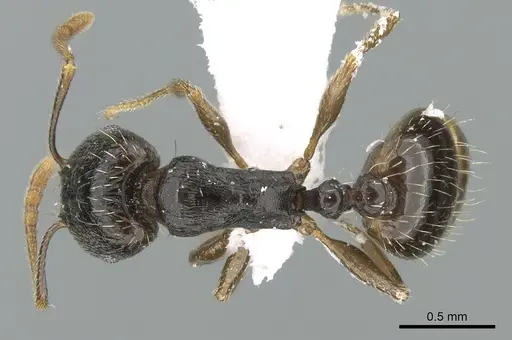
CASENT0913996
View on AntWeb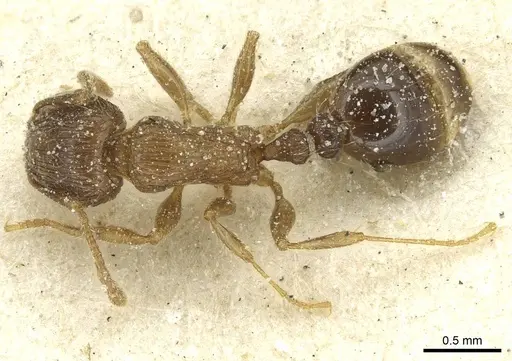
CASENT0917058
View on AntWeb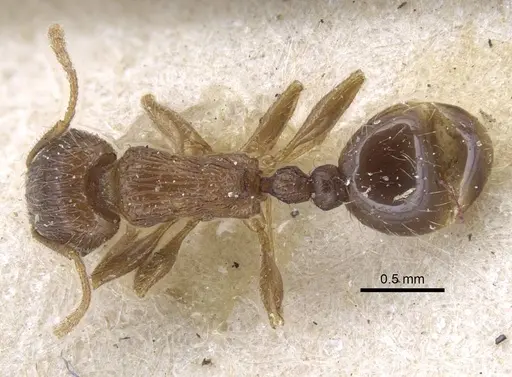
CASENT0917059
View on AntWeb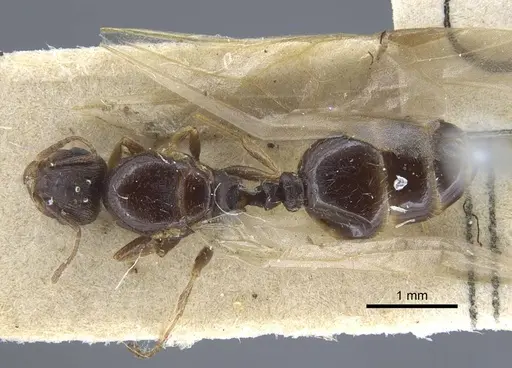
CASENT0917060
View on AntWeb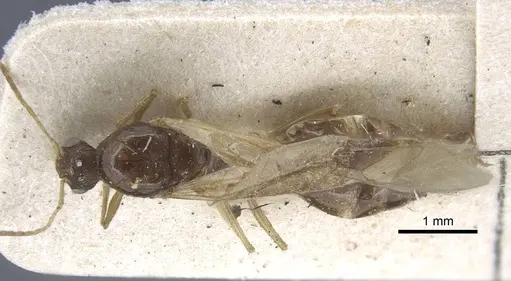
CASENT0917265
View on AntWeb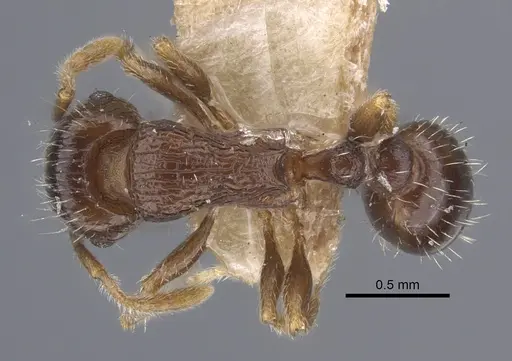
CASENT0919632
View on AntWeb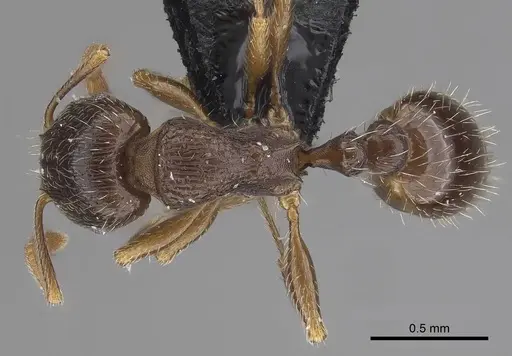
FOCOL0193
View on AntWeb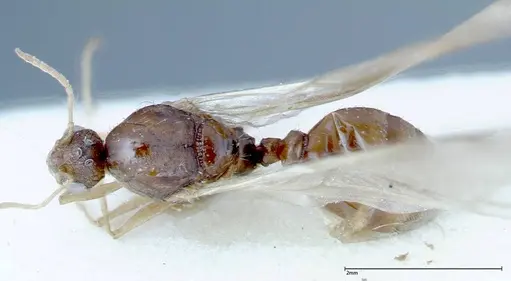
FOCOL0194
View on AntWeb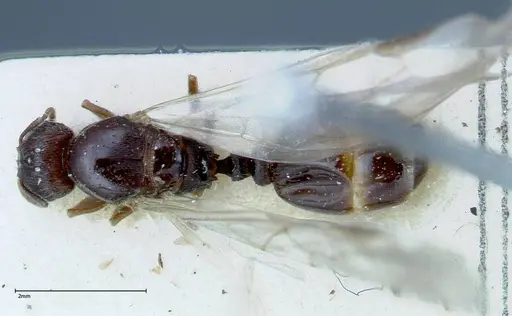
FOCOL0195
View on AntWeb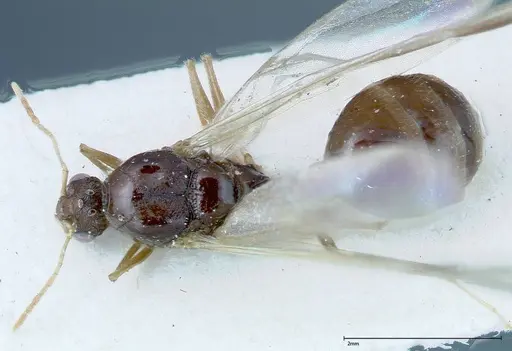
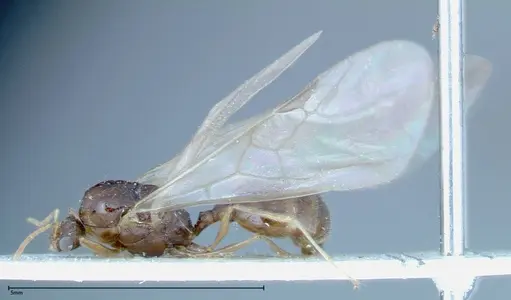
FOCOL0196
View on AntWeb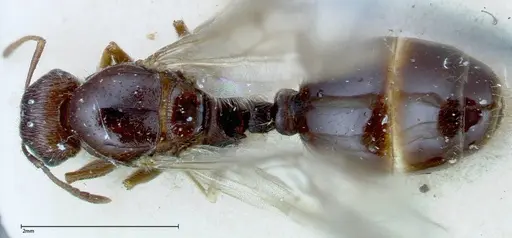
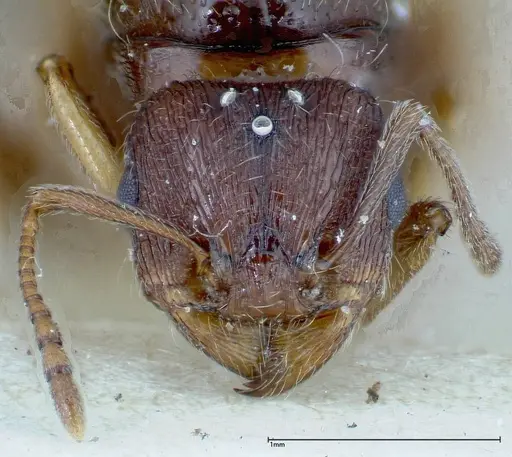
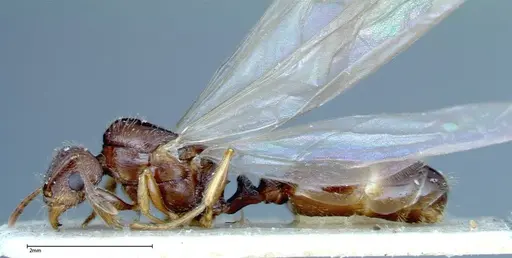
FOCOL0200
View on AntWeb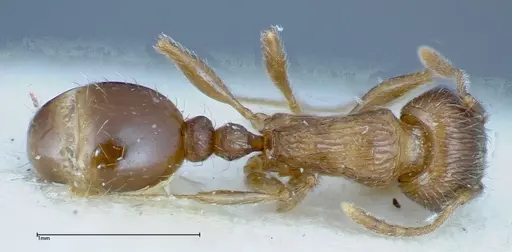
FOCOL0201
View on AntWeb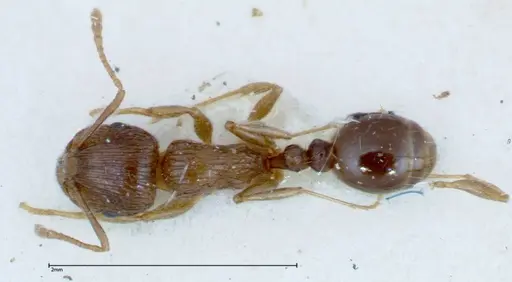
FOCOL2017
View on AntWeb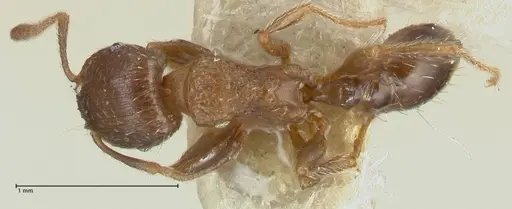
FOCOL2018-1
View on AntWeb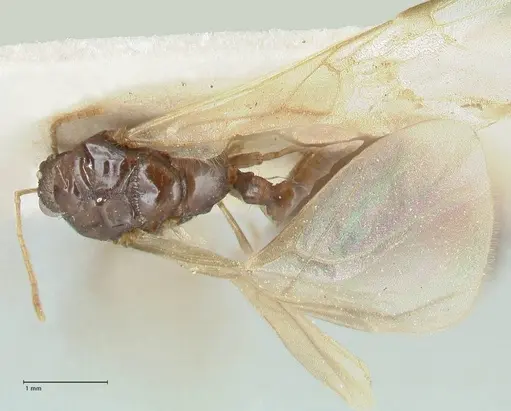
FOCOL2018-2
View on AntWeb
FOCOL2019-1
View on AntWeb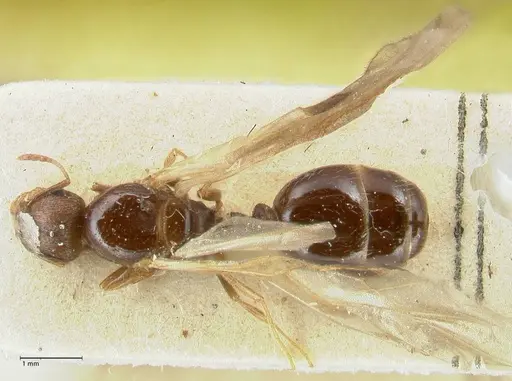
FOCOL2019-2
View on AntWeb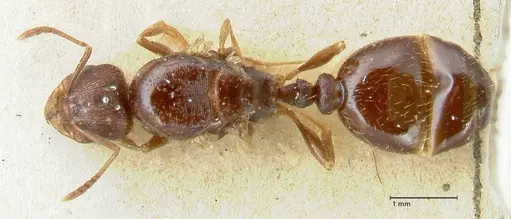
FOCOL2020-1
View on AntWeb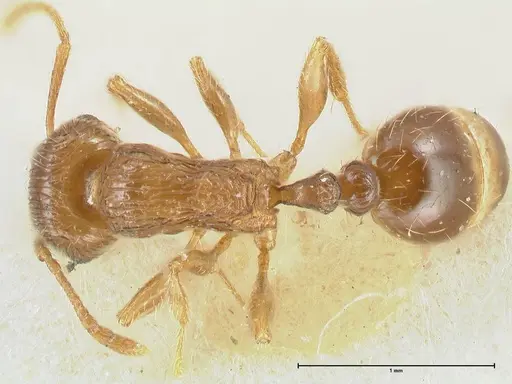
FOCOL2020-2
View on AntWeb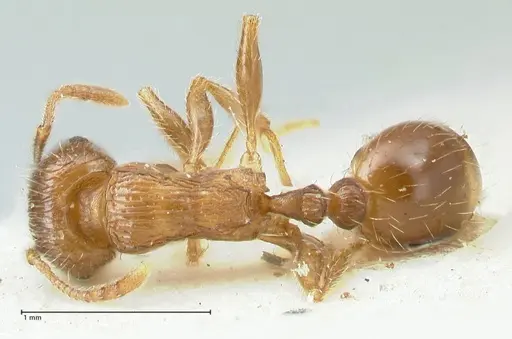
FOCOL2021
View on AntWeb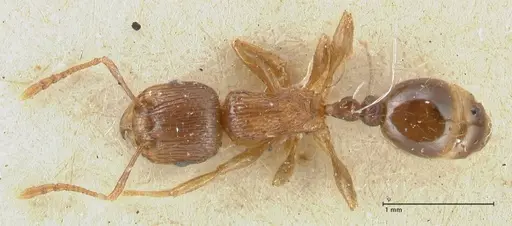
FOCOL2107
View on AntWeb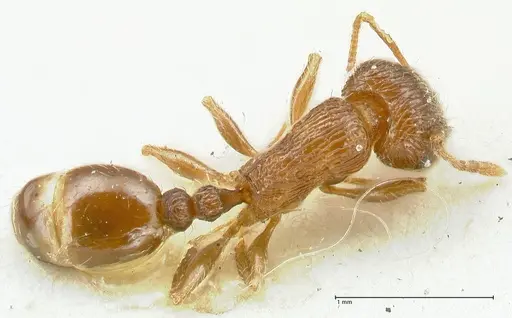
Literature
Loading distribution map...Loading products...