
Tetramorium buthrum
- Sci. Name
- Tetramorium buthrum
- Tribe
- Crematogastrini
- Subfamily
- Myrmicinae
- Author
- Bolton, 1980
- Distribution
- Found in 1 countries
Introduction
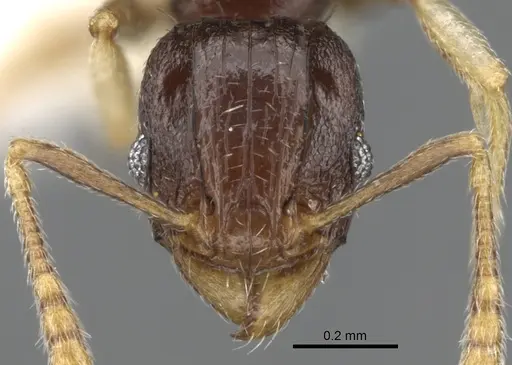
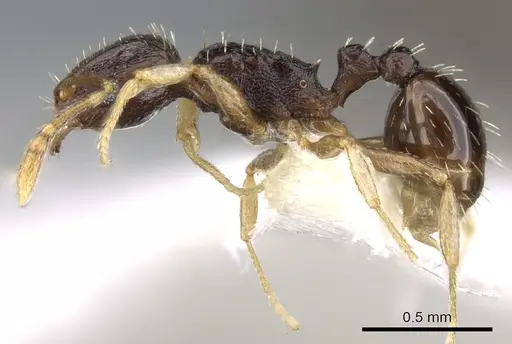
Tetramorium buthrum is a small ant species from the Democratic Republic of Congo in Central Africa . Workers are tiny, typically 2-4 mm, with the typical Tetramorium look, two segments in the waist, a spiny upper body, and dark brown to black color. There isn't much specific information known about this species, so most care tips are based on what we know about other related Tetramorium species. They probably live in soil or under stones in the forest.
Quick Summary
- Difficulty: Medium
- Origin & Habitat: Democratic Republic of Congo, Central Africa [1]. Based on typical Tetramorium habitat, they likely nest in soil or under stones in forest floor microhabitats.
- Colony Type: Colony structure is unconfirmed. Most Tetramorium species are monogyne (single queen), but some can be polygyne. Without specific data for T. buthrum, the colony structure remains unknown.
- Size & Growth:
- Queen: Unconfirmed, based on related Tetramorium, queens are likely around 5-8 mm.
- Worker: Approximately 2-4 mm, based on typical Tetramorium workers.
- Colony: Unknown for this species. Related Tetramorium species often reach several hundred to a few thousand workers.
- Growth: Moderate
- Development: Estimated 6-10 weeks at 24-28°C, based on related species. (Specific data for T. buthrum is not available, this is an estimate from related Tetramorium species.)
- Antkeeping:
- Temperature: Keep at 24-28°C. As a tropical African species, they need warmth. A slight temperature gradient lets the ants choose what they like. Avoid letting it drop below 20°C.
- Humidity: Moderate humidity, keep the nest substrate slightly moist but not wet. A moisture gradient (one damp area, one dry area) works well. Don't let the nest dry out completely.
- Diapause: No, as a tropical species, they likely don't need a winter diapause. Keep them warm year-round.
- Nesting: Do well in Y-tong (AAC) or plaster nests with chambers scaled to their small size. A small outworld for foraging is fine. Make sure all connections are escape-proof.
- Behavior: These are generally peaceful ants. They have a small stinger but it's adapted for smearing venom, not piercing, so they aren't a danger to keepers. Workers are active foragers and will readily explore the outworld for food. Their tiny size makes escape prevention important, they can squeeze through very small gaps.
- Common Issues: very small size makes escape prevention critical, use fine mesh (0.5mm or smaller) and tight-fitting lids., limited specific care data means you may need to experiment with conditions., tropical species may not tolerate cool temperatures, keep warm year-round., slow colony growth can frustrate beginners, patience is required., wild-caught colonies may carry parasites that can cause problems in captivity.
Temperature and Care
As a tropical African species, Tetramorium buthrum needs warmth. Keep the nest area at 24-28°C for good brood development. You can use a heating cable on one side of the nest to create a gentle temperature gradient, but make sure it doesn't dry out the nest too fast. Room temperature in the low-to-mid 20s°C is usually enough. Unlike temperate ants, they do not need hibernation. But avoid letting the temperature drop below 20°C for long, that could stress the colony. Watch for sluggish workers, that's a sign they might be too cold.
Housing and Nesting
These tiny ants do well in Y-tong (AAC) nests or plaster nests with narrow chambers that match their small size. Plaster nests with built-in water reservoirs can help control humidity. Naturalistic setups with soil can also work. The key is to provide snug chambers, if they're too big, the ants may feel exposed. Connect a small outworld for foraging. Since these ants are very small, make sure all connections are tight and use fine mesh on any ventilation (0.5mm or less).
Feeding and Diet
Like most Tetramorium species, T. buthrum is likely omnivorous, with a preference for protein. Offer small live prey like fruit flies, pinhead crickets, or small mealworms. They also accept commercial ant protein foods. Sugar sources like diluted honey or sugar water are usually taken. In the wild, they probably forage for small insects and tend aphids for honeydew. Feed small amounts every 2-3 days and remove uneaten prey to prevent mold.
Behavior and Temperament
This species is peaceful and fine for keepers with some experience. Workers are active foragers and will explore their outworld. They have a small stinger that is used for smearing venom (smear defense), it's not used for a painful sting, so they are not a threat to you. Their small size makes them excellent escape artists: always use fine mesh on ventilation holes and make sure lids fit tightly. Without specific data on colony structure, it's best to assume only one queen per colony unless you have evidence otherwise.
Frequently Asked Questions
How long does it take for Tetramorium buthrum to produce first workers?
Based on typical Tetramorium development, expect the first workers about 6-10 weeks after the queen starts laying eggs, assuming temperatures around 26°C. This is just an estimate, specific data for T. buthrum isn't available.
Can I keep Tetramorium buthrum in a test tube?
Test tubes can work for starting a colony, but because the ants are so small, you may want to move them to a Y-tong or plaster nest once the colony has about 20-30 workers. Narrow chambers suit them better.
Do Tetramorium buthrum ants sting?
They have a stinger, but it's modified for smearing venom rather than piercing. Their sting is not painful to humans, it's more like a wipe of venom. They are harmless to keepers.
What temperature do Tetramorium buthrum ants need?
Keep them at 24-28°C. As a tropical species, they need warmth and may struggle if temperatures drop below 20°C.
Are Tetramorium buthrum good for beginners?
This species is rated as medium difficulty. They aren't aggressive, but their small size and need for warmth make them better for keepers with some experience. Beginners might struggle with escape prevention and temperature control.
How big do Tetramorium buthrum colonies get?
Colony size isn't well documented, but related Tetramorium species often reach several hundred to a few thousand workers. Growth is moderate.
Do Tetramorium buthrum need hibernation?
No, they are a tropical species and don't need a diapause. Keep them warm year-round.
What do Tetramorium buthrum eat?
They are omnivorous but like protein. Offer small live prey like fruit flies or tiny crickets, commercial protein food, and occasional sugar water or diluted honey.
Why are my Tetramorium buthrum escaping?
Their tiny size lets them squeeze through very small gaps. Use fine mesh (0.5mm or smaller) on all ventilation, make sure lids fit tightly, and check all connection points between nest and outworld.
Can I keep multiple queens together?
The colony structure for this species is unknown. Most Tetramorium species are monogyne (single queen), but some can have multiple queens. It's best to stick with one queen unless you have specific information.
Report an Issue
The current care sheet is based fully on literature. See inconsistencies, or something that's incorrect? Please , it will be resolved after review from an admin. Contributing to the blogs tab also helps providing information, to make us be able to further improve the caresheets. Thank you for your support!
References

This caresheet is licensed under CC BY-SA 4.0 .
Community Blogs
CASENT0280864
View on AntWeb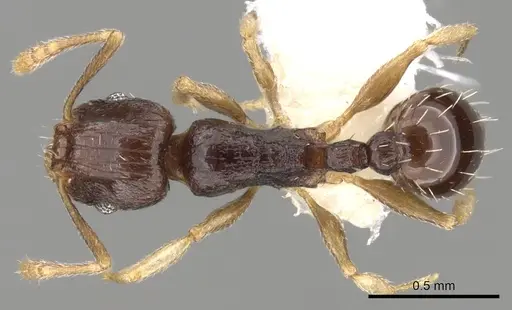
Literature
Loading distribution map...Loading products...