
Tetramorium brevispinosum
- Sci. Name
- Tetramorium brevispinosum
- Tribe
- Crematogastrini
- Subfamily
- Myrmicinae
- Author
- Stitz, 1910
- Distribution
- Found in 10 countries
Introduction
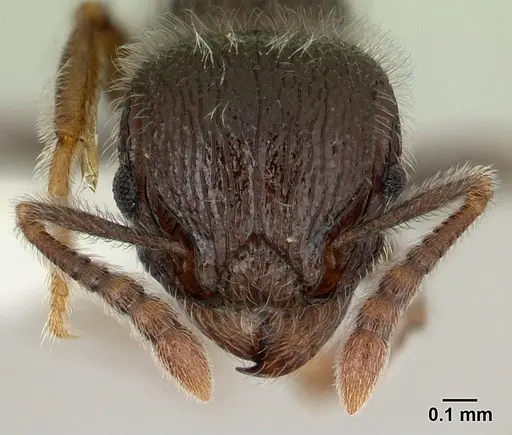
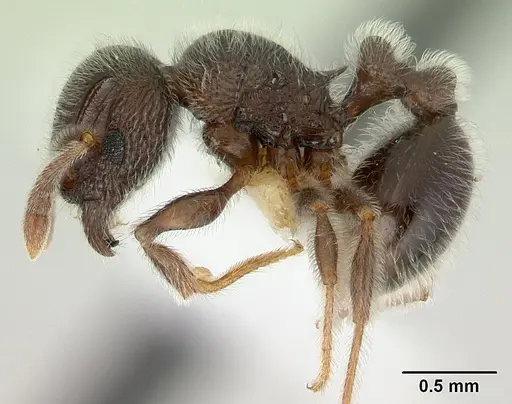
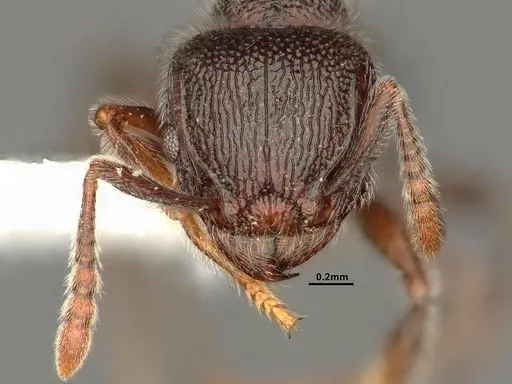
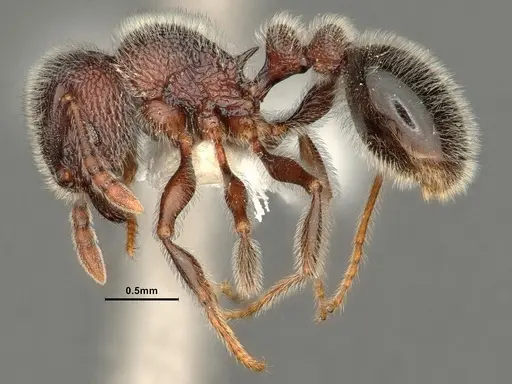
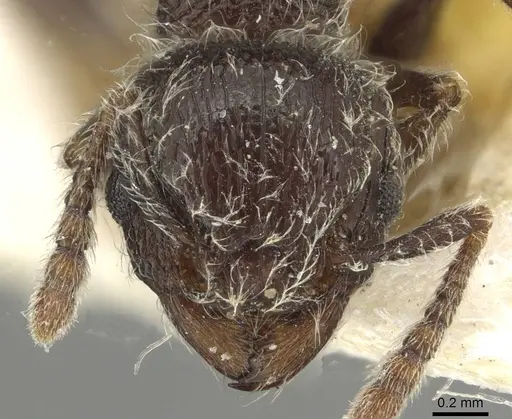
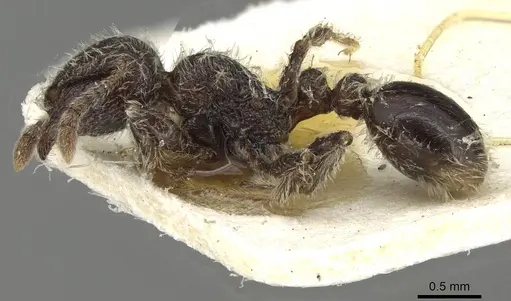
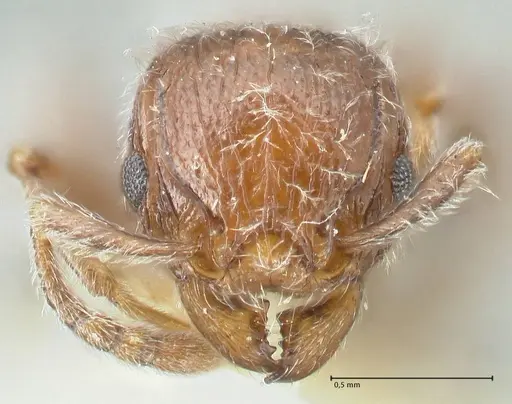
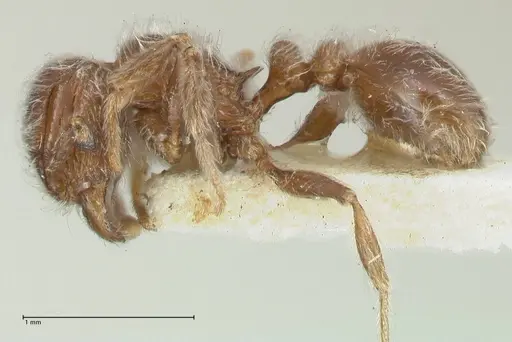
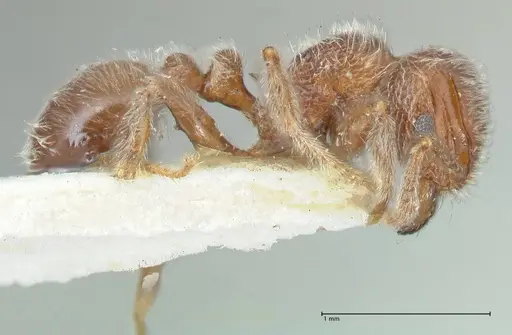
Tetramorium brevispinosum is a small ant from tropical Africa, found from Guinea and Ivory Coast east to Kenya and the Democratic Republic of Congo . Workers are about 2-4 mm long (inferred from the genus Tetramorium) and have the typical 12‑segmented antennae, a two‑segmented waist, and a spiny propodeum. The species was originally described as a variety of Triglyphothrix gabonensis and later raised to full species; Tetramorium nion is now considered a junior synonym . This ant is remarkably flexible in where it lives. In Kakamega Forest, Kenya, it turns up in nearly every habitat . In central Cameroon it becomes more common as you go up in elevation, peaking at 1150 m . It even survives in city parks and green spaces in Abidjan, Ivory Coast . Ecologically it’s a generalist predator - it hunts small bugs and scavenges - and it can bounce back quickly after a savanna fire .
Quick Summary
- Difficulty: Easy
- Origin & Habitat: West and Central Africa: Cameroon, Central African Republic, Democratic Republic of Congo, Guinea, Ivory Coast, Kenya, Nigeria [1]. Found in forests, savanna, and urban green spaces. Most common at mid‑to‑high elevations (900-1150 m) in Cameroon [3].
- Colony Type: Unconfirmed. Social structure hasn’t been studied. Based on typical Tetramorium patterns, the colony likely has a single queen (monogyne), but this is only a genus‑level guess.
- Size & Growth:
- Queen: No species‑specific data available. Queens of the genus Tetramorium are usually about 5-7 mm (inferred from genus patterns).
- Worker: About 2-4 mm (inferred from genus Tetramorium).
- Colony: Unknown, no data exists.
- Growth: Unknown. Likely moderate based on other tropical Tetramorium, but unconfirmed.
- Development: Unknown. No species‑specific timeline has been recorded. (Development speed is likely comparable to other warm‑climate Tetramorium but hasn’t been measured.)
- Antkeeping:
- Temperature: Unknown precisely. As a tropical African species, keep at warm room temperature (roughly 22-26 °C). Avoid letting the nest drop below 20 °C. No research data supports a tighter range.
- Humidity: Unknown. Provide a moisture gradient in the nest (e.g., one moist area, one dry area) so the ants can choose. General Tetramorium guidance: moderate, not waterlogged.
- Diapause: No, this is a tropical species with no known need for winter hibernation. Keep active year‑round.
- Nesting: Unknown specific preferences. In nature they live in soil. In captivity, use Y‑tong (AAC), plaster, or a naturalistic soil setup. Test tubes work for founding, but mature colony housing is speculative.
- Behavior: Workers are active generalist predators that hunt small prey and scavenge [5]. Their main defense is a modified, flattened stinger used to smear venom onto attackers rather than piercing. They aren’t aggressive toward keepers but will defend the nest vigorously if disturbed. Because workers are small (≈2 mm), they can slip through tiny gaps, use standard escape prevention (tight lids, fluon/oil barriers).
- Common Issues: no species‑specific care data exists, you’ll need to adapt based on general Tetramorium guidelines and watch your colony closely., tropical species are sensitive to cold, keep temperatures above 20 °C or growth will stall and the colony may die., small worker size means they can escape through any crack, check all seals., overwatering can cause mold in test tube setups, keep the cotton plug moist, not dripping., wild‑caught colonies may carry mites or other parasites, quarantine new queens if possible.
Housing and nest setup
Because Tetramorium nigrumpinosum hasn’t been studied in captivity, you’ll have to borrow from general Tetramorium care. Start a new colony in a test tube: fill the tube one‑third with water, push a cotton ball in to create a barrier, and add the queen. Keep the tube dark and undisturbed until the first workers appear. For an established colony, Y‑tong (AAC), plaster, or a soil nest all work well, just make sure the chambers are small enough for these tiny ants. Provide a moisture gradient (one wet corner, one dry) so the ants can pick their spot. Cover the nest with a dark cloth to reduce stress during the founding phase. No species‑specific nest data is available, so observe your colony and adjust.
Feeding and diet
These ants are generalist predators [5]. Offer small live prey like fruit flies, pinhead crickets, or small mealworms, make sure the prey is no bigger than the workers. Provide a constant supply of sugar water or diluted honey as carbohydrates. Feed protein two or three times a week, and remove any uneaten prey after 24 hours to stop mold. In the wild they also scavenge, so occasional bits of boiled egg or crushed seeds might be accepted, but this hasn’t been tested for this species. Young colonies do best with very tiny prey.
Temperature and seasonal care
Tetramorium nigrumpinosum comes from tropical Africa, so it needs warmth. Keep the nest between 22 °C and 26 °C if possible. It can handle short dips to 20 °C, but prolonged cold will slow growth and could kill the colony. Use a heating cable on one side of the nest if your room is cooler. Avoid direct heat sources that dry the nest out. No hibernation is needed, these ants stay active all year. The exact temperature preference is unknown, so monitor your colony’s activity and adjust.
Colony development and growth
No species‑specific data is available for colony founding or growth. Based on typical Tetramorium patterns, a mated queen probably seals herself into a small chamber and raises the first workers on her own body reserves, but this is speculative. How long it takes is unknown. The first workers (nanitics) are often smaller than later ones. Once workers appear, the colony will grow steadily, but we don’t know how large it can get. Be patient and avoid disturbing the nest during the founding phase.
Behavior and temperament
Workers are active foragers that hunt on the ground and can climb. Their main defense is a modified stinger that smears venom onto enemies instead of piercing, this is typical for Crematogastrini (the tribe they belong to). The venom isn’t dangerous to people but can be irritating. They aren’t aggressive toward keepers but will defend the nest if provoked. They use chemical trails to guide nestmates to food. Activity is mostly diurnal, but they may also forage at night. Because they are small, they can squeeze through tiny gaps, always use escape‑proof barriers.
Frequently Asked Questions
How long does it take for Tetramorium brevispinosum to raise first workers?
Unknown. No species‑specific development time has been recorded. Based on the genus Tetramorium, it might be several weeks at warm temperatures, but this is just a guess.
Can I keep Tetramorium brevispinosum in a test tube?
Yes, test tubes work well for a founding queen. Use a standard setup: water reservoir, cotton plug, queen and brood in the dry end. Keep it dark and undisturbed. Once workers arrive you can decide if they need more space, there’s no data on when to move them.
Do Tetramorium brevispinosum ants sting?
They have a modified stinger, but they don’t use it like typical ants. Instead, it’s flattened and used to smear venom onto the enemy. The venom can cause mild irritation but isn’t medically significant. They are not quick to use it against keepers.
What do Tetramorium brevispinosum eat?
They are generalist predators and scavengers [5]. Offer small live insects (fruit flies, pinhead crickets) and a constant sugar source (honey water). Remove uneaten prey after a day. A varied diet helps, but no specific requirements are known.
Are Tetramorium brevispinosum good for beginners?
They are easy to keep in terms of temperature tolerance and lack of hibernation, but the lack of species‑specific data means you have to be ready to experiment. If you’re comfortable with basic antkeeping, they’re a fine choice. Use standard escape prevention.
Do Tetramorium brevispinosum need hibernation?
No. As a tropical species, it does not require winter diapause. Keep the colony warm year‑round.
How big do Tetramorium brevispinosum colonies get?
Unknown. No data exists on mature colony size. Other Tetramorium species sometimes reach several hundred workers, but this is speculation.
Can I keep multiple Tetramorium brevispinosum queens together?
Unknown. Colony structure hasn’t been studied. The genus Tetramorium is usually monogyne (single queen), but this species may be different. It’s safest to house each queen separately unless you see evidence of polygyny.
What temperature is best for Tetramorium brevispinosum?
The exact optimum is unknown. Keep them at warm room temperature (22-26 °C). They tolerate 20-30 °C, but growth is best in the upper range. Avoid prolonged cold below 20 °C.
Why is my Tetramorium brevispinosum colony dying?
Most likely causes: too cold (below 20 °C), too dry (no moisture gradient), mold from overwatering, or starvation. Also check for parasites like phorid flies or mites. Since little is known about this species, keep detailed notes and adjust one variable at a time.
Report an Issue
The current care sheet is based fully on literature. See inconsistencies, or something that's incorrect? Please , it will be resolved after review from an admin. Contributing to the blogs tab also helps providing information, to make us be able to further improve the caresheets. Thank you for your support!
References

This caresheet is licensed under CC BY-SA 4.0 .
Community Blogs
CASENT0178330
View on AntWeb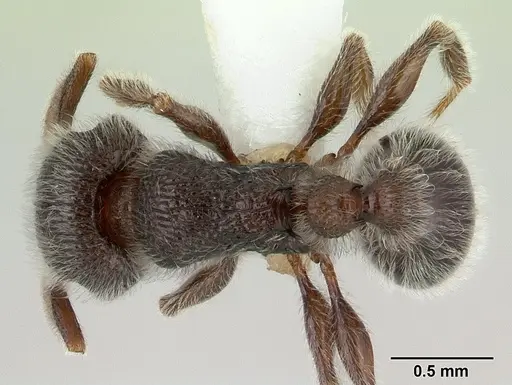
CASENT0367249
View on AntWeb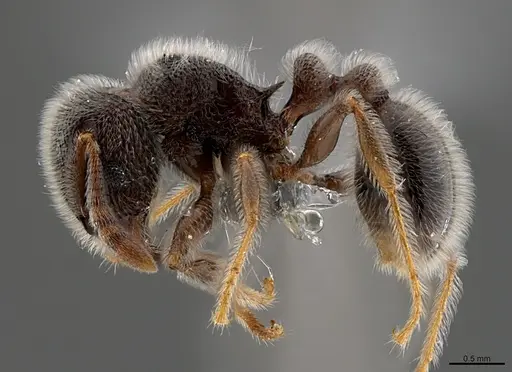
CASENT0884333
View on AntWeb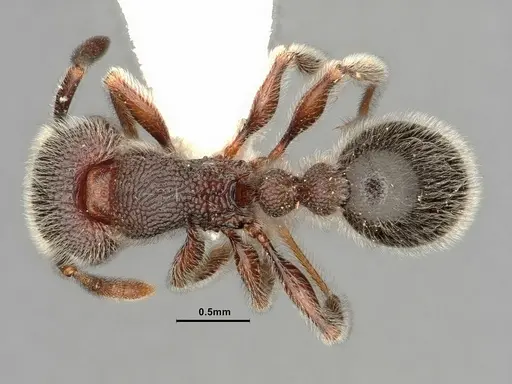
CASENT0915427
View on AntWeb
FOCOL2047
View on AntWeb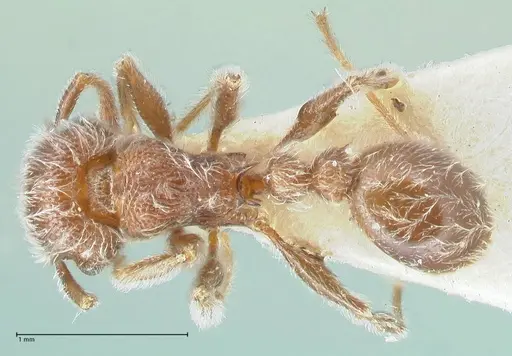
Literature
Loading distribution map...Loading products...