Tetramorium bicarinatum exhibits a clear seasonal activity window. Peak activity is concentrated in July, with the overall period spanning January to November. This extended season suggests multiple flight events or varying conditions across its range.
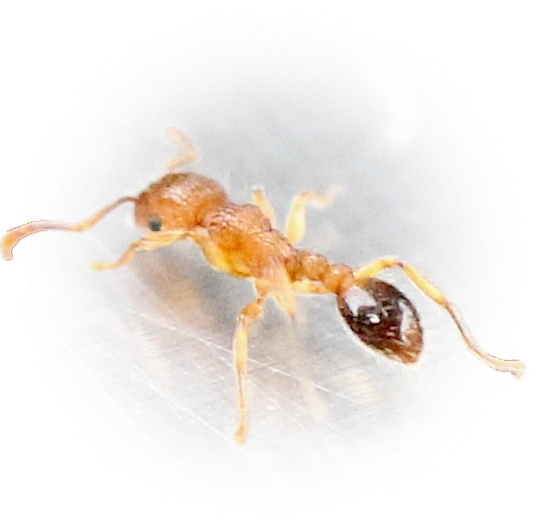
Bicolored Pennant Ant
Tetramorium bicarinatum
- Sci. Name
- Tetramorium bicarinatum
- Tribe
- Crematogastrini
- Subfamily
- Myrmicinae
- Author
- Nylander, 1846
- Common Name
- Bicolored Pennant Ant
- Distribution
- Found in 21 countries
- Queen Activity
- From January to November
- Peak Time
- 21:00
AI Identifiable
try →
Introduction
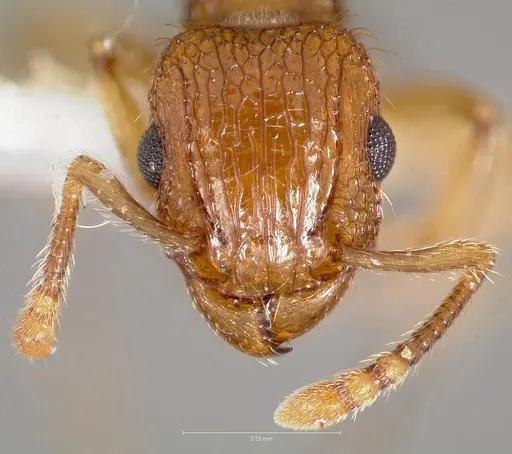
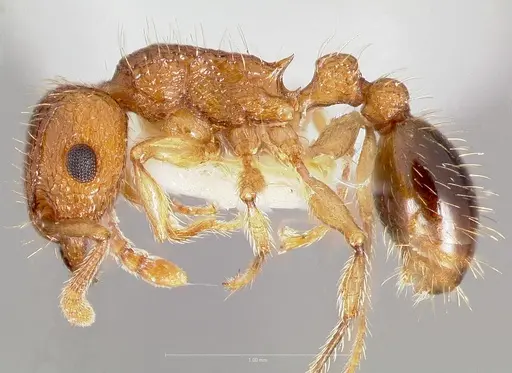
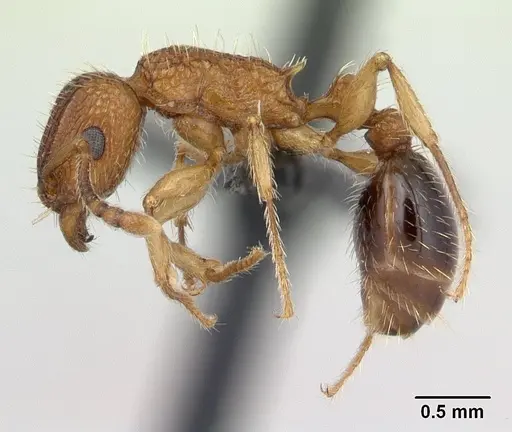
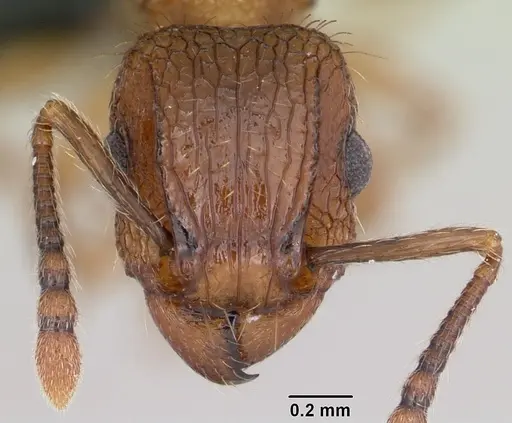
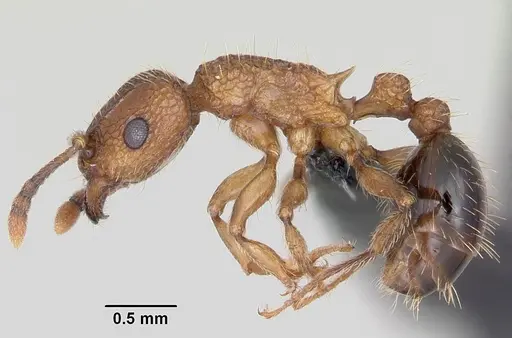
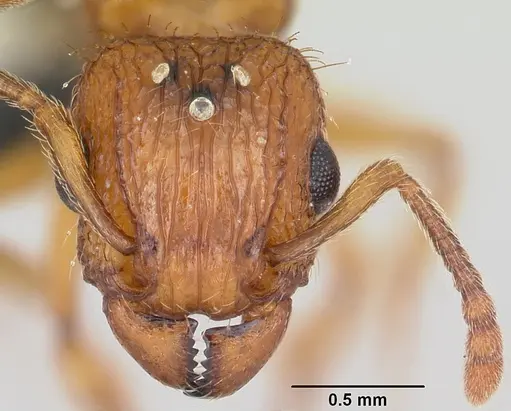
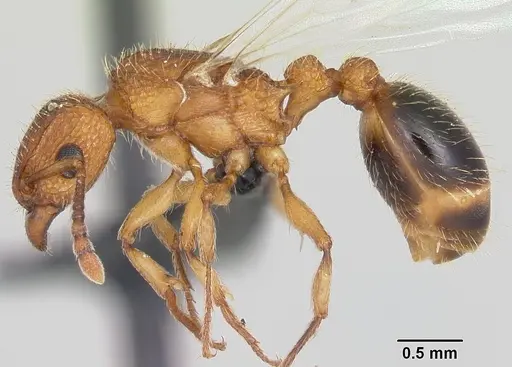
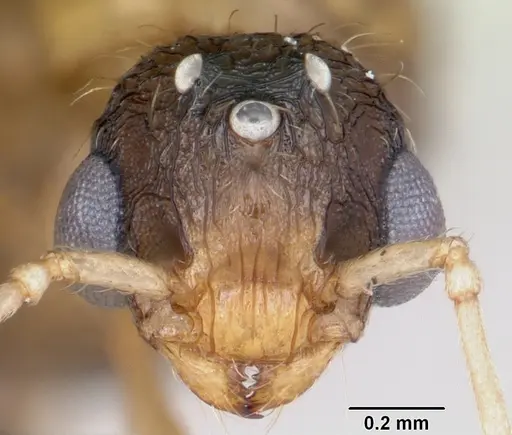
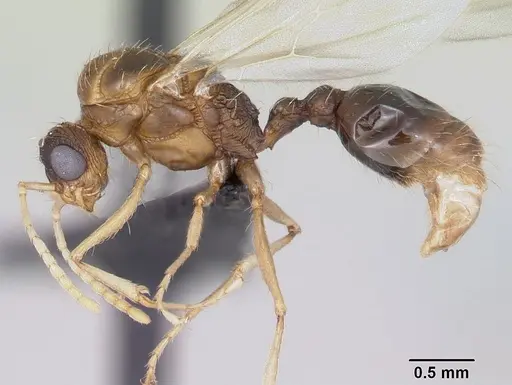
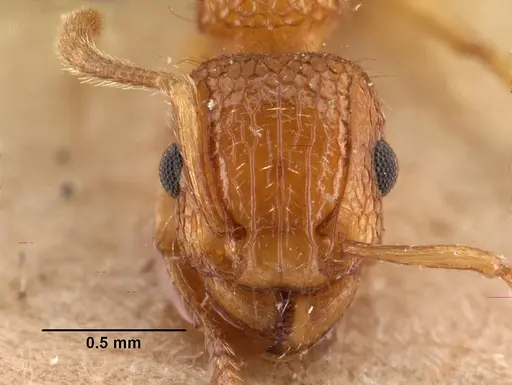
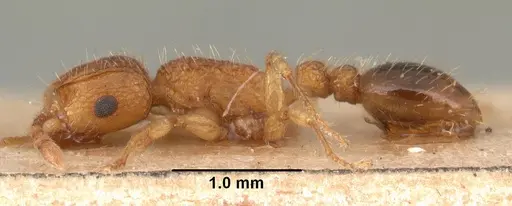
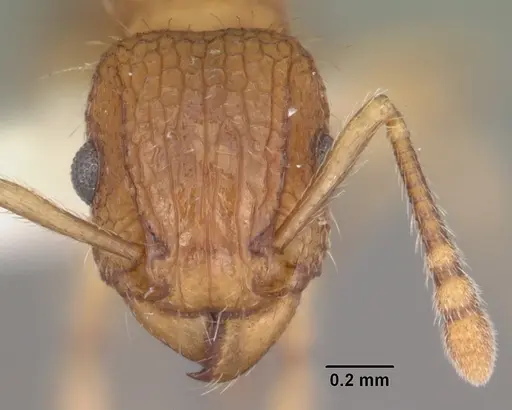
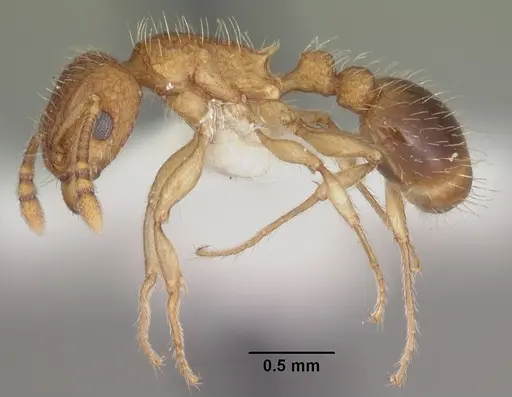
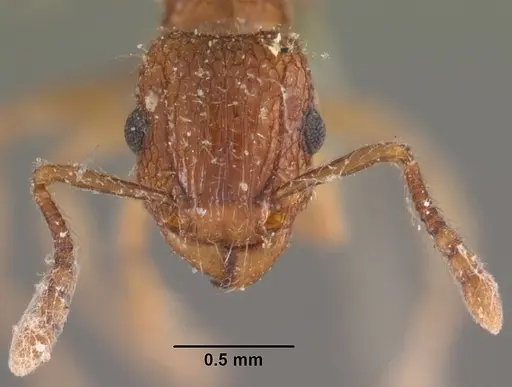
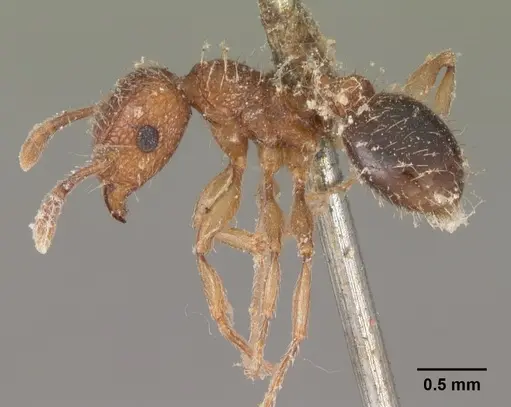
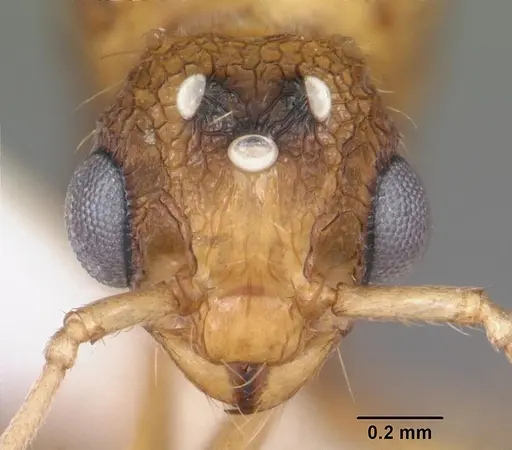
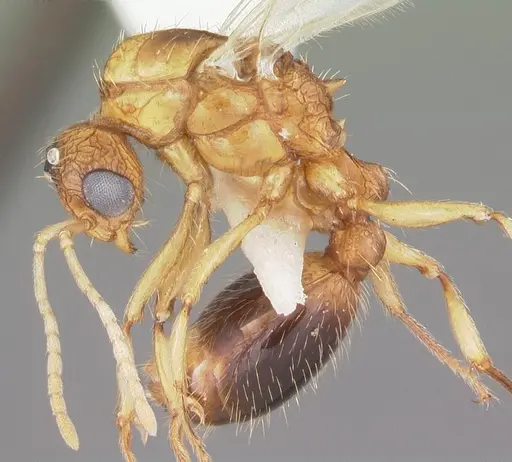
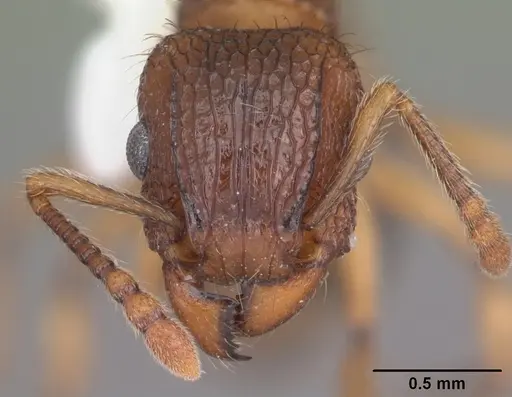
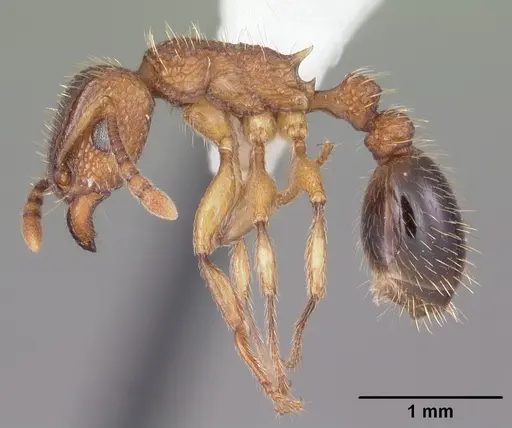
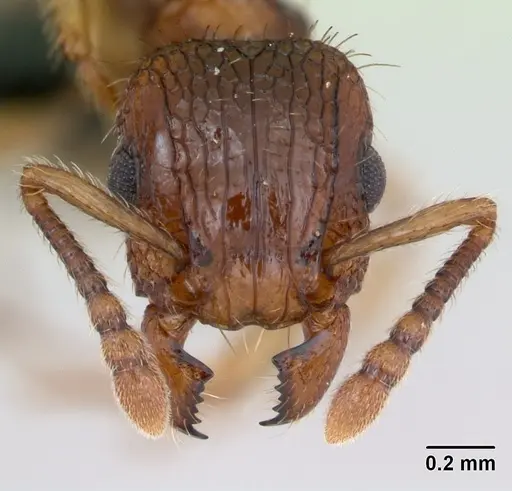
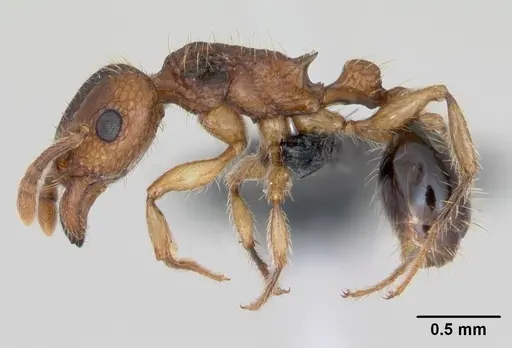
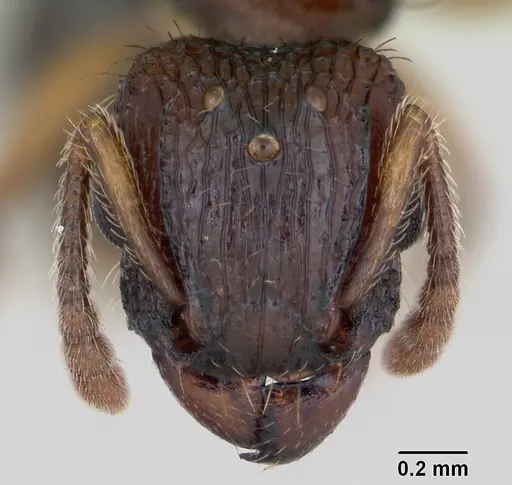
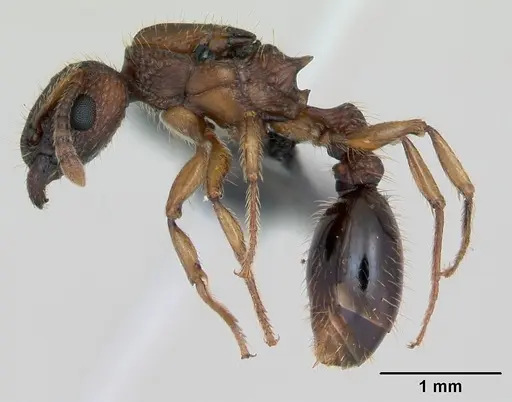
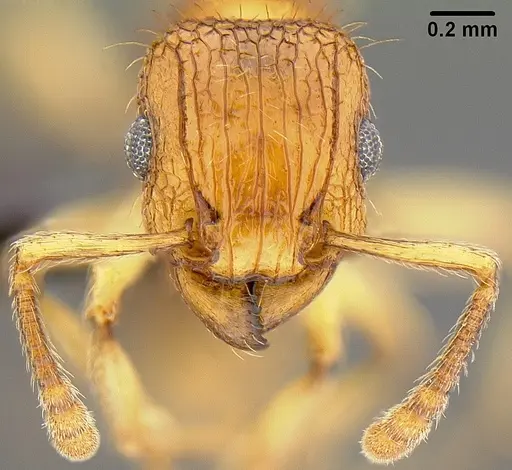
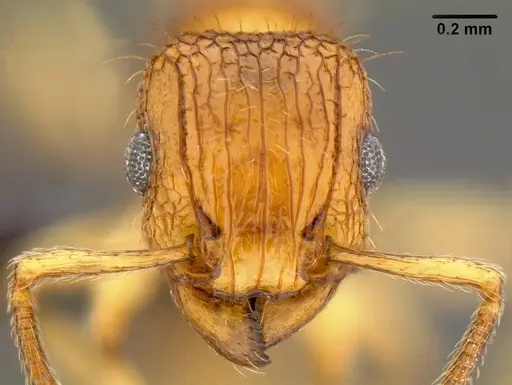
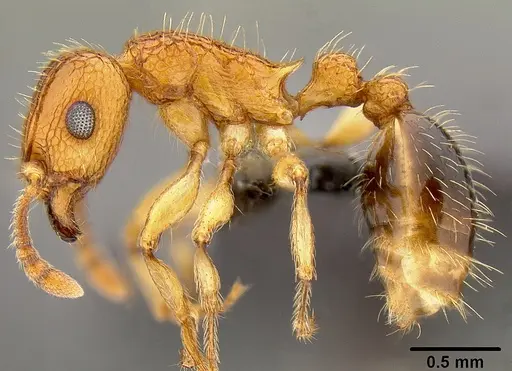
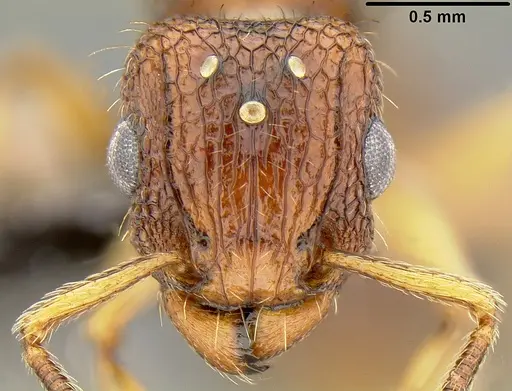
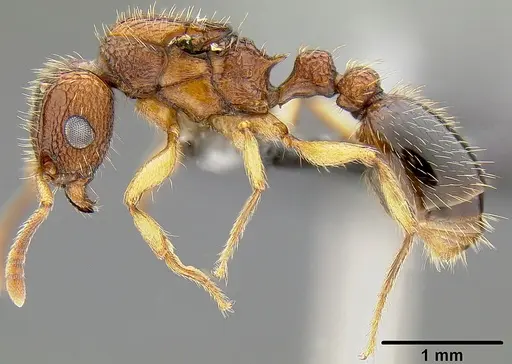
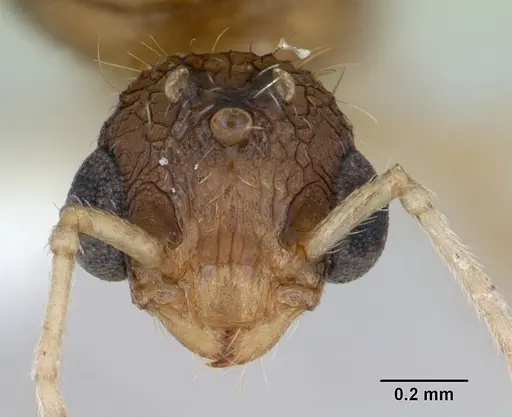
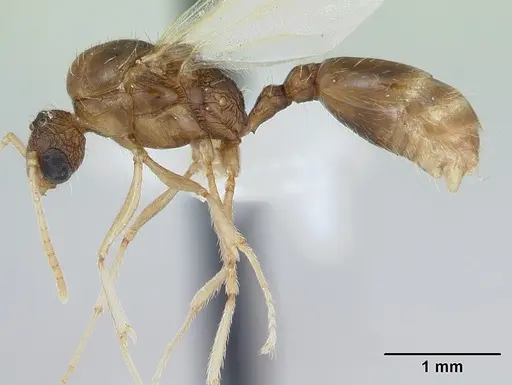
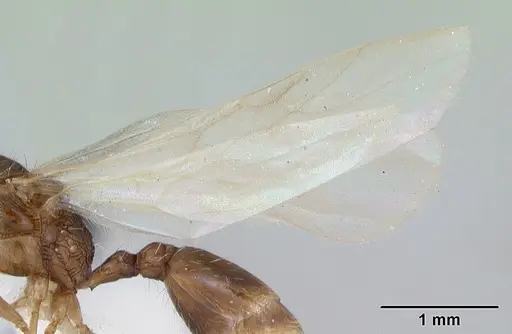
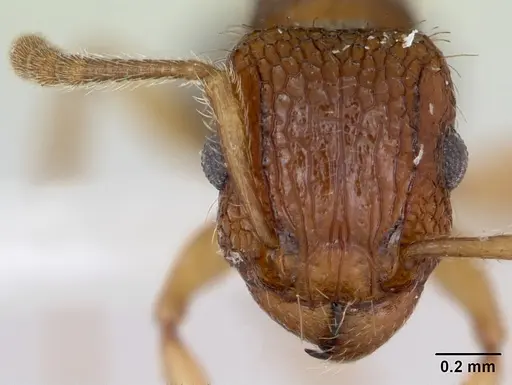
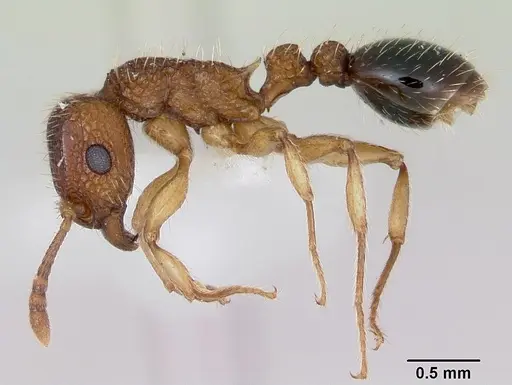
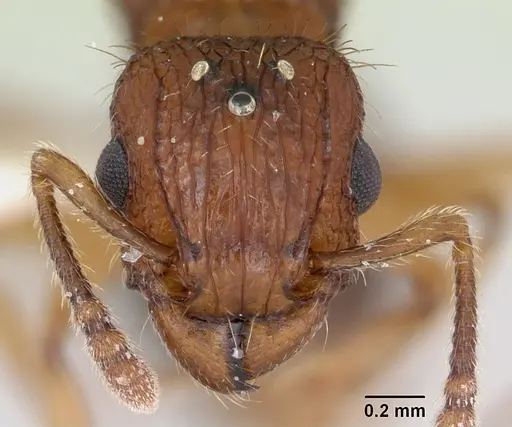
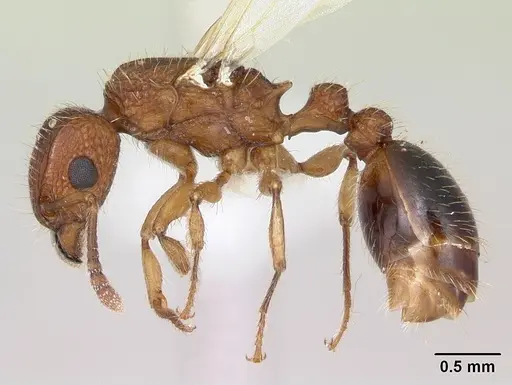
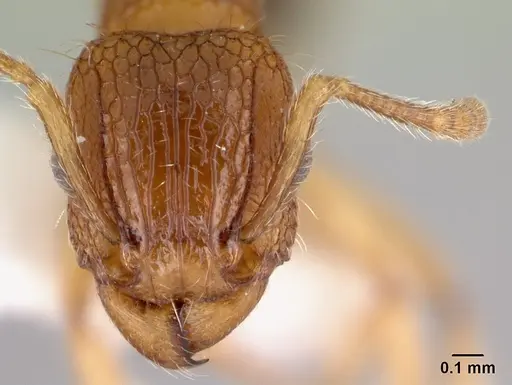
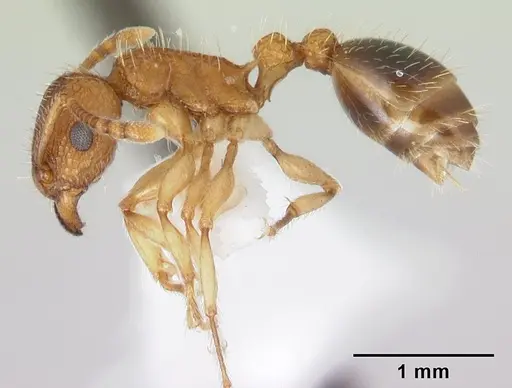
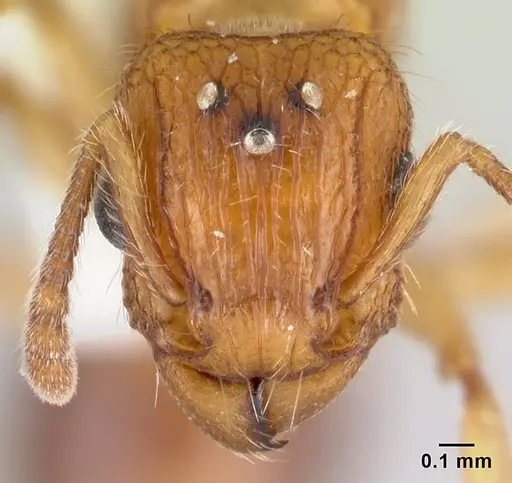
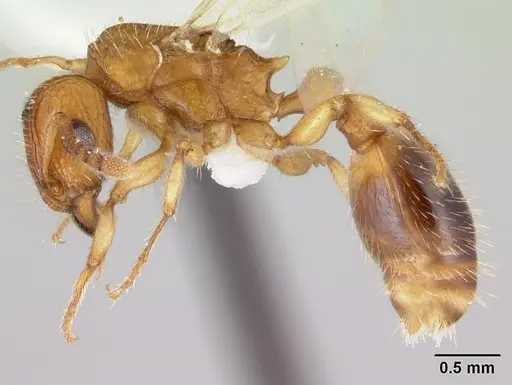
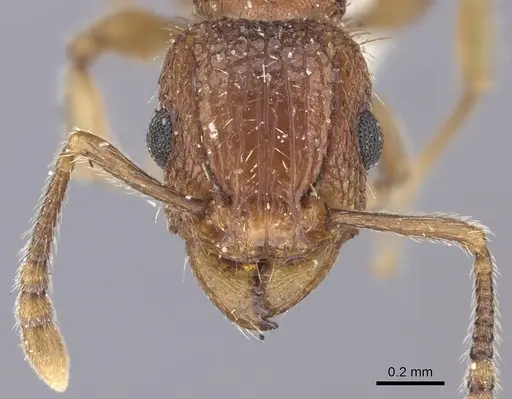
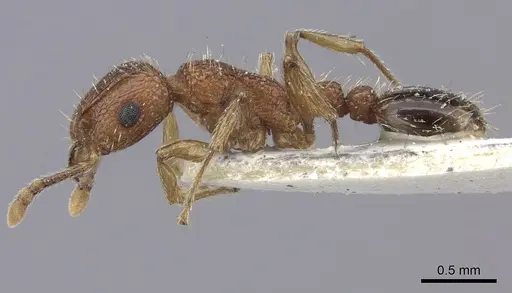
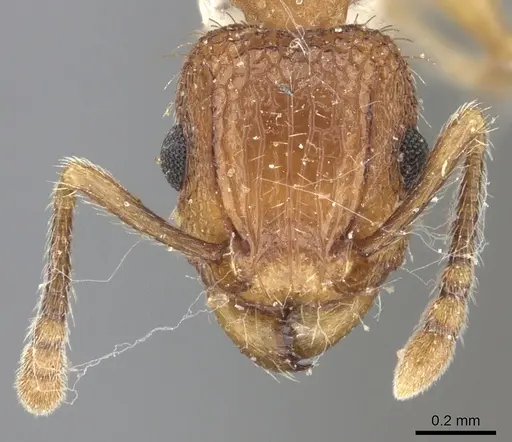
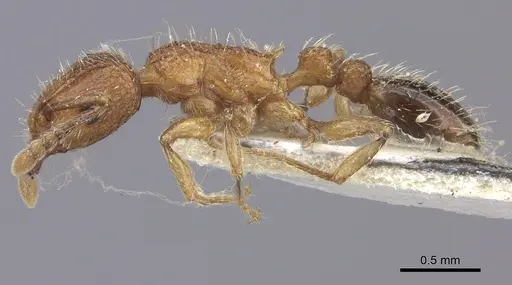
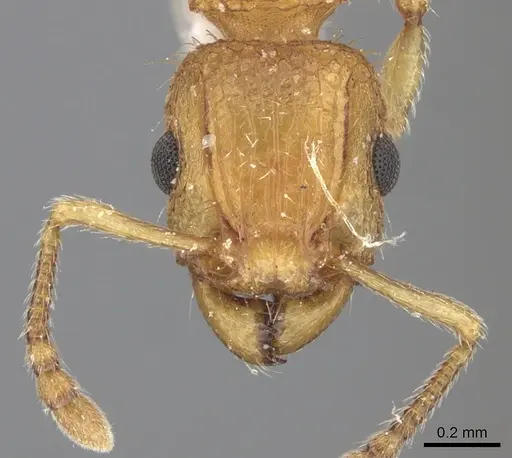
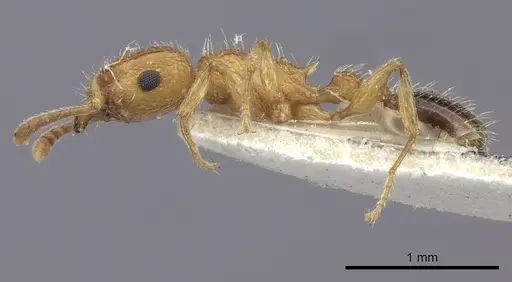
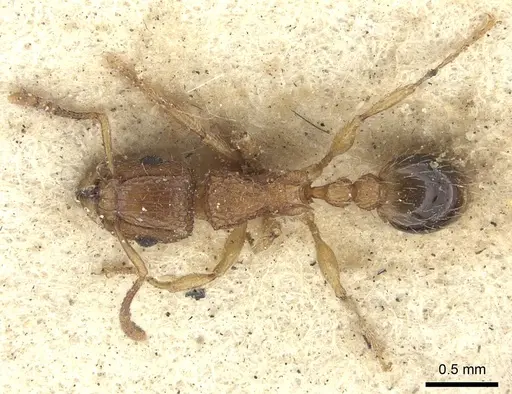
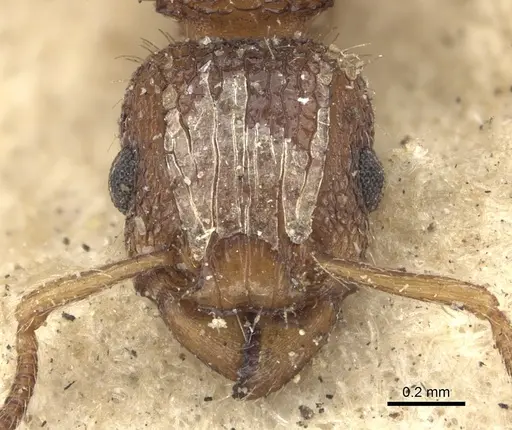
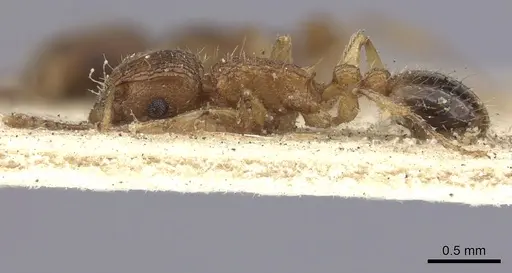
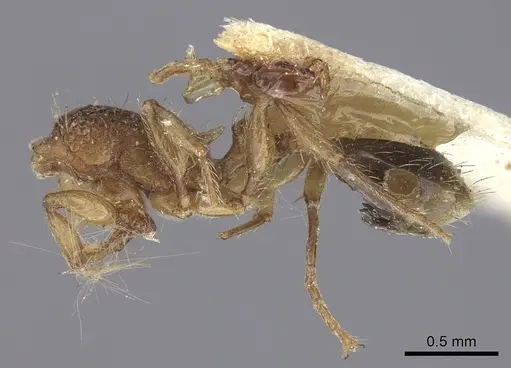
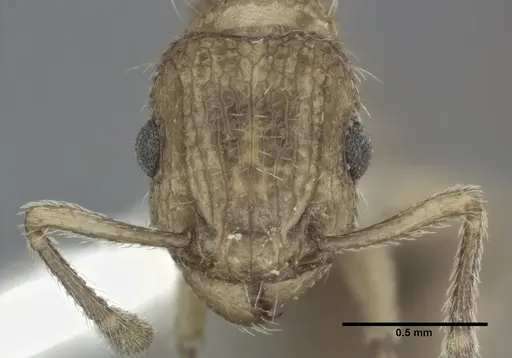
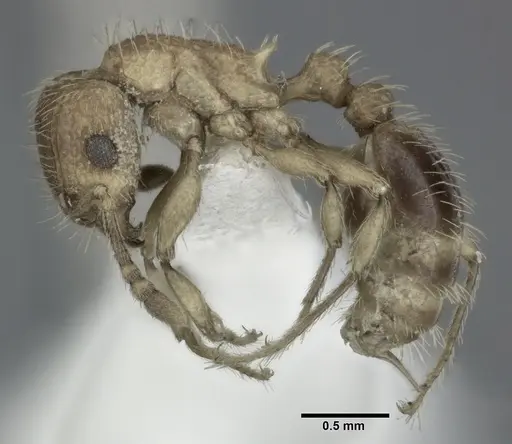
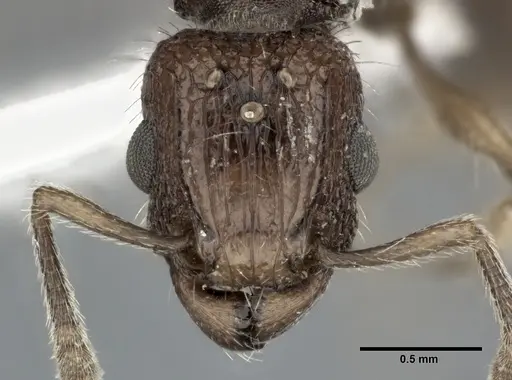
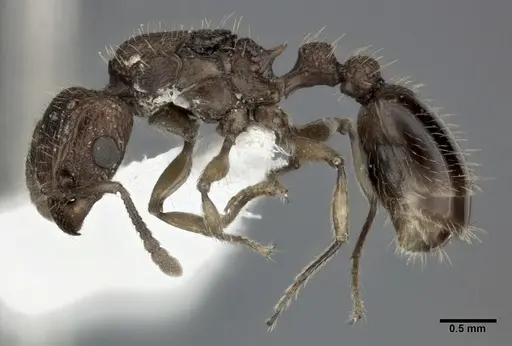
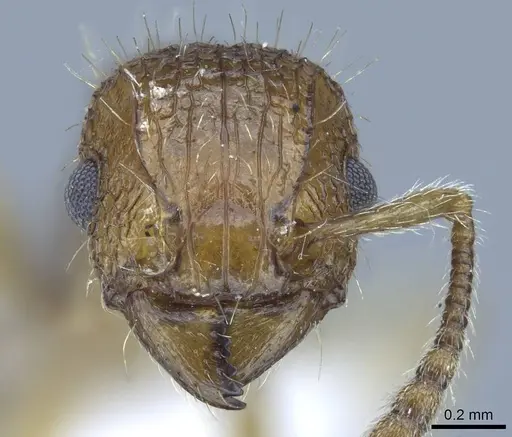
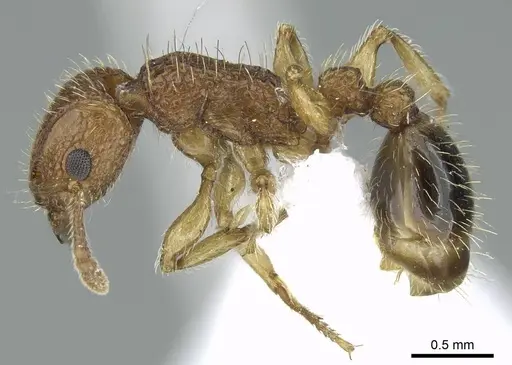
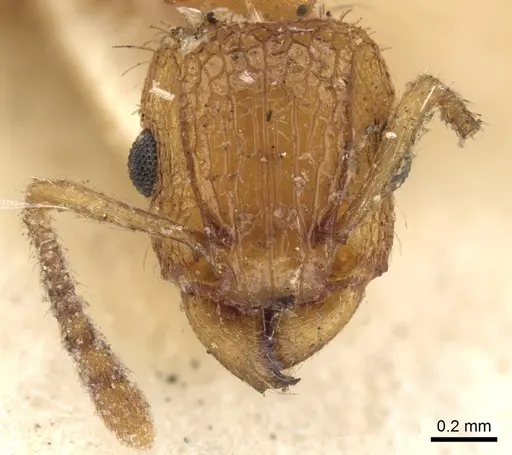
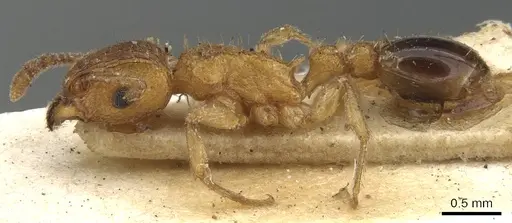
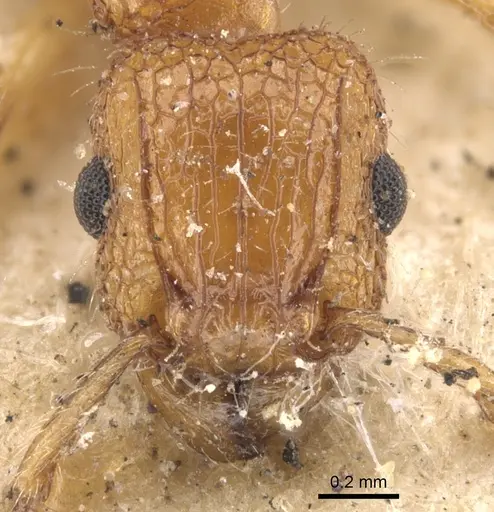
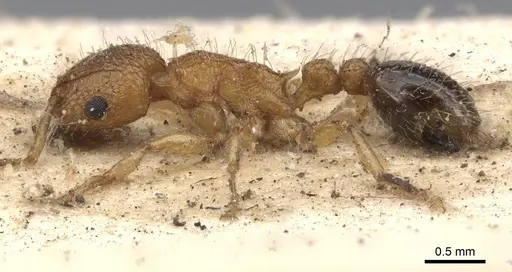
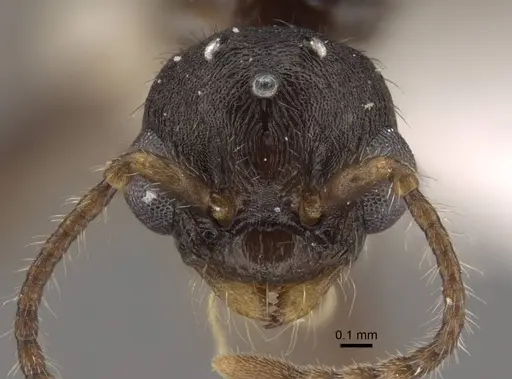
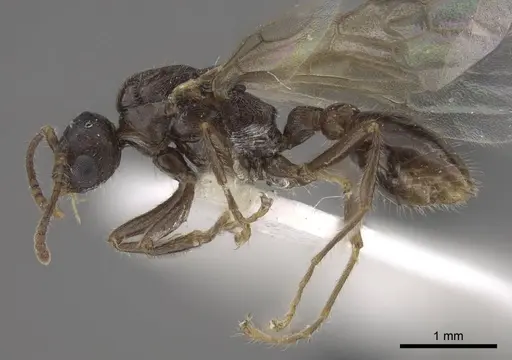
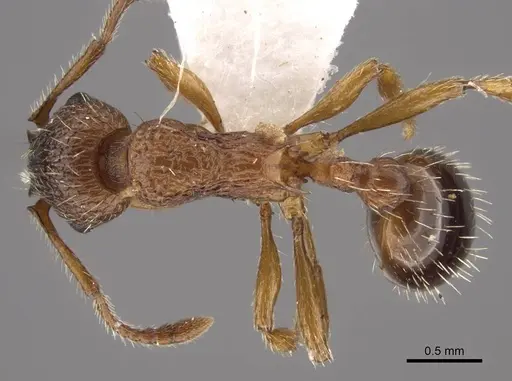
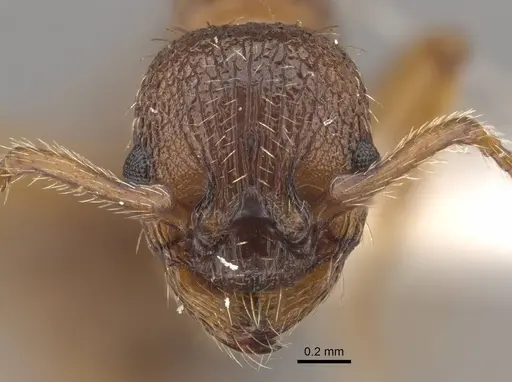
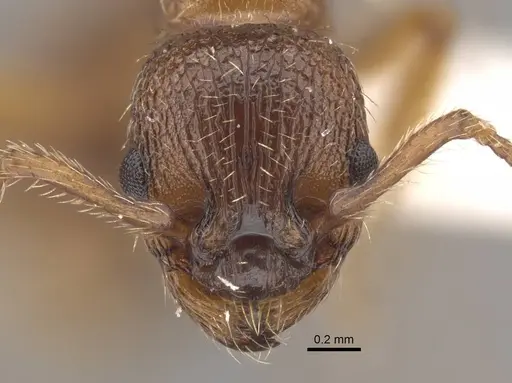
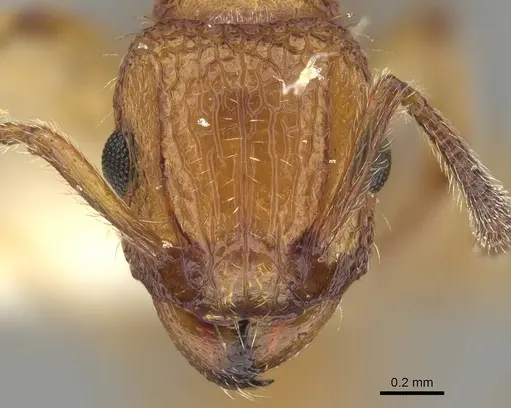
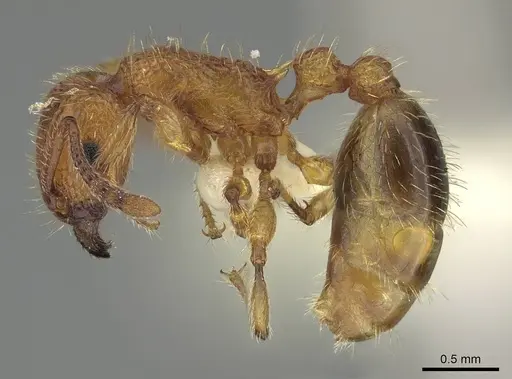
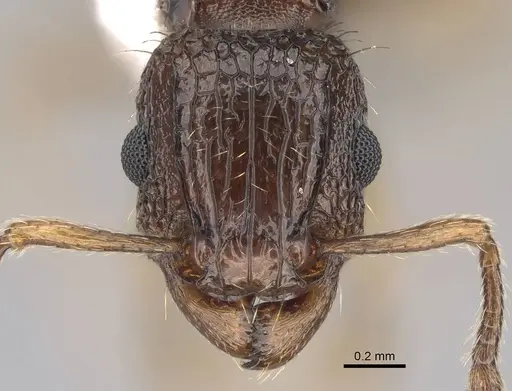
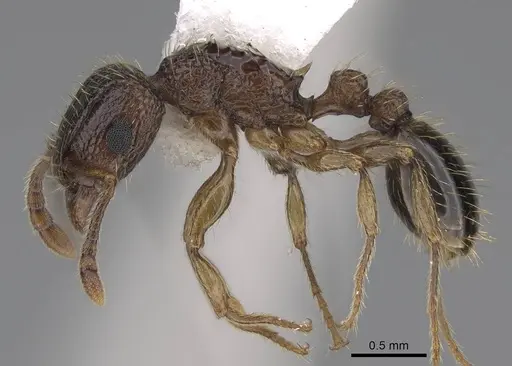
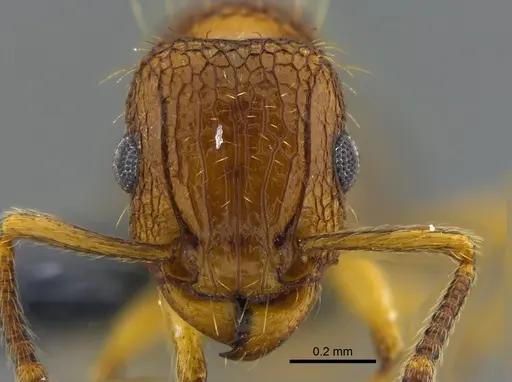
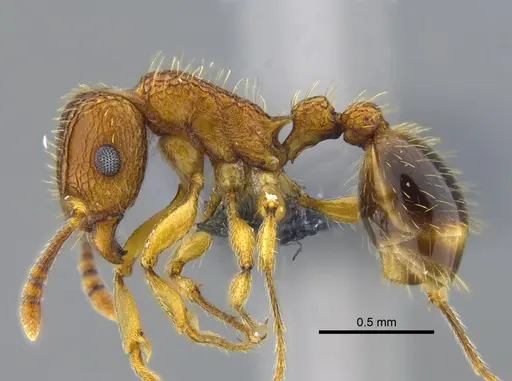
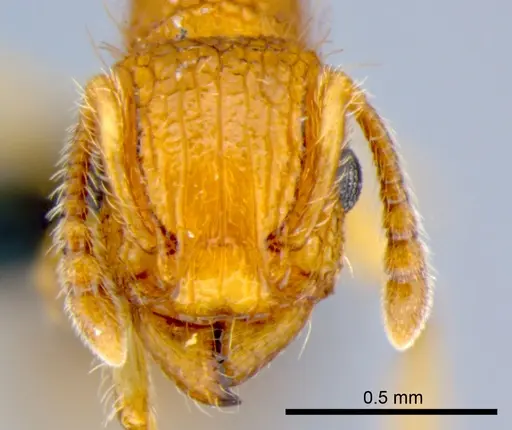
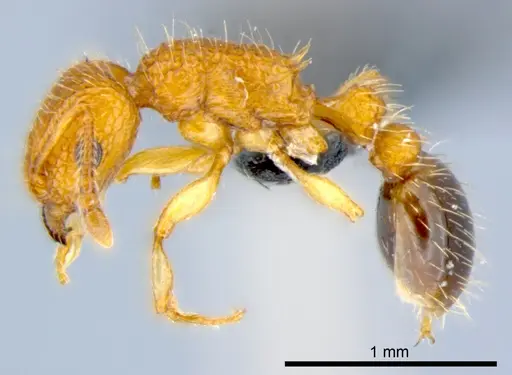
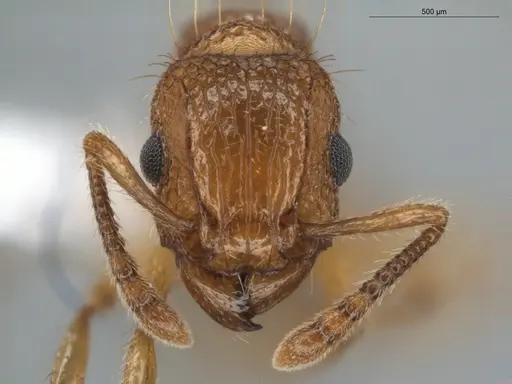
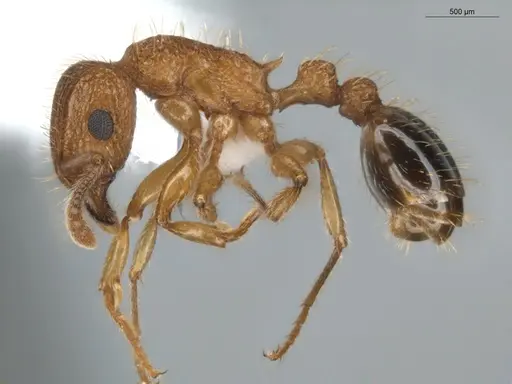
Tetramorium bicarinatum is a small, robust ant measuring 3.4-4.5 mm total length . It has a distinctive bicolored look: the head, mesosoma, and waist are yellow to orange-brown, while the gaster is always much darker (dark brown to nearly black) . Its scientific name means 'with two ridges, ' referring to the two strong frontal carinae running parallel from the antenna bases to the back of the head . This ant is one of the world's most successful tramp species, originally native to Southeast Asia but now spread through human commerce to tropical and subtropical regions worldwide . In cooler areas it survives in greenhouses, zoos, and heated buildings . What makes Tetramorium bicarinatum particularly interesting is its flexible social structure: colonies are polygynous (multiple queens) and reproduce by budding (a queen leaves with workers to start a new nest) as well as by semi-claustral founding . In many introduced areas, colonies become unicolonial, showing no aggression between different nests, which boosts their invasive success . The venom contains antimicrobial peptides called bicarinalins, which are being studied for their antibacterial properties .
Quick Summary
- Difficulty: Expert
- Origin & Habitat: Native to Southeast Asia (Indo-Pacific region). Now found worldwide in tropical and subtropical areas, also in heated buildings in temperate zones. Prefers open, dry situations: grasslands, bare coastal soil, disturbed urban and agricultural habitats [8][2].
- Colony Type: Polygynous (multiple queens per colony). In introduced ranges, colonies are often unicolonial with no inter-colony aggression. Reproduces by budding and semi-claustral founding [3][4][5].
- Size & Growth:
- Queen: ~3.9-4.9 mm (average 4.4 mm) [9]
- Worker: ~2.5-3.3 mm (average 3.0 mm) [9] (worker total length 3.4-4.5 mm per other sources [1])
- Colony: Up to several hundred to a few thousand workers in optimal conditions, colonies can become large and dispersed [10][3]
- Growth: Moderate
- Development: Estimated 6-8 weeks at 24-28°C (no published data for this species, inferred from related Tetramorium) (Development time depends on temperature, warmer speeds it up.)
- Antkeeping:
- Temperature: 24-28°C year-round. Maximal activity temperature is about 32°C, they can tolerate up to 30-50°C briefly [11][12]. Avoid prolonged temperatures below 20°C.
- Humidity: Provide a relatively dry nest with a small moist zone near the water source. In nature they prefer open, well-drained sites [8]. Keep the outworld dry, offer water via a test tube or water fountain.
- Diapause: No true diapause. Activity may slow in cooler months, simply reduce feeding if needed, but maintain warmth.
- Nesting: Y-tong (AAC), plaster, or soil nests all work. Test tubes are ideal for founding. Avoid acrylic nests. Wild colonies nest under stones, in rotting wood, and in soil [8]. Maintain moderate humidity in the nest but allow the substrate to dry somewhat between waterings.
- Behavior: Generally non‑aggressive and not considered a serious stinging pest, though they can sting if provoked [3]. Forage both on the ground and in vegetation. Use mass recruitment with pheromone trails [13]. Tend aphids and scale insects for honeydew [14][15]. Escape risk is low, standard barriers (Fluon) are sufficient.
- Common Issues: colonies may decline if kept too cool (below 20°C), maintain warmth year-round., queen survival is robust due to polygyny, but avoid stressing the colony., can be outcompeted by more aggressive species in multi‑species setups., WARNING: Tetramorium bicarinatum is an invasive tramp species established worldwide. Never release it or allow it to escape. In many regions it is considered a pest and may be regulated. Only keep this species if you can guarantee total containment.
Queen Ant Activity Analysis 303 observations
Queen Activity by Hour 303 observations
Tetramorium bicarinatum queen activity peaks around 21:00 during the night. Activity is spread across a 24-hour window (00:00–23:00). Times may be influenced by human observation patterns.
Housing and Nest Setup
Tetramorium bicarinatum adapts well to various setups. For founding queens, a standard test tube with a water reservoir works perfectly, but remember that the queen is semi‑claustral, meaning she will leave the tube to forage. Provide a small outworld with food from the start, and avoid disturbing her too much. For established colonies, Y‑tong (AAC), plaster, or soil nests are all suitable. The species prefers dry conditions with a small moist zone, allow the nest to dry out slightly between waterings. Wild colonies are found under stones, in rotting logs, and in soil [8]. The outworld should have a secure lid, standard escape barriers (Fluon) are sufficient since workers are moderate climbers.
Feeding and Diet
Tetramorium bicarinatum is an omnivorous scavenger. Offer protein 2-3 times per week: small crickets, fruit flies, mealworms, or similar. Keep a constant sugar source (honey water, sugar water, or ripe fruit). Wild populations heavily exploit honeydew from aphids and scale insects and will defend these hemipterans [14][15]. This trophobiotic relationship is so strong that the ant is sometimes considered an agricultural pest when it protects sap‑feeding insects [2]. In captivity, they also accept small amounts of grease or meat. Provide a varied diet for optimal growth.
Temperature and Seasonal Care
As a tropical species, Tetramorium bicarinatum requires constant warmth. Maintain the nest area at 24-28°C for active growth and brood development. They are active up to about 32°C and can briefly tolerate 30-50°C [11][12]. In temperate climates, room temperature alone is too cool, use a heat mat or cable. They do not hibernate. In winter you may notice reduced activity, this is normal if the environment cools a few degrees. Simply feed less often during such periods. Avoid cold drafts and sudden temperature swings.
Colony Structure and Behavior
One of the most notable aspects of Tetramorium bicarinatum is its flexible social organization. Colonies are polygynous, containing several egg‑laying queens [3]. This allows survival if one queen dies and enables reproduction by budding, a queen leaves with a group of workers to establish a new nest. In introduced ranges, colonies often become unicolonial, with no aggression between nests from different origins, likely because workers share similar cuticular hydrocarbon profiles [5]. Workers are medium‑sized, copper‑brown with a dark gaster, and forage both on the ground and in vegetation. They use mass recruitment: a successful forager lays a pheromone trail to recruit nestmates [13]. This efficient foraging strategy contributes to their success in disturbed urban and agricultural habitats.
Defense and Venom
Tetramorium bicarinatum belongs to a group of ants that use a modified, spatulate stinger to smear venom onto enemies rather than piercing flesh (subfamily Myrmicinae, tribe Crematogastrini). Although they can sting, they are not aggressive and rarely do so [3]. Their venom is scientifically interesting: it contains potent antimicrobial peptides called bicarinalins, which show activity against bacteria such as Staphylococcus aureus and Helicobacter pylori [6]. Other venom components include neurotoxic peptides that paralyse insect prey [7]. For antkeepers, the sting is mild, comparable to a mosquito bite, but you should still handle them gently.
Frequently Asked Questions
Can I keep Tetramorium bicarinatum in a test tube?
Yes, test tubes work for founding, but because the queen is semi‑claustral, she will leave the tube to forage. Provide a small outworld with food from the beginning. Use a standard test tube with water and a cotton plug, kept at 24-28°C. Once the first workers arrive (estimated 6-8 weeks), you can move the colony to a larger nest.
How long until Tetramorium bicarinatum has first workers?
There are no published data for this species, but based on related Tetramorium, expect first workers in about 6-8 weeks at 24-28°C. Warmer temperatures speed development, cooler ones slow it. The queen will forage periodically, so you must provide food from day one.
Do Tetramorium bicarinatum ants sting?
Yes, they can sting, but they are not aggressive and rarely do so unless heavily provoked [3]. Their venom contains antimicrobial and neurotoxic peptides, but the sting is mild for healthy humans, similar to a mosquito bite. They are much less aggressive than fire ants.
Are Tetramorium bicarinatum good for beginners?
No, this ant is an invasive tramp species. Because of its strong invasive potential and ability to form supercolonies, it is not recommended for beginner keepers. If you do keep it, you must take extreme precautions to prevent any escape. It is illegal to release it in many regions. For beginners, choose a non‑invasive species.
Can I keep multiple queens together in one colony?
Yes. Tetramorium bicarinatum is naturally polygynous, so multiple queens coexist peacefully [3]. This makes the colony more resilient, if one queen dies, others continue laying. You can start with a single queen or a group, the colony will maintain multiple reproductives over time.
What do Tetramorium bicarinatum eat?
They are omnivorous. Feed small insects (fruit flies, pinhead crickets, mealworms) 2-3 times per week as protein, and provide constant access to sugar water, honey, or ripe fruit. They also scavenge on grease or meat. In the wild, they tend aphids and scale insects for honeydew [14][15].
How big do Tetramorium bicarinatum colonies get?
Colonies can reach several hundred to a few thousand workers, especially in optimal captive conditions. In introduced ranges, they form large, dispersed colonies [10][3]. The polygynous structure supports larger populations than single‑queen species.
Do Tetramorium bicarinatum need hibernation?
No, they do not require hibernation. As a tropical species, they need constant warmth year‑round. If kept in an unheated room in winter, activity may decrease, but this is not a true diapause. Just reduce feeding slightly if activity slows and avoid cold drafts.
Why are my Tetramorium bicarinatum dying?
The most common causes: temperatures dropping below 20°C (they need warmth), excessively dry conditions (provide a water source), or poor nutrition (offer protein regularly). A few dead workers outside the nest are normal, old workers die naturally. If many die inside the nest or the queen dies, check temperature and food immediately.
When do Tetramorium bicarinatum queens forage?
Queen activity of Tetramorium bicarinatum typically occurs From January to November. Times may be influenced by human observation patterns.
What time of day are Tetramorium bicarinatum queens most active?
Queen activity of Tetramorium bicarinatum peaks around 21:00 during the night, with most activity between 00:00 and 23:00. Times may be influenced by human observation patterns.
Report an Issue
The current care sheet is based fully on literature. See inconsistencies, or something that's incorrect? Please , it will be resolved after review from an admin. Contributing to the blogs tab also helps providing information, to make us be able to further improve the caresheets. Thank you for your support!
References

This caresheet is licensed under CC BY-SA 4.0 .
Community Blogs
ANTWEB1041902
View on AntWeb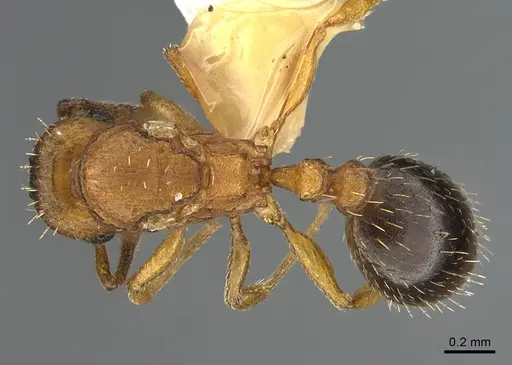
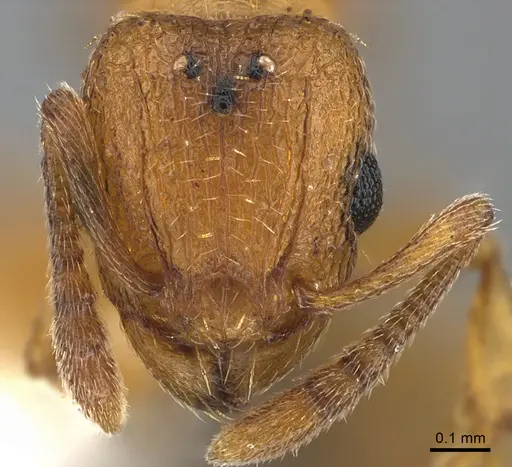
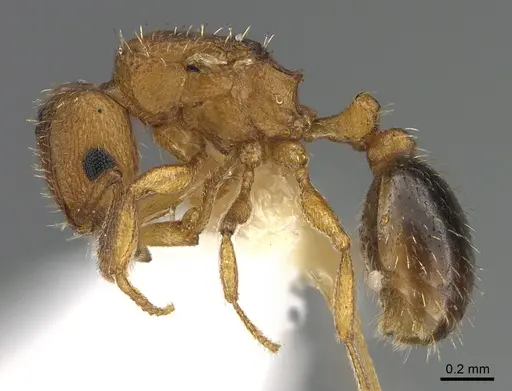
CASENT0005826
View on AntWeb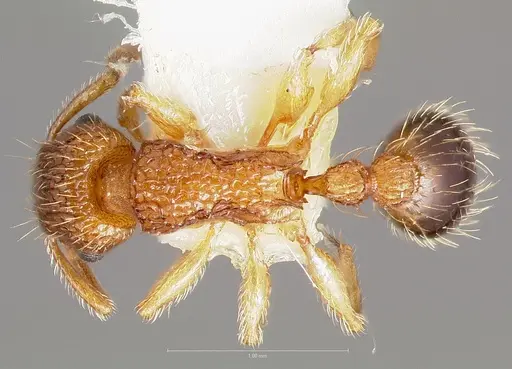
CASENT0055694
View on AntWeb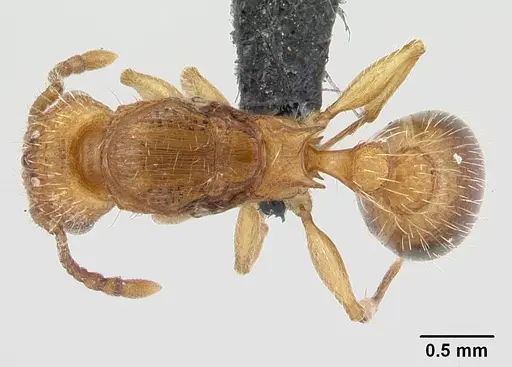
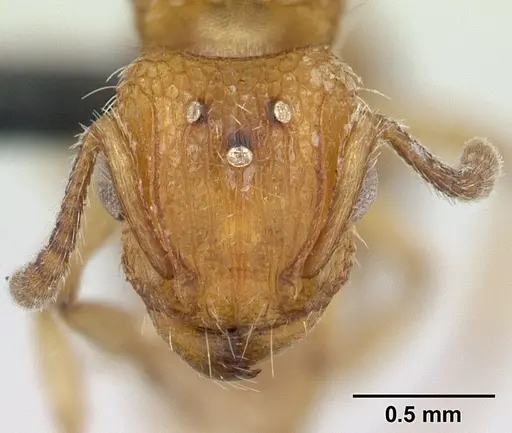
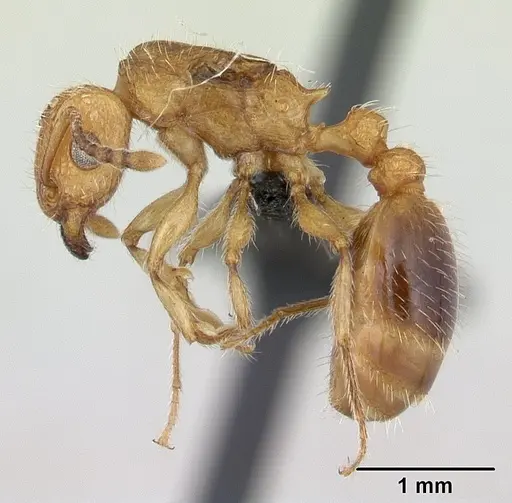
CASENT0059100
View on AntWeb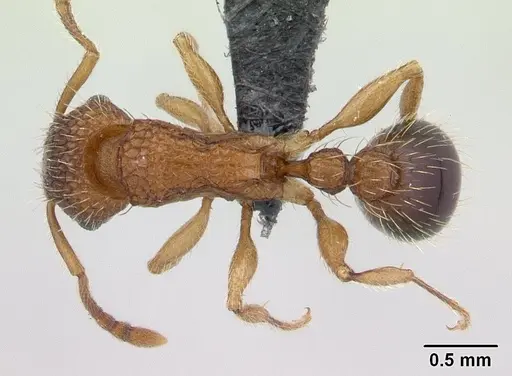
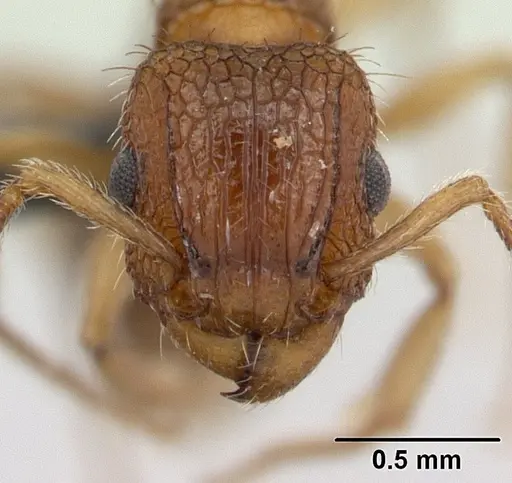
CASENT0060334
View on AntWeb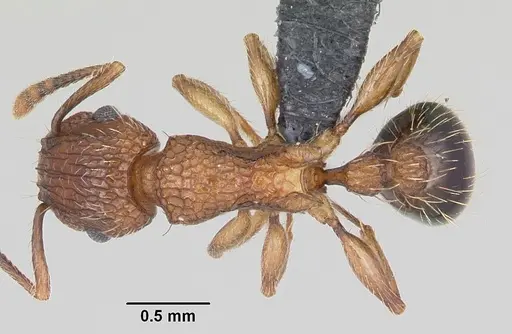
CASENT0064305
View on AntWeb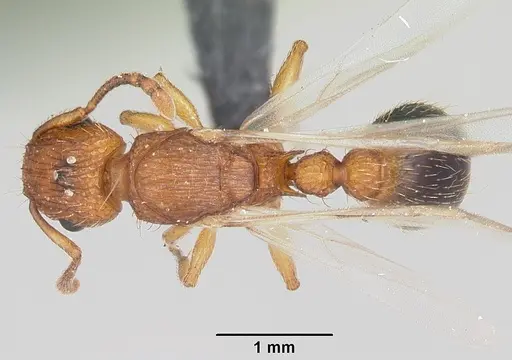
CASENT0064306
View on AntWeb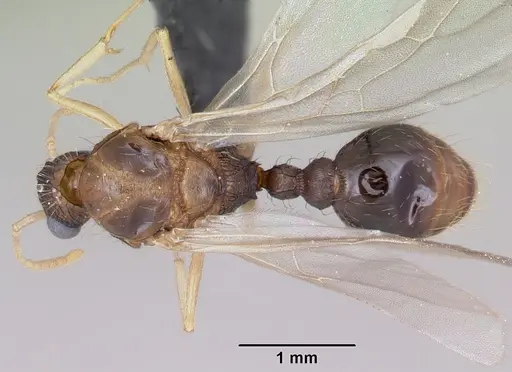
CASENT0101480
View on AntWeb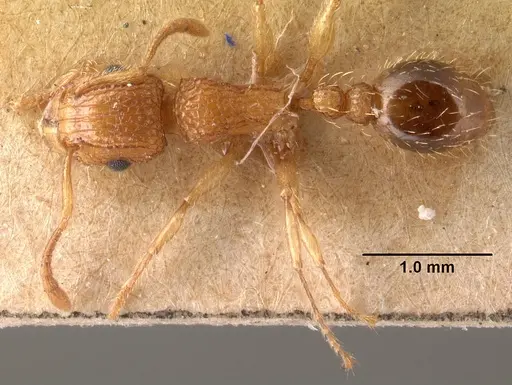
CASENT0102404
View on AntWeb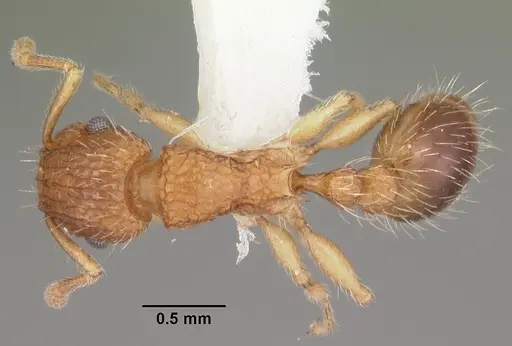
CASENT0102530
View on AntWeb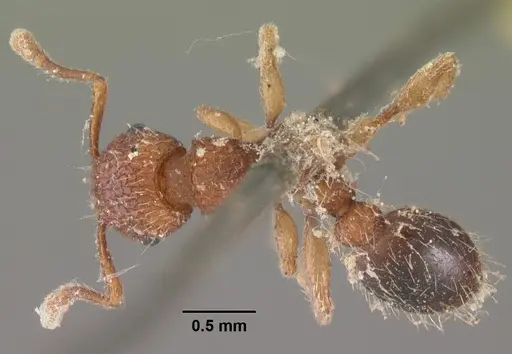
CASENT0102736
View on AntWeb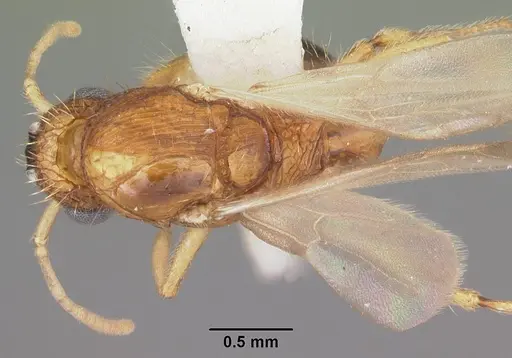
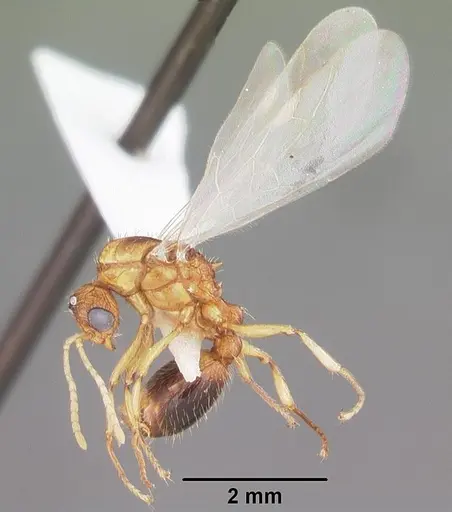
CASENT0102737
View on AntWeb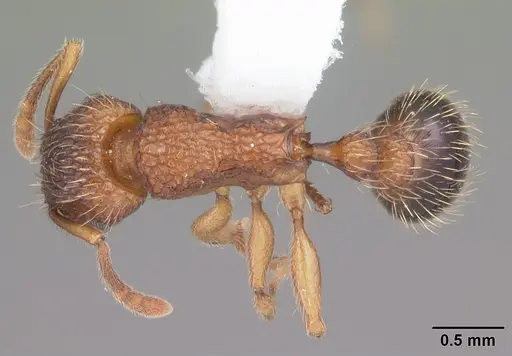
CASENT0125127
View on AntWeb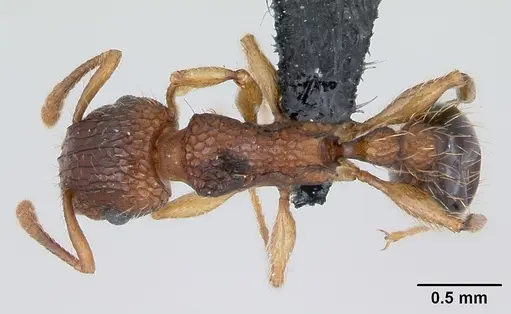
CASENT0135255
View on AntWeb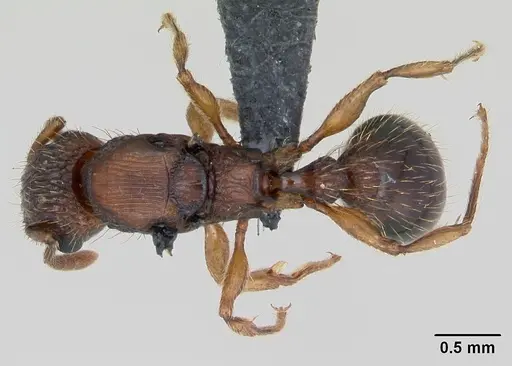
CASENT0171032
View on AntWeb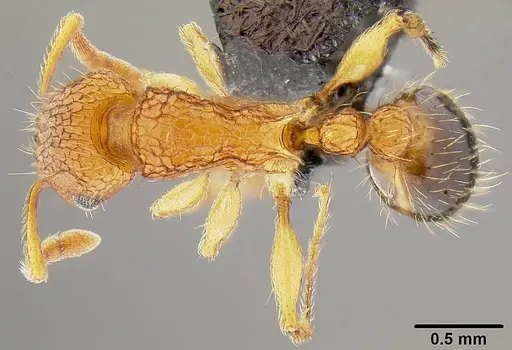
CASENT0171033
View on AntWeb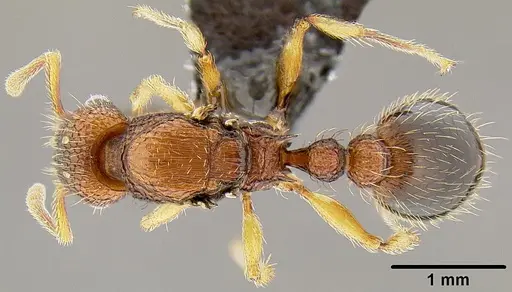
CASENT0173283
View on AntWeb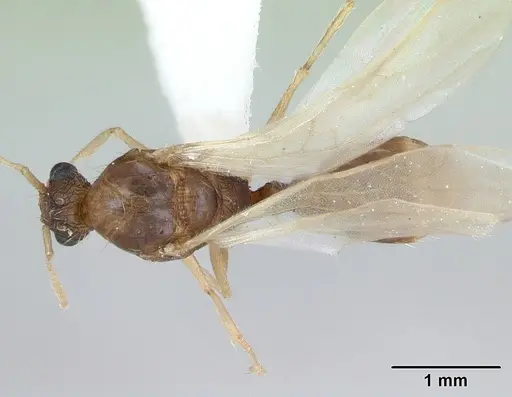
CASENT0173284
View on AntWeb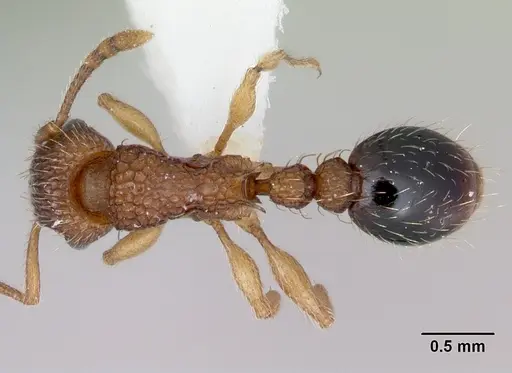
CASENT0173285
View on AntWeb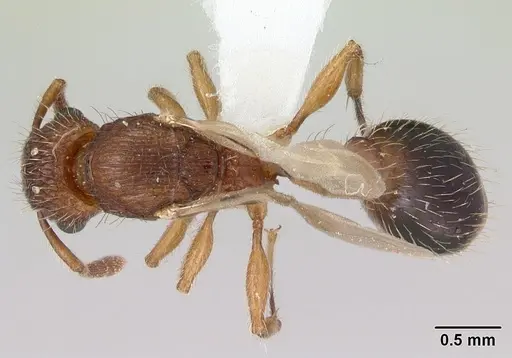
CASENT0178426
View on AntWeb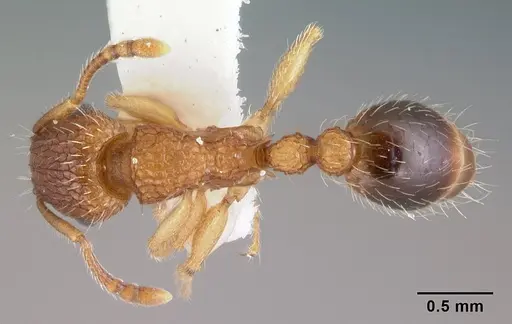
CASENT0178427
View on AntWeb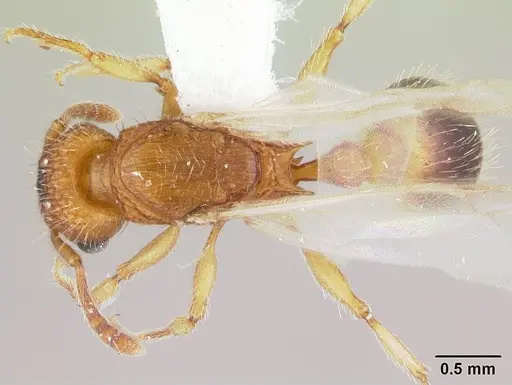
CASENT0235199
View on AntWeb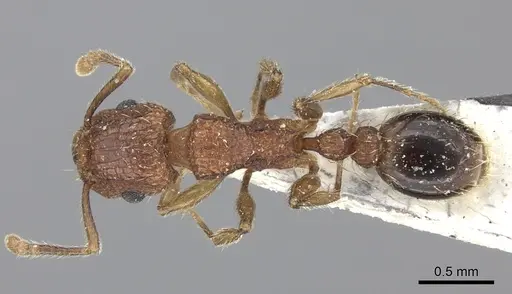
CASENT0235200
View on AntWeb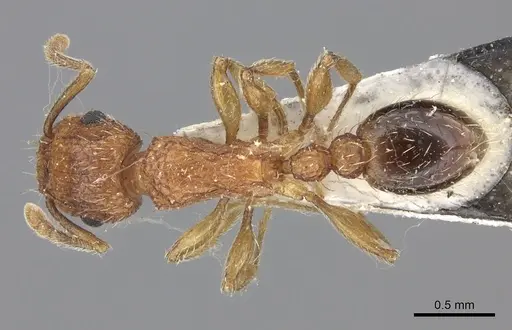
CASENT0235201
View on AntWeb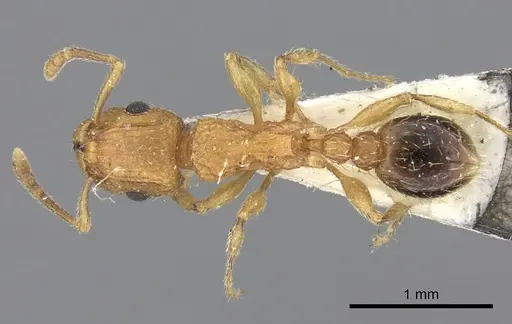
CASENT0235209
View on AntWeb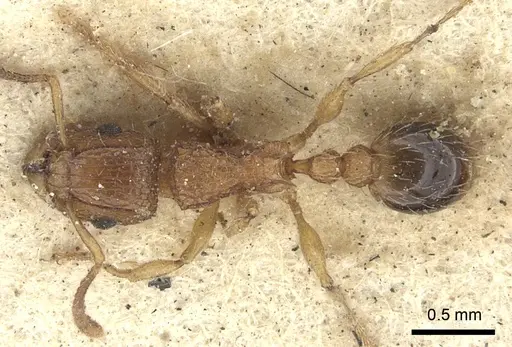
CASENT0235210
View on AntWeb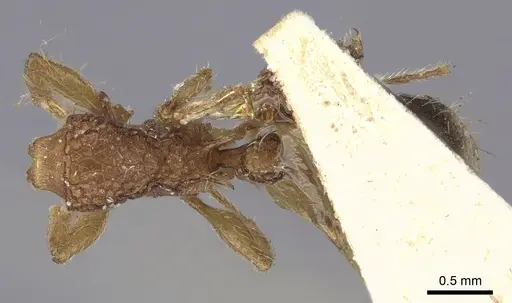
CASENT0246153
View on AntWeb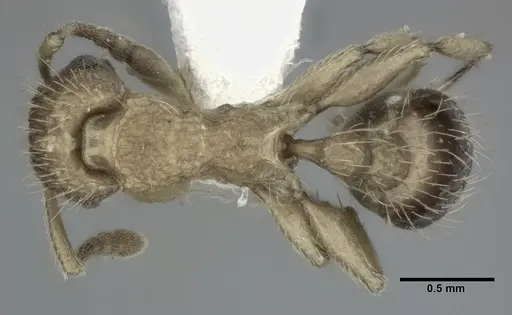
CASENT0246154
View on AntWeb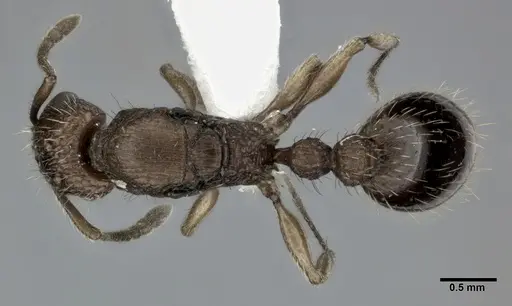
CASENT0248791
View on AntWeb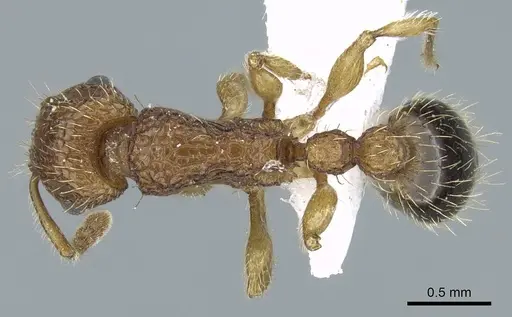
CASENT0901076
View on AntWeb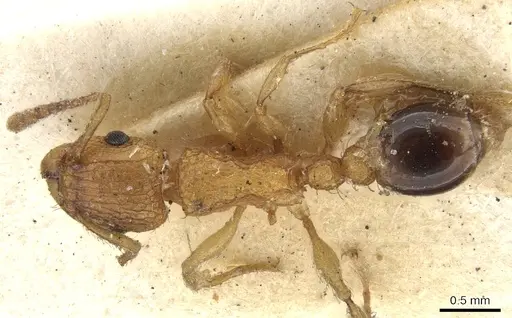
CASENT0901374
View on AntWeb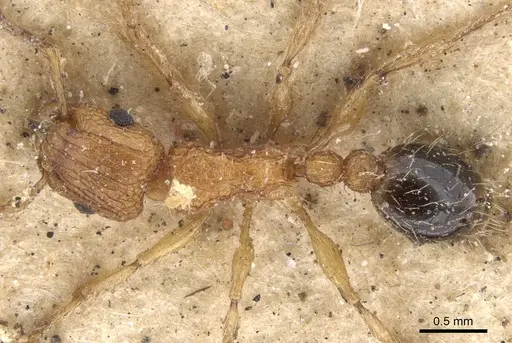
CASENT0917686
View on AntWeb
CASENT0917687
View on AntWeb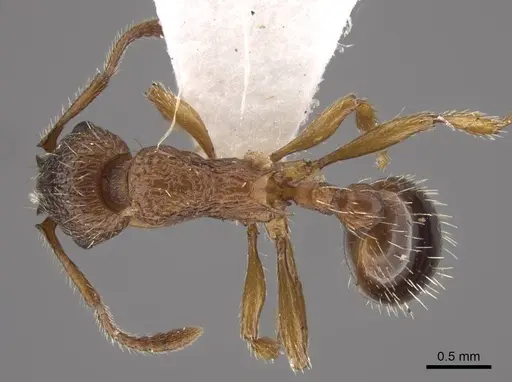
CASENT0919922
View on AntWeb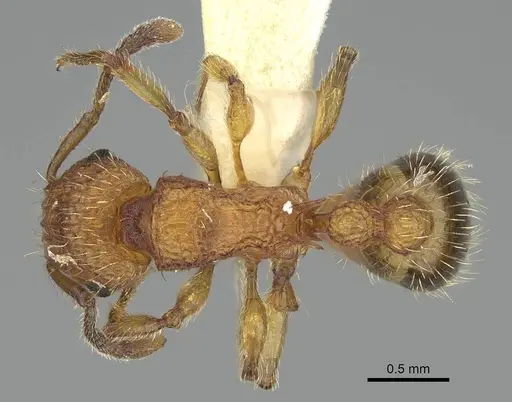
CASENT0922948
View on AntWeb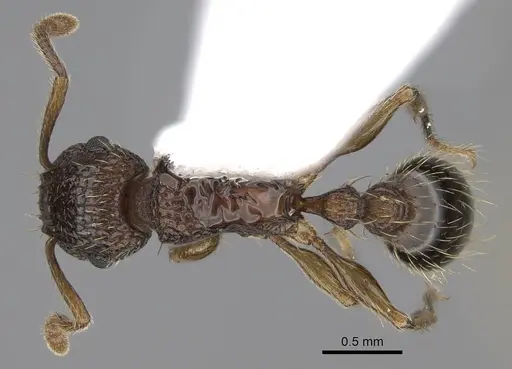
CBUMAGENT41982
View on AntWeb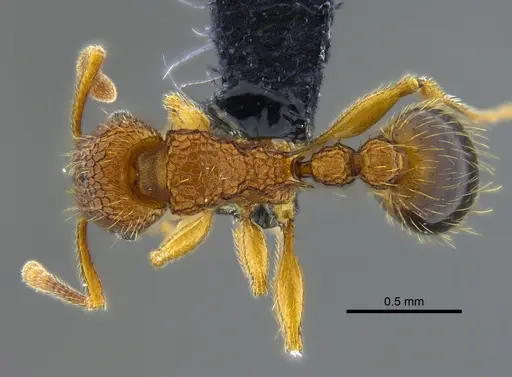
CSIRONC0054
View on AntWeb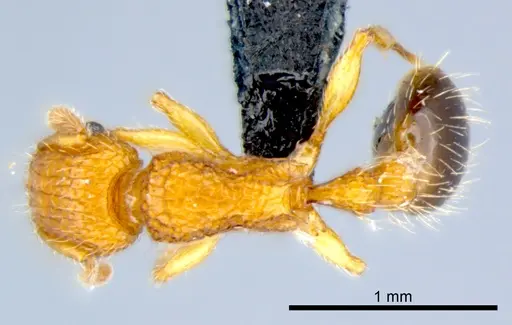
ECOFOG-BUG-0176-10
View on AntWeb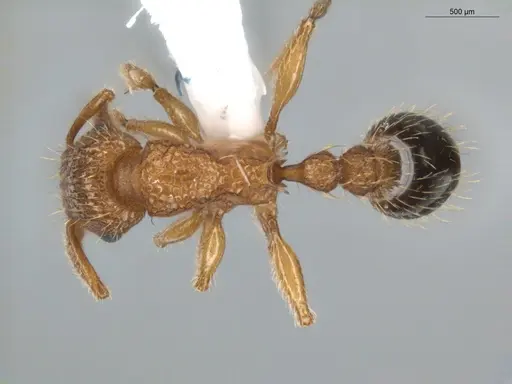
Literature
Loading distribution map...Loading products...