
Tetramorium bessonii
- Sci. Name
- Tetramorium bessonii
- Tribe
- Crematogastrini
- Subfamily
- Myrmicinae
- Author
- Forel, 1891
- Distribution
- Found in 1 countries
Introduction
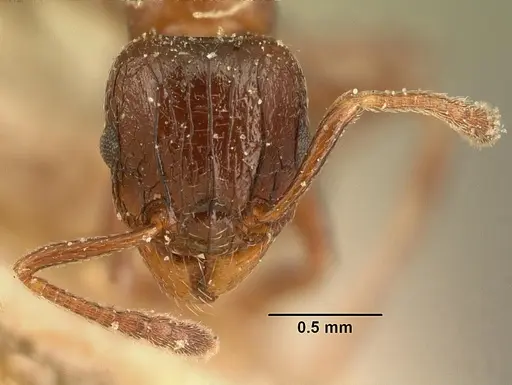
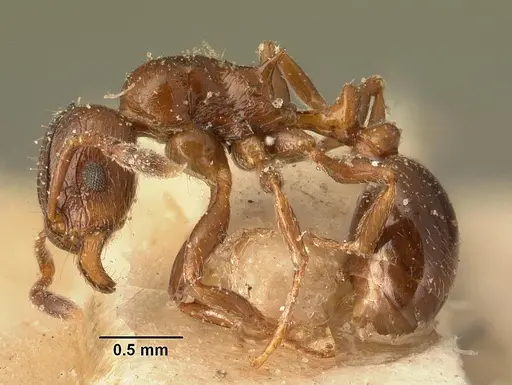
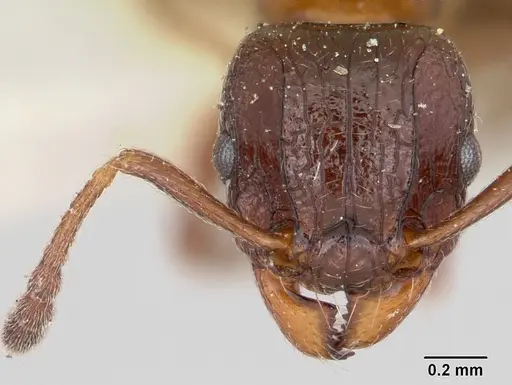
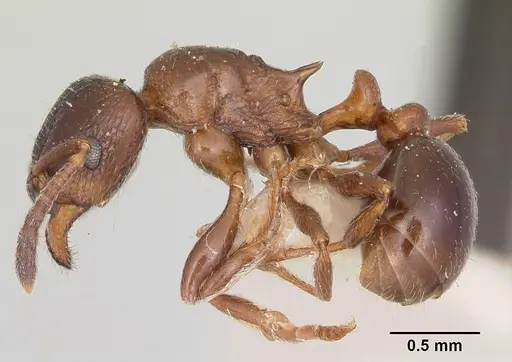
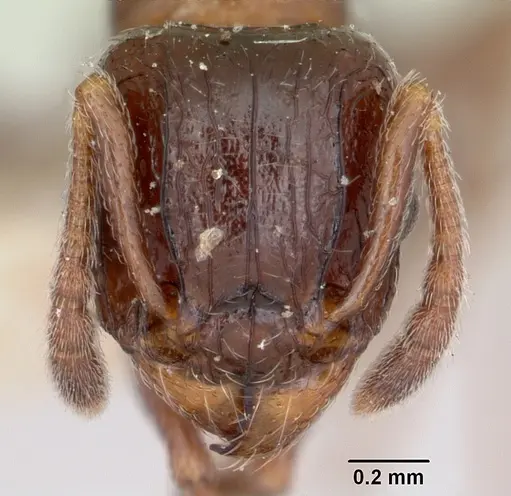
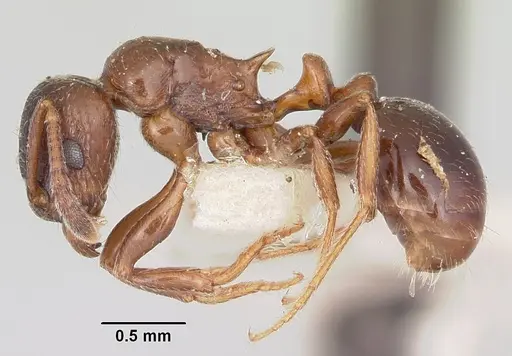
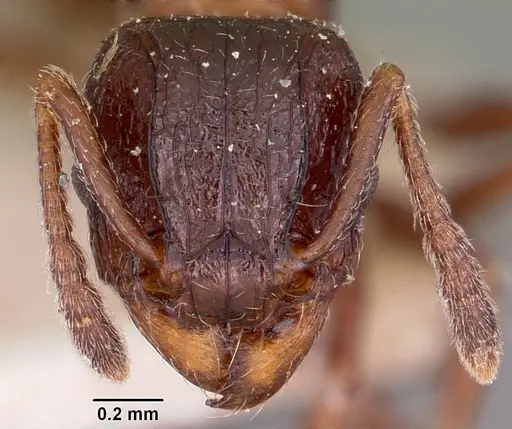
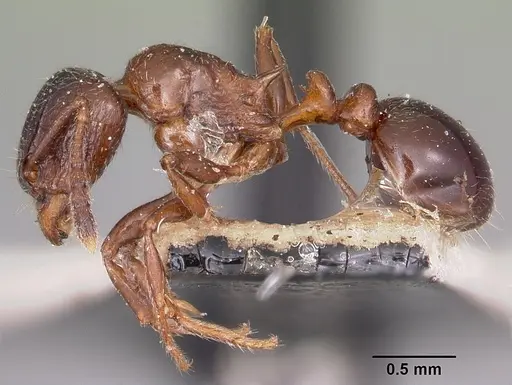
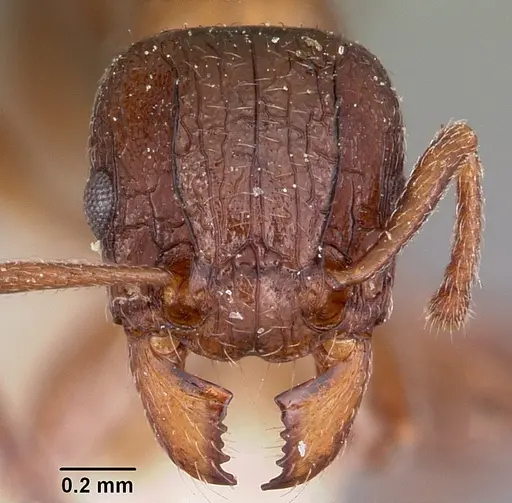
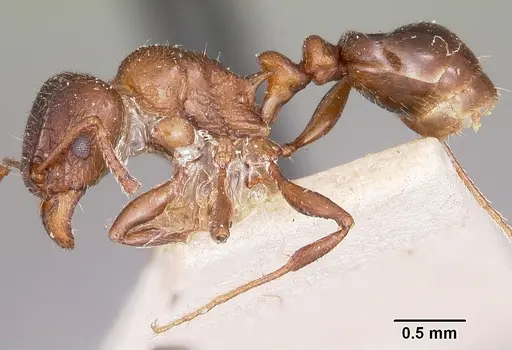
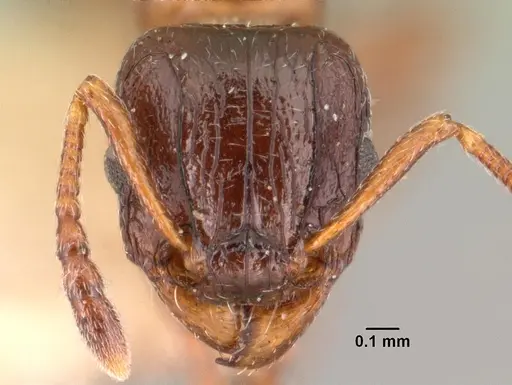
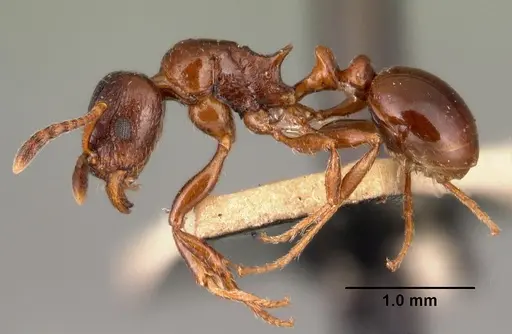
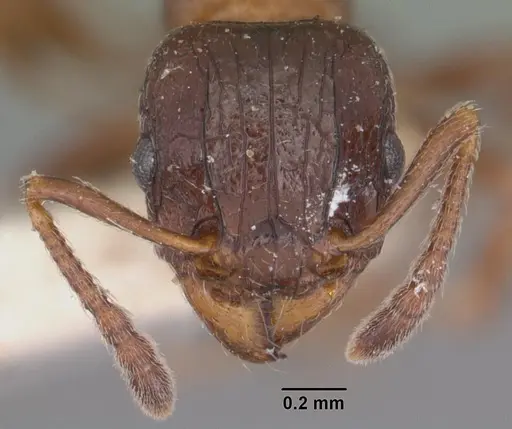
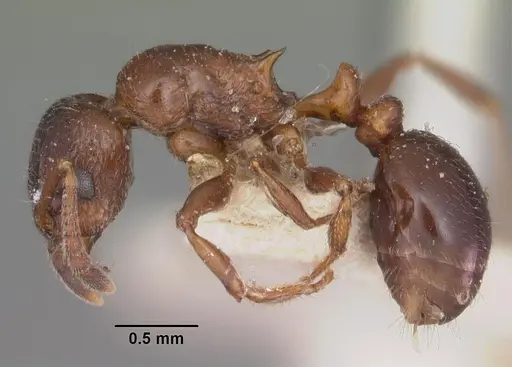
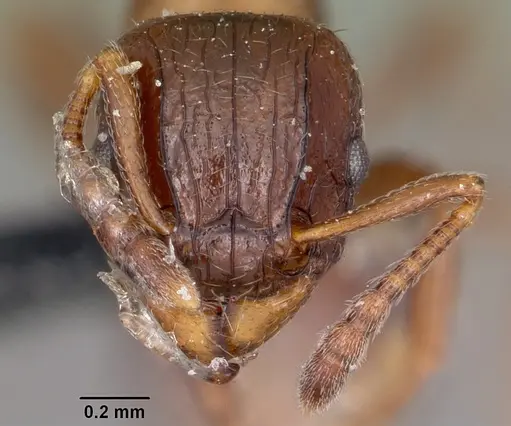
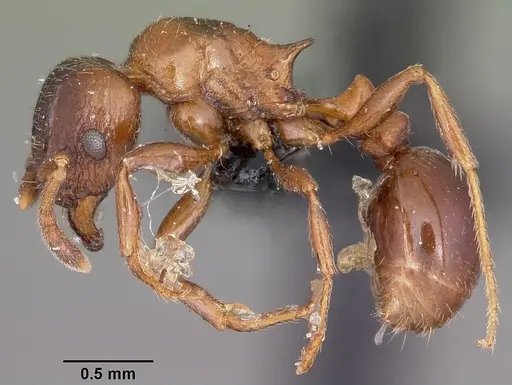
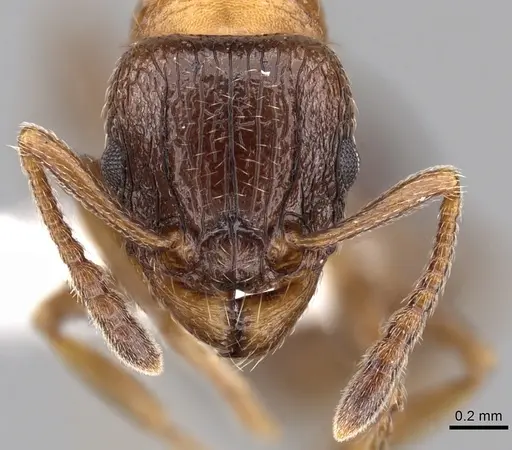
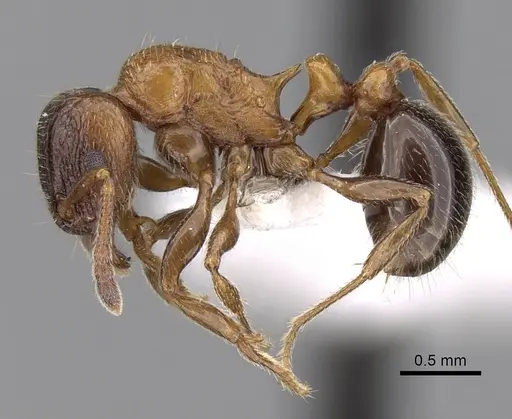
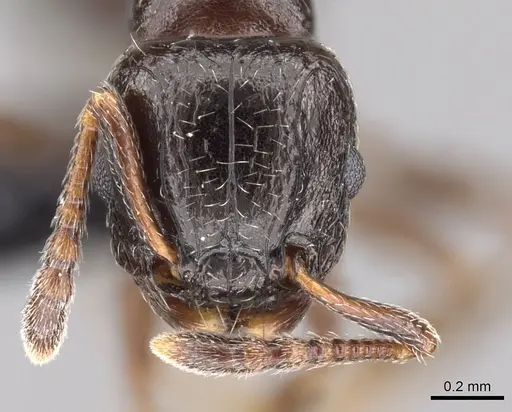
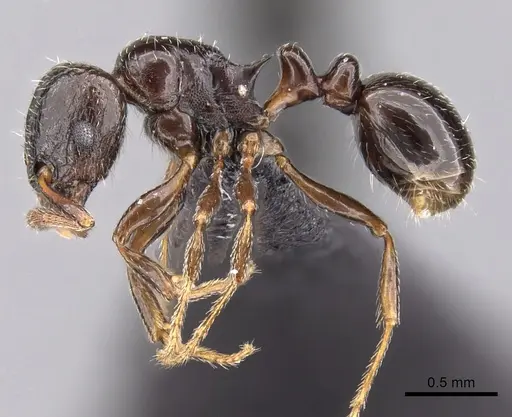
Tetramorium bessonii is a very small, ground-nesting ant species native to Madagascar. Workers have a distinctly longer-than-wide head and a unique squamiform petiolar node that is strongly compressed from front to back . They are mostly brownish, often with the head, legs, and gaster darker than the rest of the body. This species is common across arid environments in Madagascar, from the southeastern and southwestern parts of the island northwards to the High Plateau around Antananarivo and Moramanga, though it is rare in the north . They nest directly in the ground or under rocks and forage on the ground and lower vegetation.
Quick Summary
- Difficulty: Easy
- Origin & Habitat: Madagascar, arid environments including grasslands, spiny forests, thickets, and tropical dry forests. Commonly found in anthropogenically modified habitats and on the High Plateau around Antananarivo and Moramanga [1][2].
- Colony Type: Colony structure is unconfirmed. Based on typical Tetramorium genus patterns, likely single-queen (monogyne) colonies, but this has not been directly documented for this species.
- Size & Growth:
- Queen: Size data unavailable
- Worker: Size data unavailable (head length documented but not total body length) [1]
- Colony: Estimated several hundred workers based on similar Tetramorium species
- Growth: Moderate, estimated
- Development: Estimated 6-10 weeks based on typical Tetramorium development (Development time is not directly documented for this species. Estimates based on related Tetramorium species suggest 6-10 weeks at optimal temperature.)
- Antkeeping:
- Temperature: Keep at 22-26°C, reflecting their natural warm arid habitat [1]. A heating cable on one side of the nest can create a temperature gradient. Avoid prolonged temperatures below 18°C.
- Humidity: Provide moderate to low humidity. Keep the nest substrate slightly moist but allow partial drying between waterings. Avoid constant dampness, they come from arid environments [1].
- Diapause: Unconfirmed. Madagascar has mild winters, they likely do not require a true hibernation period but may reduce activity during cooler months.
- Nesting: Ground-nesting species that builds nests directly in soil or under rocks [1]. In captivity, a Y-tong (AAC) nest or plaster nest works well. Provide a layer of moist soil or sand as substrate. The chambers should be scaled to their small size, tight spaces work better than large open areas.
- Behavior: These are small, ground-dwelling ants that forage on the substrate surface. They use a modified, flattened stinger to smear venom onto enemies (smear defense). Generally not aggressive and will flee rather than fight. Escape prevention is critical due to their tiny size, use fine mesh barriers and tight-fitting lids. Workers are modest foragers, collecting seeds, small insects, and honeydew.
- Common Issues: escape prevention critical due to very small size, they can squeeze through tiny gaps., slow colony growth may cause beginners to lose patience and overfeed., wild-caught colonies may carry parasites., overly humid conditions can be harmful, these are arid-environment ants., test tube setups may dry out too quickly, monitor moisture levels regularly.
Temperature and Care
Keep your Tetramorium bessonii colony at 22-26°C. These ants come from Madagascar's warm, arid environments [1], so they handle heat better than cold. Use a heating cable on one side of the nest to create a temperature gradient, allowing workers to regulate their own temperature. Avoid temperatures below 18°C for extended periods. Room temperature within this range works well for established colonies.
Humidity and Water
These ants prefer moderate to low humidity levels. Keep the nest substrate slightly moist but allow it to partially dry between waterings. The substrate should feel damp but not waterlogged. In their natural arid habitat [1], they experience seasonal dry periods, so they can handle some dryness better than constant dampness. Provide a water source (e.g., water tube) in the outworld. Monitor condensation, if it pools constantly, reduce watering.
Feeding and Diet
Tetramorium bessonii is an omnivorous species. Offer a varied diet including small protein sources like fruit flies, pinhead crickets, and mealworm pieces. They also accept sweet liquids like sugar water or honey. In the wild they forage for small insects and likely collect honeydew from aphids. Feed protein twice weekly and keep a constant sugar source available. Remove uneaten food after 24-48 hours to prevent mold.
Nest Setup
This ground-nesting species does well in Y-tong (AAC) nests or plaster formicariums [1]. Provide a substrate layer of moist soil or sand (about 1-2cm deep) in the nest chamber or outworld. The chambers should be scaled to their tiny worker size, tight passages work better than open spaces. Include darker areas for the colony to retreat to. A small outworld connected to the nest allows for feeding space.
Escape Prevention
Escape prevention is critical with this species. Workers are very small, meaning they can squeeze through gaps that seem impossible. Use fine mesh (at least 0.5mm) on all ventilation holes. Apply Fluon or similar barrier products to the rim of the nest. Check all connections between the nest and outworld regularly. Even a tiny gap is an escape route [1].
Colony Development
Colony growth is moderate. The first workers (nanitics) will be smaller than mature workers and may take 6-10 weeks to emerge from egg at optimal temperature. After the first workers arrive, the colony should grow steadily as the queen continues laying eggs. A healthy mature colony may reach several hundred workers. Growth speed depends on temperature, feeding frequency, and colony health. Be patient, small Tetramorium species grow more slowly than larger ants.
Frequently Asked Questions
How long does it take for Tetramorium bessonii to have first workers?
First workers typically emerge in 6-10 weeks after the queen lays eggs, assuming optimal temperatures around 24-26°C. This is an estimate based on typical Tetramorium development patterns, as specific development time has not been documented for this species.
Can I keep Tetramorium bessonii in a test tube setup?
Yes, test tube setups work well for founding colonies. Use a small test tube with a water reservoir sealed with a cotton plug. The small chamber size is appropriate for their tiny workers. Monitor humidity, test tubes can dry out, so check water levels weekly.
What do Tetramorium bessonii ants eat?
They are omnivorous. Offer small live or frozen insects (fruit flies, pinhead crickets, mealworm pieces) for protein, and sugar water or honey for carbohydrates. They will also collect honeydew if you provide aphid-infested plants. Feed protein twice weekly with constant sugar access.
Do Tetramorium bessonii ants sting?
Tetramorium ants have a functional stinger in the Myrmicinae subfamily. However, these ants are small and not aggressive. They are more likely to flee than to use their stinger. The sting is mild and rarely felt by humans due to the ants' tiny size.
Are Tetramorium bessonii good for beginners?
Yes, this species is beginner-friendly. They are small, docile, and have modest care requirements. The main challenges are escape prevention due to their tiny size and avoiding over-humid conditions. With proper attention to these factors, they make an excellent first ant.
What temperature is ideal for Tetramorium bessonii?
Keep them at 22-26°C. They are adapted to warm Madagascar conditions [1] and can handle the higher end of this range better than cold temperatures. A gradient of 22-28°C across the nest allows workers to choose their preferred temperature.
How big do Tetramorium bessonii colonies get?
Mature colonies likely reach several hundred workers based on similar Tetramorium species. This is a modest colony size compared to some larger ant species. Growth is moderate, with colonies taking several months to a year to reach significant numbers.
Do Tetramorium bessonii need hibernation?
Hibernation requirements are unconfirmed. Madagascar has mild winters, so these ants may not need a true hibernation period. Some activity reduction during cooler months may occur naturally. If you keep them at room temperature year-round, they should be fine.
Why are my Tetramorium bessonii escaping?
Their tiny size means they can escape through almost any gap. Check all mesh sizes, use fine mesh no larger than 0.5mm. Apply Fluon or barrier grease to all rim edges. Inspect connections between nest modules. Even a microscopic gap is an escape route for these small ants.
When should I move my colony to a formicarium?
Move to a formicarium when the test tube no longer has enough space or when the colony reaches 50+ workers. For this small species, a Y-tong or small plaster nest works well. Ensure the formicarium has appropriately sized chambers and good escape prevention before transferring.
Report an Issue
The current care sheet is based fully on literature. See inconsistencies, or something that's incorrect? Please , it will be resolved after review from an admin. Contributing to the blogs tab also helps providing information, to make us be able to further improve the caresheets. Thank you for your support!
References

This caresheet is licensed under CC BY-SA 4.0 .
Community Blogs
CASENT0101145
View on AntWeb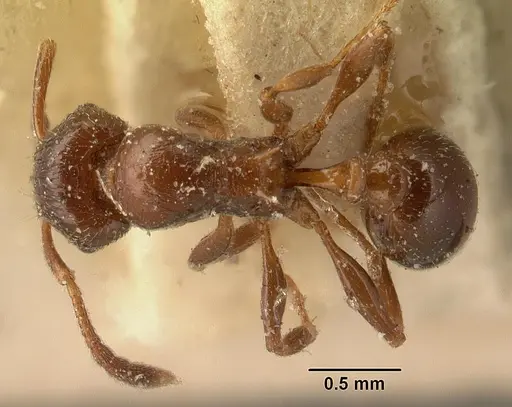
CASENT0101277
View on AntWeb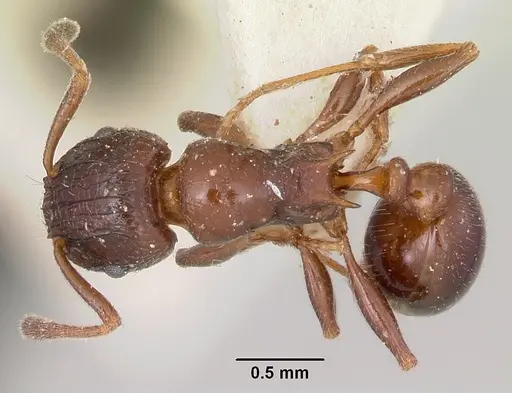
CASENT0101278
View on AntWeb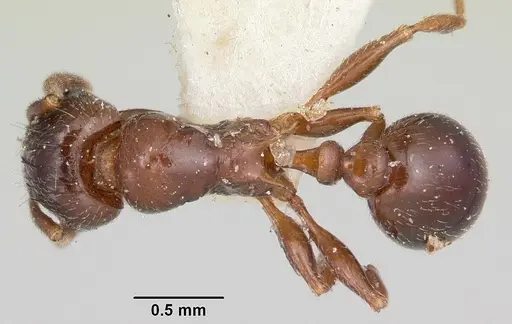
CASENT0101297
View on AntWeb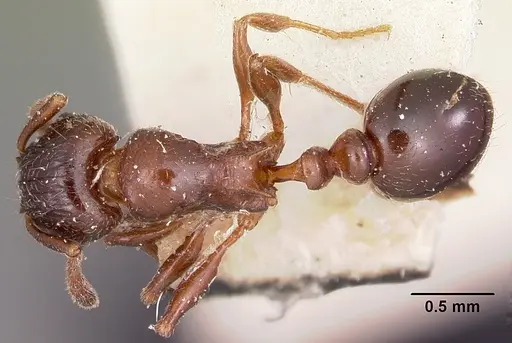
CASENT0101298
View on AntWeb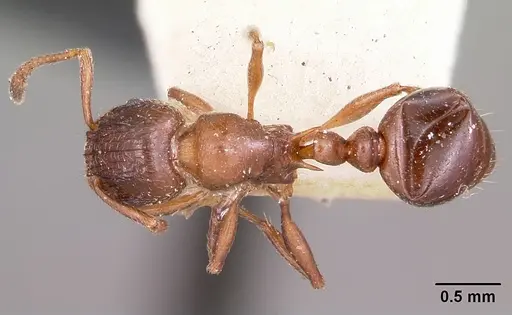
CASENT0101484
View on AntWeb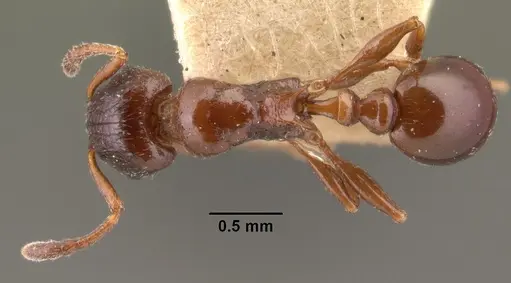
CASENT0102347
View on AntWeb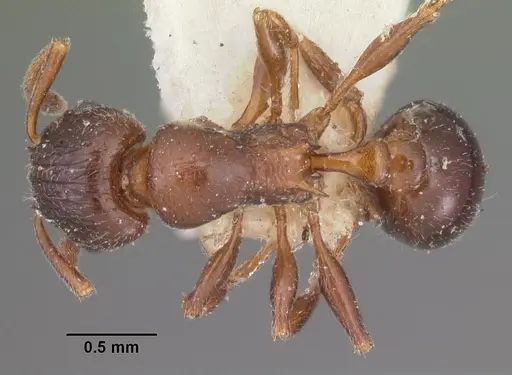
CASENT0104606
View on AntWeb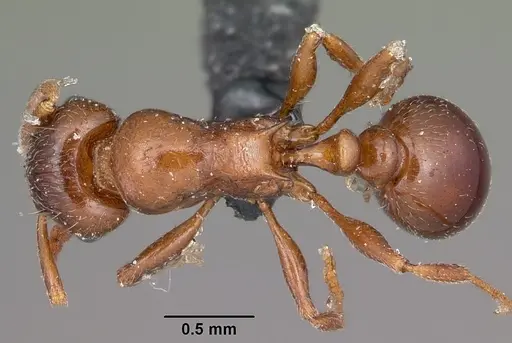
CASENT0247550
View on AntWeb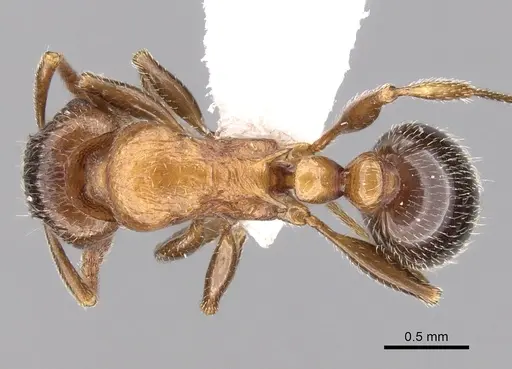
CASENT0456799
View on AntWeb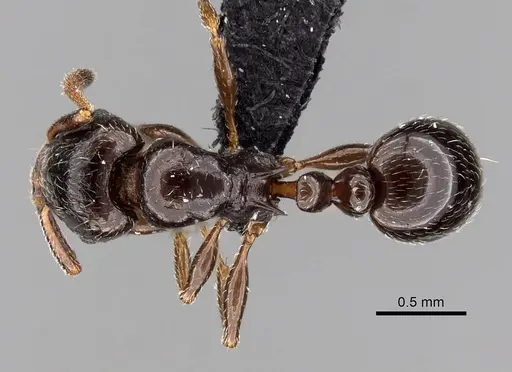
Literature
Loading distribution map...Loading products...