
Tetramorium baufra
- Sci. Name
- Tetramorium baufra
- Tribe
- Crematogastrini
- Subfamily
- Myrmicinae
- Author
- Bolton, 1976
- Distribution
- Found in 2 countries
Introduction
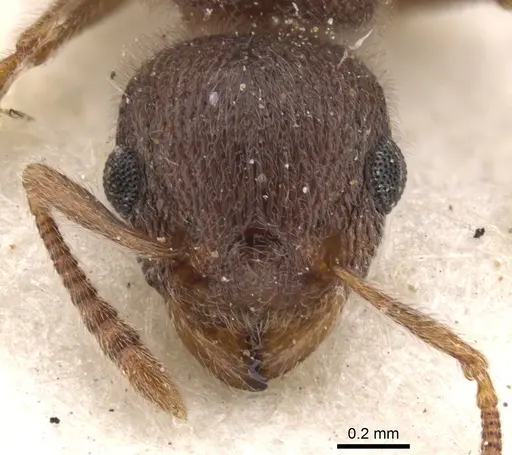
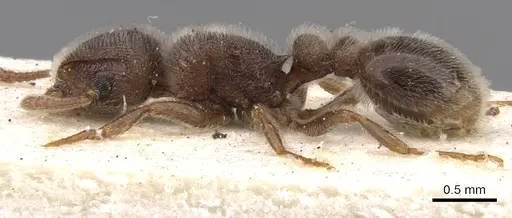
Tetramorium baufra is a small ant species native to the woodland habitats of the Soutpansberg Mountain Range in South Africa. The research on this species is limited; basic biology and care requirements are inferred from related Tetramorium. Workers are estimated at 3-5 mm (size data unavailable from direct measurements) with the typical compact, rugose body and 12‑segmented antennae common in the genus. They are strongly associated with woodland environments at elevations below 1200 m . In the wild they nest in soil or under stones. As a member of the Myrmicinae subfamily (tribe Crematogastrini), they possess a modified flattened stinger used to smear venom onto enemies rather than piercing, a behavior typical of this group. Generalist foragers that scavenge for seeds, small insects, and honeydew, they are considered peaceful and relatively easy to keep, though most care advice is based on genus patterns rather than species‑specific studies.
Quick Summary
- Difficulty: Easy
- Origin & Habitat: Soutpansberg Mountain Range, South Africa, woodland habitats at elevations below 1200 m [1][2]
- Colony Type: Likely single‑queen (monogyne) colonies, inferred from typical Tetramorium structure. Mature colony size is estimated at several hundred workers based on genus patterns.
- Size & Growth:
- Queen: Size data unavailable, estimated ~7-9 mm based on typical Tetramorium queen size (inferred).
- Worker: Size data unavailable, estimated 3-5 mm based on typical Tetramorium worker size (inferred).
- Colony: Several hundred workers (estimated from genus patterns).
- Growth: Moderate (inferred from genus patterns).
- Development: Estimated 6-10 weeks at optimal temperature (~24 °C), based on related Tetramorium species, actual timing may vary. (All development figures are inferences, no direct data available for this species.)
- Antkeeping:
- Temperature: Keep at 22-26 °C (inferred from warm subtropical woodland origin). A heating cable on one side of the nest can create a gentle gradient.
- Humidity: Moderate humidity, keep nest substrate moist but not waterlogged, with some drier areas available. Inferred from woodland habitat preferences.
- Diapause: Likely benefits from a mild winter rest period (2-3 months at 10-15 °C) due to temperate/subtropical origin, inferred from genus patterns. Actual diapause requirements are unconfirmed.
- Nesting: Performs well in Y‑tong (AAC), plaster, or naturalistic soil nests with tight, small chambers. In nature they nest in soil under stones in woodland.
- Behavior: Generally calm and non‑aggressive. As a Myrmicinae (tribe Crematogastrini), they have a modified stinger for smearing venom rather than piercing, but they rarely use it defensively in captivity. Workers are diurnal, active foragers that use chemical trails. Escape risk is moderate due to small size, use fine mesh or barrier methods.
- Common Issues: slow colony growth, especially in the first year, which can be discouraging for beginners., small size makes escape possible through standard mesh, use fine gauze or fluon barriers., risk of overheating (keep below 28 °C) or abrupt temperature drops., mold from uneaten food, remove prey after 24 hours., moisture management is critical: both drying out and waterlogging can cause problems.
Housing and Nest Setup
Based on the species’ woodland habitat and small worker size, Y‑tong (AAC) or plaster nests with tight chambers work well. These materials hold moisture and can be carved to match the ants’ preference for compact spaces. Naturalistic setups with soil and flat stones also mimic natural nesting. The outworld should be simple with easy access to food. Because workers are small, use fine mesh or a fluon barrier to prevent escape. Provide a small water tube or moist cotton in the outworld for hydration.
Feeding and Diet
As generalist omnivores, they accept small insects (crickets, mealworms, fruit flies), offer protein 2-3 times per week. For sugar, provide diluted honey, sugar water, or honey drops. They will also collect small seeds in the outworld. Remove any uneaten prey after 24 hours to prevent mold. Their natural diet includes scavenged insects and honeydew, so a varied diet is ideal.
Temperature and Seasonal Care
This species originates from warm woodlands in South Africa [1]. Maintain nest temperatures around 22-26 °C (inferred from climate). A heating cable on one side creates a gradient. During winter, a rest period of 2-3 months at 10-15 °C is likely beneficial but not confirmed. Reduce feeding and keep the nest slightly drier during this time. Watch for signs of temperature stress: clustering away from heat or complete inactivity.
Colony Development and Growth
The queen likely founds claustrally, sealing herself in a small chamber and raising the first brood on stored fat reserves (inferred from genus). First workers (nanitics) emerge after an estimated 6-10 weeks under optimal conditions. Growth is moderate, colonies may reach 100-300 workers in the first year with consistent feeding and stable conditions. Queens can live for several years. These figures are estimates, no direct data exists for this species.
Behavior and Temperament
Tetramorium baufra is peaceful and rarely aggressive. As a member of the Myrmicinae subfamily (tribe Crematogastrini), they have a spatulate stinger used for smearing venom rather than piercing, a distinct defense mechanism. In practice, they are gentle and easy to handle. Workers are diurnal foragers that lay chemical trails to food sources. They tend to retreat when the nest is disturbed rather than attack.
Frequently Asked Questions
How long does it take for Tetramorium baufra to produce first workers?
An estimated 6-10 weeks from egg to first worker at optimal temperatures (~24 °C). The queen likely raises the first brood claustrally. First workers (nanitics) are smaller but immediately begin foraging. These figures are inferred from related Tetramorium species.
What do Tetramorium baufra ants eat?
They are omnivores. Offer small insects (crickets, mealworms, fruit flies) for protein 2-3 times a week. For sugar, provide diluted honey, sugar water, or honey drops. They also collect small seeds. Remove uneaten food after 24 hours.
Do Tetramorium baufra ants sting?
They have a modified stinger typical of Myrmicinae (tribe Crematogastrini) that smears venom rather than piercing. In practice, they are non‑aggressive and rarely sting in captivity.
What temperature do Tetramorium baufra ants need?
Keep them at 22-26 °C (inferred from their warm woodland habitat). A heating cable on one side of the nest creates a gradient. Avoid temperatures above 28 °C.
Do Tetramorium baufra ants need hibernation?
They likely benefit from a mild winter rest period of 2-3 months at 10-15 °C, based on the temperate/subtropical origin. However, this has not been confirmed for this species. Reduce feeding and keep the nest slightly drier during hibernation.
How big do Tetramorium baufra colonies get?
Maximum colony size is not documented. Based on genus patterns, they likely reach several hundred workers over 1-2 years. Larger colonies are possible under ideal conditions.
Can I keep multiple Tetramorium baufra queens together?
This species is likely monogyne (single queen). Keeping multiple unrelated queens together is not recommended, as they would probably fight.
What is the best nest type for Tetramorium baufra?
Y‑tong (AAC) or plaster nests with tight, small chambers work well. Soil-stone naturalistic setups are also suitable. Avoid tall, open spaces.
Are Tetramorium baufra ants good for beginners?
Yes, they are peaceful, have simple dietary needs, and are forgiving of minor husbandry mistakes. Their moderate growth rate and calm temperament make them suitable for new antkeepers. Note that most care guidance is inferred from genus, not species‑specific data.
Why are my Tetramorium baufra ants dying?
Common causes include: the nest drying out (keep substrate moist but not wet), temperature extremes (stay within 22-26 °C), mold from uneaten food (remove prey after 24 hours), or excessive disturbance. Check these parameters first.
Report an Issue
The current care sheet is based fully on literature. See inconsistencies, or something that's incorrect? Please , it will be resolved after review from an admin. Contributing to the blogs tab also helps providing information, to make us be able to further improve the caresheets. Thank you for your support!
References

This caresheet is licensed under CC BY-SA 4.0 .
Community Blogs
CASENT0901134
View on AntWeb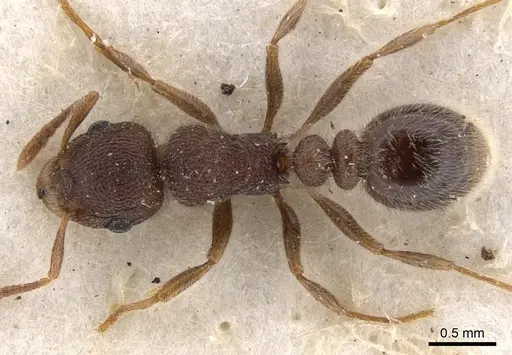
Literature
Loading distribution map...Loading products...