
Tetramorium aspis
- Sci. Name
- Tetramorium aspis
- Tribe
- Crematogastrini
- Subfamily
- Myrmicinae
- Author
- Hita Garcia & Fisher, 2014
- Distribution
- Found in 1 countries
Introduction
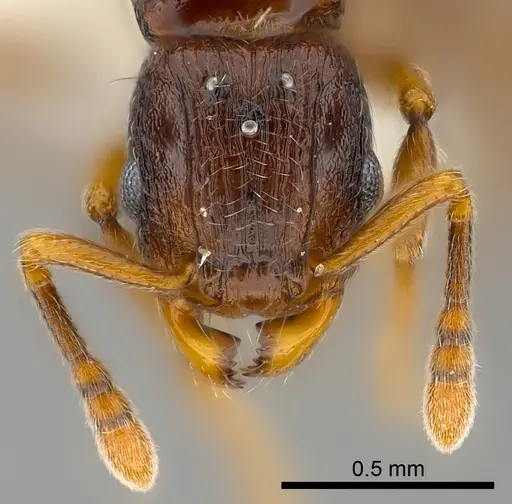
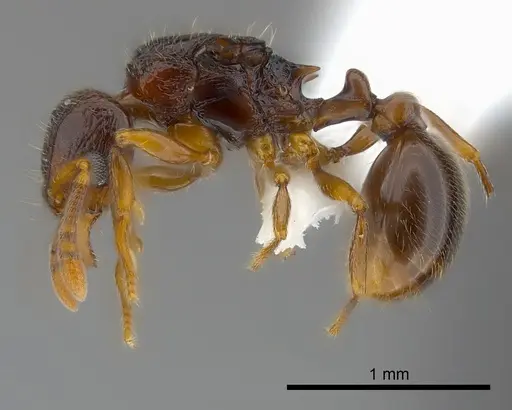
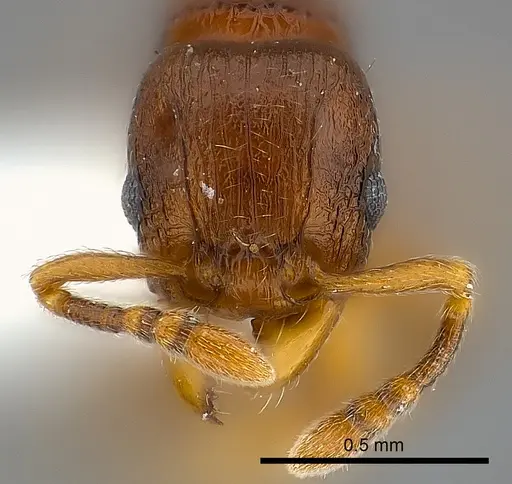
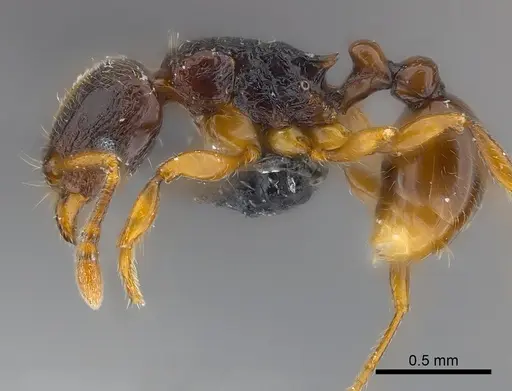
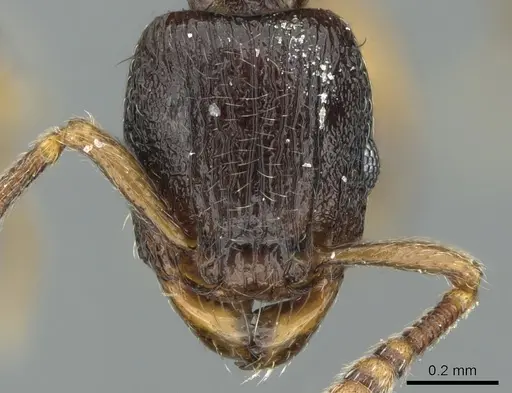
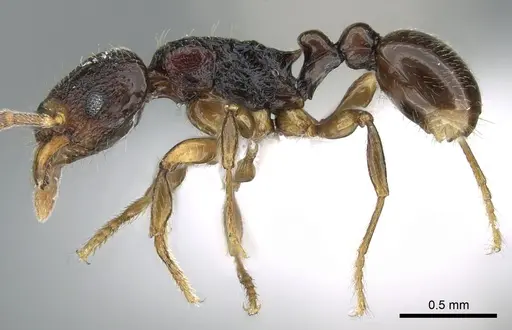
Tetramorium aspis is a tiny ground-dwelling ant native to the rainforests of southeast Madagascar. Workers have a uniform brown to dark brown body with relatively large eyes and a distinctive, shield-shaped petiolar node that gives the species its name (aspis means 'shield' in Greek) . This ant belongs to the Tetramorium schaufussii species group and was formally described in 2014 . What makes T. aspis special is its extremely limited distribution - it is known only from a handful of localities in the Ivohibe and Andringitra regions of Madagascar, living at elevations between 785 and 1680 meters in montane rainforests . The species is ground-active, found primarily in leaf litter, which means it prefers nesting in the damp, decomposing material on the forest floor. Workers have six or more pairs of long standing hairs on their mesosoma, giving them a somewhat fuzzy appearance compared to smoother related species .
Quick Summary
- Difficulty: Medium
- Origin & Habitat: Southeast Madagascar (Ivohibe and Andringitra regions), montane rainforests at 785-1680m elevation [1]
- Colony Type: Unconfirmed, likely monogyne (single queen) based on typical Tetramorium patterns, but no specific data exists
- Size & Growth:
- Queen: Unconfirmed, no queen measurements available
- Worker: Size data unavailable for total body length, inferred from related Tetramorium species at around 3mm total length
- Colony: Likely small to moderate, estimated under 500 workers based on typical litter-dwelling Tetramorium
- Growth: Moderate, estimated from related species
- Development: 6-10 weeks (estimated based on typical Tetramorium development) (Development time is estimated from related species in the genus, no specific data exists for T. aspis)
- Antkeeping:
- Temperature: Keep around 22-26°C, these are montane rainforest ants from a relatively cool, elevated region of Madagascar [1]
- Humidity: High humidity, keep nest substrate consistently moist but not waterlogged, mimicking damp leaf litter conditions [1]
- Diapause: Unknown, likely not required due to tropical origin, but no formal data exists
- Nesting: Prefers tight, humid spaces, test tubes with water reservoirs work well for founding. Once established, use Y-tong (AAC), plaster, soil, or 3D-printed nests with small chambers. They naturally nest in leaf litter and rotting wood on the forest floor [1]
- Behavior: Ground-active and likely forages in leaf litter layers. Based on typical Tetramorium behavior, probably moderately aggressive when defending the nest but not particularly territorial. Workers are small but active, likely recruiting to food sources through chemical trails. Escape risk is moderate due to small size, use fluon or oil barriers on outworld walls.
- Common Issues: small size means escapes are possible without proper barriers (use fluon or oil), high humidity requirements can lead to mold if ventilation is poor, limited distribution means wild colonies are rarely available, slow colony growth may frustrate beginners expecting fast development, ground-dwelling nature means they may not thrive in dry, arid setups
Housing and Nest Setup
Tetramorium aspis naturally lives in leaf litter and rotting wood on the rainforest floor [1]. For captivity, start with a test tube setup, use a standard test tube with a water reservoir at one end and keep the tube horizontal so the queen can find a dark corner. Once the colony reaches around 20 workers, consider moving them to a Y-tong (AAC), plaster, soil, or 3D-printed nest with chambers scaled to their tiny size.
Maintain high humidity while preventing stagnation. Use a small outworld container and keep the nest area humid but not waterlogged. A layer of moist substrate in the outworld can help. Avoid tall, open spaces, these are small litter-dwelling ants that feel secure in compact, tight spaces. Because of their tiny size, use fluon or oil barriers on outworld walls to prevent escapes. Standard gaps and joints must be sealed tightly.
Feeding and Diet
Like most Tetramorium species, T. aspis is likely omnivorous with a preference for small protein sources. In the wild, they probably scavenge tiny insects in the leaf litter. For captivity, offer small protein items like fruit flies, pinhead crickets, small mealworms, or other appropriately-sized prey twice weekly.
Sugar sources are also likely accepted, offer diluted honey water, sugar water, or small drops of honey occasionally. Protein should form the primary diet for a healthy growing colony. Remove any uneaten prey after 24-48 hours to prevent mold issues in the humid setup. Ensure prey items are small enough for workers to handle and dismember.
Temperature and Humidity
As montane rainforest ants from elevated regions of Madagascar, T. aspis prefers moderate temperatures rather than extreme heat. Aim for 22-26°C, this is warmer than room temperature for most homes, so you may need a small heating cable on one side of the nest to create a gentle gradient. Avoid temperatures above 30°C.
Humidity is critical. Keep the nest substrate consistently moist but not sitting in water. A water reservoir in the test tube setup helps maintain humidity. Monitor for condensation, some condensation is good, but excessive dripping can flood small colonies. If using a Y-tong or soil nest, moisten the material to match damp leaf litter conditions. [1]
Colony Development
The founding process for T. aspis is unconfirmed, no data exists on whether queens found colonies claustrally or semi-claustrally. Based on typical Tetramorium patterns, it is likely claustral, but this is an assumption.
Based on related species, expect 6-10 weeks from egg to first worker at optimal temperature (around 24-26°C). Colony growth is likely moderate, don't expect explosive growth. A well-established colony might eventually reach a few hundred workers, though exact maximum size is unknown. Patience is key.
Behavior and Temperament
Tetramorium aspis is a ground-dwelling species that forages primarily in the leaf litter layer. Workers are active and likely establish foraging trails. While not particularly aggressive toward humans, they will defend the nest if threatened.
These ants are not known for any unusual behaviors like slave-making or temporary parasitism. They are straightforward Myrmicinae ants that focus on raising brood, foraging, and maintaining the colony. Their small size and ground-dwelling nature means they're not strong climbers, but you still need fluon or oil barriers to prevent escapes.
Defense Mechanism
Tetramorium aspis belongs to the subfamily Myrmicinae and tribe Crematogastrini. Like most members of this tribe, it uses a smear defense mechanism, a modified, flattened stinger wipes venom onto enemies rather than piercing flesh. The sting is very mild to humans due to the ant's tiny size.
Frequently Asked Questions
How long does it take for Tetramorium aspis to get their first workers?
Based on typical Tetramorium development, expect 6-10 weeks from egg to first worker at optimal temperature (around 24-26°C). This is an estimate since no specific data exists for this species.
What do Tetramorium aspis ants eat?
They are omnivorous but prefer small protein sources. Offer tiny insects like fruit flies, small mealworms, or pinhead crickets twice weekly. Sugar sources like diluted honey water are also likely accepted. Protein should be the primary food for growing colonies.
Are Tetramorium aspis good for beginners?
This species is rated as Medium difficulty. While not the easiest species, it is manageable for intermediate antkeepers. The main challenges are maintaining high humidity and being patient with slow colony growth. Beginners should be prepared for these requirements.
What temperature do Tetramorium aspis need?
Keep them at 22-26°C. These are montane rainforest ants from elevated Madagascar, so they prefer moderate warmth rather than extreme heat. A small heating cable on part of the nest can help maintain optimal temperatures.
How big do Tetramorium aspis colonies get?
Colony size is estimated at under 500 workers based on similar litter-dwelling Tetramorium species. This is a relatively small colony size. Growth is moderate and takes time.
Do Tetramorium aspis ants sting?
As Myrmicinae ants, they have a functional stinger used for defense. However, given their tiny size, any sting would be very mild and barely noticeable to humans. They are not considered dangerous.
Can I keep multiple Tetramorium aspis queens together?
This is not recommended. While colony structure is unconfirmed, it is likely monogyne (single queen). Combining unrelated queens has not been studied and could result in fighting. Keep one queen per colony.
Do Tetramorium aspis need hibernation?
Likely no true hibernation is required. As a Madagascar species from a tropical environment, they experience year-round warmth. No formal diapause period is documented. They may show reduced activity during cooler months.
What type of nest is best for Tetramorium aspis?
Start with a test tube setup for founding. Once established with 20+ workers, use a Y-tong (AAC), plaster, soil, or 3D-printed nest with small chambers. The key is maintaining high humidity while providing tight, secure spaces scaled to their tiny size.
Where is Tetramorium aspis found in the wild?
This species is endemic to southeast Madagascar, specifically the Ivohibe and Andringitra regions. They live in montane rainforests at elevations between 785 and 1680 meters [1].
Report an Issue
The current care sheet is based fully on literature. See inconsistencies, or something that's incorrect? Please , it will be resolved after review from an admin. Contributing to the blogs tab also helps providing information, to make us be able to further improve the caresheets. Thank you for your support!
References

This caresheet is licensed under CC BY-SA 4.0 .
Community Blogs
CASENT0189122
View on AntWeb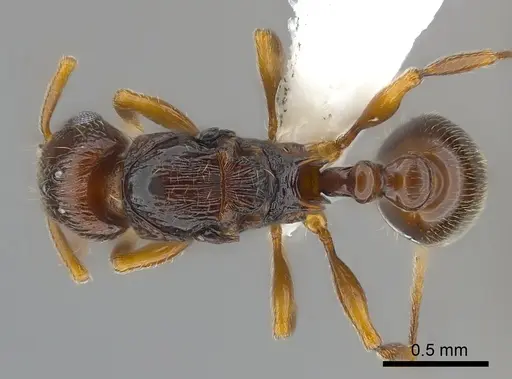
CASENT0189170
View on AntWeb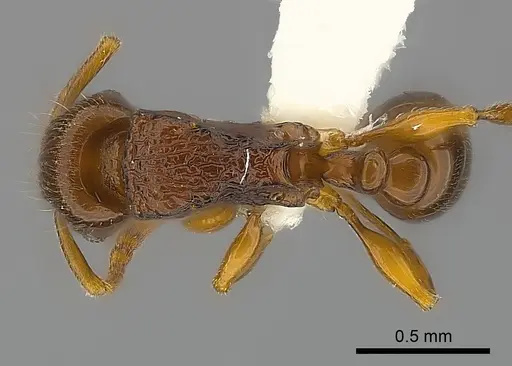
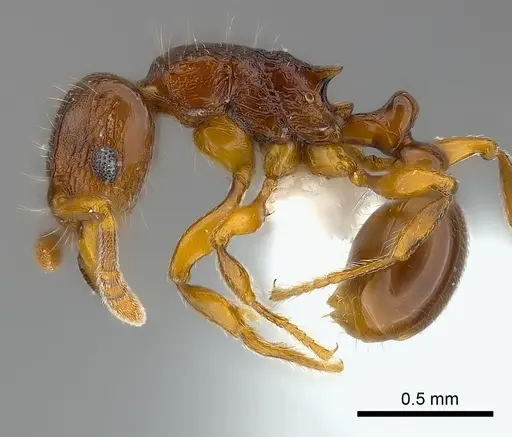
CASENT0217756
View on AntWeb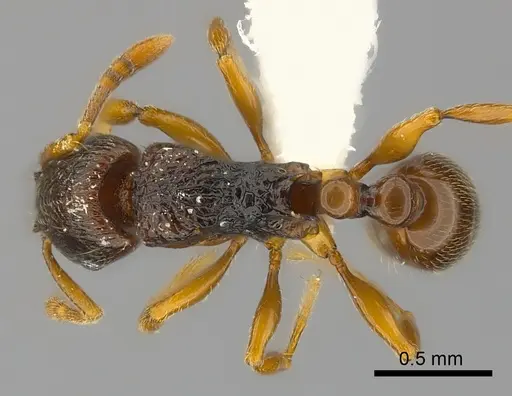
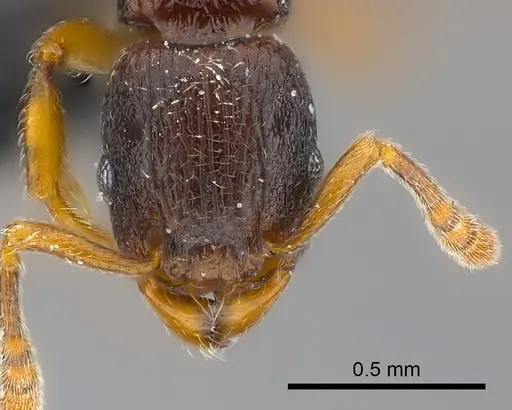
CASENT0344940
View on AntWeb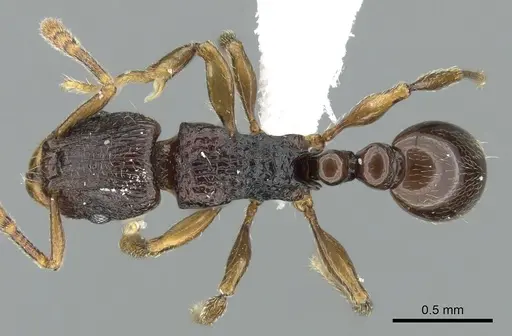
Literature
Loading distribution map...Loading products...