
Tetramorium aspersum
- Sci. Name
- Tetramorium aspersum
- Tribe
- Crematogastrini
- Subfamily
- Myrmicinae
- Author
- Smith, 1865
- Distribution
- Found in 2 countries
Introduction
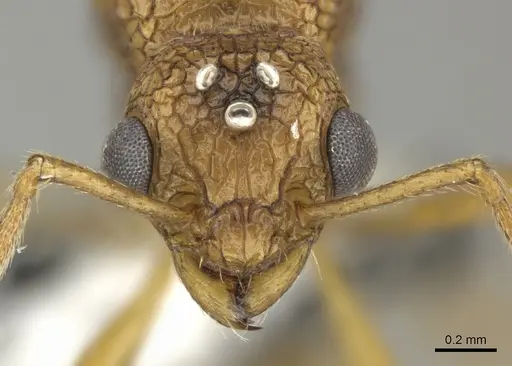
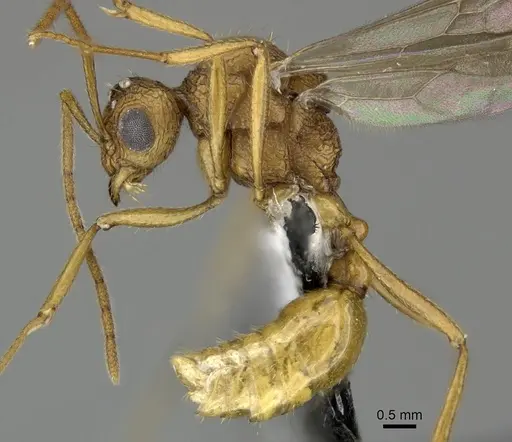
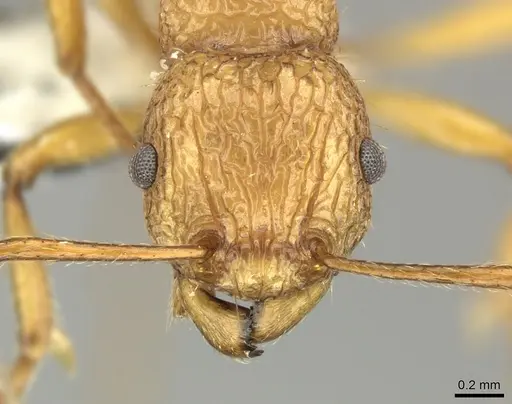
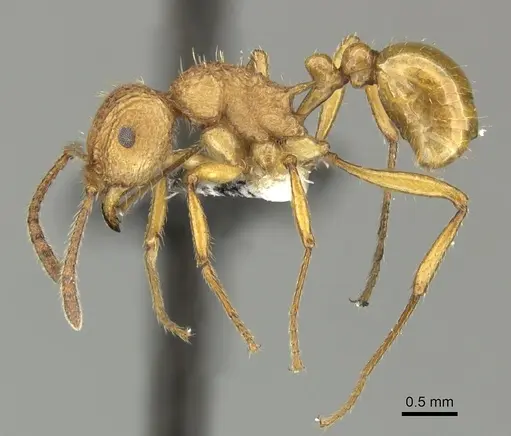
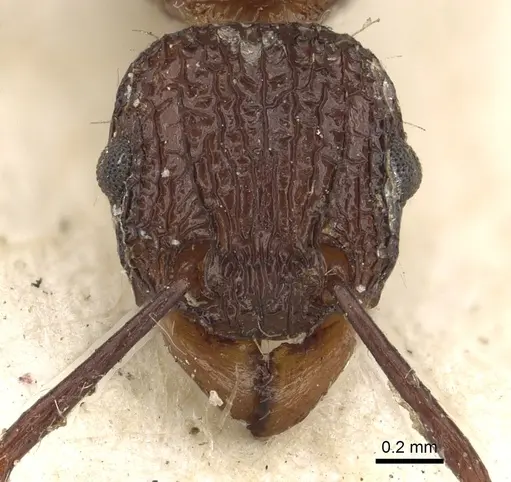
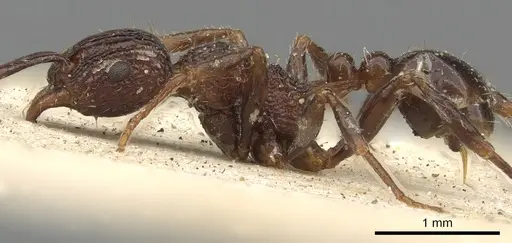
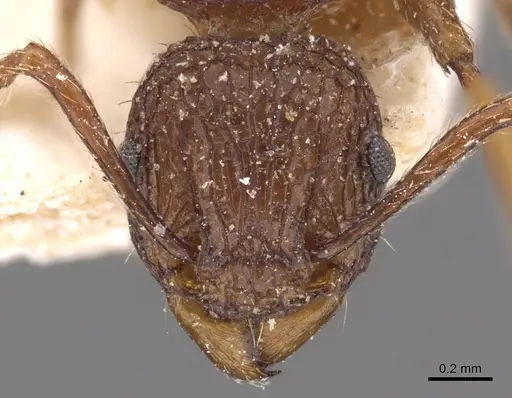
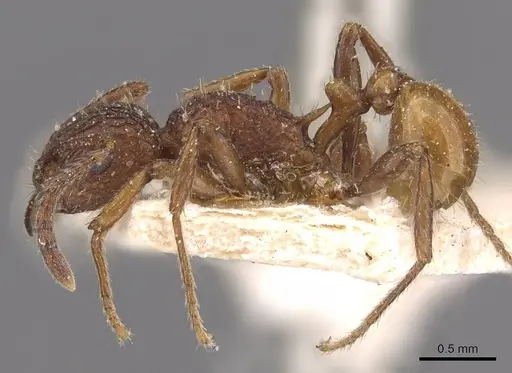
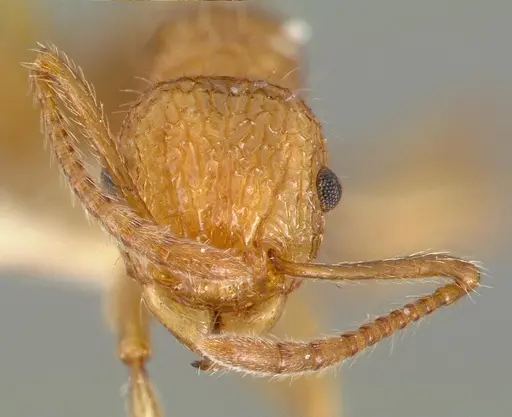
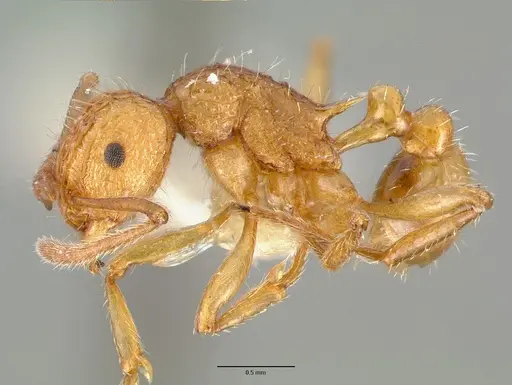
Tetramorium aspersum is a small, variable ant native to the Australasian and Indomalayan regions, including New Guinea, Indonesia, the Philippines, and the Solomon Islands . Workers measure 3.6-4.4 mm (total length) and have very long antennal scapes that project well beyond the back of the head, a high narrow petiole node, and erect hairs covering all dorsal surfaces . The body color ranges from uniform yellow-brown to reddish brown, with a smooth, shiny gaster contrasting with the roughly sculptured head and thorax. This species shows considerable variation across its range in eye size, sculpture intensity, and body proportions, making it a morphologically diverse species . These ants inhabit forest environments and are commonly found in leaf litter, where they nest among epiphyte roots and vegetation . They are active both during the day and night, foraging in the leaf litter layer of tropical forest floors . The colony structure and many aspects of their biology have not been studied in detail.
Quick Summary
- Difficulty: Medium
- Origin & Habitat: Native to the Australasian and Indomalayan regions, including New Guinea, Indonesia, the Philippines, and the Solomon Islands. Inhabits forest habitats where it nests in leaf litter, epiphyte roots, and vegetation [1][2].
- Colony Type: Colony structure has not been documented in published studies. Based on genus patterns, likely monogyne (single queen), but unconfirmed.
- Size & Growth:
- Queen: size data unavailable
- Worker: 3.6-4.4 mm [1]
- Colony: Unknown, typical Tetramorium colonies can reach several hundred workers, but specific data for this species is lacking.
- Growth: Moderate
- Development: Estimated 6-10 weeks at optimal temperature based on related Tetramorium species (No direct studies on Tetramorium aspersum development, timeline inferred from genus patterns.)
- Antkeeping:
- Temperature: Keep at 24-28 °C. These are tropical forest ants requiring warm, stable conditions, inferred from their natural habitat.
- Humidity: High humidity, forest floor species from tropical regions requires consistently moist substrate. Avoid waterlogging but do not let the nest dry out.
- Diapause: No, as a tropical species, they do not require hibernation. A slight temperature drop during cooler months is acceptable if room temperature naturally falls, but true diapause is unnecessary.
- Nesting: Y-tong (AAC) or plaster nests with tight chambers work well. Provide a moist substrate to mimic natural leaf litter conditions. A naturalistic setup with leaf litter and soil in the outworld can help replicate their forest floor habitat.
- Behavior: Generally peaceful and non-aggressive. Workers are active foragers in the leaf litter layer. This species belongs to the Myrmicinae tribe Crematogastrini, which uses a unique defense mechanism: workers smear venom onto enemies with a flattened stinger rather than piercing flesh. Their small size (under 5 mm) means escape prevention is critical, use fine mesh and tight-fitting lids. They are active both day and night in their natural habitat [3].
- Common Issues: escape prevention is critical due to their small size, they can squeeze through tiny gaps, high humidity requirements can lead to mold if ventilation is poor, tropical species may struggle if temperatures drop below 22 °C, wild-caught colonies may carry parasites that can cause colony failure, slow initial growth during founding phase can lead to overfeeding or unnecessary disturbance
Housing and Nest Setup
For this small leaf-litter ant, a Y-tong (AAC) nest or plaster formicarium works well. The chambers should be appropriately scaled to their small worker size (under 5 mm), not too large, as ants feel safer in tighter spaces. A small outworld for foraging allows you to observe their activity and offer food. Because they come from humid forest habitats, the nest material should retain moisture well. A water tube connected to a cotton chamber maintains humidity, but avoid oversaturation which leads to mold. Add some leaf litter or small debris to the outworld to create a more naturalistic setup that mimics their forest floor origins [1].
Feeding and Diet
No specific dietary studies exist for Tetramorium aspersum, but based on the genus, they are likely generalist foragers. Offer small live prey like fruit flies, pinhead crickets, or tiny mealworms, appropriately sized to their small workers. They will also accept sugar water, honey, or diluted syrup as an energy source. In their natural habitat, they forage in leaf litter for small insects and likely collect honeydew from aphids. Feed protein 2-3 times per week and keep a sugar source available at all times. Remove uneaten prey after 24 hours to prevent mold issues. Young colonies should receive smaller, more frequent meals.
Temperature and Humidity
These tropical forest ants require warm, humid conditions. Maintain temperatures between 24-28 °C, this range supports normal activity and brood development. A heating cable on one side of the nest creates a gentle gradient, allowing ants to regulate their temperature. Avoid temperatures below 22 °C, as this can slow their metabolism and potentially harm the colony. Humidity should be high, keep the nest substrate moist but not waterlogged. Use a water tube or reservoir for consistent moisture. Good ventilation is essential to prevent mold while maintaining humidity. These conditions are inferred from their tropical forest habitat.
Colony Founding and Development
Founding behavior has not been documented in research for Tetramorium aspersum. Based on typical Tetramorium patterns, queens likely found claustrally, sealing themselves in a small chamber and raising the first workers (nanitics) on stored fat reserves. During this founding phase, do not disturb the queen or offer food, she will not eat. The first workers are typically smaller than mature workers and may emerge after 6-10 weeks, depending on temperature. Once the first workers emerge, the colony begins foraging. Initial growth tends to be slow, the colony may take several months to reach a stable size. Avoid moving or disturbing the nest during founding.
Behavior and Temperament
Workers are active and diligent foragers, searching the leaf litter and foraging areas for food [3]. They are generally docile and not known for aggressive stinging, while Myrmicinae ants have a stinger, Tetramorium species are typically non-confrontational. Their defense mechanism involves smearing venom with a flattened stinger (tribe Crematogastrini). They are active both day and night [3]. Their small size makes them vulnerable to larger predators, so they tend to stay in covered areas. In captivity, they will establish defined foraging routes. Their long antennal scapes help them navigate and detect food in the leaf litter environment [1].
Frequently Asked Questions
How long does it take for Tetramorium aspersum to produce first workers?
Not documented for this species. Based on related Tetramorium, expect first workers to emerge in 6-10 weeks after the queen lays eggs, assuming temperatures around 24-28 °C. The first workers will be smaller than mature workers. This timeline is an inference.
What do Tetramorium aspersum ants eat?
No specific dietary studies exist, but based on the genus they are likely generalist feeders. Offer small live prey like fruit flies, tiny crickets, or small mealworms as protein. They also accept sugar sources like honey water or diluted sugar water. Feed protein 2-3 times weekly with sugar constantly available.
Can I keep Tetramorium aspersum in a test tube?
Yes, test tubes work well for founding colonies. Use a small test tube with a water reservoir sealed with cotton, this provides humidity without flooding. Keep the tube in a warm, dark place during founding. Once the colony has grown to a size where the tube is crowded (typically 30+ workers), consider moving them to a proper formicarium with a foraging area.
Do Tetramorium aspersum ants sting?
They are not known for stinging or aggressive behavior. While Myrmicinae ants have a stinger, this species belongs to tribe Crematogastrini which uses a flattened stinger to smear venom rather than pierce. They are typically docile.
What temperature do Tetramorium aspersum need?
Keep them at 24-28 °C. These tropical forest ants require warm conditions, temperatures below 22 °C can slow their metabolism and harm the colony. Use a heating cable on one side of the nest to maintain warmth if needed, but always provide a temperature gradient so ants can choose their preferred spot.
How big do Tetramorium aspersum colonies get?
Not documented in research. Based on typical Tetramorium patterns, colonies likely reach several hundred workers over 1-2 years with proper care. The exact maximum colony size for this species is unknown.
Do Tetramorium aspersum need hibernation?
No, they do not require hibernation. Being a tropical species from New Guinea, Philippines, and the Solomon Islands, they are adapted to year-round warm conditions. A slight temperature reduction during winter months is acceptable if your room temperature naturally drops, but true hibernation is not necessary and could harm the colony.
Are Tetramorium aspersum good for beginners?
They are moderate difficulty, not the easiest but not challenging either. Their small size and need for high humidity require attention to escape prevention and nest conditions. They are docile and interesting to watch, making them a good intermediate species for keepers who have successfully raised a founding colony.
Why are my Tetramorium aspersum dying?
Common causes include: temperatures below 22 °C, too dry or too wet conditions, poor escape prevention allowing escapes, mold from overwatering, or stress from disturbance during founding. Wild-caught colonies may also carry parasites. Check temperature, humidity, and ensure they are not being disturbed. Small colonies are particularly vulnerable.
When should I move Tetramorium aspersum to a formicarium?
Move them when the test tube becomes crowded (typically 30 or more workers) or when you see the colony actively producing brood consistently. The transition should be gradual, connect the test tube to the formicarium and let them move themselves. Do not force the move. Ensure the new nest meets their humidity and temperature needs.
Report an Issue
The current care sheet is based fully on literature. See inconsistencies, or something that's incorrect? Please , it will be resolved after review from an admin. Contributing to the blogs tab also helps providing information, to make us be able to further improve the caresheets. Thank you for your support!
References

This caresheet is licensed under CC BY-SA 4.0 .
Community Blogs
CASENT0199967
View on AntWeb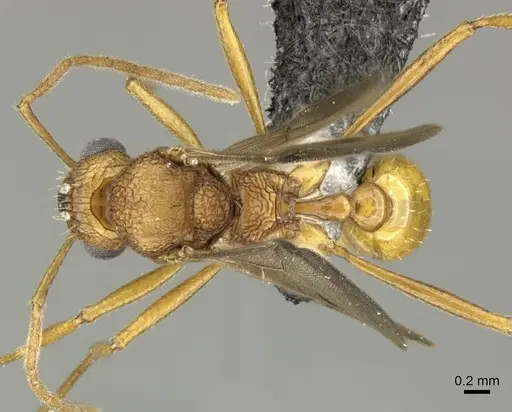
CASENT0199980
View on AntWeb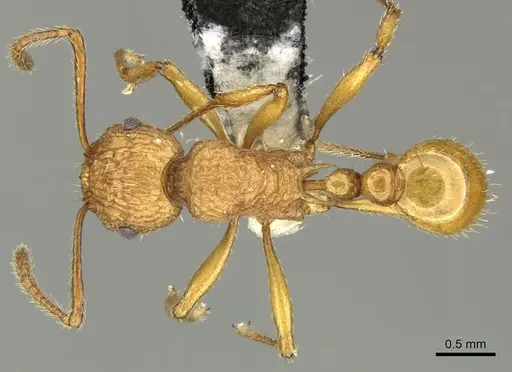
CASENT0267047
View on AntWeb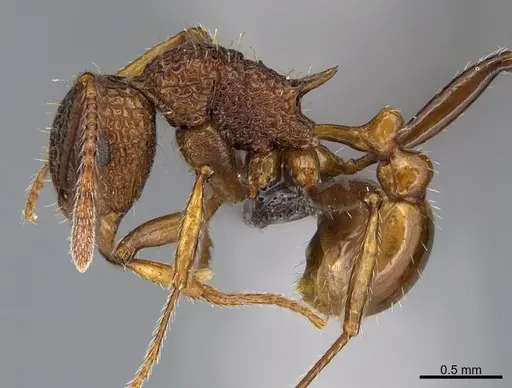
CASENT0901112
View on AntWeb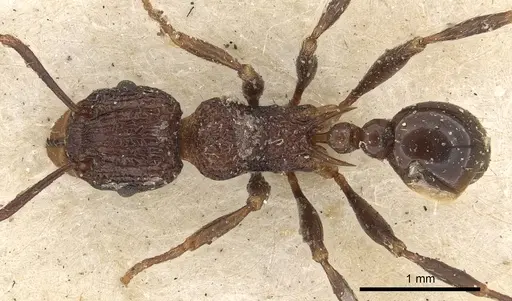
CASENT0909186
View on AntWeb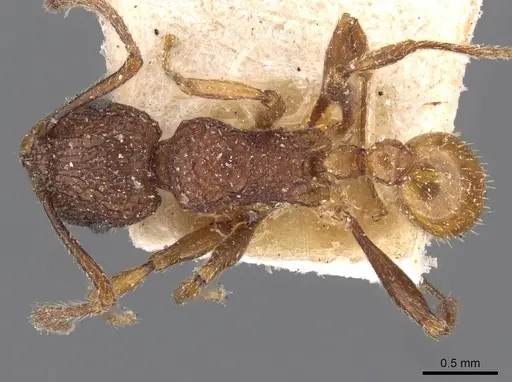
CASTYPE12628
View on AntWeb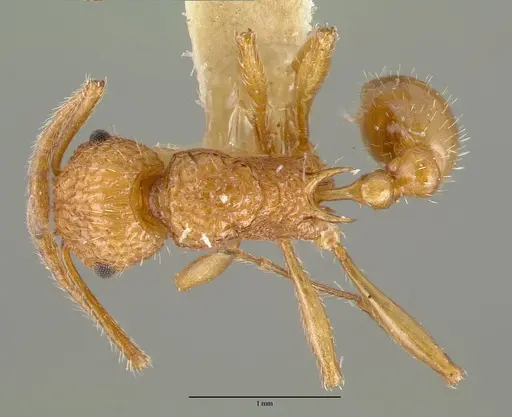
Literature
Loading distribution map...Loading products...