
Tetramorium armatum
- Sci. Name
- Tetramorium armatum
- Tribe
- Crematogastrini
- Subfamily
- Myrmicinae
- Author
- Santschi, 1927
- Distribution
- Found in 2 countries
Introduction
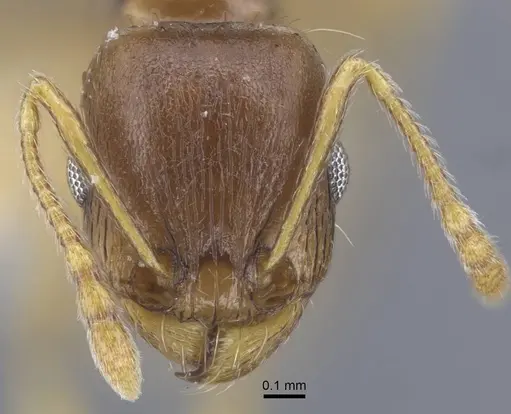
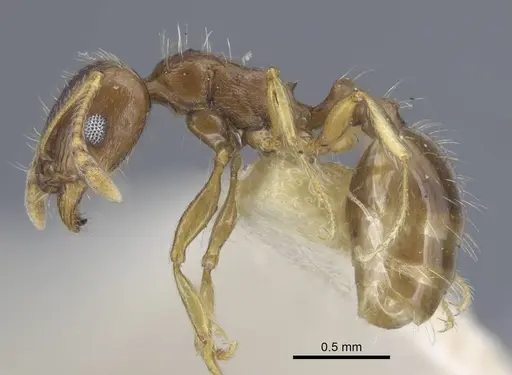
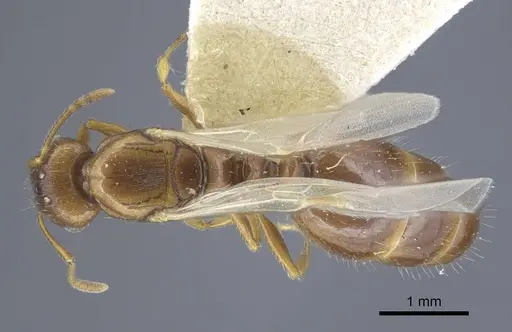
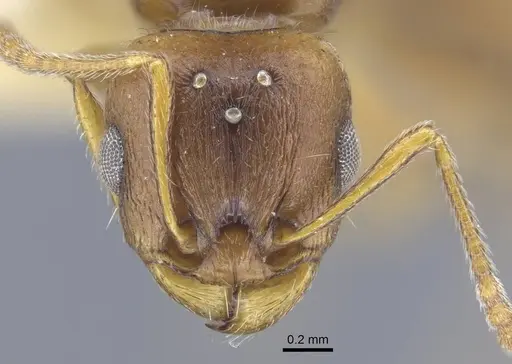
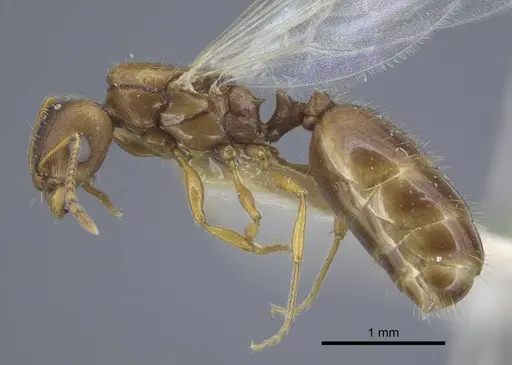
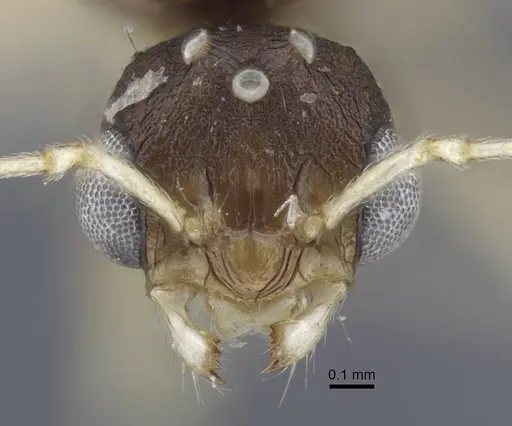
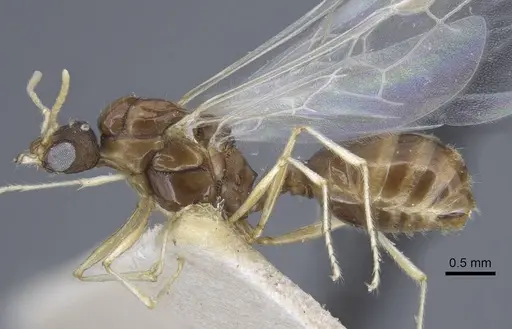
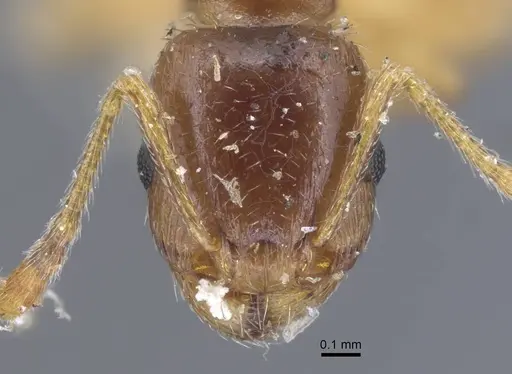
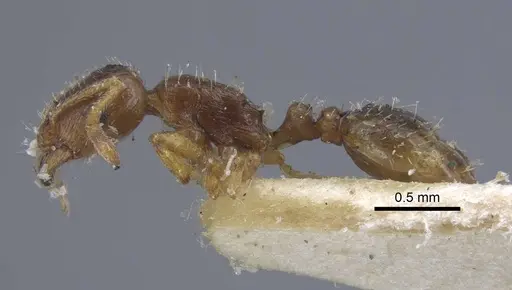
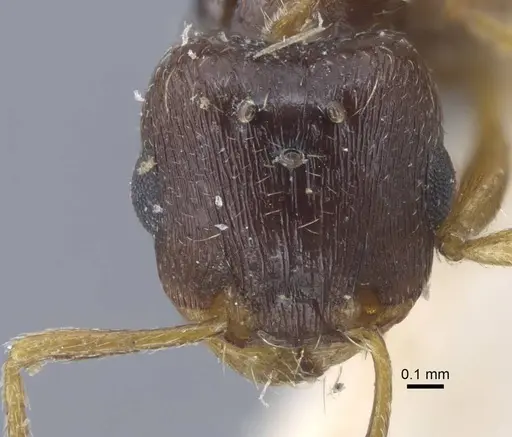
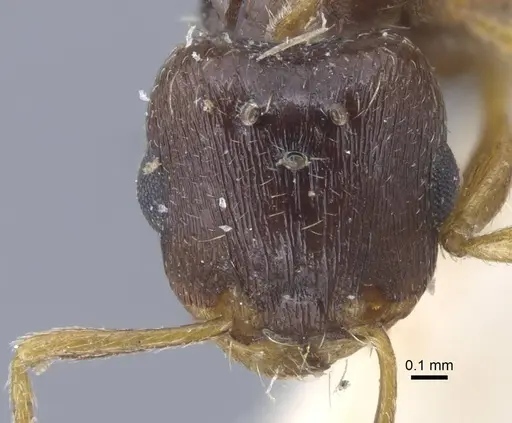
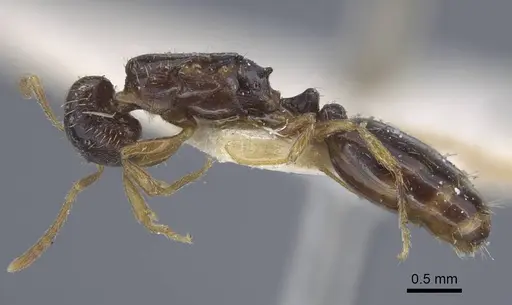
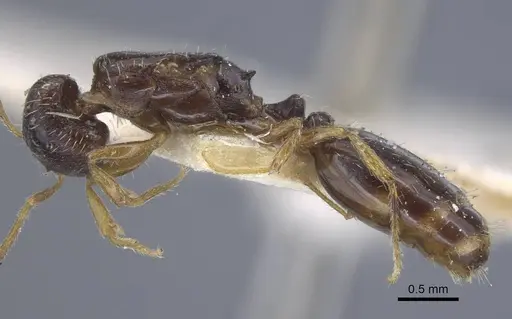
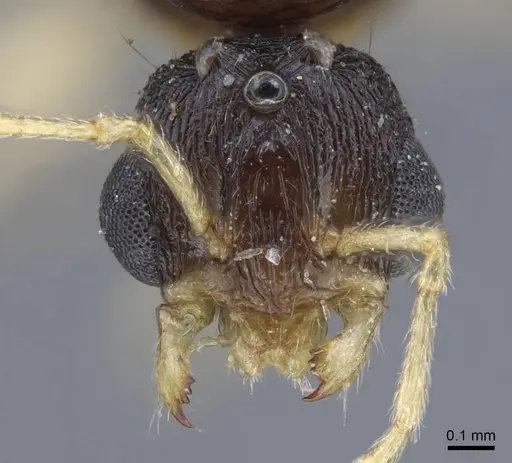
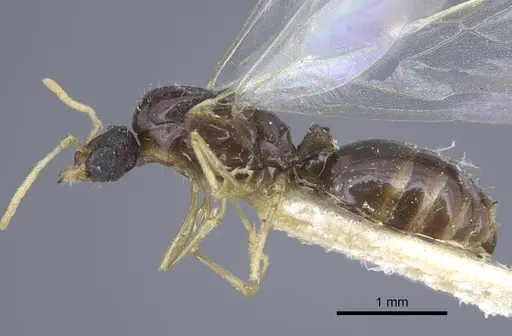
Tetramorium armatum is a small to medium-sized ant from the Myrmicinae subfamily. Workers are about 3-5mm, queens around 5-7mm - these sizes are estimates based on typical Tetramorium measurements, as no published measurements exist for this species. They have the usual Tetramorium look: dark brown to black, a relatively smooth and shiny body, and the characteristic double-toothed (bidentate) propodeum. Originally described as a variety of Tetramorium inerme, it was later raised to full species status .
Quick Summary
- Difficulty: Easy
- Origin & Habitat: Native to the Palaearctic region: Afghanistan, Iran, Kyrgyzstan, Mongolia, and Turkmenistan [1]. Lives in steppe and desert habitats at 600-1600m elevation. Unlike the related T. inerme, which is found in plains, T. armatum is mostly in mountains of Central Asia, Transcaucasus, and Mongolia [2]. It is an indicator species for northern steppe in Iran [3] and an opportunist in ecological studies [4][5].
- Colony Type: Unconfirmed, colony structure has not been directly studied. No data on queen number or social organization.
- Size & Growth:
- Queen: Unknown, based on typical Tetramorium genus size, estimated ~5-7mm.
- Worker: Unknown, based on typical Tetramorium genus size, estimated ~3-5mm.
- Colony: Unknown, estimated moderate size based on genus patterns (up to a few thousand workers).
- Growth: Moderate (inferred from genus)
- Development: Unknown, based on typical Tetramorium development, probably 6-10 weeks at 24°C. (Development time depends on temperature. Specific data for T. armatum has not been published.)
- Antkeeping:
- Temperature: Keep your colony at 20-26°C. The species naturally occurs in temperate to warm regions and should tolerate typical room temperatures. Provide a gentle gradient if possible. Activity is highest in spring/summer and at night [6].
- Humidity: Low to moderate, this ant comes from steppe and desert. Keep the nest substrate lightly moist in one area but allow most of it to dry between waterings. Avoid wet conditions that could cause mold.
- Diapause: Yes, likely required. The species is active April-June and September, with reduced activity in winter [6]. Provide a cool period at 10-15°C for 2-3 months. This mimics their natural seasonal cycle.
- Nesting: Natural nesting in soil and under stones in steppe [7]. In captivity, use a naturalistic setup: a soil/sand mix with flat stones for cover. Y-tong (AAC) or plaster nests also work. Keep the nest mostly dry, as they come from semi-arid environments.
- Behavior: Generally calm and non-aggressive. Workers are opportunist foragers [4][5] and likely accept a variety of foods. They are primarily nocturnal [6], so you’ll see more activity in the evening. Escape risk is moderate, use standard barriers. This species uses a modified stinger to smear venom onto enemies (common for tribe Crematogastrini) rather than stinging aggressively, so bites or mild irritations are unlikely unless the ant is directly handled.
- Common Issues: limited availability in the hobby, colonies are rare and hard to find., specific humidity needs may differ from common Tetramorium, aim for drier conditions., winter diapause is required but unstudied timing, follow typical temperate schedule (Nov-Feb)., wild-caught colonies may carry parasites or have adaptation difficulties., very little published care info, closely observe your colony and adjust as needed.
Natural History and Distribution
Tetramorium armatum lives across the Palaearctic: Afghanistan, Iran, Kyrgyzstan, Mongolia, and Turkmenistan [1]. It is morphologically close to T. inerme but prefers mountain habitats, while T. inerme is found in Central Asian plains [2]. In Iran, it has been collected in the Alborz forest steppe (1226 m), Kavir National Park (1045 m), and Turan National Park (1174 m) [2]. In Kyrgyzstan, it was recorded near Issyk Kul at 1690 m [8]. In Mongolia, it is known from the Valley of Lakes, Eastern Gobi, Gobi Altai, and Alashan Gobi regions, elevations between 600-1600 m [7]. Ecologically, it is an opportunist species [4][5] and serves as an indicator for northern steppe habitats in Iran [3].
Feeding and Diet
Trophic niche analyses classify T. armatum as a plant‑feeder (size class 2), meaning it mostly collects honeydew from aphids and scales [6]. In captivity, offer a constant source of sugar water or honey, and protein 2-3 times per week, small insects like fruit flies, mealworms, or crickets. Because they are opportunists, they will accept a wide diet. They forage mainly at night during spring and summer [6], so offer food in the evening. Remove uneaten protein after 24-48 hours to prevent mold.
Temperature and Seasonal Care
Keep your colony at 20-26°C. This ant comes from temperate mountains and can handle moderate temperature variation [7]. Their natural activity peaks in April‑June and September [6], so a winter diapause is recommended. Give them a cool period of 2-3 months at 10-15°C. During diapause, the colony will slow down or stop brood production, don’t try to force activity. Normal activity should resume when you warm them up again in spring.
Nesting and Housing
In the wild, they nest in soil and under stones [7]. For captive care, use a naturalistic setup: a mix of sandy soil and clay with flat stones on top for cover. Y-tong (AAC) or plaster nests are also good options. Because they come from steppe and desert, keep the nest relatively dry, provide a moisture gradient but let most of the substrate dry out between waterings. Use an outworld for foraging and feeding. Since they are nocturnal [6], make sure the nest has a dark, undisturbed area.
Behavior and Observation
Workers are active, opportunistic foragers that quickly exploit new food sources [4][5]. They are not aggressive and prefer to avoid conflict. Their main defense is a modified stinger that smears venom onto enemies (tribe Crematogastrini trait), so handling them is safe but unnecessary. Watch them during evening hours for the most activity [6]. They form foraging trails and are calm in captivity. The colony likely grows steadily once established, but patience is needed.
Frequently Asked Questions
How long does it take for Tetramorium armatum to produce first workers?
Based on typical Tetramorium development, expect first nanitics about 6-10 weeks after the queen lays eggs at 24°C. Warmer temperatures speed this up, cooler temperatures slow it down. Specific development time for this species has not been studied, so keep an eye on your colony.
What do Tetramorium armatum ants eat?
They are opportunists and primarily plant‑feeders (honeydew) in the wild [6]. In captivity, give them constant sugar water or honey, and protein sources like fruit flies, small mealworms, or crickets 2-3 times per week. They accept a varied diet.
Do Tetramorium armatum ants need hibernation?
Yes, a winter diapause is likely required. Their natural activity is April‑June and September [6], with a quiet period in winter. Provide a cool period at 10-15°C for 2-3 months. This is important for long‑term colony health.
Are Tetramorium armatum ants good for beginners?
They are rated Easy and could be suitable, but they are rare in the hobby and very little specific care info is published. If you can get a colony, general Tetramorium care should work. Their adaptability as opportunists makes them forgiving [1].
How big do Tetramorium armatum colonies get?
Maximum colony size is unknown. Based on typical Tetramorium, they likely reach several hundred to a few thousand workers. No specific documentation exists for this species.
Can I keep multiple Tetramorium armatum queens together?
Colony structure has not been studied. Most Tetramorium are monogyne (single queen), so it is safer to house queens separately until one establishes a colony. Combining unrelated queens risks aggression.
What temperature range is best for Tetramorium armatum?
Keep your colony at 20-26°C. They come from temperate mountains and will tolerate typical room temperatures. During winter diapause, provide 10-15°C [7].
Do Tetramorium armatum ants sting?
They belong to Myrmicinae, which have functional stingers, but they use a modified ‘smear’ stinger (tribe Crematogastrini) to wipe venom onto enemies rather than piercing. They are not aggressive and their venom is mild. Stinging is unlikely unless you handle them roughly [1].
What type of nest is best for Tetramorium armatum?
A naturalistic setup with soil substrate and flat stones works well, mimicking their native steppe. Y-tong (AAC) or plaster nests are also fine. Keep the nest relatively dry, as these ants come from arid areas. Ensure the nest chambers are sized for 3-5mm workers [7].
Why is my Tetramorium armatum colony not growing?
Check temperature (20-26°C), humidity (not too wet), protein availability, and whether they have had a proper winter diapause. Also ensure the queen is healthy. Since specific info is scarce, observe your colony and adjust. They may naturally grow slowly, be patient.
Report an Issue
The current care sheet is based fully on literature. See inconsistencies, or something that's incorrect? Please , it will be resolved after review from an admin. Contributing to the blogs tab also helps providing information, to make us be able to further improve the caresheets. Thank you for your support!
References

This caresheet is licensed under CC BY-SA 4.0 .
Community Blogs
CASENT0904827
View on AntWeb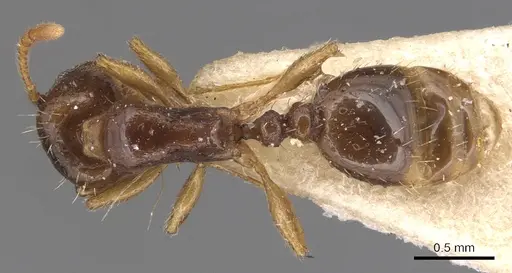
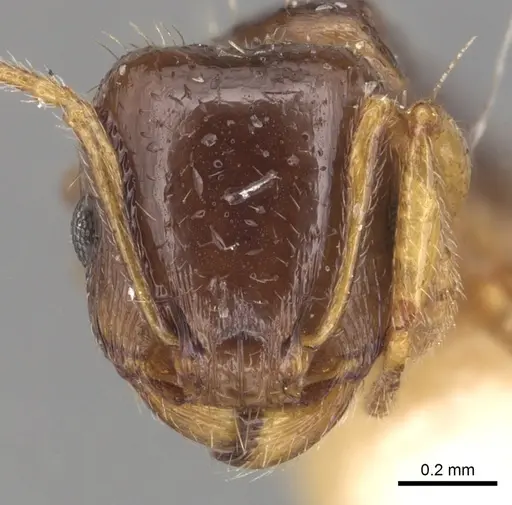
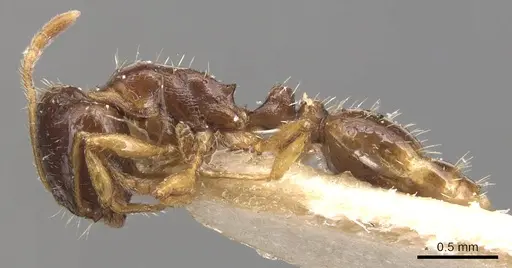
CASENT0917061
View on AntWeb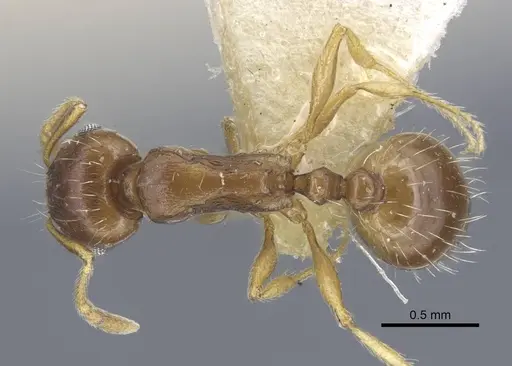
CASENT0917062
View on AntWeb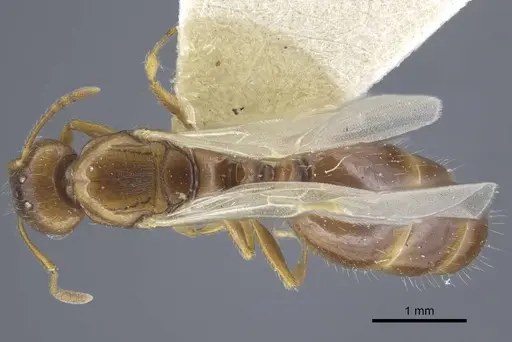
CASENT0917063
View on AntWeb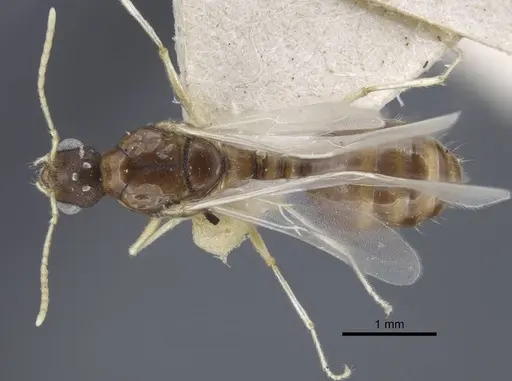
CASENT0917064
View on AntWeb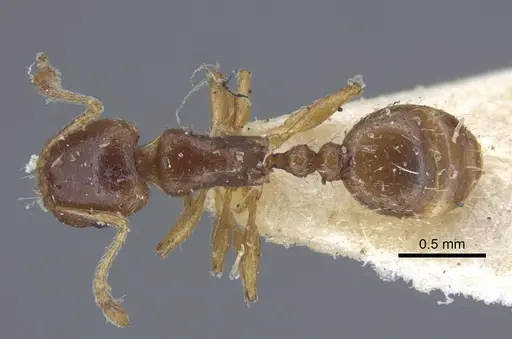
CASENT0917065
View on AntWeb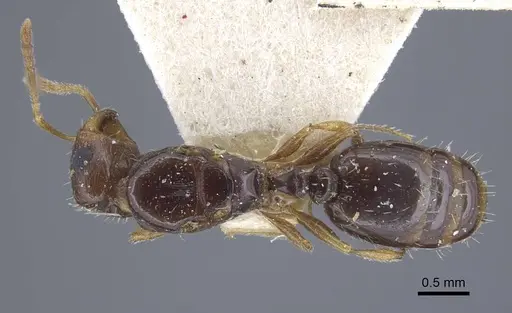
CASENT0917066
View on AntWeb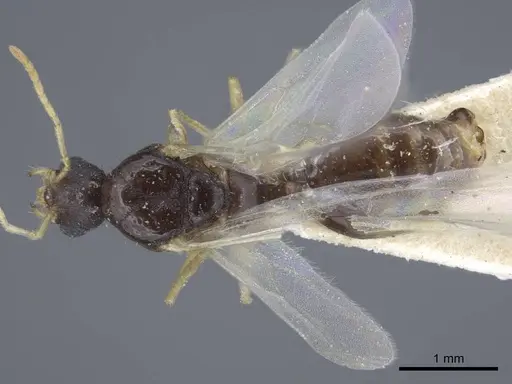
Literature
Loading distribution map...Loading products...