
Tetramorium anodontion
- Sci. Name
- Tetramorium anodontion
- Tribe
- Crematogastrini
- Subfamily
- Myrmicinae
- Author
- Bolton, 1979
- Distribution
- Found in 1 countries
Introduction
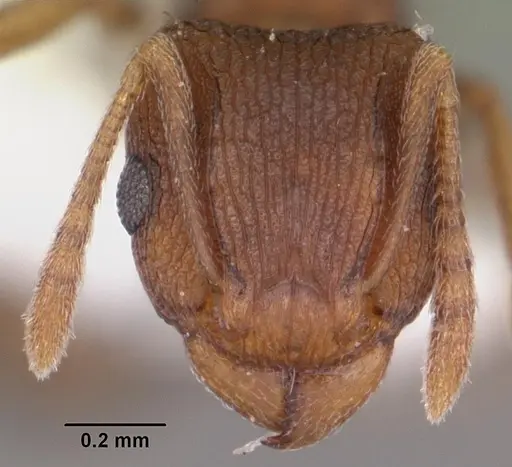
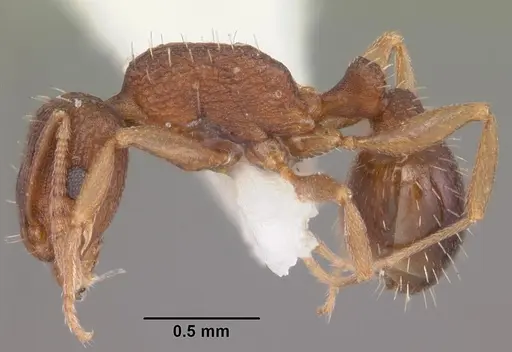
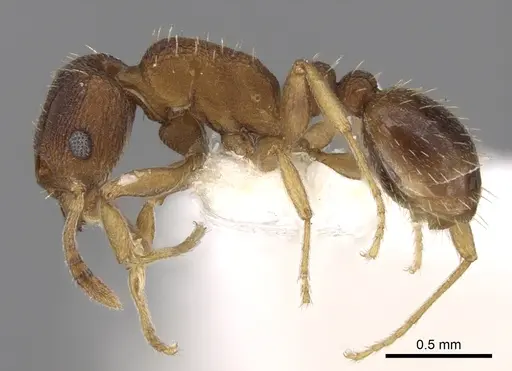
Tetramorium anodontion is a small, ground-dwelling ant from the Tetramorium simillimum species group, described by Bolton in 1979 from Madagascar . Workers are tiny, estimated at 2-3 mm based on related Tetramorium. They are endemic to the Malagasy Region, where they inhabit dry, dark microhabitats . As a member of the subfamily Myrmicinae and tribe Crematogastrini, their defense mechanism involves smearing venom using a modified spatulate stinger, rather than piercing.
Quick Summary
- Difficulty: Easy
- Origin & Habitat: Madagascar, dry forest habitats in the Malagasy Region. This species is terricolous (ground-nesting) and prefers dry, dark microhabitats [2].
- Colony Type: Based on typical Tetramorium patterns, likely monogyne (single queen). Colony structure is not directly confirmed for this species.
- Size & Growth:
- Queen: Estimated ~5-6 mm based on related Tetramorium species (inferred).
- Worker: Estimated ~2-3 mm based on Tetramorium genus (inferred).
- Colony: Likely up to several hundred workers (inferred from genus).
- Growth: Moderate (inferred).
- Development: Estimated 6-10 weeks at warm temperatures (inferred from related species). (Direct observations for this species are unavailable, timeline based on Tetramorium genus patterns.)
- Antkeeping:
- Temperature: 22-26°C (tropical room temperature). Avoid temperatures below 20°C or above 28°C. A slight warm gradient is beneficial [2].
- Humidity: Low to moderate. Keep the nest substrate on the dry side, allow it to dry out between waterings. Avoid high humidity over 60% to prevent mold. Provide a small water source (e.g., test tube reservoir) [2].
- Diapause: No diapause required. As a tropical species, maintain stable warm temperatures year-round.
- Nesting: Ground-nesting species that prefers dry nest conditions. Y-tong (AAC) or plaster nests with controlled humidity work well. Test tubes are suitable for founding colonies.
- Behavior: Workers are non-aggressive and pose no threat to humans. Their primary defense is venom smearing, not stinging. They are primarily nocturnal or crepuscular, foraging individually rather than in raiding parties. Due to their tiny size (2-3 mm), escape risk is high, use fine mesh barriers and check all connections regularly.
- Common Issues: tiny size means escapes are likely without fine mesh barriers., dry habitat preference means overwatering can cause mold problems in the nest., slow founding phase, unconfirmed founding type, if claustral, queens may take months to raise first workers., wild-caught colonies may have parasites that kill them in captivity., limited information means care is based on genus-level inference rather than species-specific studies.
Housing and Nest Setup
Use small-scale setups matched to the tiny size. Founding colonies do well in test tubes with a water reservoir, use a narrow tube so the queen can reach the meniscus. For established colonies, Y-tong (AAC) or plaster nests work well because they let you control humidity. Since this species prefers dry conditions, avoid setups that trap moisture. A thin layer of substrate (1-2 cm) is enough for naturalistic setups. The outworld should be a small foraging area with a barrier of fluon or fine mesh to prevent escapes. Check all tube connections and lids for tiny gaps, even a 1 mm gap is an escape route. [2]
Feeding and Diet
Like most Tetramorium, this species is likely a generalist omnivore. Offer small protein sources, fruit flies, tiny mealworms, or cricket pieces. Also provide sugar water, honey, or diluted maple syrup. In the wild, they probably scavenge for small insects and tend aphids for honeydew. Feed small amounts twice a week and remove uneaten food after 24 hours to prevent mold. Observe your colony's preferences, some may take more protein, others more sugar.
Temperature and Seasonal Care
Keep temperatures between 22-26 °C year-round. As a Madagascar species, they don't experience seasonal changes and don't need hibernation. Avoid direct sunlight or heating vents that could cause temperature spikes. A heating cable on one side of the nest can create a gradient, but keep the warm end below 28 °C. Room temperature (22-24 °C) is usually ideal. If workers seem sluggish, slightly raise the temperature. [2]
Colony Founding
Founding behavior is unconfirmed for this species. Based on typical Tetramorium patterns, queens may be claustral, they seal themselves in a small chamber and raise the first workers without foraging. If so, the queen relies on stored fat reserves, and the process from egg to nanitic workers may take 6-10 weeks at warm temperatures. Do not disturb the founding chamber or offer food until the first workers emerge. Once the first workers appear, they will begin foraging, and you can transition the colony to a larger setup if needed.
Behavior and Temperament
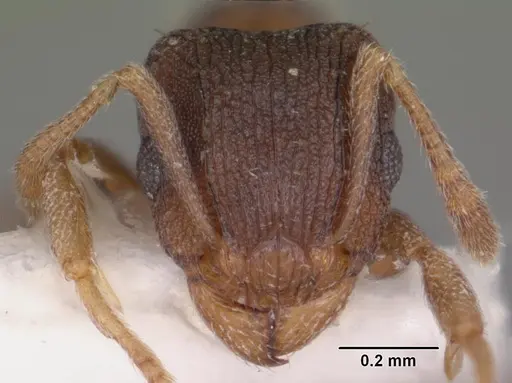
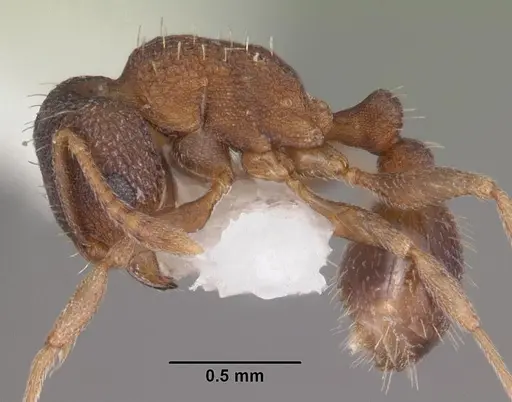
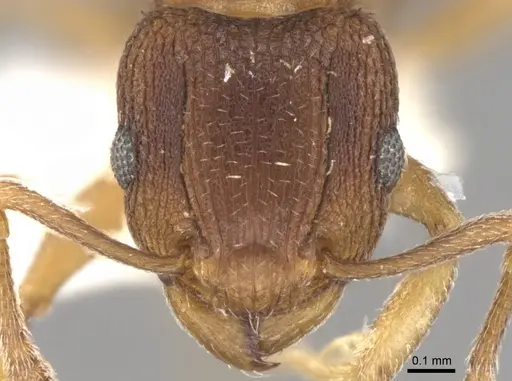
Tetramorium anodontion workers are small, dark ants with a compact Tetramorium body shape. They are not aggressive and pose no threat, their defense is venom smearing, not stinging. They are primarily nocturnal or crepuscular, more active in low light. They forage alone rather than in large raiding parties. Once established, the colony will form trails to food sources. Due to their tiny size, escape prevention is crucial, always use fine mesh and inspect all connections.
Frequently Asked Questions
How long does it take for Tetramorium anodontion to raise first workers?
An estimated 6-10 weeks from egg to first worker at 24-26 °C, based on related Tetramorium species. Species-specific data is unavailable. The first workers (nanitics) will be smaller than mature workers.
Can I keep Tetramorium anodontion in a test tube?
Yes, test tubes work well for founding colonies. Use a narrow tube so the queen can reach the water reservoir. Once the colony grows beyond about 20 workers, consider moving to a small formicarium like a Y-tong nest.
Do Tetramorium anodontion ants sting?
They have a modified stinger used for smearing venom rather than piercing. They are not aggressive, and due to their tiny size, any venom exposure would be negligible. They are harmless to handle.
What temperature do Tetramorium anodontion need?
Keep them at 22-26 °C. As a Madagascar species, they prefer tropical warmth, room temperature is usually ideal. Avoid temperatures below 20 °C or above 28 °C [2].
How big do Tetramorium anodontion colonies get?
Based on typical Tetramorium colony sizes, expect up to several hundred workers at maturity. This species is not among the largest Tetramorium, so colonies remain manageable.
Do Tetramorium anodontion need hibernation?
No. As a tropical species from Madagascar, they do not require hibernation. Keep them at warm temperatures year-round [2].
What do Tetramorium anodontion eat?
They are generalist omnivores. Offer small protein sources (fruit flies, small insects) and sugar sources (honey water, maple syrup). Remove uneaten food after 24 hours.
Are Tetramorium anodontion good for beginners?
They are considered easy due to their small size and simple needs. However, they are fast and tiny escape artists, so you must use fine mesh barriers. Also, limited species-specific data means care relies on genus-level inference.
Why are my Tetramorium anodontion escaping?
Their tiny size allows them to squeeze through very small gaps. Use fine mesh barriers, secure all tube connections, and check lids regularly. Apply fluon to the outworld rim to prevent climbing escapes.
Can I keep multiple queens together?
This species is likely monogyne (single queen) based on genus patterns. Combining unrelated queens is not recommended as they would probably fight. Keep only one queen per colony.
Report an Issue
The current care sheet is based fully on literature. See inconsistencies, or something that's incorrect? Please , it will be resolved after review from an admin. Contributing to the blogs tab also helps providing information, to make us be able to further improve the caresheets. Thank you for your support!
References

This caresheet is licensed under CC BY-SA 4.0 .
Community Blogs
CASENT0064613
View on AntWeb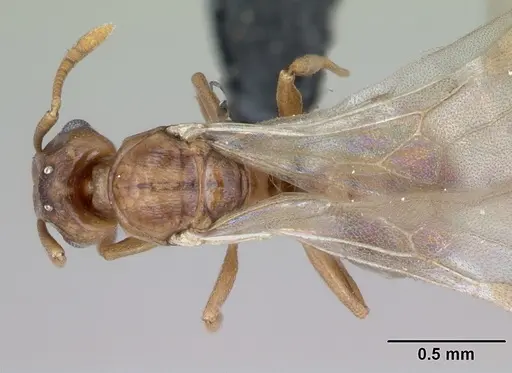
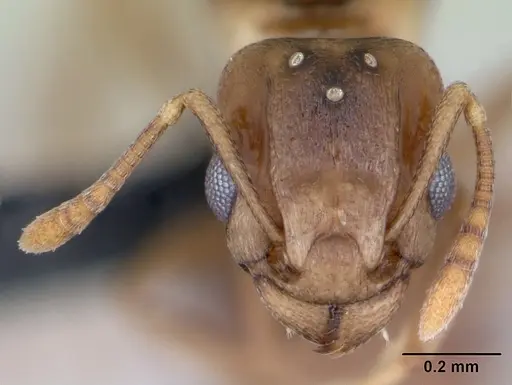
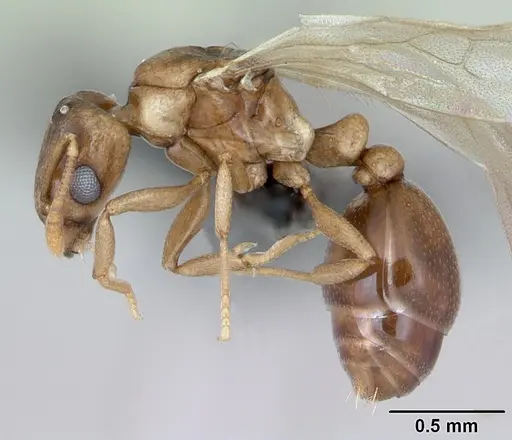
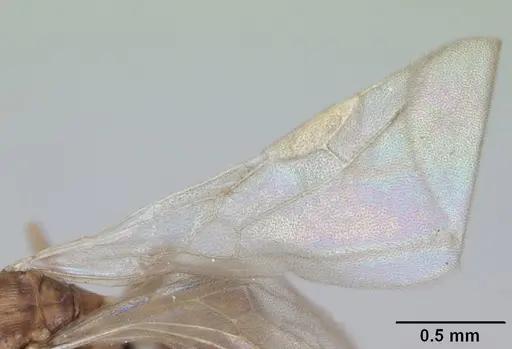
CASENT0102334
View on AntWeb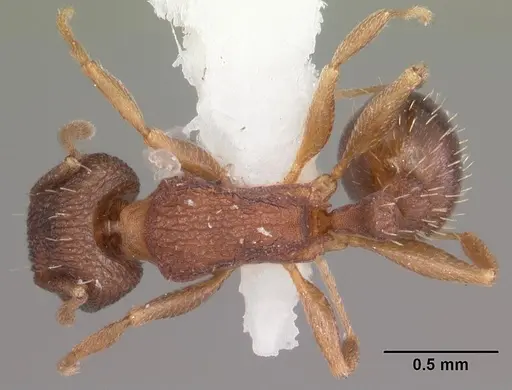
CASENT0102335
View on AntWeb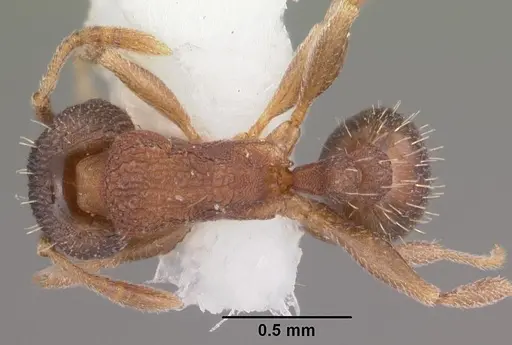
CASENT0906149
View on AntWeb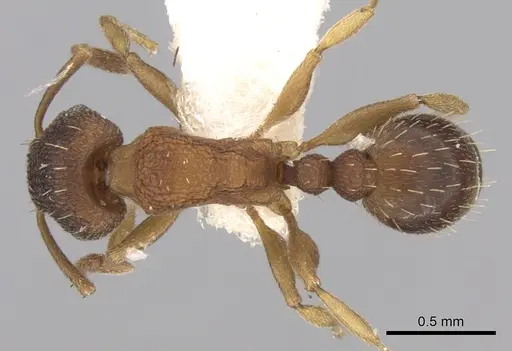
Literature
Loading distribution map...Loading products...