
Tetramorium anatolicum
- Sci. Name
- Tetramorium anatolicum
- Tribe
- Crematogastrini
- Subfamily
- Myrmicinae
- Author
- Csősz & Schulz, 2007
- Distribution
- Found in 2 countries
Introduction
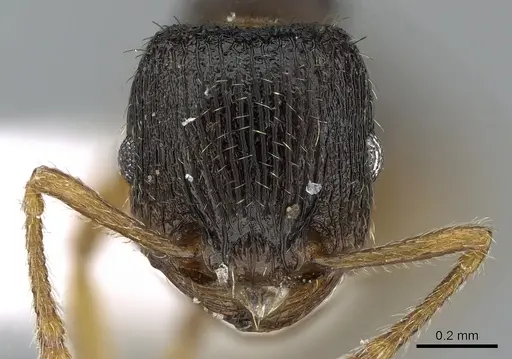
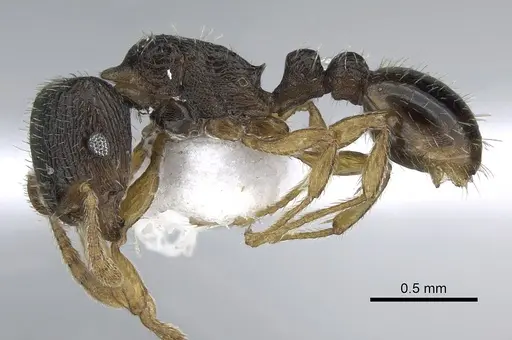
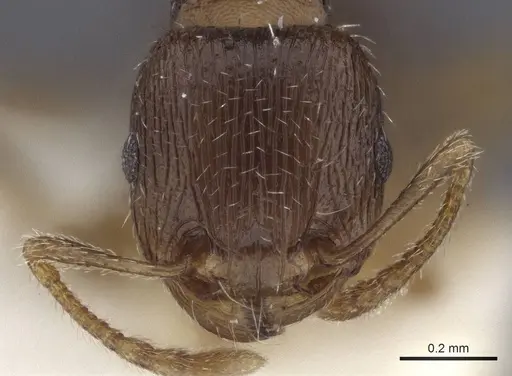
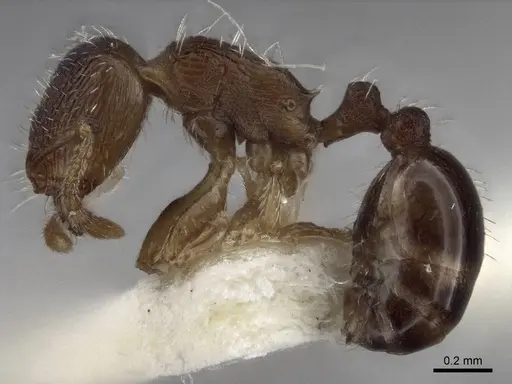
Tetramorium anatolicum is a tiny ant species belonging to the Tetramorium caespitum species group, specifically the Tetramorium chefketi species complex . Workers are light brown to brown and very small, while queens are dark brown to black and slightly larger . This species is endemic to Turkey, known only from the Anatolian region including areas around Erzurum, Van, and Antalya at elevations of 1400-1700 m . What makes Tetramorium anatolicum interesting is its extremely limited range - it's one of the few ant species found nowhere else on Earth. The species was formally described only in 2007,so very little is documented about its behaviour in the wild . Like other Tetramorium, they probably nest in soil or under stones in rocky terrain. Their tiny size and trapezoidal petiolar node (the segment between thorax and abdomen) help distinguish them from similar species .
Quick Summary
- Difficulty: Medium
- Origin & Habitat: Native to the Anatolian region of Turkey (Palaearctic). Found at elevations of 1400-1700 m in areas around Erzurum, Van, and Antalya [1][2]. They inhabit rocky, semi-arid terrain typical of the Turkish highlands.
- Colony Type: Based on typical Tetramorium patterns, likely single-queen colonies (monogyne). Colony size unknown, related Tetramorium species often reach a few hundred workers, but no species-specific data exist.
- Size & Growth:
- Queen: Body size data unavailable, only head length known (~1 mm) [1]
- Worker: Body size data unavailable, only head length known (~0.7 mm) [1]
- Colony: Unknown, no species-specific data available
- Growth: Moderate, estimated based on genus patterns
- Development: Estimated 6-8 weeks at optimal temperature based on typical Tetramorium development (Direct development data unavailable, estimate based on genus-level patterns for small Myrmicinae)
- Antkeeping:
- Temperature: Keep at 20-24 °C (room temperature). This is an estimate based on typical temperate Tetramorium preferences. No species-specific data available, observe your colony and adjust if needed.
- Humidity: Moderate humidity, no specific data for this species. Provide a nest substrate that is slightly moist but not waterlogged. Monitor condensation and adjust to avoid dryness or flooding.
- Diapause: Likely yes, this species originates from temperate Turkey with cold winters. Expect reduced activity in winter. A 2-3 month period at 10-15 °C is recommended based on similar temperate Tetramorium.
- Nesting: Y-tong (AAC) or plaster nests with tight, small chambers work well for their tiny size. Naturalistic setups with sand/soil mixtures also work. Ensure all ventilation is covered with fine mesh (0.5 mm or smaller) to prevent escape.
- Behavior: Workers are tiny and very active. They forage for small prey and honeydew. Like most Tetramorium, they are not aggressive but will defend their nest if disturbed. Their small size makes them excellent escape artists, fine mesh barriers are essential. They are ground-nesting and likely prefer to forage on the substrate surface.
- Common Issues: escape prevention is critical due to their very small size, they can squeeze through standard mesh, use 0.5 mm or finer., obtaining colonies is difficult because this species has a very limited natural range and is rarely available from suppliers., biology is mostly unconfirmed, most care advice is inferred from related species, not from species-specific research., slow colony growth can frustrate beginners expecting rapid development., test tube setups require careful water management to avoid flooding tiny chambers.
Housing and Nest Setup
Because of their tiny size, Tetramorium anatolicum requires careful housing. Y-tong (AAC) nests with narrow chambers match their small body size well. Plaster nests also work, but ensure the chambers are tight, avoid large open spaces. Test tube setups can work for founding colonies, but monitor water levels closely, even small amounts of flooding can be deadly for these tiny ants. If using a formicarium, choose one with chambers no more than 3-4 mm tall. Escape prevention is critical, these ants can squeeze through gaps that seem impossible. Use fine mesh (0.5 mm or smaller) on all ventilation holes and ensure lid seals are tight. A foraging area of about 10 × 10 cm is sufficient for a developing colony.
Feeding and Diet
Like other Tetramorium, Tetramorium anatolicum likely accepts a varied diet. Offer small protein sources like fruit flies, pinhead crickets, or tiny mealworms. Due to their small size, prey items should be appropriately sized, anything larger than their head is difficult for them to handle. They will likely accept sugar water or honey as an energy source. In the wild, they probably forage for honeydew from aphids and small insects. Feed small amounts every 2-3 days and remove uneaten prey within 24 hours to prevent mold. A constant supply of sugar water is recommended once workers are active.
Temperature and Seasonal Care
This species does well at standard room temperature (20-24 °C). Since they come from temperate Turkey, they can tolerate some temperature variation. During summer months, room temperature is typically ideal. In winter, expect reduced activity, this species likely enters a dormant period. A cooling period at 10-15 °C for 2-3 months during winter mimics their natural seasonal cycle and may help trigger reproduction the following season. Avoid temperatures above 28 °C for extended periods. A heating cable on one side of the nest can create a temperature gradient if your room runs cool.
Colony Development
Queen founding behavior is unconfirmed for this specific species. Based on typical Tetramorium patterns, the queen likely seals herself in a small chamber and raises the first brood alone without foraging, but this has not been documented. First workers (nanitics) will be very small, expect tiny workers emerging after an estimated 6-8 weeks at optimal temperature. Colony growth is typically slow for the first few months, then accelerates once the first workers begin foraging. A healthy established colony might reach a few hundred workers over 1-2 years, but this is only an estimate. Be patient, these tiny ants take time to build numbers. Avoid disturbing the founding chamber during the initial weeks as this can stress the queen.
Handling and Observation
These ants are not aggressive and rarely bite. Their small size makes them challenging to observe in detail without magnification. When cleaning or moving the colony, use gentle puffing with a soft brush rather than direct handling. They are fast-moving and can be difficult to contain if they escape. Work near a white background so you can spot any escapees easily. Regular observation helps you learn their activity patterns and spot any problems early.
Frequently Asked Questions
How long does it take for Tetramorium anatolicum to produce first workers?
Expect first workers (nanitics) to emerge after 6-8 weeks at optimal temperature (around 22-24 °C). This is an estimate based on typical Tetramorium development, specific timing for this species has not been documented.
Can I keep Tetramorium anatolicum in a test tube?
Yes, test tubes work well for founding colonies. Use a small test tube with a cotton ball creating a water reservoir. The chamber should be tight, these tiny ants feel more secure in snug spaces. Monitor for flooding and mold.
Do Tetramorium anatolicum ants sting?
These ants belong to the subfamily Myrmicinae and tribe Crematogastrini, which have a modified stinger used to smear venom rather than pierce. Their small size means any sting would be negligible. They will flee rather than fight if disturbed.
What do Tetramorium anatolicum eat?
They likely accept small insects (fruit flies, pinhead crickets, tiny mealworms) and sugar sources (honey water, sugar water). Size prey appropriately, it should be no larger than the ant's head.
Are Tetramorium anatolicum good for beginners?
They are medium difficulty. Their tiny size makes escape prevention challenging, and their slow growth requires patience. However, they are not aggressive and tolerate typical room conditions once established.
Do Tetramorium anatolicum need hibernation?
Likely yes, this species comes from temperate Turkey with cold winters. A 2-3 month period at 10-15 °C during winter is recommended to mimic their natural cycle.
How big do Tetramorium anatolicum colonies get?
Colony size is unknown, no species-specific data exists. Based on related Tetramorium species, it might reach a few hundred workers, but this is only an estimate. Growth is slow initially but accelerates after the first workers emerge.
Why are my Tetramorium anatolicum escaping?
Their tiny size makes them excellent escape artists. Use fine mesh (0.5 mm or smaller) on all openings. Check lid seals carefully. Even tiny gaps that seem insignificant can allow escape.
When should I move my colony to a formicarium?
Wait until the colony has at least 50-100 workers and the test tube is becoming crowded. For these tiny ants, a Y-tong nest with small chambers is often the best transition option.
Can I keep multiple Tetramorium anatolicum queens together?
This has not been documented for this species. Based on typical Tetramorium behavior, single-queen colonies are most common. Combining unrelated queens is not recommended.
Report an Issue
The current care sheet is based fully on literature. See inconsistencies, or something that's incorrect? Please , it will be resolved after review from an admin. Contributing to the blogs tab also helps providing information, to make us be able to further improve the caresheets. Thank you for your support!
References

This caresheet is licensed under CC BY-SA 4.0 .
Community Blogs
CASENT0281566
View on AntWeb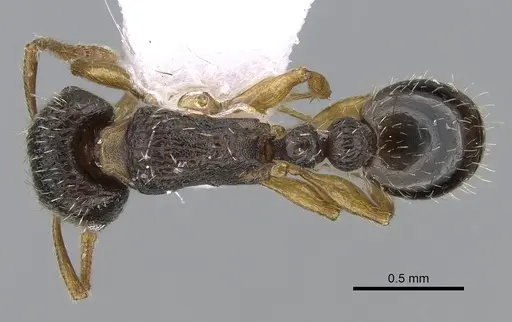
CASENT0916602
View on AntWeb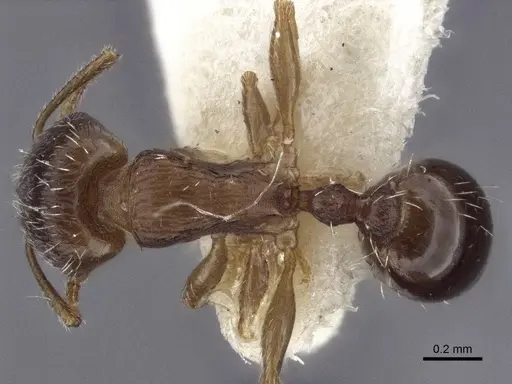
Literature
Loading distribution map...Loading products...