
Tetramorium altivagans
- Sci. Name
- Tetramorium altivagans
- Tribe
- Crematogastrini
- Subfamily
- Myrmicinae
- Author
- Santschi, 1914
- Distribution
- Found in 5 countries
Introduction
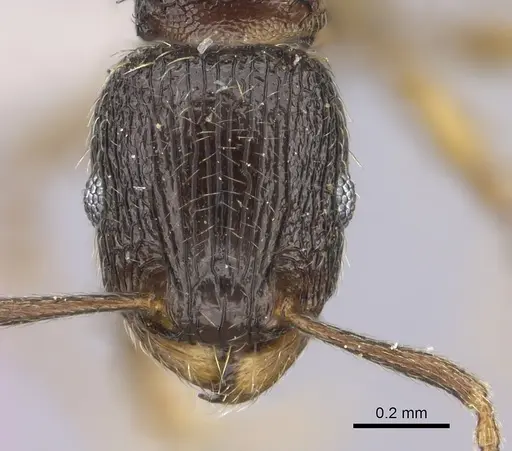
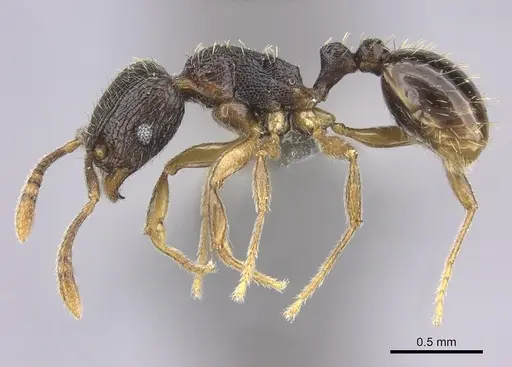
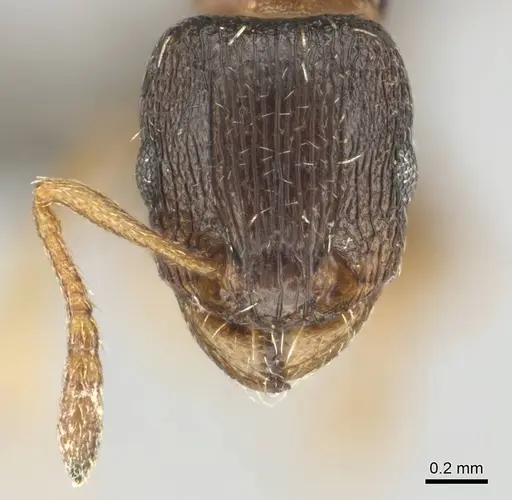
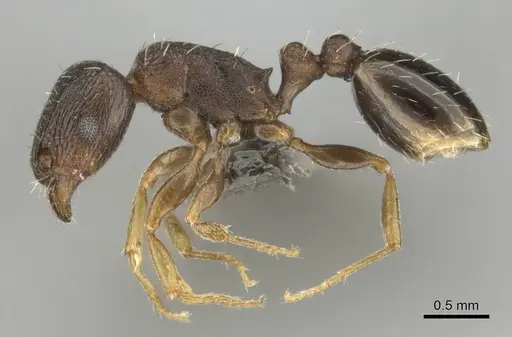
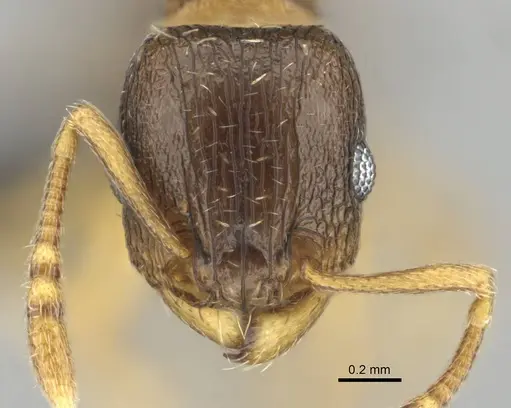
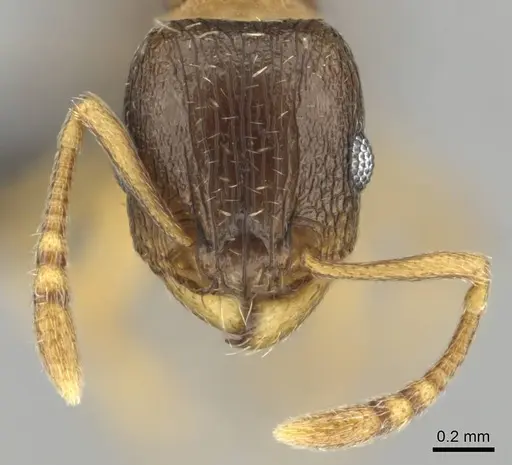
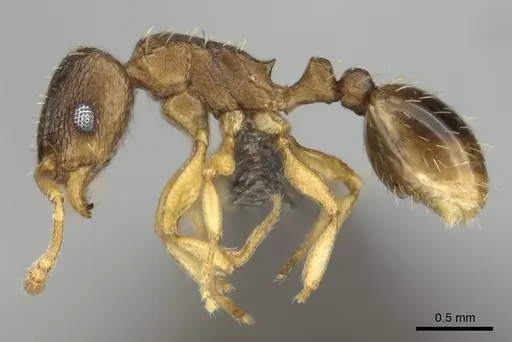
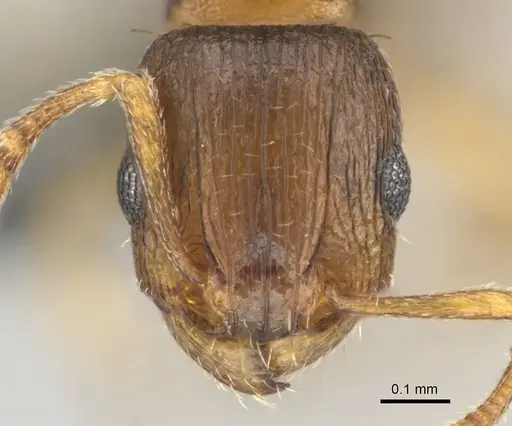
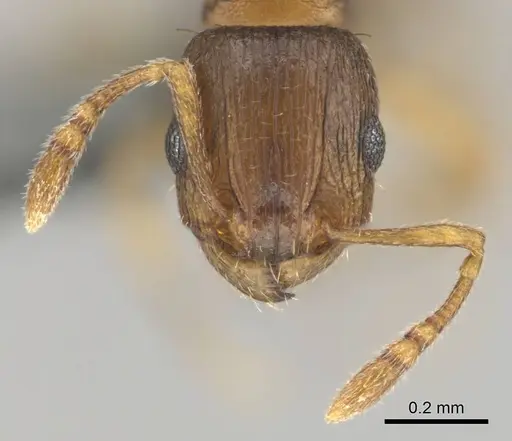
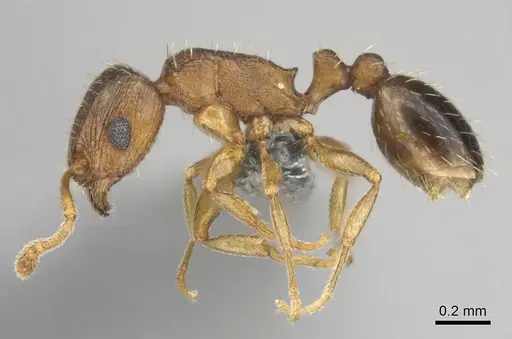
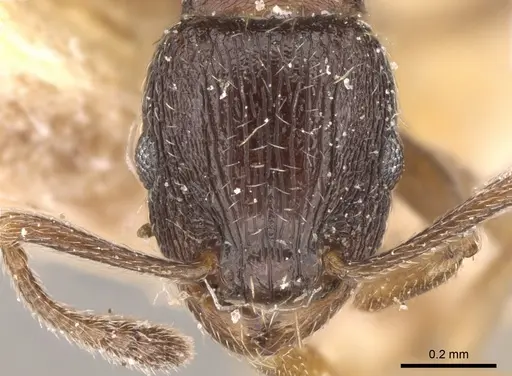
Tetramorium altivagans is a small ant species recently documented in Rwanda's Akagera National Park . Workers are typical of the genus - small, measuring around 3-5mm, with 12-segmented antennae and a two-segmented petiole (the narrow waist between thorax and abdomen) that defines Tetramorium. They have a dark reddish-brown to black coloration and coarse body sculpturing. Queens are larger, likely in the 7-9mm range based on typical Tetramorium proportions, with the robust build needed for claustral founding. This species was discovered in eastern Rwanda's savanna ecosystem, indicating it prefers warm, relatively dry tropical conditions.
Quick Summary
- Difficulty: Medium
- Origin & Habitat: Akagera National Park, eastern Rwanda, tropical savanna grassland ecosystem [1]. The region features warm temperatures year-round with distinct wet and dry seasons.
- Colony Type: Colony structure is unconfirmed for this species. Many Tetramorium species form multi-queen colonies, though some are single-queen. More research needed to confirm the colony type for T. altivagans specifically.
- Size & Growth:
- Queen: Estimated 7-9mm based on typical Tetramorium morphology
- Worker: Estimated 3-5mm based on genus patterns
- Colony: Unknown for this species, typical Tetramorium colonies range from hundreds to a few thousand workers
- Growth: Moderate, based on typical genus development patterns
- Development: Estimated 6-8 weeks at tropical temperatures (24-28°C) based on related Tetramorium species (Development time is estimated from genus-level data, species-specific timing unconfirmed)
- Antkeeping:
- Temperature: Keep at 24-28°C, this matches their tropical origin in Rwanda. A slight gradient allowing cooler areas around 22°C is beneficial.
- Humidity: Moderate humidity around 50-60%, typical for savanna species. Allow the nest substrate to dry partially between waterings.
- Diapause: Unlikely, as a tropical species from Rwanda, they probably do not require a true diapause. They may show reduced activity during cooler periods.
- Nesting: Tetramorium typically nest in soil or under stones in nature. In captivity, a Y-tong (AAC) nest, plaster nest, or naturalistic setup with soil substrate works well. They prefer compact chambers over large open spaces.
- Behavior: Tetramorium altivagans will likely show typical Tetramorium behavior, active foragers that search for food methodically. They are generalist omnivores, accepting both protein sources and sugar. Workers are moderately aggressive when defending the colony but not particularly large or dangerous. Their small size means escape prevention is important, they can squeeze through small gaps. They likely maintain multiple queens in established colonies based on typical genus patterns. Their primary defense is chemical, they have a modified spatulate stinger used to wipe or smear venom onto enemies rather than piercing flesh.
- Common Issues: escape prevention is critical due to their small size, use fine mesh and tight-fitting lids, tropical species may struggle in cool rooms without supplemental heating, limited species-specific data means care is based on genus patterns, monitor colony response and adjust, overheating is a risk, avoid temperatures above 30°C, colonies may be slow to establish compared to more common species
Temperature and Heating
As a tropical species from Rwanda's Akagera National Park [1], Tetramorium altivagans requires warm conditions to thrive. Maintain nest temperatures between 24-28°C. You can achieve this using a heating cable or heating mat placed on one side of the nest to create a temperature gradient. Room temperature may be sufficient if your home stays in the low-to-mid 20s°C range. Avoid temperatures below 20°C for extended periods, as this can slow brood development and reduce colony activity. Also avoid temperatures above 30°C, which can stress or kill the colony. A thermometer connected to a thermostat helps maintain stable conditions.
Feeding and Diet
Tetramorium species are generalist omnivores, accepting a wide variety of foods. Offer protein sources such as small insects (fruit flies, small mealworms, crickets), and provide sugar sources like honey water or sugar water regularly. In the wild, they forage for dead insects, honeydew from aphids, and nectar. Feed small prey items that workers can handle, typically no larger than their own body size. Remove uneaten prey after 24-48 hours to prevent mold. A constant sugar source should be available, refreshed every few days.
Nesting and Housing
In nature, Tetramorium species typically nest in soil, under stones, or in rotting wood. For captivity, several options work well. A Y-tong (AAC) nest provides excellent visibility and easy humidity control. Plaster nests also work well, maintaining stable humidity. Naturalistic setups with a soil substrate allow for natural digging behavior. Regardless of nest type, ensure adequate humidity control, the substrate should be moist but not waterlogged. Provide a water tube or moisture source for drinking water.
Colony Establishment
Founding queens of Tetramorium altivagans are likely claustral, meaning the queen seals herself in a chamber and raises her first workers entirely on stored fat reserves without foraging. Provide a founding chamber (test tube setup works well) with moist but not wet substrate. Place the setup in a warm, dark location and wait. The queen will lay eggs and raise the first brood alone. Do not disturb or feed during this founding phase. After the first workers (nanitics) emerge, you can begin offering tiny food items, but the colony will remain small for several months as it builds momentum.
Escape Prevention
Due to their small worker size (estimated 3-5mm), excellent escape prevention is essential. Use test tubes with tight-fitting cotton plugs, or transfer to formicariums with secure lids. If using mesh barriers, ensure the mesh is fine enough that workers cannot squeeze through, standard mesh may be too coarse. Apply fluon (ant barrier) to the edges of any opening. Check for tiny gaps around water tubes and feeding areas. Small ant species are expert escape artists, and regular checks for escapees are necessary.
Frequently Asked Questions
How long does it take for Tetramorium altivagans to raise first workers?
Based on typical Tetramorium development, expect 6-8 weeks from egg to first worker at optimal temperatures (24-28°C). This is an estimate from genus-level data, as species-specific development timing has not been documented.
Do Tetramorium altivagans ants sting?
Tetramorium altivagans does not sting in the typical sense. Instead, it uses a modified spatulate stinger to wipe or smear venom onto enemies. This defense is more chemical than mechanical. The venom is mild and not considered dangerous to humans. They may also bite if handled roughly.
What temperature do Tetramorium altivagans need?
Keep them warm at 24-28°C. This tropical species from Rwanda [1] requires temperatures in this range for optimal health and brood development. Avoid temperatures below 20°C or above 30°C.
Can I keep multiple queens together?
Colony structure for this specific species is unconfirmed. Many Tetramorium species are polygynous (multi-queen), but combining unrelated foundress queens is risky and not recommended without species-specific data. Wait until you have established colonies before attempting any multi-queen setups.
How big do Tetramorium altivagans colonies get?
Colony size for this specific species is unknown. Based on typical Tetramorium patterns, colonies likely reach several hundred to a few thousand workers over several years. Growth is moderate, expect the colony to remain small (under 50 workers) for the first year.
Do they need hibernation?
As a tropical species from Rwanda, they likely do not require a true diapause or hibernation. They may show reduced activity during cooler periods, but a full hibernation setup is not necessary. Simply maintain normal warm temperatures year-round.
What do Tetramorium altivagans eat?
They are generalist omnivores. Offer small insects (fruit flies, small mealworms) for protein, and sugar sources (honey water, sugar water) regularly. Remove uneaten food after 24-48 hours to prevent mold.
Are Tetramorium altivagans good for beginners?
This species is rated as Medium difficulty. While Tetramorium are generally hardy, limited species-specific data means you may need to adjust care based on colony behavior. Their small size requires attention to escape prevention. They are not the easiest species for complete beginners but are manageable with basic antkeeping experience.
When should I move them to a formicarium?
Wait until the colony has 50-100 workers before moving to a larger formicarium. Test tubes work well for founding colonies and early growth. Moving too early can stress the colony. Ensure the new enclosure provides appropriate humidity and chamber sizes.
Why is my colony growing slowly?
Slow growth is normal for Tetramorium, colonies take time to establish. Check that temperatures are in the optimal 24-28°C range, provide adequate protein, and ensure the queen is healthy and laying eggs. If workers appear sluggish, the temperature may be too low. Also verify the nest is not too wet or too dry.
Report an Issue
The current care sheet is based fully on literature. See inconsistencies, or something that's incorrect? Please , it will be resolved after review from an admin. Contributing to the blogs tab also helps providing information, to make us be able to further improve the caresheets. Thank you for your support!
References

This caresheet is licensed under CC BY-SA 4.0 .
Community Blogs
CASENT0235785
View on AntWeb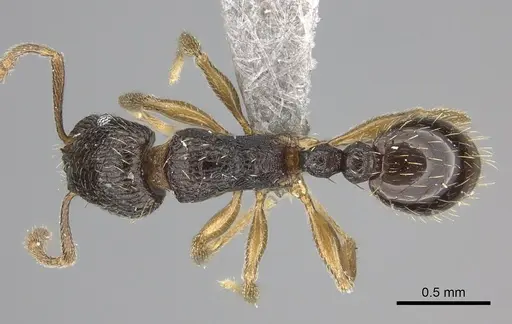
CASENT0249018
View on AntWeb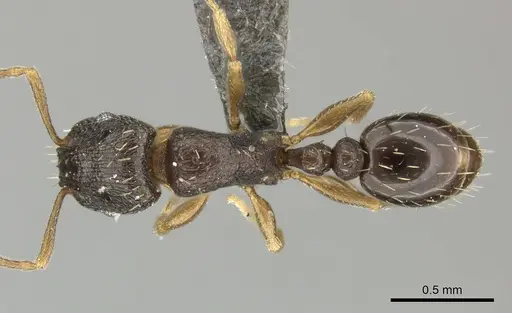
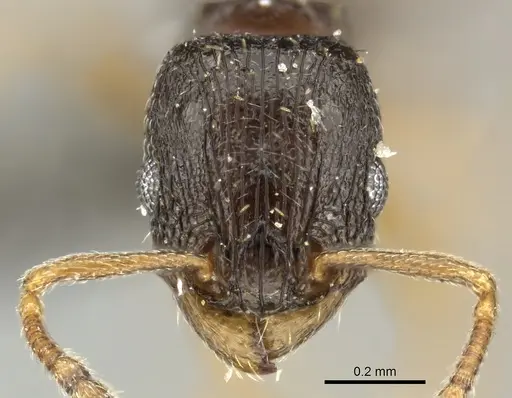
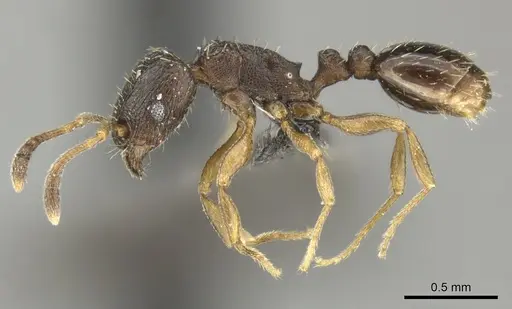
CASENT0252972
View on AntWeb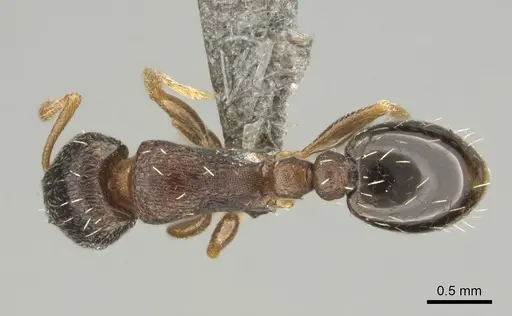
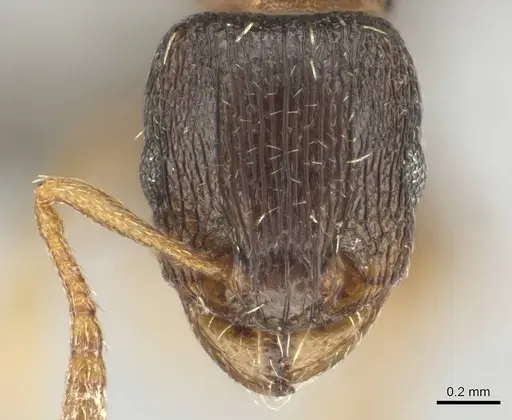
CASENT0252974
View on AntWeb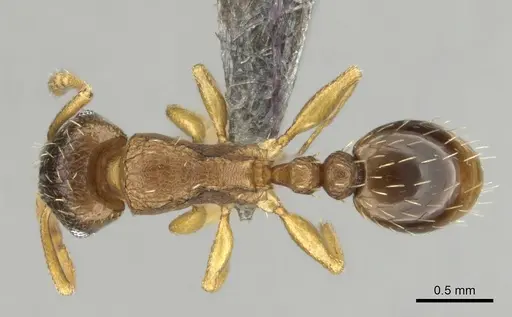
CASENT0812360
View on AntWeb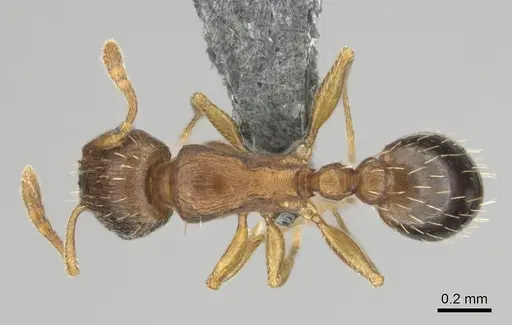
CASENT0906132
View on AntWeb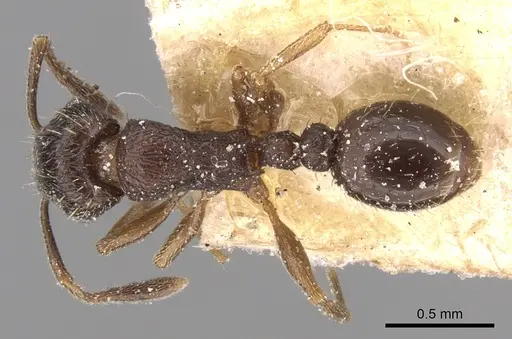
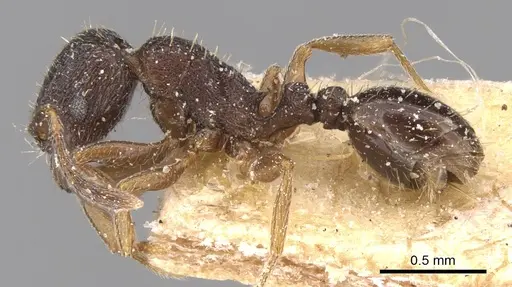
CASENT0913986
View on AntWeb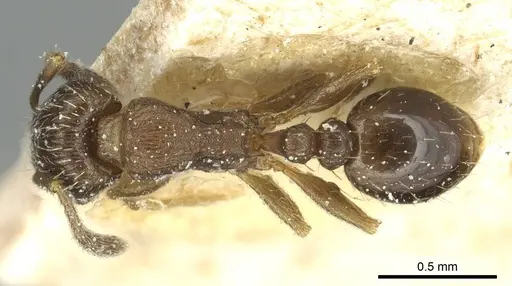
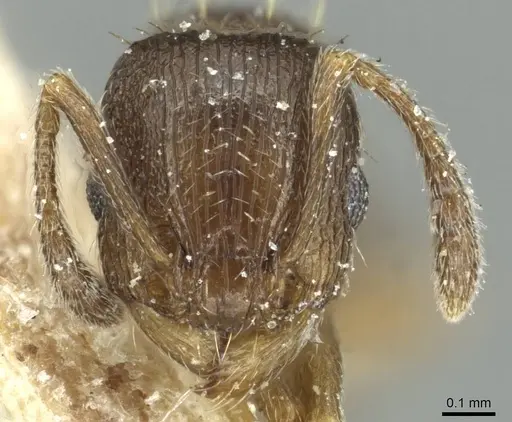
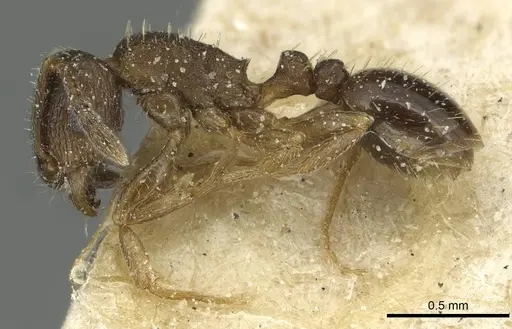
Literature
Loading distribution map...Loading products...