
Tetramorium aculeatum
- Sci. Name
- Tetramorium aculeatum
- Tribe
- Crematogastrini
- Subfamily
- Myrmicinae
- Author
- Mayr, 1866
- Distribution
- Found in 15 countries
Introduction
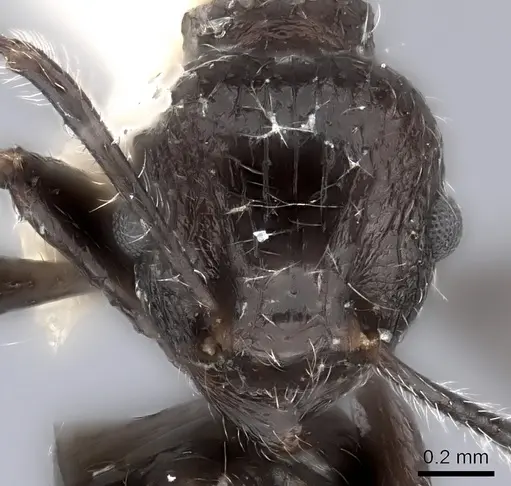
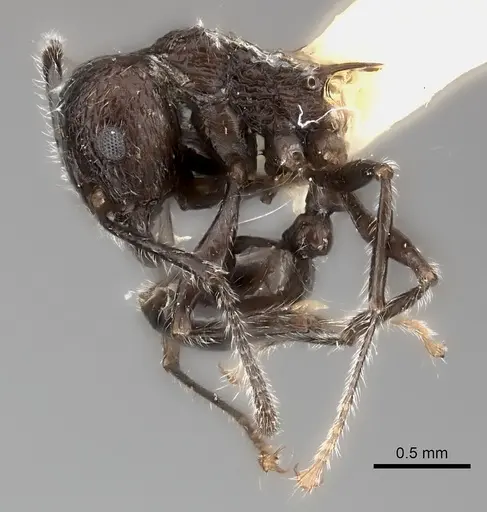
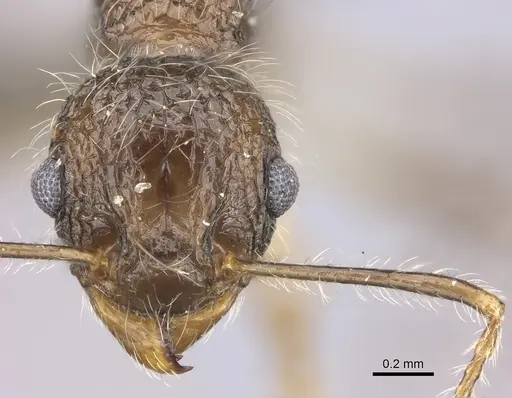
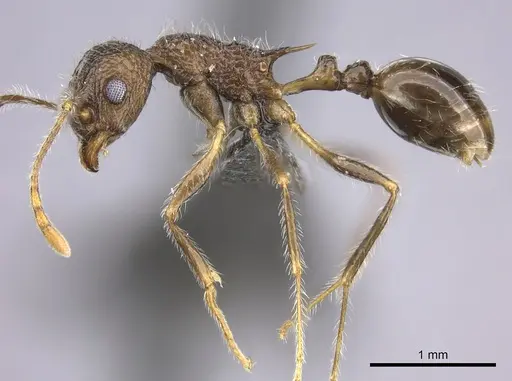
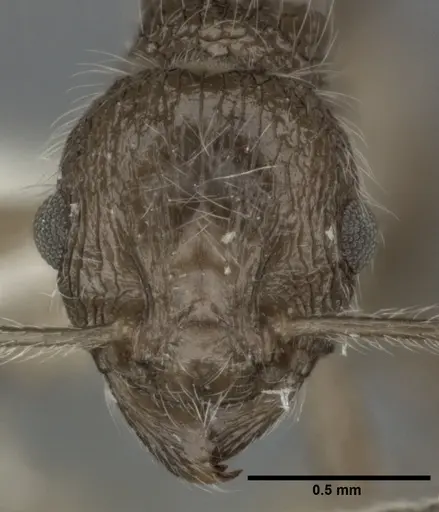
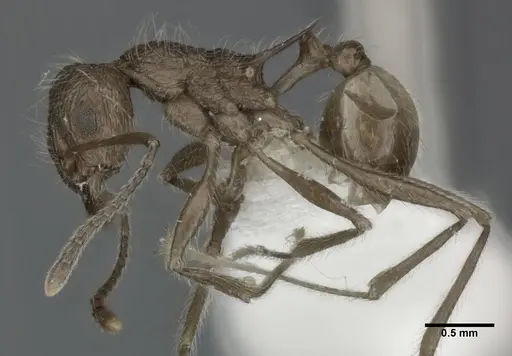
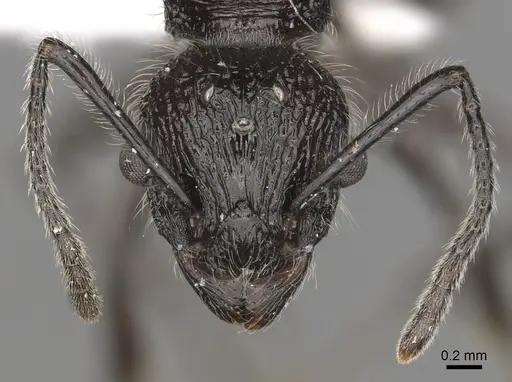
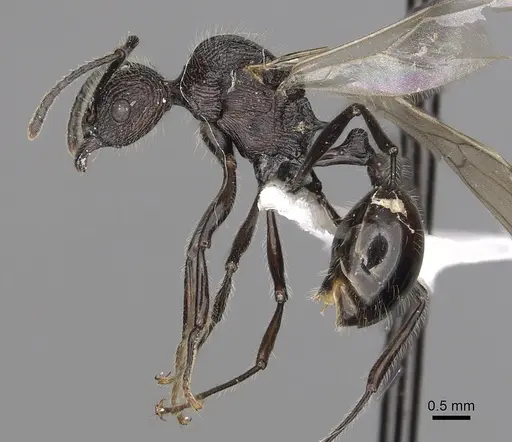
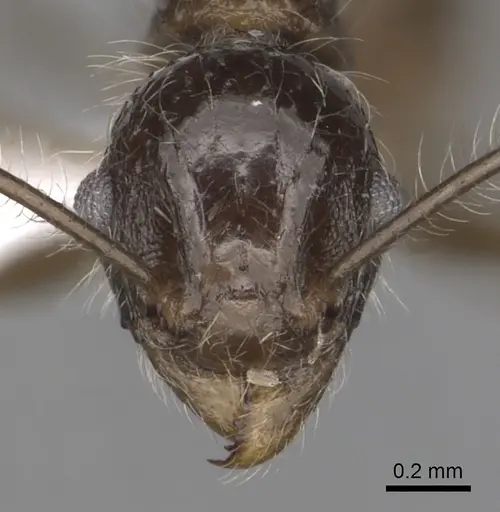
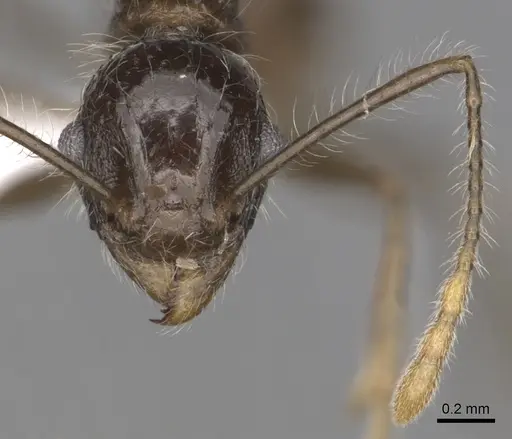
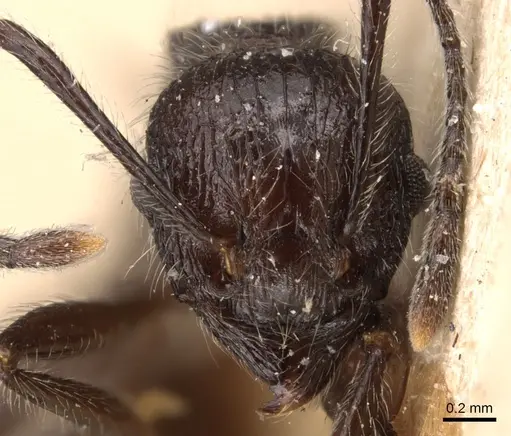
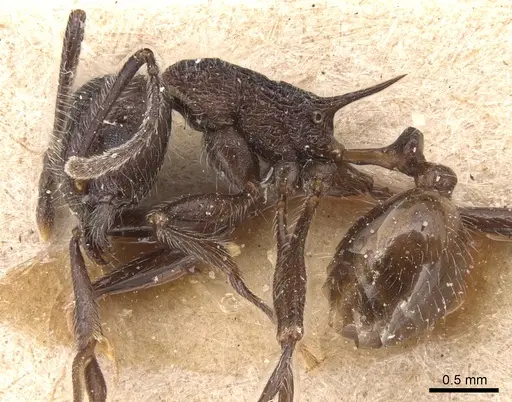
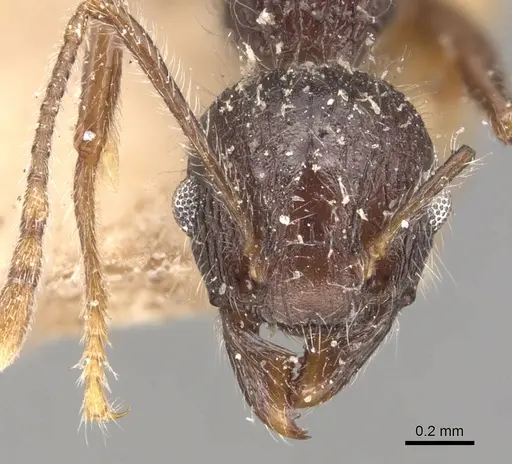
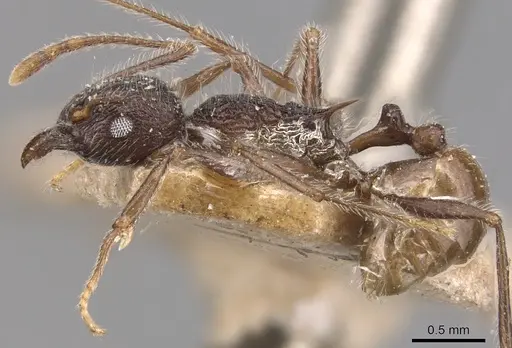
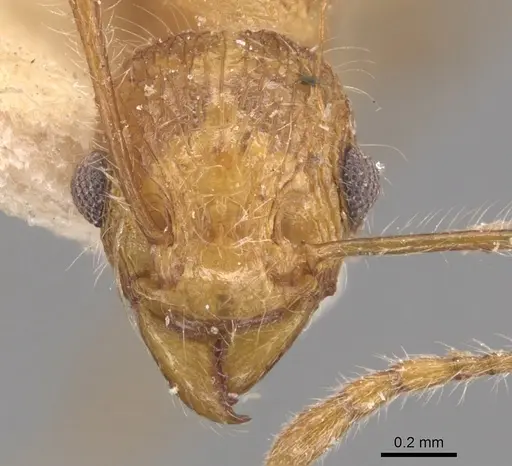
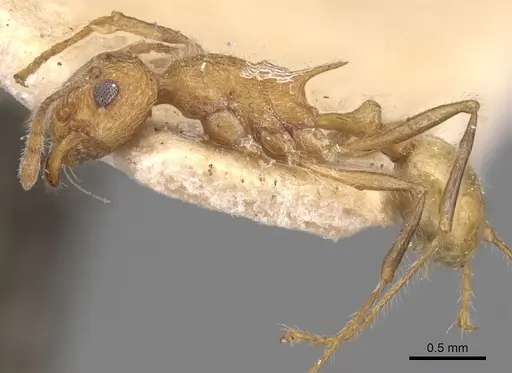
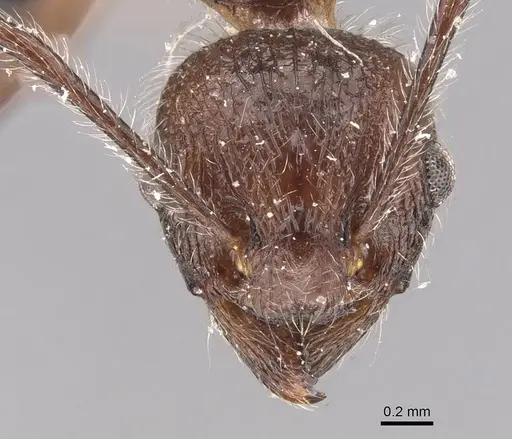
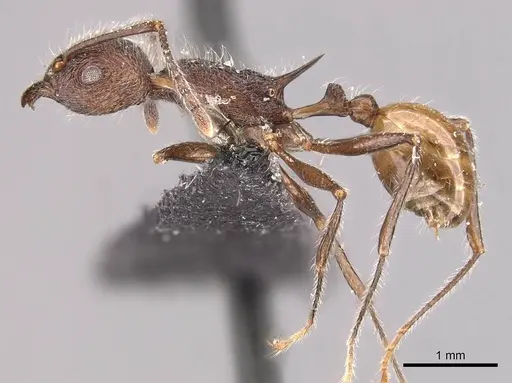
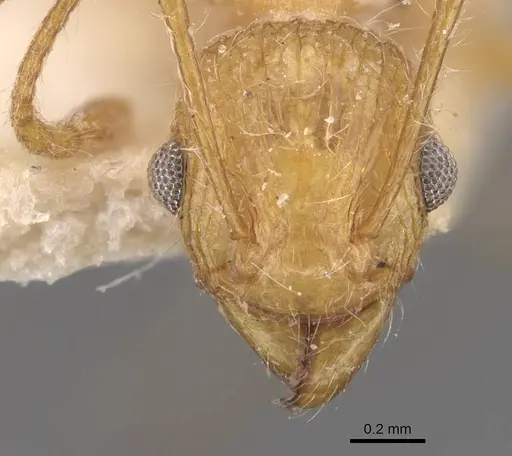
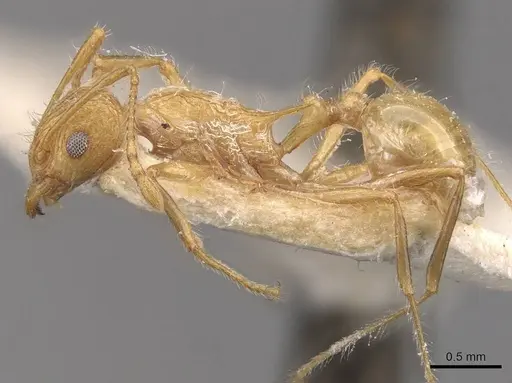
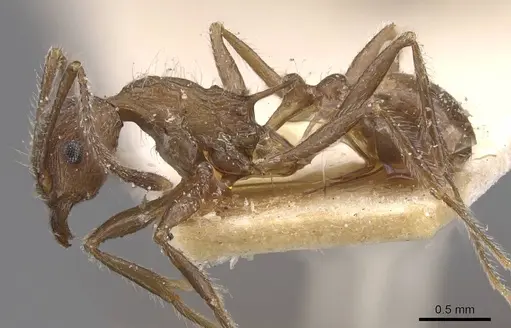
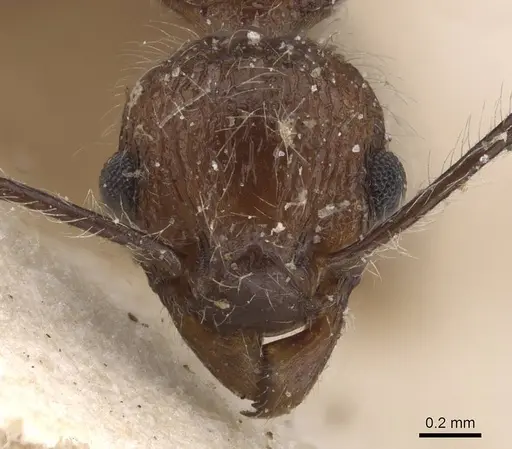
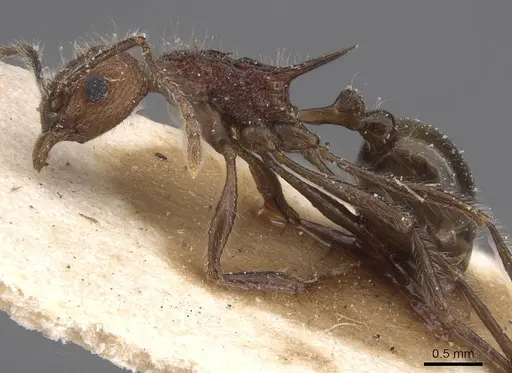
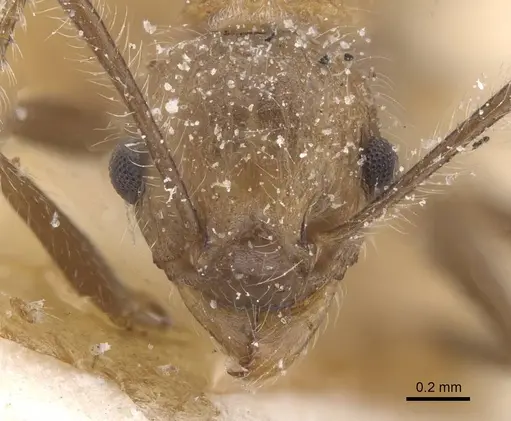
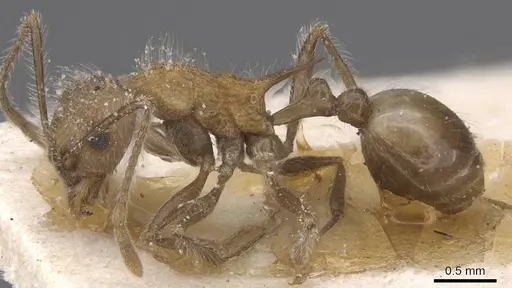
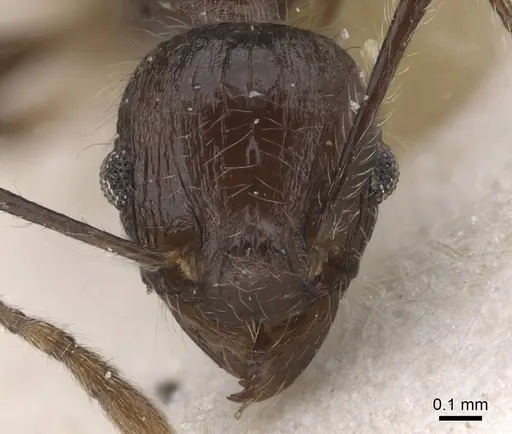
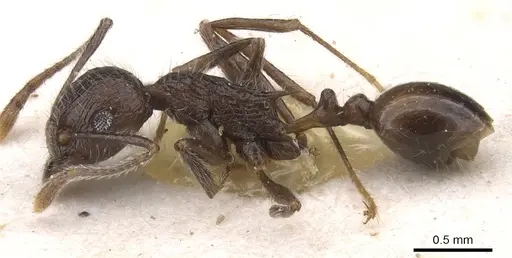
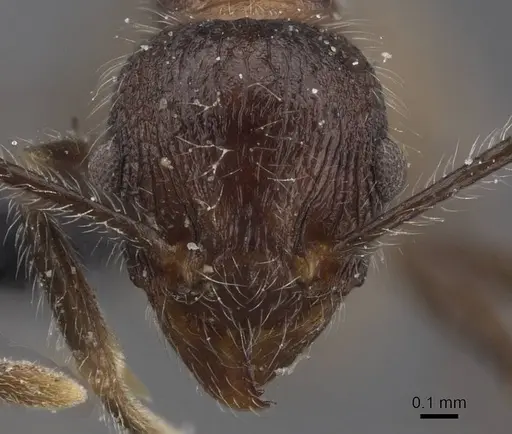
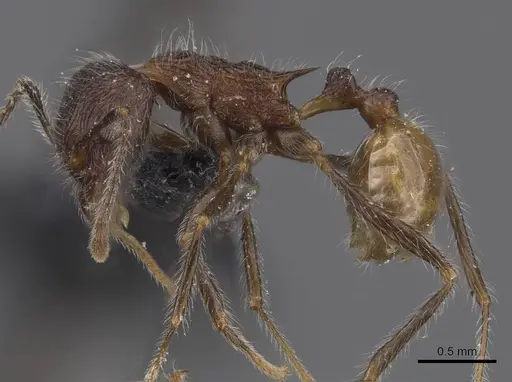
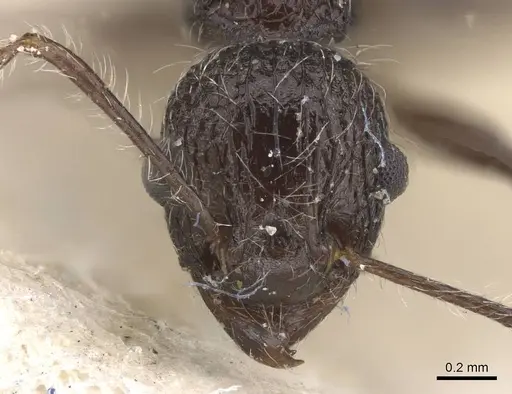
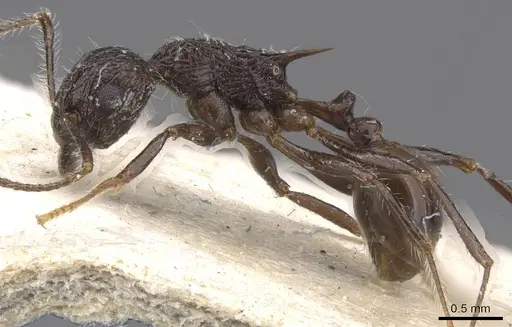
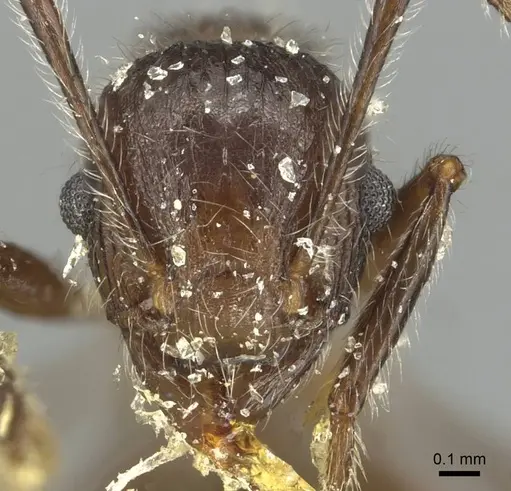
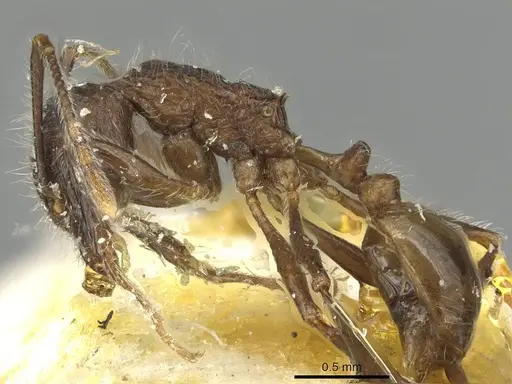
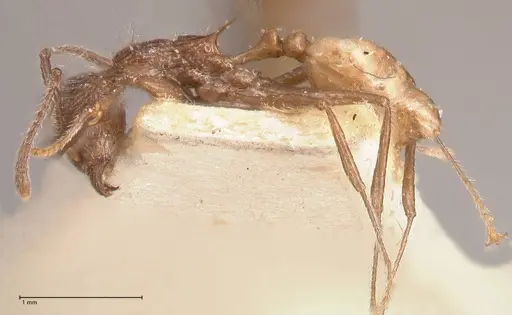
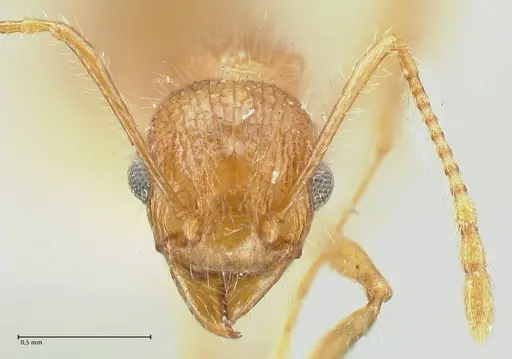
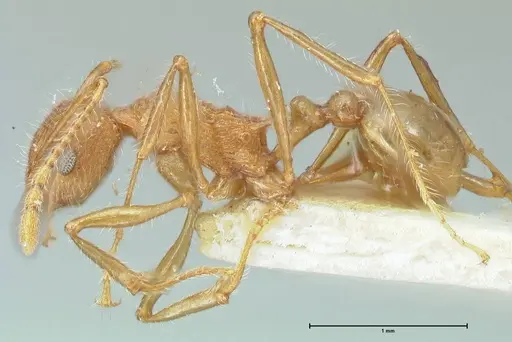
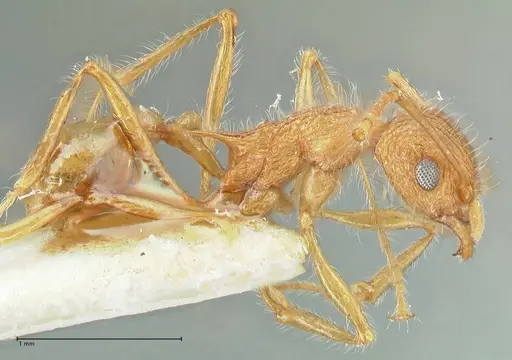
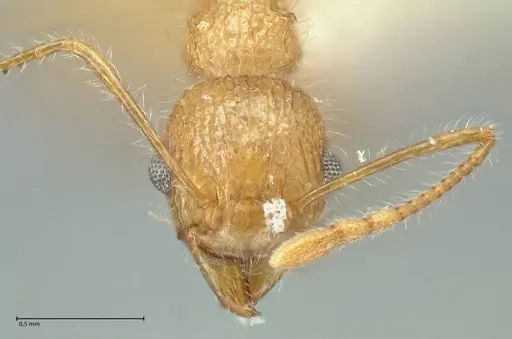
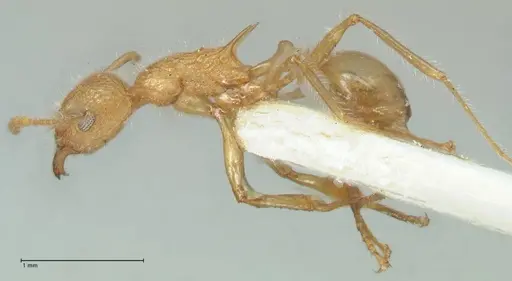
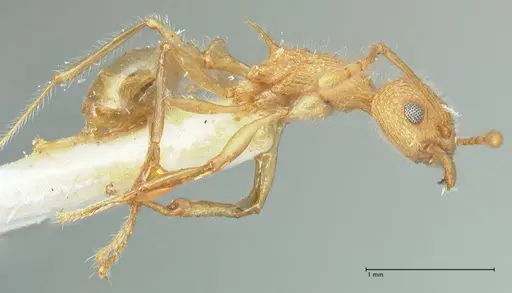
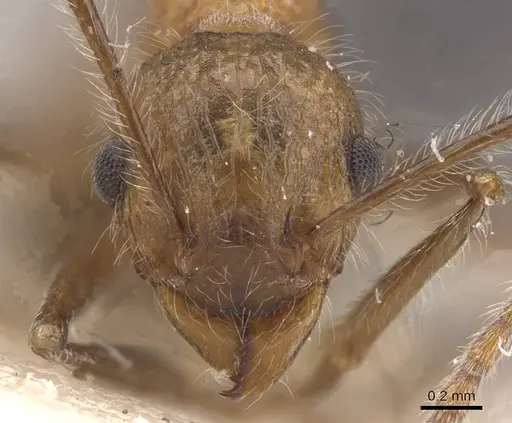
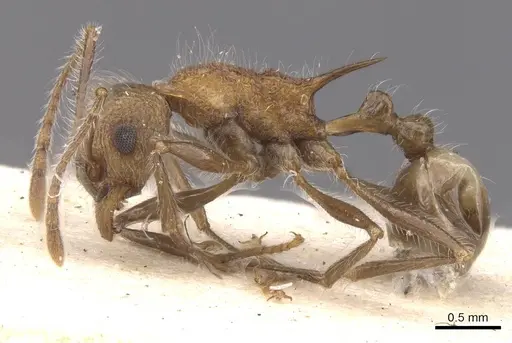
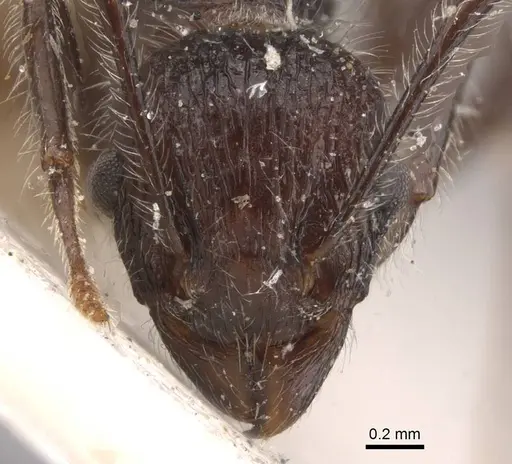
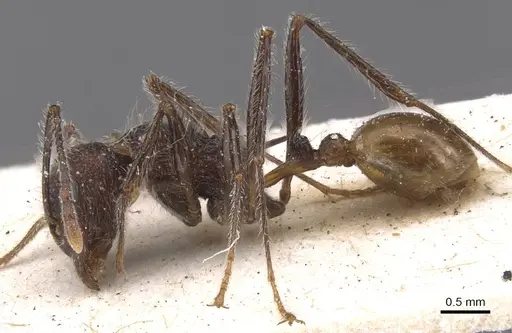
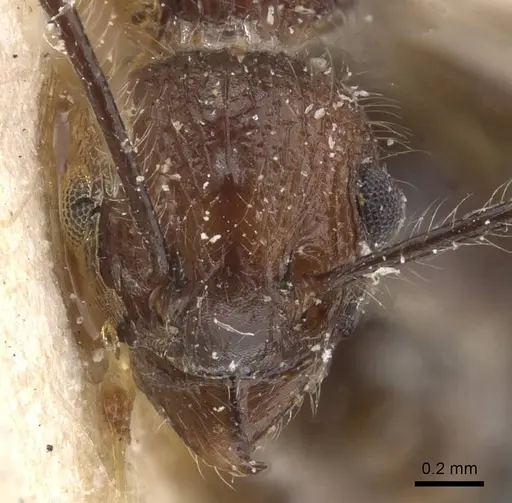
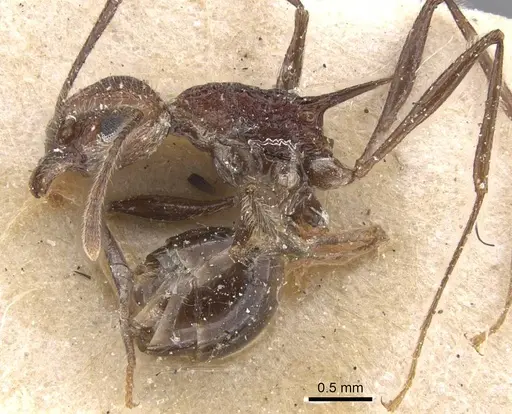
Tetramorium aculeatum is a small to medium-sized ant native to tropical Africa, where it's one of the most common and ecologically dominant Tetramorium species in woodlands and forests . Workers measure 3.2-5.4mm and show significant size variation within colonies . Their color ranges from light brown to black, often with a slightly lighter gaster. This species is famous for building distinctive 'felt' nests - carton-like structures made from silk, vegetable fragments, fungal hyphae, and debris - constructed under or between leaves in trees, typically at stem junctions . They are aggressive predators and highly territorial, actively excluding other ant species from their territory. In Ethiopian coffee plantations, they are considered a pest because their painful bite causes workers to abandon tasks .
Quick Summary
- Difficulty: Medium
- Origin & Habitat: Tropical Africa: Benin, Cameroon, Democratic Republic of Congo, Ghana, Guinea, Ivory Coast, Kenya, Liberia, Nigeria, Rwanda, Senegal, Sierra Leone, Sudan, Uganda, Tanzania [1]. Inhabits woodlands, forests, cocoa farms, coffee plantations, cashew, mango, and other tree crops from lowlands up to 2100 m elevation [4][5]. Most common in secondary forests and forest edges [6].
- Colony Type: Polydomous, colonies build multiple nests across different leaves or branches of the same tree [7]. Queen number is unknown, polydomous species often have multiple queens, but this is unconfirmed.
- Size & Growth:
- Queen: Size not documented, inferred from Tetramorium genus (~6-8 mm)
- Worker: 3.2-5.4mm [1]
- Colony: Several hundred workers per colony, each carton nest holds a few hundred individuals [3]
- Growth: Moderate (inferred from genus patterns)
- Development: Estimated 6-8 weeks at warm tropical temperatures (inferred from Tetramorium genus) (No direct development data available for this species)
- Antkeeping:
- Temperature: Keep at warm tropical temperatures (roughly 24-28°C is suitable). These ants need stable warmth year-round. Use a heating cable or mat on one side of the nest to create a gradient. Avoid temperatures below 22°C.
- Humidity: High humidity, keep the nest substrate consistently moist but not waterlogged. Mist the enclosure occasionally and provide a water source. In naturalistic setups with plants, transpiration helps maintain humidity.
- Diapause: No, as a tropical species, they do not require hibernation. Maintain warm temperatures and feeding year-round.
- Nesting: The biggest challenge. They are arboreal and build carton nests under leaves. In captivity, provide materials they can build with: small leaves, cardboard, paper, or cotton wool. A naturalistic setup with live plants (e.g., small tropical houseplants) or artificial leaves works better than traditional formicaria. Alternatively, you can offer a Y-tong nest with small chambers and plenty of loose building materials in the outworld [2][6].
- Behavior: Aggressive and highly territorial, they actively defend their nests and foraging territories against other ants [1][6]. They use group recruitment to coordinate foraging: one worker finds food and recruits nestmates to carry it back [7]. Their predatory technique involves spreading prey out ('spread-eagling') and using venom to subdue it before cutting into small pieces for transport [8][9]. They tend hemipterans for honeydew [10] and hunt small insects. Workers are active day and night. They deliver a painful bite, in Ethiopian coffee plantations they are considered a pest that causes workers to abandon tasks [3]. Escape prevention is important because they are active and determined foragers.
- Common Issues: arboreal nesting is difficult to replicate, colonies may decline without leaf-based nest structures, tropical warmth requirements mean colonies can suffer in cool rooms without heating, polydomous nature requires ample space, they may try to expand nests throughout the enclosure, aggressive toward other species, keep isolated, painful bite, handle with care when transferring colonies, escape risk: small workers can find gaps, use fine mesh or tight seals
Housing and Nest Setup
Replicating the arboreal nesting behavior of Tetramorium aculeatum is the biggest challenge in keeping them. In the wild, they build carton nests under leaves or between stems, using a mix of silk, vegetation, and fungal hyphae [2]. In captivity, the best approach is a naturalistic setup with live potted plants (like small tropical houseplants) where the ants can build their nests under leaves. You can also provide artificial 'leaves', pieces of cardboard, paper, or cotton wool placed in the outworld for them to use. A Y-tong (AAC) nest with small chambers can work if you give plenty of loose building materials, but traditional formicaria with fixed chambers are generally unsuitable. The enclosure should be tall enough to accommodate arboreal activity, with branches or stems for walking [6]. Make sure the enclosure is escape-proof, workers are small and determined.
Feeding and Diet
Tetramorium aculeatum is a generalist predator and also collects honeydew from sap-sucking insects [10]. In captivity, feed a mix of protein and sugar. For protein, offer small live prey like fruit flies, pinhead crickets, mealworms, and other small insects. They use their venom to subdue prey via spread-eagling behavior, then cut it into pieces for transport [8][9]. For sugar, provide honey water, sugar water, or commercial ant nectar. They readily tend aphids or scale insects if you keep host plants in the enclosure. Feed protein 2-3 times per week and keep sugar water available constantly. Remove uneaten prey after 24 hours to prevent mold.
Temperature and Heating
As a tropical species, Tetramorium aculeatum requires warm temperatures year-round. Keep the nest area at roughly 24-28°C. Room temperature alone is often insufficient, especially in air-conditioned spaces. Use a heating cable or heating mat placed on one side of the nest to create a warm gradient. Never let temperatures drop below 22°C for extended periods, this can weaken the colony and halt brood development. Avoid drafts and sudden fluctuations. A thermostat-controlled heater is ideal for consistent warmth.
Humidity and Watering
These ants come from humid tropical forests and cocoa plantations, so they need high humidity. Keep the nest substrate consistently moist but not waterlogged, it should feel damp to the touch. Mist the enclosure occasionally and provide a water source like a test tube with a cotton ball. In naturalistic setups with live plants, transpiration helps maintain humidity. The carton nest material itself retains some moisture, creating a stable internal nest environment. Monitor for condensation, some is good, but excessive moisture can lead to mold. [1]
Behavior and Colony Dynamics
Tetramorium aculeatum colonies are polydomous, maintaining multiple nests connected by trails [7]. In the wild, they build separate carton nests under different leaves, and workers move freely between them. This behavior often carries over to captivity, expect workers to start building in multiple locations. They are highly territorial and aggressive toward other ants, actively patrolling and defending their space [6]. When food is discovered, workers use group recruitment to bring nestmates [7]. Their predatory technique involves spreading the prey out and using venom to immobilize it before cutting it into pieces [8][9]. They also tend hemipterans for honeydew [10]. Colonies can reach several hundred workers, with each nest holding a few hundred individuals [3]. They are active day and night.
Ecology and Natural History
Tetramorium aculeatum is a key species in the ant mosaic of African forests and tree crops. It is often the most frequent dominant arboreal ant in cocoa farms, secondary forests, and forest edges [6]. It shows a negative correlation with Oecophylla longinoda [11] and can exclude other dominant ants from trees it occupies. It is considered a potential biocontrol agent for cocoa mirids and other pests [11][12]. Colonies can survive insecticide treatment in cocoa farms, possibly because their carton nests provide some protection [13]. They are most abundant on certain tree species like Rinorea in swamp forests [14]. Their nests are sometimes lined with fungal hyphae that bear fructifications, suggesting a mutualistic relationship with fungi [2].
Seasonal Care
Unlike temperate ants, Tetramorium aculeatum does not require hibernation. They are active year-round in their native tropical habitat. Maintain consistent warm temperatures and humidity throughout the year. Colony activity may slow slightly during cooler months, but if kept warm they should remain active. Do not reduce feeding, they continue foraging and need protein even in winter. If you notice reduced activity, check temperature rather than assuming a seasonal slow-down. Stability is more important than seasonal adjustments.
Frequently Asked Questions
Can I keep Tetramorium aculeatum in a test tube?
A test tube alone is not suitable. These are arboreal ants that build carton nests under leaves, not in cavities. They need a setup with materials to build with, like small leaves, cardboard, or paper. A test tube can serve as a water source, but the main housing should be a naturalistic terrarium or a Y-tong nest with plenty of loose building materials in the outworld [2].
How long does it take for Tetramorium aculeatum to produce first workers?
Based on typical Tetramorium development, expect 6-8 weeks from egg to first worker at optimal temperatures (24-28°C). This is an estimate since the species hasn't been studied for development timing. Provide warm, stable temperatures and adequate protein to support healthy brood development.
Do Tetramorium aculeatum sting?
They deliver painful bites using their mandibles, not stings. In Ethiopian coffee plantations, workers abandon tasks due to the pain [3]. They are also known to smear venom via a modified stinger (like other Crematogastrini), but the main defensive behavior is biting. Handle with care during colony transfers.
Are Tetramorium aculeatum good for beginners?
No, this species is not ideal for beginners. The main challenge is replicating their arboreal nesting, they need to build nests under leaves, which is hard to provide. They also require warm, humid conditions year-round and deliver painful bites. If you're interested in Tetramorium, consider easier species like Tetramorium caespitum or Tetramorium bicarinatum that nest in soil and tolerate room temperature.
What do Tetramorium aculeatum eat?
They are generalist predators and also collect honeydew. In captivity, feed small live prey like fruit flies, pinhead crickets, and small mealworms. They also take sugar sources like honey water or sugar water. They tend hemipterans for honeydew if available [10]. Unlike some ants, they are not particularly saccharofilic (sugar-loving), but sugar is still beneficial [3]. Feed protein 2-3 times per week and keep sugar available.
How big do Tetramorium aculeatum colonies get?
Colonies can reach several hundred workers in the wild, with each carton nest containing a few hundred individuals [3]. Because they are polydomous, a mature colony may spread across several nest sites. In captivity, expect moderate growth over several years.
Do Tetramorium aculeatum need hibernation?
No, they do not require hibernation. As a tropical African species, they are active year-round and need consistent warm temperatures (24-28°C). Do not cool them down or reduce feeding in winter, maintain tropical conditions throughout the year.
Why are my Tetramorium aculeatum dying?
Common causes include: temperatures below 22°C (they need warmth), too dry conditions (they need high humidity), lack of proper nesting materials (they need leaves or materials to build nests), and insufficient protein (they are predatory). Check these parameters first. Also ensure escape-proof housing, they are active foragers that can find gaps.
Can I keep multiple Tetramorium aculeatum queens together?
This species is polydomous and may have multiple queens, but studies have not confirmed queen number. If you have a founding queen, it's best to let her found alone. Introducing unrelated queens to an established colony is risky and may lead to aggression. Monitor carefully if attempting to keep multiple queens.
When should I move Tetramorium aculeatum to a formicarium?
This species is challenging in traditional formicaria. Instead of moving, consider setting up a naturalistic terrarium from the start with live plants or artificial leaves for nesting. If you must use a Y-tong nest, wait until the colony has at least 50 workers and provide plenty of loose building materials in the outworld for them to construct their characteristic carton nests [2].
Report an Issue
The current care sheet is based fully on literature. See inconsistencies, or something that's incorrect? Please , it will be resolved after review from an admin. Contributing to the blogs tab also helps providing information, to make us be able to further improve the caresheets. Thank you for your support!
References

This caresheet is licensed under CC BY-SA 4.0 .
Community Blogs
CASENT0217959
View on AntWeb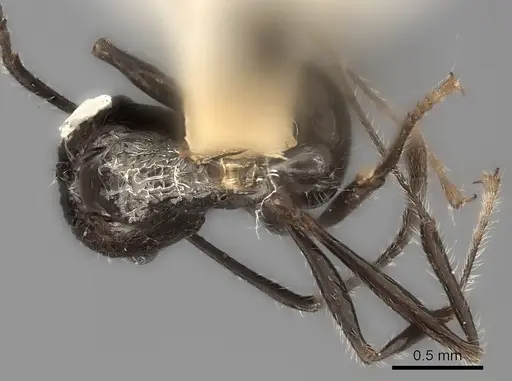
CASENT0235778
View on AntWeb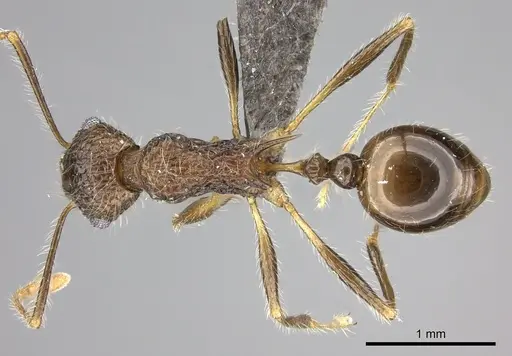
CASENT0246112
View on AntWeb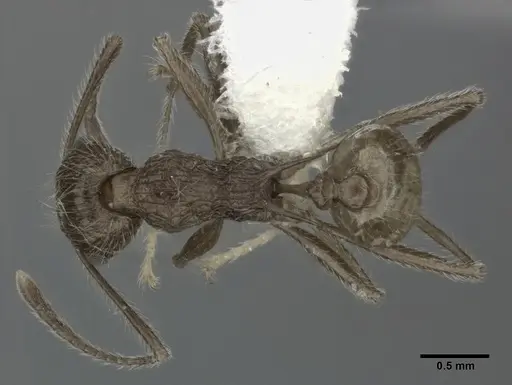
CASENT0316971
View on AntWeb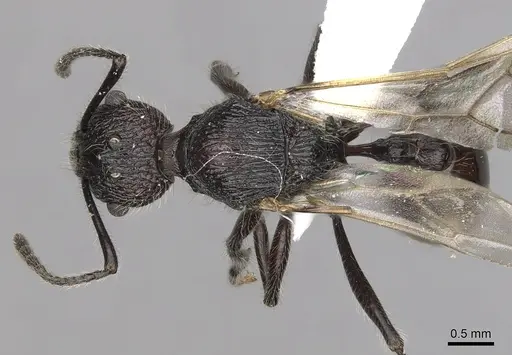
CASENT0316972
View on AntWeb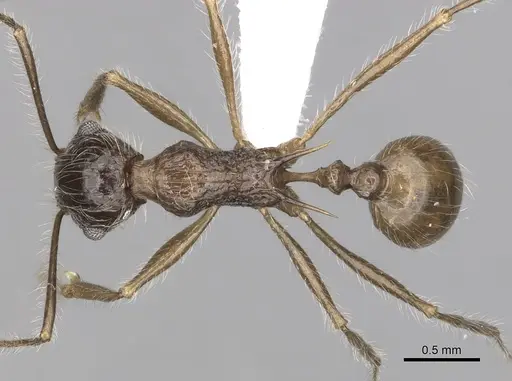
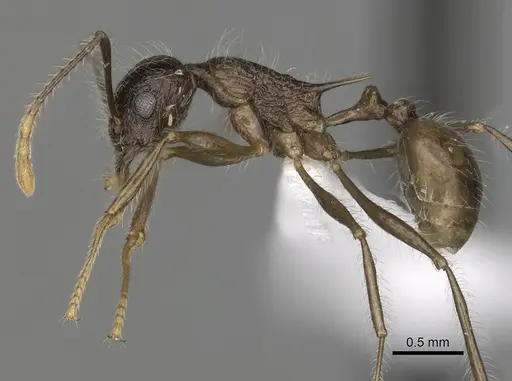
CASENT0901224
View on AntWeb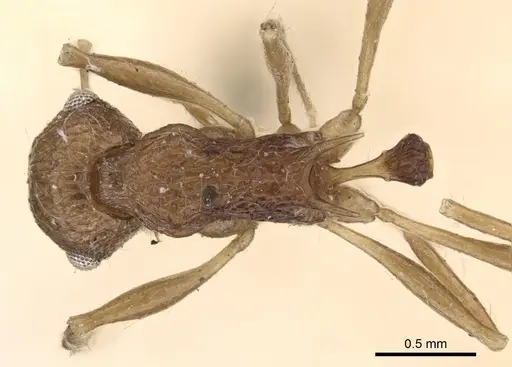
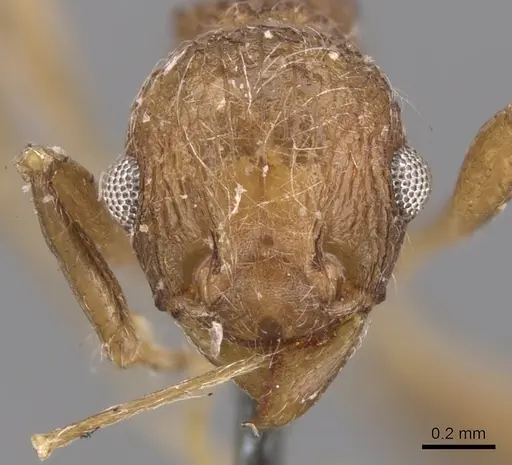
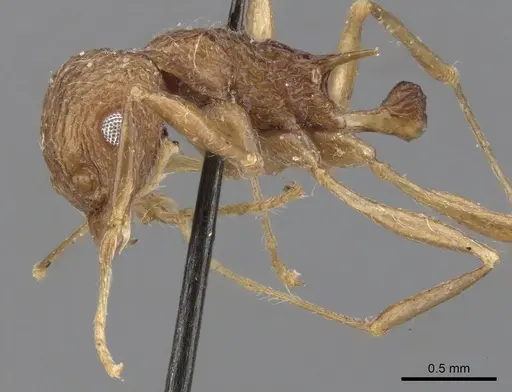
CASENT0904857
View on AntWeb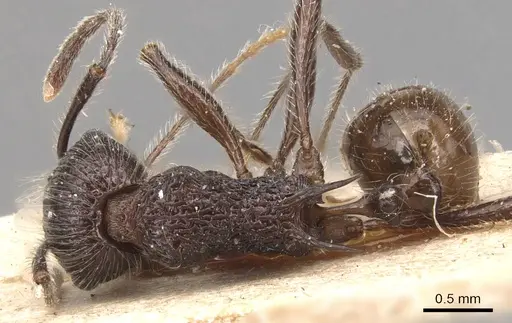
CASENT0904858
View on AntWeb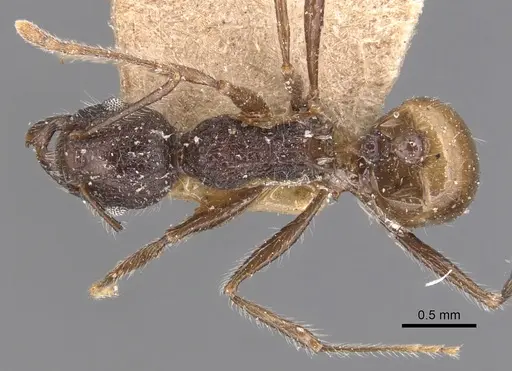
CASENT0904859
View on AntWeb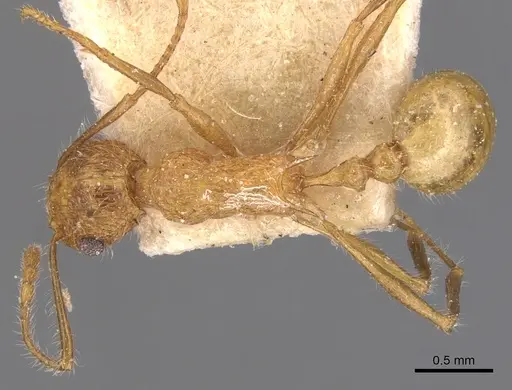
CASENT0909119
View on AntWeb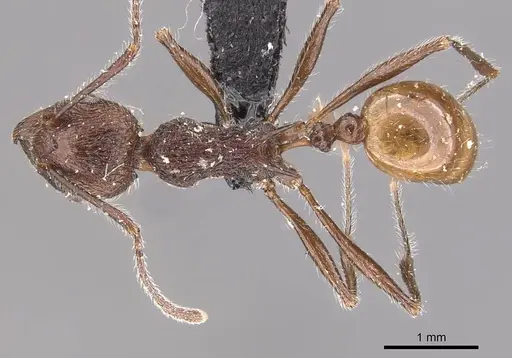
CASENT0909120
View on AntWeb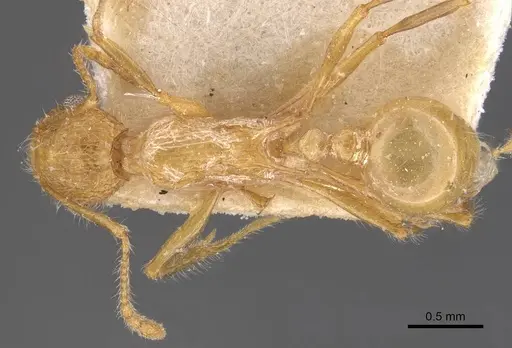
CASENT0909121
View on AntWeb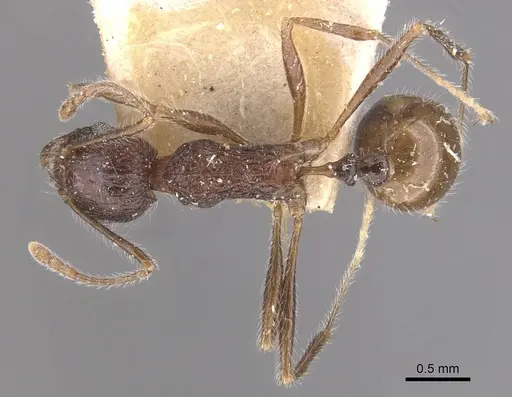
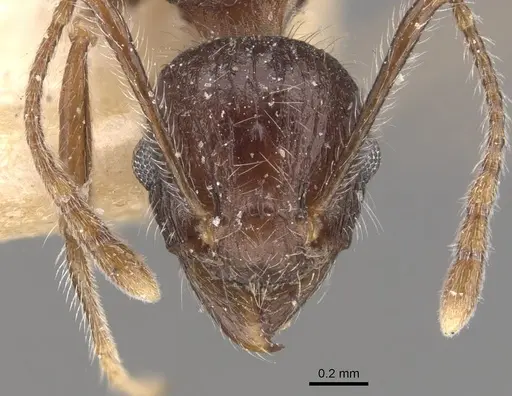
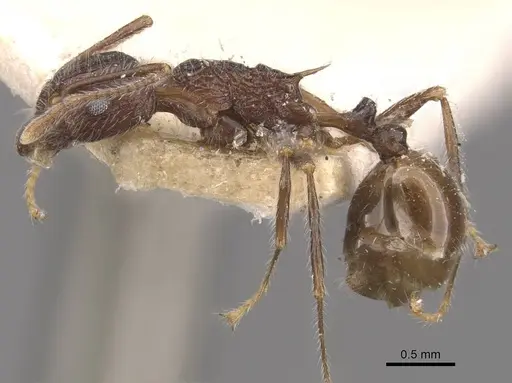
CASENT0913978
View on AntWeb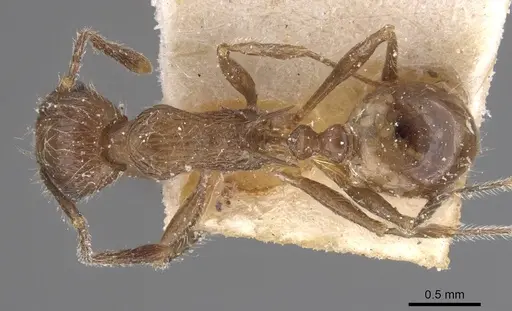
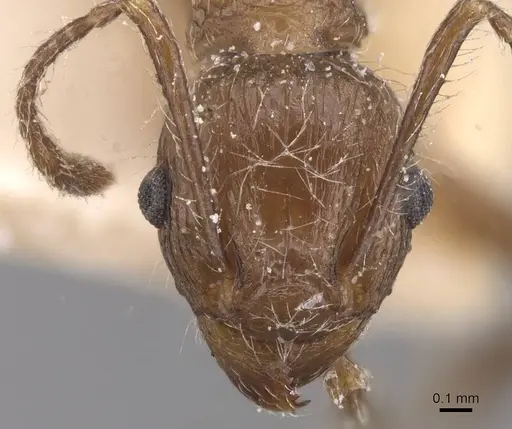
CASENT0913979
View on AntWeb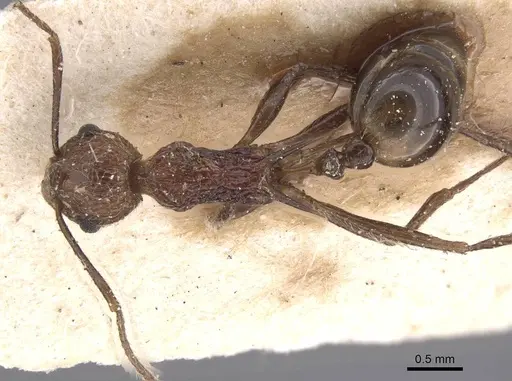
CASENT0913980
View on AntWeb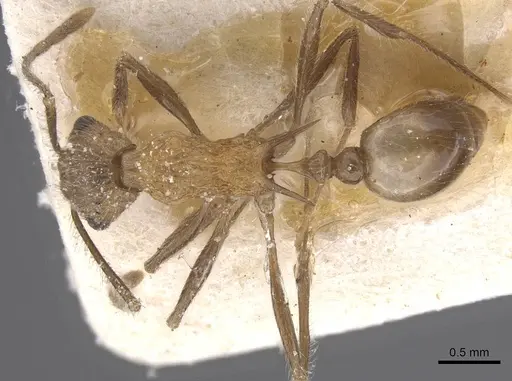
CASENT0913981
View on AntWeb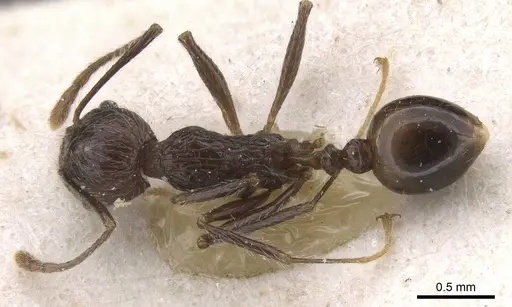
CASENT0913982
View on AntWeb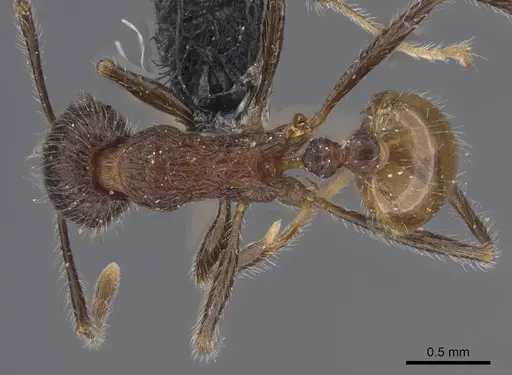
CASENT0913983
View on AntWeb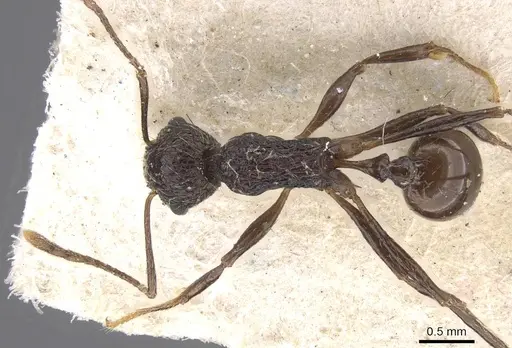
CASENT0915426
View on AntWeb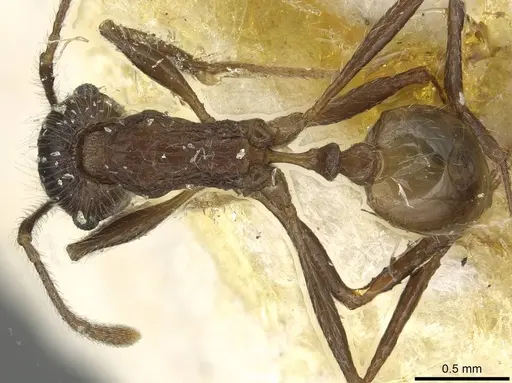
CASENT0919643
View on AntWeb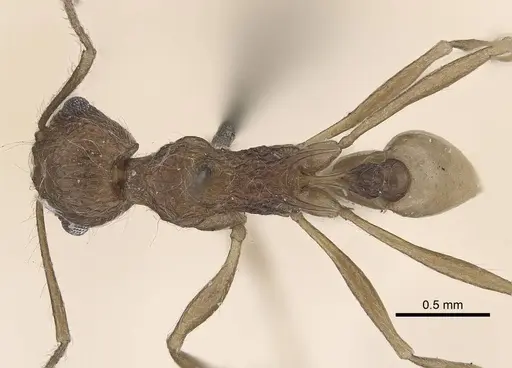
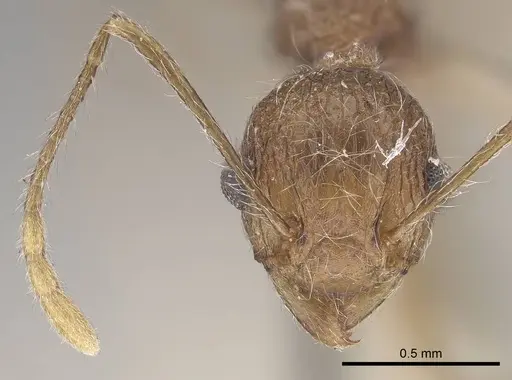
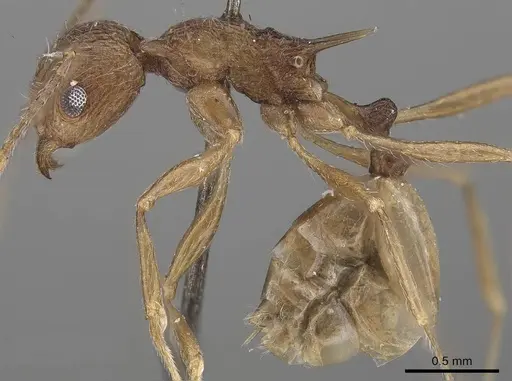
FOCOL0775
View on AntWeb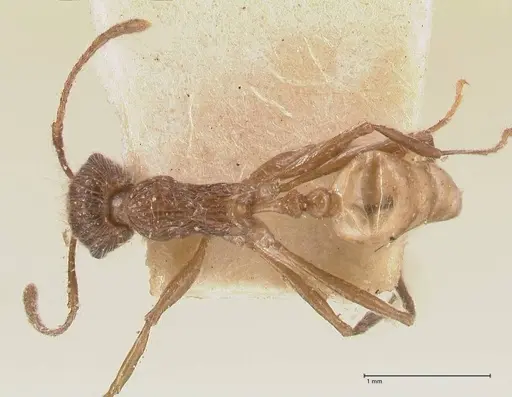
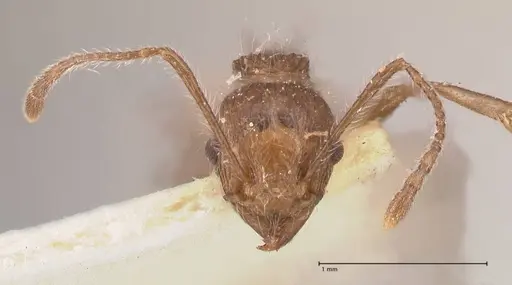
FOCOL2079
View on AntWeb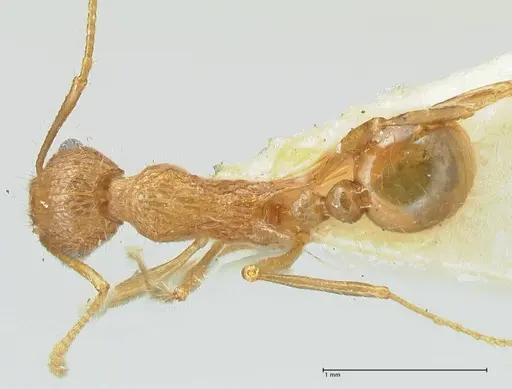
FOCOL2080
View on AntWeb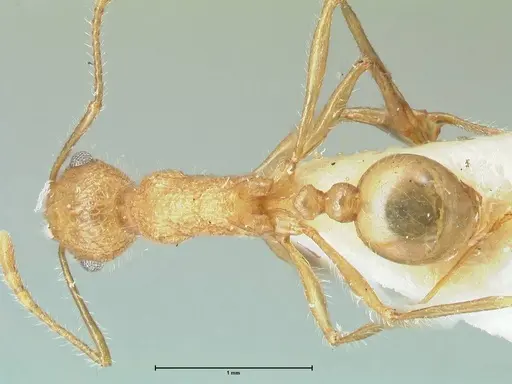
RMCAENT000017782
View on AntWeb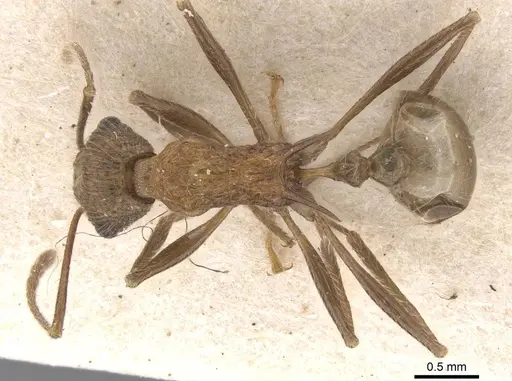
RMCAENT000017783
View on AntWeb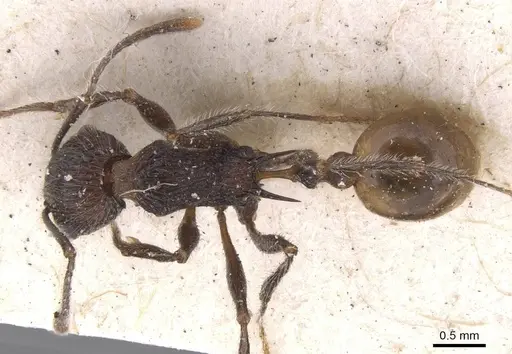
RMCAENT000017784
View on AntWeb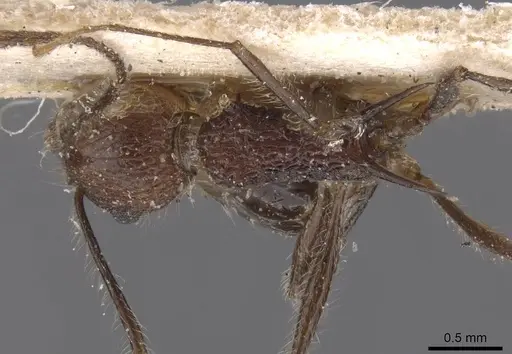
Literature
Loading distribution map...Loading products...