
Terataner rufipes
- Sci. Name
- Terataner rufipes
- Tribe
- Crematogastrini
- Subfamily
- Myrmicinae
- Author
- Emery, 1912
- Distribution
- Found in 1 countries
Introduction
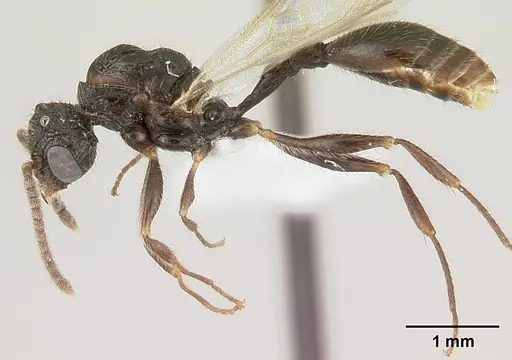
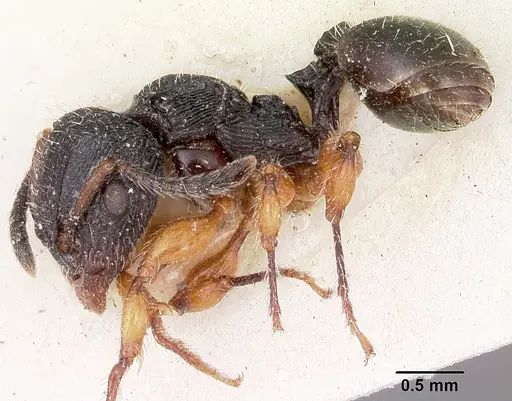
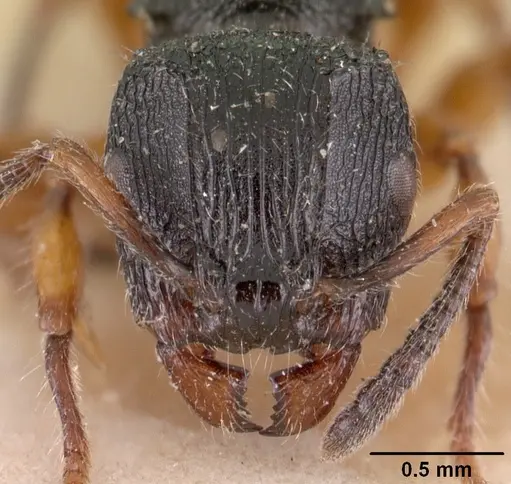
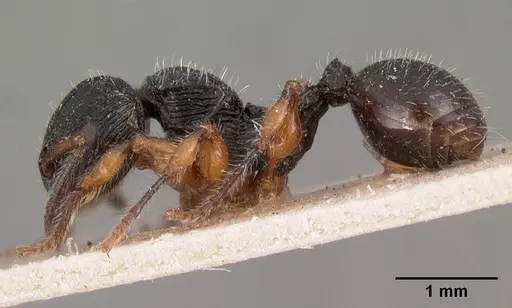
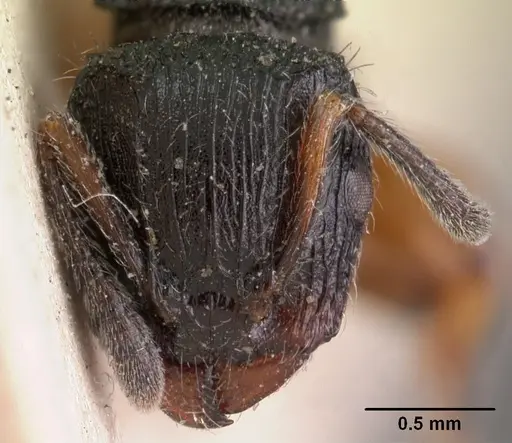
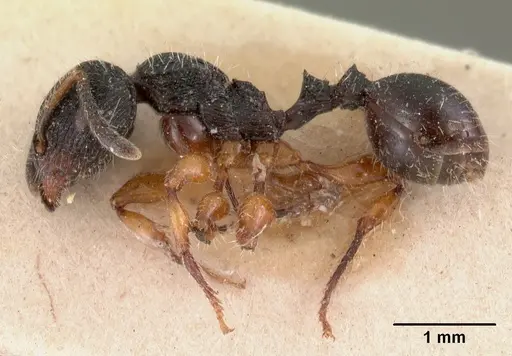
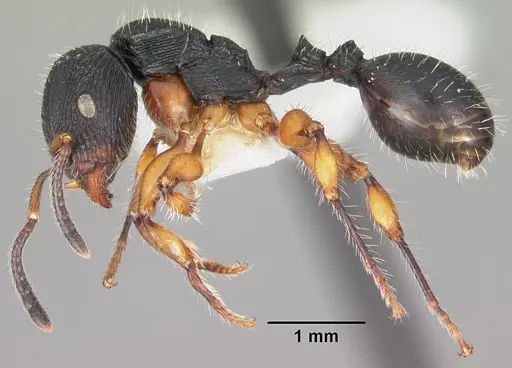
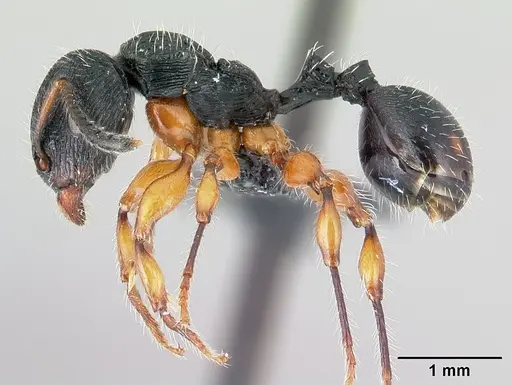
Terataner rufipes is a Myrmicine ant endemic to Madagascar. Size data is not available from the literature. Workers have distinctive yellowish-light brown legs and a uniquely shaped postpetiole that appears wedge-shaped in profile and shield-like with a transverse crest from above . The species was originally described from Fort Dauphin in southern Madagascar . It is arboreal and inhabits dry, darker forest habitats . This species is part of Madagascar's unique ant fauna and is rarely kept in captivity.
Quick Summary
- Difficulty: Medium
- Origin & Habitat: Southern and Western Madagascar, specifically Fort Dauphin region. They are arboreal ants that nest in trees and prefer dry forest habitats with darker conditions [3][1].
- Colony Type: Colony structure is unconfirmed. The genus Terataner is poorly studied and no research has documented whether colonies are single-queen (monogyne) or multi-queen (polygyne).
- Size & Growth:
- Queen: Unknown, no morphological measurements available for queens of this species
- Worker: Unknown, worker measurements have not been documented in available literature
- Colony: Unknown, no colony size data available
- Growth: Unknown
- Development: Unknown, development timeline has not been studied for this species (No direct measurements available. Related Crematogastrini ants typically develop from egg to worker in 4-8 weeks at tropical temperatures, but this is an estimate for Terataner rufipes specifically.)
- Antkeeping:
- Temperature: Keep at tropical room temperature, roughly 24-28°C. As an arboreal Madagascar species, they likely prefer warm conditions similar to other island Myrmicines. A gentle temperature gradient allows ants to self-regulate.
- Humidity: Moderate humidity around 50-70%. The species shows preference for dry conditions in the wild [3], so avoid overly damp setups. A well-ventilated nest with some moisture available is sufficient.
- Diapause: Unlikely, Madagascar experiences minimal seasonal temperature drops. No documented overwintering requirement exists for this species.
- Nesting: Arboreal nesting suggests they prefer elevated nests off the ground. In captivity, a Y-tong (AAC) nest or plaster formicarium works well. Provide climbing structures and vertical space. Avoid fully enclosed test tube setups, they prefer more open, ventilated arrangements.
- Behavior: Terataner rufipes is an arboreal ant [3] that forages in trees and shrubs. As a member of the tribe Crematogastrini, they likely use a smearing defense mechanism, applying venom to enemies rather than piercing them. Workers may show moderate aggression when defending the nest. Escape risk is moderate, ensure enclosures have secure lids and no small gaps. Activity levels are likely highest during warmer parts of the day.
- Common Issues: lack of documented care information means you'll be pioneering husbandry for this species, no known temperature or humidity requirements from research, start with typical tropical ant parameters and adjust based on colony behavior, colony structure unknown, monitor for queen health and worker activity to assess if conditions are suitable, arboreal nature means they need vertical space and climbing structures, not just horizontal floor space, no documented diet preferences, expect to experiment with protein sources and sugar water
Natural History and Distribution
Terataner rufipes is endemic to Madagascar, specifically found in the southern and western regions around Fort Dauphin [1][2]. This species is part of the island's unique ant fauna, which is known for its high endemism. It was originally collected by Sikora and described by Emery in 1912 [2]. As an arboreal ant, T. rufipes nests in above-ground locations such as tree hollows, under bark, or in woody debris [3]. Their habitat preference for dry, darker forest conditions sets them apart from many Madagascar ants that favor humid rainforests [3].
Identification and Morphology
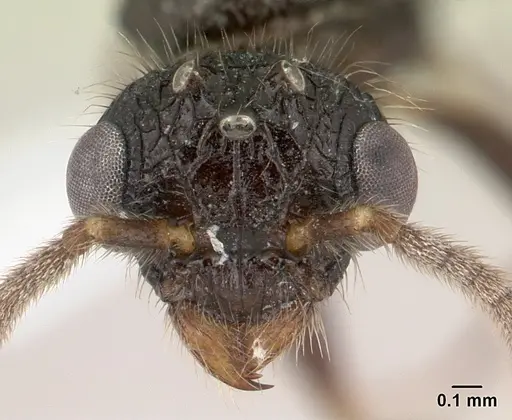
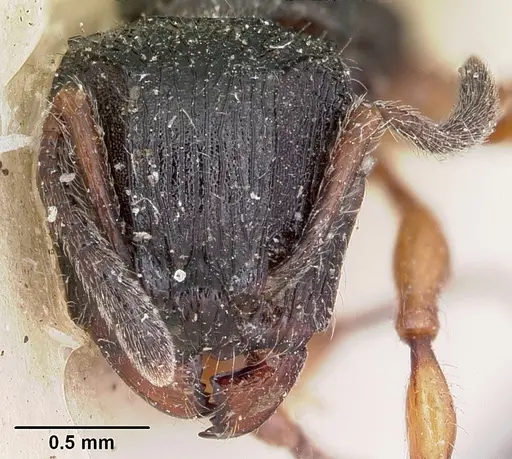
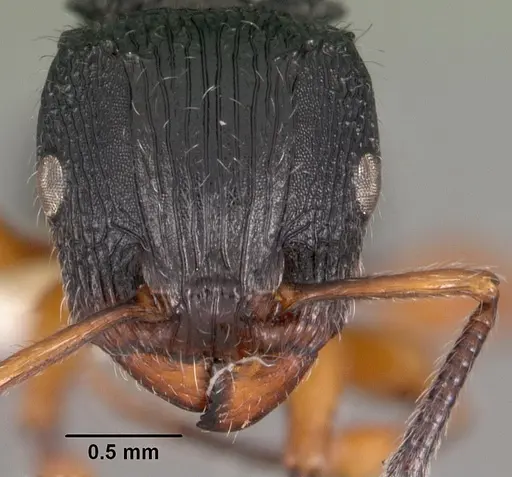
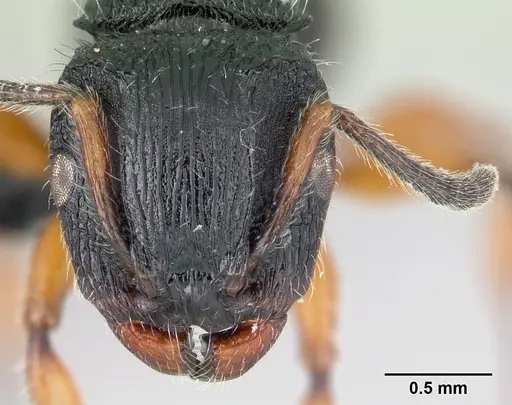
Workers of Terataner rufipes can be identified by several distinctive features. Their legs are yellowish light brown, contrasting with the darker body typical of the genus [1]. The surface sculpture on the lateral pronotum shows longitudinal ridges [1]. Most notably, the postpetiole is wedge-shaped when viewed from the side and appears shield-like with a transverse crest or ridge from above [1]. The procoxae (first leg joints) are usually smooth and unsculptured [1]. These features help distinguish T. rufipes from other Terataner species on Madagascar.
Housing and Nest Setup
Because Terataner rufipes is arboreal [3], your setup should provide vertical space and climbing opportunities rather than just horizontal floor space. A Y-tong (AAC) nest or plaster formicarium works well, as these provide proper ventilation while allowing you to observe the colony. Include small branches, cork, or other structures that mimic their natural tree-nesting environment. Ensure good ventilation, these ants prefer drier conditions than many tropical species [3]. Secure lids are essential as workers can exploit any gaps to escape.
Feeding and Diet
No specific dietary studies exist for Terataner rufipes, but as a Myrmicine ant, they likely accept a typical ant diet. Offer sugar water or honey as an energy source, and protein in the form of small insects (fruit flies, small crickets, mealworms). Start with modest offerings and observe what your colony consumes. Remove uneaten prey after 24-48 hours to prevent mold. Given their arboreal nature, they may forage for honeydew, consider offering diluted honey or sugar water regularly.
Temperature and Care
Keep Terataner rufipes at tropical room temperatures, ideally 24-28°C. As an arboreal species from Madagascar, they are accustomed to warm, relatively stable conditions. Their natural habitat is dry and dark [3]. A heating cable on one side of the nest can create a temperature gradient, allowing workers to self-regulate. Avoid temperatures below 20°C or above 32°C. Monitor colony activity, if workers become sluggish, the setup may be too cool, if they avoid the heated area, it may be too warm.
Challenges and Observations
This species is poorly documented in both scientific literature and the antkeeping hobby. You will likely be pioneering much of the husbandry knowledge for Terataner rufipes in captivity. Be prepared to experiment with conditions and document your observations carefully. The lack of specific data means you should start with reasonable defaults (tropical temperatures, moderate humidity, arboreal setup) and adjust based on how the colony responds. Watch for signs of stress such as workers dying outside the nest, refusal of food, or excessive clustering in one area of the nest.
Frequently Asked Questions
How do I house Terataner rufipes ants?
Use an arboreal setup with vertical space and climbing structures. A Y-tong (AAC) nest or plaster formicarium works well. Include small branches or cork to simulate their natural tree-nesting environment [3]. Ensure good ventilation and secure lids.
What do Terataner rufipes ants eat?
Offer sugar water or honey as an energy source, plus protein from small insects like fruit flies, small crickets, or mealworms. Remove uneaten prey after 24-48 hours. Start with modest offerings and adjust based on what your colony consumes.
What temperature do Terataner rufipes ants need?
Keep them at tropical temperatures between 24-28°C. A gentle temperature gradient allows workers to self-regulate. Avoid temperatures below 20°C or above 32°C.
Are Terataner rufipes good for beginners?
This species is not ideal for beginners due to the lack of documented care information. You will be pioneering husbandry knowledge. Experienced antkeepers interested in unusual species may find it rewarding.
How big do Terataner rufipes colonies get?
Colony size is unknown, no scientific data exists on maximum colony size for this species. Related arboreal Myrmicines typically reach several hundred workers.
Do Terataner rufipes ants need hibernation?
No, as a Madagascar species from a tropical climate, they do not require hibernation or diapause. Keep them at stable tropical temperatures year-round.
Will Terataner rufipes ants escape?
Moderate escape prevention is recommended. Ensure enclosures have secure, tight-fitting lids and check for any small gaps. Arboreal ants are often good climbers [3].
Can I keep multiple queens together?
Unknown, colony structure (monogyne vs polygyne) has not been documented for this species. Do not attempt combining unrelated queens until more is known about their social structure.
How long until first workers in Terataner rufipes?
The egg-to-worker timeline is unknown and has not been studied. Based on related Crematogastrini ants, expect approximately 4-8 weeks at tropical temperatures, but this is an estimate.
Do Terataner rufipes ants sting?
Terataner belongs to Myrmicinae, which includes many species with functional stingers. However, specific stinging behavior has not been documented for this species. They are not considered dangerous to humans.
Report an Issue
The current care sheet is based fully on literature. See inconsistencies, or something that's incorrect? Please , it will be resolved after review from an admin. Contributing to the blogs tab also helps providing information, to make us be able to further improve the caresheets. Thank you for your support!
References

This caresheet is licensed under CC BY-SA 4.0 .
Community Blogs
CASENT0000809
View on AntWeb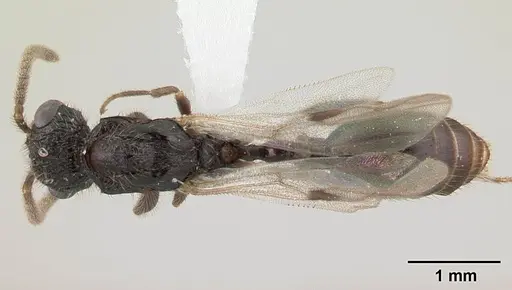
CASENT0101618
View on AntWeb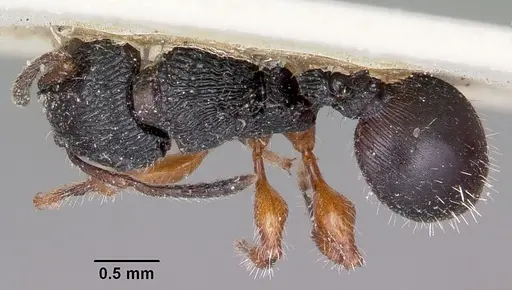
CASENT0102048
View on AntWeb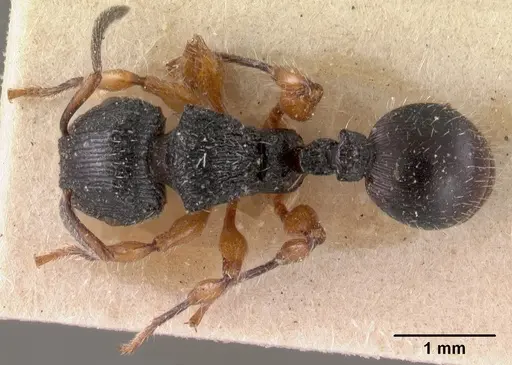
CASENT0102049
View on AntWeb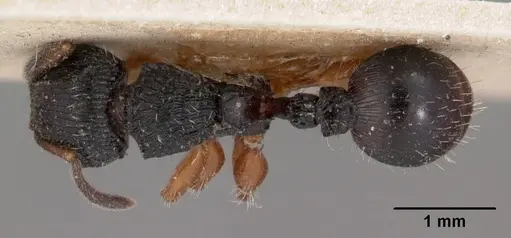
CASENT0102235
View on AntWeb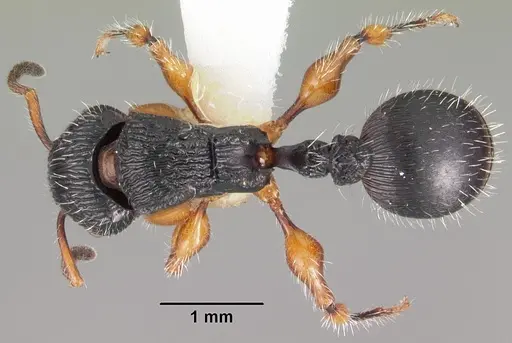
CASENT0446582
View on AntWeb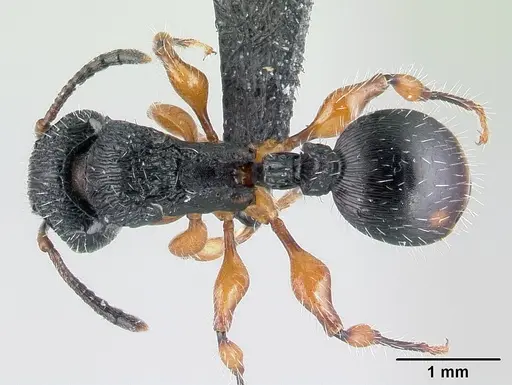
Literature
Loading distribution map...Loading products...