
Terataner alluaudi
- Sci. Name
- Terataner alluaudi
- Tribe
- Crematogastrini
- Subfamily
- Myrmicinae
- Author
- Emery, 1895
- Distribution
- Found in 1 countries
Introduction
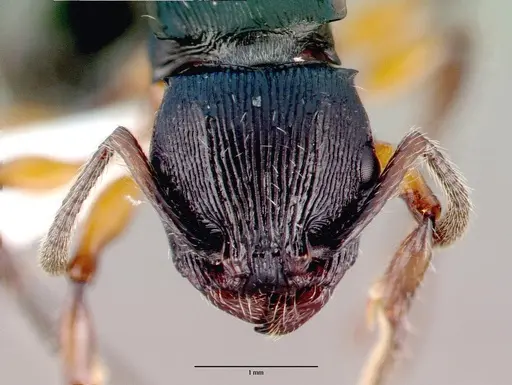
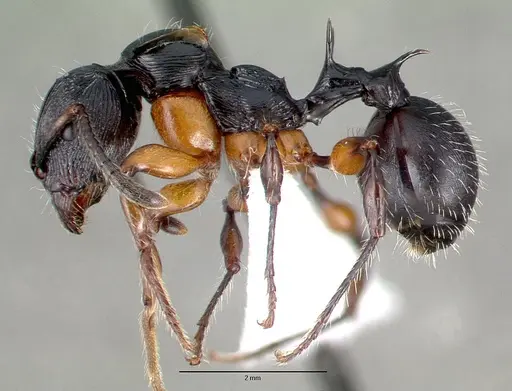
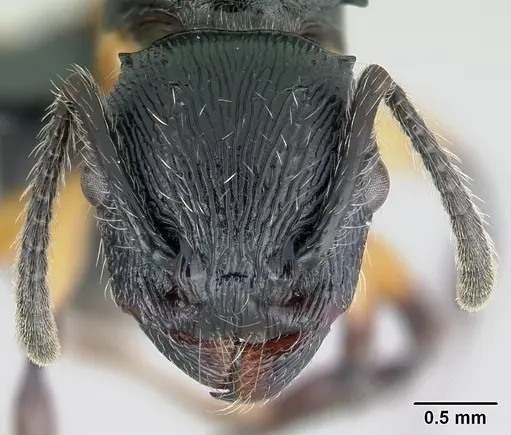
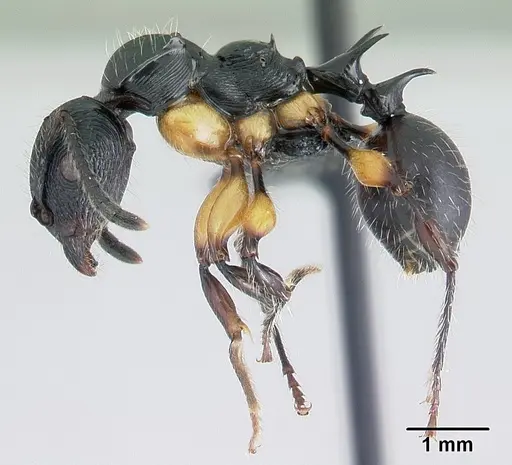
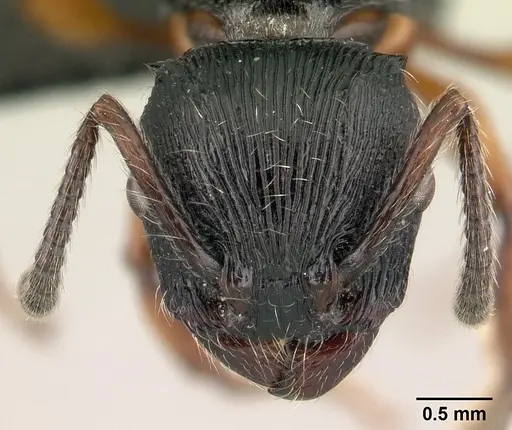
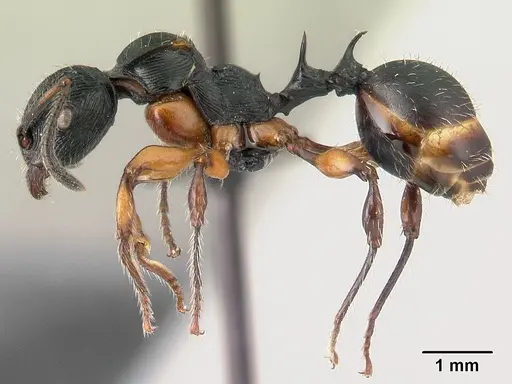
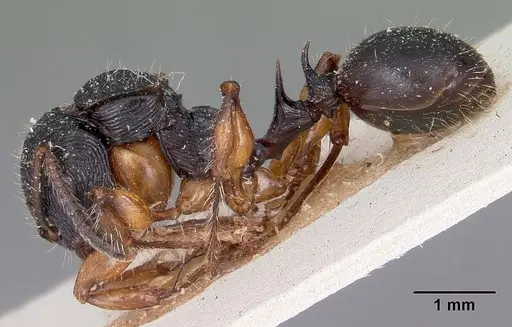
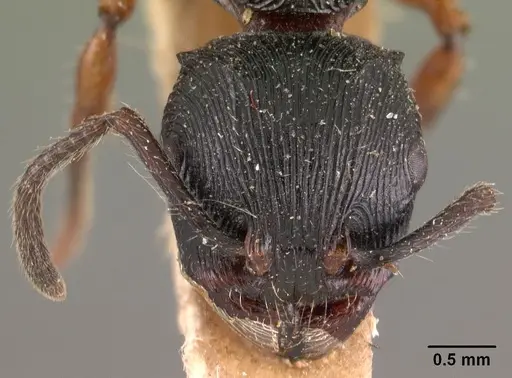
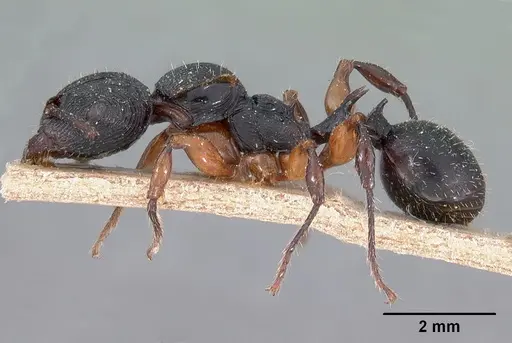
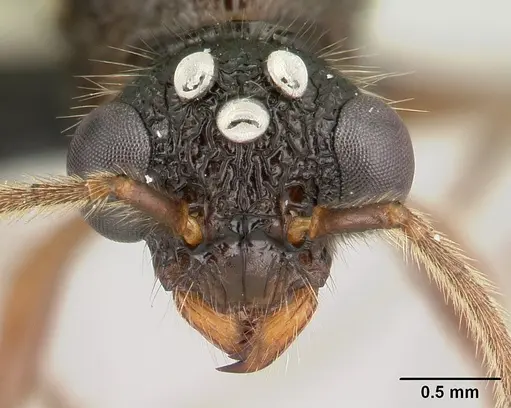
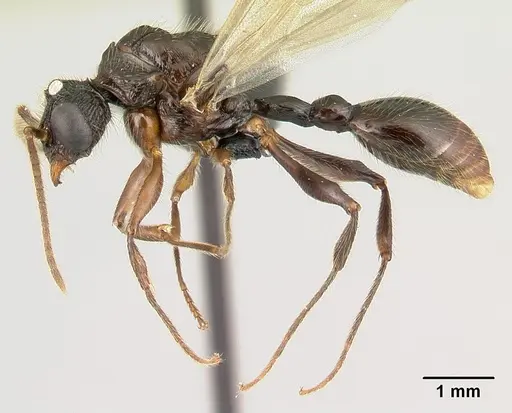
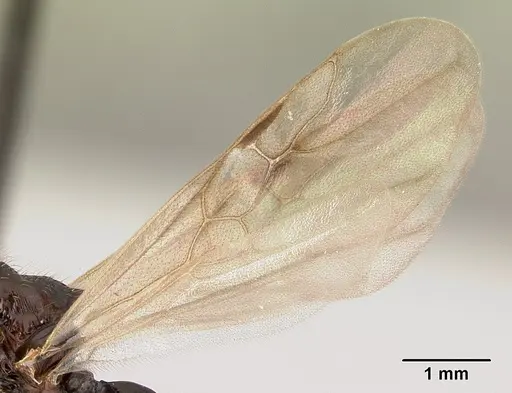
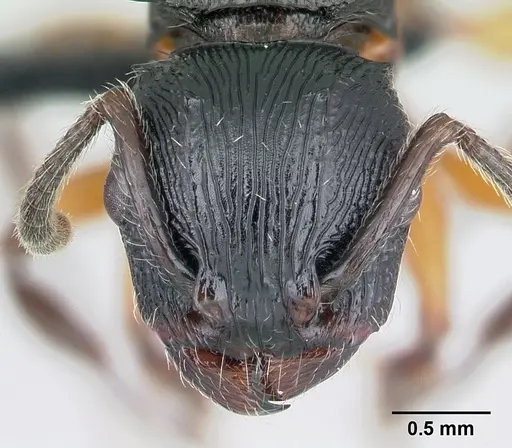
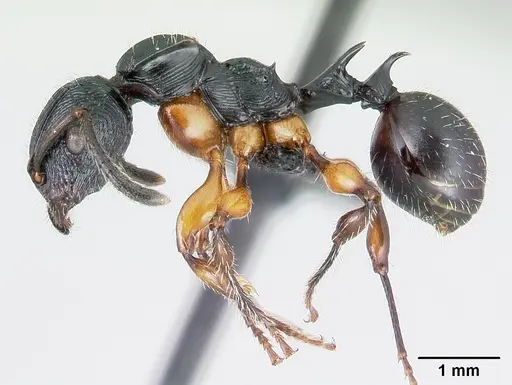
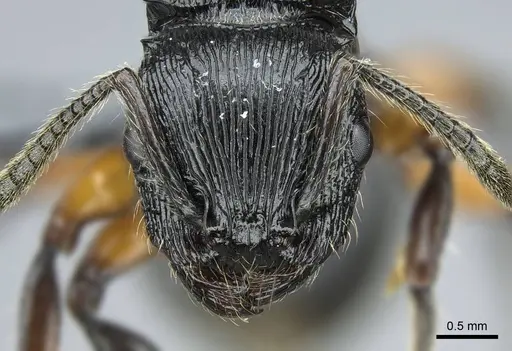
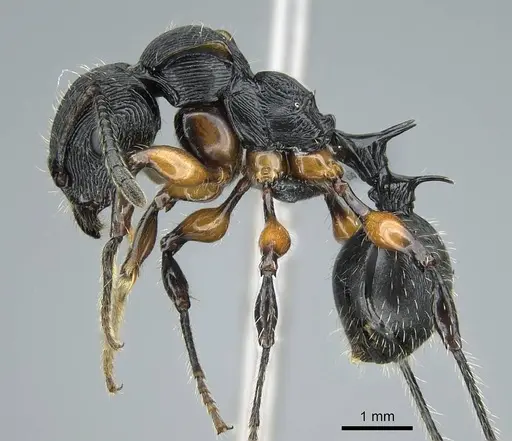
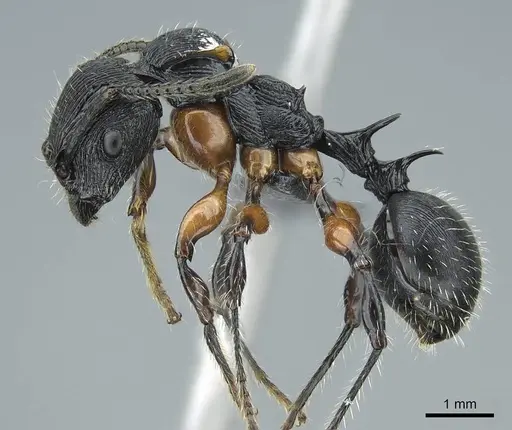
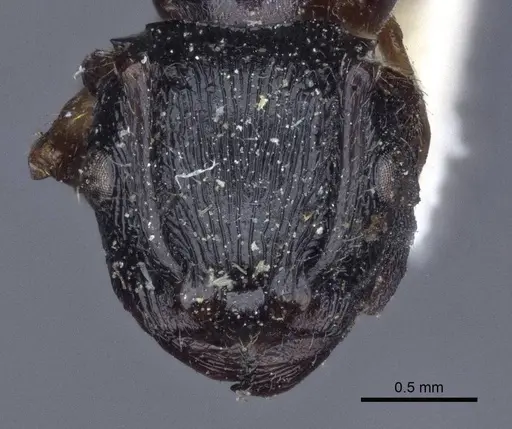
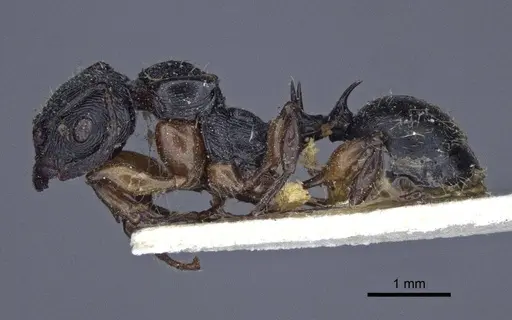
Terataner alluaudi is a rare ant species found only in Madagascar. Their most distinctive feature is the very long spines on the waist segments - two long spines on the petiole and one long median spine on the postpetiole . This makes them easy to identify among Malagasy ants. The species was first described by Emery in 1895 based on specimens collected by Charles Alluaud in northern Madagascar . Queens exist in both normal winged form and ergatoid (wingless) form, which can take over as replacement reproductives . This species is almost never kept in captivity, and very little is known about its care requirements.
Quick Summary
- Difficulty: Expert
- Origin & Habitat: Endemic to Madagascar, found only in the northern and eastern regions. Collected at elevations from 25 meters on the Masoala Peninsula to 1240 meters in the Manongarivo reserve, suggesting they can handle a range of forest environments [4][5]. Known localities include Diego Suarez, Antongil Bay, Kalalo, Ile Sainte Marie, and Nossi Bé [2].
- Colony Type: Colony structure is not well documented. Ergatoid (wingless) replacement queens have been observed, these can take over reproduction if the primary queen dies [3]. Whether colonies are single-queen (monogyne) or multi-queen (polygyne) in the wild is unknown.
- Size & Growth:
- Queen: size data unavailable
- Worker: size data unavailable
- Colony: Unknown, no colony size data available
- Growth: Unknown
- Development: Unconfirmed, estimated 6 to 10 weeks based on typical Myrmicinae development at warm temperatures (No direct development data exists. Estimate comes from related genera in the Crematogastrini tribe.)
- Antkeeping:
- Temperature: No specific thermal studies exist for this species. As a tropical Malagasy ant, aim for warm, stable conditions around 22 to 26°C. Use a heating gradient if your room temperature falls below this range [3].
- Humidity: Keep the nest substrate consistently moist but not waterlogged. Madagascar forest environments are humid, so aim for moderate to high humidity. Provide a water source [3].
- Diapause: Unknown but unlikely, as a tropical species from Madagascar, they probably do not need a true hibernation period. They may show reduced activity during cooler months.
- Nesting: No specific nesting data exists. Based on related Malagasy forest ants, they likely nest in rotting wood, under bark, or in soil. A Y-tong (AAC) nest, plaster nest, or naturalistic setup with moist substrate would be a good starting point.
- Behavior: Behavior is poorly documented. As a Myrmicinae, they have a functional stinger with a modified shape, they use it to wipe venom onto enemies rather than pierce flesh. Their medium size (based on spines) means standard escape prevention is needed. They are likely omnivorous based on typical Myrmicinae diet patterns.
- Common Issues: extremely rare in the hobby, this species is almost never available commercially, no established care protocols, keepers must experiment and closely monitor the colony, humidity management is critical, too dry or too wet can cause colony failure, risk of colony collapse if temperature fluctuates significantly, slow growth likely due to lack of documented development data
Species Overview and Identification
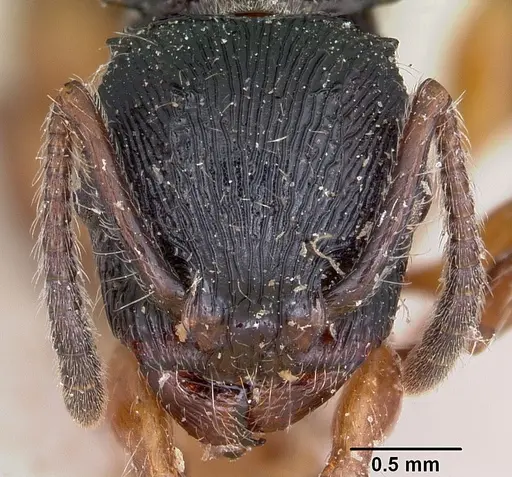
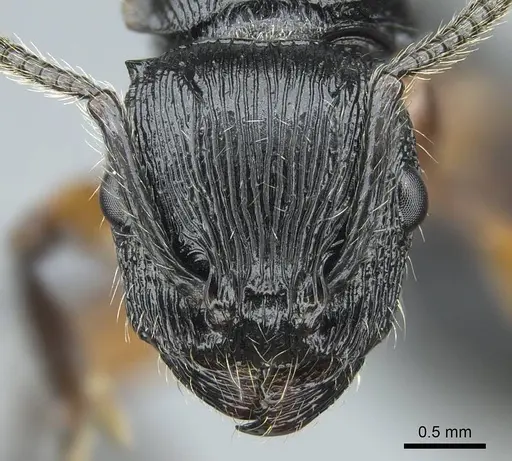
Terataner alluaudi is a rare ant found only in Madagascar. The most striking physical feature is the very long spines on the waist segments, two long spines on the petiole and one long median spine on the postpetiole [1]. This makes them easy to tell apart from other Malagasy ants. The species was first described in 1895 by Emery from specimens collected by Charles Alluaud in northern Madagascar [2]. Queens come in both normal winged form and ergatoid (wingless) form, with the wingless ergatoids serving as replacement reproductives [3]. Males were described later by Alpert in 1992 [3].
Distribution and Habitat
This species is found only in Madagascar. Known collection sites include Diego Suarez in the far north, Antongil Bay, Kalalo, Ile Sainte Marie, and Nossi Bé [2]. They have been collected at elevations from 25 meters on the Masoala Peninsula up to 1240 meters in the Manongarivo reserve [4][5]. This suggests they can handle a range of conditions from lowland to highland forest. The locations point to humid forest habitats in eastern and northern Madagascar.
Housing and Nesting
Since no established care protocol exists, housing recommendations are based on related Malagasy ants. A Y-tong (AAC) nest, plaster nest, or a naturalistic setup with moist substrate would be a good starting point. Keep the nest substrate consistently moist but not waterlogged to mimic their natural forest floor environment. Provide a water source like a test tube water reservoir connected to the nest. Given their medium size (with spines), make chambers appropriately sized. Standard escape barriers should be fine, they are not tiny ants.
Feeding and Diet
No specific dietary studies exist for this species. Based on typical Myrmicinae behavior and related Malagasy ants, they are likely omnivorous, accepting both protein sources (small insects like mealworms, fruit flies) and carbohydrate sources (sugar water, honey). Start by offering small live or frozen insects as protein and sugar water as a constant carbohydrate source. Remove uneaten food after 24 to 48 hours to prevent mold. Since this species is not well-studied in captivity, be ready to experiment with different foods.
Temperature and Seasonal Care
No specific temperature requirements have been documented for this species. As a tropical ant from Madagascar, they likely prefer warm, stable conditions in the range of 22 to 26°C. Use a heating cable or mat on one side of the nest to create a temperature gradient if your room temperature falls below this range. Place heating on top of the nest, not underneath, to avoid drying out the substrate too quickly. Whether they need any form of winter dormancy is unknown, they are unlikely to need a true hibernation like temperate species, but may slow down during cooler periods.
Colony Development
The colony development is completely unstudied for this species. Based on typical Myrmicinae development, expect 6 to 10 weeks from egg to first worker at optimal warm temperatures (around 24 to 26°C). Queens can produce ergatoid (wingless) replacement reproductives [3], this means that if a queen dies, an ergatoid might take over. But whether this actually happens in the colony, and how fast, is unknown. No colony size data exists in scientific literature.
Frequently Asked Questions
How long does it take for Terataner alluaudi to produce first workers?
The egg-to-worker timeline is unconfirmed for this species. Based on typical Myrmicinae development, expect about 6 to 10 weeks at warm temperatures (24 to 26°C). This is an estimate, actual development time may vary.
What do Terataner alluaudi ants eat?
No specific dietary data exists. Based on related Malagasy Myrmicinae, they likely accept small insects (protein) and sugar water or honey (carbohydrates). Offer a varied diet and remove uneaten food promptly.
Can I keep Terataner alluaudi in a test tube setup?
A test tube setup can work for founding colonies, but you will need to upgrade to a larger nest as the colony grows. Monitor humidity carefully, test tubes can dry out or flood.
Do Terataner alluaudi ants sting?
As a Myrmicinae species, they have a functional stinger with a modified shape, they use it to wipe venom onto enemies rather than pierce flesh. Their defensive behavior and sting potency are unstudied. Handle gently and use standard escape prevention.
What temperature should I keep Terataner alluaudi at?
No specific requirements are documented. Start around 22 to 26°C, which is typical for tropical Malagasy ants. Use a heating gradient if needed, and watch colony activity for signs of stress.
How big do Terataner alluaudi colonies get?
Colony size is unknown, no scientific data exists on maximum colony size. Related Terataner species typically form small to medium-sized colonies.
Is Terataner alluaudi good for beginners?
No, this species is not recommended for beginners. It is rarely available, has no established care protocols, and requires careful attention to humidity and temperature. Expert-level keepers only.
Do Terataner alluaudi need hibernation or diapause?
No documented hibernation requirement exists. As a tropical species from Madagascar, they likely do not need a true diapause. They may show reduced activity during cooler periods.
Where is Terataner alluaudi found in the wild?
This species is endemic to Madagascar, found only in the northern and eastern regions. Known locations include Diego Suarez, Antongil Bay, Ile Sainte Marie, and Nossi Bé, at elevations from 25 meters to 1240 meters [2][4][5].
Can I keep multiple Terataner alluaudi queens together?
Colony structure (monogyne vs polygyne) is unconfirmed. Ergatoid replacement queens exist, but this does not mean multiple unrelated queens can found a colony together. Combining queens is not recommended without documented evidence of pleometrosis in this species.
Why are my Terataner alluaudi dying?
Common causes likely include: incorrect humidity (too dry or too wet), temperature stress, poor nutrition, or stress from inadequate nesting space. This species has no established captive protocol, so careful observation and adjustment is essential.
Is Terataner alluaudi aggressive or defensive?
Defensive behavior is unstudied. As Myrmicinae, they have a stinger with a modified shape for smearing venom, and they may respond to disturbance. Their long spines are also a physical defense feature. Handle with standard precautions.
Report an Issue
The current care sheet is based fully on literature. See inconsistencies, or something that's incorrect? Please , it will be resolved after review from an admin. Contributing to the blogs tab also helps providing information, to make us be able to further improve the caresheets. Thank you for your support!
References

This caresheet is licensed under CC BY-SA 4.0 .
Community Blogs
CASENT0010648
View on AntWeb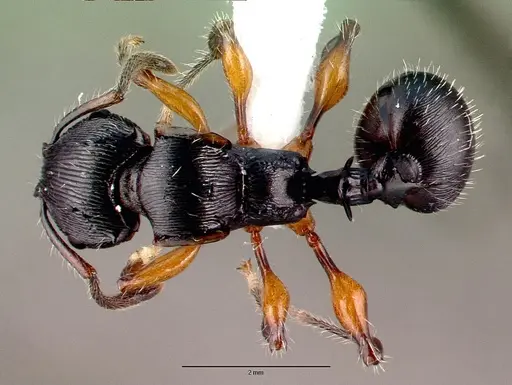
CASENT0077516
View on AntWeb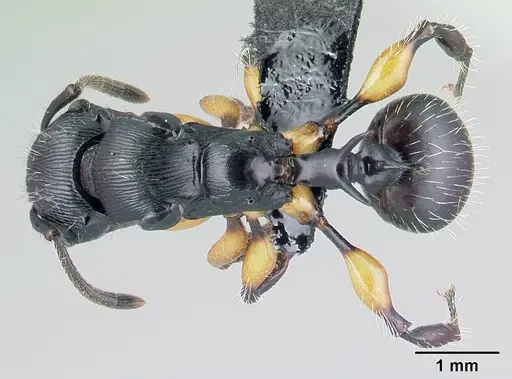
CASENT0095826
View on AntWeb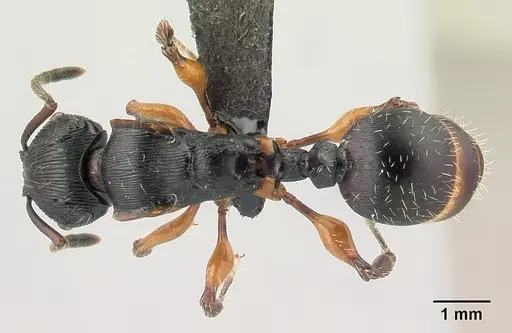
CASENT0101696
View on AntWeb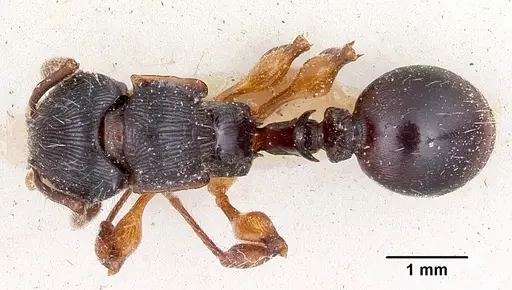
CASENT0102047
View on AntWeb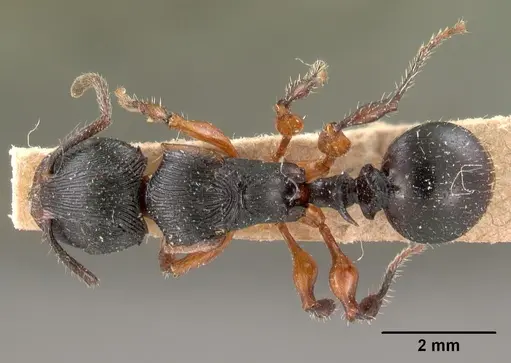
CASENT0496102
View on AntWeb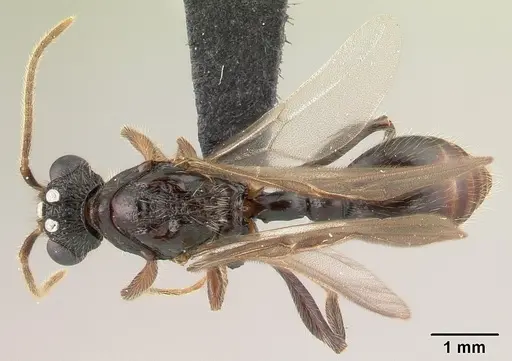
CASENT0499163
View on AntWeb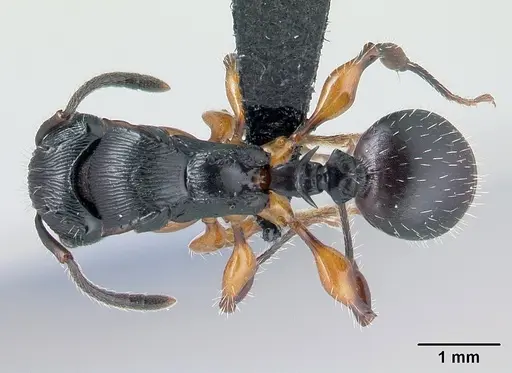
CASENT0840848
View on AntWeb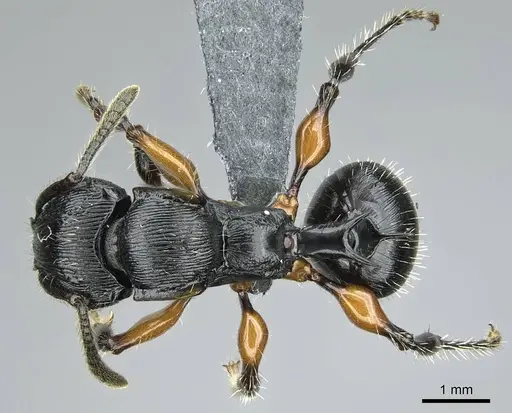
CASENT0840849
View on AntWeb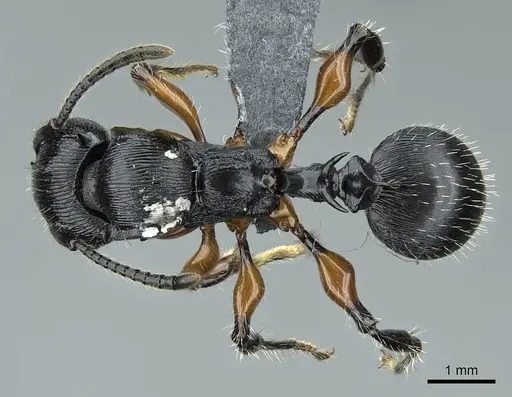
CASENT0916661
View on AntWeb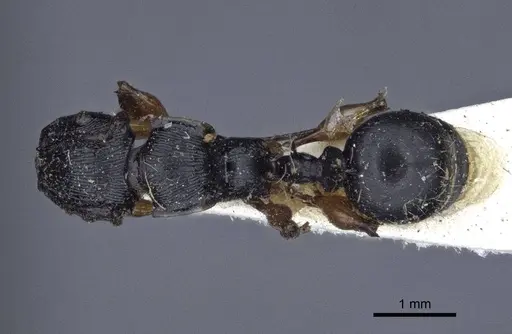
Literature
Loading distribution map...Loading products...