
Temnothorax universitatis
- Sci. Name
- Temnothorax universitatis
- Tribe
- Crematogastrini
- Subfamily
- Myrmicinae
- Author
- Espadaler, 1997
- Distribution
- Found in 1 countries
Introduction
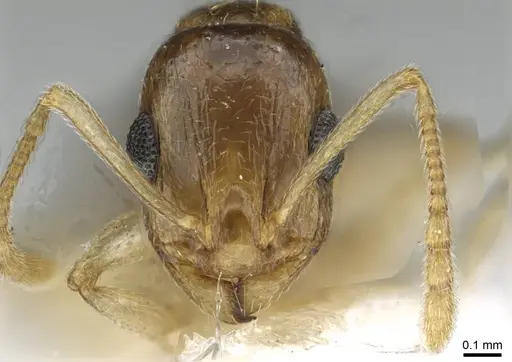
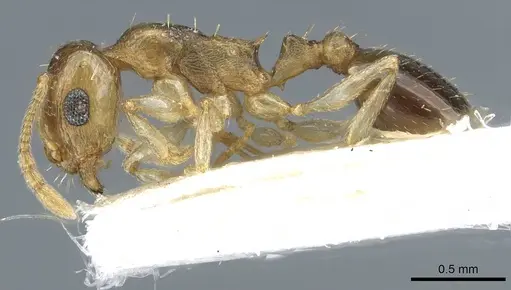
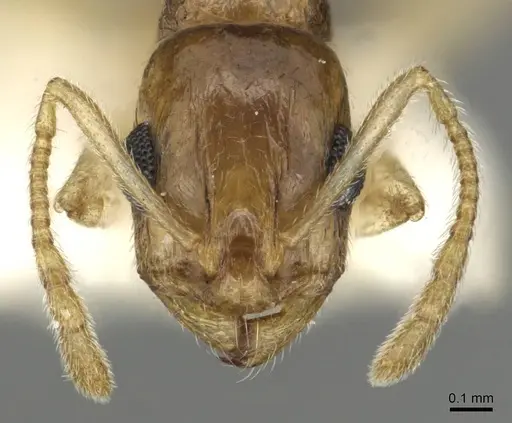
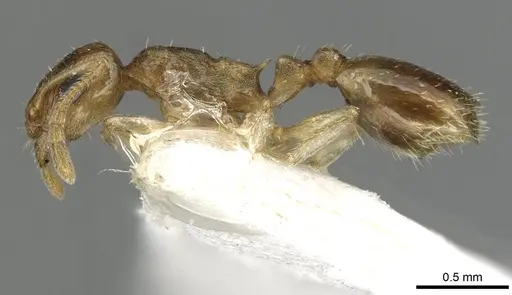
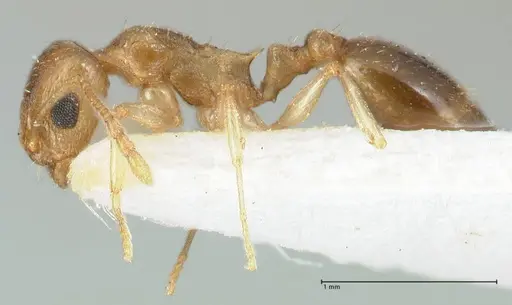
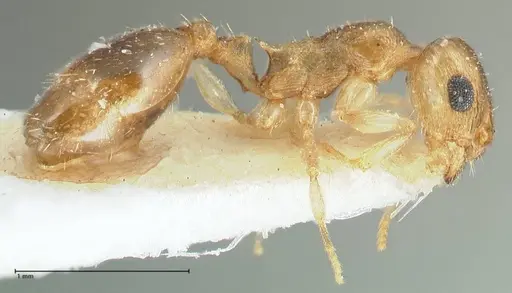
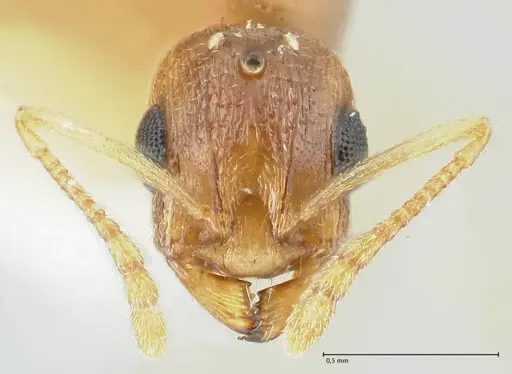
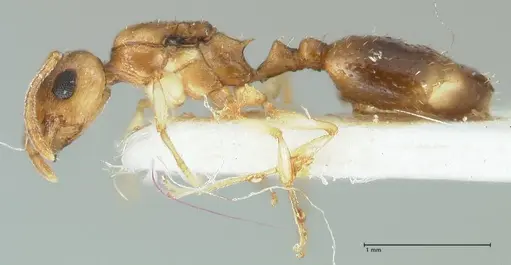
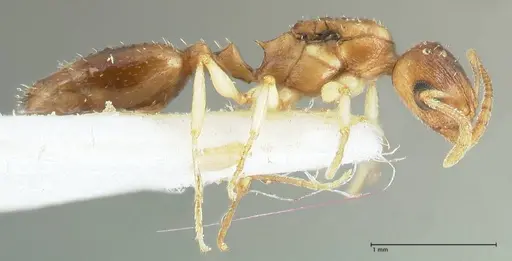
Temnothorax universitatis is a small, light-colored ant species belonging to the Myrmicinae subfamily. Workers are light brown or dirty yellow . The head is less shiny than close relatives, with an alitrunk (middle body section) that is dorsally opaque and a dull pronotum . The species was originally described in 1997 from the University of Alicante campus in Spain, making it one of the more recently described European ants . This species shows close morphological similarities to Temnothorax tamriensis and Temnothorax ansei, both also from the Iberian Peninsula region . What makes Temnothorax universitatis particularly interesting is its extremely restricted distribution. It is known only from a handful of provinces in eastern Spain (Alicante, Albacete, and Madrid), with the type locality at the University of Alicante . This limited range makes it a rewarding species for keepers who appreciate keeping ants with a specialized geographic origin. As with other Temnothorax species, they are relatively peaceful and can be kept in smaller colonies.
Quick Summary
- Difficulty: Easy
- Origin & Habitat: Eastern Spain, specifically the provinces of Alicante, Albacete, and Madrid, with the type locality at the University of Alicante campus [2]. The species has been recorded at elevations around 465 meters above sea level in the Segura River Basin [5] and in the Valencian Community [6]. This is a Mediterranean climate species adapted to warm, dry conditions.
- Colony Type: Not confirmed, based on typical Temnothorax patterns, likely single-queen (monogyne) colonies, but no specific studies exist for this species.
- Size & Growth:
- Queen: ~5-6 mm, inferred from typical Temnothorax queen sizes [7]
- Worker: ~3-4 mm, inferred from typical Temnothorax worker sizes [7]
- Colony: Unknown, typical Temnothorax colonies range from tens to hundreds of workers, but no data for this species [7]
- Growth: Moderate
- Development: Unknown, estimated 6-10 weeks based on related Temnothorax species, but no species-specific data exist [7] (Development time is inferred from genus-level data as species-specific measurements are not available)
- Antkeeping:
- Temperature: These Mediterranean ants prefer warm conditions. A temperature range of 20-26°C is likely suitable, but be careful to avoid overheating. Provide a thermal gradient if possible [7].
- Humidity: Moderate humidity. Keep the nest substrate slightly moist but not waterlogged, allow it to dry partially between waterings. Provide a moisture gradient with a drier area for the colony to choose from [7].
- Diapause: Yes, based on their temperate origin, these ants likely benefit from a winter rest period. Reduce temperature to 10-15°C for 8-12 weeks during winter (November to February in the Northern Hemisphere). Reduce feeding but do not stop entirely [7].
- Nesting: In nature they likely nest under stones and in small soil cavities. For captivity, a Y-tong (AAC) nest with narrow chambers works well. They prefer tight, well-scaled chambers. A test tube setup with a water reservoir is also suitable for founding [7].
- Behavior: Temnothorax universitatis is a peaceful, non-aggressive species. Workers are active foragers and use tandem-running to recruit nestmates to food sources. Their main defense is fleeing, but they possess a modified stinger used for smearing venom rather than piercing. They are not dangerous to keepers. Escape prevention is critical due to their small size, use fine mesh (0.5mm or smaller) and check for gaps regularly [7].
- Common Issues: small size means escapes are likely without fine mesh barriers and tight seals, limited distribution means wild queens are hard to find, rely on captive breeders, colonies remain small, don't expect the massive worker numbers of larger species, winter dormancy is important for colony health, skipping hibernation can weaken colonies over time, while generally hardy, unexpected temperature spikes or drops can be stressful to young colonies
Housing and Nest Setup
Temnothorax universitatis is a small species that thrives in compact nest setups. A Y-tong (AAC) nest with narrow chambers works excellently, as does a well-designed test tube setup with a water reservoir. The key is providing chambers scaled to their tiny size, passages that are too wide make them feel insecure. In the wild, they likely nest under stones and in small soil cavities, so include some substrate depth if using a naturalistic setup. A small outworld area connected to the nest is sufficient for foraging space. Because of their small size, escape prevention is critical, use fine mesh on any openings and ensure lid seals are tight [7].
Feeding and Diet
Like most Temnothorax species, T. universitatis is omnivorous and will accept a variety of foods. Offer protein sources such as small insects (fruit flies, small crickets, mealworms), and provide sugar sources like honey water or sugar water regularly. They are not specialized predators, so standard ant feeding protocols work well. Feed small amounts every 2-3 days, removing any uneaten prey after 24 hours. A constant supply of sugar water is appreciated but not required if you offer other sweet foods. Fresh water should always be available [7].
Temperature and Seasonal Care
These Mediterranean ants prefer warm conditions. Room temperature (20-26°C) works well for established colonies. During the active season (spring through fall), maintain warm temperatures and regular feeding. In winter, they benefit from a diapause period, reduce temperature to 10-15°C for 8-12 weeks (typically November to February). This winter rest helps synchronize their biological cycles and promotes healthier colony development. Reduce feeding during hibernation but do not stop entirely, offer small amounts of sugar water or a tiny prey item once every few weeks. Do not attempt to skip hibernation permanently, as this can shorten colony lifespan [7].
Colony Establishment
If you acquire a founding queen, she likely founds claustrally, sealing herself in a chamber and raising the first brood without leaving to forage. Provide a small, dark chamber (test tube or founding cell) with a water reservoir for humidity. Place the setup in a quiet, dark location and do not disturb for 4-6 weeks. After the first workers (nanitics) emerge, you can begin offering tiny amounts of food. Development from egg to worker is estimated at 6-10 weeks at optimal temperatures. Growth is typically moderate. Be patient with founding colonies, as they grow slower than larger species. Note that specific founding details for this species are not studied, so these recommendations are based on typical Temnothorax patterns [7].
Behavior and Temperament
Temnothorax universitatis is a peaceful, non-aggressive species that makes an excellent beginner ant. Workers are active and interesting to watch as they forage and tend to brood. Their defense mechanism involves a modified stinger used for smearing venom onto enemies, but they rarely sting keepers and are generally harmless. They rely mainly on their small size and speed to avoid threats. Colonies are not territorially aggressive and can be housed near other ant setups without concern. Their small size means they can slip through standard barrier setups easily, always use fine mesh (0.5mm or smaller) and check for gaps. They show typical Temnothorax recruitment behavior through tandem running to food sources [7].
Frequently Asked Questions
How long does it take for Temnothorax universitatis to raise first workers?
From egg to first worker typically takes 6-10 weeks at optimal temperatures (around 24°C). This is based on typical Temnothorax development timelines since species-specific data is not available. The first workers (nanitics) will be smaller than normal workers and colony growth will accelerate after this point [7].
Do Temnothorax universitatis ants sting?
They have a modified stinger that is used for smearing venom onto enemies rather than piercing. They are not aggressive towards keepers and rarely sting, but they can defend the nest if provoked. The venom is mild and poses no danger to humans [7].
What is the best nest type for Temnothorax universitatis?
A Y-tong (AAC) nest with narrow chambers works best for this small species. Plaster nests or well-set-up test tube arrangements also work well. The key is providing appropriately scaled chambers, passages that are too wide make them feel insecure. A small outworld area for foraging completes the setup [7].
Do Temnothorax universitatis need hibernation?
Yes, based on their Mediterranean origin, these ants benefit from an annual diapause. Reduce temperatures to 10-15°C for 8-12 weeks during winter (typically November-February in the Northern Hemisphere). This rest period helps maintain colony health long-term. Reduce feeding during this period but do not stop entirely [7].
How big do Temnothorax universitatis colonies get?
Colonies remain relatively small, typically reaching tens to a few hundred workers at maturity. Exact numbers are unknown for this species, but this is typical for the genus. Smaller colonies are easier to house but also mean less impressive worker numbers [7].
What do Temnothorax universitatis eat?
They are omnivorous, accepting both protein and sugar sources. Feed small insects (fruit flies, small crickets, mealworms) as protein and offer honey water or sugar water for carbohydrates. They are not picky eaters and will readily accept most standard ant foods. Remove uneaten prey after 24 hours to prevent mold [7].
Are Temnothorax universitatis good for beginners?
Yes, this species is excellent for beginners. They are peaceful, do not pose a sting risk, and have modest care requirements. The main challenges are their small size (requiring good escape prevention) and the need for winter hibernation. They are forgiving of minor care mistakes and remain manageable even in small spaces [7].
Can I keep multiple Temnothorax universitatis queens together?
This species is likely monogyne based on typical genus patterns, but not studied. Combining unrelated queens is not recommended and could lead to conflict. If you have multiple founding queens, it is safer to house them separately [7].
Why are my Temnothorax universitatis escaping?
Their small size allows them to squeeze through tiny gaps. Use fine mesh (0.5mm or smaller) on all openings and check lid seals regularly. Apply fluon or similar barrier to the rim of the outworld. Even small gaps that other species cannot pass will allow these tiny ants to escape [7].
Where is Temnothorax universitatis naturally found?
This species has an extremely limited distribution in eastern Spain, known only from the provinces of Alicante, Albacete, and Madrid. The type locality is the University of Alicante campus. It has been recorded at elevations around 465 meters in the Segura River Basin [2][5] and in the Valencian Community [6].
Report an Issue
The current care sheet is based fully on literature. See inconsistencies, or something that's incorrect? Please , it will be resolved after review from an admin. Contributing to the blogs tab also helps providing information, to make us be able to further improve the caresheets. Thank you for your support!
References

This caresheet is licensed under CC BY-SA 4.0 .
Community Blogs
CASENT0911191
View on AntWeb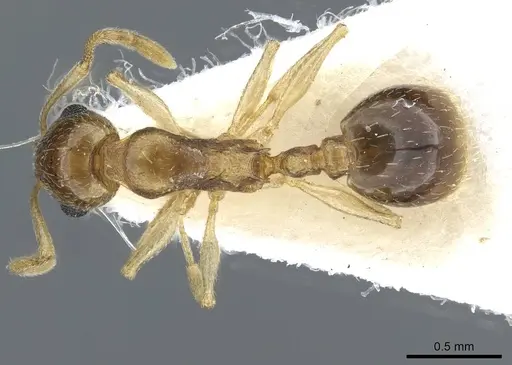
CASENT0915389
View on AntWeb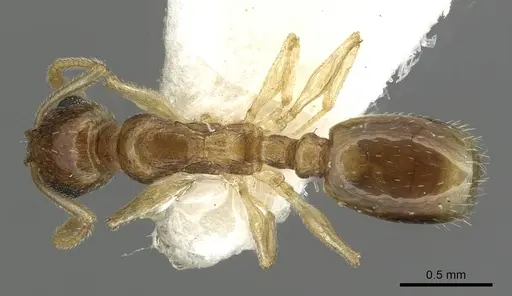
FOCOL1811-1
View on AntWeb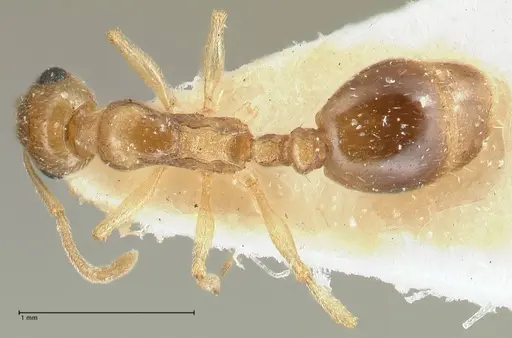
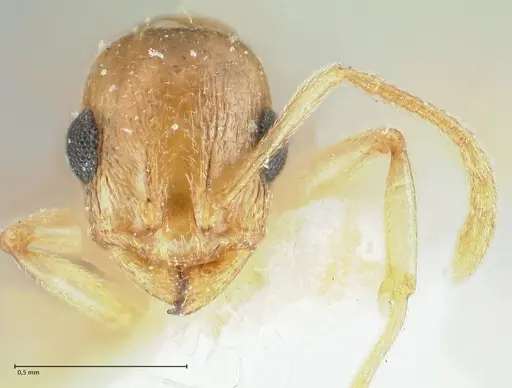
FOCOL1811-2
View on AntWeb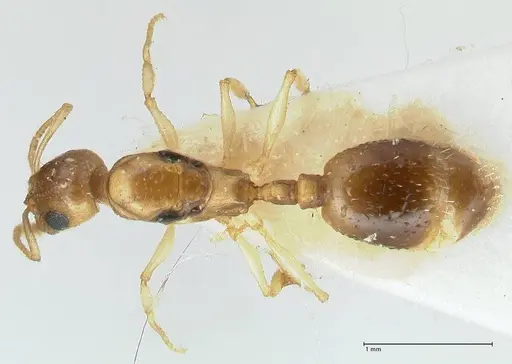
Literature
Loading distribution map...Loading products...