
Temnothorax tyndalei
- Sci. Name
- Temnothorax tyndalei
- Tribe
- Crematogastrini
- Subfamily
- Myrmicinae
- Author
- Forel, 1909
- Distribution
- Found in 3 countries
Introduction
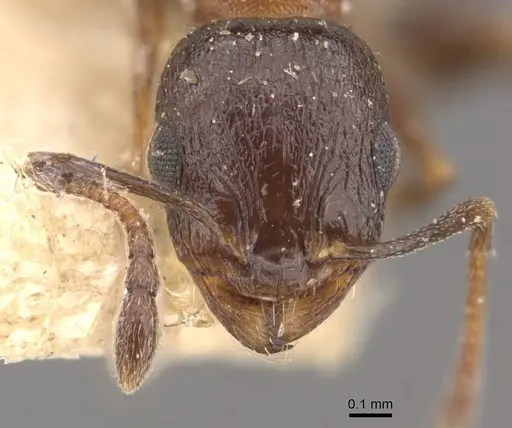
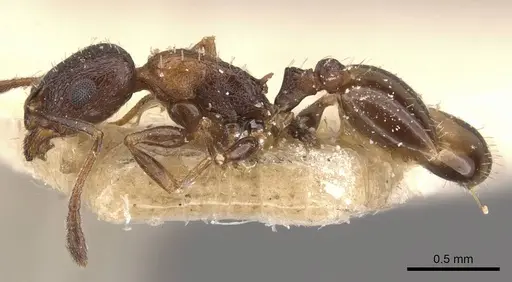
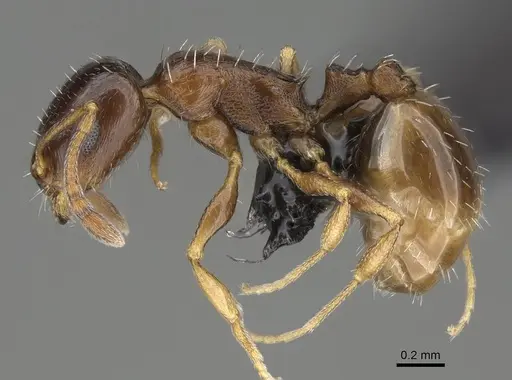
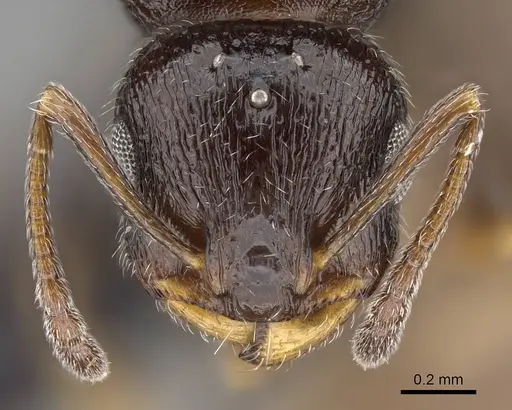
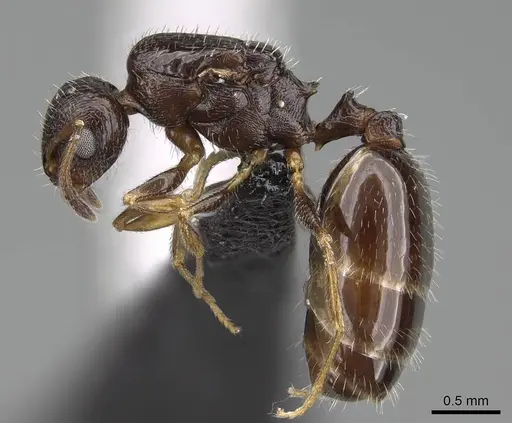
Temnothorax tyndalei is a small ant found across the Ibero-Maghreb region, including Algeria, Morocco, Spain, and Portugal . It was first described as a subspecies of Leptothorax tuberum in 1909 and raised to full species in 1966 . These ants belong to the cryptic species functional group, meaning they hide in small, concealed spaces rather than building obvious nests . They are associated with humid, shaded forest habitats like mountain woodlands and riparian forests . Size data is unavailable, but based on typical Temnothorax workers, they are likely around 2-4mm.
Quick Summary
- Difficulty: Medium
- Origin & Habitat: Native to the Ibero-Maghreb region (Algeria, Morocco, Spain, Portugal). Found in humid, shaded forests, olive groves, and mountain woodlands up to 1289m elevation [2][1]. They nest in soil [1].
- Colony Type: Unknown. Social structure has not been studied. Based on the genus, they are likely monogyne (single queen), but this is unconfirmed.
- Size & Growth:
- Queen: Size data unavailable. Inferred from genus: around 4-6mm.
- Worker: Size data unavailable. Inferred from genus: around 2-4mm.
- Colony: Unknown. Based on typical Temnothorax, likely small (under 500 workers), but this is unconfirmed.
- Growth: Moderate (estimated based on genus)
- Development: Unconfirmed for this species. Inferred from related Temnothorax: roughly 6-10 weeks at 20-22°C. (Development time is an estimate only, species-specific data is lacking.)
- Antkeeping:
- Temperature: Keep at 18-24°C. Avoid extremes. Room temperature around 20°C is ideal. This species comes from temperate Mediterranean habitats with moderate climates [4][2].
- Humidity: Moderate to high. They prefer humid forest floors [4]. Keep the nest substrate moist but not waterlogged. Provide a slight gradient with a drier area for the ants to choose.
- Diapause: Likely yes. As a temperate species, they probably need a winter rest period of 8-12 weeks at 10-15°C. This is inferred from the genus, as direct data is unavailable.
- Nesting: Soil-nesting species [1]. In captivity, use test tubes, Y-tong (AAC) nests with small chambers, or plaster nests. Provide tight, snug chambers since they are cryptic [4].
- Behavior: Shy and non-aggressive. Workers forage individually or in small groups. They have a modified stinger used for smearing venom, not piercing, they are harmless to humans. Escape prevention is critical due to their likely tiny size. They prefer to stay hidden in small crevices [4].
- Common Issues: escape prevention is critical, their tiny size means they can slip through standard barriers easily., limited biological data means care is based on genus defaults rather than species-specific research., sensitive to drying out, keep the nest substrate consistently moist., slow colony growth can frustrate beginners who expect rapid development., wild-caught colonies may be difficult to establish due to unknown founding requirements.
Housing and Nest Setup
Temnothorax tyndalei nests in soil [1]. As a cryptic species, they prefer tight, enclosed spaces [4]. In captivity, use test tubes with a water reservoir, Y-tong (AAC) nests with small chambers, or plaster nests. Provide snug chambers rather than spacious ones, these ants feel most secure in confined areas. A naturalistic setup with a thin soil layer and flat stones also works. Ensure good humidity retention while allowing some ventilation to prevent mold. Due to their tiny size, use fine mesh on openings and consider double-barrier systems for escape prevention.
Feeding and Diet
Like most Temnothorax, these ants are likely omnivorous. Offer small protein sources like fruit flies, pinhead crickets, or tiny mealworms. Provide sugar water or honey diluted on a cotton ball. Feed small amounts 2-3 times per week, removing uneaten prey after 24 hours. Since workers are tiny, prey items should be no larger than the ant's head. Sugar should be available constantly. Keep fresh water accessible at all times.
Temperature and Seasonal Care
Maintain temperatures at 18-24°C, with room temperature around 20°C ideal. Avoid extremes above 28°C or below 15°C. This species comes from Mediterranean temperate zones with moderate climates [4][2]. During winter (November to February in the Northern Hemisphere), reduce temperature gradually to 10-15°C for a diapause period. This rest is likely important for colony health. Do not cool them suddenly. Keep the nest away from direct sunlight and heating vents.
Humidity Requirements
Temnothorax tyndalei prefers moderate to high humidity, matching their humid forest habitat [4]. Keep the nest substrate consistently moist but not waterlogged, it should feel damp with no standing water. Achieve this with a test tube water reservoir or by misting the nest area. A small amount of condensation on test tube walls is normal, but avoid excessive condensation that could drown small colonies. Provide a gradient with one slightly drier area so ants can self-regulate.
Colony Establishment
Founding behavior is unconfirmed. If you acquire a founding queen, place her in a small test tube setup with a water reservoir and keep it dark and undisturbed at around 20°C. The queen may seal herself in if she is claustral, but this is unknown. The first workers (nanitics) would likely emerge 6-10 weeks later, based on related species. Once workers appear, start offering tiny food items. Do not disturb the queen unnecessarily. If acquiring an established colony, transfer it gently to an appropriate nest with similar humidity.
Behavior and Observation
This species is calm and non-aggressive. Workers forage individually or in small groups, moving slowly. They have a modified stinger for smearing venom, not piercing, and pose no threat to keepers. Their most notable behavior is their preference for hidden, cryptic nesting, you may rarely see workers unless foraging. They are most active during evening and night. Because of their tiny size, observation is best done with a magnifying glass or under good lighting. Their likely small colony size lets you observe the entire structure. [4]
Frequently Asked Questions
How long does it take for Temnothorax tyndalei to raise their first workers?
Development time is unconfirmed. Based on related Temnothorax species, expect 6-10 weeks from egg to first worker at around 20°C. This is an estimate only.
What do Temnothorax tyndalei ants eat?
They are likely omnivorous. Offer small protein sources like fruit flies or tiny mealworms 2-3 times per week. Provide sugar water or honey constantly, and fresh water.
Do Temnothorax tyndalei ants sting?
They have a modified stinger used for smearing venom, not for piercing like typical stinging ants. They are completely harmless to humans and will likely only try to flee if disturbed.
Can I keep multiple queens together?
Social structure is unknown. Based on typical Temnothorax, they are likely monogyne (single queen), but this is unconfirmed. Do not combine queens from different colonies.
What size colony do Temnothorax tyndalei reach?
Colony size is unknown. Based on typical Temnothorax, colonies likely remain small, possibly under 500 workers, but this is an estimate.
Do they need hibernation?
Likely yes, as a temperate Mediterranean species. Provide a winter rest of 8-12 weeks at 10-15°C, roughly November to February in the Northern Hemisphere. This is inferred from the genus.
Are Temnothorax tyndalei good for beginners?
They are rated Medium difficulty. Their care is straightforward, but the lack of species-specific data means some trial and error. Their tiny size also requires excellent escape prevention.
What nest type is best for Temnothorax tyndalei?
They do well in test tubes, Y-tong (AAC) nests with small chambers, or plaster nests. The key is providing tight, snug chambers since they are a cryptic species [4]. Avoid large open spaces.
Why are my ants dying?
Common causes: drying out (keep substrate moist), escape (use fine mesh), temperature extremes (keep at 18-24°C), or stress from disturbance. Also ensure sugared water and protein are available regularly.
Where is Temnothorax tyndalei found in the wild?
This species is found in Algeria, Morocco, Spain, and Portugal. They prefer humid, shaded forest habitats like olive groves and mountain woodlands up to 1289m [1][2][4].
Report an Issue
The current care sheet is based fully on literature. See inconsistencies, or something that's incorrect? Please , it will be resolved after review from an admin. Contributing to the blogs tab also helps providing information, to make us be able to further improve the caresheets. Thank you for your support!
References

This caresheet is licensed under CC BY-SA 4.0 .
Community Blogs
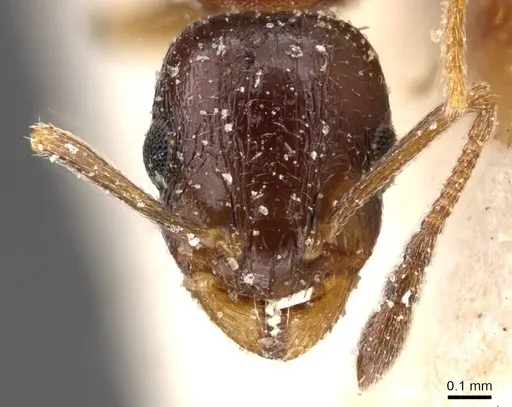
CASENT0909047
View on AntWeb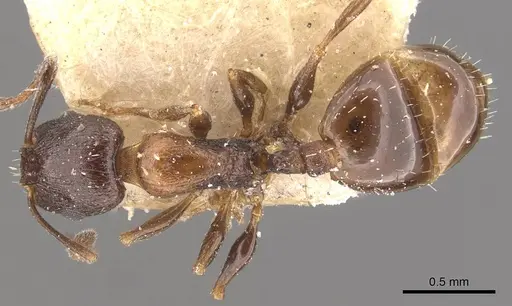
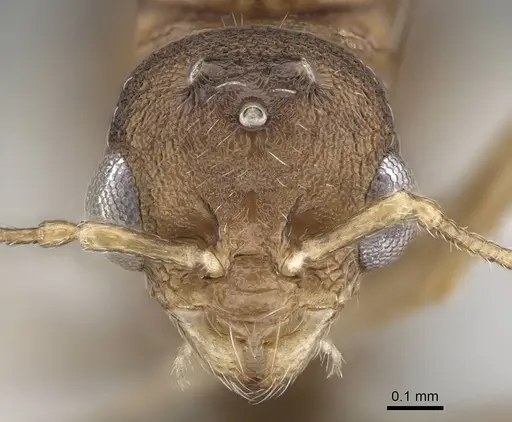
CASENT0912919
View on AntWeb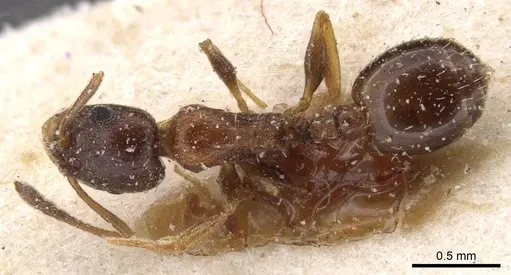
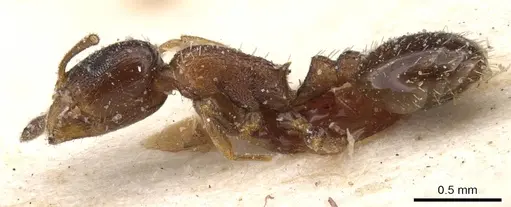
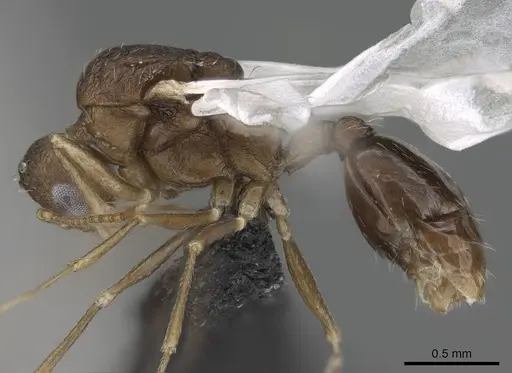
KG01543-2
View on AntWeb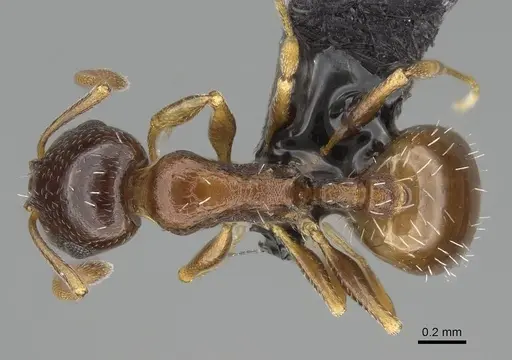
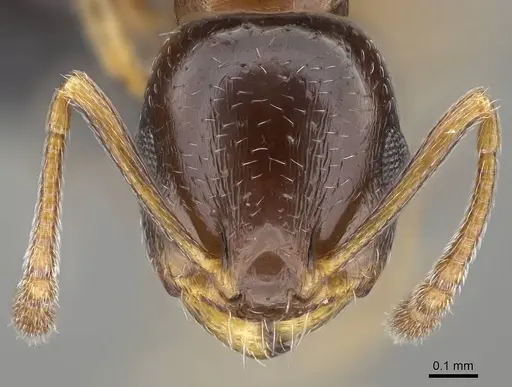
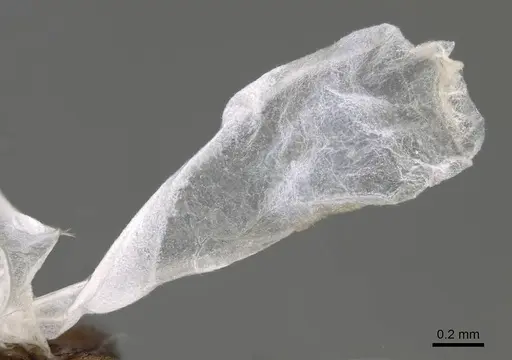
KG01543-3
View on AntWeb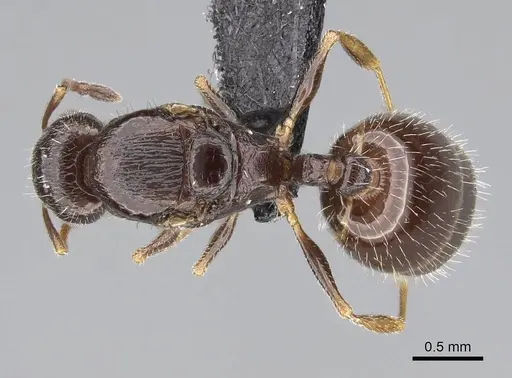
KG01543-4
View on AntWeb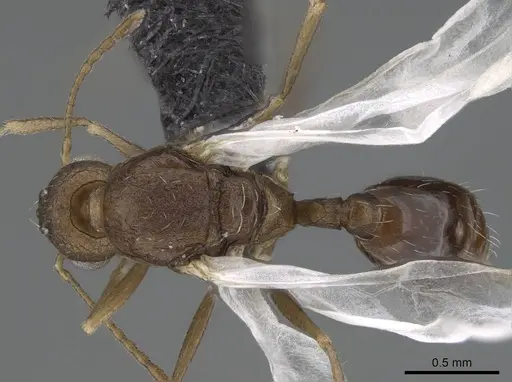
Literature
Loading distribution map...Loading products...