
Temnothorax torrei
- Sci. Name
- Temnothorax torrei
- Tribe
- Crematogastrini
- Subfamily
- Myrmicinae
- Author
- Aguayo, 1931
- Distribution
- Found in 3 countries
Introduction
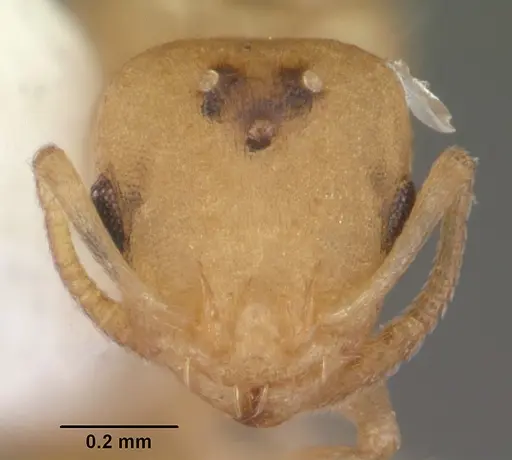
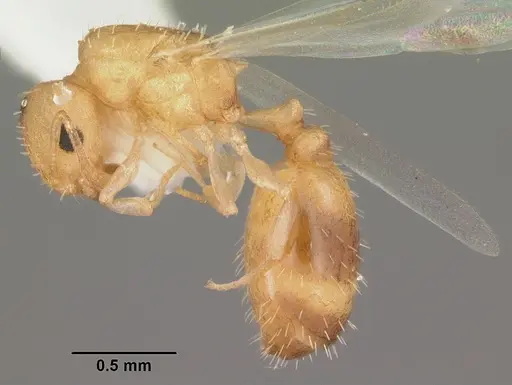
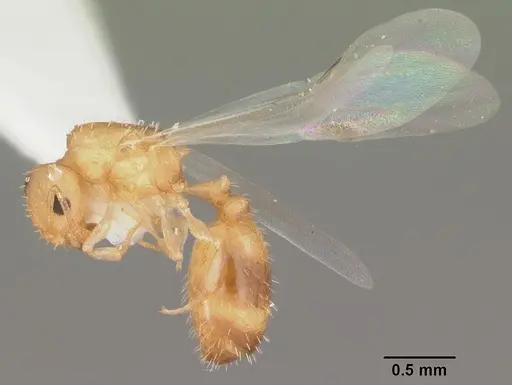
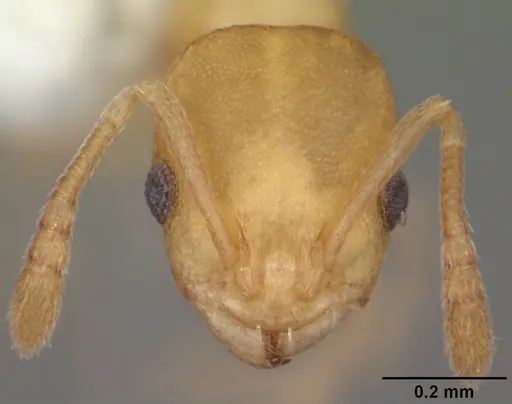
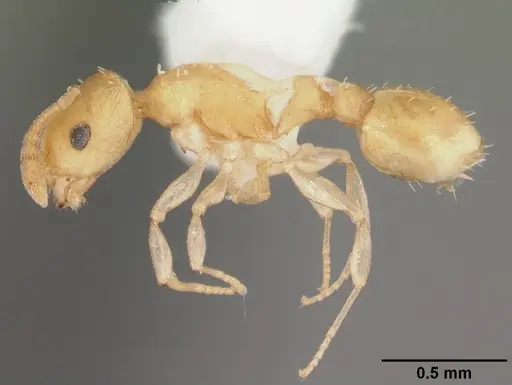
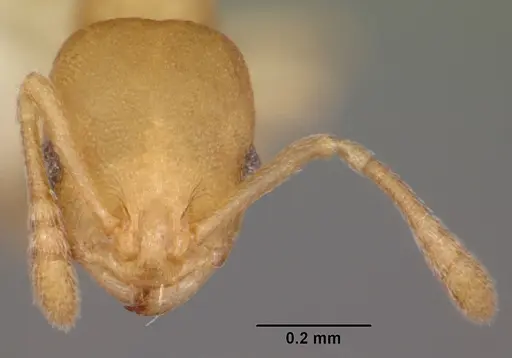
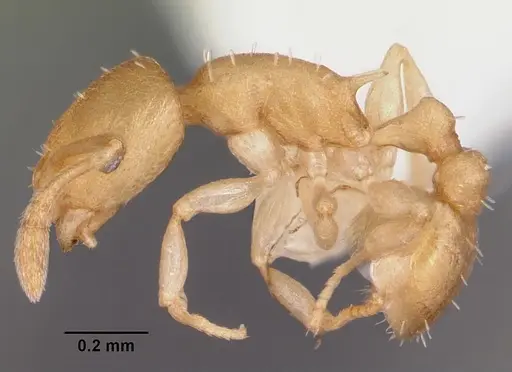
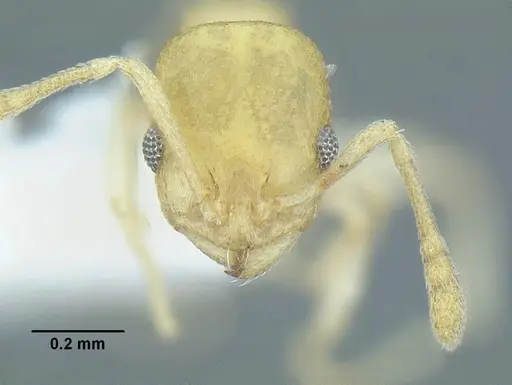
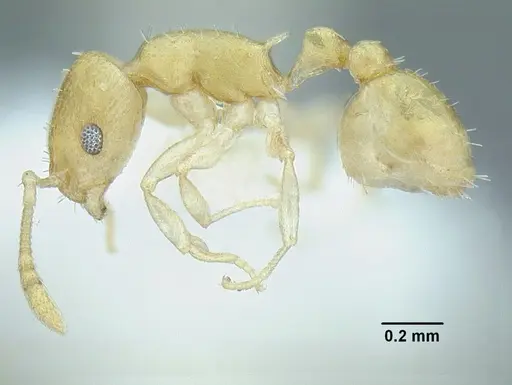
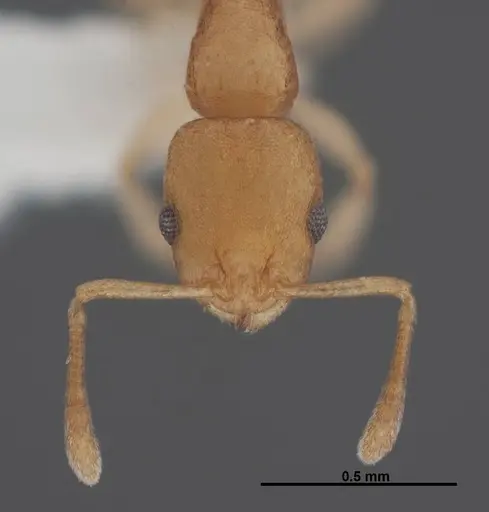
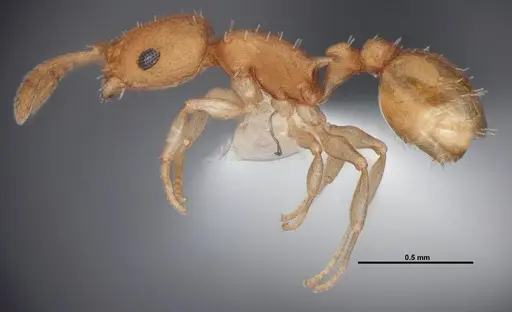
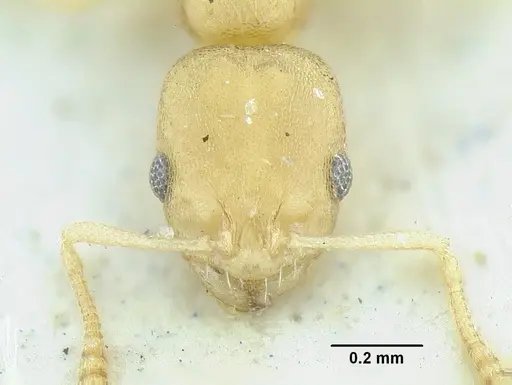
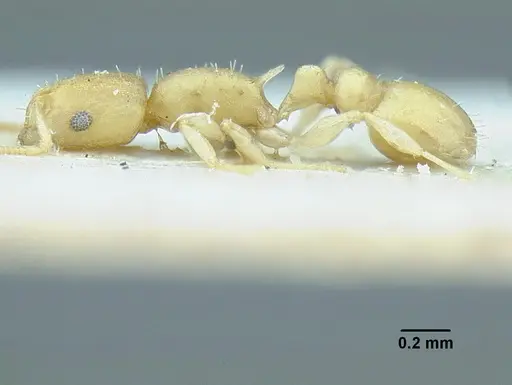
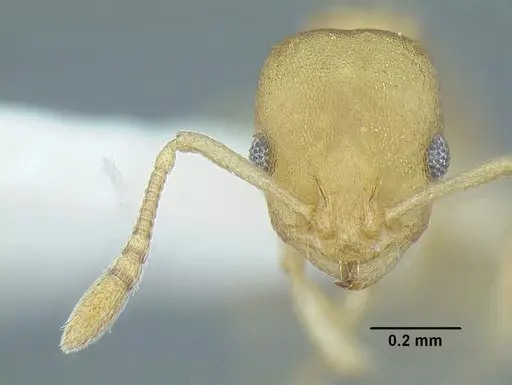
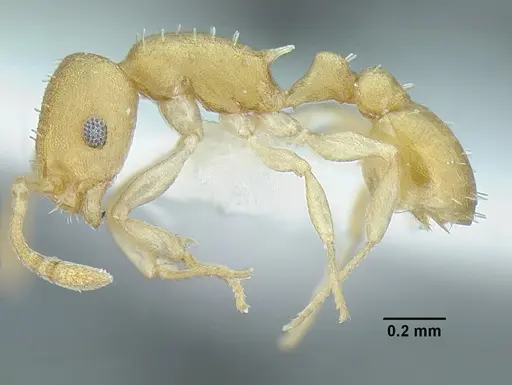
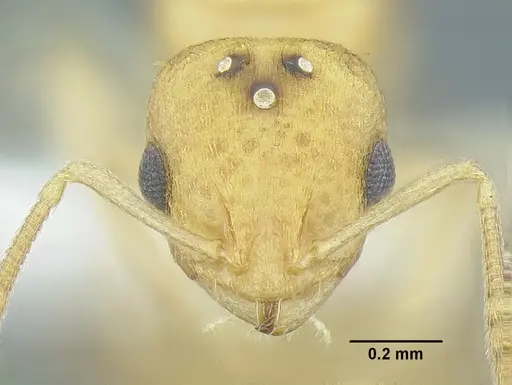
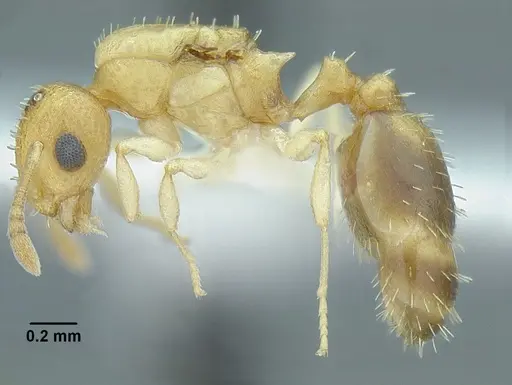
Temnothorax torrei is a tiny, pale yellow ant belonging to the pulchellus group within the salvini clade . Workers measure about 2 mm, making them one of the smaller Temnothorax species . The species is uniformly testaceous yellow with short, blunt setae scattered across the body and a very broad postpetiole - over twice the width of the petiole. The head and mesosoma have light areolate sculpture, which separates them from similar species like Temnothorax terricola and Temnothorax hippolyta that have smooth heads . This Caribbean species lives in leaf litter and nests in sticks and dead roots . Originally described from Cuba among empty terrestrial snail shells . It is rarely collected. Defense mechanism: like other members of the subfamily Myrmicinae and tribe Crematogastrini, they have a modified, flattened stinger used to smear venom onto enemies rather than piercing - making them docile and harmless to keepers.
Quick Summary
- Difficulty: Medium
- Origin & Habitat: Southern Florida (including Florida Keys), The Bahamas, Cayman Islands, and Cuba. Found in hardwood hammocks, tropical hammocks, pine forests, and dry-forest leaf litter at low elevations [4]. Nests in sticks and dead roots within leaf litter [3].
- Colony Type: Unconfirmed, likely monogyne based on typical Temnothorax patterns, but not well-documented.
- Size & Growth:
- Antkeeping:
- Temperature: Subtropical species, likely prefers warm conditions. Start around 24-28°C, but specific requirements are unstudied. Use a gradient so ants can choose.
- Humidity: Moderate to high, leaf-litter inhabitant. Keep nest substrate lightly moist but not waterlogged. Provide a moisture gradient: one moist area and one drier area. Avoid stagnant wet conditions.
- Diapause: No, as a Caribbean/subtropical species, true hibernation is unlikely. A slight winter cool-down (18-20°C) may mimic natural cycles, but not required.
- Nesting: Small cavities: sticks, dead roots in leaf litter [3]. Use test tubes for founding, then a small Y-tong (AAC) or plaster nest with narrow chambers. Avoid large open spaces. Keep dark and quiet.
- Behavior: Docile and non-aggressive. Defense via venom smearing (not stinging), harmless to keepers. Workers are shy, slow-moving, and forage individually. Escape prevention is critical due to 2 mm size: use fine mesh (≤0.5 mm) and tight seals.
- Common Issues: escape prevention, workers can squeeze through tiny gaps, fine mesh barriers are essential, overheating, avoid temperatures above 30°C, especially in sealed nests, dry conditions, substrate must stay lightly moist to prevent colony decline, sensitive to vibration and disturbance, place nest in a quiet, dark location, little is known about this species in captivity, all care advice is experimental
Housing and Nest Setup
These tiny ants need appropriately scaled housing. For founding, a standard test tube setup works, use a small cotton water reservoir and leave a dry chamber. The species appears to nest in sticks and dead roots in leaf litter [3]. For established colonies, use a small Y-tong (AAC) or plaster nest with narrow chambers. Keep the nest dark and quiet. Escape prevention is critical: workers are 2 mm and can fit through impossibly small gaps. Use fine mesh (0.5 mm or smaller) on ventilation, and tight-fitting lids. A fluon barrier on test tube rims helps.
Feeding and Diet
Like most Temnothorax, Temnothorax torrei is likely omnivorous. Provide sugar water (1:1) or honey for carbohydrates, and small protein sources such as fruit flies, pinhead crickets, or tiny mealworms. Feed small amounts 2-3 times per week, remove leftover prey after 24 hours to prevent mold. These are small ants with small appetites, overfeeding risks spoilage. In the wild they forage individually through leaf litter. [4]
Temperature and Seasonal Care
As a Caribbean and southern Florida species, Temnothorax torrei prefers warm conditions. Target 24-28°C, but exact requirements are unstudied. Use a gentle thermal gradient (e.g., heating cable on one side) so ants can self-regulate. Avoid temperatures above 30°C and direct heat that dries out the nest. True hibernation is not needed, a slight winter cool-down to 20-22°C may be natural but is optional. [4]
Humidity Requirements
Leaf-litter dwellers need moderate to high humidity. Keep the nest substrate lightly moist, damp but not waterlogged. Condensation on test tube sides occasionally is fine, but ensure some ventilation to prevent mold. Provide a moisture gradient: one wet area (e.g., cotton water reservoir) and one dry area. If workers cluster near moisture, increase humidity, if mold appears, reduce. Monitor carefully. [4]
Colony Founding
Founding behavior is unconfirmed for this species. Most Temnothorax are claustral (queen raises first brood on stored reserves without foraging), but this has not been documented for Temnothorax torrei. If your queen seals herself in a chamber, do not disturb her, place the test tube in a dark, quiet place and wait. Once nanitic workers appear, they will exit to forage. Offer tiny food then. [4]
Behavior and Temperament
Temnothorax torrei is docile and non-aggressive. Workers are small, slow-moving foragers that explore individually rather than in trails. They are shy and sensitive to vibrations, keep the setup in a quiet spot. Defense is through venom smearing (a modified stinger wipes venom onto enemies), not piercing, they pose no danger to keepers. Despite their calm nature, their tiny 2 mm size makes escape prevention the top priority. Provide stable humidity and dark conditions. [4]
Frequently Asked Questions
How long does it take for Temnothorax torrei to produce first workers?
Unknown, no published data exists for this species. Development time likely depends on temperature, but cannot be reliably estimated.
Can I keep Temnothorax torrei in a test tube?
Yes, test tubes work well for small colonies. Use a small water reservoir and a cotton plug. Ensure the tube is appropriately sized for the queen.
What do Temnothorax torrei ants eat?
Likely omnivorous, offer sugar water or honey for carbs, and tiny prey like fruit flies, pinhead crickets, or small mealworms for protein. Feed small amounts 2-3 times per week.
Do Temnothorax torrei ants sting?
They do not pierce skin. As members of tribe Crematogastrini, they use a modified stinger to smear venom onto enemies, harmless to humans. They are docile and rarely attempt to use it on keepers.
Are Temnothorax torrei good for beginners?
They are rated medium difficulty due to their tiny size (escape risk) and unknown specific care requirements. Not recommended for absolute beginners.
Do Temnothorax torrei need hibernation?
No, as a subtropical species, true hibernation is not required. A slight cool-down (20-22°C) in winter may be beneficial but is not necessary.
How big do Temnothorax torrei colonies get?
Unknown, colony size is not documented in the literature. Likely small given their litter-dwelling habits, but no maximum has been recorded.
Why are my Temnothorax torrei dying?
Common causes include: dryness (keep substrate lightly moist), overheating above 30°C, escape through tiny gaps, or disturbance during founding. Monitor humidity and temperature closely.
When should I move my colony to a formicarium?
When the test tube becomes crowded, but avoid moving too early. For tiny ants, a small Y-tong or plaster nest with narrow chambers works best. Gradually connect the new nest using a tube so they can migrate naturally.
Can I keep multiple queens together?
Unlikely to work, colony structure is not well-documented, but most Temnothorax are monogyne. Combining unrelated queens is not recommended as fighting may occur.
What temperature is ideal for Temnothorax torrei?
Aim for 24-28°C, but exact requirements are unstudied. Use a gradient so ants can choose. Avoid prolonged temperatures above 30°C.
Where is Temnothorax torrei found in the wild?
Native to southern Florida (including Florida Keys), The Bahamas, Cayman Islands, and Cuba. They inhabit leaf litter in hardwood hammocks, tropical hammocks, pine forests, and dry forests at low elevations [4].
Report an Issue
The current care sheet is based fully on literature. See inconsistencies, or something that's incorrect? Please , it will be resolved after review from an admin. Contributing to the blogs tab also helps providing information, to make us be able to further improve the caresheets. Thank you for your support!
References

This caresheet is licensed under CC BY-SA 4.0 .
Community Blogs
CASENT0104056
View on AntWeb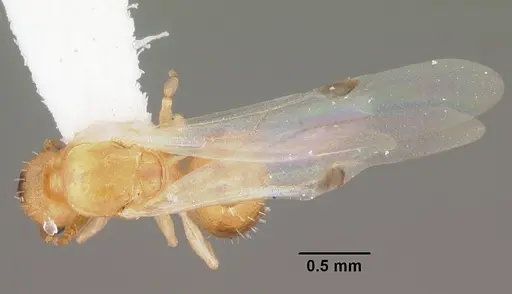
CASENT0104057
View on AntWeb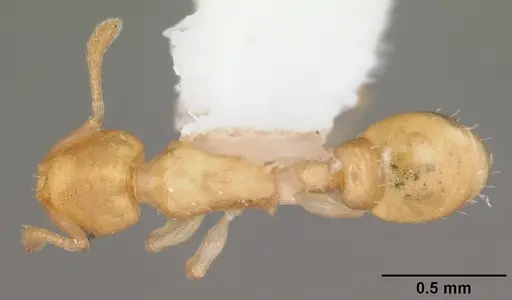
CASENT0104776
View on AntWeb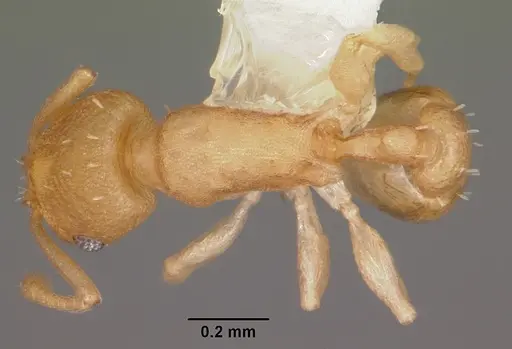
CASENT0758351
View on AntWeb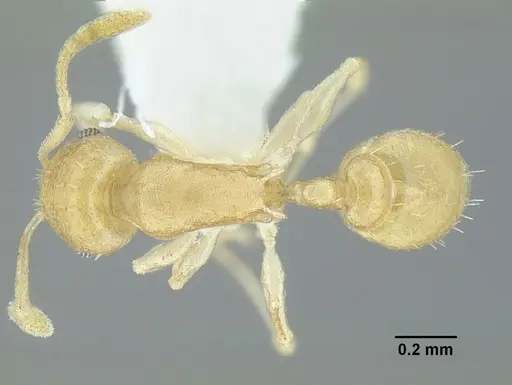
FMNHINS0000088654
View on AntWeb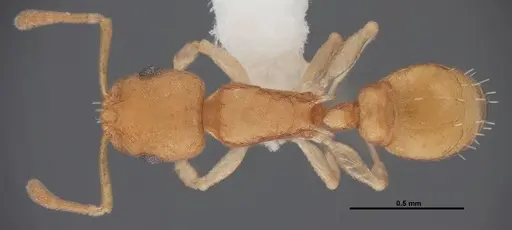
MCZENT00016562
View on AntWeb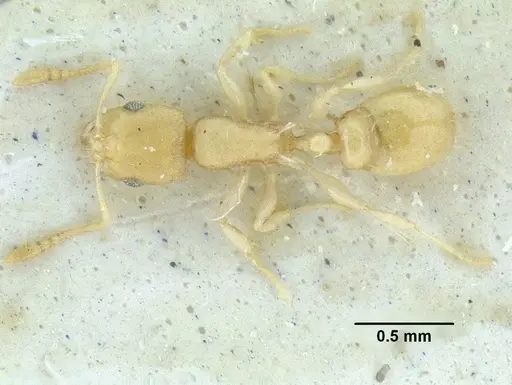
MCZENT00583611
View on AntWeb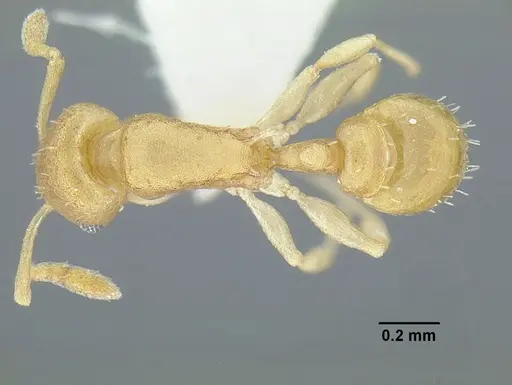
MCZENT00583612
View on AntWeb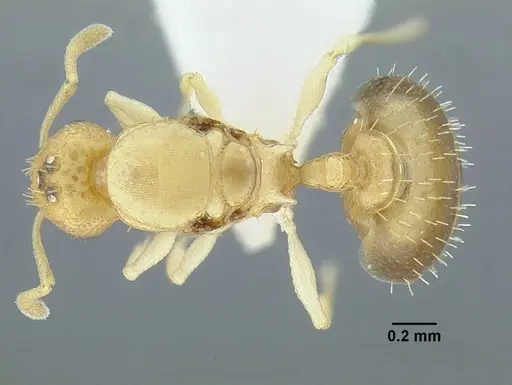
Literature
Loading distribution map...Loading products...